Travel Destination

Why travelers are booking unique stays instead of standard resorts

James Porter
4.5
May 08, 2026

Standard resorts still have their place, especially for travelers who want pools, beach access, dining options, and a simple vacation structure. But more travelers are now looking for stays that feel more personal, private, immersive, and memorable. Instead of choosing a large resort because it is familiar, they are searching for properties that offer stronger character, better design, deeper local connection, and experiences that do not feel copied from one destination to another.

Current luxury travel trends point toward privacy, wellness, slower itineraries, distinctive architecture, and stays that feel tied to the setting rather than separated from it. Travelers are also showing more interest in villas, boutique beach hotels, restored heritage properties, safari lodges, island hideaways, and nature-led retreats that offer resort-level comfort without the predictable resort atmosphere. The best resorts in the world for amazing travel are no longer defined only by size or amenities. They are often the places that make guests feel closer to the landscape, culture, and rhythm of the destination.
1. Private Island Retreats
© shutterstock / Chloe Sasha

1. Private Island Retreats

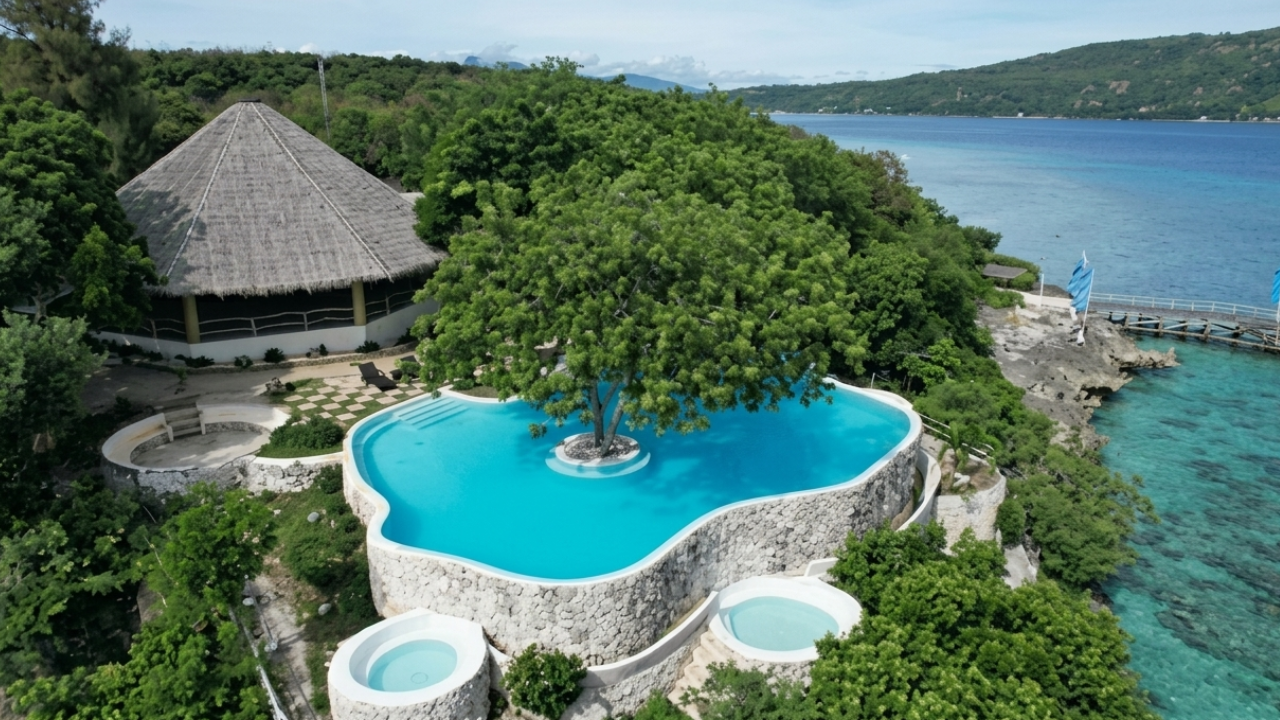
Private island retreats are becoming one of the most desired alternatives to standard resorts because they offer space, quiet, and a sense of separation from crowded travel routes. These stays usually focus on barefoot luxury, ocean views, low-density accommodation, and direct access to beaches or reefs. Travelers who once booked large beach resorts are now choosing islands where the experience feels slower and more personal. The appeal is not only privacy, but also simplicity. Meals, boat transfers, snorkeling, diving, and wellness treatments are often arranged around the guest instead of fixed resort schedules. In places such as Indonesia, the Maldives, Fiji, and the Caribbean, private island stays offer the feeling of a full escape while still delivering high-end service.

2. Staffed Villas
© shutterstock / Menno van der Haven

2. Staffed Villas

Staffed villas are replacing traditional resort suites for families, friend groups, and travelers celebrating milestones. Instead of sharing hotel facilities with hundreds of guests, travelers get private bedrooms, living areas, pools, gardens, kitchens, and dedicated staff. This type of stay works especially well for multi-generational trips because it allows people to spend time together without giving up personal space. A chef, housekeeper, driver, or concierge can make the stay feel as polished as a luxury resort, but with more flexibility. Villas in Tuscany, Bali, the Caribbean, Greece, Mexico, and Thailand are especially popular because they combine privacy with local atmosphere. For many travelers, the biggest advantage is having no lobby time, no breakfast rush, and no need to follow a resort rhythm.

3. Boutique Beach Hotels
© shutterstock / photojohn830

3. Boutique Beach Hotels

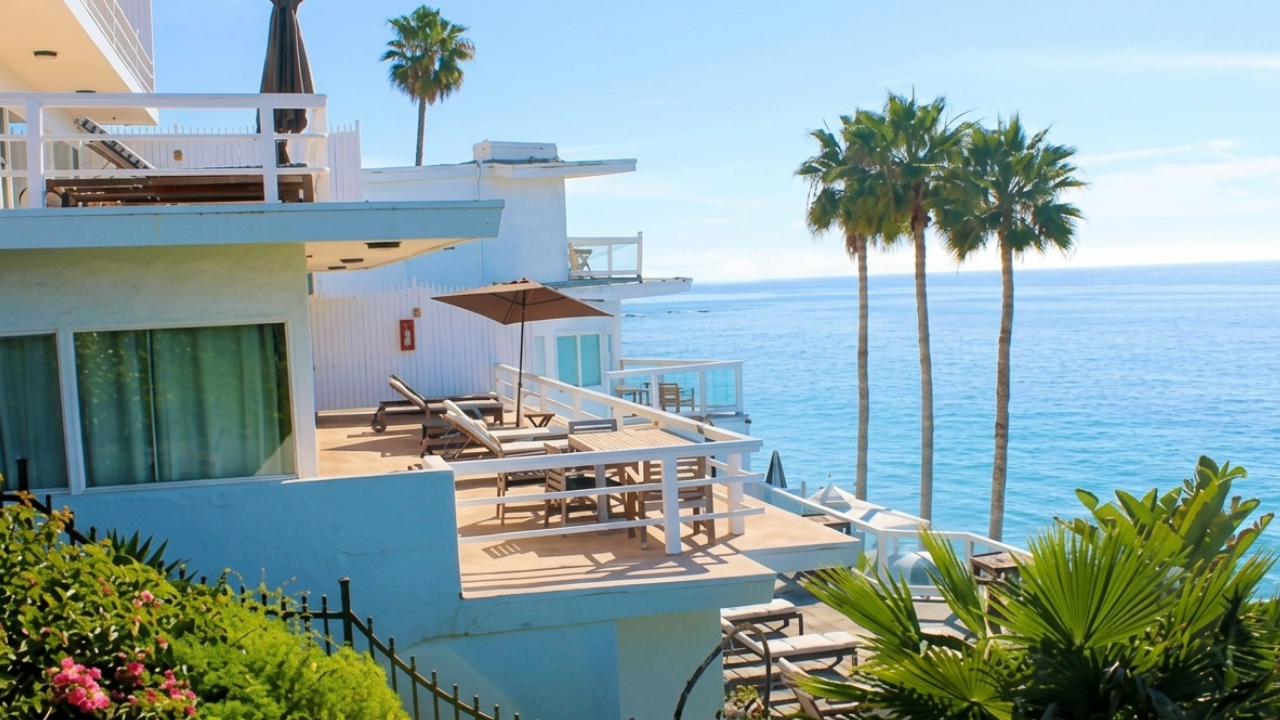
Boutique beach hotels are attracting travelers who want the beauty of a seaside resort without the scale of a large property. These stays usually have fewer rooms, stronger design, and a more intimate relationship with the coast. Instead of long buffet lines and crowded pool areas, guests may find open-air restaurants, locally made furniture, quiet courtyards, and direct access to a smaller stretch of beach. The best boutique beach hotels often feel rooted in their location, whether that means Caribbean color, Greek island simplicity, Mexican craft details, or Southeast Asian tropical design. They appeal to travelers who still want sun, sea, and service, but prefer a stay that feels personal rather than standardized.

4. Safari Lodges
© Facebook / West Midlands Safari Park

4. Safari Lodges

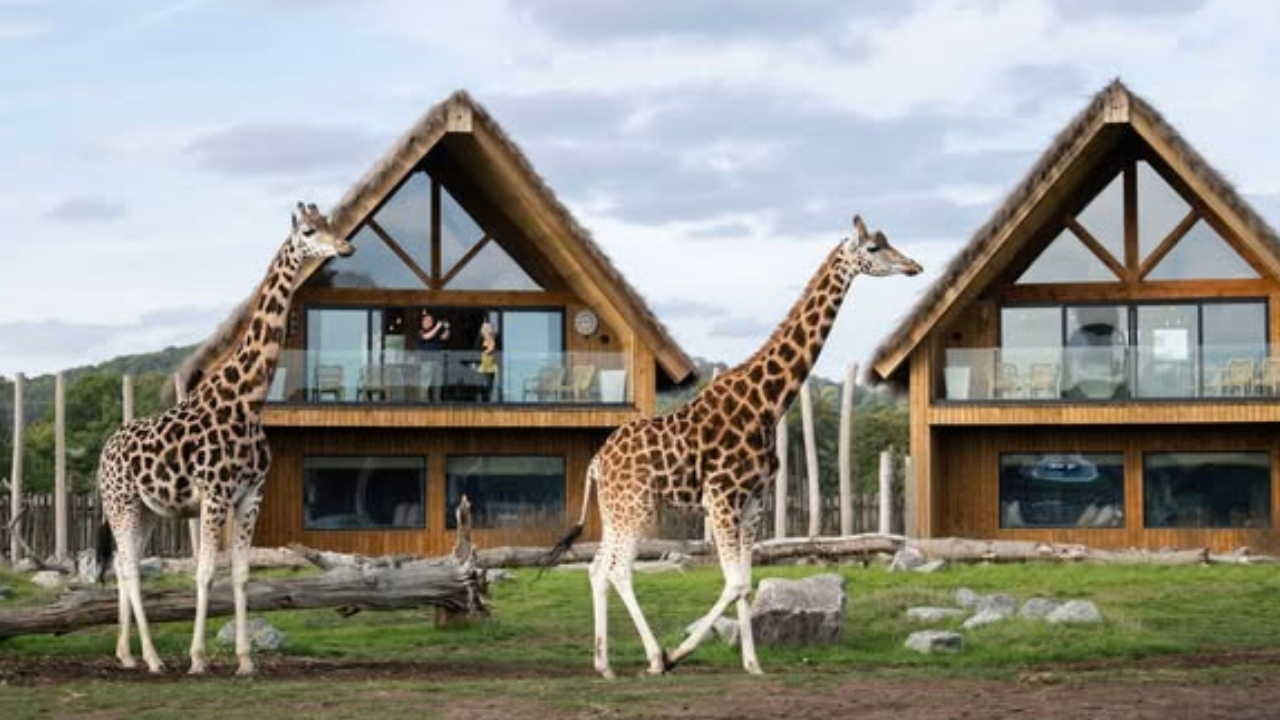
Safari lodges offer a completely different kind of luxury from a standard resort. The focus is not on oversized pools or nightlife, but on wildlife, landscape, silence, and early-morning adventure. Travelers are increasingly drawn to lodges in Kenya, Tanzania, South Africa, Botswana, Namibia, and Zambia because they offer a powerful sense of place. Many lodges now combine conservation work, excellent guiding, thoughtful design, and high comfort without losing the feeling of being close to nature. Guests may spend the day tracking animals, watching sunset over open plains, or dining under the stars. For travelers who want a trip that feels meaningful and unforgettable, safari lodges can offer more emotional depth than a traditional luxury resort.

5. Wellness Retreats
© shutterstock / Shyntartanya

5. Wellness Retreats

Wellness retreats have moved far beyond basic spa vacations. Travelers now want places that help them sleep better, reset mentally, move their bodies, eat well, and disconnect from daily pressure. Some retreats focus on yoga, meditation, fitness, thermal bathing, Ayurveda, longevity programs, or digital detoxes. Others combine wellness with nature, placing guests in mountains, forests, deserts, or coastal settings. This type of stay appeals to people who no longer see travel only as escape, but also as recovery. Resorts with wellness wings are still popular, but dedicated retreats often feel more focused and intentional. Destinations such as Thailand, India, Costa Rica, Switzerland, Bali, and Mexico are especially strong for travelers looking for structured rest with expert guidance.

6. Heritage Hotels
© shutterstock / Havoc

6. Heritage Hotels

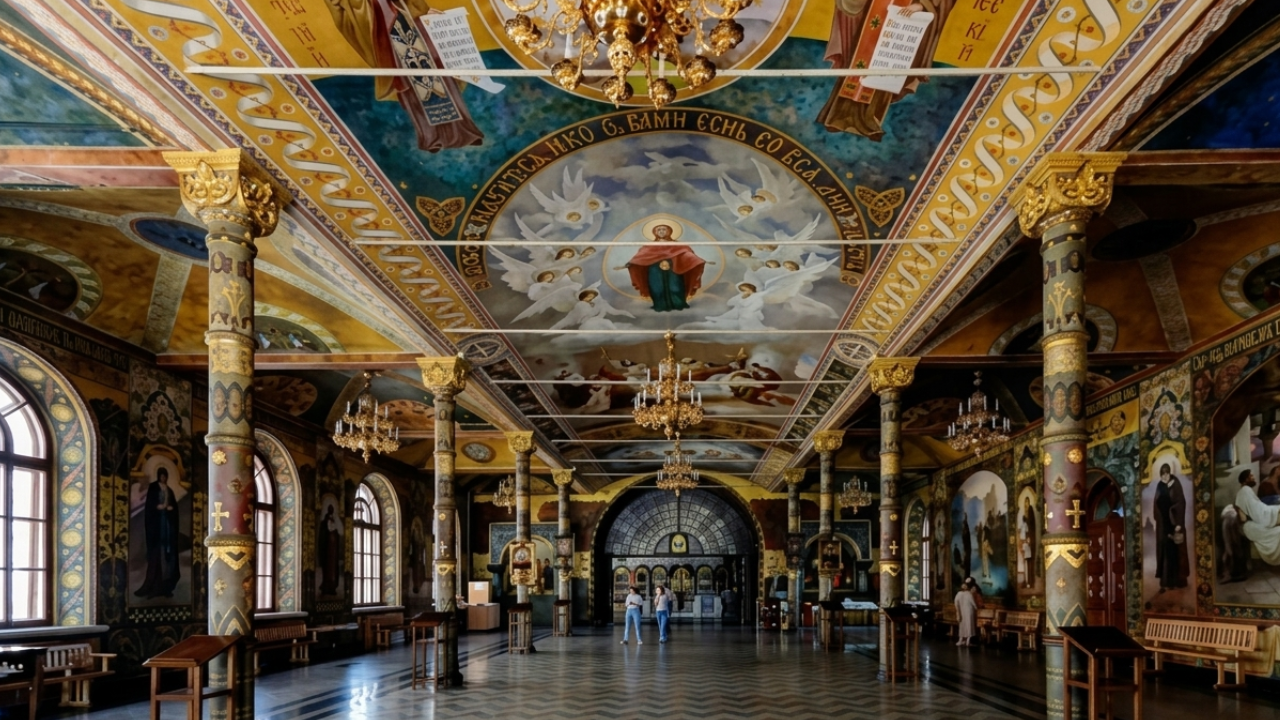
Heritage hotels are attracting travelers who want atmosphere, history, and architecture instead of a property that could exist anywhere. These stays may be former palaces, monasteries, forts, mansions, merchant houses, or colonial-era buildings restored into hotels. The appeal comes from character: old courtyards, carved doors, original tiles, grand staircases, antique details, and rooms that tell a story. Heritage hotels are especially popular in India, Morocco, Italy, Spain, Portugal, Turkey, and Southeast Asia. They offer a deeper sense of place because the building itself becomes part of the travel experience. For guests who find standard resorts too polished or anonymous, a heritage hotel can feel more memorable and culturally rich.

7. Desert Camps
© shutterstock / imageBROKER

7. Desert Camps

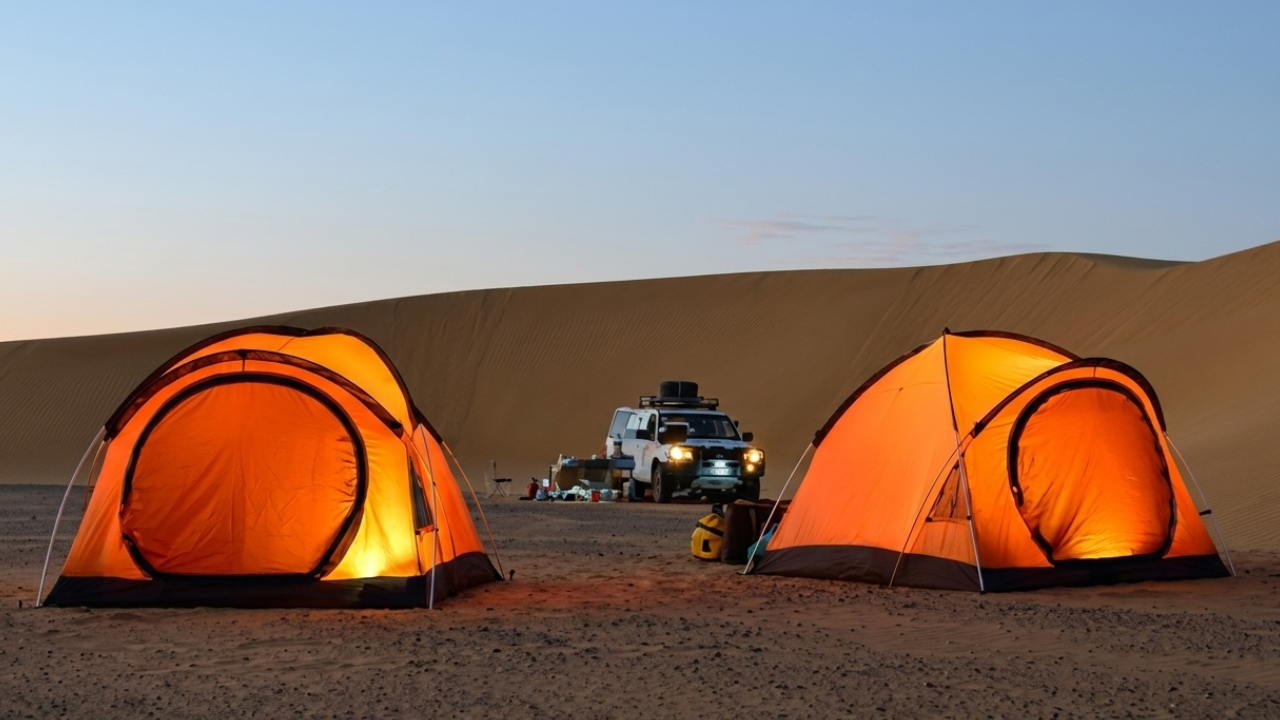
Desert camps are becoming a favorite for travelers who want dramatic scenery and stillness without giving up comfort. Modern luxury camps can include proper beds, private bathrooms, shaded terraces, chef-prepared meals, and guided activities. The experience is shaped by the landscape: dunes, stars, firelight, camel rides, 4x4 drives, and long stretches of silence. Morocco, Oman, Jordan, Namibia, Saudi Arabia, and the UAE all offer desert stays that feel very different from a resort holiday. Travelers choose them because they provide contrast. Instead of constant entertainment, the desert offers space and atmosphere. For many guests, one or two nights in a beautiful camp can become the most memorable part of a longer trip.

8. Eco-Lodges
© avocadogreenmattress / ChaaCreekCottageCollection

8. Eco-Lodges

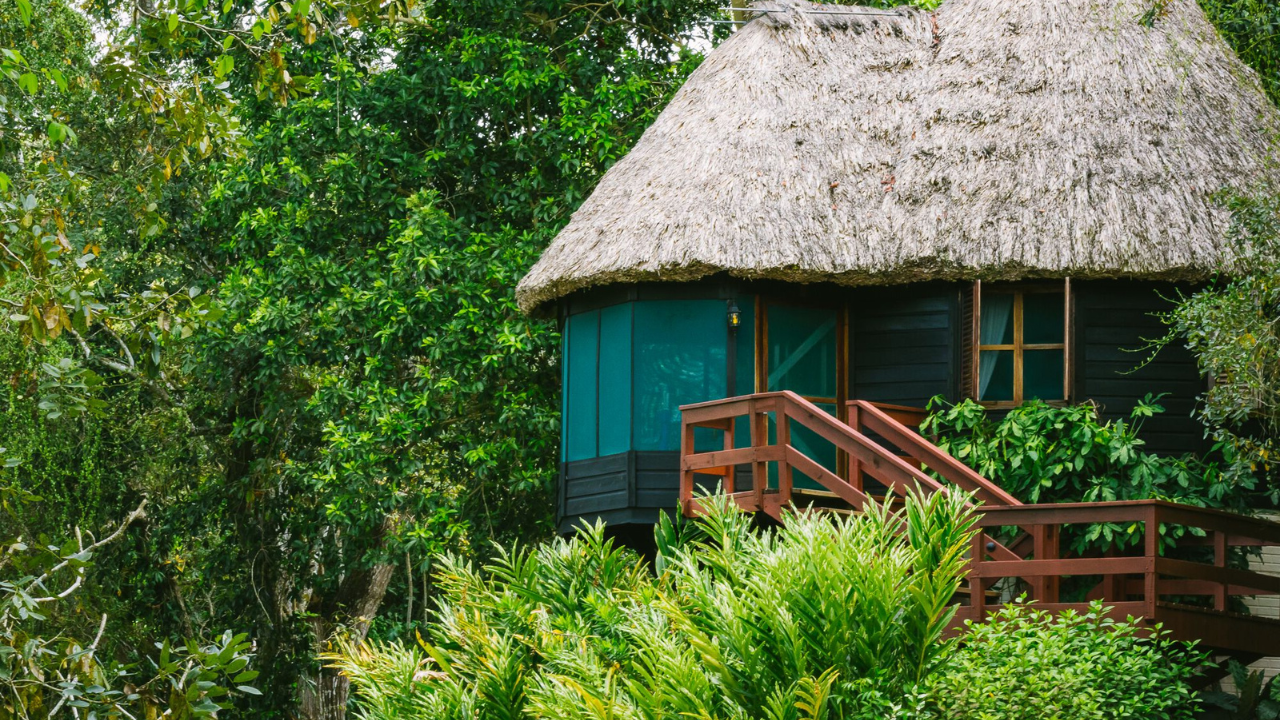
Eco-lodges appeal to travelers who want comfort but also care about the impact of where they stay. These properties are often designed around local materials, renewable energy, low waste, conservation, and community involvement. They are especially popular in rainforests, islands, mountains, and wildlife areas where the natural setting is the main reason to visit. Costa Rica, Belize, Ecuador, Rwanda, Indonesia, and parts of Africa have strong eco-lodge options. The best ones do not feel basic or preachy. Instead, they show how thoughtful design and responsible tourism can create a better guest experience. Travelers choose eco-lodges because they want a stay that feels connected to nature rather than built on top of it.

9. Farm Stays
© shutterstock / Natalia Kabliuk

9. Farm Stays

Farm stays are gaining attention from travelers who want slower, simpler, and more grounded vacations. These stays can range from rustic countryside homes to elegant vineyard estates and working farms with beautiful guest rooms. The appeal is daily rhythm: fresh meals, local wine, gardens, animals, cooking classes, walking trails, and quiet mornings. Farm stays are especially popular in Italy, France, Portugal, New Zealand, the United States, and parts of Latin America. They work well for travelers who are tired of crowded city hotels or large beach resorts. Instead of chasing attractions, guests can enjoy the pleasure of being in one place and understanding how food, land, and local life connect.

10. Floating Hotels
© shutterstock / Vera Larina

10. Floating Hotels

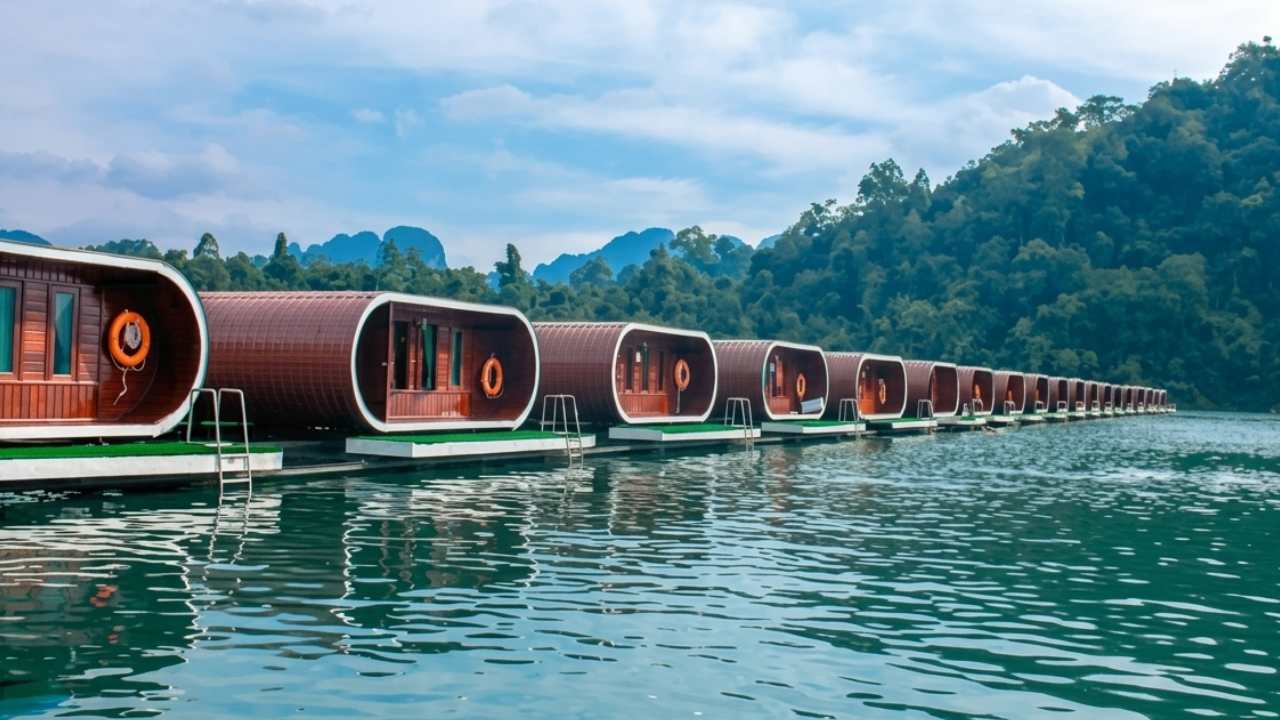
Floating hotels and overwater stays offer a sense of novelty that standard resorts often lack. Some are luxury river barges, some are houseboats, and others are overwater villas or small floating lodges. They appeal to travelers because water changes the mood of a stay. Waking up directly above a lagoon, river, lake, or calm bay feels different from staying in a regular room. Destinations such as the Maldives, French Polynesia, Kerala, Amsterdam, Cambodia, and parts of Scandinavia have turned water-based stays into full travel experiences. The best floating hotels combine comfort with scenery, allowing guests to slow down, watch the light change, and feel close to the destination.

11. Design-Led City Hotels
© shutterstock / Kirill Neiezhmakov

11. Design-Led City Hotels

Not every traveler wants to leave cities behind. Design-led city hotels are becoming a strong alternative to standard urban resorts because they offer culture, dining, art, and neighborhood access in a more stylish package. These hotels often have bold interiors, independent restaurants, rooftop spaces, curated shops, and rooms that reflect the city’s creative identity. They are especially popular in London, Tokyo, Mexico City, Paris, Bangkok, Seoul, New York, and Copenhagen. Travelers choose them because the hotel feels like part of the destination rather than a place to sleep between sightseeing stops. For people who care about architecture, food, music, and local energy, a smaller design hotel can be more exciting than a large resort-style property.

12. Mountain Chalets
© shutterstock / korisbo

12. Mountain Chalets

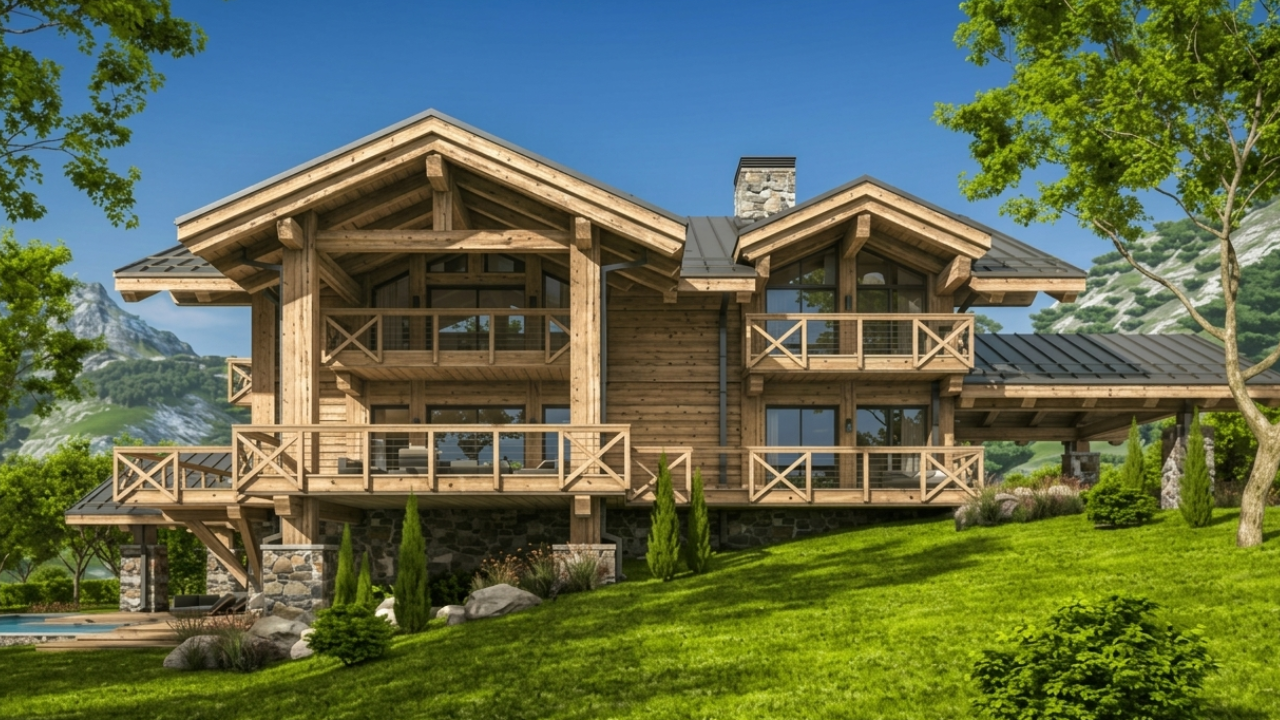
Mountain chalets are replacing standard resorts for travelers who want privacy, scenery, and cozy luxury. These stays are especially appealing in winter, but many now attract guests year-round with hiking, wellness, mountain biking, lakes, and fresh air. A chalet can feel more personal than a ski resort hotel because it offers private living space, fireplaces, kitchens, terraces, and often direct access to nature. Switzerland, France, Austria, Canada, Japan, Italy, and the United States have some of the most desirable chalet destinations. Travelers like them because they combine comfort with a sense of retreat. Whether surrounded by snow or summer greenery, a chalet feels slower, quieter, and more intimate than a large resort.

13. Remote Island Guesthouses
© shutterstock / Mayumi.K.Photography

13. Remote Island Guesthouses

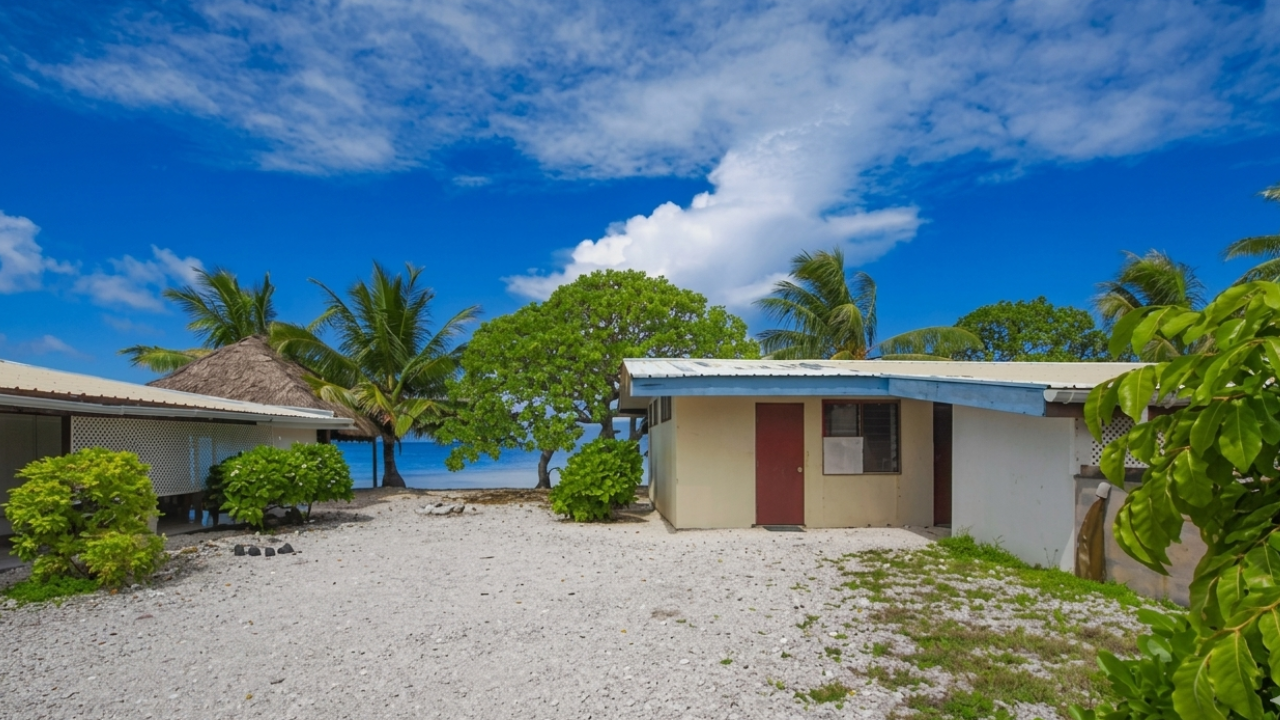
Remote island guesthouses are attracting travelers who want the beauty of island travel without the formality of a luxury resort. These stays may be family-run, locally owned, and much smaller than major beachfront properties. They often offer simple rooms, home-cooked meals, boat trips, and direct contact with local communities. In places like the Greek islands, the Philippines, Indonesia, Fiji, the Seychelles, and the Caribbean, guesthouses can create a more human version of island travel. Guests may not get every resort amenity, but they often gain authenticity, conversation, and a better understanding of daily island life. For travelers tired of polished beach escapes, this type of stay can feel refreshingly real.

14. Glamping Sites
© gw2ru / Hills & Huts

14. Glamping Sites

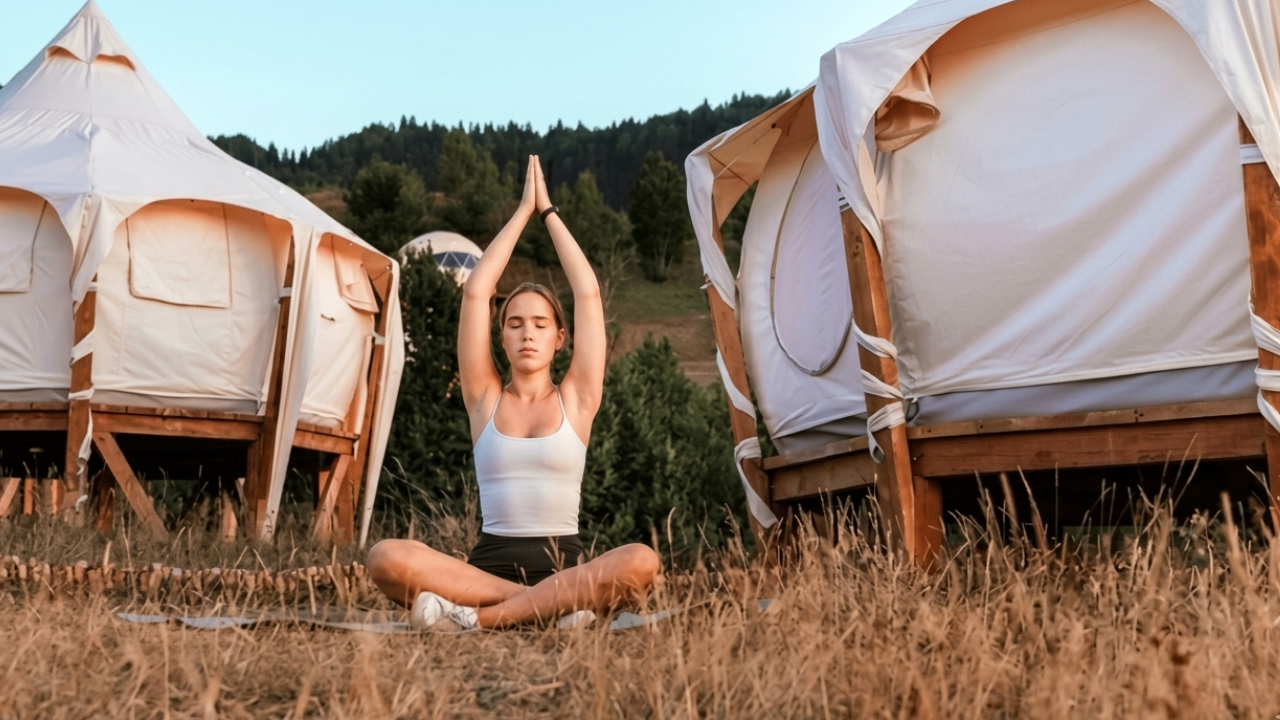
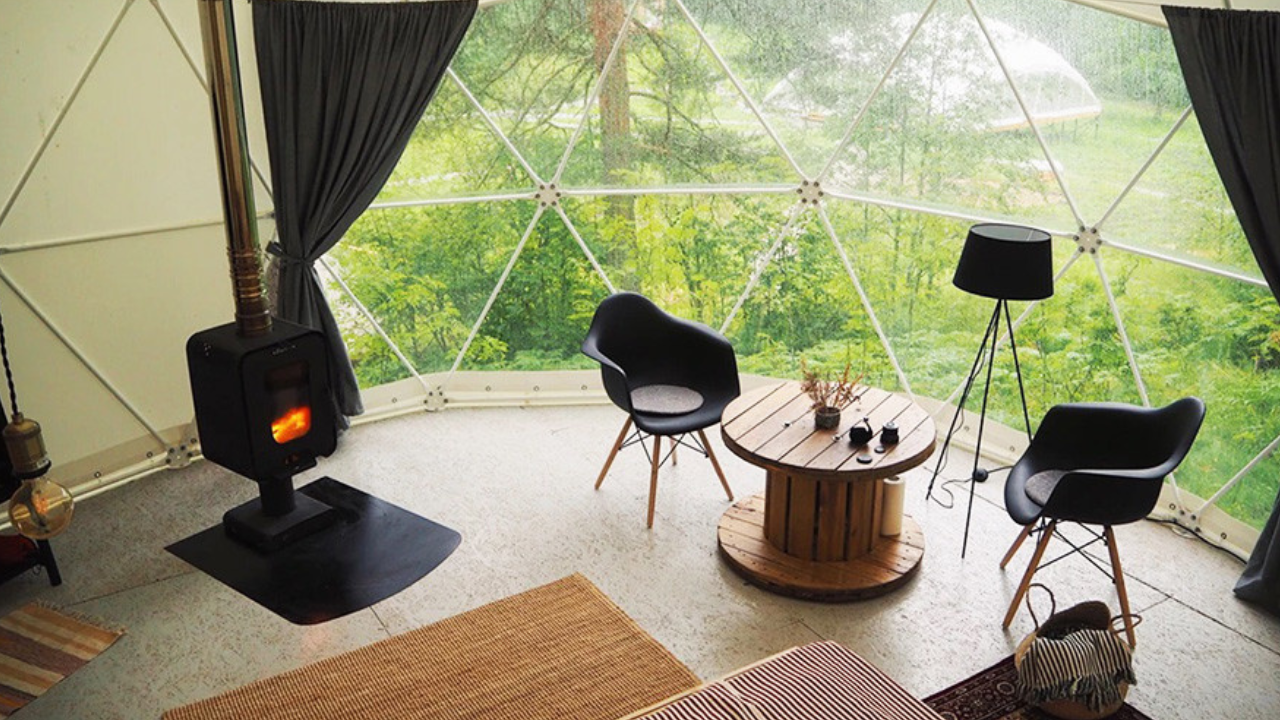
Glamping has become popular because it gives travelers access to nature without the discomfort of traditional camping. The best glamping sites now include safari tents, domes, cabins, treehouses, yurts, and canvas lodges with proper beds, bathrooms, heating, decks, and dining options. They are especially appealing to travelers who want stars, forests, mountains, or beaches but still need comfort. Glamping works well in national parks, deserts, wine regions, coastlines, and private reserves. It attracts couples, families, and groups who want a stay that feels adventurous but manageable. Unlike standard resorts, glamping sites often make the landscape the main event, with the accommodation designed to keep guests close to it.

15. Restored Village Stays
© shutterstock / cstrike

15. Restored Village Stays

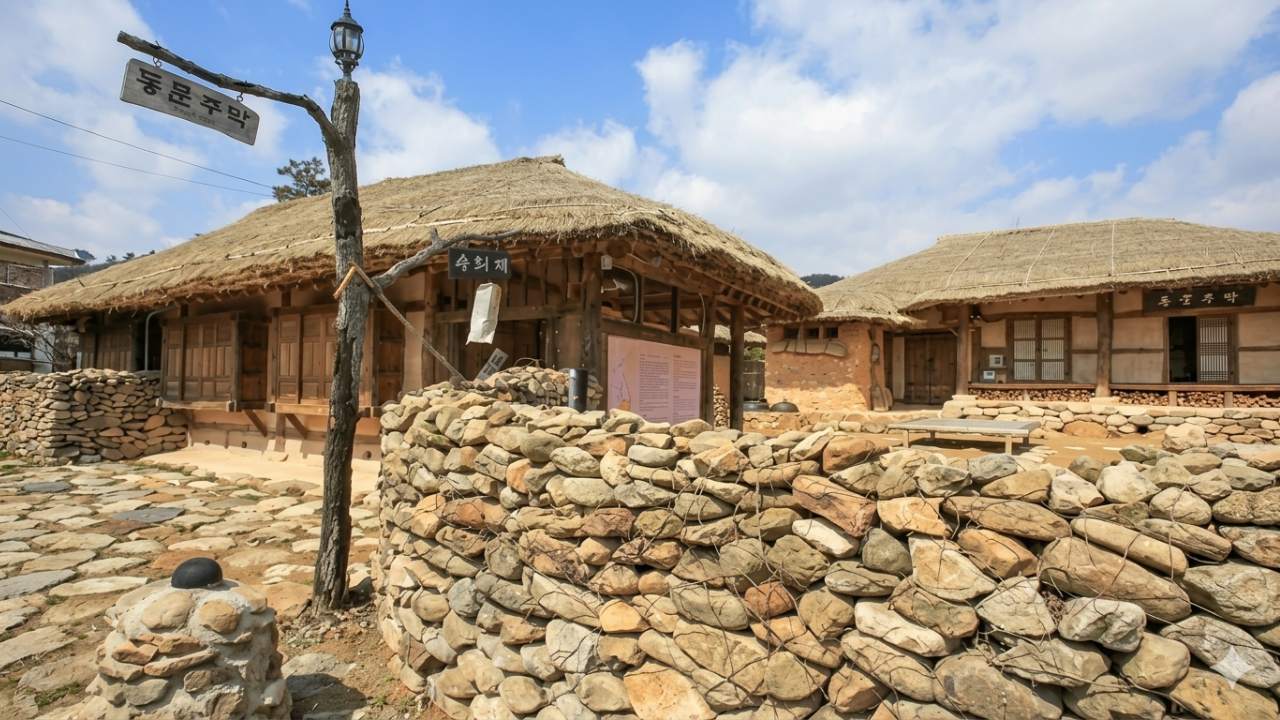
Restored village stays are becoming a meaningful alternative for travelers who want culture, history, and a slower pace. In some destinations, old villages, stone houses, or traditional neighborhoods have been carefully converted into small hotels or guest accommodations. Instead of staying in one large building, guests may sleep in restored homes spread through narrow lanes, with local cafés, workshops, gardens, or courtyards nearby. These stays are popular in places such as Italy, Greece, Portugal, Spain, Morocco, and parts of the Middle East. They appeal to travelers who want the feeling of living inside a destination, not simply visiting it. For those seeking the best resorts in the world for amazing travel, this kind of stay proves that luxury can be about atmosphere, preservation, and belonging rather than size.


Comments (0)

Leave a Reply

No comments yet. Be the first to share your thoughts!