Travel Destination

Why learning local etiquette matters in these popular travel destinations

Adam Collins
4.1
May 11, 2026

Some destinations are easy to enjoy only when travelers understand the local rhythm. The food, scenery, landmarks, and hotels may be excellent, but small etiquette mistakes can quickly create awkward moments. In many places, respect is shown through quiet behavior, proper dress, careful greetings, dining manners, or knowing when not to take photos. These customs are not about making travel stressful. They help visitors move through a place with more awareness and fewer misunderstandings.

Local etiquette matters most in destinations where religion, tradition, social hierarchy, or public behavior standards are deeply tied to daily life. A traveler who learns a few basic rules often receives warmer service, better conversations, and a smoother experience. Common issues include shoes indoors, tipping customs, dress codes, chopstick manners, public noise, gestures, personal space, and behavior at sacred sites. These 10 destinations are beautiful and rewarding, but local etiquette can strongly shape how your trip feels.
1. Japan
© shutterstock / CandyRetriever

1. Japan

Japan is one of the most rewarding destinations for travelers who appreciate order, cleanliness, and thoughtful hospitality. At the same time, etiquette plays a major role in everyday life. Visitors should be mindful of quiet public transport, careful queueing, respectful temple behavior, and proper handling of chopsticks. Tipping is generally not expected, and in some situations, it may create confusion rather than appreciation. Shoes should be removed in homes, ryokan inns, some restaurants, temples, and traditional spaces. Japan does not require perfection from visitors, but obvious carelessness can stand out quickly because public behavior is usually calm and considerate.

Etiquette Rule: Keep your voice low on trains and buses.

Dining Tip: Never stick chopsticks upright in rice.

Traveler Tip: Carry a small trash bag, as public bins can be limited.

Must-Know: Tipping is not part of normal service culture.

2. Thailand
© shutterstock / Vietnam Stock Images

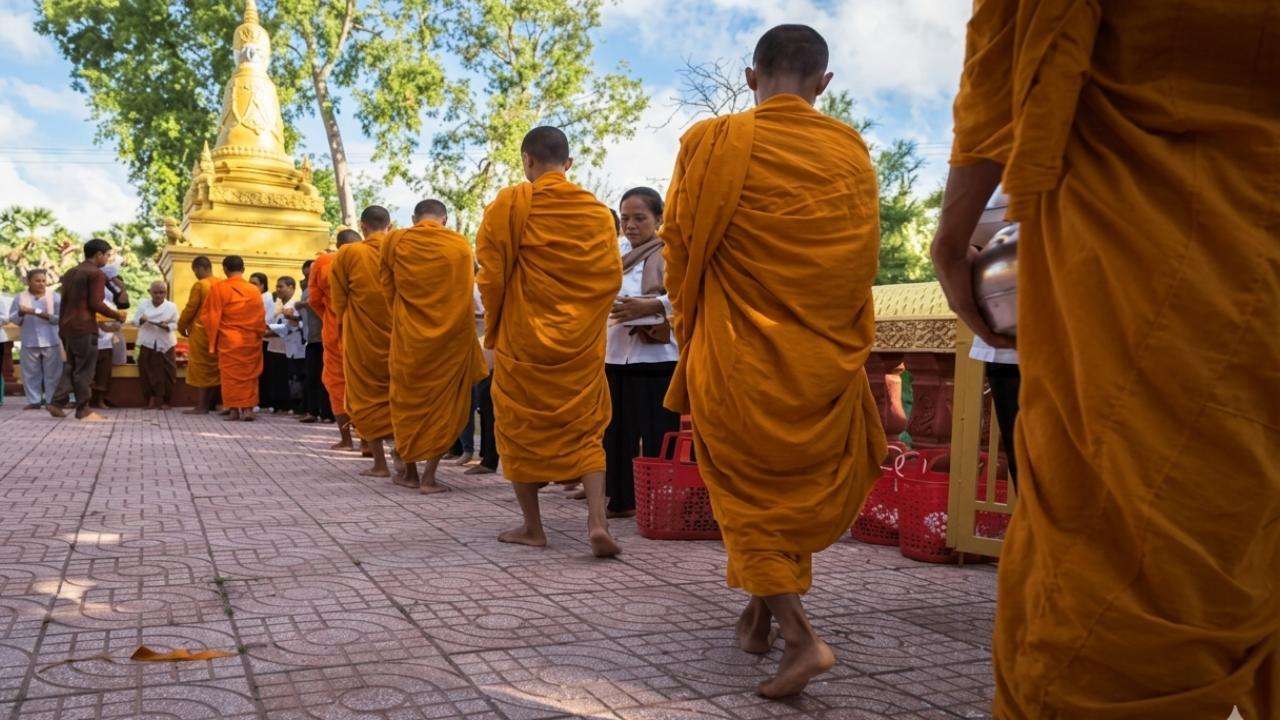
2. Thailand

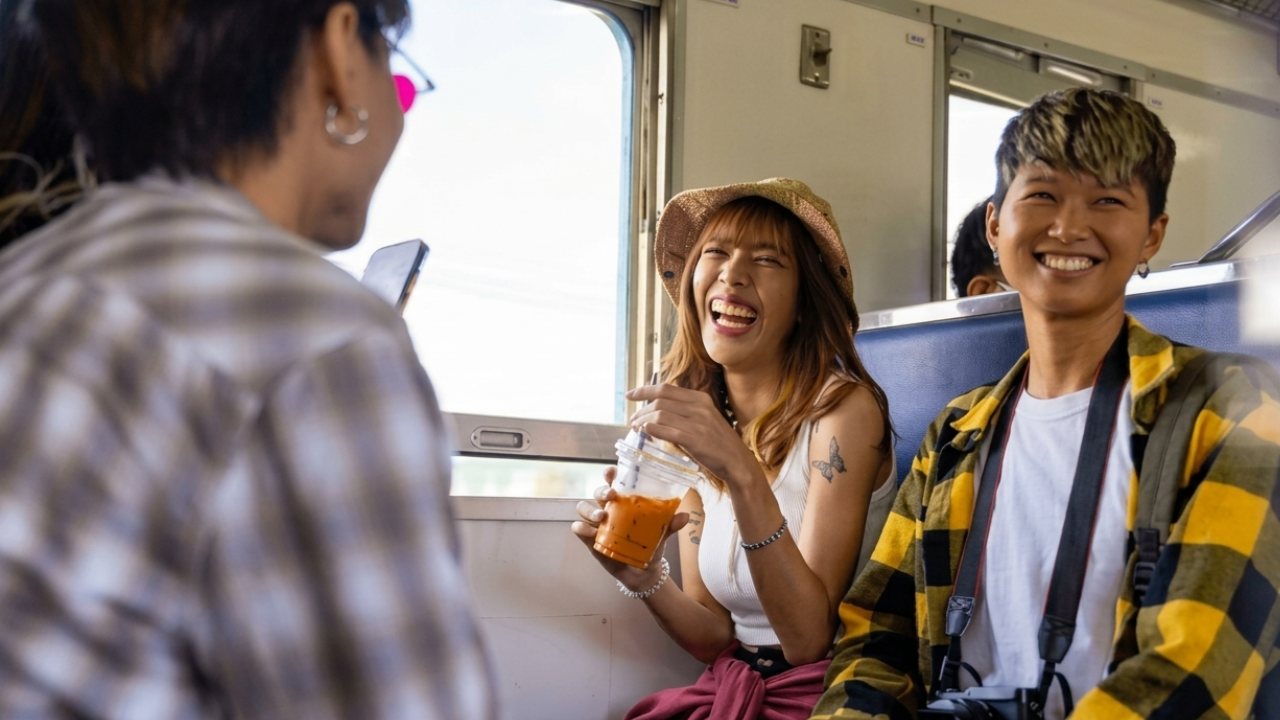
Thailand is known for warmth and hospitality, but visitors should not mistake the relaxed atmosphere for a lack of social rules. Respect for Buddhism and the monarchy is very important. Temples require modest clothing, covered shoulders, and respectful behavior. Shoes are usually removed before entering temple buildings and many homes. Touching someone’s head is considered inappropriate because the head is culturally significant. Pointing your feet at people, Buddha images, or sacred objects is also considered rude. Travelers who stay calm, smile, and avoid public arguments usually have a smoother experience.

Etiquette Rule: Dress modestly at temples and religious sites.

Dining Tip: Use a spoon as the main eating utensil, with the fork used to guide food.

Traveler Tip: Avoid raising your voice during disagreements.

Must-Know: Never disrespect images of the Buddha or the royal family.

3. United Arab Emirates
© shutterstock / oneinchpunch

3. United Arab Emirates

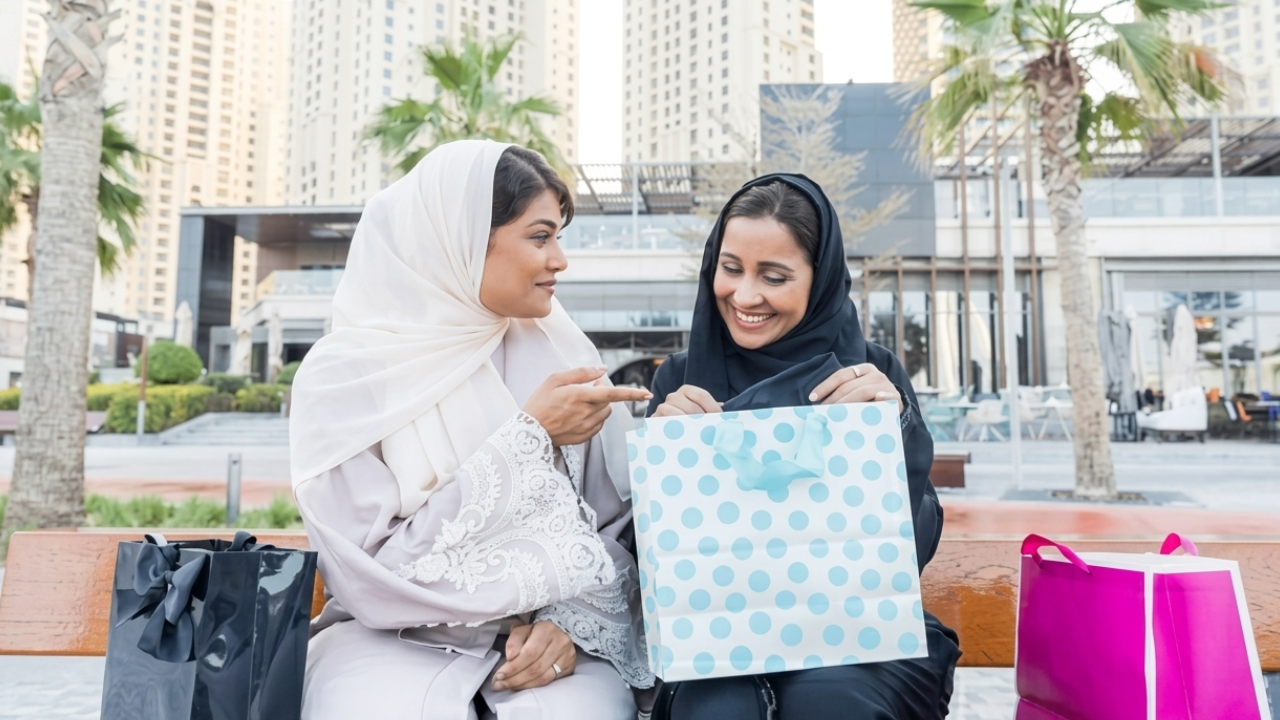
The United Arab Emirates is modern, international, and easy to navigate, but etiquette remains important, especially in public spaces. Dubai and Abu Dhabi welcome millions of visitors, yet travelers should remember that local customs are shaped by Islamic values. Modest dress is expected in mosques, government buildings, traditional markets, and residential areas. Public displays of affection should be limited. During Ramadan, visitors should be especially aware of rules around eating, drinking, and smoking in public during daylight hours. Alcohol is available in licensed venues, but drunken behavior in public can cause serious problems.

Etiquette Rule: Dress more conservatively outside beaches and resorts.

Dining Tip: Use your right hand when eating or accepting food.

Traveler Tip: Be extra careful with public behavior during Ramadan.

Must-Know: Public drunkenness can lead to penalties.

4. Morocco
© shutterstock / Jon Chica

4. Morocco

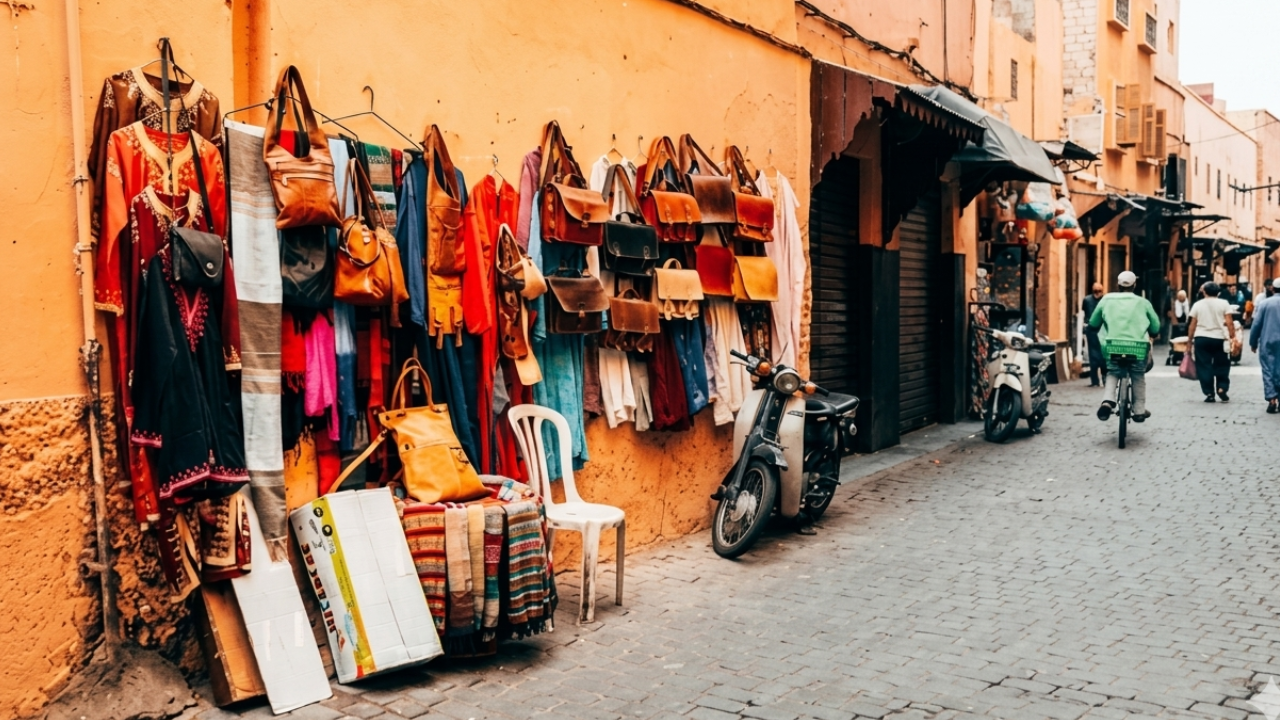
Morocco offers medinas, markets, desert landscapes, and historic cities, but etiquette can strongly affect the travel experience. Visitors should dress respectfully, especially in older neighborhoods, villages, and religious areas. Photography needs care because some locals do not want to be photographed, and permission should be asked first. Bargaining is common in souks, but it should stay friendly and polite. Travelers are often welcomed with tea, and accepting it can be part of social connection. Public affection is best kept discreet, and visitors should be cautious around mosques, many of which are not open to non-Muslims.

Etiquette Rule: Ask before photographing people or private shops.

Dining Tip: Eat with the right hand when sharing traditional meals.

Traveler Tip: Bargain with patience, not aggression.

Must-Know: Many mosques are not open to non-Muslim visitors.

5. India
© shutterstock / Grzegorz Czapski

5. India

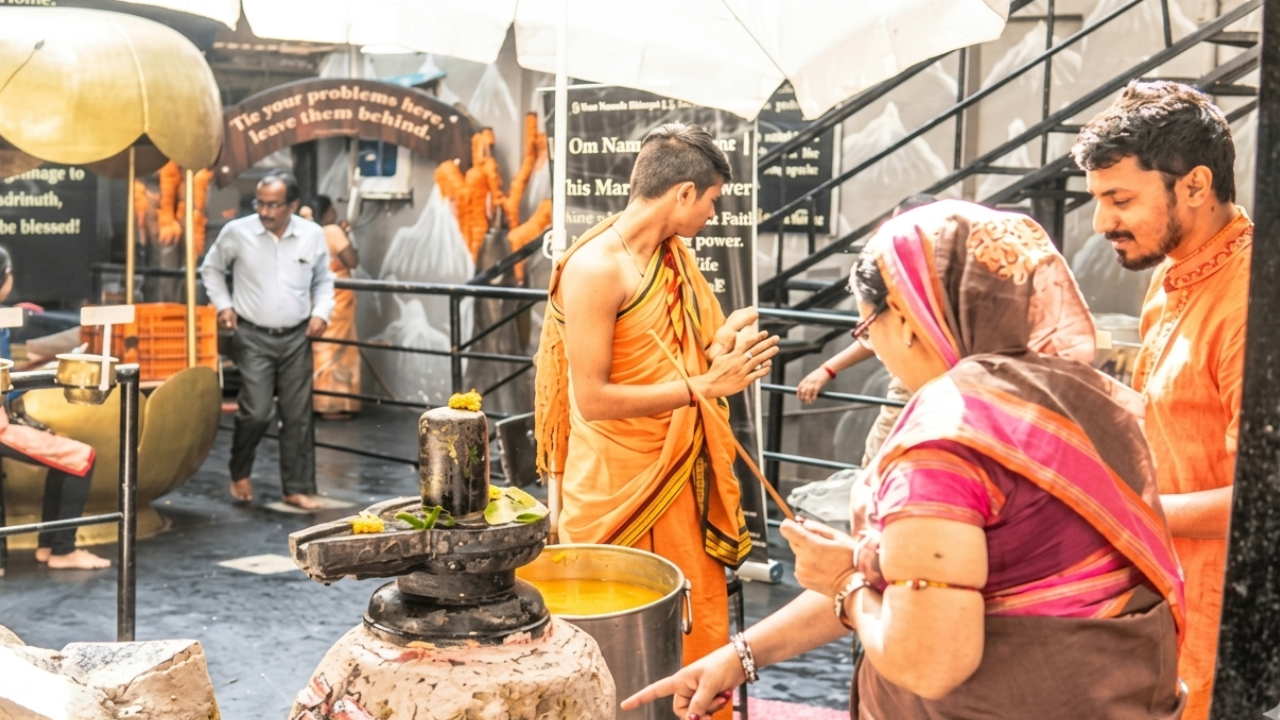
India is diverse, colorful, and deeply layered, so etiquette varies widely by region, religion, and setting. Still, some basic rules are useful almost everywhere. Shoes should be removed before entering temples, homes, and some small businesses. Modest clothing is helpful at religious sites and in smaller towns. Eating with the right hand is common in many areas, while the left hand is traditionally avoided for food. Personal space may feel different in crowded markets, trains, and festivals, so patience is important. Visitors should also be respectful when photographing religious ceremonies or local communities.

Etiquette Rule: Remove shoes before entering temples and homes.

Dining Tip: Use your right hand when eating traditional meals.

Traveler Tip: Dress modestly in religious places and rural areas.

Must-Know: Always ask before photographing people or ceremonies.

6. Italy
© shutterstock / Claudio Giovanni Colombo

6. Italy

Italy may feel familiar to many travelers, but etiquette still matters, especially around food, churches, and neighborhood life. In major cities, visitors sometimes frustrate locals by blocking sidewalks, eating messily near monuments, or treating historic areas like theme parks. Churches usually require covered shoulders and knees. Coffee culture has its own rhythm, with cappuccino usually ordered in the morning and espresso taken quickly at the bar. Dining is slower than in some countries, and rushing a meal can feel out of place. Respecting local pace makes Italy feel much easier.

Etiquette Rule: Cover shoulders and knees when visiting churches.

Dining Tip: Do not expect fast restaurant service during traditional meals.

Traveler Tip: Avoid sitting on monuments or blocking narrow streets.

Must-Know: Some historic areas fine visitors for careless behavior.

7. Turkey
© shutterstock / Towfiqu ahamed barbhuiya

7. Turkey

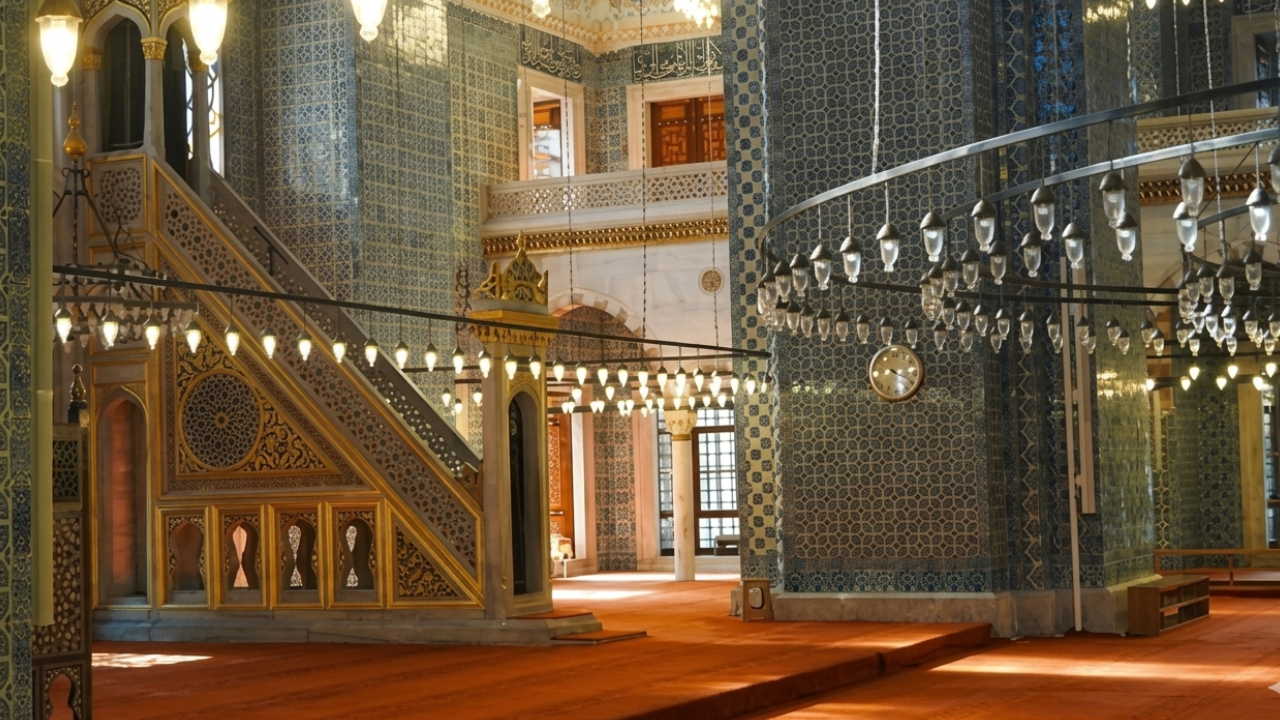
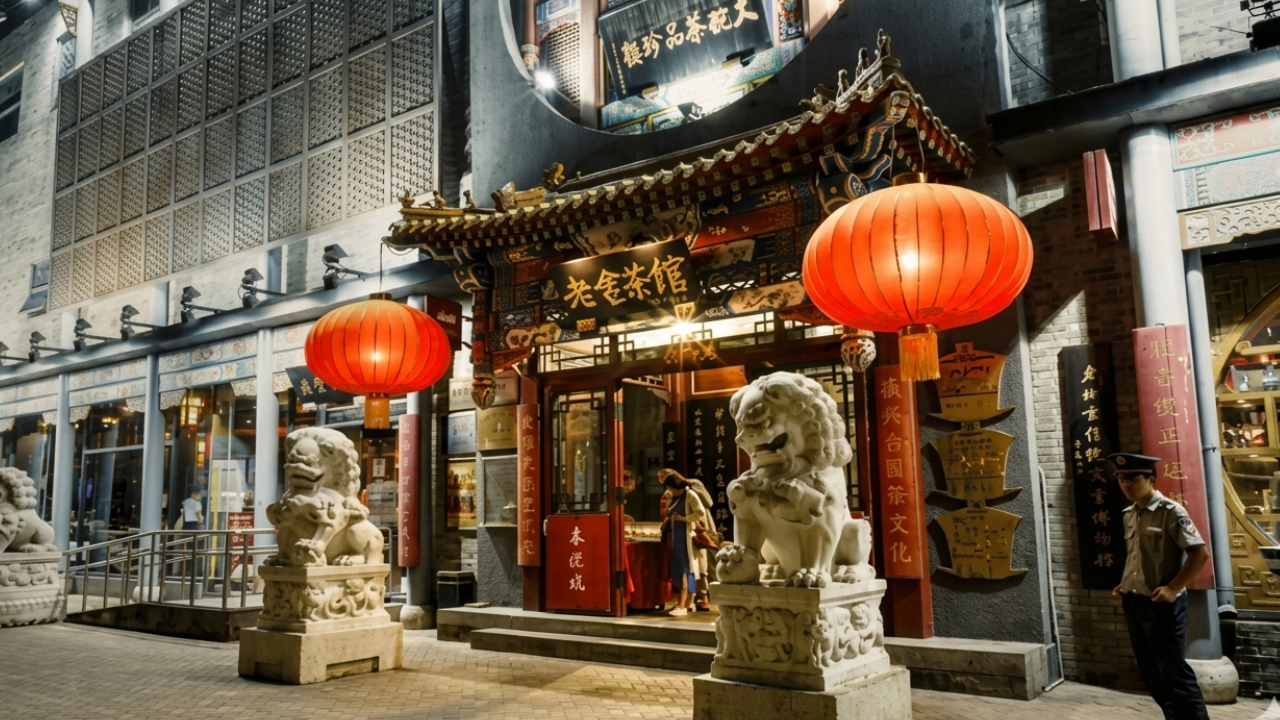
Turkey sits between Europe and Asia, with etiquette shaped by hospitality, religion, and strong social traditions. Visitors are often treated generously, especially in family-run shops, tea houses, and smaller towns. Mosques require modest dress, quiet behavior, and shoe removal before entering prayer areas. Tea is a common gesture of welcome, and accepting it can create a warmer interaction. Bargaining is normal in markets, but politeness matters. Travelers should avoid insensitive political comments and be respectful around national symbols. In social settings, greetings can be more formal than visitors expect.

Etiquette Rule: Remove shoes and dress modestly when entering mosques.

Dining Tip: Accepting tea can be a polite social gesture.

Traveler Tip: Bargain respectfully in markets.

Must-Know: Avoid careless remarks about politics or national identity.

8. China
© shutterstock / ABCDstock

8. China

China can be exciting but culturally complex for first-time visitors. Etiquette is especially important around dining, gifts, greetings, and respect for elders. In formal settings, hierarchy matters, and older people or senior guests may be seated or served first. Chopstick etiquette is important, and sticking chopsticks upright in food should be avoided because of funeral associations. Loud dining rooms are normal in some places, but open conflict or causing someone to lose face can create discomfort. Travelers should also be cautious with sensitive political topics and should use both hands when giving or receiving important items.

Etiquette Rule: Show respect to elders and senior guests.

Dining Tip: Never leave chopsticks standing upright in a bowl.

Traveler Tip: Avoid forcing direct confrontation in public.

Must-Know: Sensitive political discussions are best avoided.

9. Egypt
© shutterstock / John Wreford

9. Egypt

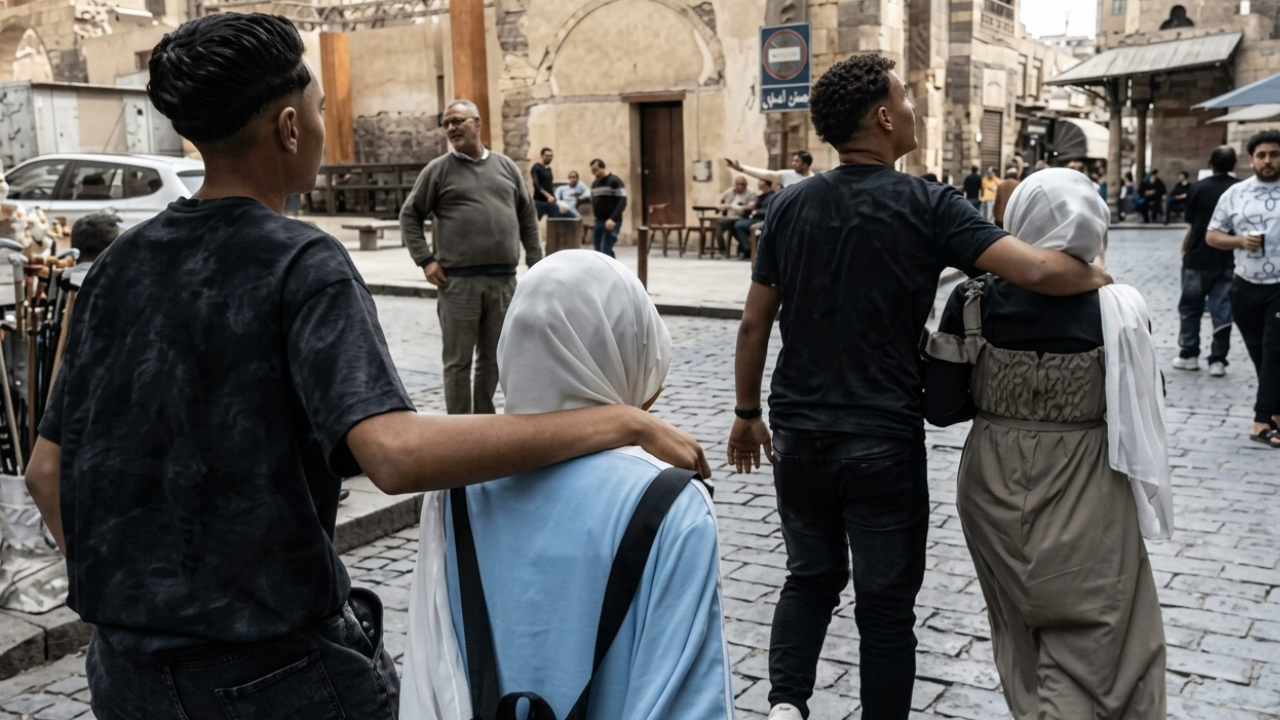
Egypt is rich in history, religious life, and hospitality, but etiquette can affect everything from market visits to mosque entry. Modest dress is helpful, especially away from resort areas. At mosques, visitors should remove shoes, cover appropriately, and avoid entering during prayer unless permitted. Tipping, often called baksheesh, is common in many service situations, so small notes are useful. Photography rules can be strict at military sites, government buildings, tombs, and museums. Travelers should also bargain calmly in markets and avoid frustration when sales approaches feel persistent.

Etiquette Rule: Dress modestly in religious and local areas.

Dining Tip: Accepting tea or hospitality is often appreciated.

Traveler Tip: Carry small cash for tips and minor services.

Must-Know: Photography restrictions can be strict at official sites.

10. Indonesia
© shutterstock / Arpan Bhatia

10. Indonesia

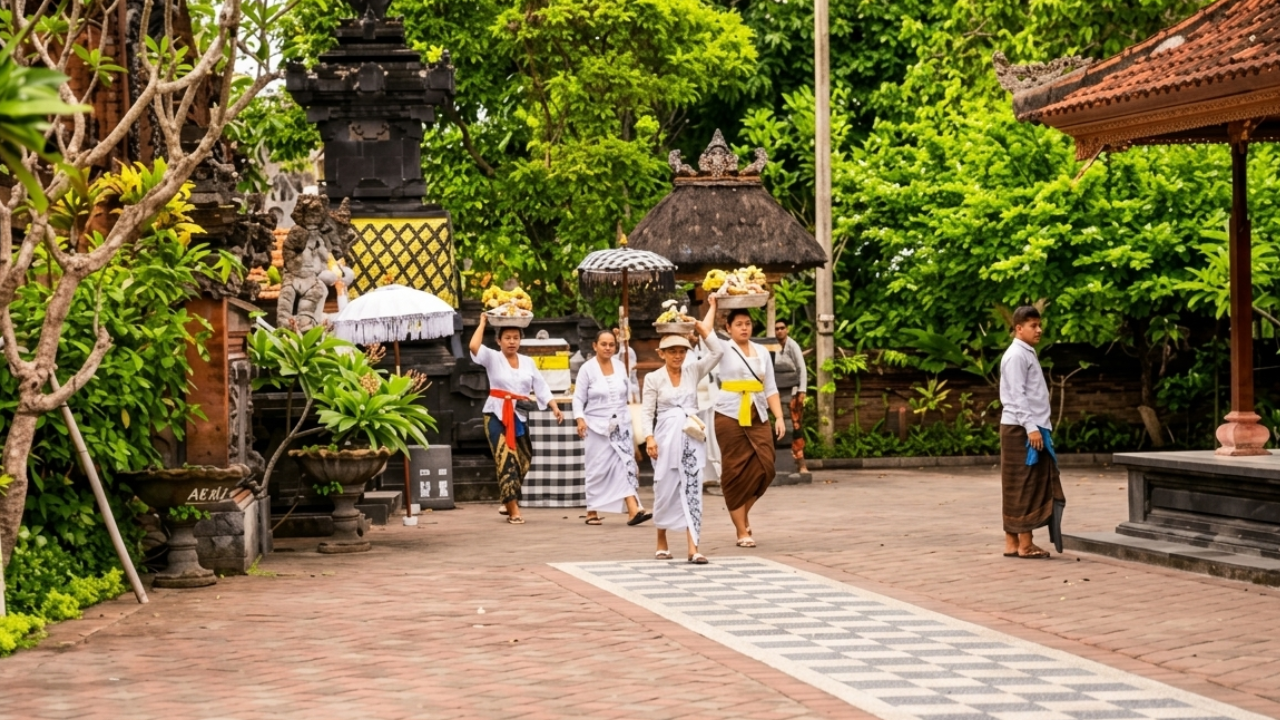
Indonesia is diverse, but Bali is where many travelers most often misunderstand local etiquette. The island is welcoming, yet temples, ceremonies, and village customs require respect. Visitors should wear a sarong and sash at many temples, avoid stepping on offerings, and never climb sacred structures for photos. In wider Indonesia, modest clothing matters in many areas, especially in Muslim-majority regions. Public displays of affection should be limited outside resort settings. Travelers should also use the right hand when giving, receiving, or eating, as the left hand can be considered impolite in traditional contexts.

Etiquette Rule: Wear proper temple clothing in Bali.

Dining Tip: Use your right hand when giving or receiving food.

Traveler Tip: Do not step on small offerings placed on the ground.

Must-Know: Sacred sites are not photo props, even when they look scenic.


Comments (0)

Leave a Reply

No comments yet. Be the first to share your thoughts!