Travel Destination

Why Kilkenny, Ireland attracts visitors with its historic and modern appeal

James Porter
3.6
April 29, 2026

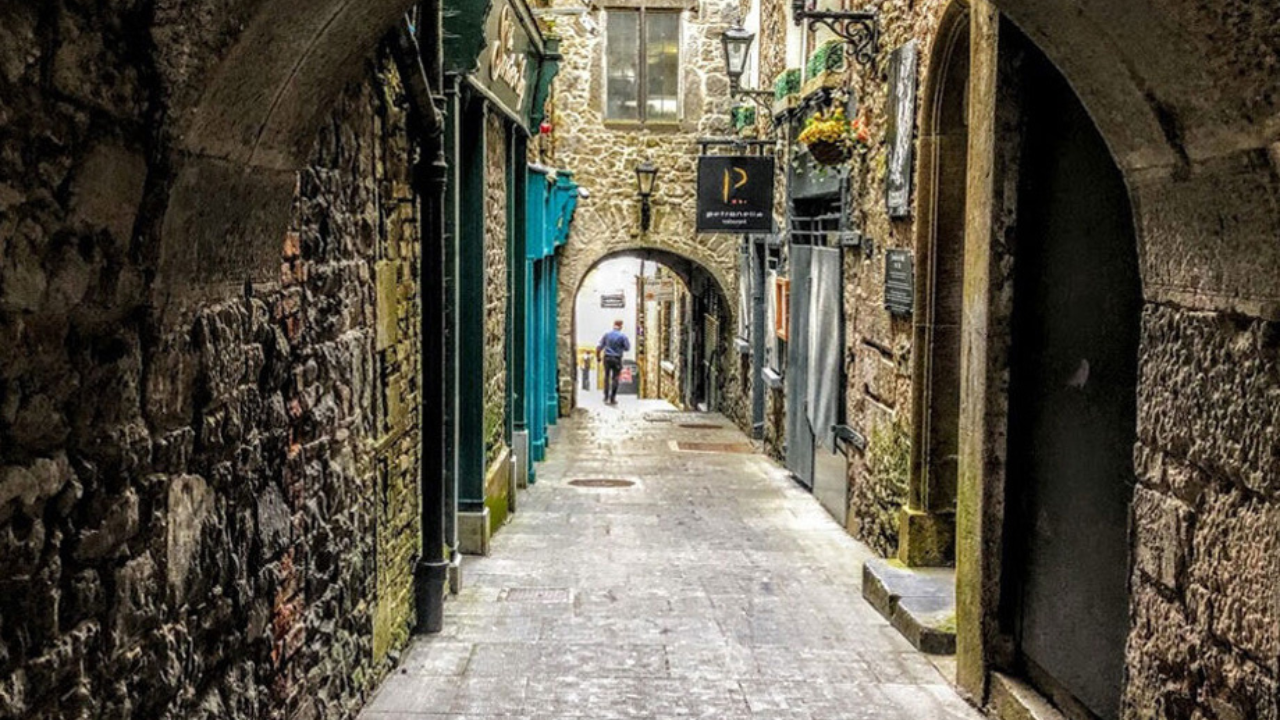
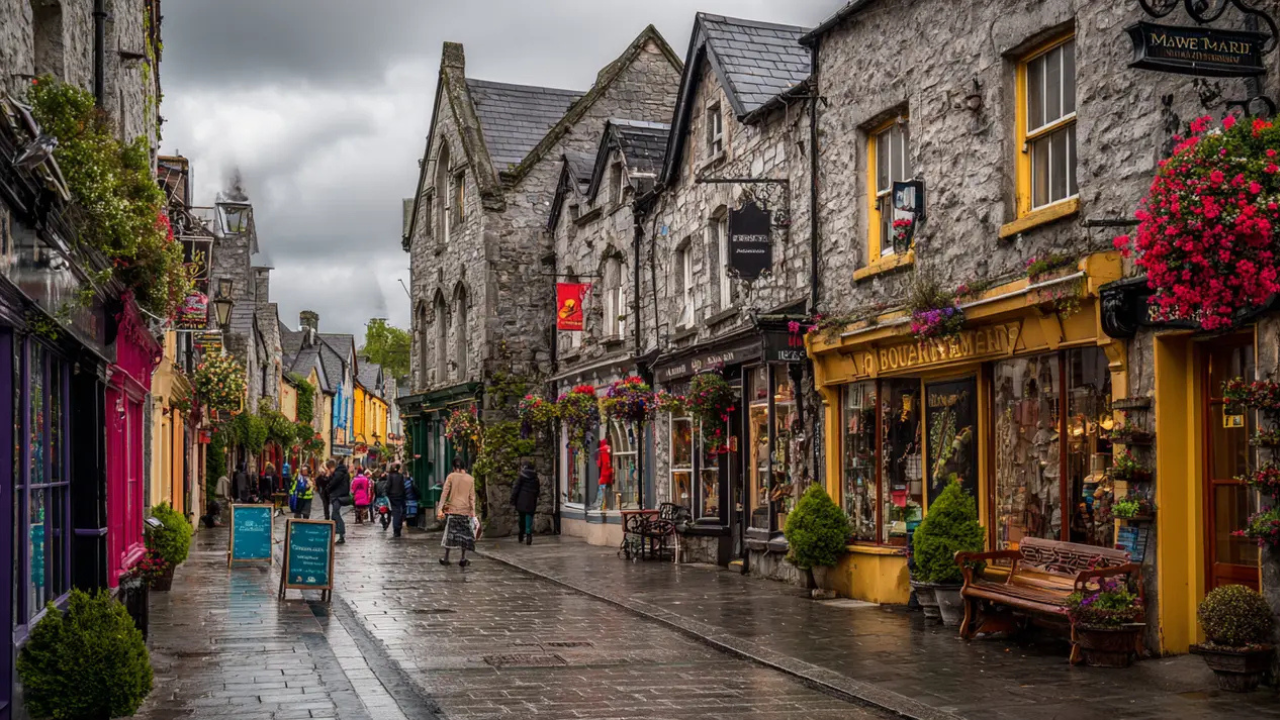
Kilkenny is often described as one of Ireland’s best-preserved medieval cities, but that label only tells part of the story. What makes it stand out is not just its history, but how naturally that history blends into everyday life. Walking through Kilkenny, you move between centuries without really noticing the transition. A 13th-century cathedral sits just minutes from lively cafés, while narrow cobbled streets lead to modern galleries and busy pubs.

The city’s layout still reflects its medieval origins, with streets and landmarks shaped by Norman design dating back to the 12th century. (Ireland Before You Die) At the same time, Kilkenny has evolved into a cultural hub known for art, food, and local creativity. It feels both preserved and lived-in, not like a museum, but like a place where the past is still part of daily routine. This balance is what gives Kilkenny its unique identity and lasting appeal.
1. Walking the Medieval Mile feels like stepping through history
© Dave Mani

1. Walking the Medieval Mile feels like stepping through history

The Medieval Mile is the heart of Kilkenny, stretching from Kilkenny Castle to St. Canice’s Cathedral, linking the city’s most important historical landmarks in one continuous route. (smithwicksexperience.com) Walking this stretch is less like sightseeing and more like moving through a timeline. Buildings, alleyways, and public squares still follow the structure laid out centuries ago, creating a sense of continuity that is hard to find in modern cities.

What makes this experience different is how alive it feels. Shops, cafés, and galleries operate within historic buildings, giving the area a practical, everyday purpose rather than a preserved or staged feel. You might pass a medieval archway and then step into a contemporary boutique just a few meters later. The rhythm of the street never feels forced, and that is what makes it so memorable. It is history, but it is also daily life unfolding in real time.

2. Kilkenny Castle anchors the city’s identity
© evaneos

2. Kilkenny Castle anchors the city’s identity

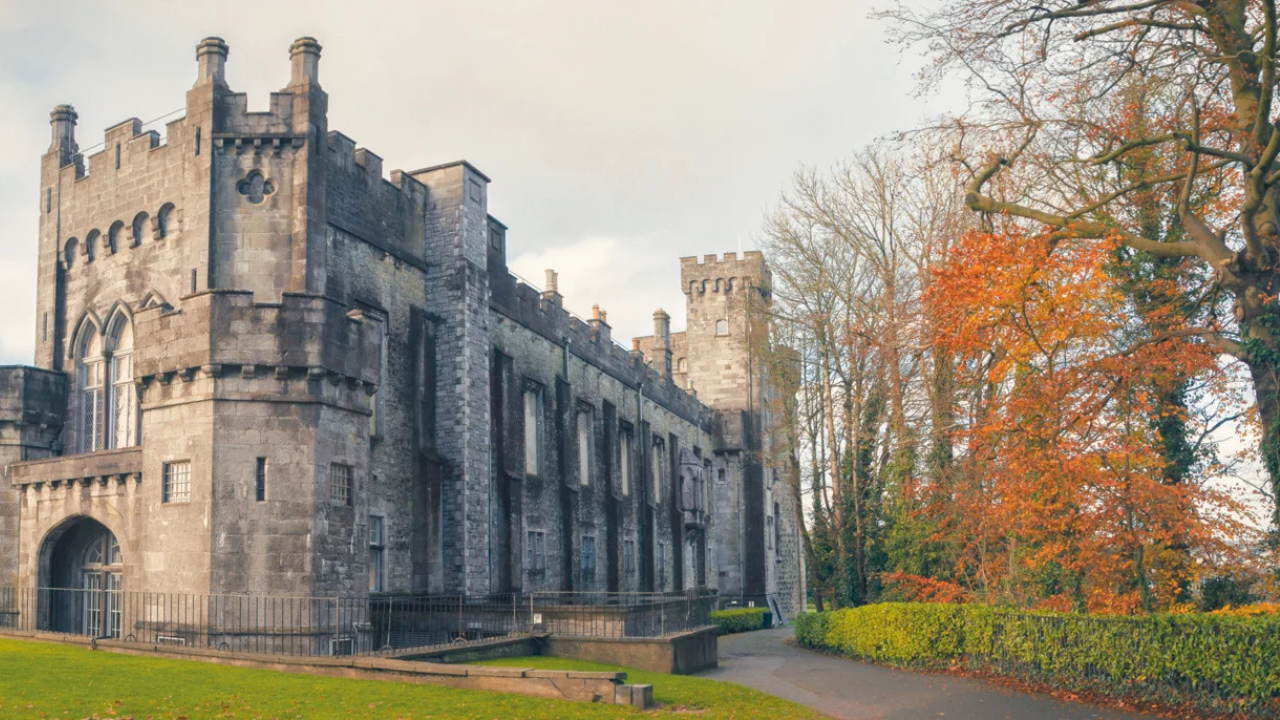
Kilkenny Castle is not just the city’s most famous landmark, it is the foundation around which the entire town developed. Originally built in the 12th century and later expanded, it reflects centuries of political and social change in Ireland. (Waves and Cobblestones) The structure itself is imposing, but what stands out is how seamlessly it fits into the surrounding city rather than dominating it from a distance.

The grounds around the castle are just as important as the building itself. Locals and visitors alike use the open green spaces for walking, relaxing, or simply taking in the view of the River Nore. This shared use makes the castle feel integrated into daily life instead of isolated as a historical monument. It becomes part of the city’s rhythm, something you pass by regularly rather than visit once and leave behind.

3. St. Canice’s Cathedral connects Kilkenny to its earliest roots
© Dave Mani

3. St. Canice’s Cathedral connects Kilkenny to its earliest roots

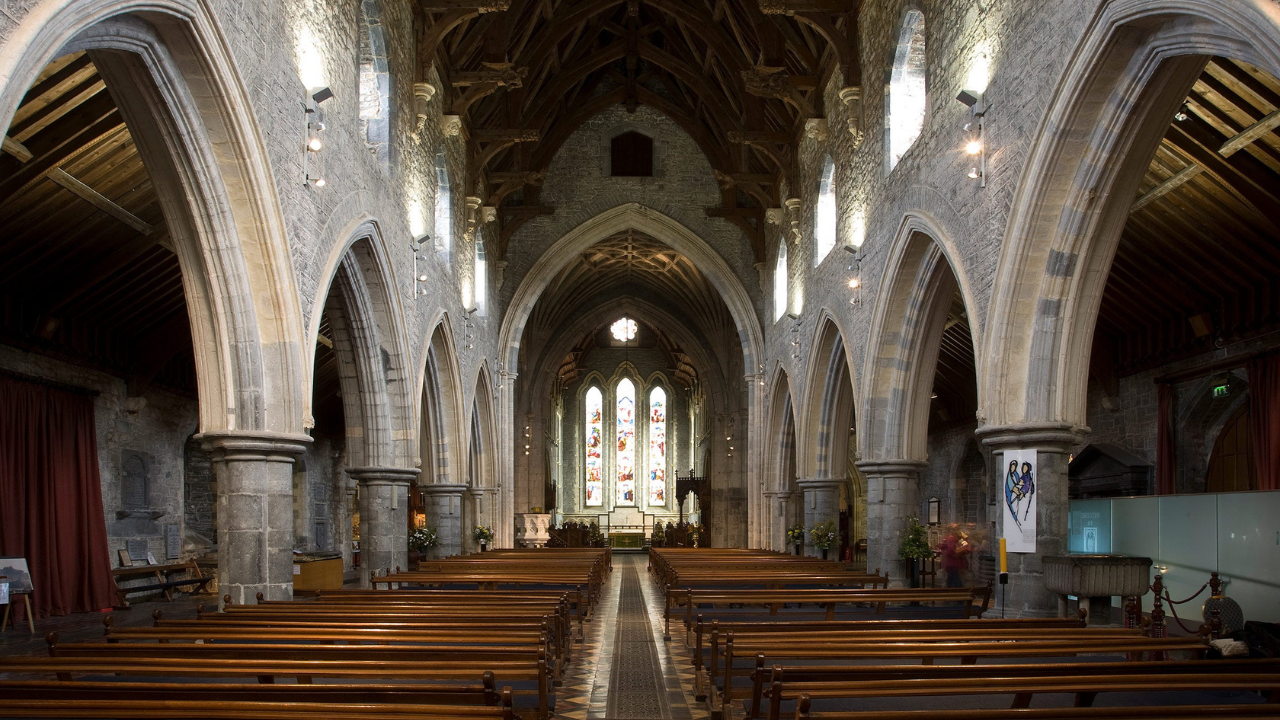
At the opposite end of the Medieval Mile stands St. Canice’s Cathedral, a structure that highlights Kilkenny’s deep religious and architectural heritage. Built in the 13th century, it remains one of the most significant ecclesiastical sites in Ireland. (Waves and Cobblestones) The building’s design reflects Gothic influences, but it also carries traces of earlier traditions, giving it a layered historical identity.

The nearby round tower adds another dimension to the experience. Dating back to the 9th century, it is one of the oldest surviving structures in the city and offers a rare opportunity to physically climb into the past. (Waves and Cobblestones) From the top, the view of Kilkenny reveals how compact and connected the city is, reinforcing the idea that everything here exists within walking distance of history.

4. The River Nore brings balance to the city’s structure
© discoverireland

4. The River Nore brings balance to the city’s structure

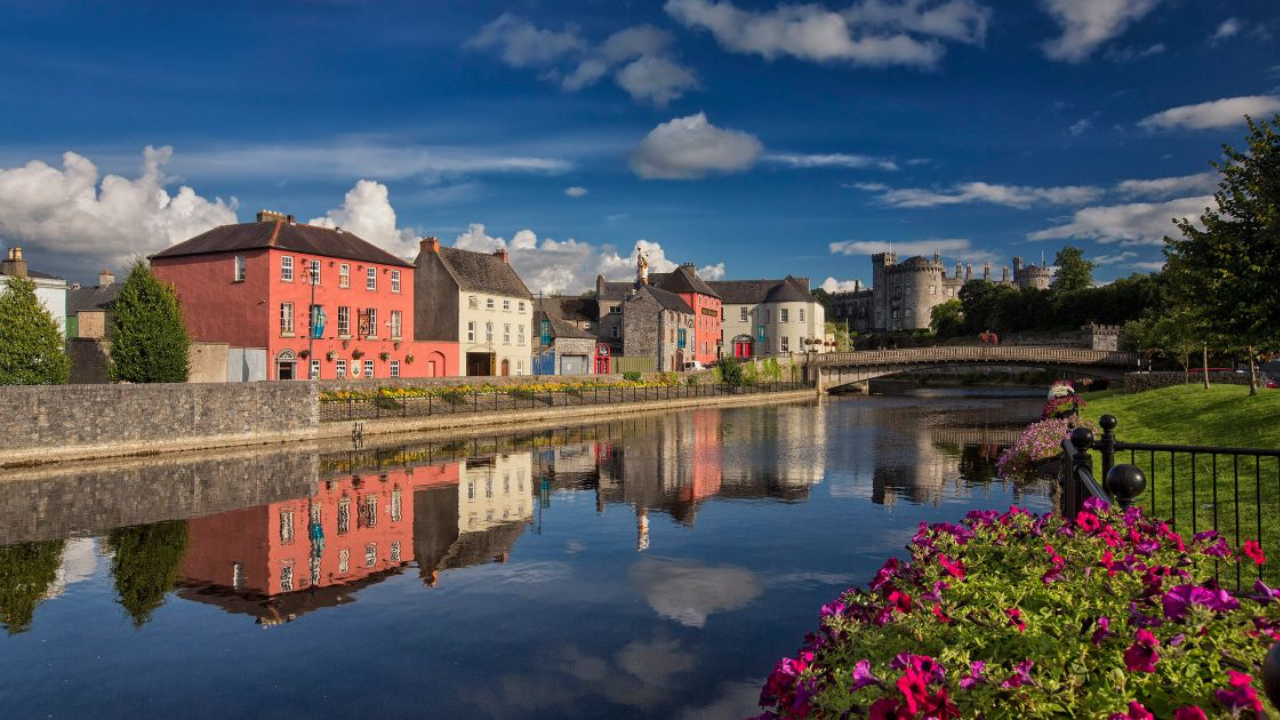
While Kilkenny is known for its architecture, the River Nore adds a softer, more natural layer to the city’s character. Running through the center, it provides a visual and emotional contrast to the stone buildings and narrow streets. Walking along the river feels noticeably different from exploring the Medieval Mile, offering space, quiet, and a slower pace.

The canal walk that follows the river is especially popular because it blends scenic views with everyday life. Locals use it for exercise, while visitors use it to take a break from sightseeing. (Waves and Cobblestones) The presence of the river helps keep the city from feeling dense or overwhelming, making Kilkenny easier to explore without fatigue.

5. Rothe House reveals how people actually lived in medieval Kilkenny
© Kerry

5. Rothe House reveals how people actually lived in medieval Kilkenny

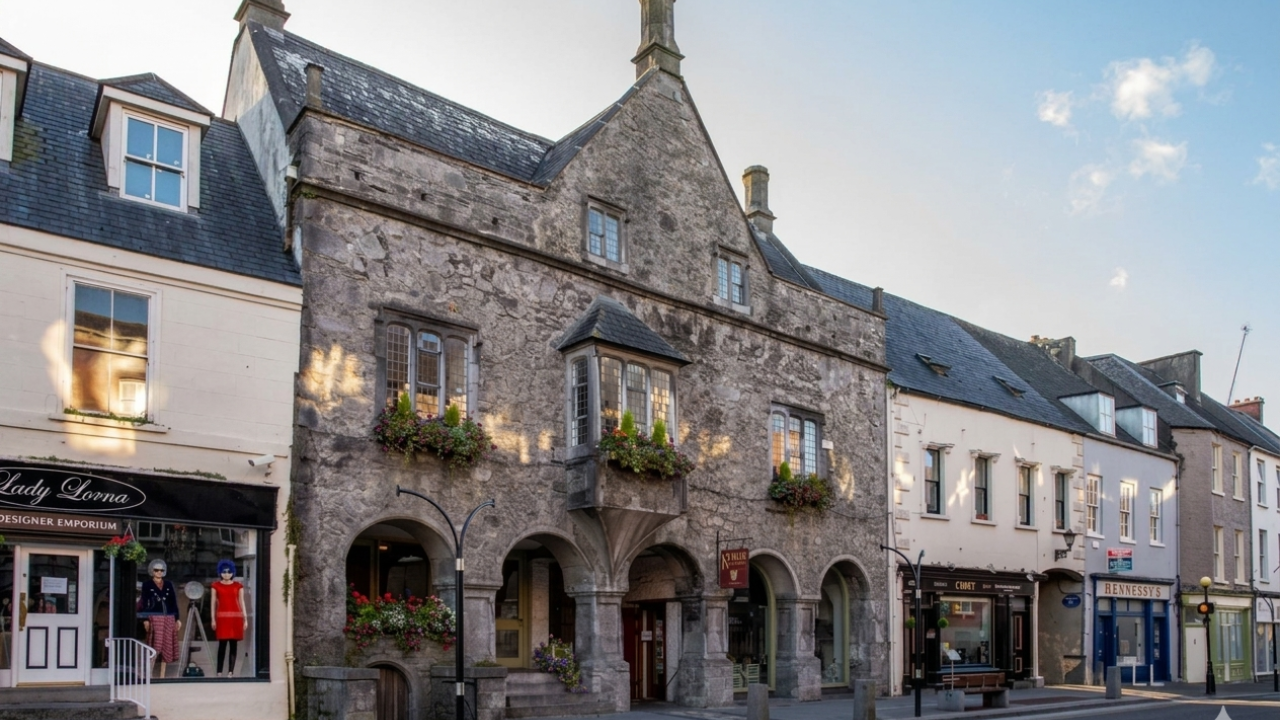
Rothe House offers a different perspective compared to castles and cathedrals. Instead of focusing on power or religion, it shows what life looked like for wealthy merchant families in the 16th century. The building is actually a series of connected houses and courtyards, giving insight into how urban life functioned within the medieval city.

What makes it particularly interesting is how detailed the preservation is. From the layout of the rooms to the design of the gardens, everything reflects practical daily life rather than grand historical narratives. (Waves and Cobblestones) This creates a more relatable connection to the past, helping visitors understand how Kilkenny operated as a living city rather than just a collection of landmarks.

6. Kilkenny’s craft and design scene keeps tradition alive
© discoverireland

6. Kilkenny’s craft and design scene keeps tradition alive

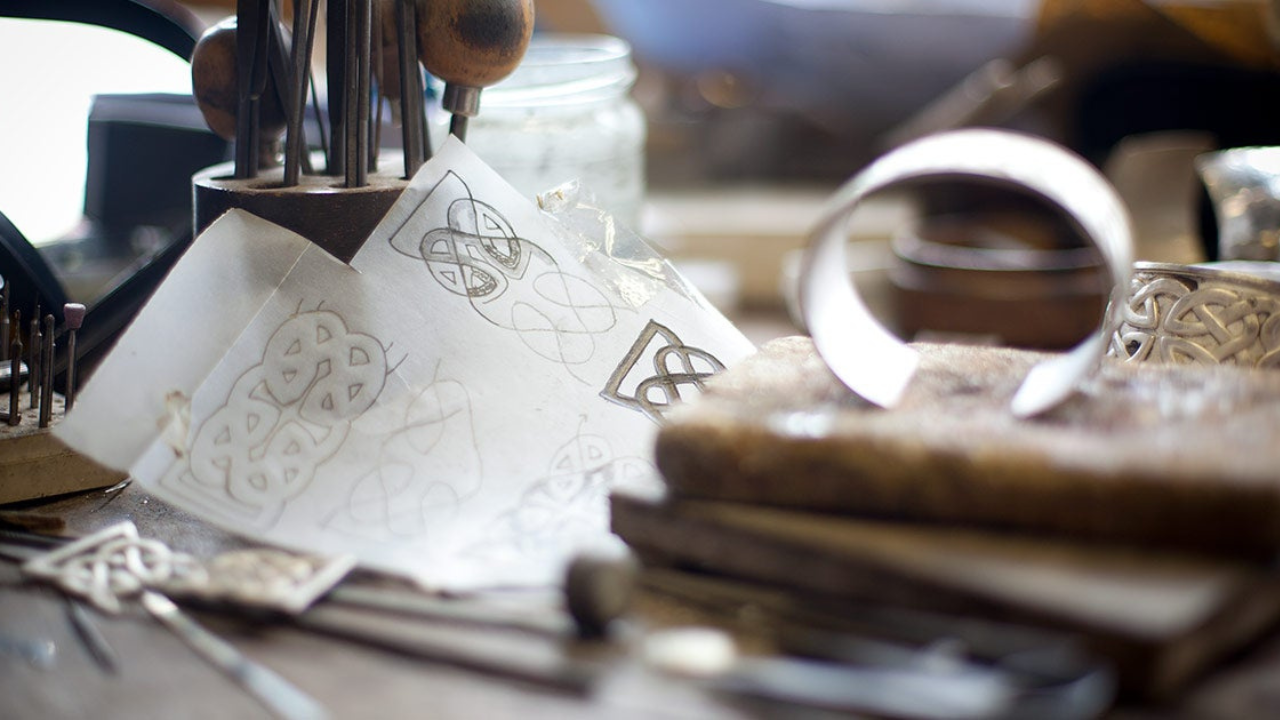
Beyond its history, Kilkenny has built a reputation for craftsmanship and design. Local workshops, galleries, and artisan spaces reflect a long tradition of handmade goods and creative expression. This is not a recent development, but a continuation of the city’s historical role as a center of trade and production.

The presence of modern artisans within a medieval setting creates a unique contrast. You can watch contemporary artists at work in buildings that are centuries old, reinforcing the idea that Kilkenny is constantly evolving while still respecting its past. (Discover Ireland) This balance between tradition and innovation is one of the defining features of the city.

7. The pub culture blends history with everyday life
© rareirishstuff

7. The pub culture blends history with everyday life

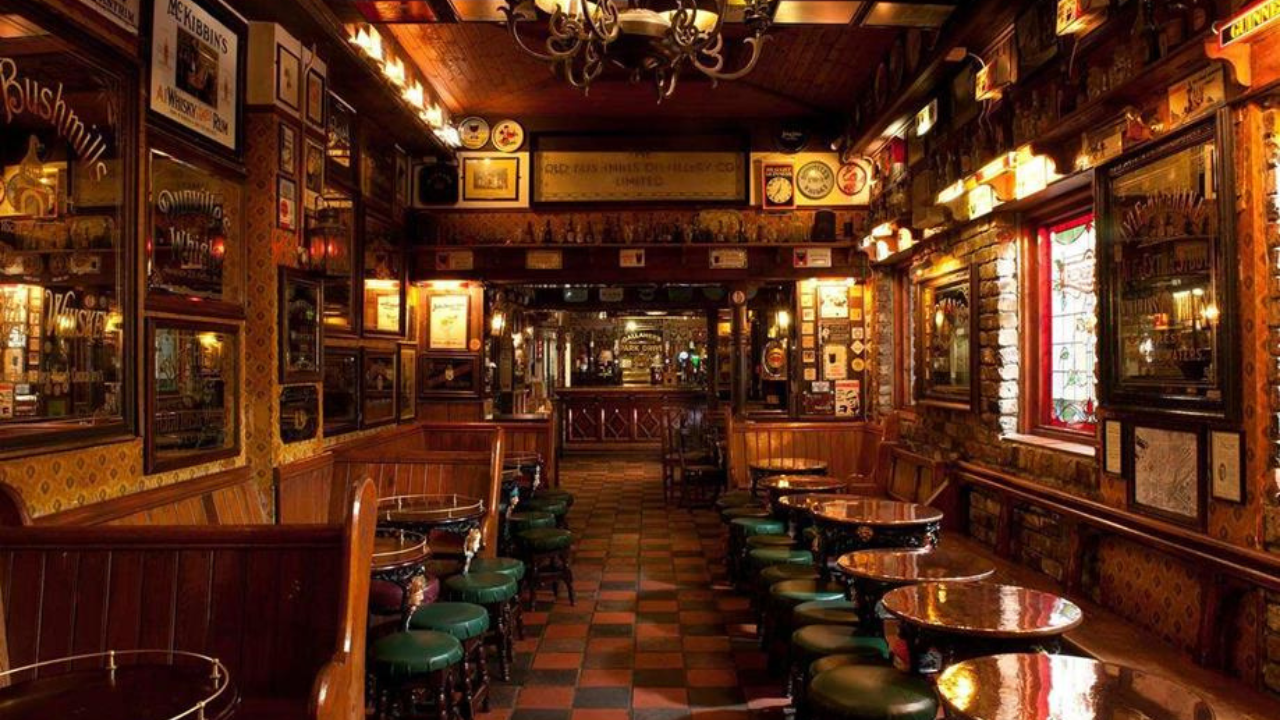
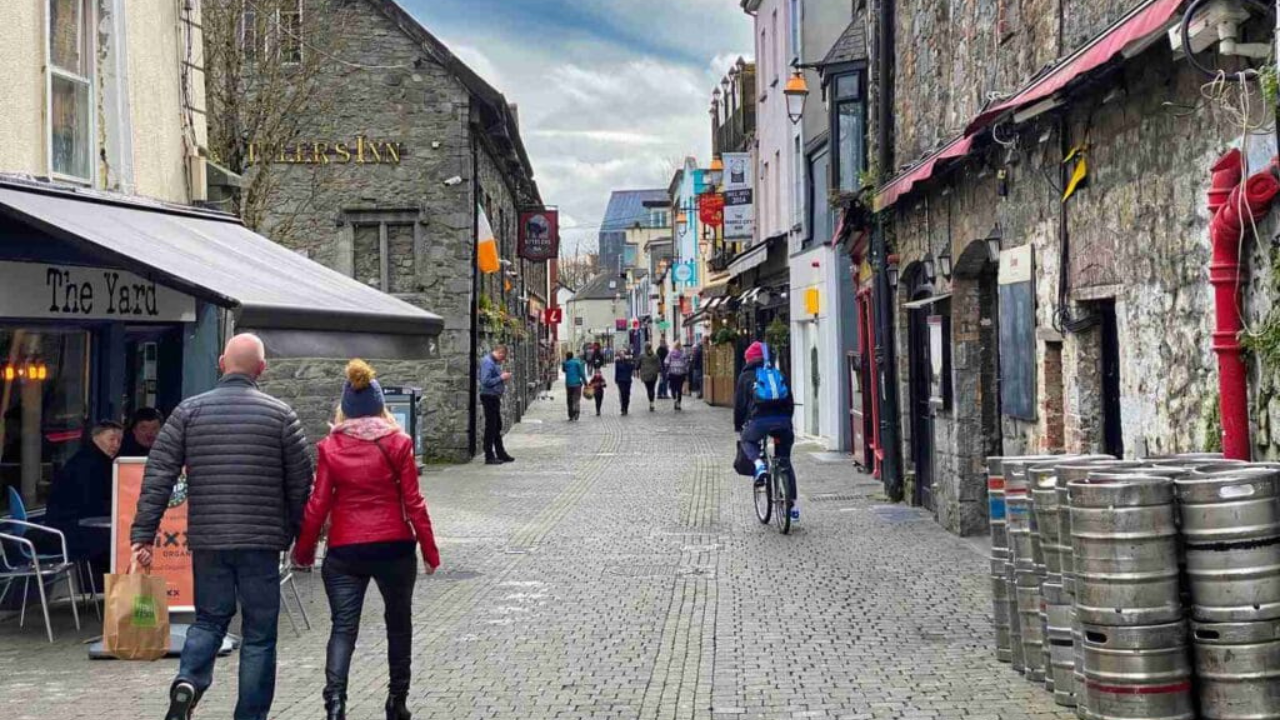
Kilkenny’s pub scene is often described as one of the most authentic in Ireland. What sets it apart is not just the atmosphere, but the way pubs function as social spaces deeply rooted in the city’s identity. Many are located in historic buildings, with interiors that reflect decades, or even centuries, of use.

Rather than being purely tourist-focused, these pubs remain central to local life. Conversations, music, and daily routines all unfold within these spaces, making them feel genuine rather than staged. The experience is less about visiting a bar and more about stepping into a living part of Kilkenny’s culture.

8. Smithwick’s brewing heritage connects past and present
© Smithwicks

8. Smithwick’s brewing heritage connects past and present

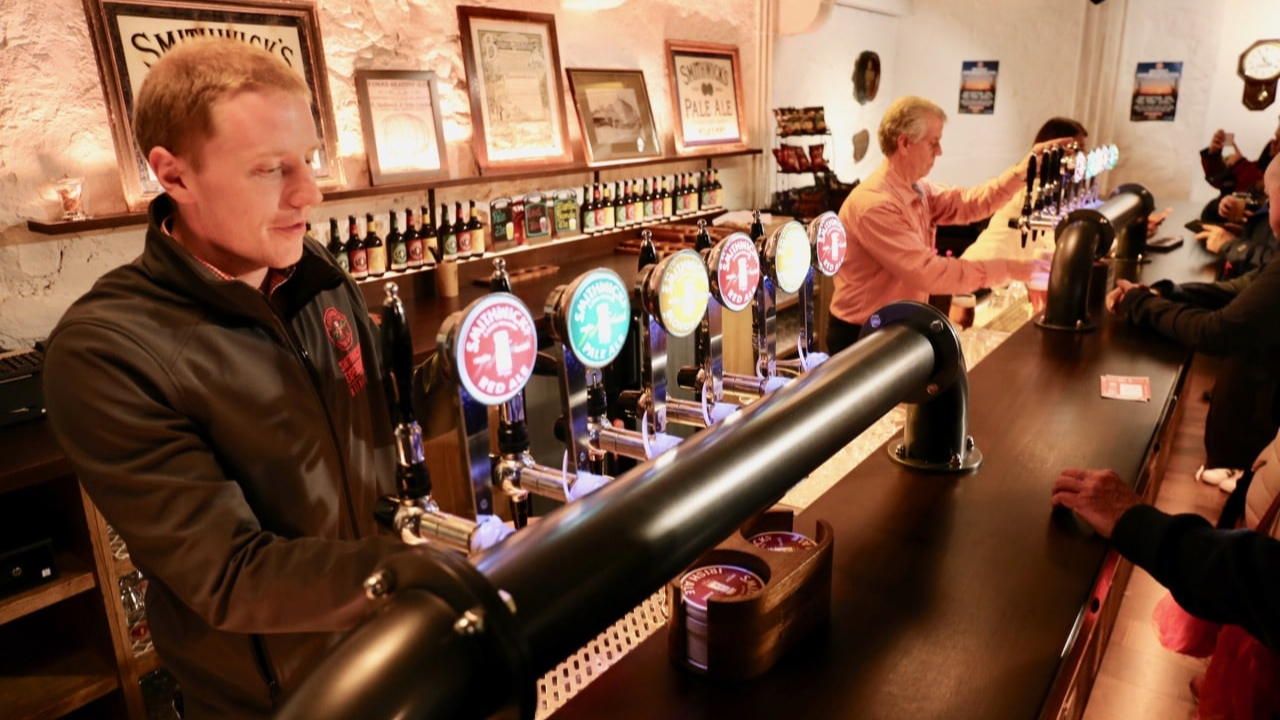
Kilkenny has a long-standing connection to brewing, and the Smithwick’s Experience highlights this history in a way that feels accessible and engaging. Founded in the early 18th century, the brewery represents an important part of the city’s industrial and social development. (Waves and Cobblestones)

What makes this aspect of Kilkenny interesting is how it ties into the broader identity of the city. Brewing is not treated as a separate attraction but as part of the cultural fabric. It connects local traditions, social spaces, and economic history in a way that feels cohesive rather than isolated.

9. Festivals and events bring modern energy to historic spaces
© visitkilkenny

9. Festivals and events bring modern energy to historic spaces

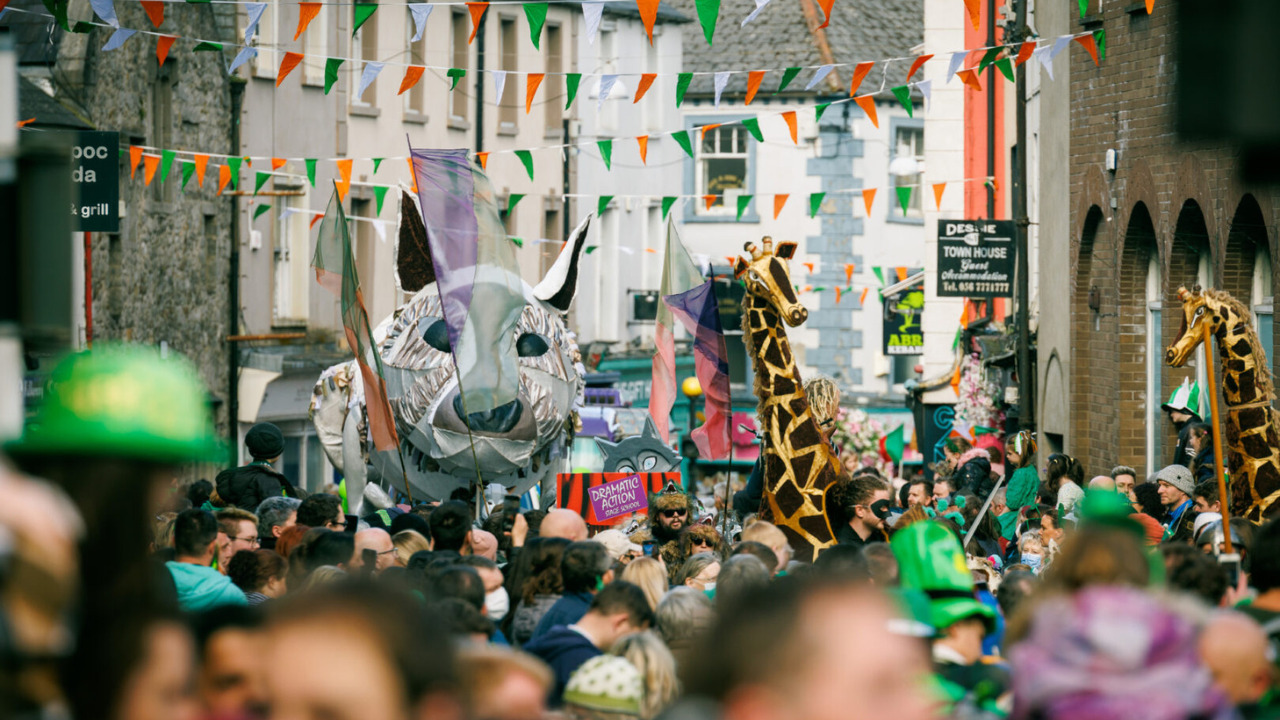
Kilkenny’s calendar is filled with festivals that transform the city’s historic setting into a stage for contemporary culture. Music, arts, food, and seasonal events bring a sense of movement and change to spaces that might otherwise feel static.

These events highlight how adaptable the city is. Medieval streets and squares become venues for modern performances, creating a contrast that feels natural rather than forced. It reinforces the idea that Kilkenny is not just preserving its past, but actively building on it.

10. The compact layout makes exploration effortless
© silverdoor

10. The compact layout makes exploration effortless

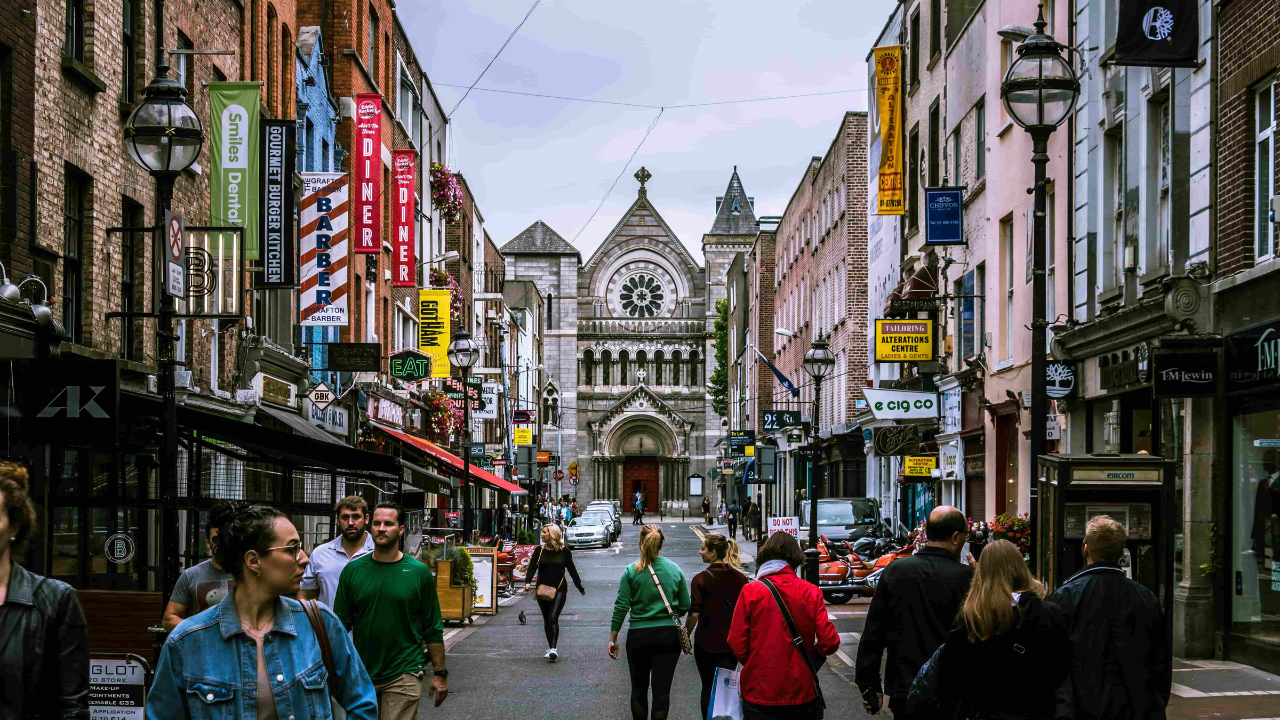
One of Kilkenny’s biggest advantages is its size. Unlike larger cities, it is easy to explore on foot without feeling rushed. Most major attractions are within walking distance, which allows visitors to move at their own pace and discover smaller details along the way.

This compactness also enhances the overall experience. You are never far from your next destination, and there is always something interesting between points of interest. The city feels connected, both physically and culturally, making it easier to navigate and enjoy.

11. The food scene reflects both tradition and creativity
© Paola Bassanese

11. The food scene reflects both tradition and creativity

Kilkenny’s food culture has evolved alongside its broader identity. Traditional Irish dishes are still widely available, but they are often presented with modern techniques and influences. This creates a dining scene that feels both familiar and innovative.

Restaurants and cafés are often located in historic buildings, adding another layer to the experience. Eating in Kilkenny is not just about the food, but also about the setting. The combination of old architecture and contemporary cuisine reflects the city’s overall character.

12. Hidden corners reveal Kilkenny’s quieter side
© ecclesiastical

12. Hidden corners reveal Kilkenny’s quieter side

Beyond the main attractions, Kilkenny has a network of smaller streets, alleyways, and lesser-known sites that offer a more intimate experience. These areas are where the city feels most personal, away from the main flow of visitors.

Exploring these quieter spaces often leads to unexpected discoveries, whether it is a small gallery, a tucked-away café, or a historic detail that is easy to miss. This sense of discovery is one of the reasons Kilkenny feels rewarding even after multiple visits.

13. A city that feels both preserved and lived-in
© myirishcousin

13. A city that feels both preserved and lived-in

What ultimately defines Kilkenny is its balance. It is not frozen in time, nor has it lost its historical identity. Instead, it exists somewhere in between, where medieval structures continue to serve modern purposes.

This balance is what makes Kilkenny stand out among European destinations. It offers history without feeling distant, and modern life without losing character. The result is a city that feels authentic, approachable, and consistently engaging for those who take the time to explore it.


Comments (0)

Leave a Reply

No comments yet. Be the first to share your thoughts!