Travel United States

Seattle travel guide: 10 things to know about weather, costs, and attractions

Adam Collins
4.5
May 01, 2026

Seattle can be a very good vacation spot, but it is not the perfect choice for every traveler. The city works best for people who enjoy waterfront views, coffee culture, museums, markets, ferries, green parks, mountain day trips, seafood, and a relaxed urban atmosphere. It is less ideal for travelers who want guaranteed sunshine, low hotel prices, or a beach-style vacation with warm swimming weather.

The honest answer is that Seattle is worth visiting if you plan around its strengths. Its biggest appeal is the mix of city and nature. In one trip, you can visit Pike Place Market, see the Space Needle, explore museums, ride a ferry across Puget Sound, walk along the waterfront, and take a day trip toward Mount Rainier, Snoqualmie Pass, or the Olympic Peninsula. Seattle’s high season runs from June to August, while March to May and September to October are shoulder seasons. November to February is usually quieter and cheaper, but also wetter and better suited for indoor plans.

Below are 10 honest things to know before planning a Seattle vacation.
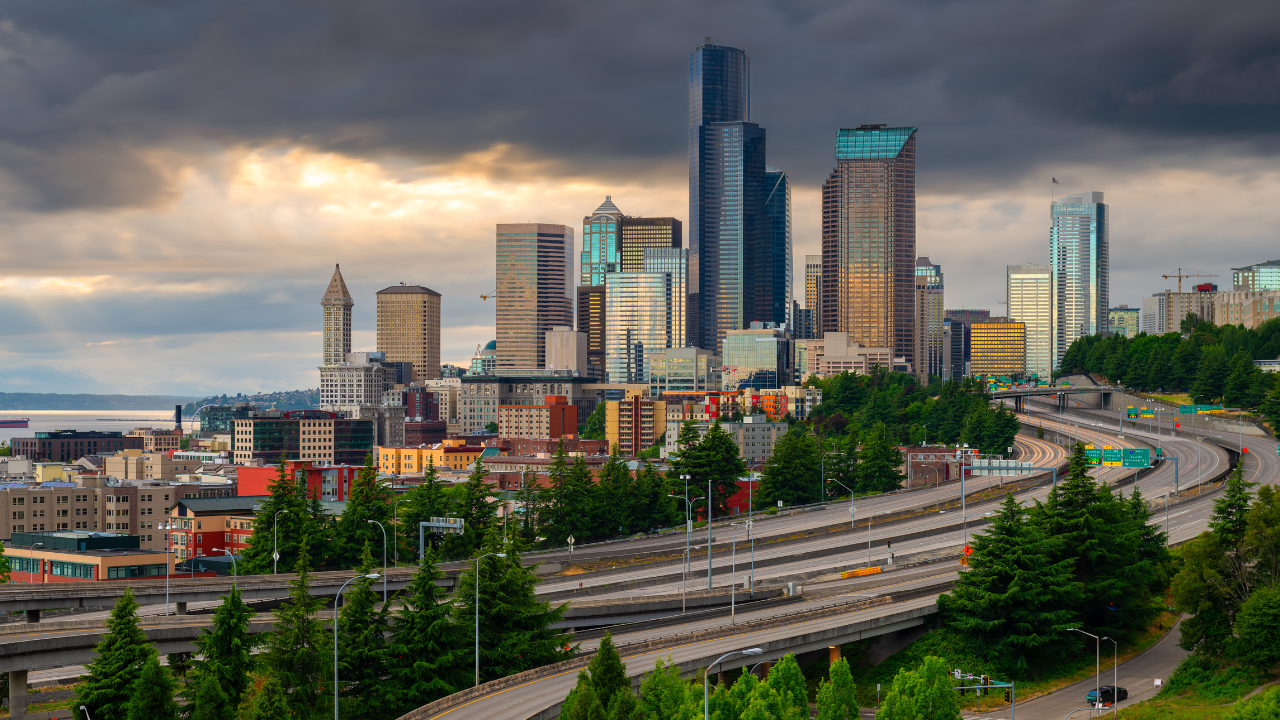
1. Seattle Is Worth Visiting If You Like Cities With Nature Nearby
© shutterstock / Felix Mizioznikov

1. Seattle Is Worth Visiting If You Like Cities With Nature Nearby

Seattle’s biggest advantage is that it does not feel like a city cut off from the outdoors. Water, mountains, forests, islands, and parks shape the travel experience. Even if you stay downtown, you are close to Elliott Bay, Lake Union, ferries, waterfront paths, and viewpoints. This makes Seattle different from many city-break destinations where most activities are limited to restaurants, museums, and shopping streets.

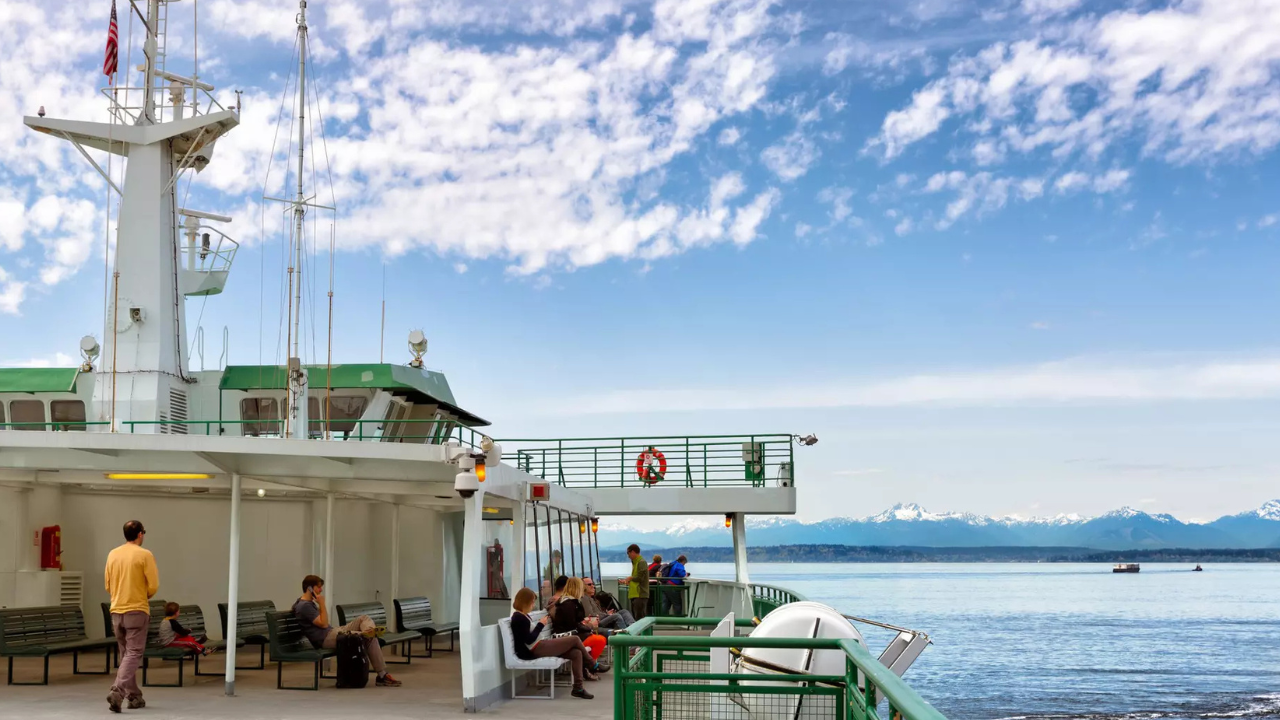
The city is especially good for travelers who want variety without constantly changing hotels. You can spend one morning at Pike Place Market, one afternoon at Chihuly Garden and Glass, and the next day on a ferry or guided outdoor trip. Travelers also often recommend outdoor and scenic activities such as ferry rides, Kerry Park, Ballard Locks, Olympic Sculpture Park, and Mount Rainier tours.

Seattle is not a place where every attraction feels polished or picture-perfect. Some areas are busy, some downtown blocks feel uneven, and the weather can change plans. But for travelers who like real cities with strong local character, it has enough depth for a memorable trip.

Best For: Travelers who want a mix of city, water, forests, and mountain access.

Trip Style: Urban sightseeing with easy outdoor escapes.

Main Drawback: Weather can affect outdoor plans.

Traveler Tip: Build your itinerary with both indoor and outdoor options.

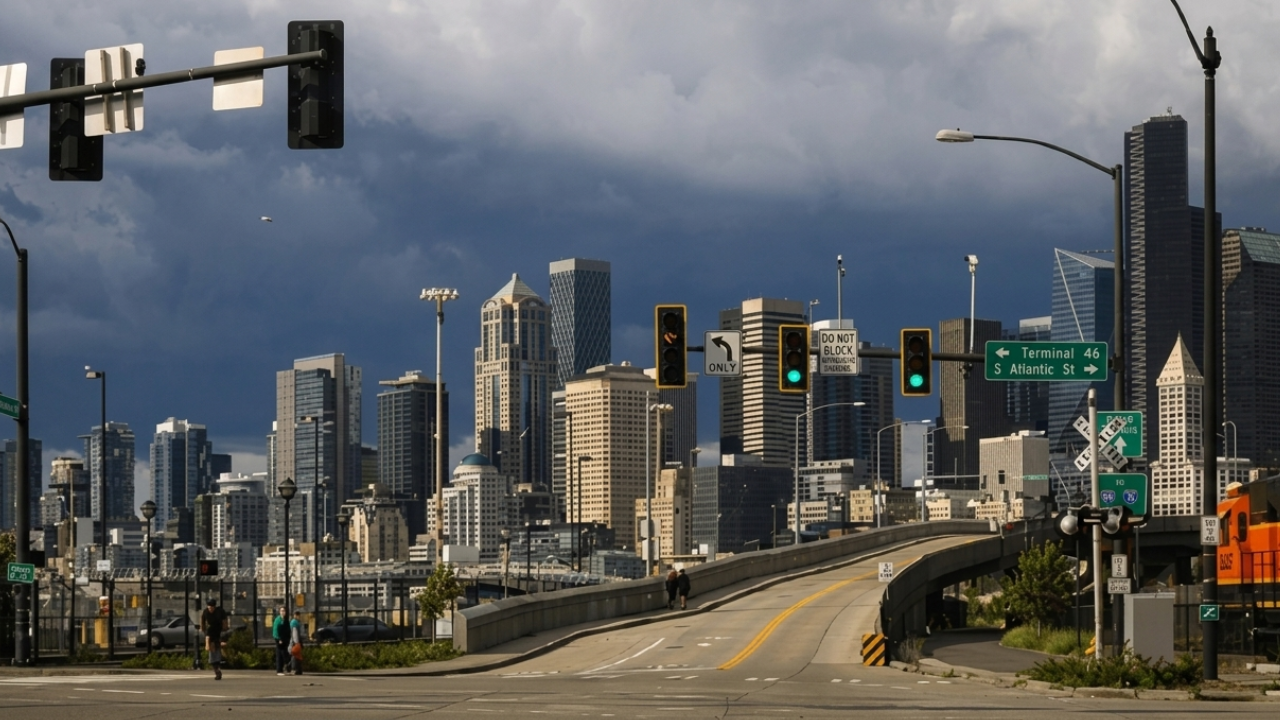
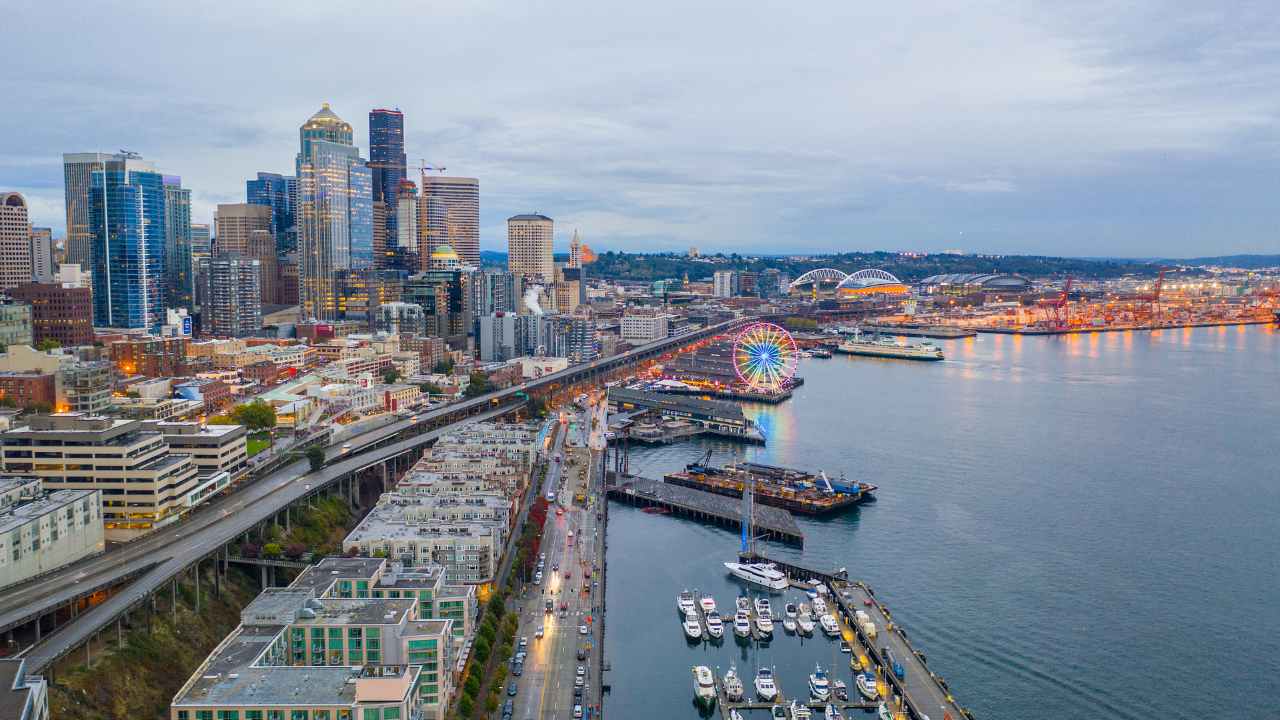
2. The Weather Is Better Than Its Reputation in Summer
© shutterstock / Ian Dewar Photography

2. The Weather Is Better Than Its Reputation in Summer

Seattle has a rainy reputation, but that does not tell the whole story. The city’s weather depends heavily on the season. Summer is usually the easiest time for first-time visitors because days are longer, skies are clearer, and outdoor activities are more reliable. Late spring through summer is often considered the best period for warm weather, especially for hiking, parks, waterfront walks, and trips outside the city.

The best months for a classic Seattle vacation are usually June, July, August, and September. September is especially appealing because the weather can still be pleasant, but crowds often thin compared with peak summer. Spring can also be a good choice, especially if you want cherry blossoms, greener scenery, and fewer visitors than summer. The University of Washington cherry blossoms usually peak around late March, making spring more attractive than many travelers expect.

The rainy months are where visitors need realistic expectations. November and December are generally among the wettest months, and late fall can feel gray if you are hoping for outdoor sightseeing. Winter is not necessarily bad, but it changes the kind of trip Seattle offers. Instead of long park days, you may spend more time in cafés, museums, bookstores, restaurants, and indoor attractions.

Best Weather Months: June to September.

Good Shoulder Months: April, May, and October.

Rainiest Travel Period: Late fall into winter, especially November and December.

Traveler Tip: Pack a light rain jacket rather than relying only on an umbrella.

3. Seattle Can Be Expensive, Especially in Summer
© shutterstock / Ceri Breeze

3. Seattle Can Be Expensive, Especially in Summer

Seattle is not usually a cheap vacation destination. Hotels, dining, parking, attraction tickets, and tours can add up quickly, especially if you stay downtown during summer. Peak hotel prices generally rise from June to August, which is also when the weather is most appealing and demand is strongest. Travelers looking for lower prices may find better value from November to February, though that comes with wetter weather and shorter days.

The biggest cost decision is where to stay. Downtown hotels are convenient for Pike Place Market, the waterfront, Seattle Center, and light rail access, but they can be expensive. Neighborhood stays can sometimes offer better value, though you need to factor in transit time. If you are renting a car, parking fees can be a serious extra cost. Many visitors do better without a car for the city portion of the trip, then rent one only for mountain or national park day trips.

Food costs vary. Seattle has high-end dining, seafood restaurants, tasting menus, and stylish cafés, but you can also eat well at markets, casual Asian restaurants, bakeries, food trucks, and quick-service spots. Pike Place Market can be touristy, but it still has practical food options if you choose carefully.

Budget Level: Moderate to expensive.

Most Expensive Season: June to August.

Cheapest Season: November to February.

Traveler Tip: Use light rail and walking downtown, then rent a car only for day trips.

4. Pike Place Market Is Tourist-Friendly, But Still Worth It
© shutterstock / Javen

4. Pike Place Market Is Tourist-Friendly, But Still Worth It

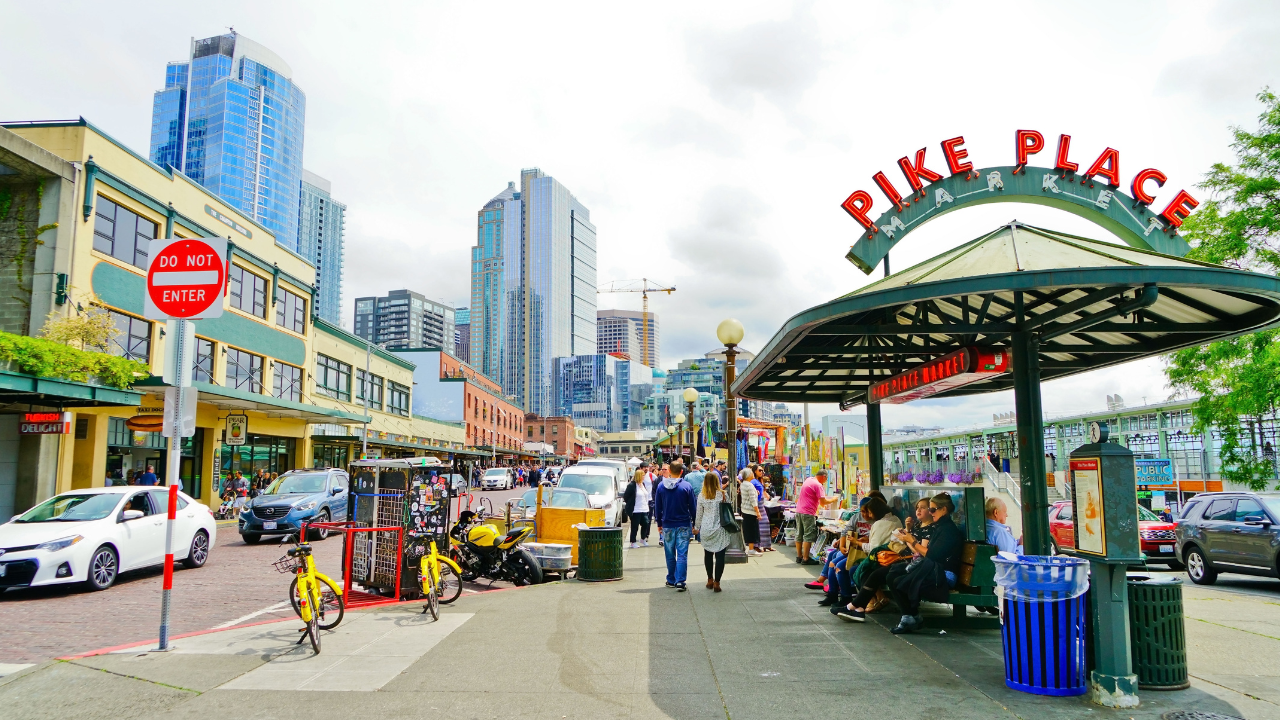
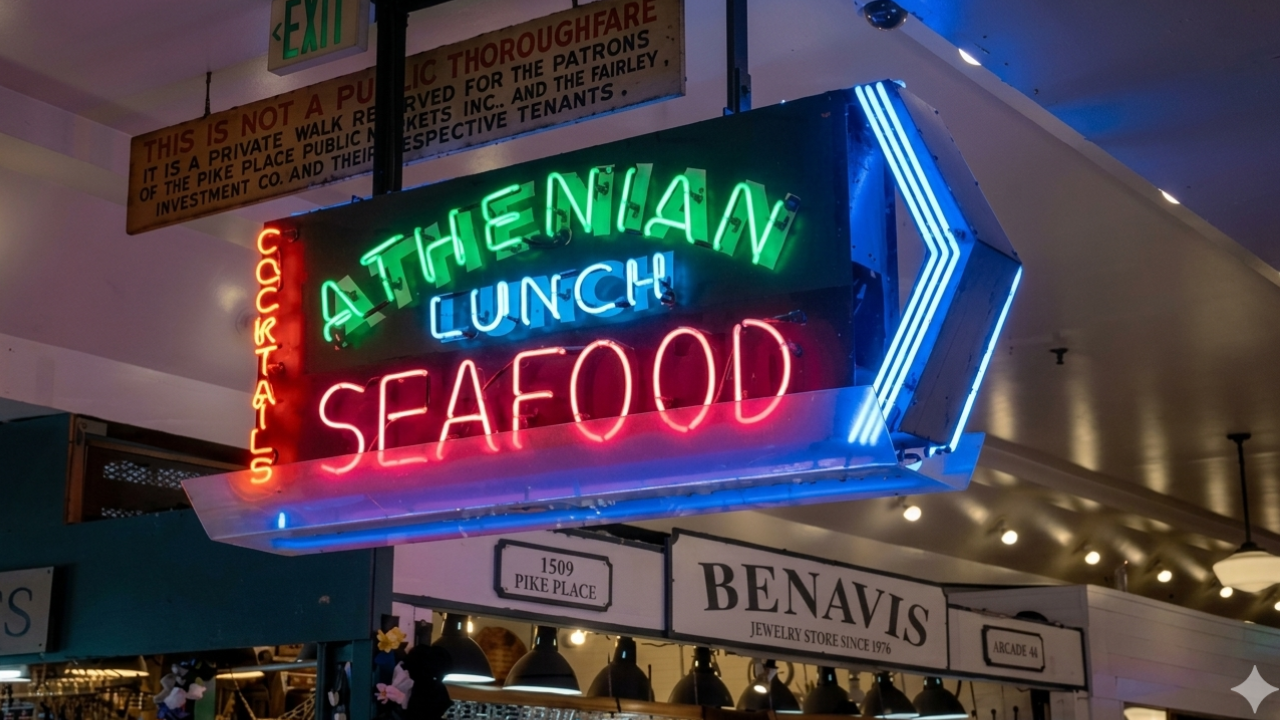
Pike Place Market is one of Seattle’s most famous attractions, and it is popular for a reason. It combines food stalls, flower vendors, fishmongers, bakeries, craft shops, cafés, local produce, street performers, and waterfront views in one compact area. It can feel crowded and touristy, but it is still one of the best introductions to the city.

A good visit depends on timing. Early morning is better if you want fewer crowds, cleaner photos, and a calmer look at the market. Midday has more energy, but it also brings slower walking, packed food lines, and limited seating. Many visitors come for the Public Market Center sign, flying fish, seasonal flowers, and nearby Gum Wall. There is also seating behind the market where travelers can eat food with a view.

The market is best when you treat it as a food and local culture stop rather than just a photo stop. Try chowder, pastries, smoked salmon, local fruit, coffee, or a casual lunch. If you dislike crowds, go early and avoid weekends.

Best Time to Visit: Morning, especially before lunch crowds arrive.

Good For: Food, flowers, photos, local shopping, and first-time sightseeing.

Main Drawback: It gets crowded and slow during peak hours.

Traveler Tip: Do not eat at the first busy stall you see, walk around first.

5. The Space Needle Is Iconic, But Not Everyone Needs to Go Up
© shutterstock / Felix Mizioznikov

5. The Space Needle Is Iconic, But Not Everyone Needs to Go Up

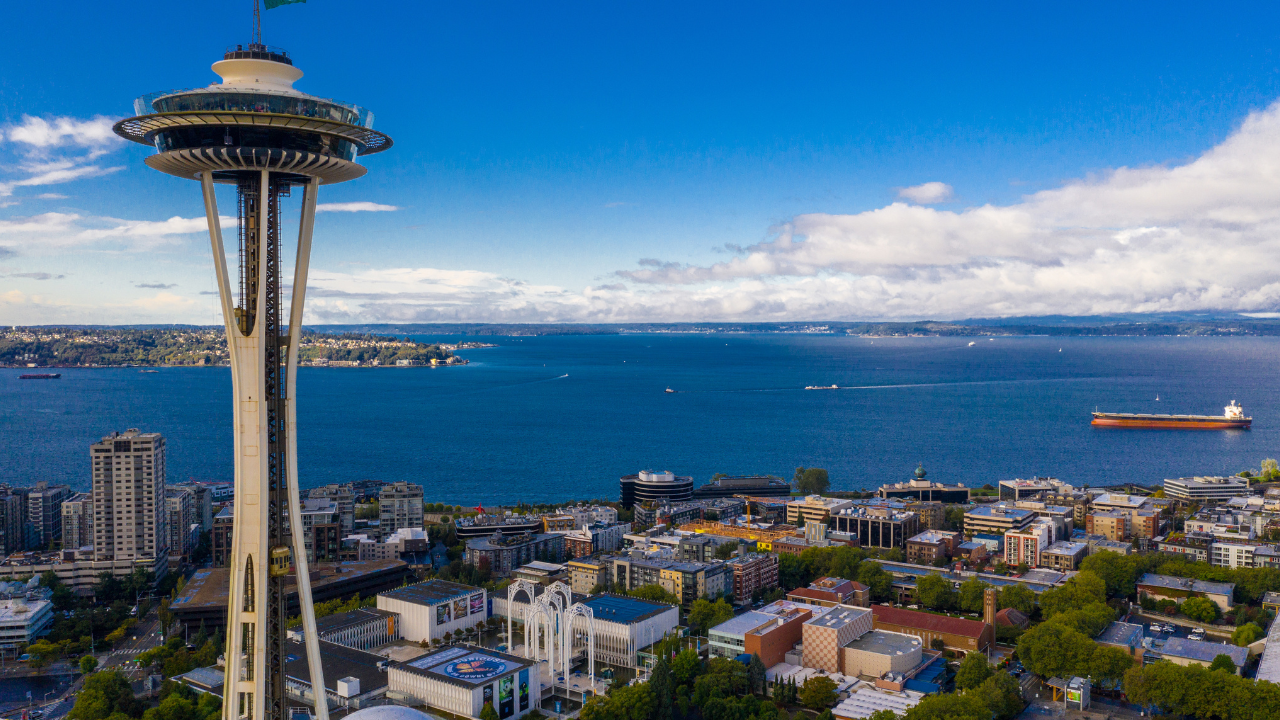
The Space Needle is Seattle’s most recognizable landmark, and many first-time visitors want to see it. It is part of the Seattle Center area, which also includes Chihuly Garden and Glass, the Museum of Pop Culture, Pacific Science Center, gardens, public spaces, and the monorail connection to downtown. For a first visit, the area is convenient because several major attractions sit close together.

Going up the Space Needle can be worth it if you enjoy observation decks and clear-day views. On a good weather day, the view can include the city skyline, Puget Sound, Lake Union, Mount Rainier, and surrounding mountains. On a cloudy or rainy day, the value drops. Since tickets are not always cheap, it is smart to check visibility before booking.

Some travelers may prefer Kerry Park, Sky View Observatory, or a ferry ride for scenic views instead. Trip planning sites and traveler discussions consistently list the Space Needle, Pike Place Market, and Chihuly Garden and Glass among Seattle’s must-see first-time attractions.

Best Time to Visit: Clear mornings or late afternoon.

Good For: First-time visitors and skyline views.

Main Drawback: Tickets can feel expensive if visibility is poor.

Traveler Tip: Pair it with Chihuly Garden and Glass to make the area more worthwhile.

6. Seattle Is Strong for Museums, Glass Art, and Indoor Activities
© shutterstock / Felix Lipov

6. Seattle Is Strong for Museums, Glass Art, and Indoor Activities

Seattle is a better museum city than some travelers expect. This matters because rain is part of the experience, especially outside summer. Instead of seeing wet weather as a ruined day, visitors can plan around museums, galleries, cafés, bookstores, music venues, and food experiences.

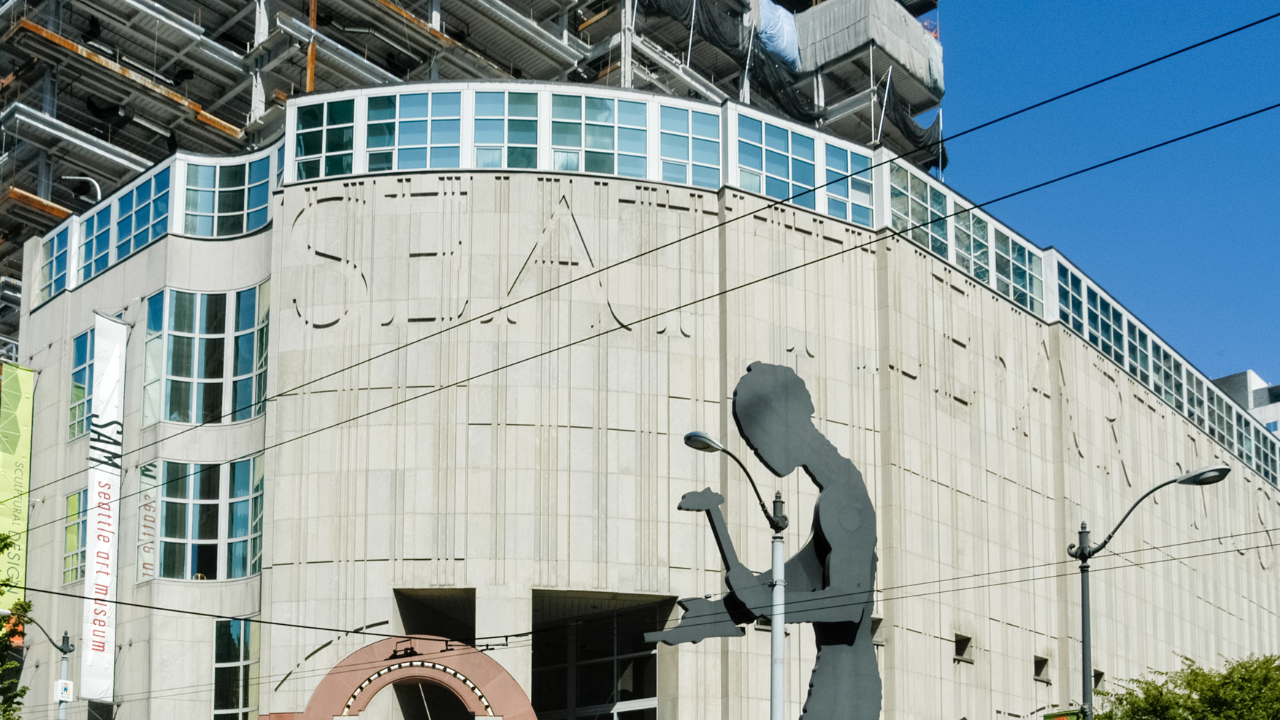
Chihuly Garden and Glass is one of the most popular indoor-outdoor attractions in the city, especially for travelers interested in color, design, and photography. The Museum of Pop Culture is a good choice for music, film, science fiction, and pop culture fans. The Museum of Flight is farther from the downtown core but is especially strong for aviation history. Seattle Art Museum and Olympic Sculpture Park add more traditional and public-art options.

This indoor strength makes Seattle workable even when the forecast is not ideal. February can also be appealing for museum-focused travelers because Seattle Museum Month has offered discounted admission for visitors with participating hotel stays.

Best Rainy-Day Area: Seattle Center and downtown museums.

Good For: Art lovers, families, music fans, and aviation enthusiasts.

Main Drawback: Museum tickets can add up quickly.

Traveler Tip: Group nearby attractions on the same day to save transit time.

7. Seattle Works Well Without a Car, But Only for the City Itself
© shutterstock EJ Nickerson

7. Seattle Works Well Without a Car, But Only for the City Itself

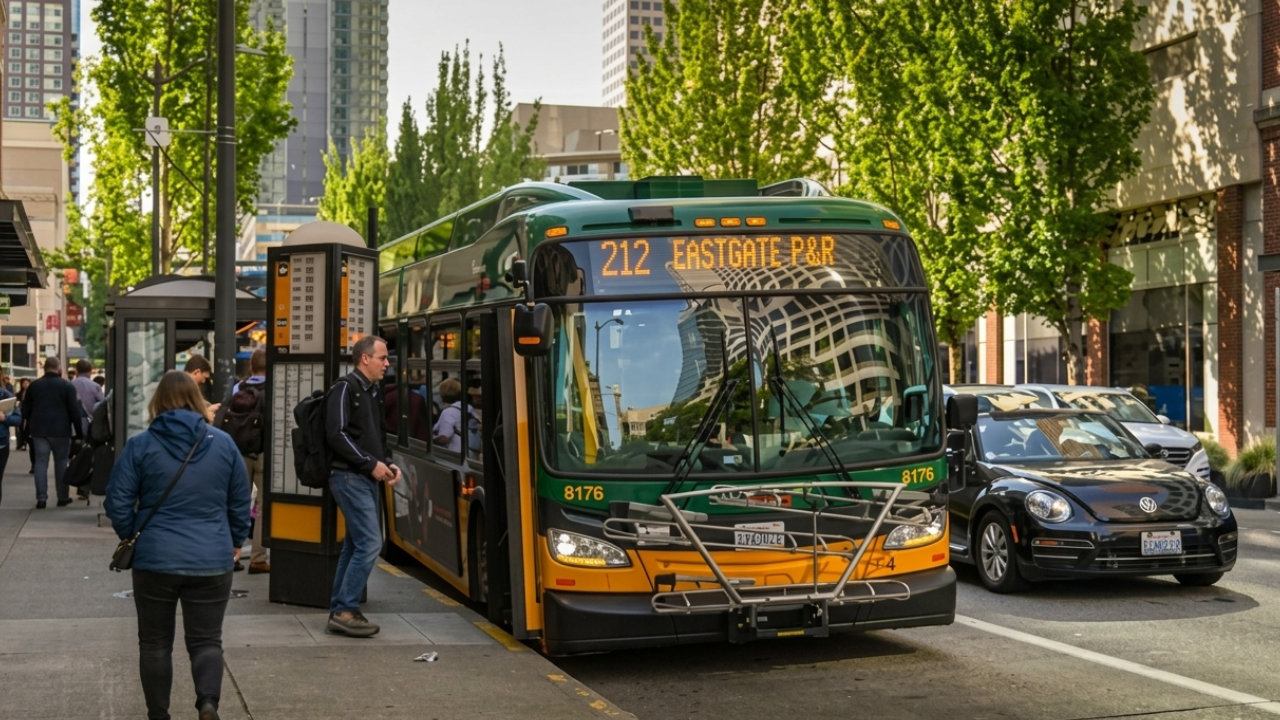
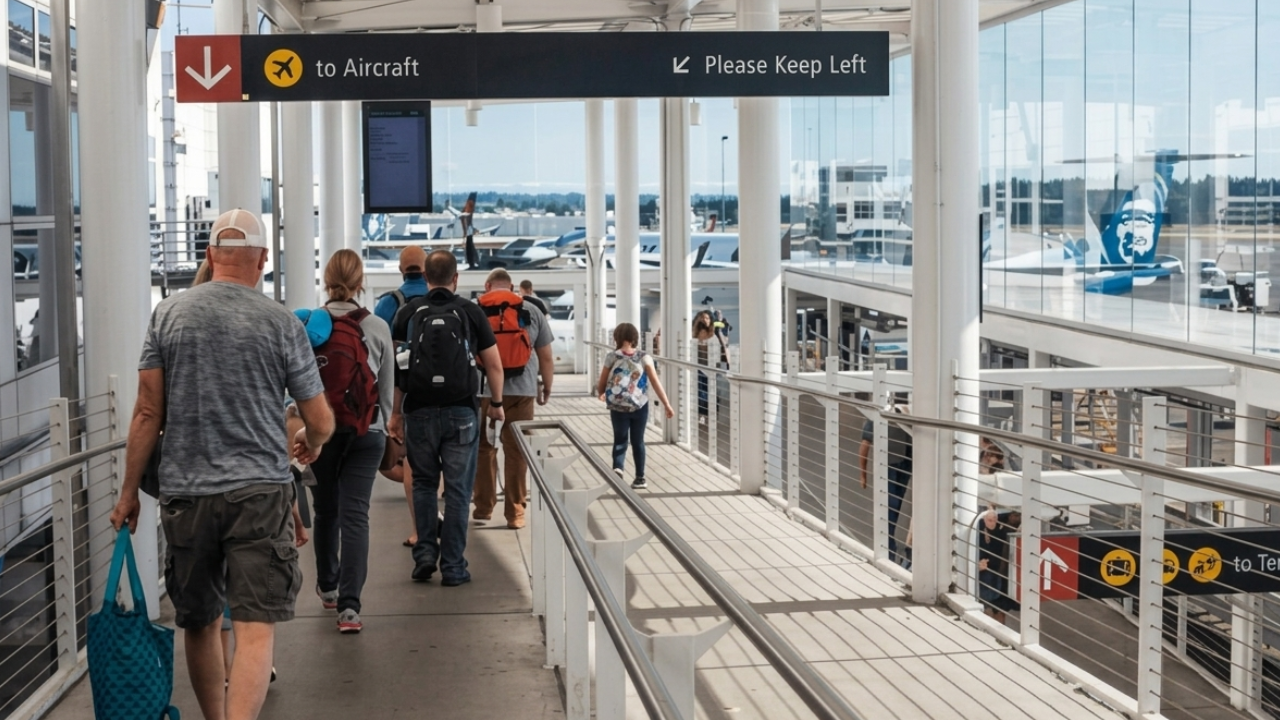
Seattle can be a fairly easy city to visit without renting a car, especially if your plans focus on downtown, Pike Place Market, Seattle Center, Capitol Hill, Pioneer Square, the waterfront, and airport transfers. The light rail connects Seattle-Tacoma International Airport with downtown, and travelers often describe the airport-to-downtown ride as manageable. The light rail runs north to south and is straightforward for many visitors, while the monorail connects Westlake with Seattle Center.

Walking is useful in central Seattle, but the hills can surprise people. Distances may look short on a map but feel tiring with luggage or rain. Rideshares, buses, ferries, and light rail can fill gaps, depending on where you stay. If you plan to visit only city attractions, skipping a rental car can save money and stress.

However, a car becomes more useful if you want to visit Mount Rainier, Snoqualmie Pass, Leavenworth, Olympic National Park, or smaller outdoor destinations. Guided tours are an alternative, especially for travelers who do not want to drive mountain roads or manage parking.

Best Without a Car: Downtown, Seattle Center, Capitol Hill, and waterfront areas.

Car Needed For: National parks, mountain trips, and remote nature stops.

Main Drawback: Hills and rain can make walking less comfortable.

Traveler Tip: Stay near light rail or central attractions if you skip renting a car.

8. Day Trips Are One of Seattle’s Biggest Strengths
© Shutterstock / cdrin

8. Day Trips Are One of Seattle’s Biggest Strengths

Seattle becomes a stronger vacation choice when you look beyond the city limits. The surrounding region is one of the main reasons travelers choose Seattle over another urban destination. Mount Rainier, Snoqualmie Falls, Bainbridge Island, the San Juan Islands, Olympic National Park, Woodinville wine country, and the Cascade foothills can all shape a trip depending on your time and season.

For adventurous travelers, the Seattle area also offers guided outdoor experiences beyond standard hiking. Canyoneering near Snoqualmie Pass operates seasonally, often from June through September, with trips designed for different experience levels. Some beginner-friendly canyoning trips include hiking, rappelling, sliding, jumping, and moving through waterfall landscapes, with guides providing gear such as wetsuits, helmets, harnesses, and safety equipment.

This outdoor access is a major reason Seattle is worth considering. A three-day trip can focus mostly on the city, while a five- to seven-day trip can combine Seattle with mountains, islands, or forests. The key is not overpacking the itinerary, since traffic, ferry schedules, and weather can slow things down.

Best Day Trips: Mount Rainier, Bainbridge Island, Snoqualmie Falls, and Olympic Peninsula.

Good For: Hikers, photographers, couples, families, and nature-focused travelers.

Main Drawback: Weather and travel time can affect plans.

Traveler Tip: Book guided outdoor trips early in summer.

9. Seattle’s Food Scene Is a Major Reason to Visit
© shutterstock / Brian Logan Photography

9. Seattle’s Food Scene Is a Major Reason to Visit

Seattle is a good vacation spot for travelers who care about food, especially seafood, coffee, bakeries, Asian cuisine, market snacks, and casual neighborhood dining. The city’s location gives it strong access to salmon, oysters, crab, clams, and other Pacific Northwest ingredients. Pike Place Market is the most obvious food stop, but many of the best meals are found in neighborhoods rather than only at tourist attractions.

The International District is a good area for Asian food, while Capitol Hill has cafés, bars, casual restaurants, and nightlife. Ballard has breweries, seafood spots, and neighborhood dining. Fremont and Queen Anne offer more local-feeling restaurants and shops. Waterfront dining can be scenic, though it is worth checking menus and prices before sitting down, since view-focused restaurants can be expensive.

Coffee is also part of the Seattle experience, but visitors do not need to limit themselves to famous chains. Independent cafés, roasters, and bakeries often provide a more local feel. Travelers who like food tours may enjoy guided Pike Place Market experiences, which are commonly recommended as a way to understand the market beyond the surface.

Best Food Areas: Pike Place Market, Capitol Hill, Ballard, Fremont, and International District.

Good For: Seafood, coffee, bakeries, casual dining, and food tours.

Main Drawback: Popular restaurants can be pricey or require waits.

Traveler Tip: Mix one or two splurge meals with casual market and neighborhood food.

10. Seattle Is Best for a 3 to 5 Day Trip
© shutterstock / Sean Pavone

10. Seattle Is Best for a 3 to 5 Day Trip

Seattle can work as a weekend getaway, but it is better with at least three full days. A short trip lets you see Pike Place Market, the waterfront, Seattle Center, the Space Needle area, Chihuly Garden and Glass, a neighborhood or two, and maybe a ferry ride. With four or five days, you can add a day trip to Mount Rainier, Bainbridge Island, Snoqualmie Falls, Woodinville, or another outdoor destination.

A good three-day Seattle itinerary might include Pike Place Market and the waterfront on day one, Seattle Center and museums on day two, and a ferry ride or neighborhood-focused day on day three. A five-day version could add Mount Rainier or Snoqualmie Falls, plus a slower food, coffee, or park day. Families may want to include the Pacific Science Center, Museum of Flight, Ballard Locks, aquarium, or easy park walks.

Seattle is not the best choice if you want constant sunshine, cheap hotels, or a resort-style vacation. But it is a strong choice if you want a practical mix of sightseeing, food, culture, water views, and nature access. Its appeal is quieter than cities built around grand monuments, but that is part of what makes it feel real.

Ideal Trip Length: 3 to 5 days.

Best First-Time Plan: City sights plus one ferry or mountain day trip.

Main Drawback: A short rainy trip can feel limited without indoor planning.

Traveler Tip: Visit in September for a strong balance of weather, crowds, and scenery.


Comments (0)

Leave a Reply

No comments yet. Be the first to share your thoughts!