Travel Destination

Noctourism: The nighttime travel trend that is attracting more visitors worldwide

James Porter
5.0
May 04, 2026

Travel is no longer only about what people can see between breakfast and sunset. A growing number of travelers are building trips around what happens after dark, from stargazing and night safaris to late-night food markets, moonlit city walks, bioluminescent kayaking, aurora hunting, and cultural festivals that only come alive at night. This trend is often called noctourism, and it is changing how people think about travel schedules, destination choices, and even what counts as a memorable experience.

Part of the appeal is practical. Popular landmarks are often less crowded at night, temperatures can be more comfortable in hot destinations, and many cities reveal a different personality after sunset. At the same time, travelers are showing stronger interest in darker-sky places, astronomy-focused stays, after-hours tours, and nature experiences that cannot be fully appreciated during the day. Recent travel trend coverage has highlighted nighttime experiences such as after-dark safaris, stargazing, aurora trips, full-moon events, night markets, and bioluminescent tours as key parts of this shift.

Noctourism is not just about nightlife. It is about seeing familiar places in a less obvious way and discovering experiences that only happen when the lights go down.
1. Stargazing Is Becoming a Main Travel Reason
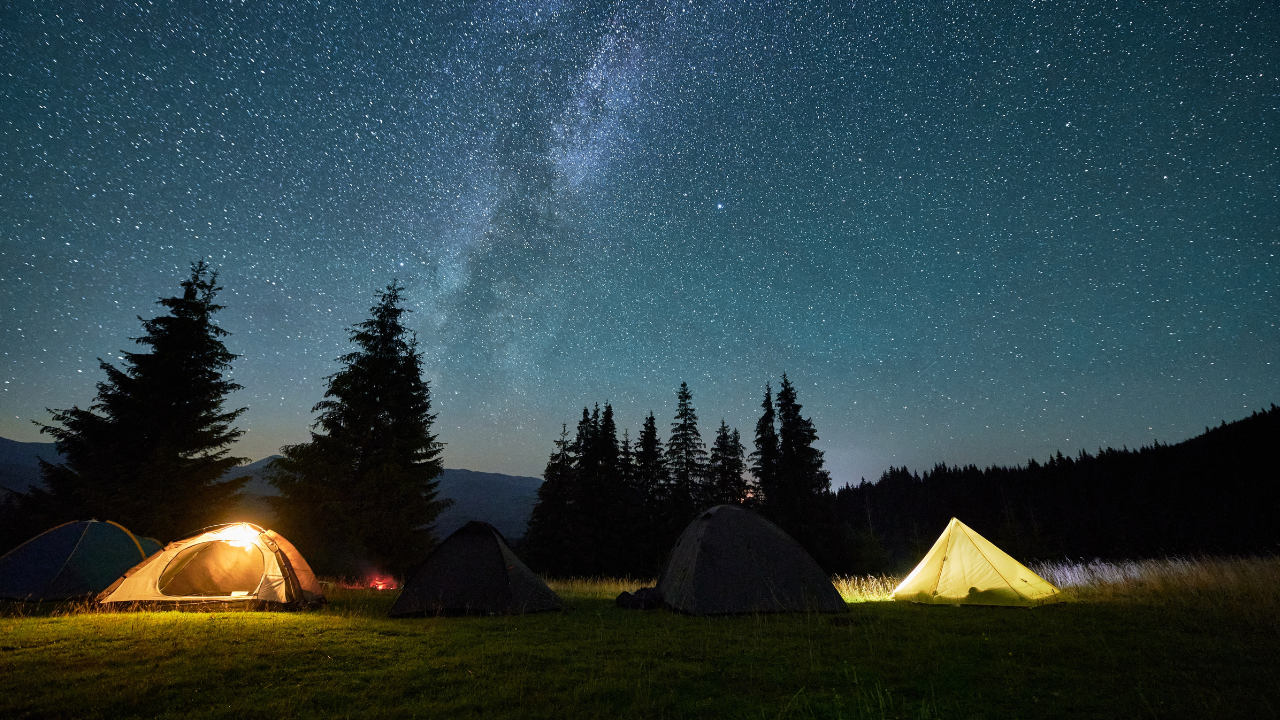
© shutterstock / anatoliy_gleb

1. Stargazing Is Becoming a Main Travel Reason

For many travelers, the night sky is now a destination in itself. Instead of choosing only cities, beaches, or famous landmarks, people are looking for places with low light pollution, open landscapes, and clear skies. Dark-sky reserves, desert lodges, mountain retreats, and remote islands are becoming more attractive because they offer something modern urban life often hides: a clear view of stars, planets, meteor showers, and the Milky Way.

This shift also connects with a wider desire for slower, quieter trips. Stargazing does not require rushing from one attraction to another. It asks travelers to pause, look up, and spend time in silence. Places such as Namibia, Chile’s Atacama Desert, Iceland, New Zealand, the Maldives, and parts of the American Southwest are especially appealing for this kind of travel because their landscapes feel dramatic even after sunset. Hotels and lodges are also responding with telescopes, astronomy guides, outdoor beds, rooftop observatories, and sky-focused experiences.

Why Travelers Like It: It offers stillness, beauty, and a rare break from screens.

Best Places for It: Deserts, islands, mountains, and official dark-sky areas.

Traveler Tip: Check the moon phase before booking a stargazing trip.

Must-Know: A full moon can make stars harder to see.

2. Night Safaris Are Changing Wildlife Travel
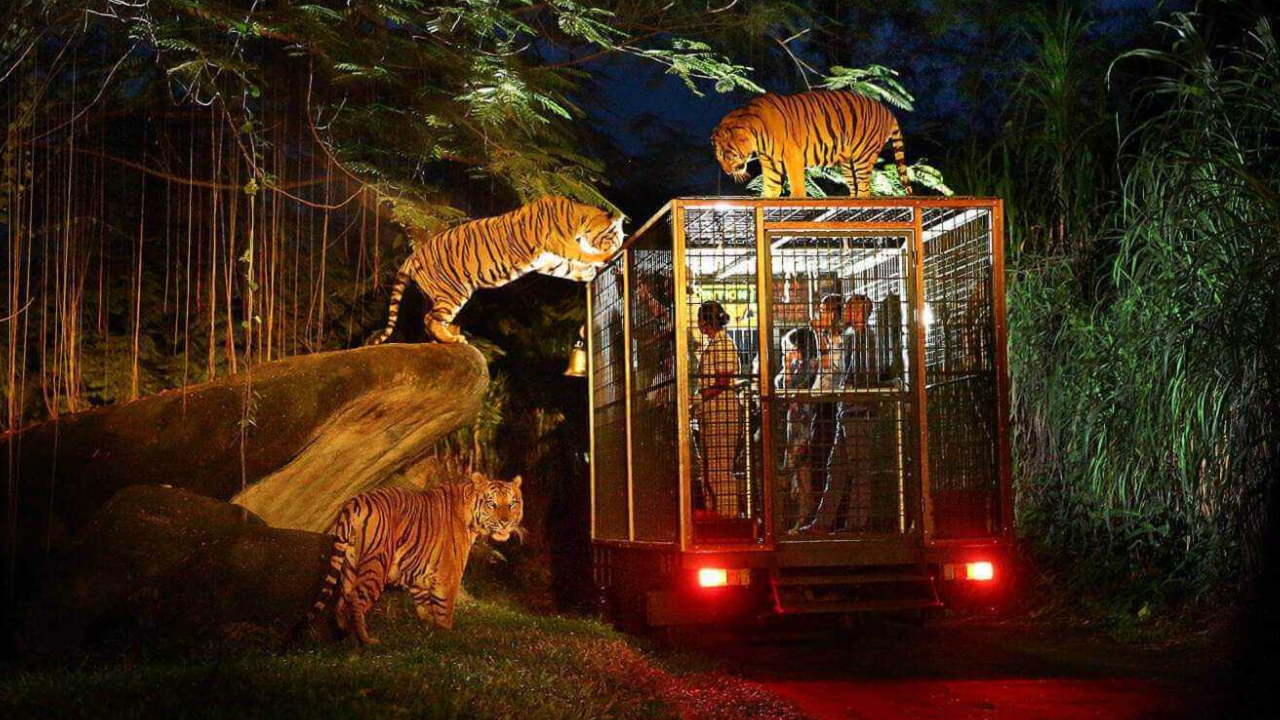
© Dave Mani

2. Night Safaris Are Changing Wildlife Travel

Wildlife travel has traditionally focused on early morning and late afternoon game drives, but night safaris are becoming a bigger part of the experience. Many animals are more active after dark, especially predators, small mammals, owls, reptiles, and insects. For travelers, this creates a completely different atmosphere from daytime wildlife viewing. The sounds become sharper, the landscape feels more mysterious, and even familiar animals behave differently.

Night safaris are especially popular in parts of Africa, India, Sri Lanka, Australia, and Latin America, where trained guides use spotlights carefully and follow local conservation rules. The point is not only to see large animals but also to understand how ecosystems work after sunset. Travelers may notice tracks, calls, glowing eyes, and movements they would miss during the day. This kind of tourism can also support lodges and guides by spreading activities across more hours instead of concentrating every experience into daylight.

Why Travelers Like It: It reveals animals and behaviors rarely seen during the day.

Best Places for It: Safari reserves, rainforests, wetlands, and national parks.

Traveler Tip: Choose ethical operators that avoid disturbing wildlife.

Must-Know: Flash photography is usually discouraged or banned.

3. Hot-Weather Destinations Feel Easier After Sunset
© shutterstock / artaxerxes_photo

3. Hot-Weather Destinations Feel Easier After Sunset

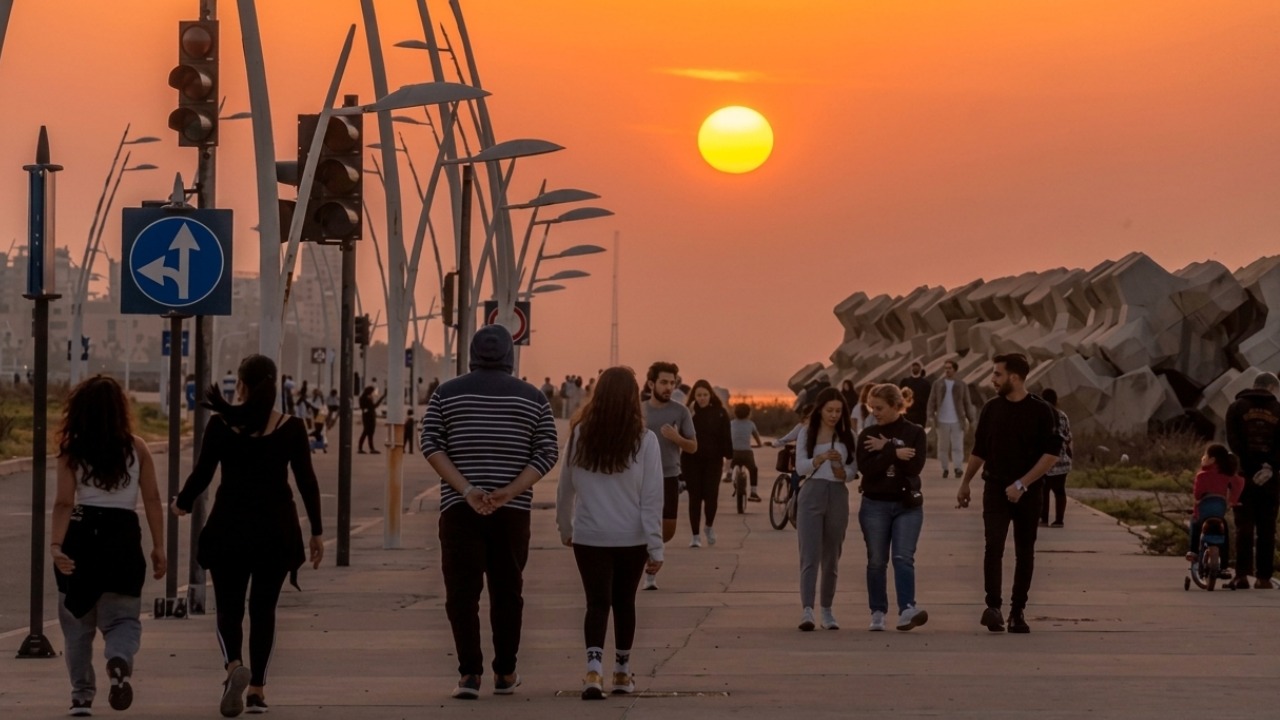
Rising interest in noctourism is also linked to comfort. In very hot destinations, daytime sightseeing can be tiring, especially during summer. Cities in the Middle East, North Africa, southern Europe, South Asia, and Southeast Asia often feel more manageable after the sun sets. Evening walks, late dinners, night markets, rooftop cafés, and illuminated historic districts allow travelers to enjoy a destination without the strongest heat of the day.

This is one reason night-based itineraries are becoming more practical, not just trendy. A traveler visiting Marrakech, Dubai, Seville, Bangkok, Cairo, Jaipur, or Athens may find that the best hours are early morning and evening, with midday reserved for rest. This changes the rhythm of travel. Instead of packing every attraction into daylight hours, visitors may plan a slower day and a more active evening. It can also help reduce crowding at popular sites when destinations offer extended hours or after-dark access.

Why Travelers Like It: Cooler temperatures make walking and sightseeing easier.

Best Places for It: Hot cities, desert regions, and summer destinations.

Traveler Tip: Plan a midday break and save walking tours for evening.

Must-Know: Some sites still close early, so check hours carefully.

4. Night Markets Are Becoming Cultural Attractions
© shutterstock / saiko3p

4. Night Markets Are Becoming Cultural Attractions

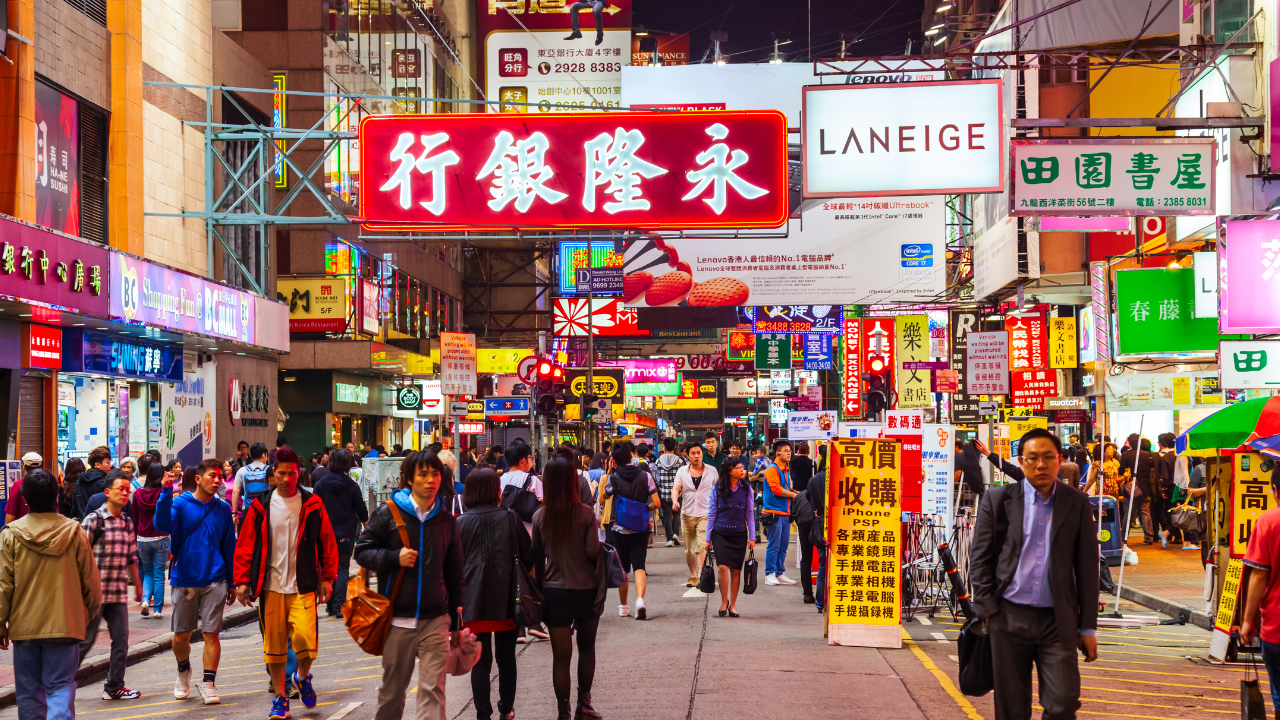
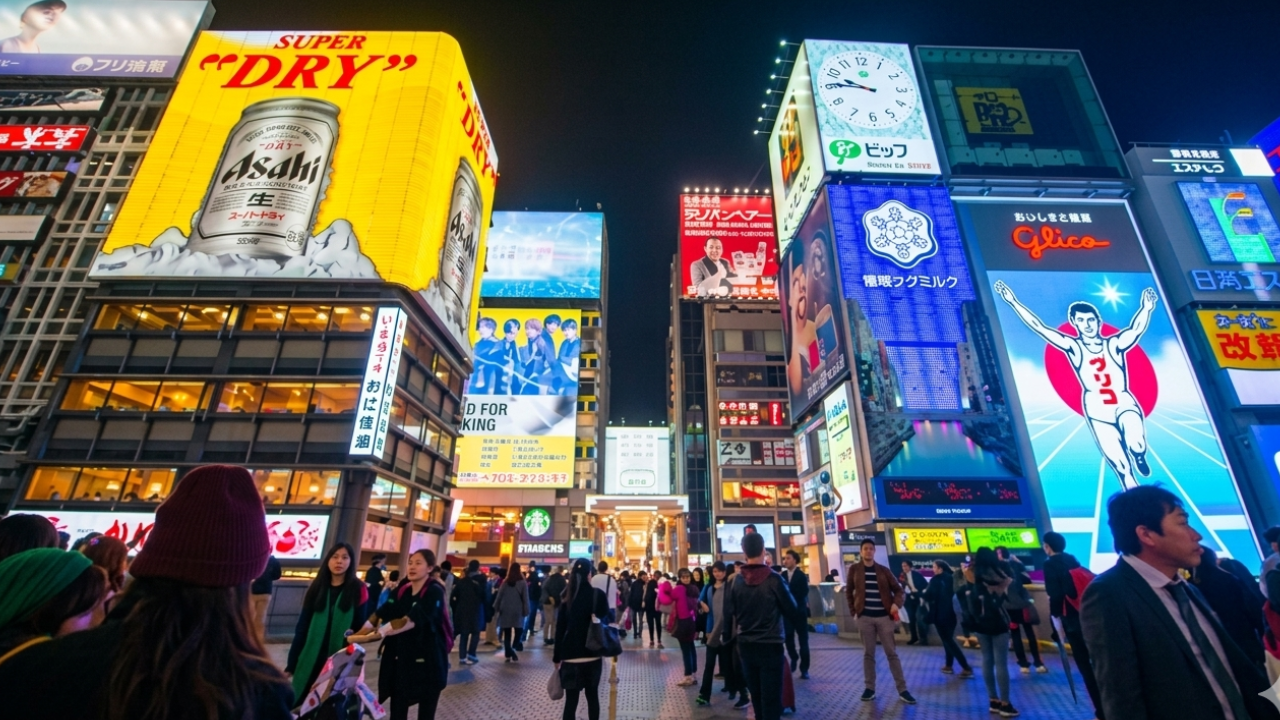
Night markets have always been part of daily life in many destinations, but travelers are now treating them as major cultural experiences rather than casual dinner stops. They combine food, shopping, local routines, music, street life, and social energy in one place. For many visitors, a night market can feel more revealing than a formal attraction because it shows how people eat, gather, bargain, and spend time after work.

Taiwan, Thailand, Vietnam, South Korea, Malaysia, Singapore, Morocco, Mexico, and many other destinations are known for strong evening street-food scenes. Travelers can sample regional dishes, watch vendors cook, buy small crafts, and experience a city when it feels most alive. This part of noctourism is less about luxury and more about atmosphere. It also gives visitors a way to support small local businesses, especially when they choose family-run stalls and local specialties instead of only tourist-focused areas.

Why Travelers Like It: Food, culture, and local life come together in one place.

Best Places for It: Asian cities, old towns, coastal markets, and festival streets.

Traveler Tip: Go hungry and try small portions from several stalls.

Must-Know: Carry cash, since many vendors may not accept cards.

5. Cities Are Offering More After-Hours Experiences
© shutterstock / Ruslan Lytvyn

5. Cities Are Offering More After-Hours Experiences

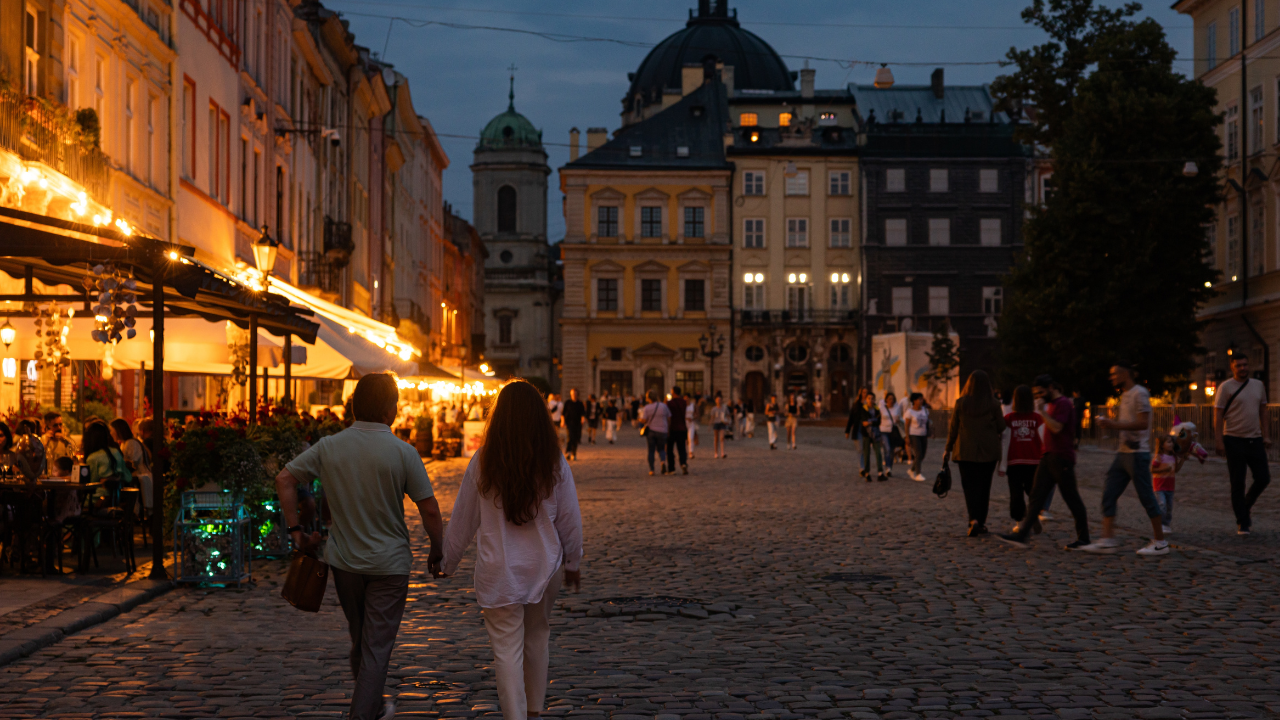
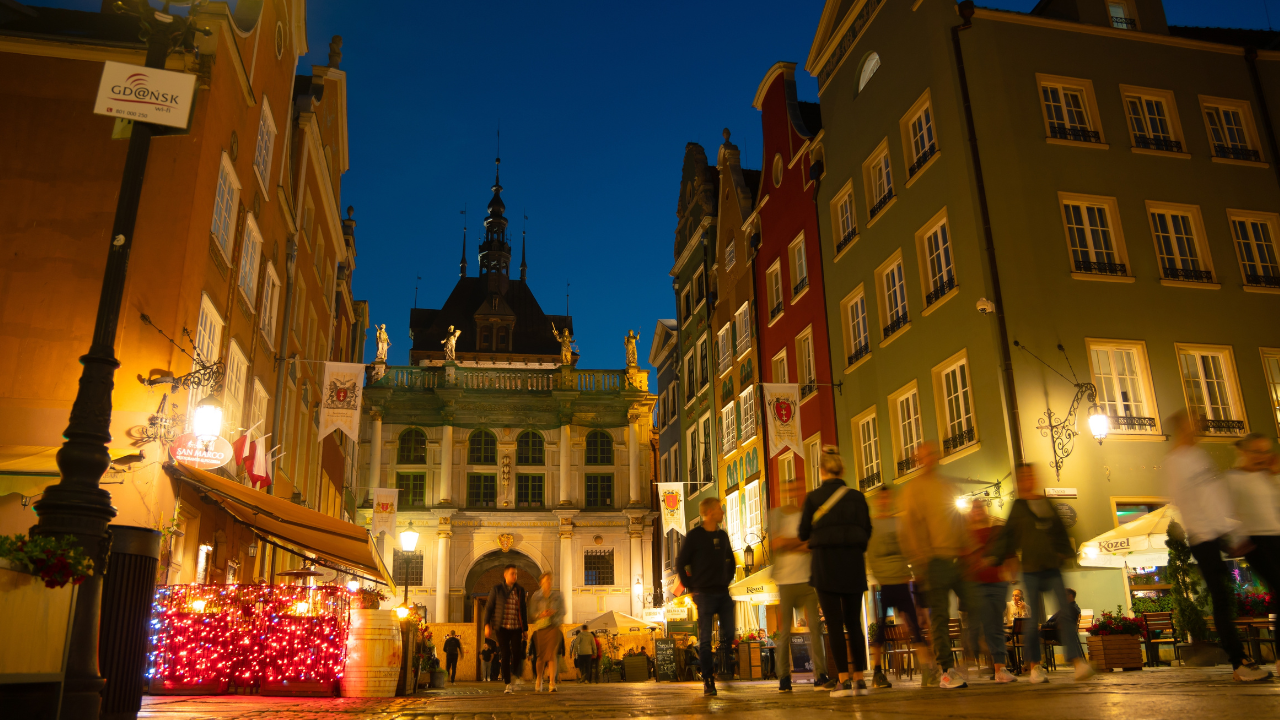
Major cities are also adapting to the after-dark travel trend. Museums, galleries, gardens, historic sites, observation decks, and walking tours increasingly offer evening or late-night experiences. The appeal is simple: places feel different when crowds thin, lights come on, and the pace slows down. A museum at night can feel calmer. A historic neighborhood can feel more atmospheric. A skyline view can become the highlight of the trip.

This trend is especially useful in destinations that suffer from daytime congestion. Instead of competing with crowds at peak hours, travelers can choose night openings, guided evening walks, food tours, ghost tours, theater districts, river cruises, or illuminated monument routes. Cities like Tokyo, Paris, London, Istanbul, Hong Kong, New York, Seoul, Singapore, and Rome all offer strong after-dark travel possibilities, though the best experiences vary by neighborhood and season.

Why Travelers Like It: Familiar cities feel fresh, calmer, and more cinematic.

Best Places for It: Big cities with safe transport and evening attractions.

Traveler Tip: Check public transport schedules before booking late tours.

Must-Know: Some neighborhoods change character late at night.

6. Natural Light Shows Are Driving Bucket-List Trips
© shutterstock / Cinematographer

6. Natural Light Shows Are Driving Bucket-List Trips

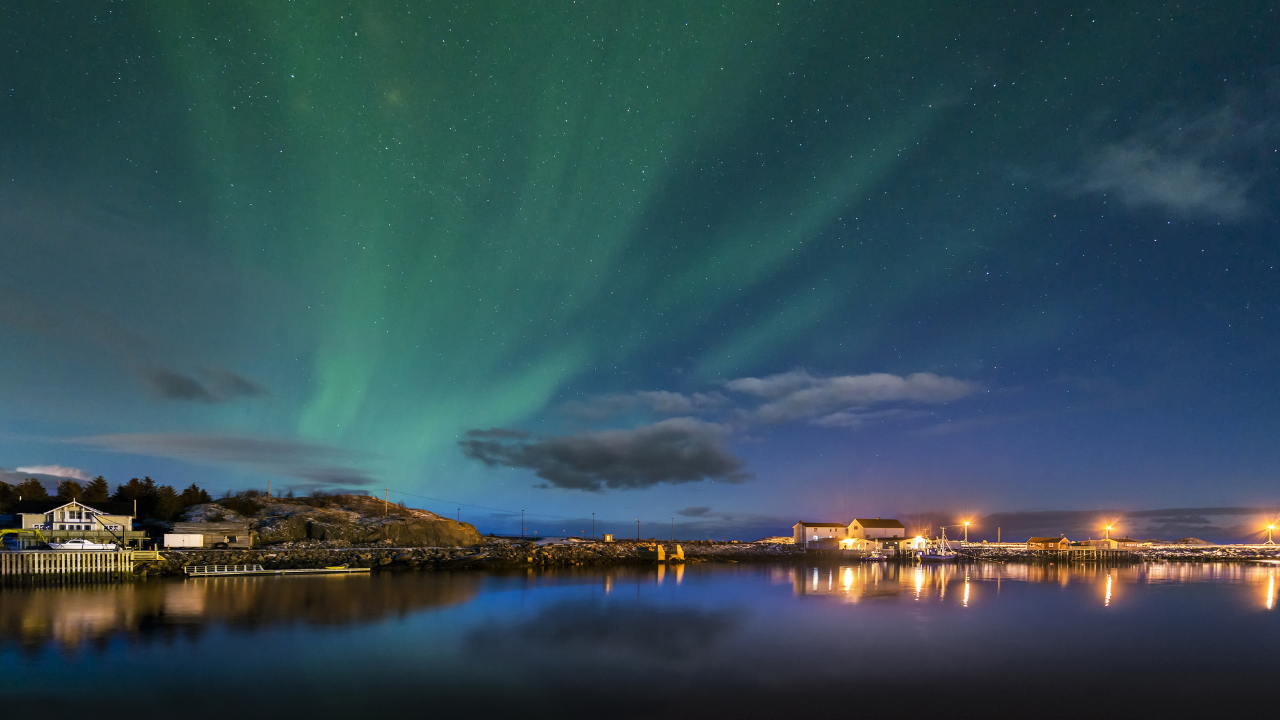
Some of the most powerful noctourism experiences are natural events that cannot be controlled or guaranteed. The northern lights, southern lights, meteor showers, lunar eclipses, fireflies, glowing plankton, and bioluminescent bays are all drawing travelers who want rare after-dark moments. These experiences feel special because they depend on timing, weather, darkness, and patience.

Aurora travel is especially popular in places such as Norway, Iceland, Finland, Sweden, Canada, and Alaska. Bioluminescent experiences attract visitors to locations such as Puerto Rico, the Maldives, parts of California, Japan, Australia, and Southeast Asia. Firefly tourism is common in parts of Japan, Malaysia, India, Mexico, and the United States. These trips often require more planning than standard sightseeing because travelers need the right season, low light, and flexible expectations. Still, the reward can be unforgettable when conditions align.

Why Travelers Like It: Natural night events feel rare and deeply memorable.

Best Places for It: Aurora zones, dark beaches, wetlands, and remote coastlines.

Traveler Tip: Stay multiple nights to improve your chances.

Must-Know: Weather and moonlight can affect visibility.

7. Hotels Are Turning Darkness Into an Experience
© Facebook / Molori Safari

7. Hotels Are Turning Darkness Into an Experience

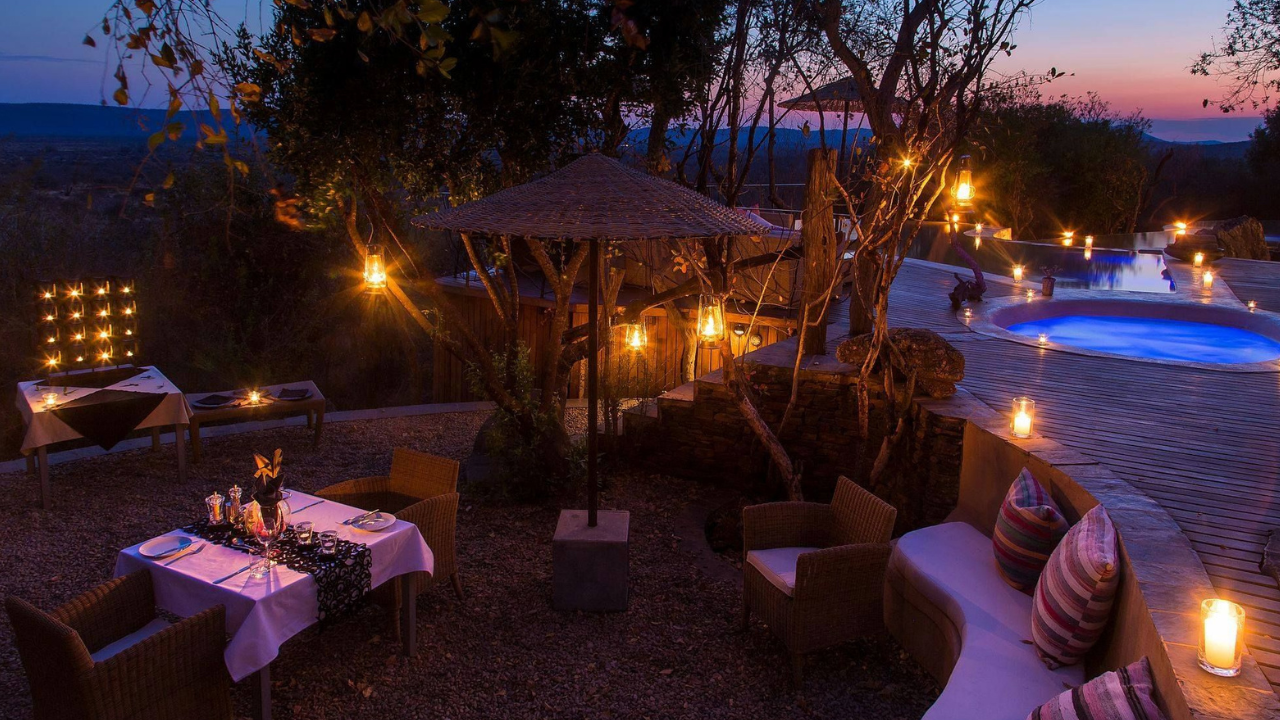
Hotels and resorts are no longer treating nighttime as simple downtime. Many are building experiences around the night itself. This includes outdoor sleeping decks, star beds, moonlit spa treatments, candlelit desert dinners, astronomy sessions, late-night wellness rituals, and guided nature walks. In some destinations, the room or lodge is designed specifically to help guests experience darkness safely and comfortably.

This is especially common in luxury lodges, desert camps, eco-retreats, mountain hotels, safari properties, and island resorts. But the idea is spreading beyond luxury travel. Even smaller hotels are offering rooftop stargazing, night photography walks, evening food tours, or local storytelling sessions. The trend works because it gives travelers another reason to stay longer and experience the destination more deeply. Instead of ending the day after dinner, the hotel becomes part of the night journey.

Why Travelers Like It: Accommodation becomes part of the travel experience.

Best Places for It: Deserts, mountains, islands, forests, and safari regions.

Traveler Tip: Ask whether nighttime activities are guided or self-led.

Must-Know: Remote stays may have limited lighting and stricter safety rules.

8. Night Photography Is Influencing Destination Choices
© Pexels / Gije

8. Night Photography Is Influencing Destination Choices

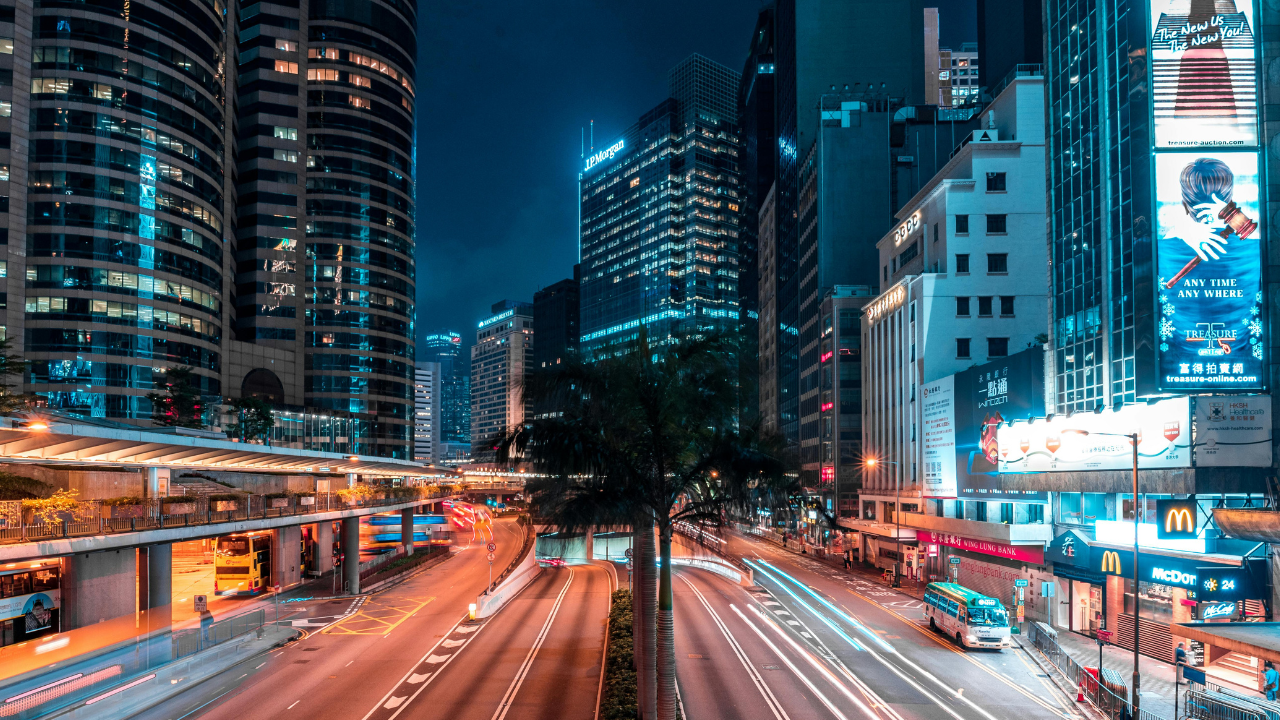
Social media and travel photography are also helping noctourism grow. Many travelers now plan trips around images that look best after dark: neon streets, lantern festivals, illuminated temples, star trails, city skylines, fire dances, glowing beaches, and moonlit landscapes. Night photography gives familiar destinations a new visual identity, which encourages travelers to explore beyond standard daytime postcard views.

Cities like Hong Kong, Tokyo, Seoul, Bangkok, Singapore, New York, and Dubai are especially attractive for neon and skyline photography. For softer scenes, travelers may look for lantern-lit towns, desert camps, old medinas, night gardens, or waterfront promenades. This does not mean every nighttime experience should be shaped by photos, but photography has made travelers more aware of how dramatically a place can change after sunset.

Why Travelers Like It: Night scenes create distinctive and memorable images.

Best Places for It: Neon districts, skylines, lantern towns, and dark landscapes.

Traveler Tip: Bring a small tripod where allowed.

Must-Know: Some sites restrict tripods, drones, or flash photography.

9. Noctourism Can Help Reduce Daytime Crowding
© shutterstock / TR STOK

9. Noctourism Can Help Reduce Daytime Crowding

One of the practical benefits of noctourism is that it can spread visitor activity across more hours. Popular destinations often struggle when everyone visits the same landmarks at the same time. Evening tours, night openings, late museum hours, and after-dark cultural events can reduce some daytime pressure while giving travelers a different experience.

This does not solve overtourism by itself. If poorly managed, nighttime tourism can create noise, disturb residents, and put pressure on local transport or public spaces. But when done carefully, it can help destinations create a more balanced visitor flow. For travelers, this means they may enjoy better access, shorter lines, cooler weather, and a slower atmosphere. For locals, it can bring income to restaurants, guides, performers, drivers, and small businesses that operate outside traditional sightseeing hours.

Why Travelers Like It: It can make crowded destinations feel more manageable.

Best Places for It: Cities with extended hours and safe evening transport.

Traveler Tip: Choose guided experiences in unfamiliar areas.

Must-Know: Respect quiet residential areas late at night.

10. The Trend Requires More Careful Planning
© shutterstock / MosayMay

10. The Trend Requires More Careful Planning

Noctourism sounds spontaneous, but the best after-dark travel usually needs planning. Safety, transport, weather, local rules, wildlife protection, and visibility all matter more at night. A beach that feels easy during the day may be unsafe after dark. A scenic trail may require a guide. A public transport route may stop earlier than expected. A night market may only operate on certain days. An aurora trip may depend on cloud cover and solar activity.

Travelers should also think about rest. A trip built around late nights can become exhausting if mornings are packed with sightseeing. The smartest approach is to design the itinerary around a different rhythm: slow mornings, flexible afternoons, and intentional evenings. This makes the trend more enjoyable and less stressful.

Why Travelers Like It: Better planning turns night travel into a richer experience.

Best Places for It: Destinations with reliable operators and clear safety guidance.

Traveler Tip: Do not schedule early starts after late-night activities.

Must-Know: Night travel should be planned, not treated as an afterthought.


Comments (0)

Leave a Reply

No comments yet. Be the first to share your thoughts!