Travel Destination

Making the Most of a Cruise: What to Do Before, During, and After

James Porter
4.7
April 16, 2026

A cruise is one of the few vacations where your hotel, transport, dining, and entertainment are all in one place. That convenience can either make your trip effortless or overwhelming, depending on how you approach it. The difference usually comes down to planning, timing, and understanding how cruise life actually works. Experienced cruisers consistently point out that preparation before boarding, smart choices onboard, and intentional use of time in ports are what truly define a great cruise experience.

Below are the most effective ways to get the absolute most out of your cruise, each fully restructured and based on proven strategies used by frequent cruisers.

1. Start Planning Long Before You Step on the Ship
© rawpixel_pixabay

1. Start Planning Long Before You Step on the Ship

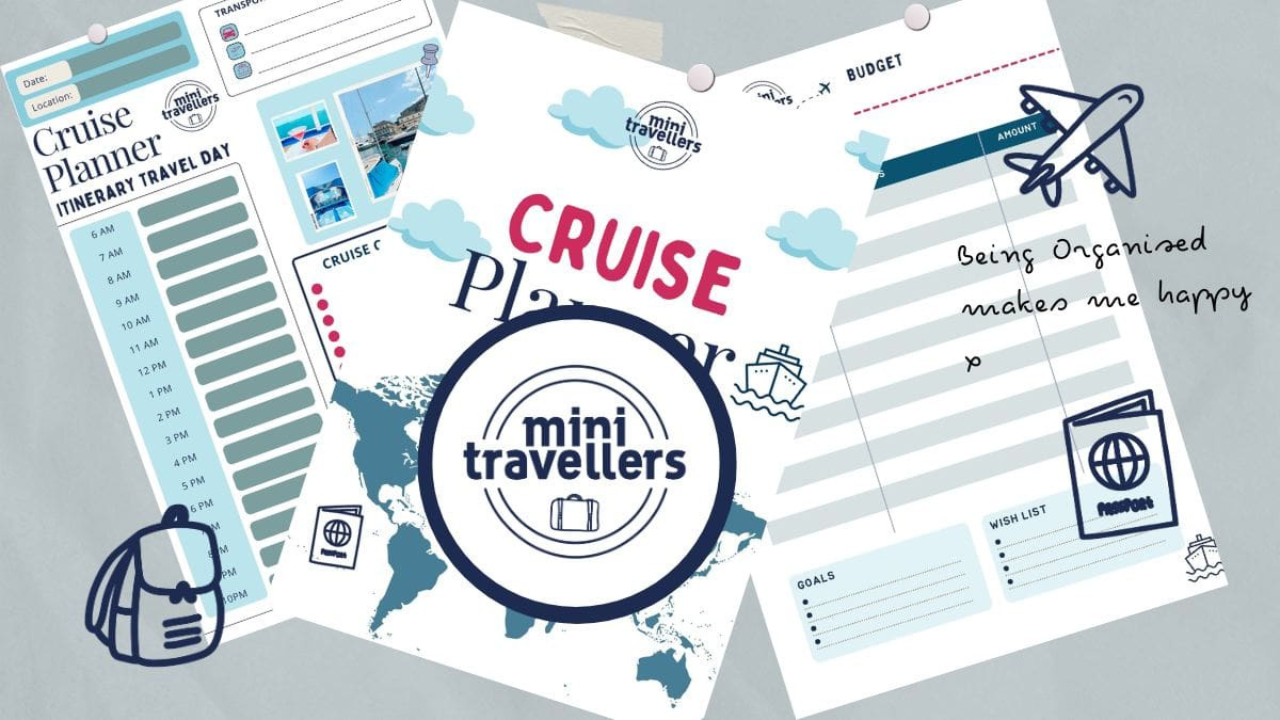
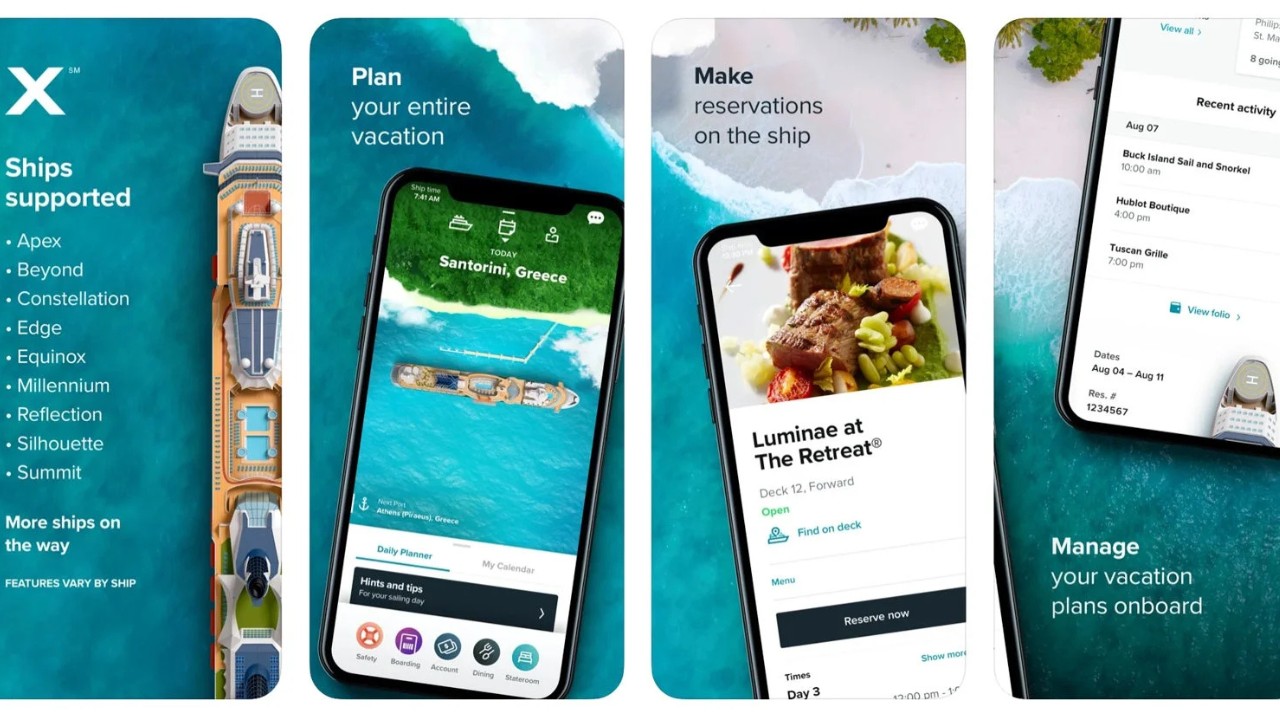
The cruise experience begins long before embarkation day. Travelers who research their ship layout, dining options, excursions, and onboard activities ahead of time usually enjoy a smoother and more efficient trip. Cruise lines offer apps and online planners that allow you to pre-book shows, dining, and activities, which helps avoid disappointment later. Many popular options fill up quickly once boarding begins, so planning early ensures you don’t miss out.

A well-planned cruise removes the need for constant decision-making once onboard. Instead of scrambling for reservations or trying to understand the ship on day one, you arrive with a clear idea of how you want to spend your time. This allows you to focus on enjoying the experience rather than managing it. Planning also helps you balance relaxation and activity, which is essential for avoiding burnout during the trip.

2. Arrive at Your Departure City a Day Early
© JoshuaWoroniecki_pixabay

2. Arrive at Your Departure City a Day Early

One of the most common mistakes travelers make is arriving on the same day their cruise departs. Flight delays, cancellations, or traffic issues can easily cause you to miss the ship, which can be both stressful and expensive. Experienced cruisers avoid this risk by arriving at least one day early.

Arriving early not only provides a buffer against unexpected delays but also gives you time to adjust and explore the departure city. It allows you to start your vacation at a relaxed pace rather than rushing to the port. This small decision significantly reduces stress and sets a better tone for the entire trip. It also ensures you board the ship feeling rested and ready to enjoy the experience.

3. Use Embarkation Day Strategically
© Fstop123_Getty Images

3. Use Embarkation Day Strategically

Embarkation day is often overlooked, but it sets the tone for your entire cruise. Instead of rushing to crowded buffets or wandering without direction, experienced travelers use this time to explore the ship, locate key areas, and get familiar with the layout. Many amenities are less crowded early on, making it a good opportunity to enjoy them before the majority of passengers settle in.

Another important strategy is to pack essentials like swimwear, sunscreen, and medications in your carry-on. Checked luggage may take hours to arrive at your cabin, so having immediate access to important items allows you to start enjoying the ship right away. Embarkation day is also the best time to confirm bookings, check schedules, and make any last-minute adjustments.

4. Learn the Daily Schedule and Actually Use It
© Sarah Christie

4. Learn the Daily Schedule and Actually Use It

Every cruise provides a daily schedule of activities, shows, and events, either through a printed program or a mobile app. This schedule is one of the most valuable tools onboard, yet many travelers ignore it. Experienced cruisers review it each morning to plan their day efficiently.

The schedule helps you discover activities you might otherwise miss, such as live performances, themed events, or workshops. It also allows you to avoid conflicts by planning around showtimes and dining reservations. Without it, it is easy to overlook some of the best experiences the ship has to offer. Using the daily planner ensures you maximize your time without feeling rushed.

5. Don’t Try to Do Everything
© iStock

5. Don’t Try to Do Everything

Cruise ships offer an overwhelming number of activities, from entertainment and dining to fitness and excursions. Trying to experience everything often leads to exhaustion rather than enjoyment. Experienced travelers focus on a few key priorities each day instead of attempting to do it all.

A cruise is not meant to be rushed. Allowing time for relaxation is just as important as attending events or exploring ports. Choosing what matters most to you, whether it is shows, food, or excursions, helps create a more balanced and enjoyable experience. Leaving space in your schedule also allows for spontaneous moments, which often become the most memorable parts of the trip.

6. Book Excursions Wisely (and Not Always Through the Ship)
© NCL

6. Book Excursions Wisely (and Not Always Through the Ship)

Shore excursions are one of the highlights of any cruise, but they require careful planning. Cruise line excursions are convenient and reliable, but they are often more expensive. Independent tours can offer similar experiences at a lower cost, though they require more research and planning.

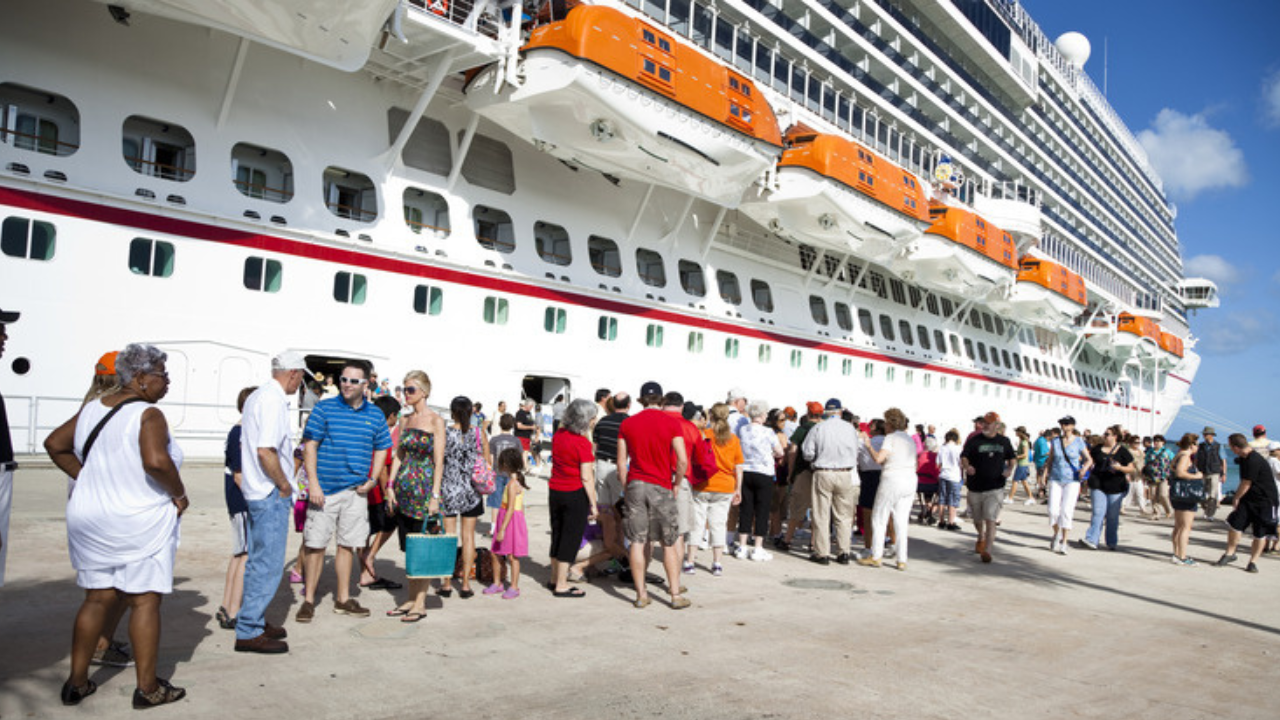
The key is to choose excursions that match your interests and energy level. Avoid overbooking multiple intense activities on consecutive days. Instead, mix active excursions with lighter ones to maintain balance. Always ensure you allow enough time to return to the ship before departure, as the ship will not wait for late passengers on independent tours.

7. Take Advantage of Onboard Dining Variety
© by carolyn

7. Take Advantage of Onboard Dining Variety

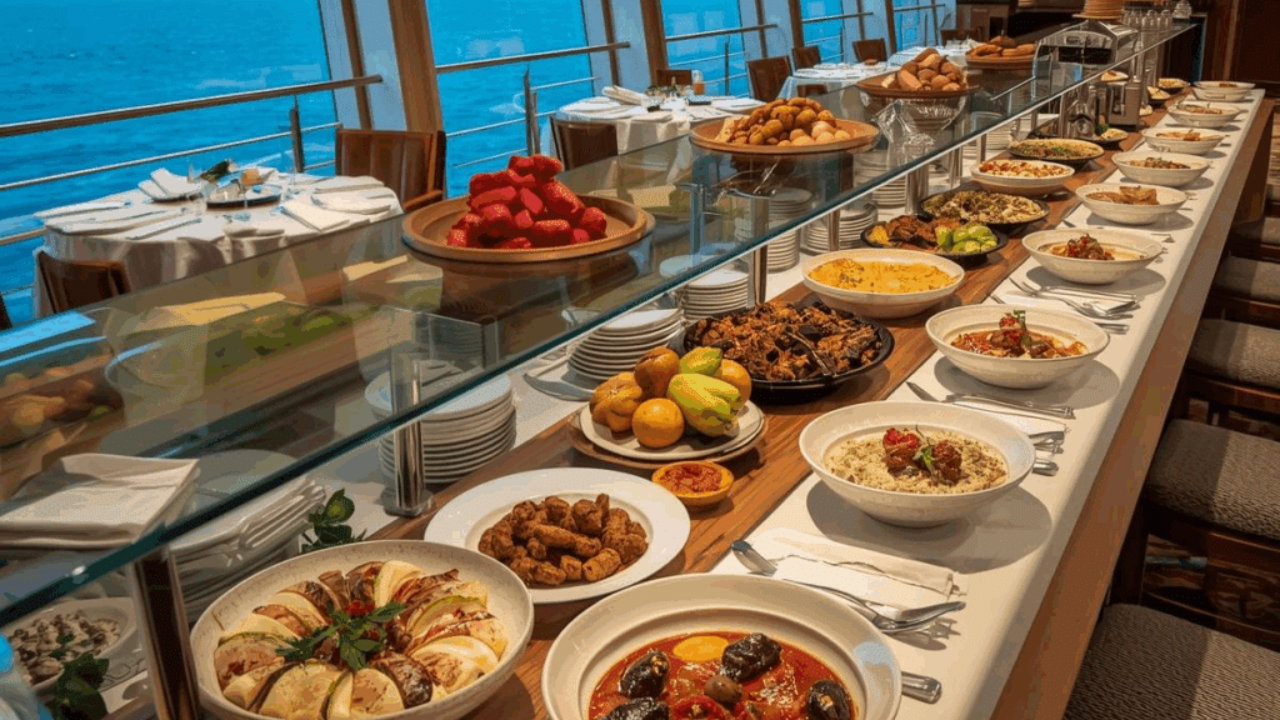
Cruise ships offer a wide range of dining options, from buffets to specialty restaurants. Many travelers stick to familiar choices, but experienced cruisers explore different venues throughout the trip. Trying multiple dining options adds variety and enhances the overall experience.

Booking specialty restaurants early can also improve your trip, as they tend to fill up quickly. Dining is a central part of cruising, and experimenting with different cuisines and settings helps you make the most of what is included in your fare. It also prevents the experience from feeling repetitive over multiple days.

8. Explore the Ship Beyond the Obvious Areas
© Aaron Saunders

8. Explore the Ship Beyond the Obvious Areas

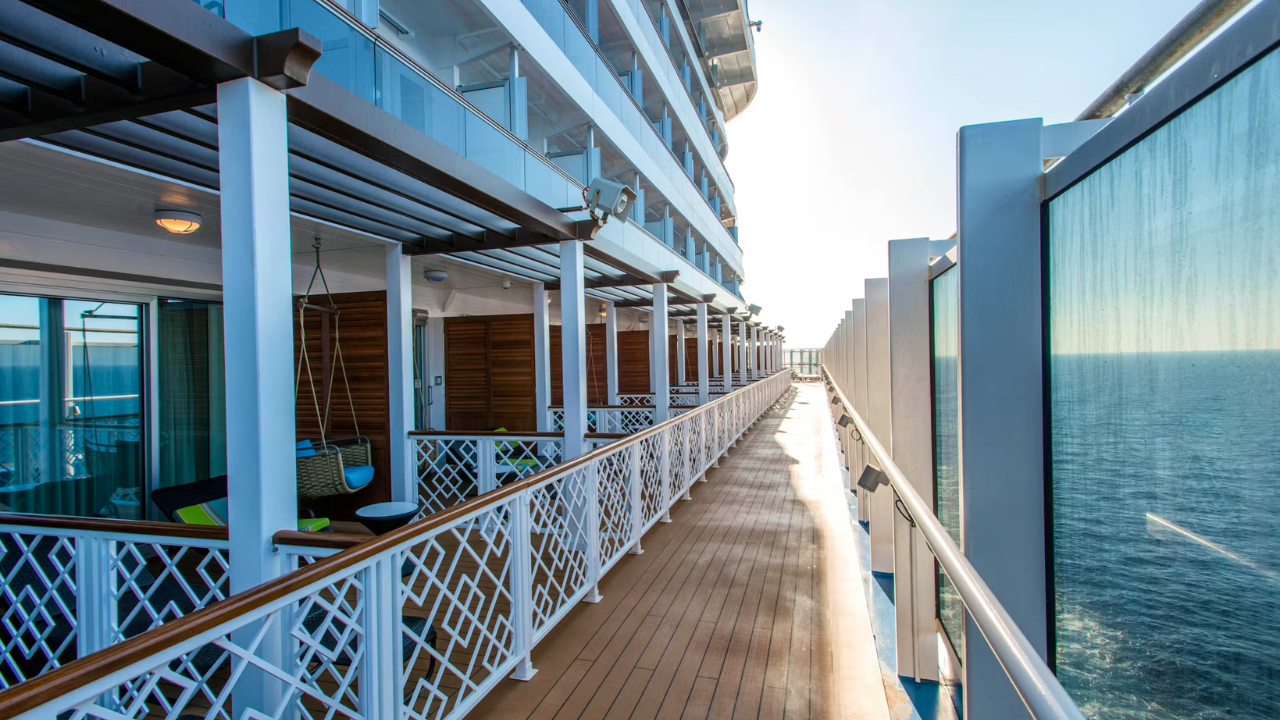
Most passengers spend their time in popular areas like the pool deck or main dining spaces. However, cruise ships often have quieter, less crowded spaces that provide a completely different atmosphere. These can include lounges, observation decks, or hidden seating areas.

Exploring the entire ship early in your trip helps you discover these spots. They are ideal for relaxing, reading, or simply enjoying the view without crowds. Knowing where to go when the ship feels busy gives you more control over your experience and helps you avoid unnecessary stress.

9. Manage Your Budget Before You Board
© geralt by Pixabay

9. Manage Your Budget Before You Board

While cruises are often marketed as all-inclusive, many extras such as drinks, Wi-Fi, spa treatments, and excursions are not included. Understanding these costs in advance helps you avoid unexpected expenses.

Purchasing packages before boarding can sometimes save money compared to buying them onboard. Setting a budget for extras also helps you prioritize what matters most. Being aware of costs allows you to enjoy your cruise without constantly worrying about your onboard account.

10. Pack Smart for Limited Cabin Space
© Paige Cody-unsplash

10. Pack Smart for Limited Cabin Space

Cruise cabins are typically smaller than hotel rooms, which makes packing strategy important. Overpacking can quickly lead to clutter and discomfort. Experienced cruisers pack versatile clothing that can be mixed and matched, reducing the number of items needed.

Using organizers, packing cubes, or multi-purpose items can help maximize space. Keeping your cabin tidy also improves comfort throughout the trip. A well-organized space makes it easier to relax and reduces the stress of constantly searching for items.

11. Balance Port Days and Sea Days
© blog.cruises

11. Balance Port Days and Sea Days

A cruise is a mix of port days and sea days, and both require different approaches. Port days are often more active, involving excursions and exploration. Sea days, on the other hand, are ideal for relaxation and enjoying onboard amenities.

Balancing these two types of days is essential for avoiding fatigue. Planning intense activities for every day can quickly become exhausting. Instead, use sea days to recover, enjoy the ship, and take advantage of amenities that are less crowded while others are ashore.

12. Build Connections and Engage with the Experience
© Christian Rios

12. Build Connections and Engage with the Experience

One of the most overlooked aspects of cruising is the social experience. Whether it is interacting with fellow travelers, attending group activities, or engaging with crew members, these interactions can enhance your trip.

Cruises create a unique environment where people from different backgrounds come together in a shared space. Being open to conversation and participation often leads to unexpected friendships and memorable moments. It also helps you feel more connected to the experience rather than just observing it.

13. Stay Flexible and Adapt to Changes
© Expedia

13. Stay Flexible and Adapt to Changes

Even with careful planning, cruises can involve unexpected changes such as weather disruptions, itinerary adjustments, or schedule changes. Being flexible allows you to adapt without frustration.

Experienced travelers understand that not everything will go exactly as planned. Instead of focusing on what changes, they focus on what is still available to enjoy. This mindset helps maintain a positive experience and ensures that small disruptions do not affect the overall trip.

14. Use Technology to Stay Organized
© Zachary Laks

14. Use Technology to Stay Organized

Cruise line apps have become essential tools for managing your trip. They provide access to schedules, reservations, maps, and even communication features. Using these tools effectively can save time and simplify your experience.

Checking the app regularly helps you stay updated on changes and discover new activities. It also reduces the need to wait in lines for information or bookings. Technology allows you to manage your cruise more efficiently while keeping everything in one place.

15. End the Trip as Smoothly as You Started
© Andrea M. Rotondo and Erica Silverstein

15. End the Trip as Smoothly as You Started

The final day of a cruise can feel rushed if not planned properly. Preparing your luggage, reviewing departure instructions, and organizing transportation in advance helps avoid stress.

Understanding the disembarkation process ensures a smoother exit. Whether you choose early departure or a later option, having a plan allows you to leave the ship without confusion. Ending your trip calmly ensures the overall experience remains positive from start to finish.


Comments (0)

Leave a Reply

No comments yet. Be the first to share your thoughts!