Travel Destination

Looking beyond Europe: 12 destinations worth considering for your next trip

James Porter
3.8
April 27, 2026

Europe is still one of the world’s most loved travel regions, but more travelers are starting to look beyond the usual Paris, Rome, Santorini, Amsterdam, and Barcelona routes. The reasons are practical. Popular European cities can feel crowded in peak season, hotel prices have climbed in many major destinations, and overtourism has pushed some travelers to search for places with more space, better value, and a fresher sense of discovery.

This does not mean travelers are giving up on Europe completely. Instead, many are choosing destinations that offer similar rewards: old cities, dramatic coastlines, mountain landscapes, strong food cultures, historic neighborhoods, island escapes, and scenic road trips. Travel trend reports have also pointed to growing interest in alternative destinations, slower travel, sustainability, and trips that spread visitors beyond the most crowded hotspots.

These 12 beautiful places are gaining attention from travelers who want the atmosphere of a major international trip without simply repeating the classic European vacation.
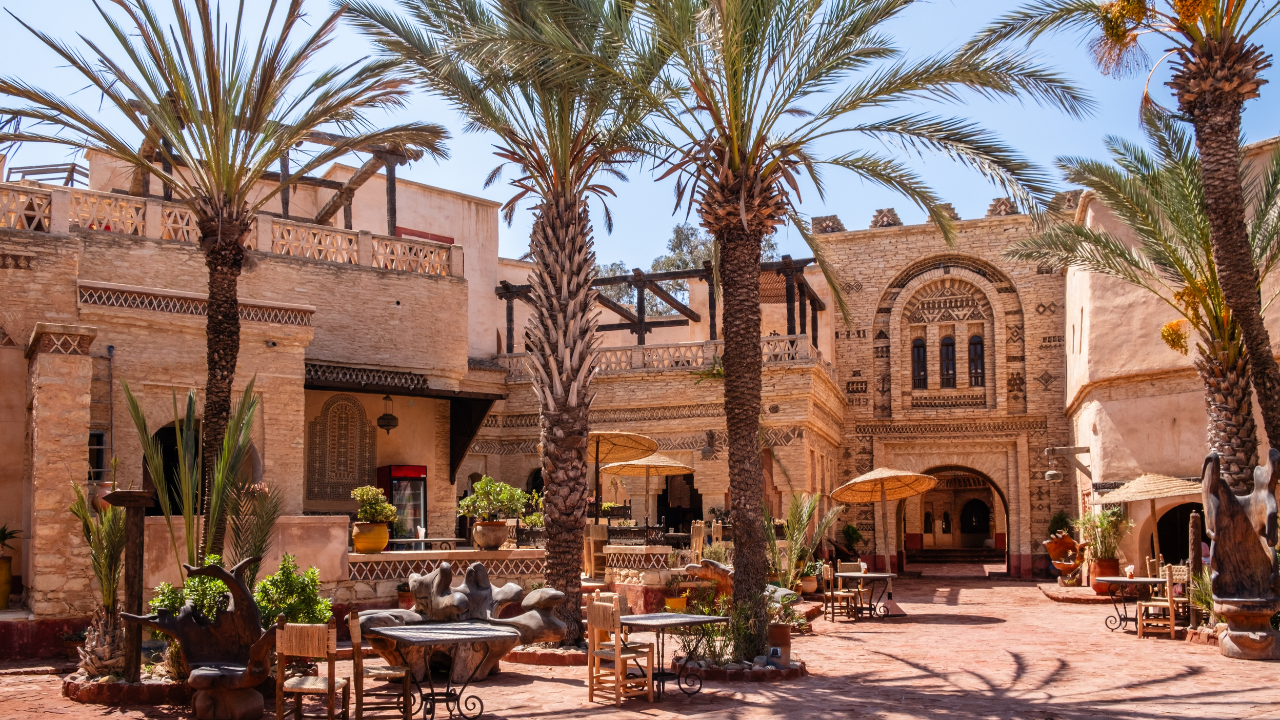

1. Morocco
© shutterstock / Julia Lav

1. Morocco

Morocco has become one of the strongest alternatives for travelers who want historic cities, colorful architecture, desert landscapes, and rich cultural experiences without staying inside Europe. Marrakech offers maze-like souks, riads, gardens, rooftop dining, and easy access to the Atlas Mountains. Fes gives travelers one of the world’s most atmospheric old medinas, while Chefchaouen is known for its blue-painted streets and mountain setting.

For travelers who usually choose Spain, Portugal, or southern Italy, Morocco can feel like a natural next step. It has strong Mediterranean and North African influences, a deep craft tradition, flavorful food, and landscapes that shift quickly from cities to mountains to desert. The country is especially appealing for visitors who want a trip that feels visually striking but still manageable with planning.

Why Travelers Choose It: Historic cities, desert trips, colorful markets, and strong value.

Best Season to Visit: March to May or September to November.

Europe Alternative For: Spain, Portugal, southern Italy, and Greece.

Traveler Tip: Stay in a riad inside the medina for atmosphere, but arrange arrival transport in advance.

2. Japan
© shutterstock / Mo Wu

2. Japan

Japan has become a major replacement for travelers who previously centered their big international trips around Europe’s historic cities. Kyoto offers temples, gardens, tea culture, traditional streets, and seasonal beauty that can compete with Europe’s most romantic old towns. Tokyo adds world-class dining, neighborhoods, museums, shopping, and efficient transport. Smaller places like Kanazawa, Takayama, Nara, and the Japanese Alps give visitors slower cultural experiences beyond the most famous stops.

Japan is not always cheaper than Europe, but many travelers feel the value is strong because the transport, service, safety, and food quality are consistently high. It also suits travelers who want culture, beauty, and organization without the same kind of summer crowding seen in some European hotspots. National Geographic has also highlighted the idea of choosing alternative destinations as one way to reduce pressure on overcrowded places.

Why Travelers Choose It: Temples, gardens, food, safety, and excellent public transport.

Best Season to Visit: March to May or October to November.

Europe Alternative For: France, Switzerland, Austria, and Italy.

Traveler Tip: Book major train routes, popular restaurants, and Kyoto stays early during peak seasons.

3. Mexico
© shutterstock / Arkadij Schell

3. Mexico

Mexico is replacing Europe for travelers who want culture, food, beaches, architecture, and variety without crossing the Atlantic from North America. Mexico City offers museums, historic plazas, street food, design hotels, and neighborhoods with strong local personality. Oaxaca is known for markets, mezcal, crafts, and regional cuisine. Mérida and the Yucatán offer colonial streets, cenotes, Mayan sites, and warm hospitality.

For travelers who like Spain, Italy, or Greece, Mexico provides a similar mix of food, history, relaxed plazas, and coastal escapes, but with its own identity. It also offers a wide range of budgets, from simple guesthouses to luxury resorts. Some regions require careful planning around safety and transport, but many visitors find Mexico more rewarding and welcoming than expected.

Why Travelers Choose It: Food culture, historic cities, beaches, ruins, and strong travel value.

Best Season to Visit: November to April for many popular regions.

Europe Alternative For: Spain, Greece, Portugal, and southern France.

Traveler Tip: Choose destinations by region, since travel conditions vary widely across the country.

4. Colombia
© shutterstock / Artush

4. Colombia

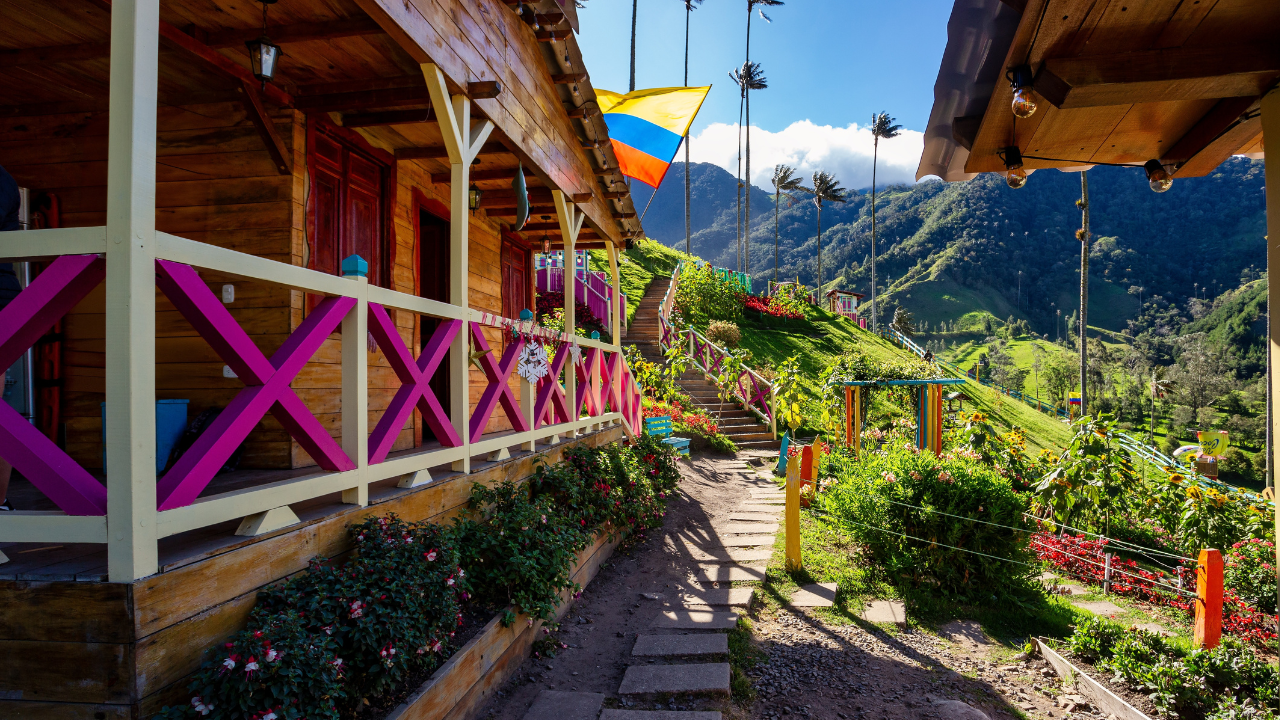
Colombia is increasingly popular with travelers who want mountain cities, Caribbean coastlines, colorful towns, coffee landscapes, and good value. Cartagena gives visitors old city walls, balconies, plazas, and coastal atmosphere. Medellín has transformed into a major city-break destination with cable cars, creative neighborhoods, and nearby day trips. The Coffee Region offers green hills, fincas, and towns like Salento, while Tayrona and the Caribbean coast attract nature-focused travelers.

Colombia appeals to people who may have once chosen Portugal, Spain, or Croatia for a mix of old towns and coastlines. It offers cultural energy and scenery at prices that can be more accessible than many European destinations. Some travel industry coverage has noted growing interest in Latin America as travelers compare costs with higher-priced destinations.

Why Travelers Choose It: Colorful cities, coffee country, beaches, music, and mountain scenery.

Best Season to Visit: December to March or July to August.

Europe Alternative For: Portugal, Croatia, Spain, and Italy.

Traveler Tip: Use domestic flights for long distances, since mountain roads can make travel slower.

5. Georgia
© shutterstock / Guitar photographer

5. Georgia

Georgia is one of the best alternatives for travelers who love Europe’s old towns, wine regions, mountain villages, and hearty food. Tbilisi has winding lanes, sulfur baths, balconies, churches, cafés, and a creative energy that feels different from standard European city breaks. The Caucasus Mountains offer dramatic routes to Kazbegi, Svaneti, and other remote regions. Georgia also has one of the world’s oldest wine traditions, making it especially appealing to food and culture travelers.

For visitors who usually travel to the Balkans, Alps, or eastern Europe, Georgia offers a similar sense of history and landscape, often with fewer crowds. It is not as polished as some European destinations, but that is part of its appeal. Travelers who like independent exploration, local food, and scenic drives often find Georgia memorable.

Why Travelers Choose It: Mountain scenery, ancient wine culture, old towns, and affordable travel.

Best Season to Visit: May to June or September to October.

Europe Alternative For: Switzerland, Austria, Slovenia, and the Balkans.

Traveler Tip: Hire a driver for mountain routes if you are not comfortable with rough roads.

6. Thailand
© shutterstock / Sven Hansche

6. Thailand

Thailand continues to replace European beach holidays for travelers looking for islands, warm weather, food, wellness, and strong travel infrastructure. Phuket, Koh Samui, Krabi, Koh Lanta, and Koh Tao provide beach options for different budgets and travel styles. Bangkok adds markets, temples, rooftop bars, street food, and easy regional flights. Northern Thailand, especially Chiang Mai and Chiang Rai, offers temples, mountains, cooking classes, and slower travel.

For travelers who usually choose Greece, Croatia, or Spain for sun and coastal towns, Thailand offers warm seas, island hopping, and a highly developed tourism network. It can feel busy in popular areas, but the range of destinations makes it possible to find quieter stays with planning.

Why Travelers Choose It: Beaches, food, wellness, islands, temples, and good travel infrastructure.

Best Season to Visit: November to February for most regions.

Europe Alternative For: Greece, Croatia, Spain, and Cyprus.

Traveler Tip: Match the island to your travel style, since party islands and quiet islands feel very different.

7. Costa Rica
© shutterstock / Simon Dannhauer

7. Costa Rica

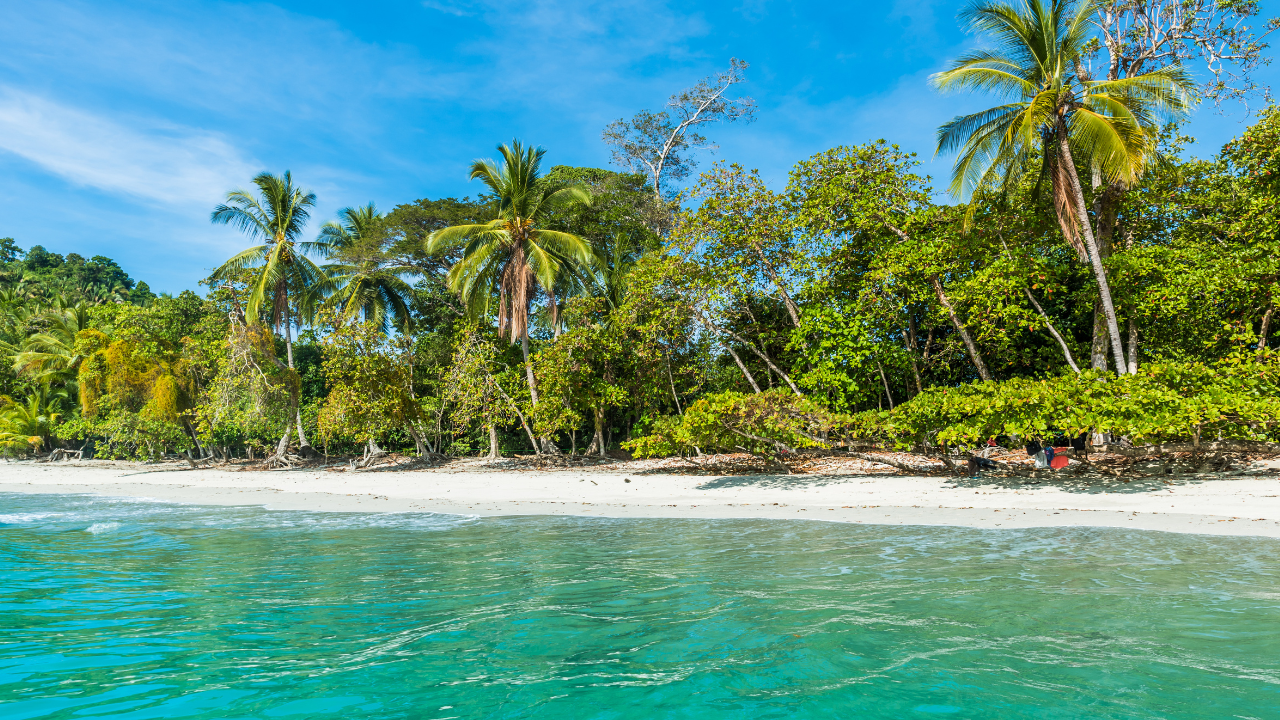
Costa Rica is replacing Europe for travelers who want nature-first trips instead of city-heavy itineraries. The country is known for rainforests, beaches, volcanoes, wildlife, hot springs, and eco-lodges. Places like La Fortuna, Monteverde, Manuel Antonio, Tortuguero, and the Nicoya Peninsula make it easy to combine outdoor activities with relaxing stays.

For visitors who might have chosen Switzerland, the Italian lakes, or the Mediterranean coast, Costa Rica offers a different kind of beauty focused on biodiversity and soft adventure. It is especially appealing for families, couples, and travelers who want wildlife without complicated logistics. Sustainability-focused travel is also becoming more important globally, with recent travel trend reporting pointing to regeneration, community benefits, and nature-based experiences.

Why Travelers Choose It: Wildlife, volcanoes, beaches, rainforest lodges, and outdoor adventure.

Best Season to Visit: December to April for drier weather.

Europe Alternative For: Switzerland, Italy’s lakes, Croatia, and the Canary Islands.

Traveler Tip: Rent a car only if you are comfortable with rural roads and changing weather.

8. South Korea
© shutterstock / f11photo

8. South Korea

South Korea has become a strong alternative for travelers who want style, food, culture, mountains, and modern city life. Seoul offers palaces, shopping districts, cafés, nightlife, museums, and excellent public transport. Busan adds beaches, seafood markets, temples, and coastal walks. Jeonju, Gyeongju, and Andong provide more traditional architecture and heritage experiences.

Travelers who usually choose London, Paris, Berlin, or Milan may find South Korea exciting because it blends design, fashion, food, and history in a compact, well-connected country. It also works well for travelers who want a city break plus day trips or short train journeys. Interest in Asia has remained strong as travelers look for destinations with deep culture and modern convenience beyond the classic European circuit.

Why Travelers Choose It: Food, design, pop culture, palaces, mountains, and efficient transport.

Best Season to Visit: April to June or September to November.

Europe Alternative For: Germany, France, Italy, and the UK.

Traveler Tip: Use high-speed trains to combine Seoul with Busan, Gyeongju, or Jeonju.

9. Vietnam
© shutterstock / Guitar photographer

9. Vietnam

Vietnam is a major replacement for travelers who want coastlines, old towns, food, scenic routes, and strong value. Hanoi has old-quarter energy, lakes, cafés, and street food. Hoi An offers lantern-lit streets, tailoring, river views, and nearby beaches. Ha Long Bay and Ninh Binh provide limestone landscapes, while Ho Chi Minh City brings modern pace and historic layers. The country also has mountain regions like Sapa and Ha Giang for travelers who want dramatic road trips.

Vietnam can appeal to people who love Italy, Greece, or Portugal because it combines food, scenery, coastlines, and historic towns, but at a different price point and pace. It is also a good choice for longer trips because domestic travel is affordable and varied.

Why Travelers Choose It: Street food, old towns, beaches, limestone scenery, and strong value.

Best Season to Visit: February to April or September to November.

Europe Alternative For: Portugal, Greece, Italy, and Croatia.

Traveler Tip: Plan by region because weather can differ sharply between north, central, and south Vietnam.

10. Canada
© shutterstock / Sean Pavone

10. Canada

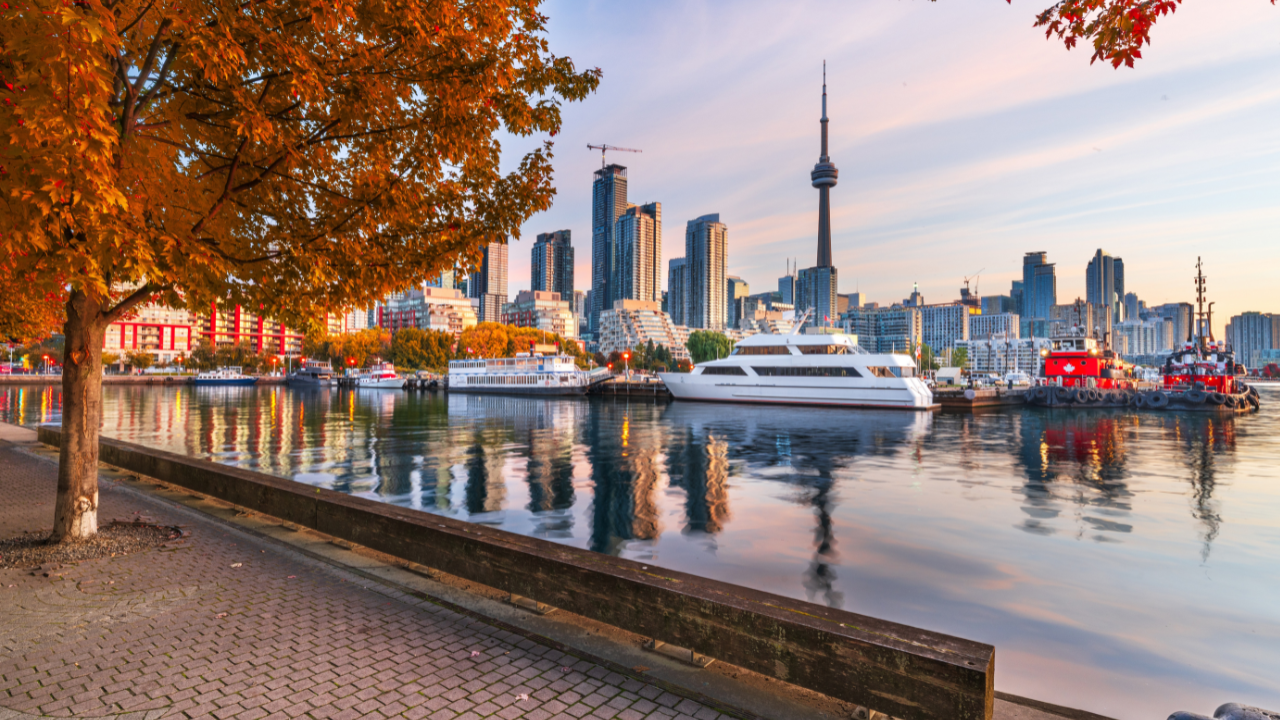
Canada is replacing Europe for travelers who want grand scenery, clean cities, road trips, and outdoor experiences without the same transatlantic planning from the United States. British Columbia offers mountains, islands, forests, Vancouver, Whistler, and the Pacific coast. Alberta has Banff, Jasper, Lake Louise, and some of the most famous landscapes in North America. Quebec City and Montreal add old-world architecture, French-speaking culture, festivals, and strong dining.

For travelers who usually choose Switzerland, Norway, France, or the Alps, Canada offers scale, nature, and comfortable infrastructure. It can be expensive in peak season, but the landscapes are a major draw for travelers who want fewer historic churches and more lakes, mountains, forests, and road trips.

Why Travelers Choose It: Mountains, lakes, road trips, wildlife, and French-influenced cities.

Best Season to Visit: June to September for outdoor travel, December to March for winter trips.

Europe Alternative For: Switzerland, Norway, France, and Iceland.

Traveler Tip: Book national park stays early, especially Banff and Jasper in summer.

11. Argentina
© shutterstock / Galyna Andrushko

11. Argentina

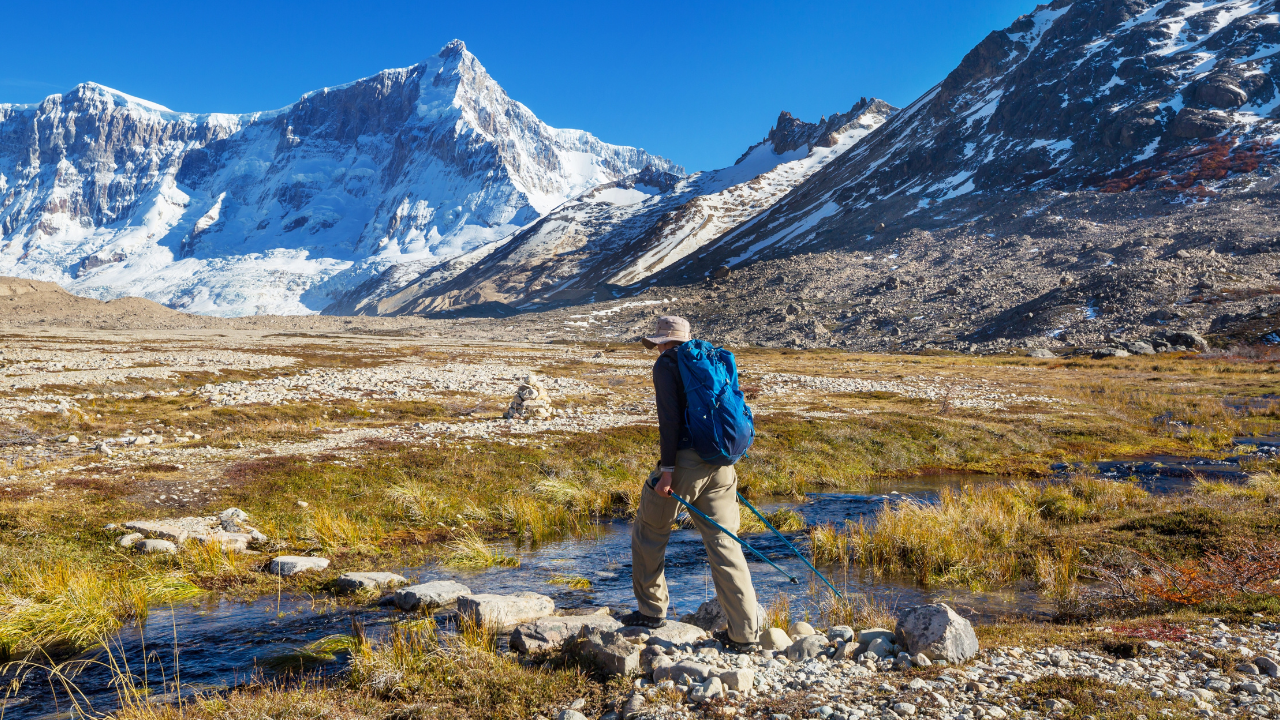
Argentina is attracting travelers who want European-style architecture, wine country, dramatic landscapes, and strong cultural identity at a long-haul destination. Buenos Aires has grand avenues, cafés, theaters, bookstores, tango, and neighborhoods that often remind visitors of Europe while still feeling distinctly Argentine. Mendoza offers wineries and mountain views, while Patagonia brings glaciers, lakes, hiking, and vast open scenery.

For travelers who love Paris, Madrid, or the Italian countryside, Argentina can feel familiar in parts but much more expansive. It is a strong option for food, wine, urban culture, and nature in one trip. It works best for travelers with enough time, since distances are large and domestic flights are often needed.

Why Travelers Choose It: Buenos Aires, wine regions, Patagonia, food, and cultural depth.

Best Season to Visit: October to April, especially for Patagonia.

Europe Alternative For: France, Spain, Italy, and Switzerland.

Traveler Tip: Build in extra days because Argentina’s best regions are far apart.

12. Fiji
© shutterstock / Cocos.Bounty

12. Fiji

Fiji is replacing Europe for travelers who want a warm island escape with less focus on city sightseeing and more focus on beaches, reefs, culture, and relaxation. It is especially popular with Australians and New Zealanders, but it is also gaining wider attention from travelers who want a softer alternative to long, multi-country European trips. Recent reporting noted strong tourism growth from Australia, with visitors drawn by accessibility, hospitality, eco-tourism, cultural activities, and new accommodation options.

Fiji works well for travelers who might otherwise consider Greece, Croatia, Mallorca, or the Amalfi Coast for a summer water-focused holiday. Instead of crowded European ports and beach towns, Fiji offers island resorts, village visits, snorkeling, diving, boat trips, and a slower pace. Costs vary widely, but the experience is less about checking off landmarks and more about staying close to the water.

Why Travelers Choose It: Beaches, reefs, island culture, resorts, and relaxed hospitality.

Best Season to Visit: May to October for drier weather.

Europe Alternative For: Greece, Croatia, Mallorca, and the Amalfi Coast.

Traveler Tip: Choose your island carefully, since resort style, budget, and activity access vary a lot.


Comments (0)

Leave a Reply

No comments yet. Be the first to share your thoughts!