Travel Destination

How filming locations are driving a growing travel trend in 2026

Adam Collins
4.9
May 11, 2026

Travelers in 2026 are not choosing destinations only from guidebooks, airline deals, or classic bucket lists. Many are now building trips around the places they first saw on screen. This trend, often called set-jetting, is turning film and television locations into real travel motivators. Expedia’s 2026 Set-Jetting Forecast reported that 81% of Gen Z and millennial travelers plan vacations based on locations featured in movies or TV, while 53% of global travelers said their interest in screen-inspired trips has increased. The same forecast projected screen-inspired travel as a potential $8 billion industry in the United States.

The appeal is simple. A destination feels more personal when travelers already connect it with a story, character, landscape, or scene. Instead of visiting a place only because it is famous, people want to step into a world they already recognize. In 2026, filming locations are shaping where people go, how they plan, and what they expect from travel.
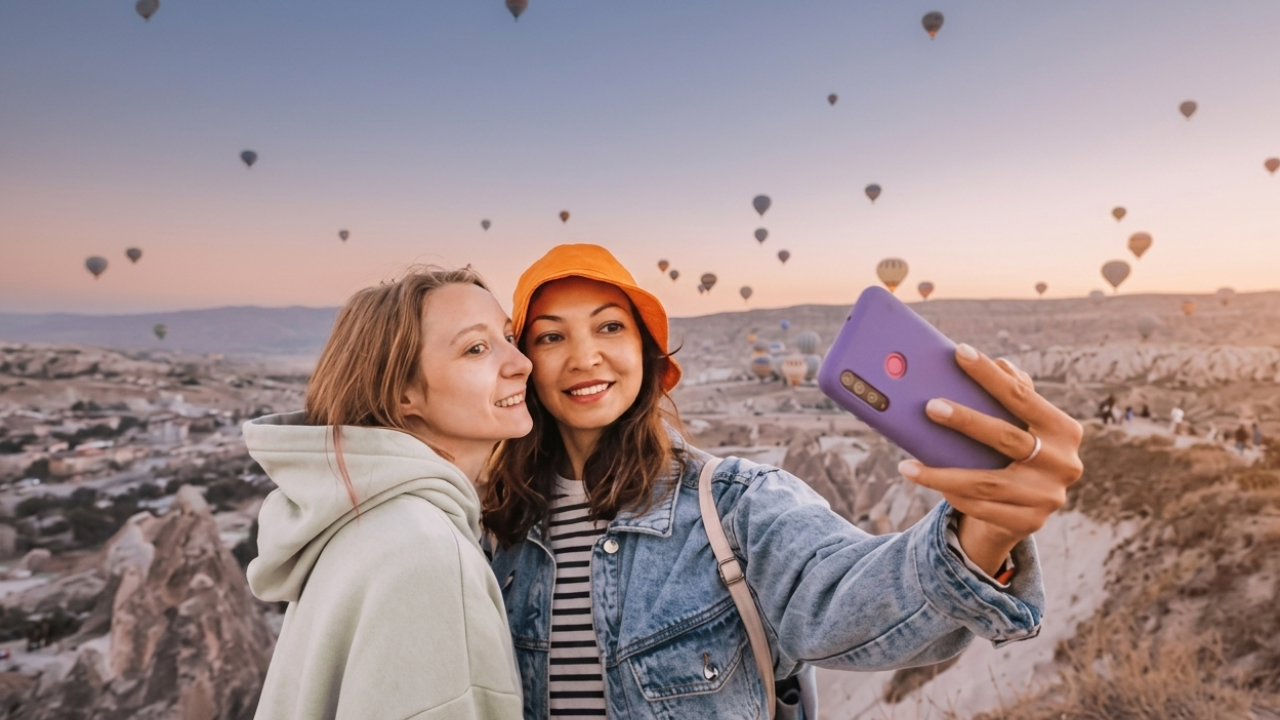
1. Screen Stories Are Making Destinations Feel Familiar
© shutterstock / V_E

1. Screen Stories Are Making Destinations Feel Familiar

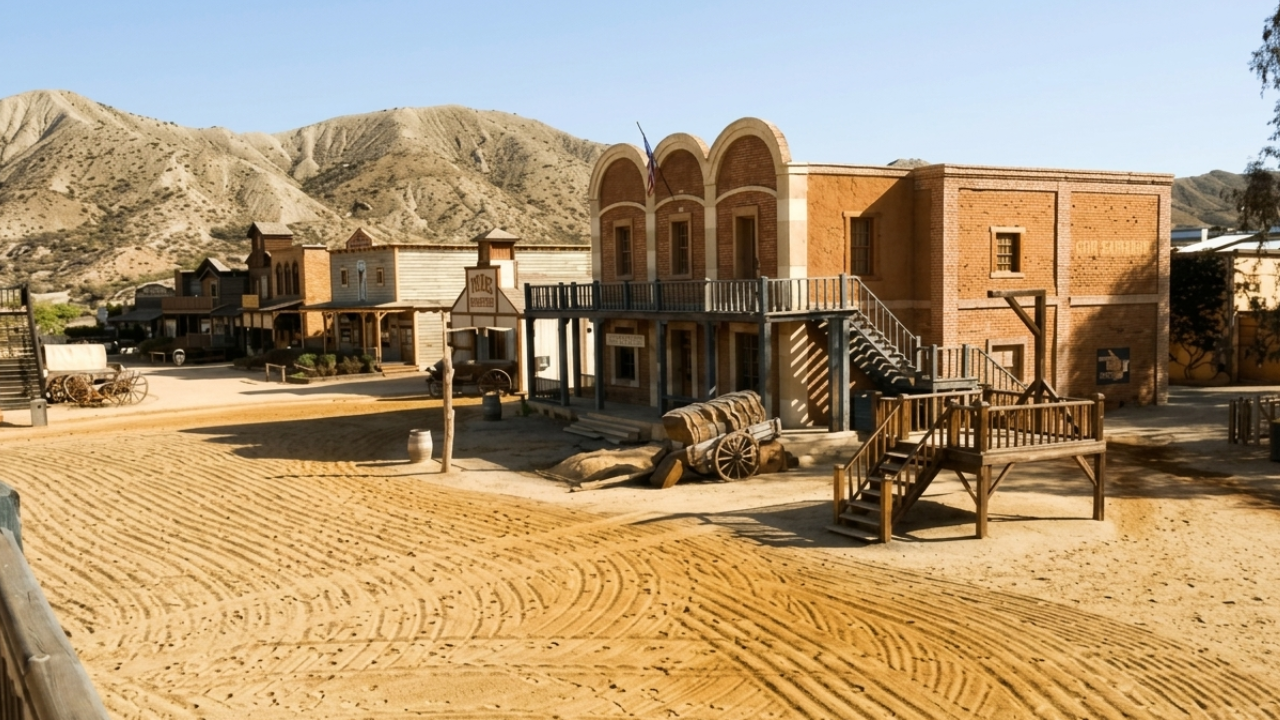
Movies and shows give travelers a sense of connection before they arrive. A street, castle, beach, hotel, or village may feel familiar because it has already appeared in a favorite scene. This makes the destination easier to imagine and more emotionally appealing. Travelers are not just booking a trip to a place. They are booking a chance to stand where a memorable story unfolded.

This is especially powerful for destinations that might not have been on mainstream travel lists before. A small town, remote island, or quiet countryside region can suddenly become recognizable worldwide. For travelers, that familiarity reduces uncertainty. Even if they have never visited, the location already feels like part of their personal travel imagination.

2. Social Media Is Turning Filming Spots Into Must-Visit Places
© shutterstock / frantic00

2. Social Media Is Turning Filming Spots Into Must-Visit Places

Set-jetting is closely tied to social media. Once a filming location becomes recognizable, travelers begin sharing side-by-side photos, scene recreations, short videos, and location guides. These posts can spread quickly, making a once-ordinary viewpoint or street corner feel like a must-visit stop.

This creates a loop. A show makes the place famous, visitors post about it, and more travelers add it to their itinerary. In 2026, travelers are often discovering filming locations through TikTok, Instagram, YouTube Shorts, and fan-made maps rather than traditional travel brochures. The result is a more visual kind of trip planning, where people choose destinations partly because they know exactly what photo or video they want to capture.

3. Smaller Places Are Getting Global Attention
© shutterstock / Fotomicar

3. Smaller Places Are Getting Global Attention

One of the biggest impacts of filming-location tourism is that it can redirect attention away from the usual major cities. A village, rural coastline, mountain road, or historic estate can become a travel hotspot if it appears in the right production. This gives lesser-known places a chance to benefit from tourism, especially when visitors stay overnight, eat locally, and book guided experiences.

However, this attention needs careful management. Some small communities are not built for sudden crowds. The Swiss village of Iseltwald became a popular stop for fans of the Korean drama Crash Landing on You, with visitors drawn to a lakeside pier featured in the show. Local authorities responded with bus limits, road changes, pier fees, and paid public toilets to manage the pressure.

4. Travelers Want More Than Passive Sightseeing
© shutterstock / Eckhard Suchowitzky Mejia

4. Travelers Want More Than Passive Sightseeing

Filming locations encourage travelers to experience destinations more actively. Instead of simply walking through a city center, they may follow a themed route, take a studio tour, book a guide who knows filming details, or visit multiple locations from the same production. This turns a normal itinerary into a story-based journey.

For example, travelers may combine castles, beaches, old towns, forests, and restaurants connected to a show or film. These routes often take people into neighborhoods and regions they might otherwise skip. The experience becomes part travel, part fandom, and part cultural exploration. This is why filming-location trips can feel more personal than standard sightseeing.

5. Hotels and Tour Operators Are Building Screen-Inspired Experiences
© shutterstock / Jesse33

5. Hotels and Tour Operators Are Building Screen-Inspired Experiences

The travel industry is responding quickly. Hotels, tour companies, local guides, and tourism boards are creating packages around filming locations. These can include private tours, themed stays, behind-the-scenes experiences, photo stops, dining experiences, and guided walks connected to popular productions.

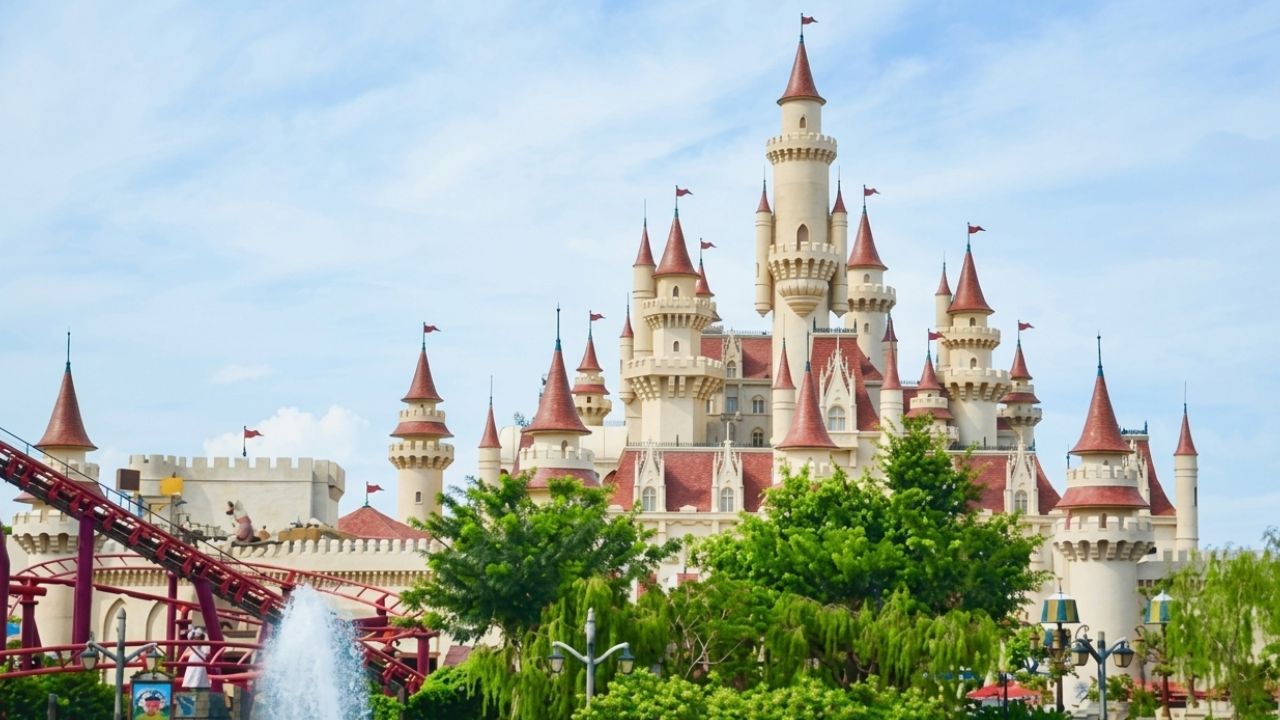
Luxury travel is also part of the trend. Recent travel coverage has noted growing demand for high-end set-jetting experiences, including boutique hotels, castle stays, private guides, and curated film-themed itineraries in places such as Scotland, Northern Ireland, New Zealand, and parts of England. This shows that set-jetting is no longer just a casual fan activity. It is becoming a serious travel category.

6. Streaming Platforms Are Expanding the Map
© shutterstock / estherpoon

6. Streaming Platforms Are Expanding the Map

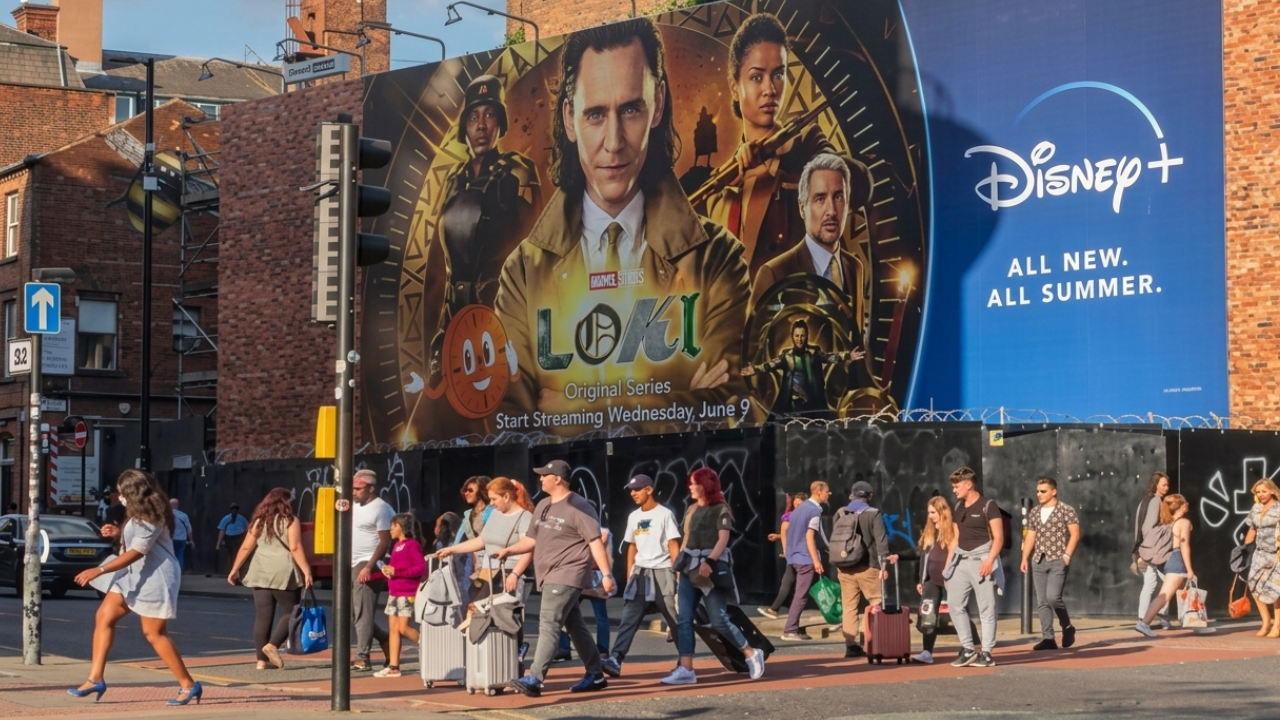
Streaming has made filming-location tourism more global. In the past, a location usually needed a major Hollywood film to gain international attention. Now, a Netflix series, Korean drama, fantasy show, documentary, or regional production can send travelers to places they had never considered before.

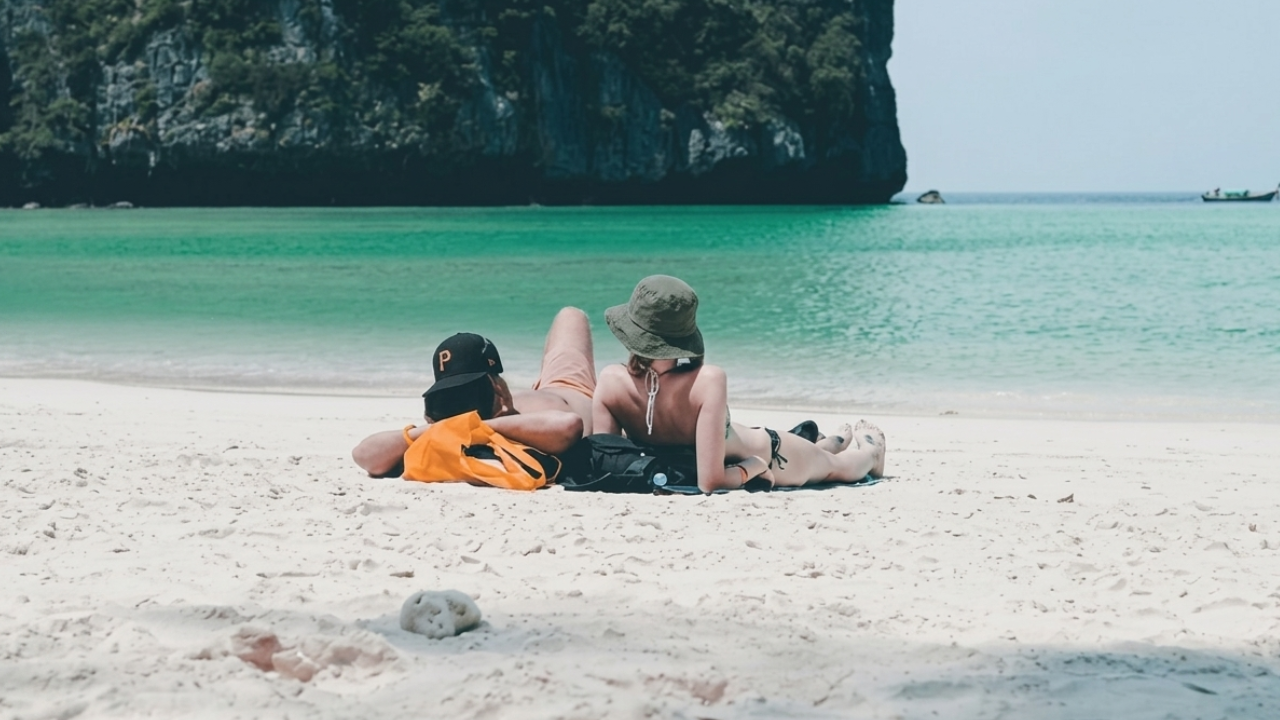
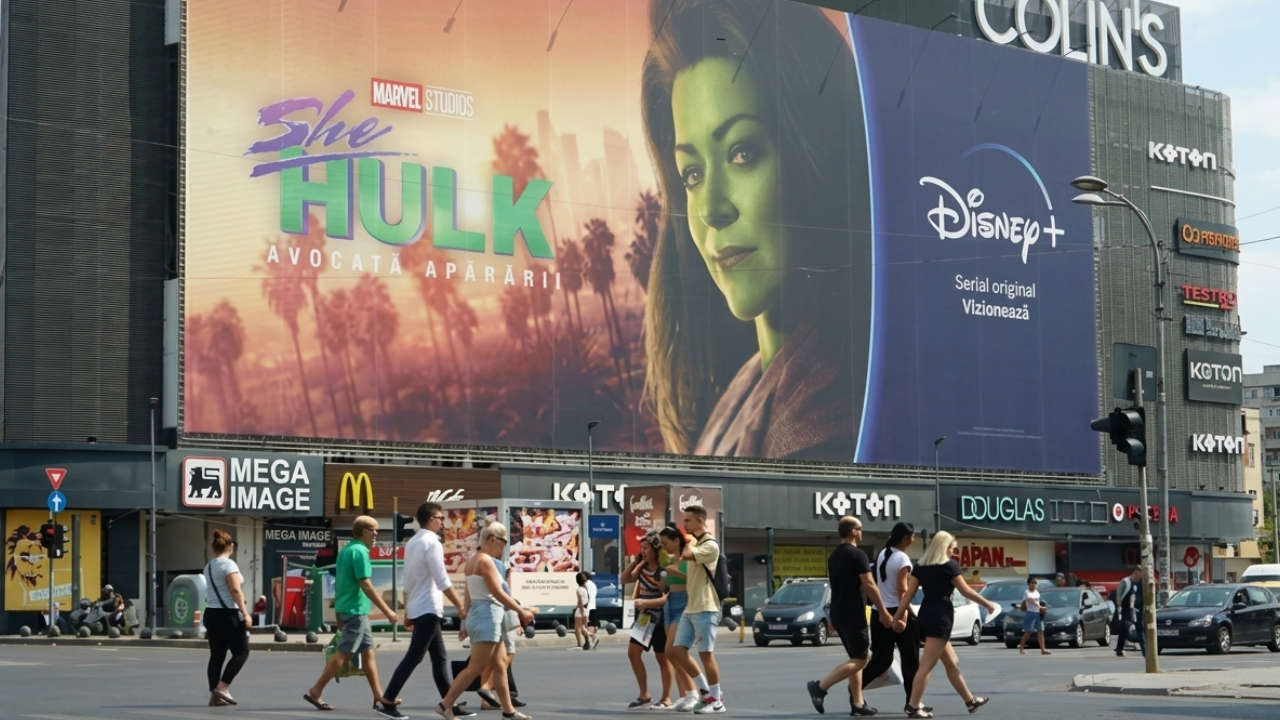
This matters because audiences are watching content from many countries, not just their own. A viewer in the United States may become interested in South Korea, Switzerland, Romania, Japan, or Scotland because of one series. A traveler in Europe may plan a trip to Thailand, New Zealand, or Morocco after seeing it on screen. Streaming has made travel inspiration faster, wider, and more emotionally specific.

7. Filming Locations Offer Built-In Itinerary Ideas
© unsplash / Bianca Ackermann

7. Filming Locations Offer Built-In Itinerary Ideas

One reason this trend keeps growing is that it makes planning easier. Travelers do not have to start from scratch. A show or movie provides a ready-made route: the hotel, the beach, the café, the bridge, the castle, the village, and the viewpoint. Fan blogs, tourism boards, and map-based guides then turn those places into practical itineraries.

This is helpful for travelers who want a trip with structure but not a rigid group tour. They can build a route around favorite scenes while still adding food stops, museums, hikes, and local neighborhoods. In 2026, this kind of themed planning fits well with travelers who want trips that feel personal rather than generic.

8. Destinations Are Using Film Tourism to Stand Out
© shutterstock / LCV

8. Destinations Are Using Film Tourism to Stand Out

Tourism boards increasingly understand that screen exposure can be more powerful than a traditional campaign. A single successful show can create emotional interest in a place faster than years of standard advertising. That is why many destinations now promote filming trails, location maps, studio partnerships, and behind-the-scenes content.

This strategy works especially well for places trying to attract visitors outside peak season or away from overcrowded landmarks. A filming route can spread tourists across different towns and landscapes, giving visitors more reasons to stay longer. When managed well, screen tourism can help destinations tell richer stories about culture, history, architecture, and nature.

9. The Trend Also Raises Questions About Responsible Travel
© shutterstock / Sean Pavone

9. The Trend Also Raises Questions About Responsible Travel

Filming-location tourism is exciting, but it can create problems when too many visitors focus on one small site. A quiet pier, private home, narrow street, religious site, or residential neighborhood may not be prepared for constant photo-taking and crowds. Some places have already introduced fees, limits, and visitor controls to protect local life.

For travelers, the responsibility is simple: treat filming locations as real communities, not open-air sets. Respect signs, avoid blocking roads, do not trespass, support local businesses, and visit beyond the most famous photo spot. In 2026, the best set-jetting trips will be the ones that balance fandom with respect for the people who actually live there.


Comments (0)

Leave a Reply

No comments yet. Be the first to share your thoughts!