Travel Destination

How detour destinations are becoming a growing travel choice for modern travelers

Adam Collins
4.7
May 04, 2026

Hidden detour destinations are becoming one of the most practical travel choices for people who still want beautiful scenery, culture, food, and memorable experiences, but without building an entire trip around the same crowded hotspots everyone already knows. A detour destination is usually a lesser-known place near a famous city, island, resort area, or landmark. It can also be an alternative destination that offers a similar experience with fewer crowds, lower pressure, and a stronger local feel.

The reason travelers are paying attention is simple: famous places are not always the easiest places to enjoy anymore. Popular cities and resorts often come with long lines, rising hotel prices, crowded viewpoints, timed entries, packed restaurants, and neighborhoods shaped more by tourism than daily life. Detour destinations can offer a better balance. They let travelers stay close to the big-name route while discovering places that feel more relaxed and personal.

Travel trend reporting has pointed to rising interest in “detour destinations,” with travelers increasingly adding lesser-known stops near major gateways, looking for fresh experiences, better value, and relief from overtourism. One travel industry report also noted that 63% of travelers are likely to explore a detour destination on an upcoming trip, while another highlighted growing interest in authentic, community-connected travel experiences.

So, are hidden detour destinations better than the places everyone knows? Not always, but for many travelers, they can be more rewarding, more affordable, and easier to experience at a slower pace. These 9 places show why.

1. Girona, Spain Instead of Barcelona
© shutterstock / Lev Levin

1. Girona, Spain Instead of Barcelona

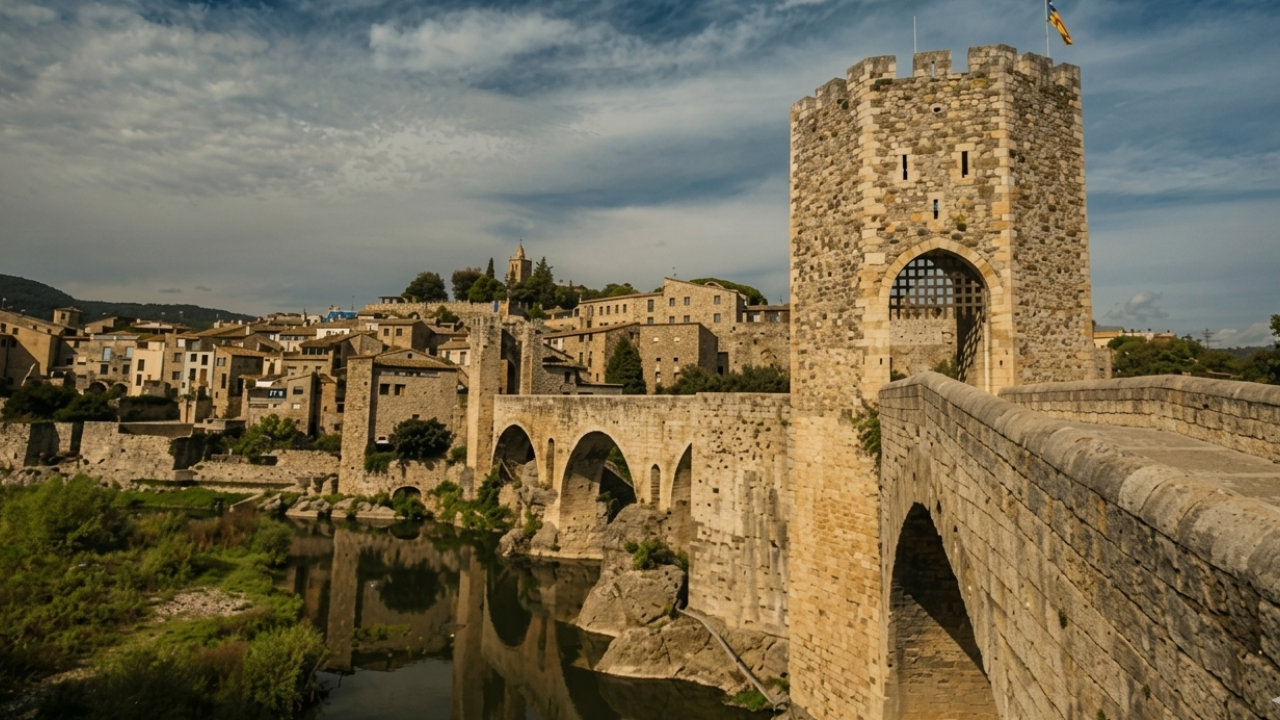
Girona is one of the best examples of a detour destination that feels close to a famous hotspot but offers a calmer and more manageable travel experience. While Barcelona is known for Gaudí architecture, beaches, nightlife, and heavy crowds, Girona gives travelers medieval streets, colorful riverside houses, old city walls, cafés, and a strong Catalan identity without the same pressure. It is close enough to Barcelona for a short train trip, but it feels like a complete destination rather than just a side stop.

The old quarter is especially appealing for travelers who enjoy slow walking, historic lanes, local restaurants, and scenic viewpoints. Girona also works well for people who want culture without constantly planning around ticket times and crowd control. It may not have Barcelona’s global landmarks, but that is part of the appeal. The experience feels more local, more relaxed, and easier to absorb.

Better Than the Famous Place For: Quieter streets, history, local food, and slower sightseeing.

Best Time to Visit: April to June or September to October.

Ideal Trip Length: 1 to 3 days.

Traveler Tip: Walk the city walls early for the best views and fewer people.

Must-Know: Girona is easy to combine with Barcelona by train.

2. Reims, France Instead of Paris
© shutterstock / RossHelen

2. Reims, France Instead of Paris

Paris will always be one of the world’s most famous city destinations, but it can also feel intense, expensive, and crowded. Reims offers a softer alternative for travelers who want French culture, architecture, food, and history without spending every day in a high-demand capital. Known for its cathedral, champagne houses, elegant streets, and regional dining, Reims gives visitors a refined but less overwhelming experience.

The city is especially good for travelers who enjoy heritage, wine culture, and walkable centers. Instead of rushing between major monuments and waiting in long museum lines, visitors can tour champagne cellars, explore the historic cathedral, enjoy relaxed meals, and use the city as a base for the surrounding Champagne region. It does not replace Paris if your goal is the Louvre, Eiffel Tower, or big-city energy. But for travelers who want a French trip that feels polished and calmer, Reims can be a better fit.

Better Than the Famous Place For: Wine culture, easier pacing, historic charm, and fewer crowds.

Best Time to Visit: May to October.

Ideal Trip Length: 2 to 3 days.

Traveler Tip: Book champagne house tours ahead during weekends.

Must-Know: Reims works well as a train detour from Paris.

3. Brescia, Italy Instead of Milan
© shutterstock / Mitzo

3. Brescia, Italy Instead of Milan

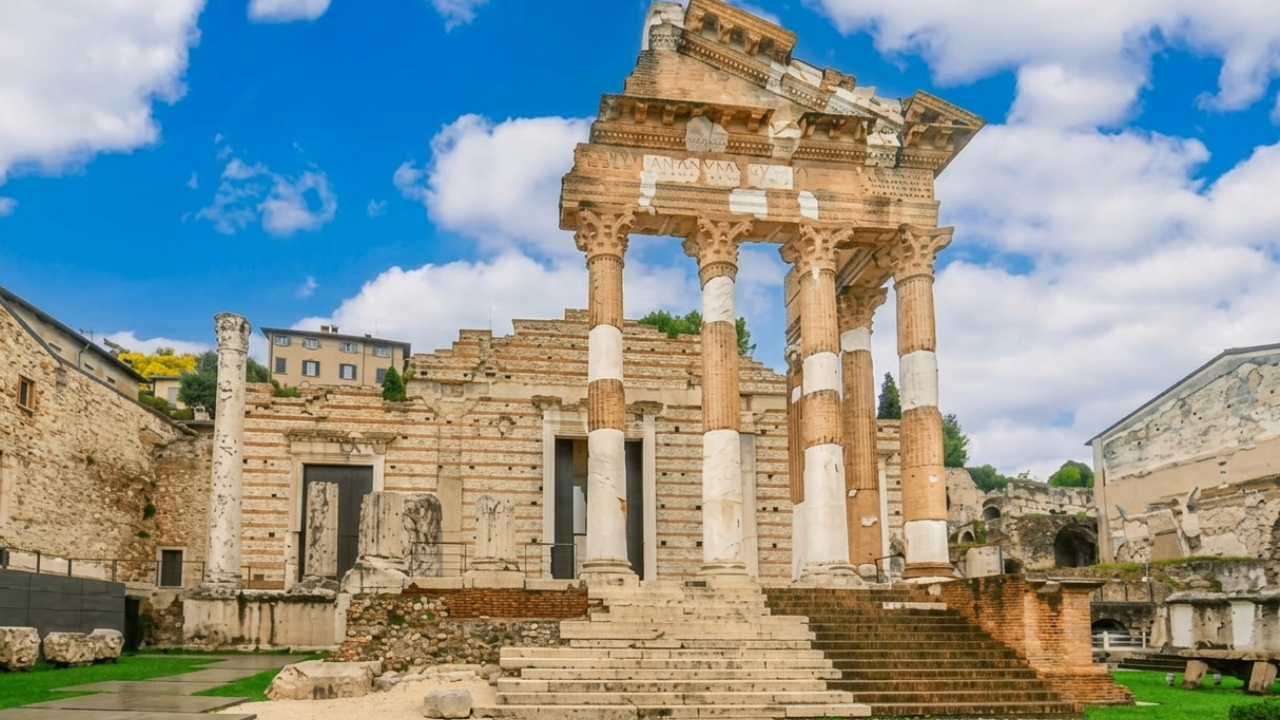
Milan is stylish, fast-moving, and important for fashion, design, business, and architecture. But travelers looking for a more relaxed northern Italian city may find Brescia surprisingly rewarding. Located in Lombardy, Brescia has Roman ruins, piazzas, museums, churches, cafés, and easy access to nearby lakes and countryside. It offers a strong Italian city experience without the same international rush found in Milan.

Brescia is especially appealing because it feels lived-in rather than heavily staged for tourism. Travelers can enjoy historic streets, local dining, and nearby day trips without constantly competing for space. It is also well placed for exploring Lake Iseo, which is often quieter than Lake Como. For visitors who love Italy but want to avoid the most crowded routes, Brescia feels like a practical and beautiful detour.

Better Than the Famous Place For: Local atmosphere, history, value, and nearby lake access.

Best Time to Visit: April to June or September to October.

Ideal Trip Length: 2 to 4 days.

Traveler Tip: Pair Brescia with Lake Iseo for a quieter northern Italy itinerary.

Must-Know: It is less flashy than Milan but easier to enjoy slowly.

4. Fukuoka, Japan Instead of Tokyo or Kyoto
© shutterstock / Club4traveler

4. Fukuoka, Japan Instead of Tokyo or Kyoto

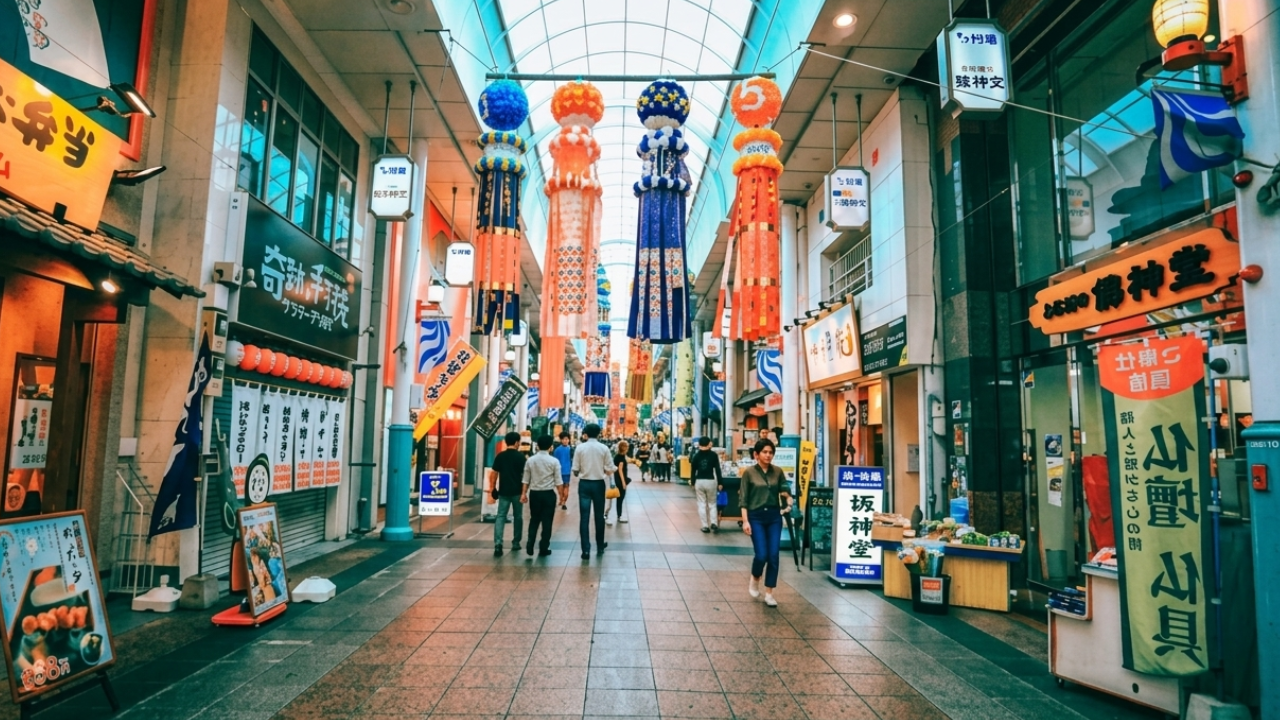
Tokyo and Kyoto are essential for many first-time visitors to Japan, but they can also be crowded, heavily planned, and expensive during peak seasons. Fukuoka offers a different kind of Japanese city break. It has excellent food, waterfront areas, shopping, temples, parks, and a relaxed pace compared with Japan’s bigger tourist centers. It is also known for ramen, street food stalls, and easy access to nearby cultural and nature destinations.

Fukuoka is better for travelers who want Japan without feeling locked into the classic Tokyo-Kyoto route. The city is modern and convenient but still approachable. It is easier to move around than Tokyo and less pressured than Kyoto during cherry blossom or autumn foliage season. For repeat visitors to Japan, Fukuoka can feel fresh, friendly, and highly practical.

Better Than the Famous Place For: Food, relaxed city travel, fewer crowds, and regional access.

Best Time to Visit: March to May or October to November.

Ideal Trip Length: 3 to 5 days.

Traveler Tip: Try local ramen and explore beyond the central shopping districts.

Must-Know: Fukuoka is a strong base for Kyushu travel.

5. Canmore, Canada Instead of Banff
© shutterstock / Try_my_best

5. Canmore, Canada Instead of Banff

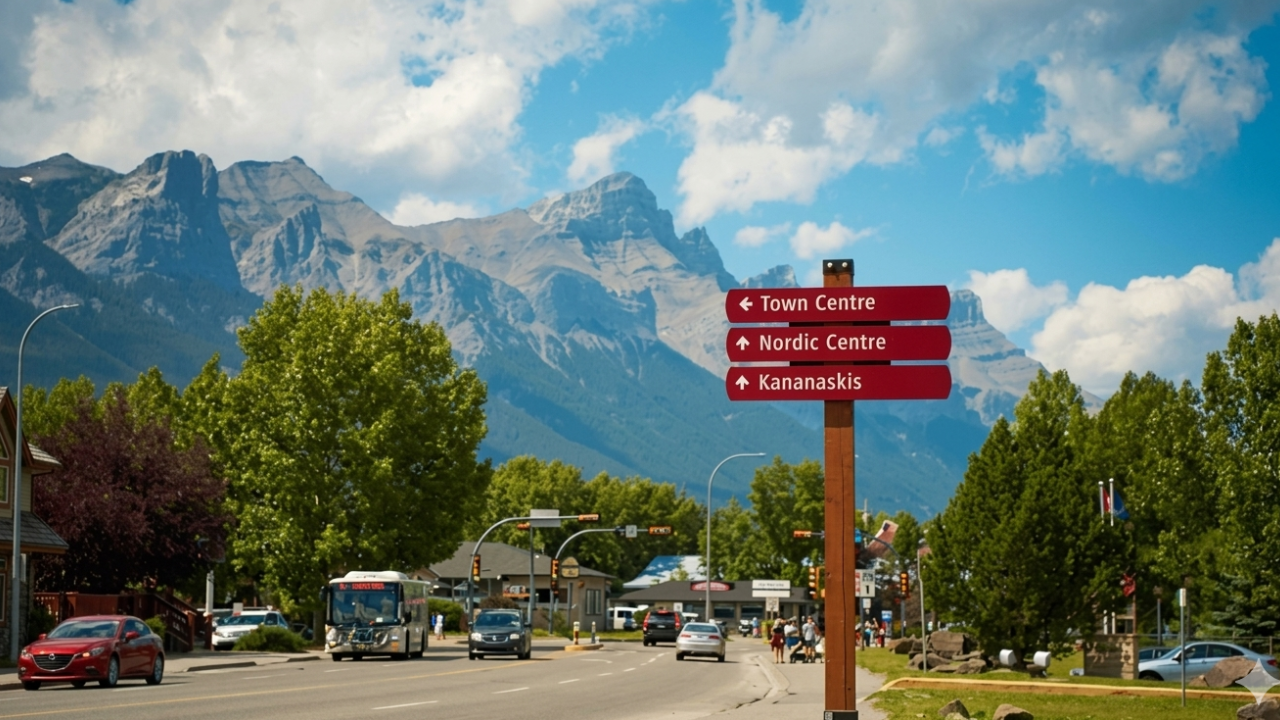
Banff is one of Canada’s most famous mountain destinations, but its popularity can make peak-season travel expensive and crowded. Canmore, located nearby, gives travelers access to dramatic Rocky Mountain scenery with a more residential and relaxed feel. It has mountain views, hiking access, cafés, local shops, and outdoor activities without feeling as fully centered on tourism as Banff town.

Canmore does not remove the need for planning, especially in summer, but it can make a Canadian Rockies trip feel more flexible. Travelers can still reach Banff National Park, Lake Louise, and surrounding mountain areas, while staying in a town that feels slightly more grounded. For people who want scenery without staying directly inside the busiest tourist zone, Canmore is one of the strongest detour choices.

Better Than the Famous Place For: Mountain access, local feel, flexibility, and slightly less crowd pressure.

Best Time to Visit: June to September or December to March.

Ideal Trip Length: 3 to 6 days.

Traveler Tip: Book lodging early because Canmore is no longer a secret.

Must-Know: You still need park passes for many nearby attractions.

6. Abu Dhabi, UAE Instead of Dubai
© shutterstock / frantic00

6. Abu Dhabi, UAE Instead of Dubai

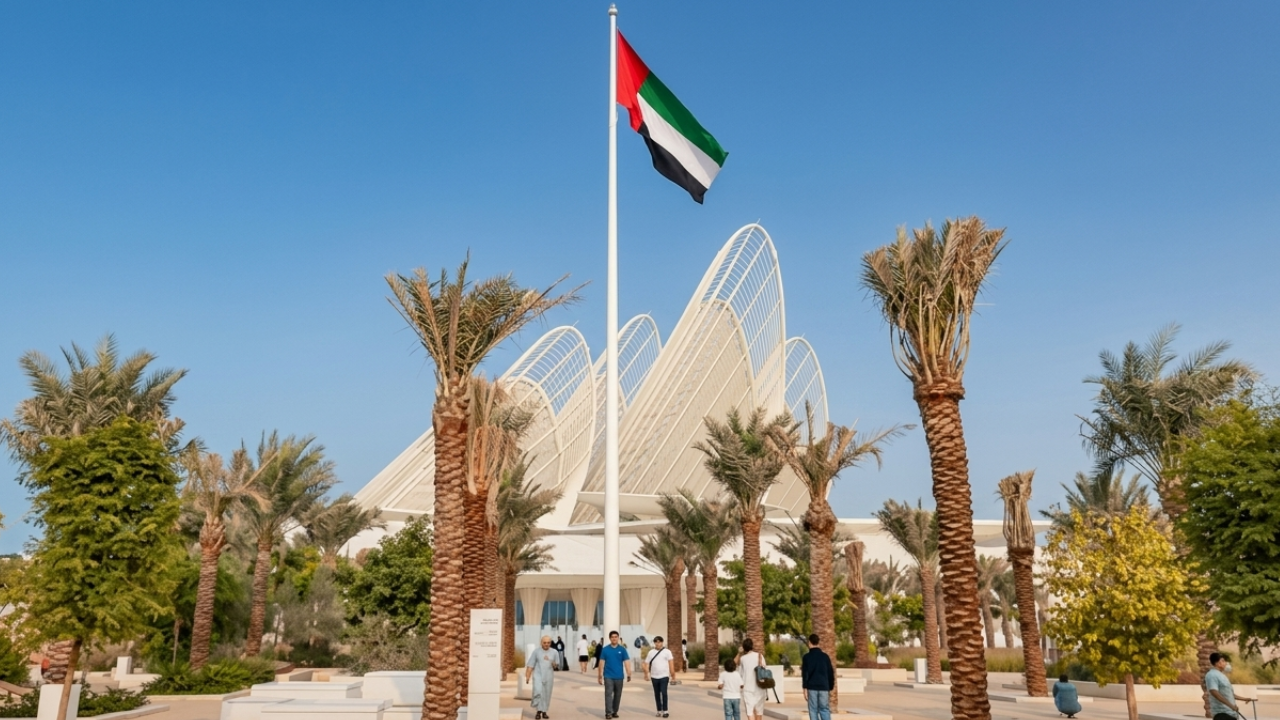
Dubai is known for luxury hotels, shopping malls, nightlife, beaches, and large-scale attractions. Abu Dhabi offers a calmer alternative with culture, architecture, museums, beaches, desert access, and a more spacious feel. It is still modern and polished, but the pace can feel less intense than Dubai, making it appealing for travelers who want the UAE experience without building the whole trip around high-energy entertainment.

Abu Dhabi’s major strengths include the Sheikh Zayed Grand Mosque, Louvre Abu Dhabi, Corniche waterfront, Qasr Al Watan, beach resorts, and nearby desert experiences. It can feel more cultural and less crowded than Dubai’s busiest areas. For families, couples, and travelers who prefer organized sightseeing over constant stimulation, Abu Dhabi may actually be the better choice.

Better Than the Famous Place For: Culture, space, architecture, beaches, and calmer luxury.

Best Time to Visit: November to March.

Ideal Trip Length: 2 to 4 days.

Traveler Tip: Dress respectfully when visiting mosques and cultural sites.

Must-Know: Abu Dhabi and Dubai can be combined in one trip.

7. Krabi, Thailand Instead of Phuket
© shutterstock / Olena Zn

7. Krabi, Thailand Instead of Phuket

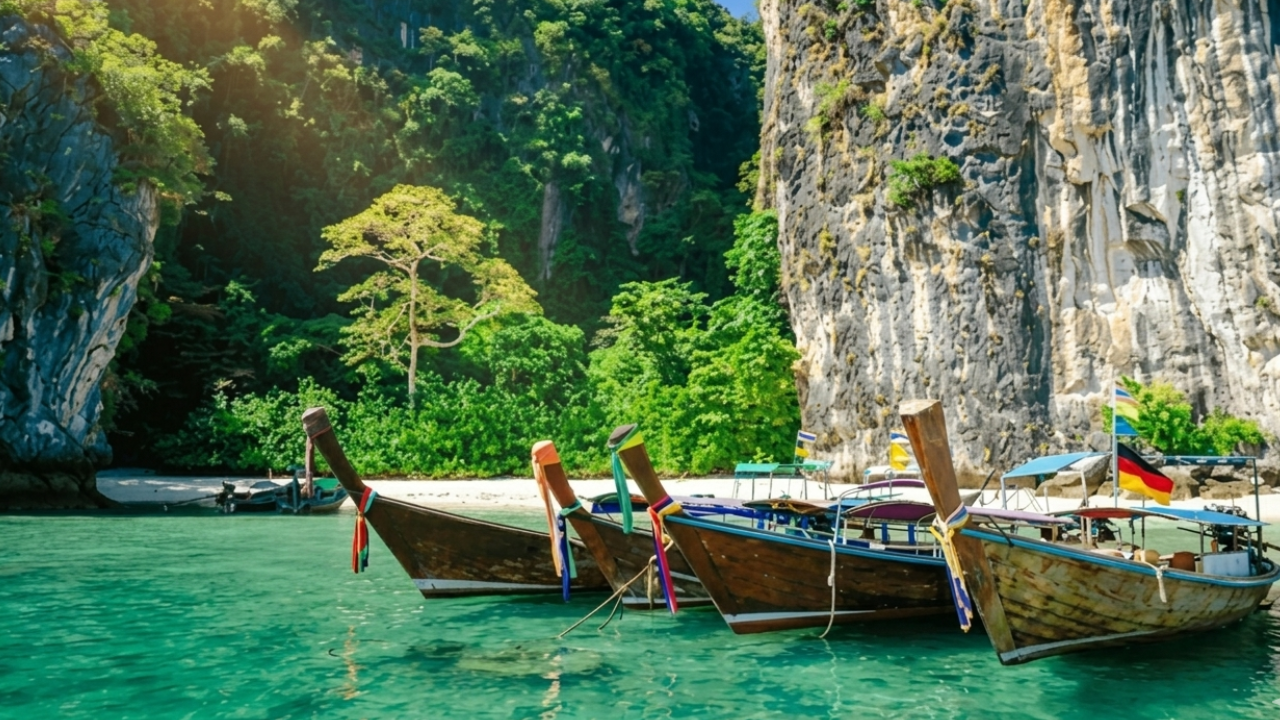
Phuket remains one of Thailand’s best-known beach destinations, but it can feel busy, commercial, and traffic-heavy in peak season. Krabi offers a more scenic alternative with limestone cliffs, beaches, islands, boat trips, and a slower coastal rhythm. Areas like Railay Beach, Ao Nang, Koh Lanta, and nearby islands give travelers a classic Thai beach experience with dramatic natural beauty.

Krabi is not empty or untouched, but it often feels more connected to landscape than nightlife. It is a good choice for travelers who want swimming, kayaking, island hopping, climbing, and sunset views without spending the entire trip in a resort-heavy environment. For people replacing a crowded European beach holiday or avoiding Phuket’s busiest zones, Krabi can feel more balanced.

Better Than the Famous Place For: Natural scenery, island trips, quieter beaches, and outdoor activities.

Best Time to Visit: November to March.

Ideal Trip Length: 4 to 7 days.

Traveler Tip: Stay near Railay or Koh Lanta for a slower beach experience.

Must-Know: Boat transfers may depend on weather and sea conditions.

8. Cozumel, Mexico Instead of Cancun
© shutterstock / Kent Weakley

8. Cozumel, Mexico Instead of Cancun

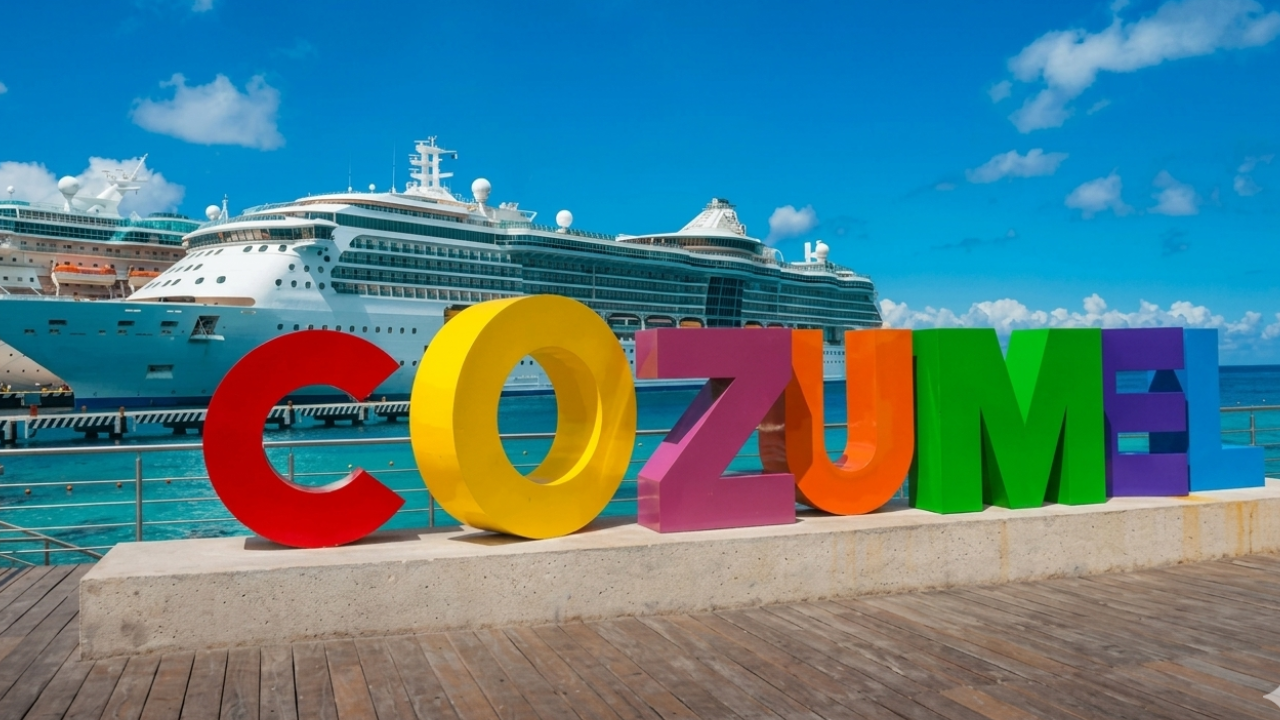
Cancun is famous for resorts, nightlife, beaches, and easy flights, but it can also feel highly developed and crowded. Cozumel offers a more island-focused alternative, especially for travelers who enjoy diving, snorkeling, slower coastal roads, and clearer separation from mainland resort zones. The island is especially known for reef access and marine activities, making it a strong choice for travelers who want the Caribbean side of Mexico without staying in a large hotel corridor.

Cozumel still receives cruise visitors, so it is not completely quiet. However, travelers who stay overnight often experience a different side of the island after day crowds leave. It can be a better fit for people who want water activities, relaxed meals, and a simpler island atmosphere instead of Cancun’s constant resort energy.

Better Than the Famous Place For: Snorkeling, diving, island pace, and quieter evenings.

Best Time to Visit: December to April.

Ideal Trip Length: 3 to 5 days.

Traveler Tip: Stay overnight to experience the island beyond cruise hours.

Must-Know: Ferries connect Cozumel with Playa del Carmen.

9. Waikato, New Zealand Instead of Auckland or Queenstown
© shutterstock / Adwo

9. Waikato, New Zealand Instead of Auckland or Queenstown

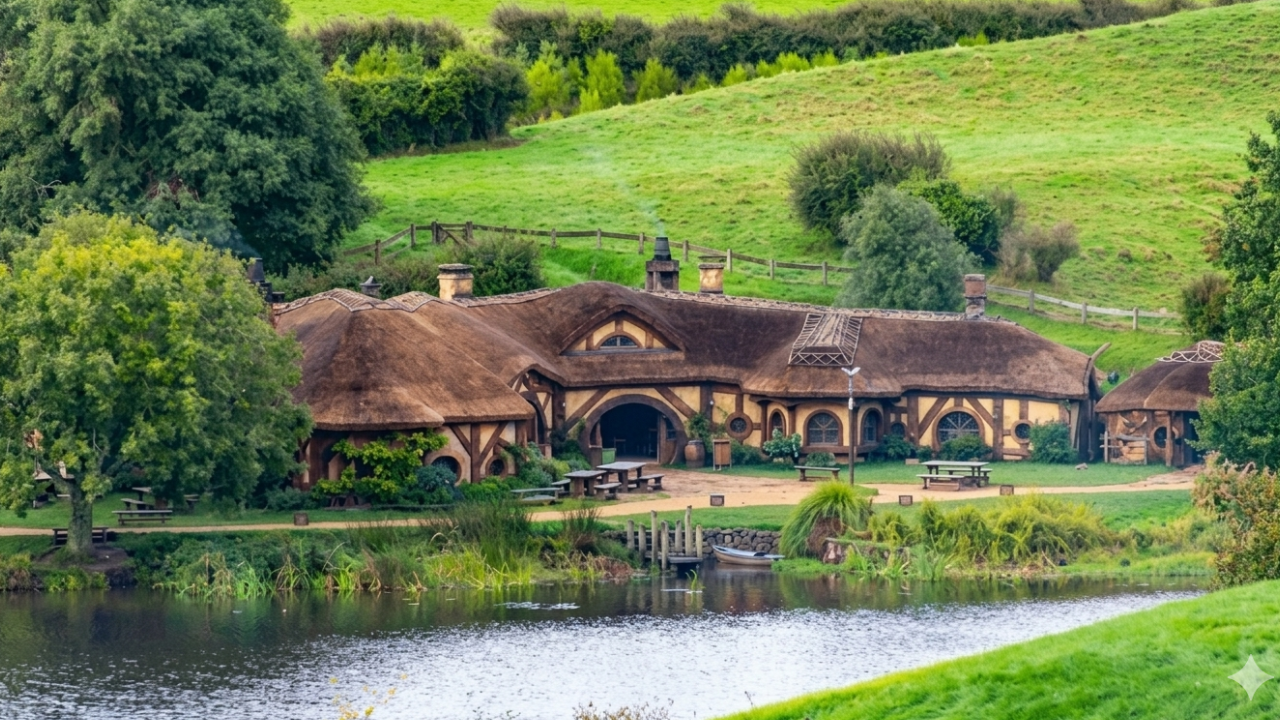
Auckland and Queenstown are common starting points for New Zealand trips, but Waikato offers a slower and more varied detour for travelers who want countryside, caves, culture, gardens, and film-location scenery. The region is known for the Waitomo glowworm caves, rolling farmland, Hamilton Gardens, riverside towns, and access to Hobbiton near Matamata. It gives travelers a gentler version of New Zealand that is not only about adrenaline activities or big-city stops.

Waikato is especially good for road-trippers who want to break up a North Island itinerary. It may not have Queenstown’s dramatic alpine setting, but it offers a softer landscape and a more relaxed pace. For travelers who want scenic beauty, cultural stops, and unusual experiences without the highest visitor pressure, Waikato is a smart detour destination.

Better Than the Famous Place For: Countryside travel, caves, gardens, road trips, and relaxed pacing.

Best Time to Visit: November to April.

Ideal Trip Length: 2 to 4 days.

Traveler Tip: Combine Waitomo, Hamilton Gardens, and Hobbiton in one route.

Must-Know: A rental car makes the region much easier to explore.


Comments (0)

Leave a Reply

No comments yet. Be the first to share your thoughts!