Travel United States

How 10 American cities are navigating rapid urban change

Adam Collins
3.6
April 29, 2026

Across the United States, cities are changing faster than ever. Rising housing costs, shifting populations, economic transitions, and redevelopment projects are reshaping neighborhoods in ways that are both visible and deeply felt. What used to be affordable or culturally distinct is often becoming more expensive, more uniform, and sometimes less accessible to long-time residents.

Urban change is not new, but its pace has accelerated in recent years. Data shows that gentrification, cost-of-living increases, and housing shortages are affecting cities across the country, often leading to displacement and major shifts in identity. (ncrc.org) These changes are not limited to one region or type of city. From coastal hubs to emerging southern metros, the pressure is widespread and complex.
1. San Francisco, California
© sfchronicle

1. San Francisco, California

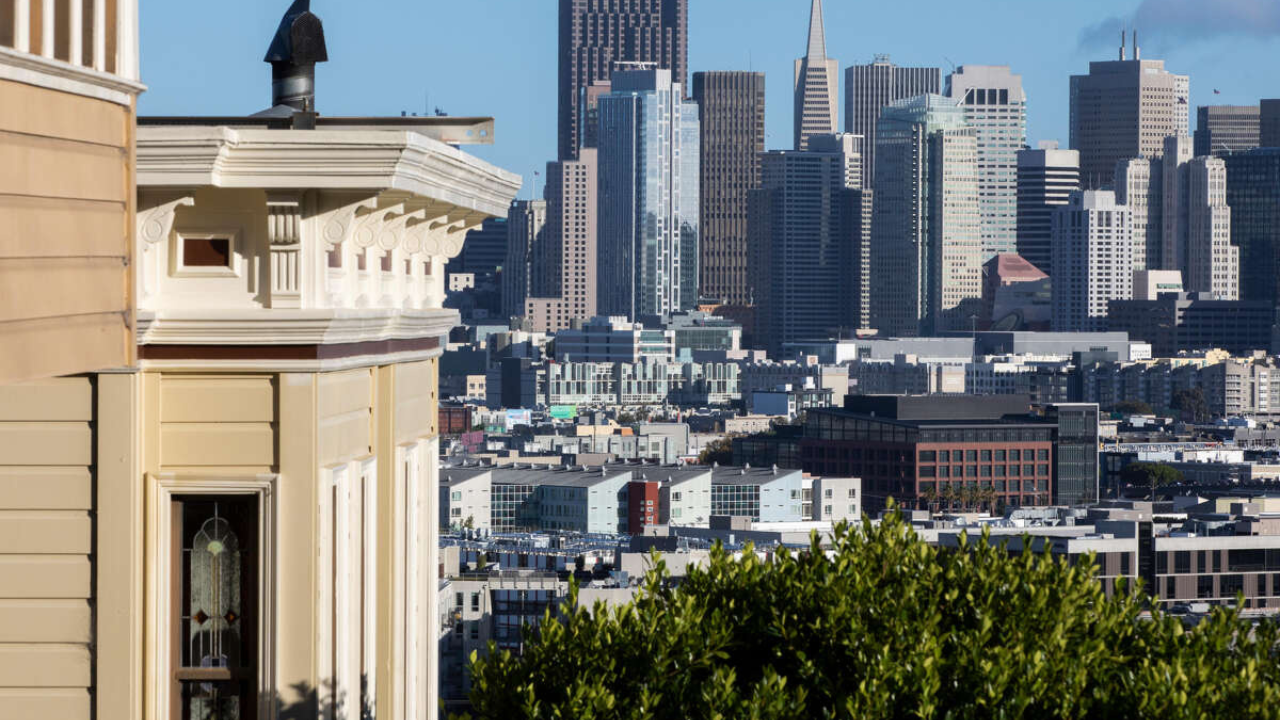
San Francisco remains one of the clearest examples of how rapid economic growth can reshape a city’s identity. Over the past decade, the expansion of the tech industry has driven housing demand to extreme levels, pushing home prices and rents far beyond what many long-term residents can afford. Entire neighborhoods have shifted as higher-income professionals replace older communities, and local businesses that once defined the city have struggled to survive. Studies show that gentrification has significantly increased property values while reducing the presence of lower-income residents, altering the cultural makeup of areas like the Mission District. (Gitnux) What makes the change especially noticeable is how quickly it has happened, turning once diverse and accessible neighborhoods into some of the most expensive in the country.

2. New York City, New York
© Dave Mani

2. New York City, New York

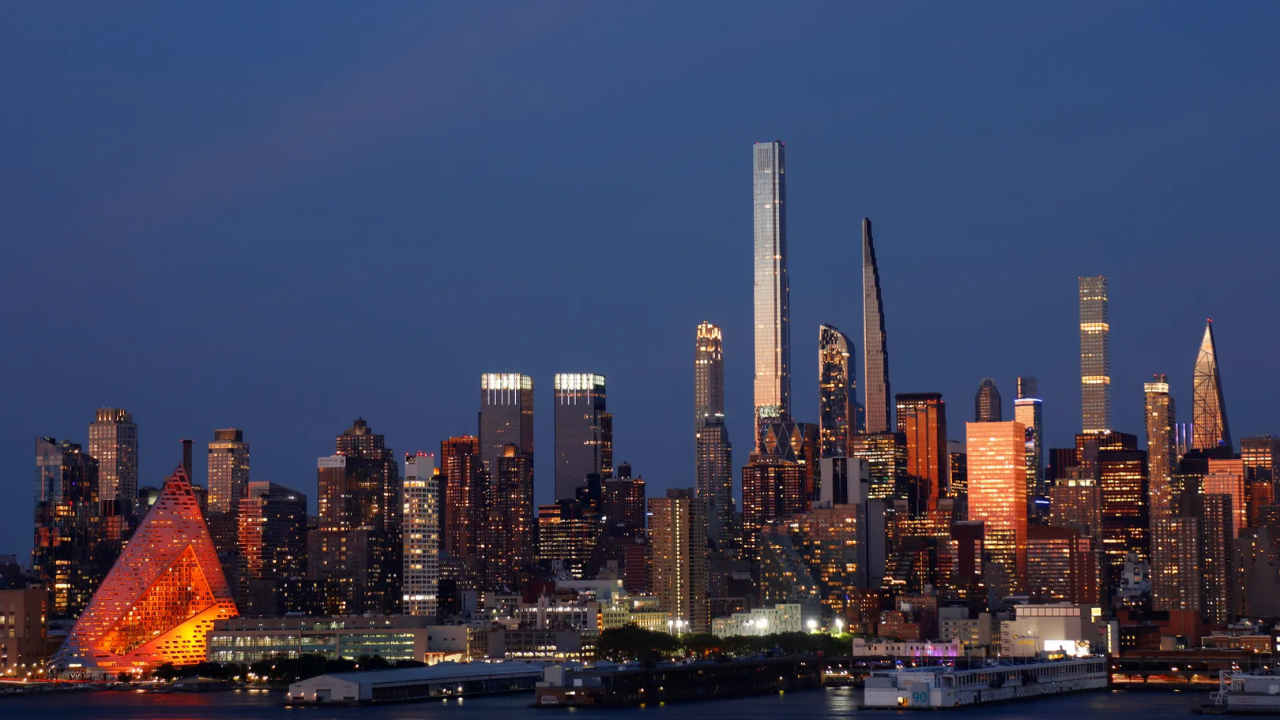
New York City has always evolved, but the current wave of change feels more intense and uneven. Rising rents, redevelopment, and shifting economic patterns have made it harder for many residents to stay in the neighborhoods they once called home. Areas like Brooklyn and parts of Queens have seen dramatic transformations, with property values rising and demographic changes following closely behind. Gentrification has led to income growth in certain areas, but it has also reduced affordability and reshaped local culture. (Gitnux) At the same time, the city continues to attract new residents and businesses, creating a constant push-and-pull between growth and displacement.

3. Austin, Texas
© Dave Mani

3. Austin, Texas

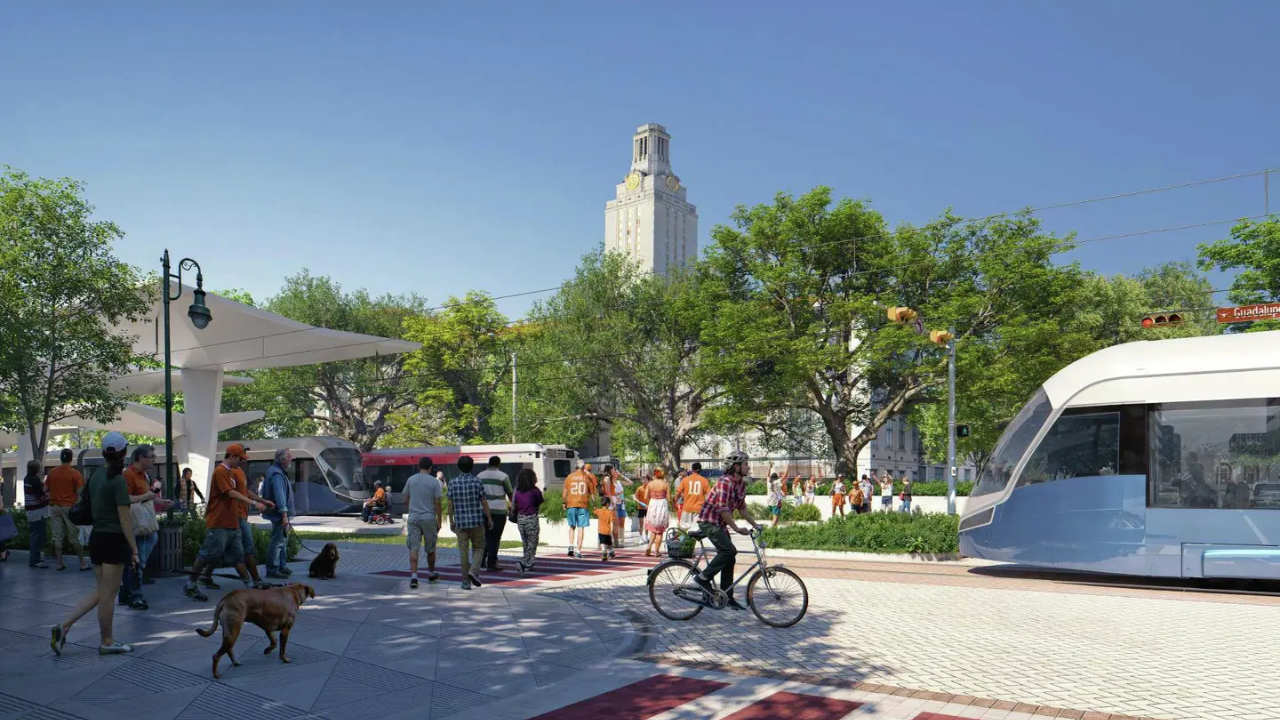
Austin has experienced rapid growth over the last decade, driven largely by the influx of tech companies and new residents from other states. What was once considered an affordable and creative city has become significantly more expensive, especially in central neighborhoods. Housing demand has surged, and long-time residents have faced increasing pressure from rising property taxes and rents. Gentrification has also shifted the cultural landscape, particularly in historically diverse areas. (Gitnux) While the city continues to attract young professionals and entrepreneurs, the speed of change has raised concerns about maintaining its original character and accessibility.

4. Los Angeles, California
© Dave Mani

4. Los Angeles, California

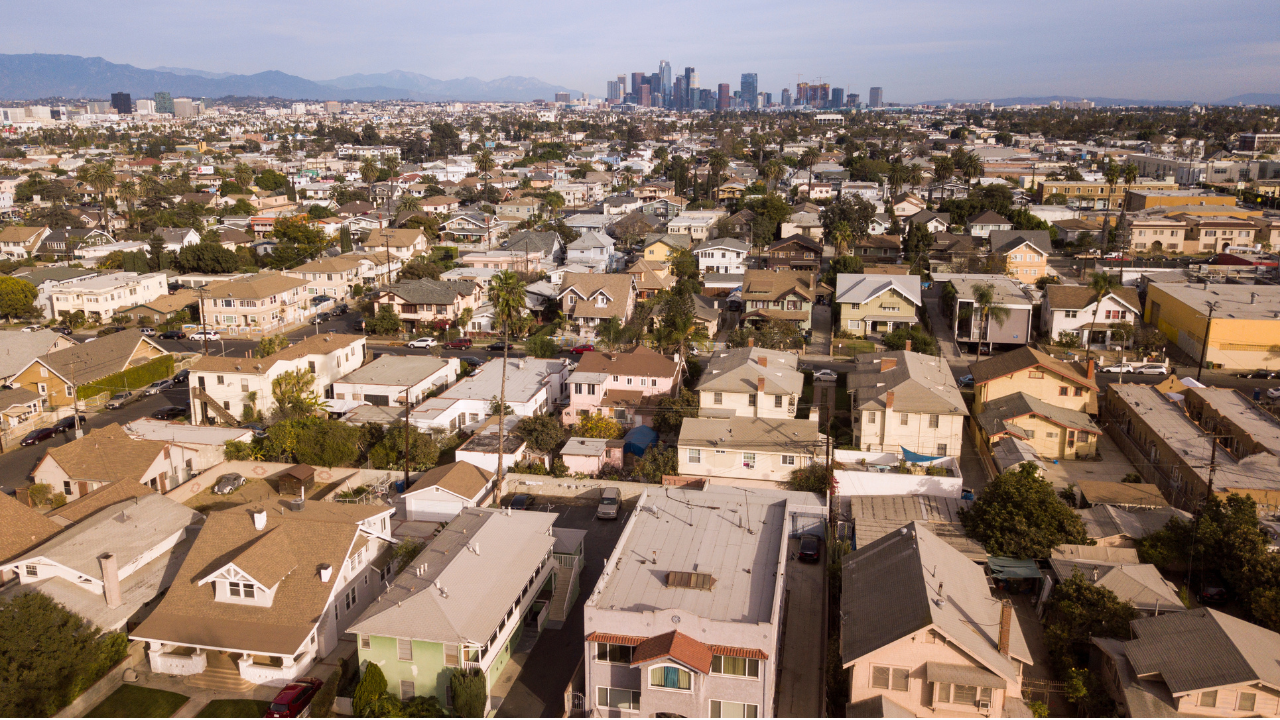
Los Angeles faces multiple layers of change, from housing shortages to redevelopment and environmental pressures. The cost of living continues to rise, forcing many residents into smaller living spaces or out of the city altogether. (ArcGIS StoryMaps) Neighborhoods undergoing redevelopment often experience significant demographic shifts, as new developments attract higher-income residents. In some cases, events like natural disasters have intensified these pressures by increasing rebuilding costs and accelerating displacement. (The Guardian) The result is a city where growth and inequality exist side by side, making change highly visible across different communities.

5. Nashville, Tennessee
© Dave Mani

5. Nashville, Tennessee

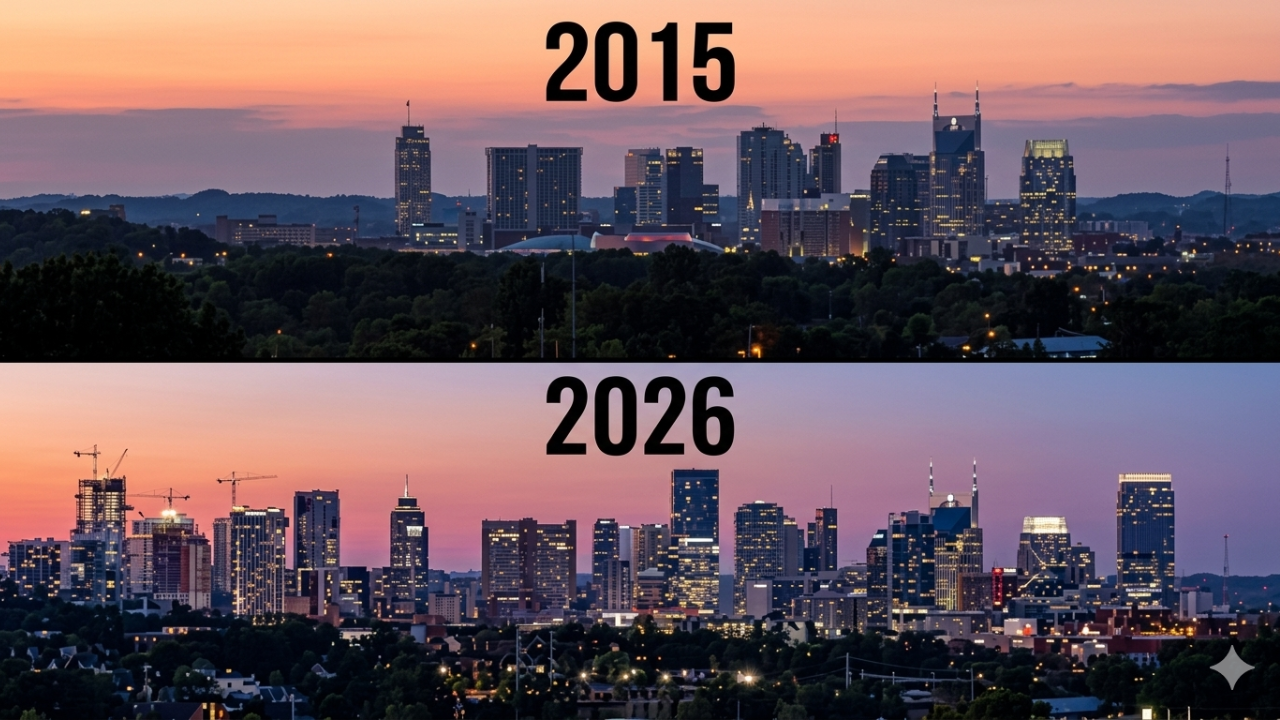
Nashville’s rapid popularity has transformed it from a regional cultural hub into a national hotspot. The city has attracted new residents, businesses, and investors, leading to significant increases in housing prices and development activity. While this growth has boosted the local economy, it has also created affordability challenges for many residents. Neighborhoods that were once stable and affordable have seen rising rents and demographic shifts. Gentrification has contributed to the displacement of long-time communities, particularly in historically Black neighborhoods. (Gitnux) The city’s identity continues to evolve as it balances growth with preserving its cultural roots.

6. Seattle, Washington
© shutterstock / Holly Hooperjpg

6. Seattle, Washington

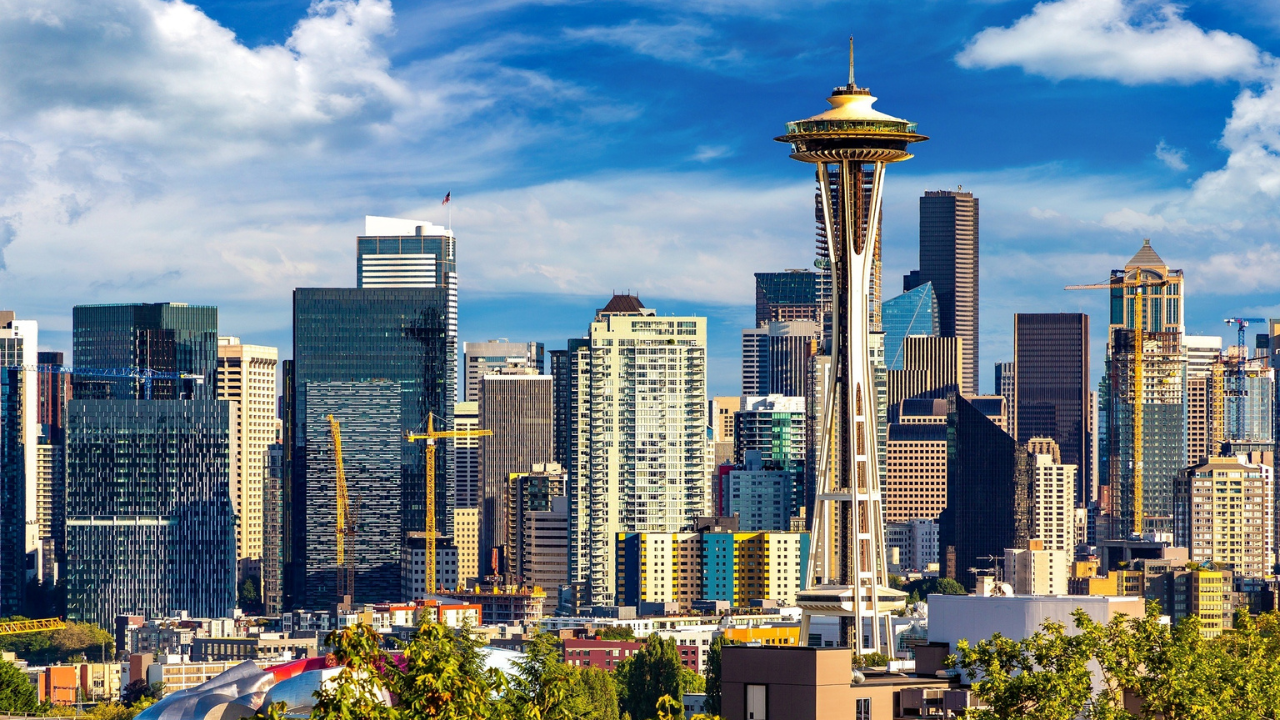
Seattle’s transformation has been closely tied to the rise of the tech industry. The influx of high-paying jobs has driven demand for housing, leading to sharp increases in rent and home prices. As a result, many neighborhoods have experienced significant demographic changes, with long-time residents moving out and new populations moving in. Gentrification has contributed to the decline of historically diverse communities, particularly in areas like the Central District. (Gitnux) While the city remains economically strong, the pressure on housing and affordability continues to shape its development.

7. Atlanta, Georgia
© Gregory Randolph

7. Atlanta, Georgia

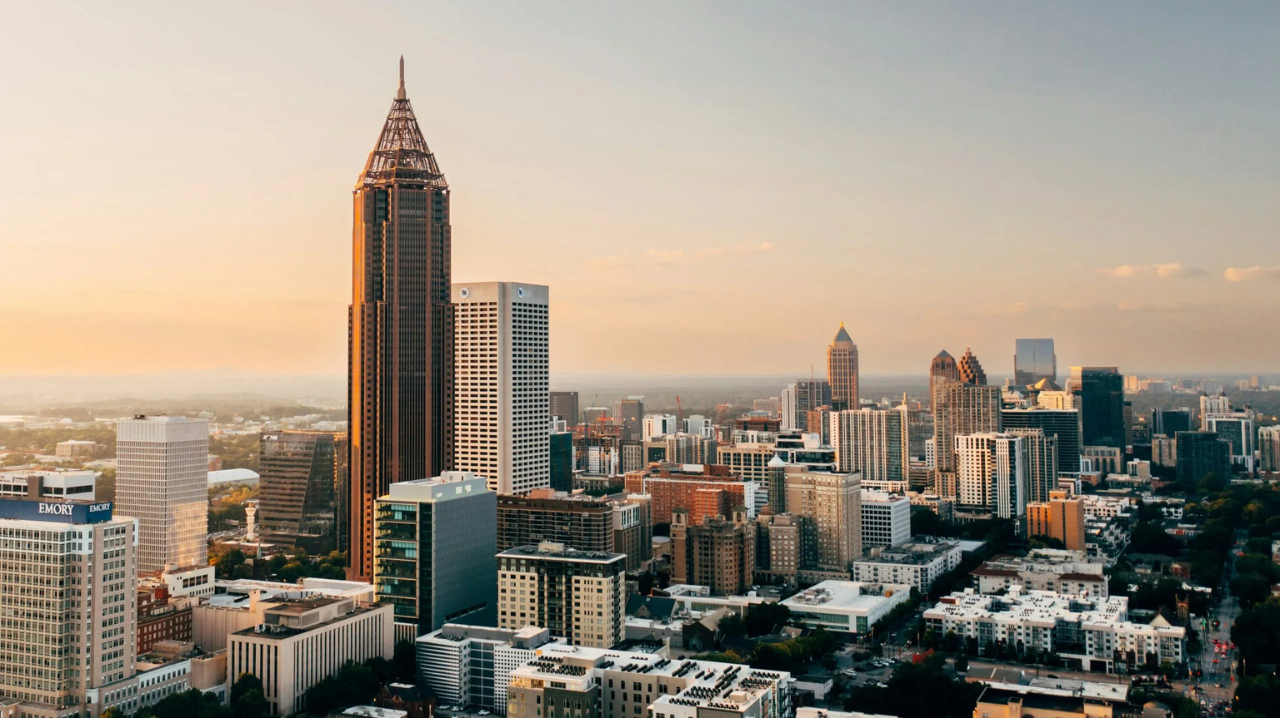
Atlanta has undergone significant change, particularly in its urban core. The city has experienced one of the most notable shifts in neighborhood demographics, with many historically Black neighborhoods seeing a transition in population over recent decades. Reports show that thousands of residents have been displaced as housing prices and redevelopment projects reshape the city. (FOX 5 Atlanta) While investment and growth have brought new opportunities, they have also raised concerns about cultural preservation and equitable development. The changes are not only economic but also deeply tied to identity and community history.

8. Denver, Colorado
© wikivoyage

8. Denver, Colorado

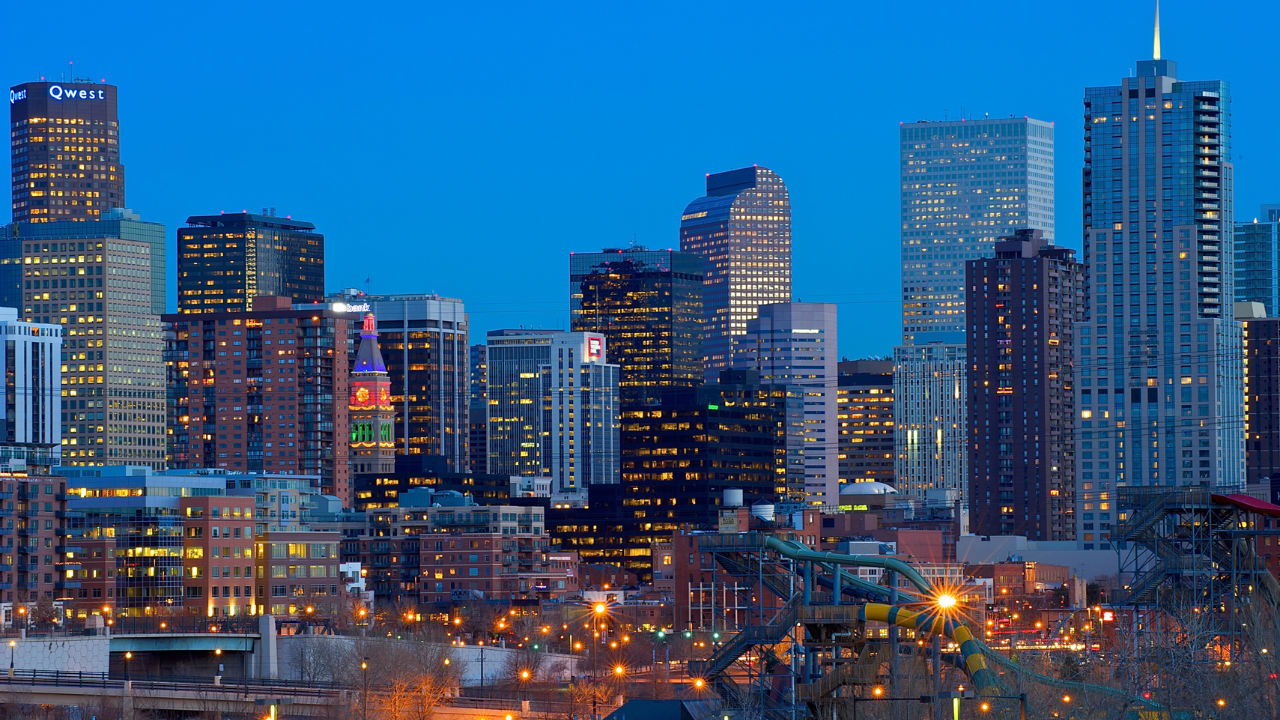
Denver has become one of the fastest-growing cities in the country, attracting new residents with its job market and lifestyle appeal. However, this growth has placed pressure on housing, leading to rising costs and changes in neighborhood composition. Areas that were once affordable have seen rapid increases in property values, making it difficult for long-time residents to remain. Gentrification has also contributed to demographic shifts, particularly in historically diverse neighborhoods. (Gitnux) The city continues to expand, but the challenge remains how to balance growth with accessibility.

9. Miami, Florida
© MATIAS J. OCNER

9. Miami, Florida

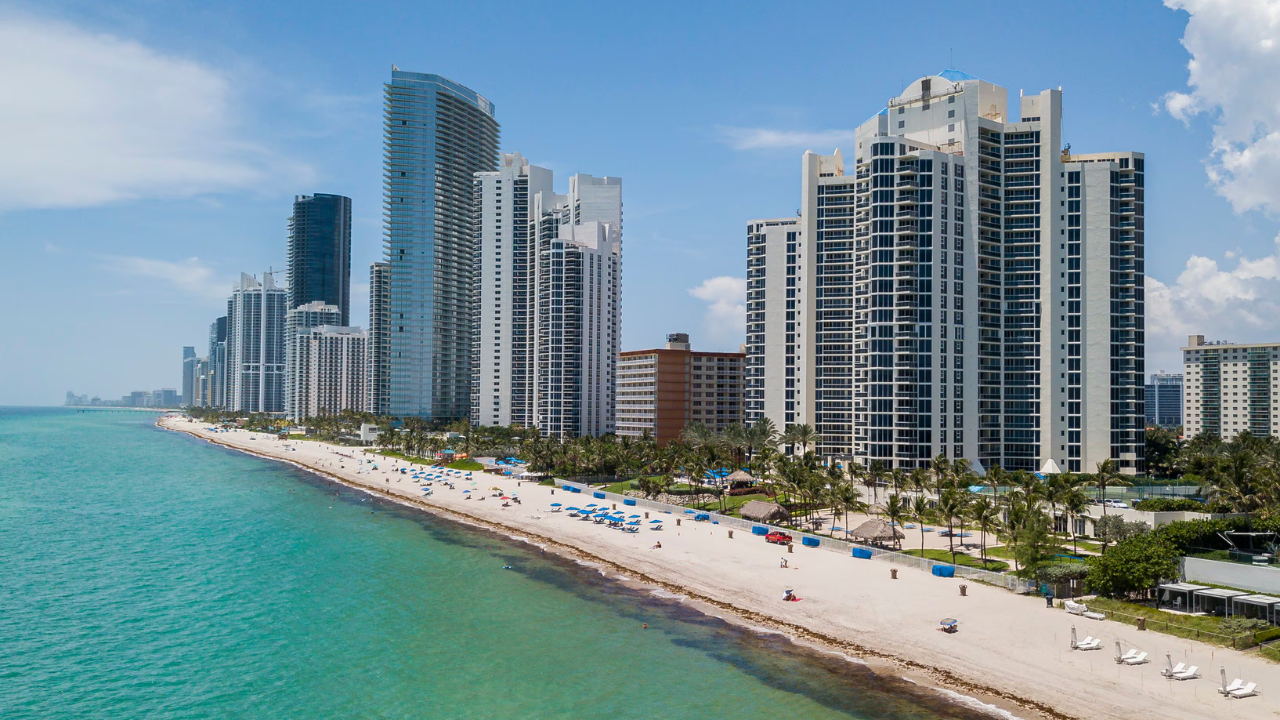
Miami’s transformation has been driven by a mix of real estate development, migration, and economic investment. The city has seen increased demand from both domestic and international buyers, pushing housing prices higher. At the same time, certain neighborhoods have experienced cultural shifts as new developments replace older structures. Gentrification has impacted areas like Little Haiti, where population changes reflect broader economic trends. (Gitnux) Miami’s growth continues, but it has also intensified concerns about affordability and long-term sustainability for local residents.

10. Chicago, Illinois
© christiesrealestate

10. Chicago, Illinois

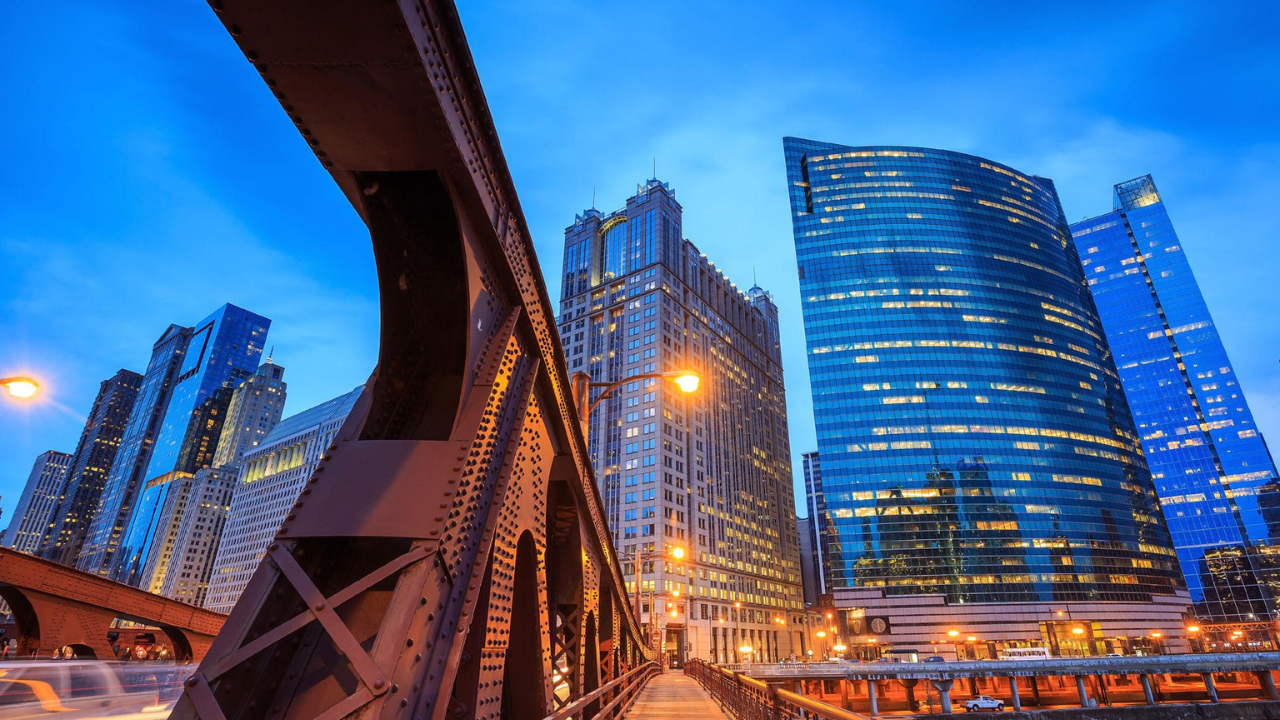
Chicago presents a more complex picture of change, where growth and decline occur simultaneously in different areas. Some neighborhoods have experienced significant redevelopment and rising property values, while others continue to face economic challenges. Gentrification in parts of the city has led to population shifts and reduced affordability for long-time residents. (Gitnux) At the same time, the city’s size and diversity mean that change is uneven, with different communities experiencing different outcomes. This contrast makes Chicago one of the most dynamic and challenging examples of urban transformation in the United States.


Comments (0)

Leave a Reply

No comments yet. Be the first to share your thoughts!