Travel Destination

Film-inspired travel: Why booking trips based on movies and TV shows is on the rise

Leo Harper
3.8
May 04, 2026

Travel inspiration used to come mainly from guidebooks, family recommendations, glossy magazines, and travel agents. Today, many tourists are choosing destinations because they first saw them in a movie, TV series, streaming show, music video, or social media clip connected to entertainment. This trend is often called screen tourism or set-jetting, and it has become a major reason people add certain cities, islands, hotels, castles, beaches, and neighborhoods to their travel plans.

The appeal is easy to understand. Movies and shows do more than show a place. They attach emotion, atmosphere, characters, music, and story to a destination. A street is not just a street anymore. It becomes the place where a favorite scene happened. A hotel becomes part of a fictional world. A small town becomes familiar before the traveler has even arrived. Recent travel trend coverage has described screen tourism as a growing driver of destination choice, with movies and TV shows influencing where people plan future trips.

For travelers, these trips are about more than sightseeing. They are about stepping into a story, taking photos in recognizable places, and turning entertainment into a real-world experience.
1. Movies and Shows Make Destinations Feel Familiar
© Unsplash / Pauline-Iakovleva

1. Movies and Shows Make Destinations Feel Familiar

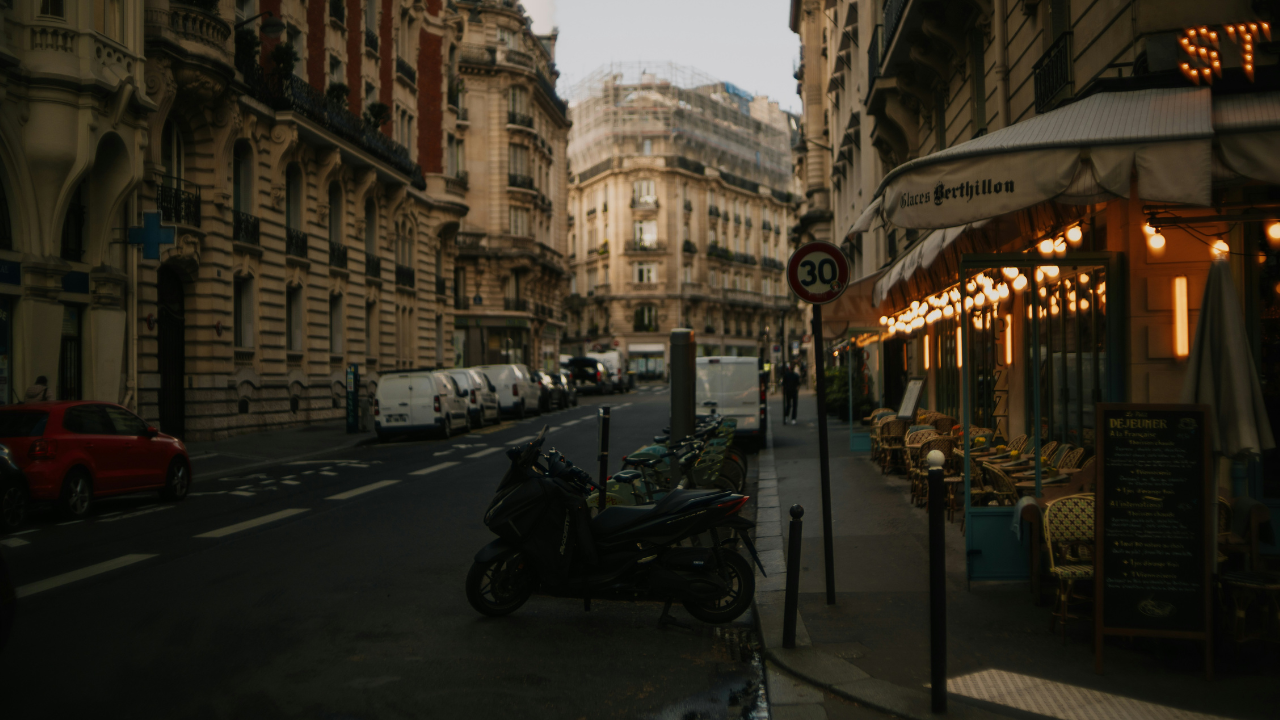
One major reason tourists book trips based on movies and TV shows is familiarity. A destination seen on screen can feel easier to imagine than a place discovered through a standard travel brochure. Viewers have already seen the streets, landscapes, restaurants, beaches, or hotels from different angles. They may have watched characters walk through the area, eat local food, stay in a specific resort, or explore a dramatic setting.

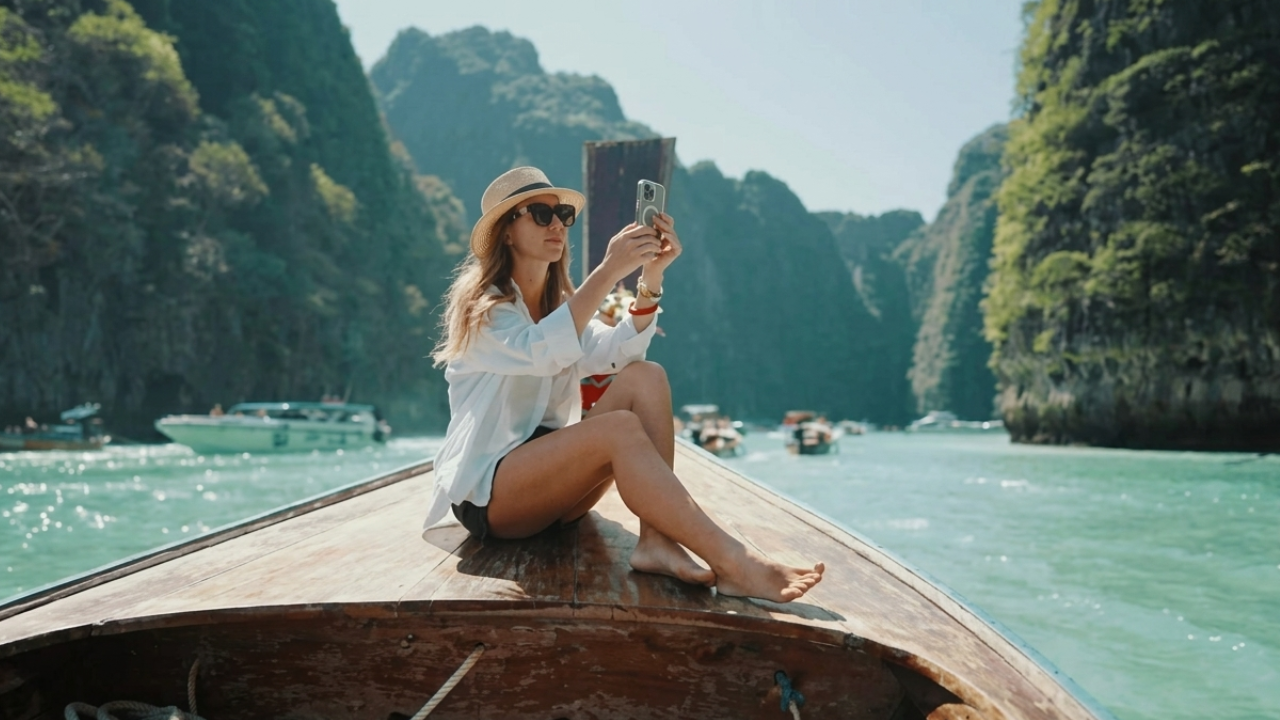
This creates a sense of emotional comfort. Even if travelers have never visited the place before, it feels partly known. That can make the decision to book a trip feel less risky. A person who has watched a series set in Sicily, Scotland, Thailand, Paris, or New Zealand may feel like they already understand the mood of the place. The screen has done some of the work that traditional destination marketing used to do.

This is especially powerful for travelers who want a trip with a built-in story. Instead of simply choosing a country, they are choosing a place connected to a scene, character, or feeling they remember.

2. Streaming Has Made Global Places More Visible
© Unsplash / Venti Views

2. Streaming Has Made Global Places More Visible

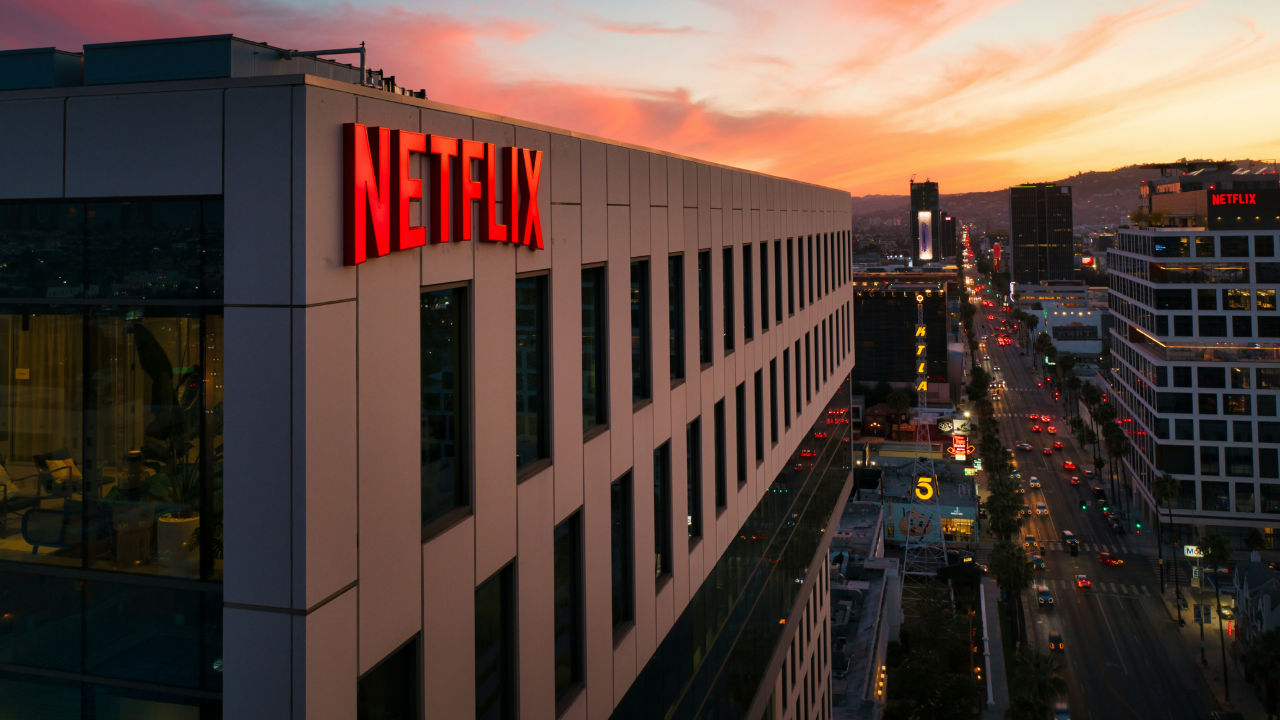
Streaming platforms have changed how tourists discover destinations. In the past, international films or regional TV shows reached a smaller audience. Now, a show filmed in Thailand, South Korea, Italy, Spain, Mexico, or Scotland can reach millions of viewers around the world almost instantly. This gives destinations exposure that they might not get through traditional advertising.

A single popular series can introduce viewers to hotels, coastlines, old towns, mountain regions, restaurants, and cultural traditions. Even if the destination is not the main focus of the story, the visuals can stay in the viewer’s mind. Travel companies and tourism boards have noticed this shift, because screen exposure can create sudden interest in places that were previously less visible to international travelers.

Streaming also encourages binge-watching, which deepens the connection. Viewers may spend several hours inside the world of a show, making the destination feel more personal than a short advertisement ever could.

3. Travelers Want More Personal Reasons to Choose a Destination
© Unsplash / compagnons

3. Travelers Want More Personal Reasons to Choose a Destination

Modern travelers often want trips that feel personal, not generic. A famous landmark may still matter, but many people now choose destinations because they connect with a mood, memory, character, or story. Movies and TV shows create that personal connection naturally.

For example, someone may visit a city because it reminds them of a romantic film. Another traveler may go to a castle because it appeared in a fantasy series. Someone else may choose a beach resort because it was featured in a luxury drama. These choices feel more meaningful than simply following a list of top tourist attractions.

This also explains why screen tourism appeals to different age groups. Younger travelers may be influenced by streaming shows and social media edits, while older travelers may be drawn to classic films, historical dramas, or long-loved movie locations. In both cases, the trip becomes tied to identity and memory.

4. Social Media Turns Film Locations Into Shareable Moments
© shutterstock / Serg Grbanoff

4. Social Media Turns Film Locations Into Shareable Moments

Movies and TV shows inspire the trip, but social media often helps push the decision further. Travelers see others recreating scenes, posing outside famous buildings, staying in recognizable hotels, or making short videos from filming locations. This makes the destination feel current and achievable.

The result is a cycle. A movie or show makes a place famous. Visitors go there and post about it. Their photos and videos inspire more people to visit. This is why screen tourism can grow quickly, especially when a location is visually distinctive. A staircase, beach, hotel lobby, castle road, restaurant table, or viewpoint can become a must-visit photo spot.

This type of travel is not only about fandom. Many tourists are also drawn to the visual value of the location. If a place looks cinematic online, it becomes easier to imagine it as part of a future itinerary.

5. TV Shows Make Lesser-Known Places Feel Trendy
© shutterstock / makasana photo

5. TV Shows Make Lesser-Known Places Feel Trendy

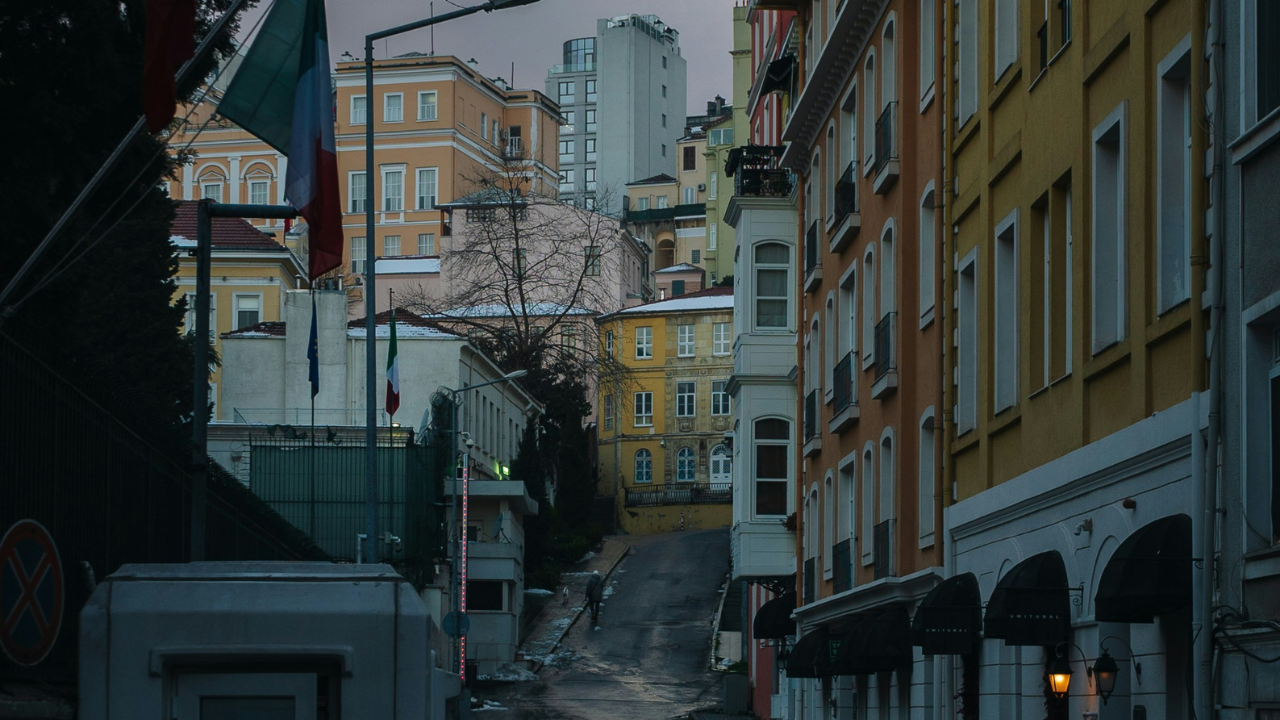
One of the strongest effects of screen tourism is that it can shift attention away from the most obvious tourist destinations. A country or region may become popular because a film crew captured it in a fresh way. This can help smaller towns, rural landscapes, islands, and historic neighborhoods gain attention from travelers who might not have considered them before.

New Zealand is often discussed as a major example of film tourism because fantasy films helped connect the country’s landscapes with global audiences. Other destinations, including parts of Northern Ireland, Sicily, Thailand, and Scotland, have also seen stronger interest because of high-profile screen exposure. Travel coverage continues to identify set-jetting as a major trend for people choosing trips based on entertainment.

This can be helpful for destinations that want to attract visitors beyond capital cities. However, it also requires careful planning, because sudden popularity can overwhelm places that were not built for heavy tourism.

6. Fans Want to Step Inside the Story
© shutterstock / DRN Studio

6. Fans Want to Step Inside the Story

For many travelers, visiting a filming location is a form of fan experience. It is similar to attending a concert, sports event, or convention, but the destination itself becomes the attraction. Fans want to walk through the same streets, see the same views, visit the same buildings, or join tours that explain how scenes were filmed.

This emotional pull is strong because movies and TV shows can create worlds that feel larger than ordinary travel. A castle is not only historic. It is part of a fantasy kingdom. A hotel is not only a luxury property. It is part of a dramatic storyline. A city neighborhood is not only attractive. It is connected to characters people followed for years.

Tour operators, hotels, and destination marketers have responded by creating themed tours, filming-location maps, and packages built around popular screen titles. These experiences help tourists turn passive viewing into active participation.

7. Movies and Shows Sell a Mood, Not Just a Place
© unsplash / nick night

7. Movies and Shows Sell a Mood, Not Just a Place

Traditional travel marketing often focuses on landmarks, hotels, beaches, and activities. Movies and TV shows work differently. They sell atmosphere. They show slow meals, dramatic sunsets, rainy streets, mountain roads, lively markets, or quiet villages in ways that feel emotional rather than informational.

This is one reason screen-inspired travel can be so persuasive. People may not remember the exact name of a destination at first, but they remember how it felt. A show can make a place seem romantic, mysterious, peaceful, luxurious, adventurous, nostalgic, or glamorous. That mood becomes part of the destination’s appeal.

This is especially important for travelers who are not only asking, “Where should I go?” They are asking, “What kind of trip do I want?” A film or series can answer that question through feeling.

8. Screen Tourism Helps Travelers Build Easier Itineraries
© shutterstock / RAY-BON

8. Screen Tourism Helps Travelers Build Easier Itineraries

Movies and shows can also make trip planning easier. Once a traveler chooses a screen-inspired destination, the itinerary often builds itself around recognizable locations. They may search for filming sites, nearby restaurants, hotels, walking routes, museums, beaches, or viewpoints. This gives the trip a clear theme.

For example, a traveler inspired by a food-focused show may plan around markets and restaurants. Someone inspired by a period drama may focus on castles, estates, and historic towns. A fan of a beach-set series may look for resorts, islands, and boat trips. This makes the planning process feel more focused than choosing from endless travel options.

Travel brands benefit from this because screen tourism gives them a ready-made story to market. Hotels, tour companies, and tourism boards can connect their services to something travelers already recognize.

9. Food, Fashion, and Lifestyle on Screen Influence Travel
© Unsplash / Bianca Ackermann

9. Food, Fashion, and Lifestyle on Screen Influence Travel

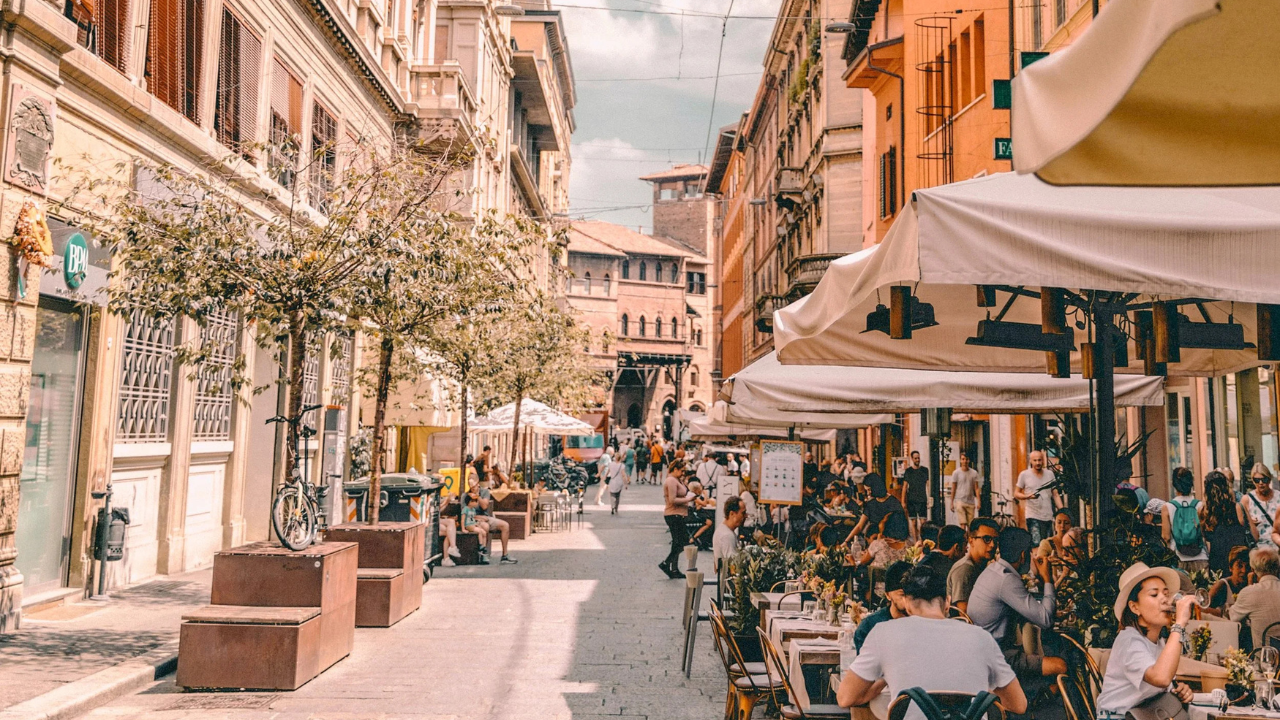
Travelers are not only inspired by landscapes. They are also influenced by the lifestyle shown on screen. Food scenes can make people want to visit local markets, family restaurants, wine regions, cafés, or street-food districts. Fashion-focused shows can drive interest in shopping streets, stylish neighborhoods, and design hotels. Historical dramas can spark curiosity about museums, palaces, and traditional architecture.

This makes screen tourism broader than simply visiting filming locations. A traveler may choose South Korea because of dramas and pop culture, Italy because of food and scenery, France because of fashion and romance, or Thailand because of tropical luxury and wellness. The destination becomes part of a lifestyle fantasy, even when travelers know real life is more complex.

This influence is especially strong when entertainment and social media overlap. A meal, outfit, hotel room, or street corner can become desirable because viewers have seen it repeatedly across platforms.

10. Travelers Trust Visual Storytelling More Than Ads
© Unsplash / Süleyman Coskun

10. Travelers Trust Visual Storytelling More Than Ads

Many tourists are skeptical of polished advertising. A destination ad is expected to make a place look good. A movie or TV show can feel more believable because the location appears as part of a story, even when it is carefully produced. Viewers see people moving through the space, interacting with the setting, and experiencing the mood of the destination.

This makes screen exposure powerful. It can feel like a soft recommendation rather than a sales pitch. Even when viewers know a show is fictional, the destination still feels real. The repeated visual presence builds trust and curiosity over time.

For destination marketers, this is one reason film and TV exposure can be more effective than standard promotion. A well-shot series can keep a place in the public imagination for months or years.

11. Screen Tourism Can Create Challenges for Popular Destinations
© shutterstock / Sunshine Seeds

11. Screen Tourism Can Create Challenges for Popular Destinations

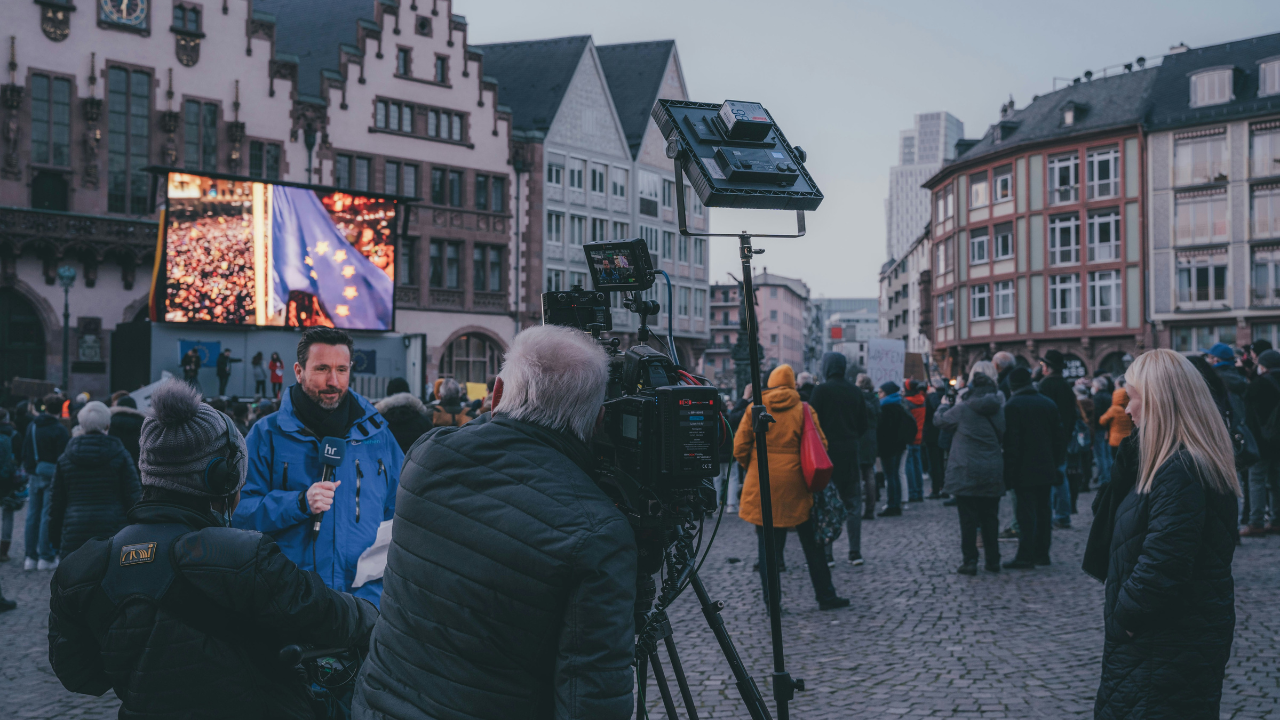
Although screen tourism can bring attention and income, it can also create problems. Some filming locations face overcrowding, noise, traffic, higher prices, damage to fragile sites, and pressure on local residents. A quiet village or natural viewpoint may not have enough infrastructure for sudden visitor demand.

This is why travelers should approach screen-inspired trips responsibly. Visiting a filming location does not mean ignoring local rules, blocking streets for photos, entering private property, or treating residential neighborhoods like open sets. The best screen tourism respects the fact that these places are real communities, not just backgrounds for entertainment.

Some destinations now manage film-related crowds with timed tickets, guided routes, visitor caps, and stronger rules around behavior. This helps protect the place while still allowing fans to enjoy the connection.

12. The Trend Fits the Way People Travel Now
© unsplash / masood aslami

12. The Trend Fits the Way People Travel Now

Screen tourism works because it matches modern travel behavior. People want experiences that feel personal, visual, shareable, and story-driven. They also want trips that reflect their interests, whether that means fantasy films, crime dramas, romantic comedies, historical series, cooking shows, reality TV, or documentaries.

This trend is likely to keep growing because entertainment is now global, travel planning is highly visual, and social media keeps destinations in constant circulation. A new season, trailer, award-winning movie, or viral scene can quickly change where travelers want to go next. Travel companies have already recognized set-jetting as a mainstream tourism trend rather than a niche fan activity.

For travelers, the smartest approach is to use movies and TV shows as inspiration, not the full plan. A screen location can be the reason to start dreaming, but the best trips also include local culture, practical planning, and respect for the real place behind the story.


Comments (0)

Leave a Reply

No comments yet. Be the first to share your thoughts!