Travel Destination

Farm stays: Why they are becoming a popular choice for modern travelers

James Porter
4.7
May 04, 2026

Farm stays are no longer seen as simple countryside lodging for travelers who want a quiet weekend away. They have become part of a wider shift in travel, where people are looking for slower, more meaningful, and more personal experiences. Instead of choosing hotels that often feel standardized, many travelers now want stays that connect them with nature, local food, rural communities, and a calmer rhythm of life.

This change is also linked to broader travel trends. More travelers are showing interest in agritourism, wellness travel, sustainability, farm-to-table dining, and immersive local experiences. Reports on agritourism point to growing demand for rural stays, farm-based activities, local food experiences, and eco-conscious hospitality, while recent travel trend coverage has also highlighted farm stays and rural retreats as part of the move toward more restorative travel.

Traditional hotels still offer convenience, privacy, and familiar services, but farm stays offer something different. They give travelers a setting where the accommodation itself becomes part of the experience. Guests are not only sleeping somewhere, they are waking up to open fields, fresh air, animals, gardens, homegrown meals, and a sense of place that many hotels cannot easily recreate.
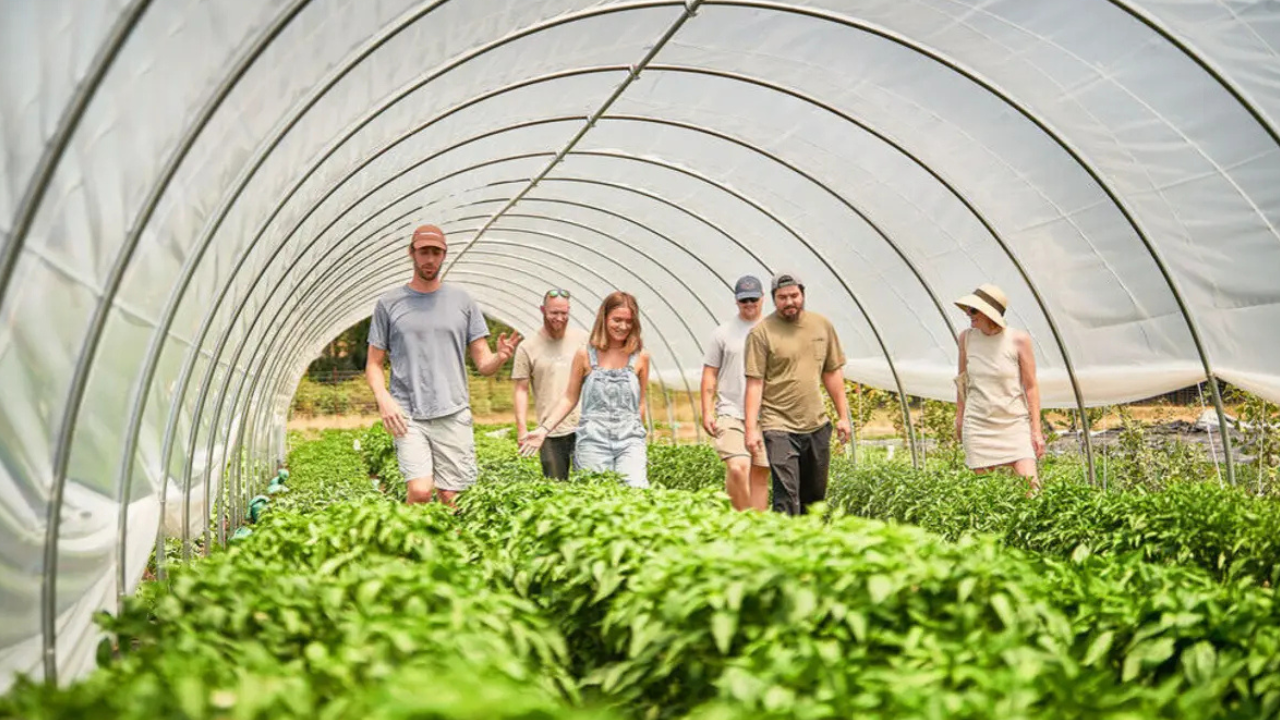

1. Travelers Want More Authentic Experiences
© The Ground / Tabula Rasa Farms

1. Travelers Want More Authentic Experiences

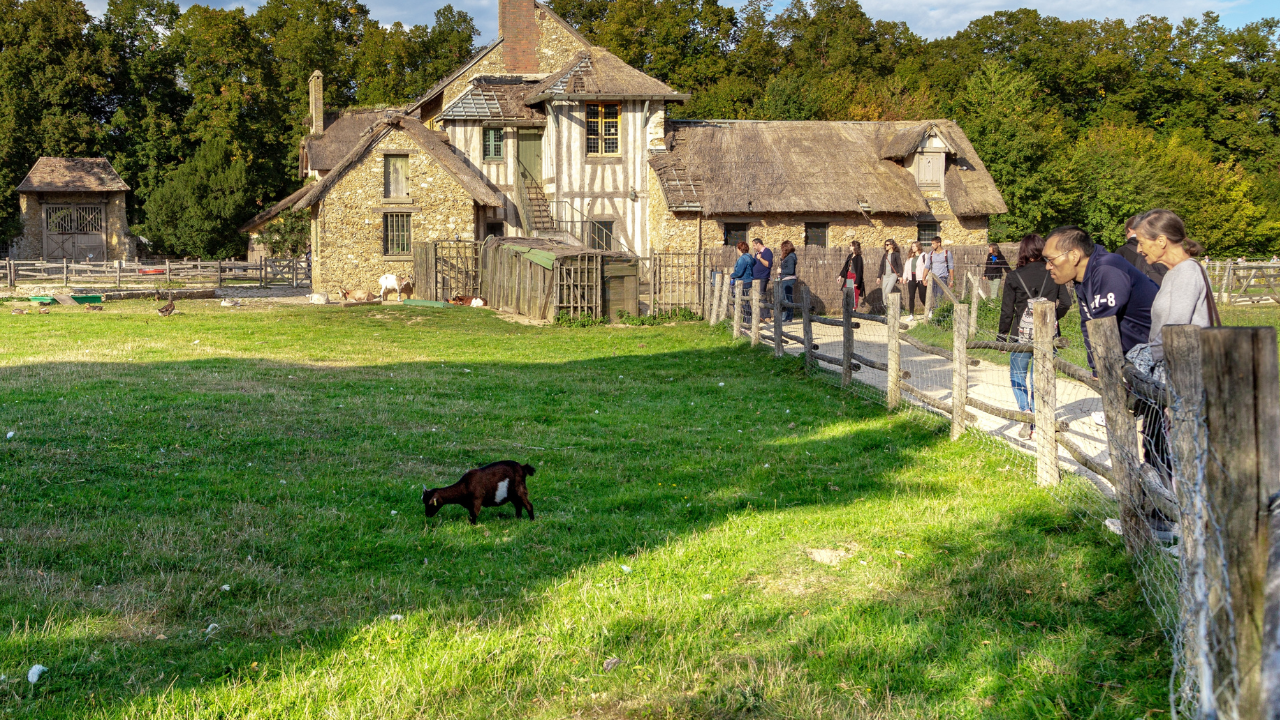
One of the biggest reasons farm stays are becoming more popular is that travelers are tired of trips that feel too polished or predictable. Many hotels, especially chain hotels, are designed for consistency. That can be useful, but it can also make one destination feel similar to another. Farm stays offer the opposite. They are usually shaped by the land, the family or hosts who run them, the local food, the weather, the animals, and the surrounding village or countryside.

For many guests, this makes the stay feel more real. They may wake up to the sound of birds instead of traffic, eat produce grown nearby, or speak with hosts who can explain how the farm works. This kind of travel feels less like checking into a room and more like entering a living environment. It gives travelers stories to remember, not just amenities to use.

Authenticity has become especially important because modern travelers often want more than sightseeing. They want to understand how people live, what they grow, what they eat, and how local traditions continue outside major cities. Farm stays answer that need by putting visitors close to everyday rural life in a way that traditional hotels rarely can.

2. Farm Stays Offer a Break From Crowded Cities
© Unsplash / Jessica Rockowitz

2. Farm Stays Offer a Break From Crowded Cities

Many people travel to escape pressure, but city hotels can sometimes feel just as busy as daily life. Crowded lobbies, packed elevators, traffic noise, and tourist-heavy neighborhoods can make a vacation feel less restful. Farm stays offer a slower setting where space is part of the appeal. Guests can walk through fields, sit outdoors, watch sunsets, or spend time in quiet surroundings without constantly being surrounded by crowds.

This matters more now because many popular tourist cities have become expensive and congested. Travelers who once planned trips around famous urban attractions are increasingly looking for alternatives where they can breathe, rest, and avoid long queues. A farm stay may not offer the same convenience as a hotel in the city center, but it gives something many travelers now value more: room to slow down.

The countryside also gives travelers a different sense of time. Instead of rushing from one landmark to another, guests can shape their day around breakfast, a walk, a farm activity, a nearby village, or simply doing very little. For people dealing with busy work schedules, digital fatigue, or city stress, that slower pace is becoming a major reason to choose farm stays over traditional hotels.

3. Nature Has Become a Bigger Part of Travel
© shutterstock / goga18128

3. Nature Has Become a Bigger Part of Travel

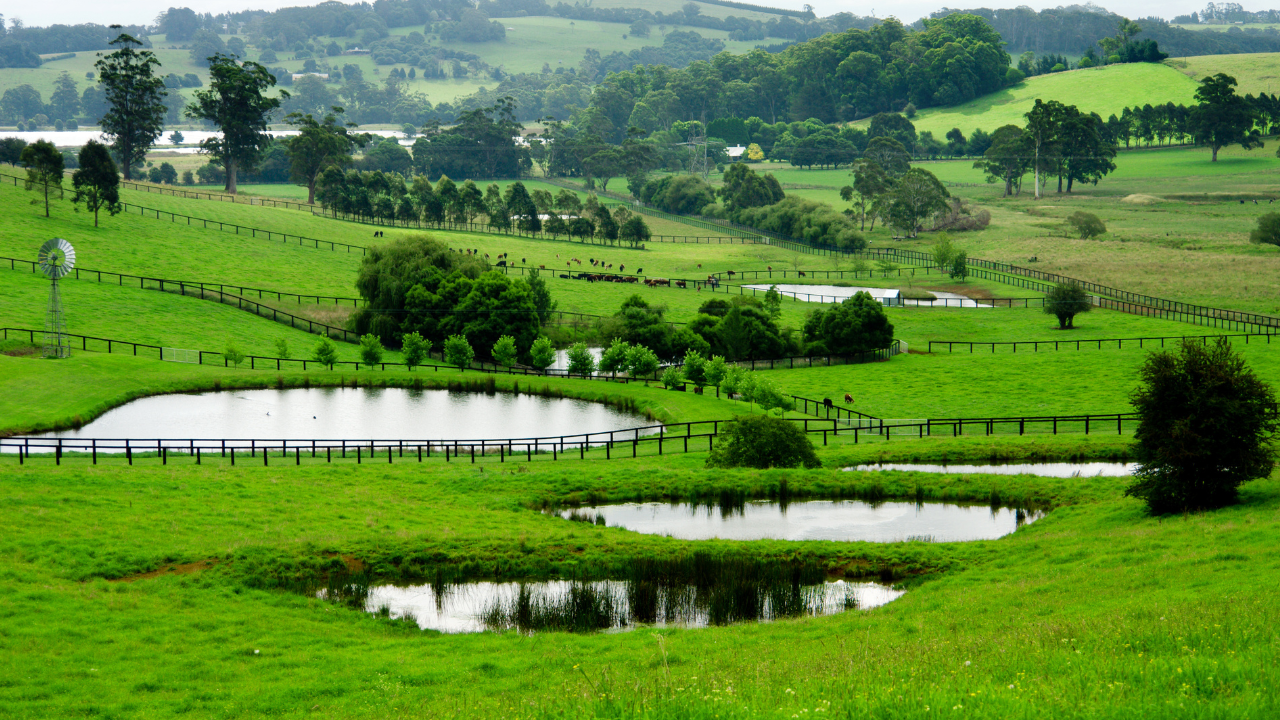
Travelers are increasingly choosing places where nature is not just a background feature but the main attraction. Farm stays fit this trend naturally. They place guests close to landscapes that change through the day and season, from morning mist and green fields to fruit orchards, vegetable gardens, vineyards, forests, hills, or open pastures.

Unlike hotels that may offer landscaped gardens or a scenic view, farm stays often let guests experience nature directly. They can walk outside without planning a full excursion, watch animals being fed, see crops growing, or enjoy meals outdoors. This simple access to nature can make the stay feel more calming and grounded.

For families, nature-based stays are also useful because children can explore in a more open environment. For couples, they offer privacy and a slower mood. For solo travelers, they can provide peace without feeling isolated, especially when hosts are present. As interest in outdoor travel, wellness, and rural escapes continues to grow, farm stays are becoming a practical choice for people who want nature built into the trip rather than added as a side activity.

4. Farm-to-Table Food Feels More Meaningful
© shutterstock / Foxxy63

4. Farm-to-Table Food Feels More Meaningful

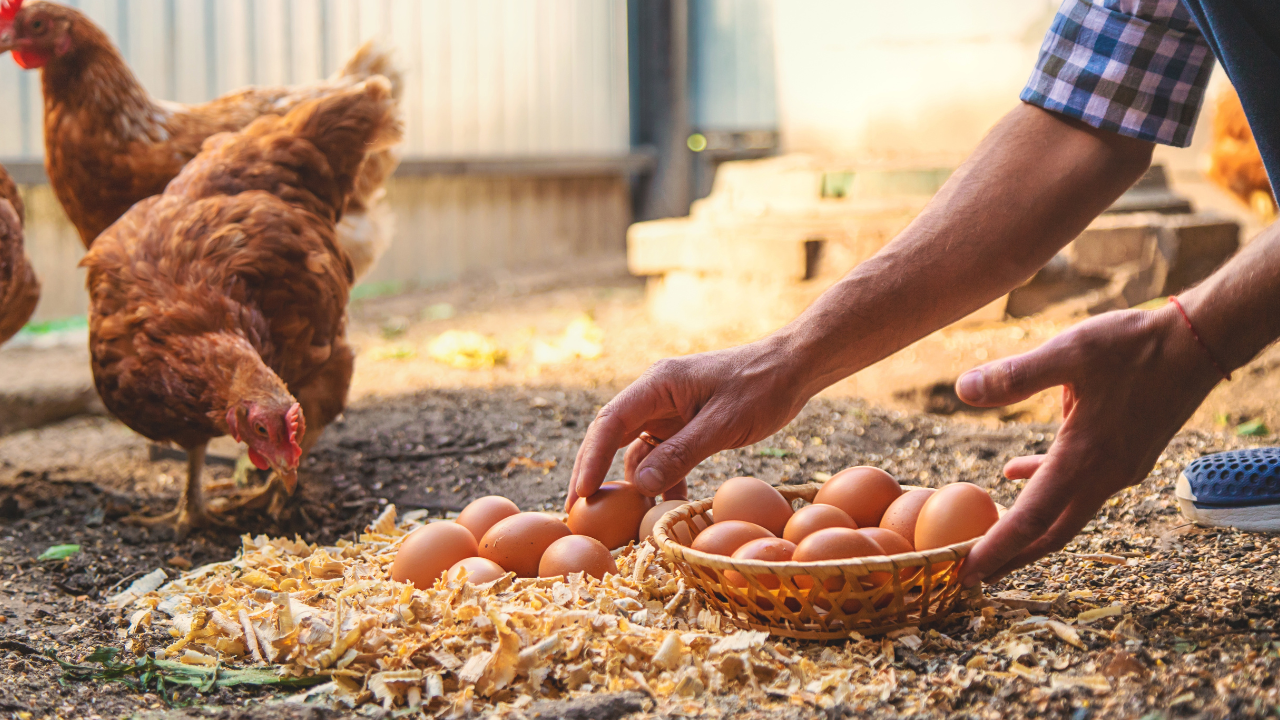
Food is one of the strongest reasons travelers are choosing farm stays. Traditional hotels may offer good restaurants, but farm stays often offer a closer connection between the meal and the land. Guests may eat eggs from the farm, vegetables from the garden, fruit from nearby orchards, honey from local hives, dairy from regional producers, or meals prepared with seasonal ingredients.

This makes dining feel more personal and memorable. Travelers are not just eating breakfast, they are tasting the place they are staying in. A simple meal can feel special when guests understand where the ingredients came from. In some farm stays, visitors may even join cooking sessions, harvest produce, learn about local recipes, or sit down to shared meals with hosts and other guests.

This matters because many travelers now see food as a major part of the journey. They want regional flavors, local ingredients, and meals that do not feel mass-produced. Farm stays often deliver this naturally because food is tied to the setting. The experience can feel healthier, fresher, and more connected than standard hotel dining.

5. Guests Like Learning Something During Their Stay
© shutterstock / Tatevosian Yana

5. Guests Like Learning Something During Their Stay

Another reason farm stays are becoming more popular is that they can be educational without feeling formal. Guests may learn how vegetables are grown, how cheese is made, how animals are cared for, how composting works, or how seasonal farming affects daily life. These lessons are usually simple and practical, but they add depth to the trip.

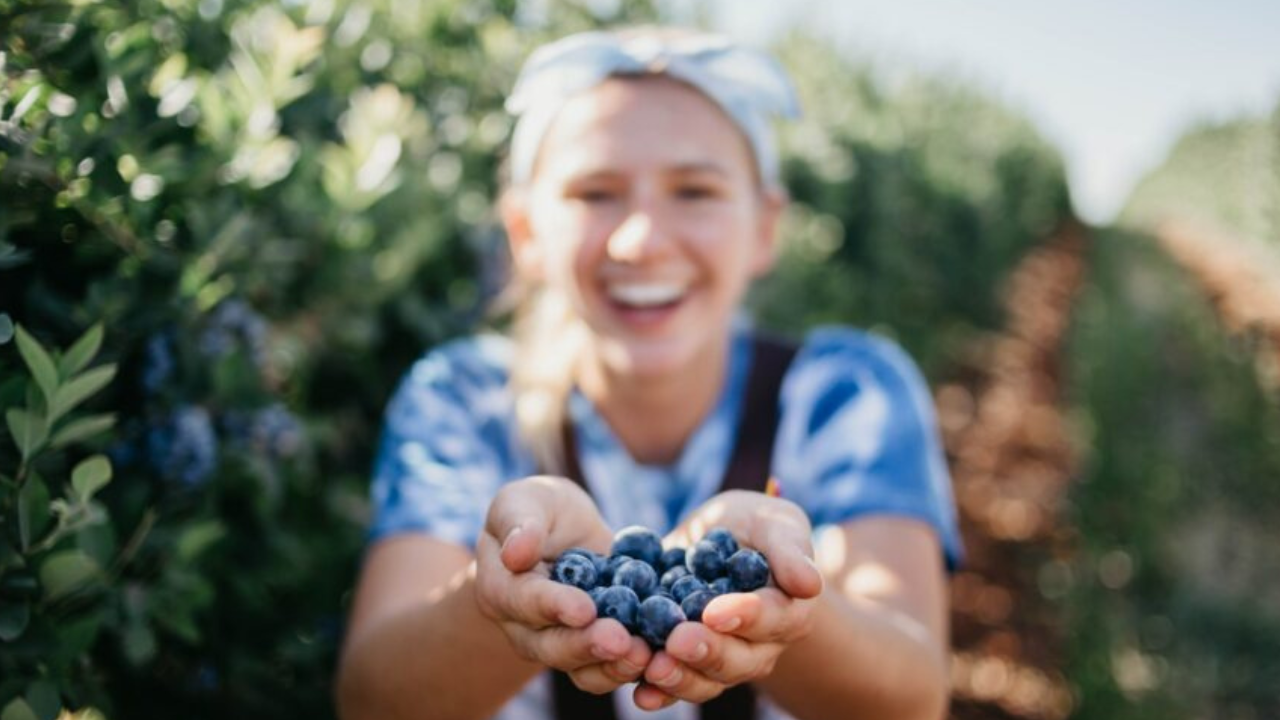
This is especially appealing for families. Children who are used to screens, classrooms, and city routines can see where food comes from and how farms operate. They may collect eggs, feed animals, pick fruit, or watch farm equipment in use. These experiences can be fun, but they also build awareness about food, nature, and responsibility.

Adults also enjoy this learning aspect. Many people are curious about sustainable living, gardening, organic farming, beekeeping, wine production, herbal gardens, or rural crafts. A farm stay gives them a chance to observe or participate in these activities in a relaxed setting. Compared with a hotel, where the experience is often passive, farm stays invite travelers to engage with their surroundings.

6. Farm Stays Feel Better for Slow Travel
© shutterstock / kwest

6. Farm Stays Feel Better for Slow Travel

Slow travel is becoming more popular because many travelers no longer want trips that feel rushed. Instead of visiting many places in a short time, they want to stay longer, move less, and experience a destination more deeply. Farm stays fit this style of travel very well because they encourage guests to settle into one place.

A farm stay does not always need a packed itinerary. The setting itself provides enough interest through walks, meals, views, animals, gardens, and local routines. Guests can spend a morning reading outside, visit a nearby market in the afternoon, and return for a quiet evening. This kind of rhythm helps travelers feel rested rather than exhausted.

Traditional hotels often support fast travel because they are built around convenience, central locations, and easy check-in and check-out. Farm stays work differently. They reward travelers who give themselves time. A longer stay allows guests to notice small details, talk with hosts, understand the area, and enjoy the natural pace of rural life. For travelers who want less rushing and more presence, farm stays are becoming an ideal option.

7. Wellness Travel Is Moving Beyond Spas
© Unsplash / Vince Fleming

7. Wellness Travel Is Moving Beyond Spas

Wellness travel used to be strongly connected with spa resorts, luxury retreats, and fitness-focused hotels. Now, many travelers define wellness more broadly. For them, wellness means sleeping better, breathing cleaner air, spending time outdoors, eating fresh food, reducing screen time, and feeling mentally calm. Farm stays offer many of these benefits in a natural way.

A farm stay may not always have a formal spa or wellness menu, but it can still feel restorative. The quiet environment, open views, slower schedule, and connection with nature can help guests unwind. Some farm stays now add yoga, meditation, nature walks, herbal teas, outdoor baths, or wellness workshops, but even without these extras, the setting itself can support rest.

This is one reason farm stays are attracting people who feel tired of overstimulating vacations. Instead of returning home needing another break, guests may leave feeling more balanced. Hotels can offer comfort, but farm stays often offer emotional reset. That sense of restoration is a major reason they are becoming more popular.

8. Farm Stays Support Local Communities More Directly
© shutterstock / BearFotos

8. Farm Stays Support Local Communities More Directly

Many travelers are becoming more thoughtful about where their money goes. When they stay in a large hotel, the spending may not always remain in the local community. Farm stays often feel different because they are usually run by families, small businesses, farmers, or rural hosts. Booking a stay can directly support local livelihoods.

This support often extends beyond the farm. Guests may buy produce, visit nearby cafés, hire local guides, shop at village markets, or take part in rural activities. Their spending can help small communities benefit from tourism without depending only on large resorts or crowded attractions.

This makes farm stays appealing to travelers who want their trips to feel more responsible. They can enjoy a beautiful setting while knowing their visit may help preserve farms, support rural employment, and keep local traditions active. As community-based travel becomes more important, farm stays are gaining attention as a more grounded alternative to conventional hospitality.

9. They Offer More Space and Privacy
© Unsplash / Nathan Anderson

9. They Offer More Space and Privacy

Space has become a major travel priority. Many guests now prefer accommodations where they can avoid crowded public areas and enjoy more privacy. Farm stays often provide cottages, cabins, barns, homestays, tents, or converted rural buildings with more breathing room than standard hotel rooms. Even when the accommodation is simple, the surrounding land can make it feel spacious.

This is especially valuable for families and groups. Instead of booking multiple hotel rooms, travelers may find a farmhouse or rural cottage where everyone can stay together. Couples may prefer a quiet cabin with views. Remote workers may choose a farm stay where they can work during the day and relax outdoors afterward.

Traditional hotels can feel efficient but confined. Farm stays often offer a more flexible sense of living. Guests may have outdoor seating, kitchen access, walking paths, gardens, or private patios. This extra space changes the mood of a trip, making it feel less like a short stay and more like a temporary home.

10. Social Media Has Made Rural Stays More Aspirational
© Dave Mani

10. Social Media Has Made Rural Stays More Aspirational

Farm stays have also become more popular because rural life looks appealing online. Images of cozy cottages, fresh breakfasts, flower fields, animals, orchards, wooden interiors, misty mornings, and candlelit dinners fit the visual style many travelers now associate with peaceful escapes. Trends linked to cottagecore, slow living, homesteading, and nature retreats have made farm stays feel stylish rather than old-fashioned.

This does not mean the appeal is only visual. Social media has simply helped more people discover the charm of rural stays. Travelers who may never have considered a farm holiday can now see how comfortable, beautiful, and well-designed many farm accommodations have become. Some farm stays offer rustic simplicity, while others provide boutique-level design, private pools, modern bathrooms, curated meals, and scenic outdoor spaces.

The result is that farm stays now appeal to a wider audience. They are not just for budget travelers or people with farming interests. They attract couples, families, creatives, wellness travelers, food lovers, and people who want a beautiful place to disconnect. Social media has helped turn the countryside into a desirable travel aesthetic.

11. Farm Stays Are Becoming More Comfortable and Stylish
© shutterstock / Konmac

11. Farm Stays Are Becoming More Comfortable and Stylish

In the past, some travelers avoided farm stays because they assumed they would be too basic. That perception is changing quickly. Many modern farm stays now combine rural charm with comfortable design. Guests can find renovated barns, eco-lodges, vineyard cottages, luxury tents, stylish cabins, heritage farmhouses, and boutique-style rooms with high-quality bedding and thoughtful interiors.

This shift has made farm stays more competitive with traditional hotels. Travelers no longer have to choose between comfort and countryside atmosphere. Many farm stays now provide private bathrooms, heating, air conditioning, Wi-Fi, curated meals, guided activities, and well-designed spaces while still keeping the character of rural life.

This balance is important. Guests want authenticity, but they also want comfort. A farm stay that offers both can feel more memorable than a hotel because it gives travelers the best of two worlds. They get the calm, beauty, and personality of the countryside without giving up the practical comforts they expect from modern accommodation.

12. Families Find Farm Stays More Engaging Than Hotels
© shutterstock / PeopleImages

12. Families Find Farm Stays More Engaging Than Hotels

Farm stays are especially attractive for family travel because they give children something to do beyond hotel pools, screens, and restaurant meals. A farm setting naturally creates curiosity. Children can see animals, walk outside, learn about plants, collect eggs, explore safe open areas, or join simple farm activities. These experiences can make a trip feel more active and memorable.

Parents also appreciate that farm stays often provide a calmer environment. Instead of managing children in crowded hotel corridors or busy city streets, families may have more space and a slower schedule. Meals can feel easier, mornings can be less rushed, and days can be built around simple activities rather than expensive attractions.

For multigenerational travel, farm stays can also work well. Grandparents, parents, and children can share a larger property, cook together, sit outdoors, and enjoy activities at different speeds. This makes farm stays feel more personal than hotels, where family members may be split across rooms and schedules. The shared environment helps create stronger memories.

13. Travelers Want Trips That Feel Personal, Not Standardized
© shutterstock / anek.soowannaphoom

13. Travelers Want Trips That Feel Personal, Not Standardized

The growing popularity of farm stays shows that many travelers are moving away from one-size-fits-all hospitality. Hotels are useful because they are predictable, but that same predictability can make them feel less memorable. Farm stays are often more personal because each property has its own story, setting, hosts, animals, crops, food, and local connections.

This personal quality changes the entire travel experience. Guests may remember the host who shared a local recipe, the dog that followed them on a morning walk, the orchard outside their window, the fresh bread at breakfast, or the quiet view at sunset. These details are difficult to reproduce in a traditional hotel environment.

Farm stays also make travel feel more human. The guest is not only a room number or booking reference. They are part of a place for a short time. That sense of connection is becoming increasingly valuable in a travel world where many experiences can feel crowded, commercial, or rushed. For travelers seeking comfort, meaning, nature, and a slower pace, farm stays offer a strong alternative to traditional hotels.


Comments (0)

Leave a Reply

No comments yet. Be the first to share your thoughts!