Travel Europe

Estonia's quieter side: 7 lesser-known places to explore beyond Tallinn

Leo Harper
4.2
May 08, 2026

Estonia is often associated with Tallinn’s medieval Old Town, digital culture, and compact Baltic charm, but much of the country’s quietest beauty lies beyond the usual city-break route. Forests, bog trails, islands, manor parks, wooden villages, and small lakeside towns give Estonia a slower rhythm than many busier European destinations. For travelers looking for a peaceful escape, the country offers the kind of space that can be harder to find in more crowded parts of Europe.

These lesser-known places in Estonia are ideal for travelers who want calm landscapes, local culture, and simple outdoor experiences without a packed itinerary. Remote islands such as Ruhnu and Hiiumaa are increasingly noticed for their solitude, wildlife, and empty beaches, while inland places like Viljandi and Soomaa offer history and nature without heavy crowds. Estonia’s official tourism guidance also highlights national parks, islands, and regional routes as key ways to experience the country beyond Tallinn.
1. Hiiumaa Island
© shutterstock / photovideoworld

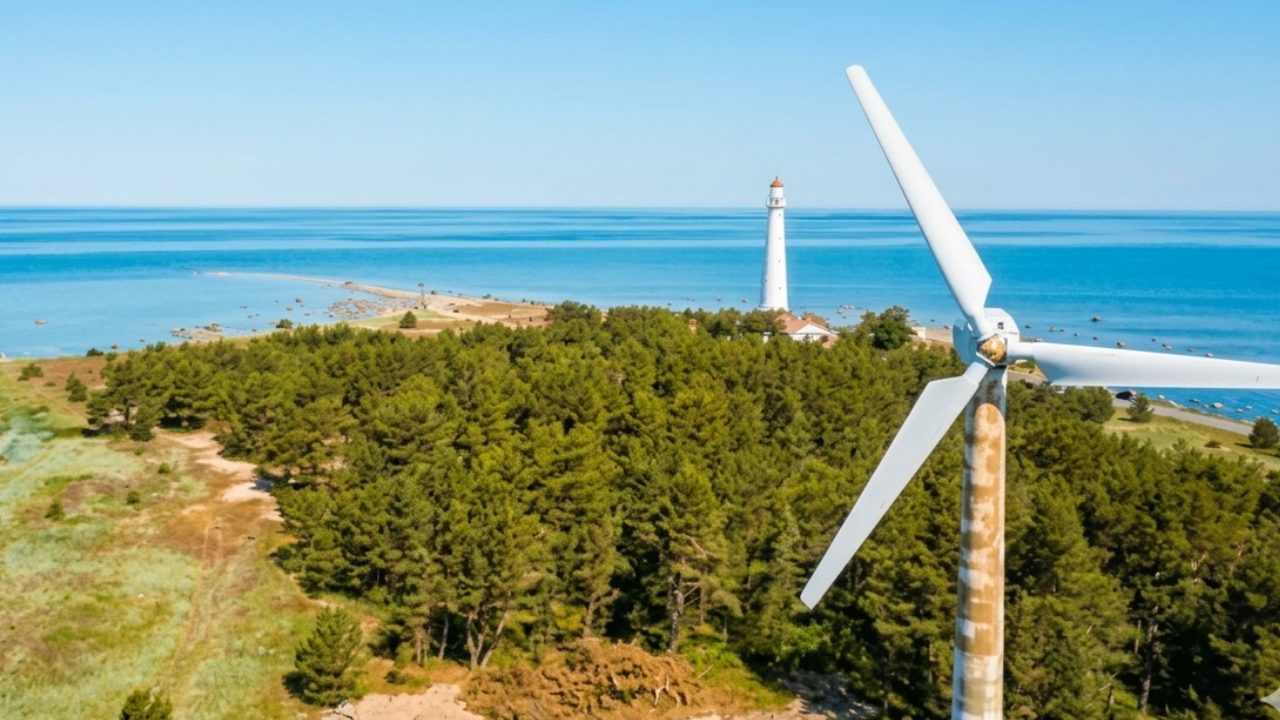
1. Hiiumaa Island

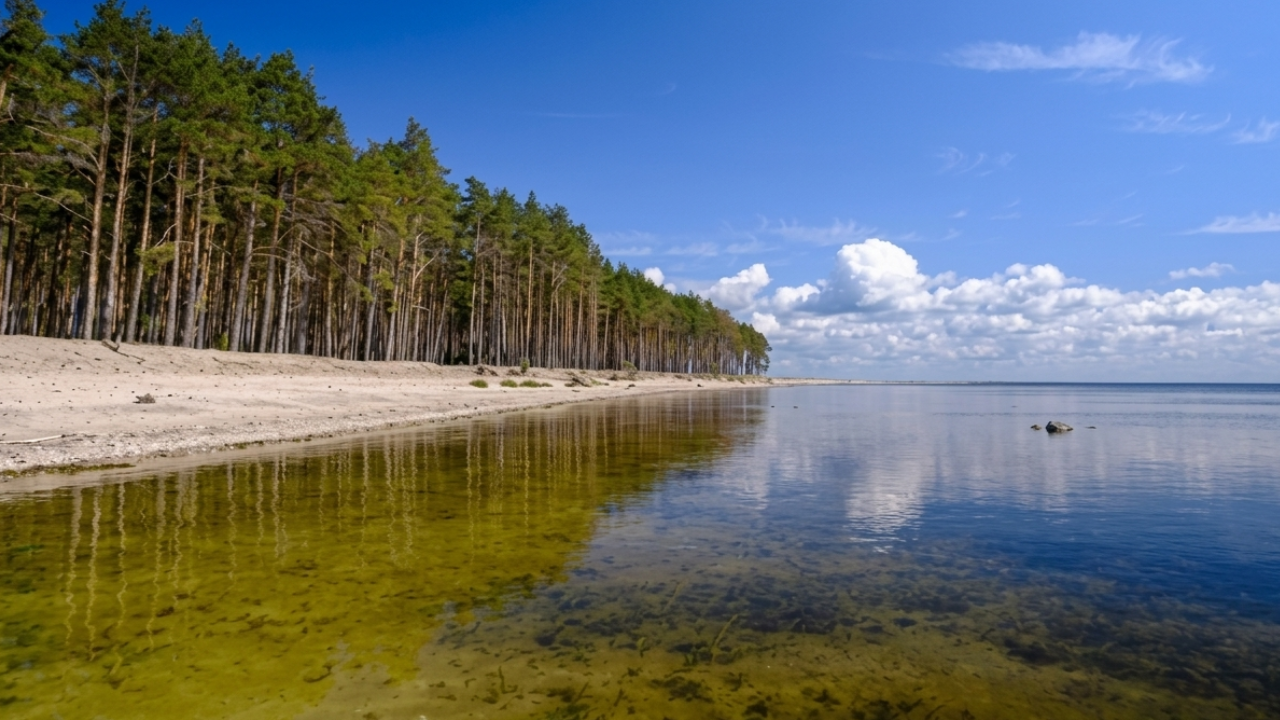
Hiiumaa is Estonia’s second-largest island, but it feels far removed from busy European coastal destinations. The island is known for pine forests, quiet beaches, lighthouses, small villages, and a peaceful pace that suits slow travelers. Kõpu Lighthouse is one of its best-known landmarks, while beaches such as Luidja, Ristna, and Tõrvanina are good for long walks, sunsets, and sea air. Hiiumaa also has dark skies, low noise levels, and a strong connection to nature, making it a good choice for travelers who want rest rather than sightseeing pressure. Its ferry access from the mainland keeps it reachable but still calm.

Best Time to Visit: June to September for warmer weather and ferry-friendly travel.

Quiet Highlight: Walk near Kõpu Lighthouse and continue toward the forest trails.

Traveler Tip: Bring a car or rent one locally, since public transport is limited.

Must-Know: Summer is livelier, but the island still feels quieter than major beach destinations.

2. Ruhnu Island
© shutterstock / ako photography

2. Ruhnu Island

Ruhnu is one of Estonia’s most remote islands and a strong choice for travelers who want a true off-grid feeling. Located in the Gulf of Riga, it is small, quiet, and known for untouched beaches, forests, wooden architecture, and a strong island identity. Visitors often come for cycling, birdwatching, simple seaside walks, and the feeling of being somewhere far from the usual European travel circuit. The island’s old wooden church is especially notable, and the beaches can feel almost empty even in summer. It is not a place for nightlife or packed sightseeing, but that is exactly why it appeals to quiet travelers.

Best Time to Visit: Late June to August for the easiest access and beach weather.

Quiet Highlight: Cycle from the village toward the beach and forest paths.

Traveler Tip: Check ferry or flight schedules early, as connections can be limited.

Must-Know: Accommodation is limited, so book ahead in peak summer.

3. Viljandi
© shutterstock / Alexandre.ROSA

3. Viljandi

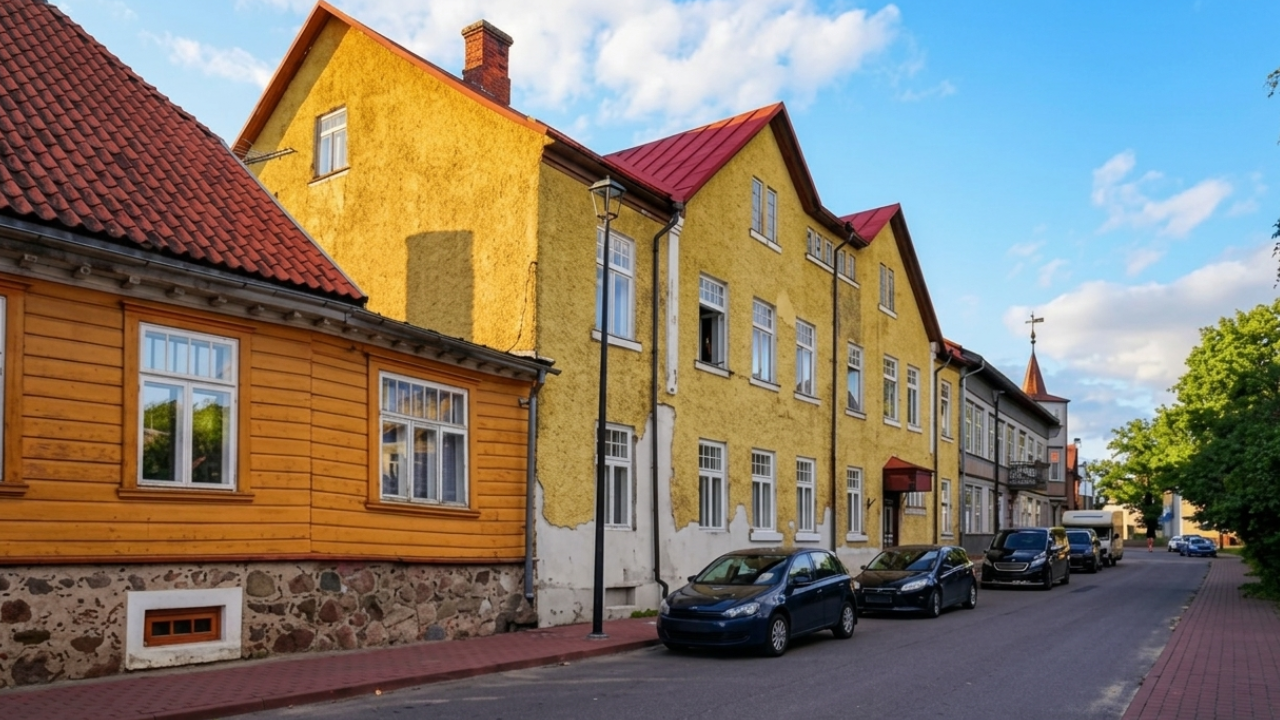
Viljandi is a small inland town that offers a calm alternative to Estonia’s better-known city stops. It sits beside Lake Viljandi and is known for castle ruins, green parks, wooden houses, local cafés, and a creative cultural scene. The town feels relaxed but not empty, with enough to do for a slow weekend. Travelers can walk across the suspension bridge, visit the castle hill, explore the old streets, or follow paths down toward the lake. Viljandi is also linked with folk music and local festivals, but outside event periods it remains peaceful and easy to enjoy at a gentle pace.

Best Time to Visit: May to September for lake walks and outdoor cafés.

Quiet Highlight: Sunset from the castle ruins overlooking Lake Viljandi.

Traveler Tip: Visit outside festival dates if you want the quietest version of town.

Must-Know: It works well as a short stop between Tallinn, Tartu, and southern Estonia.

4. Soomaa National Park
© shutterstock / Tomasz Wozniak

4. Soomaa National Park

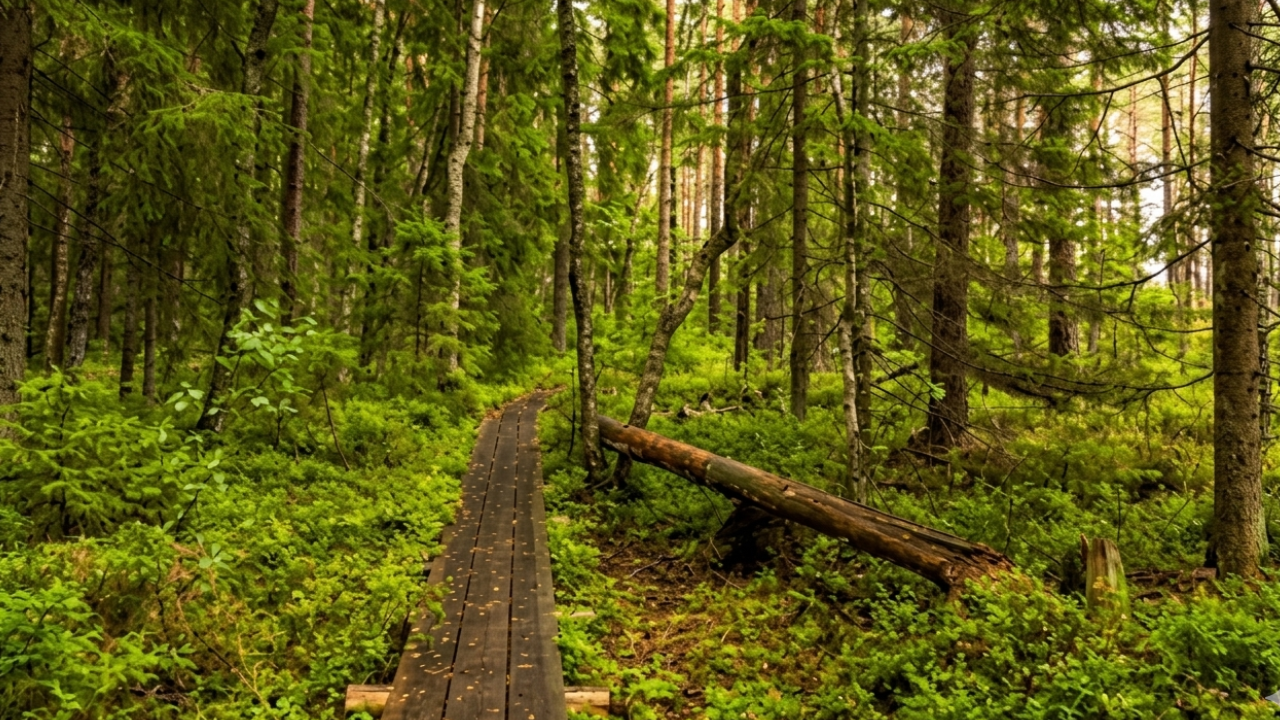
Soomaa National Park is one of Estonia’s best places for a quiet nature escape. The park is famous for bog landscapes, boardwalks, rivers, wetlands, and seasonal flooding often called the “fifth season.” Unlike mountain-heavy national parks elsewhere in Europe, Soomaa’s beauty is flat, open, and atmospheric. Wooden boardwalks lead across mossy bogs and dark pools, while canoe trips give visitors a slower way to explore the rivers. It is especially good for travelers interested in birdlife, silence, photography, and low-impact outdoor activities. Estonia’s national park routes include Soomaa among the country’s major nature destinations.

Best Time to Visit: April to October, or spring for flood-season canoeing.

Quiet Highlight: Walk the Riisa or Ingatsi bog trail early in the morning.

Traveler Tip: Wear waterproof shoes and stay on marked boardwalks.

Must-Know: Mosquitoes can be active in summer, especially near wetlands.

5. Haapsalu
© shutterstock / Alexandre.ROSA

5. Haapsalu

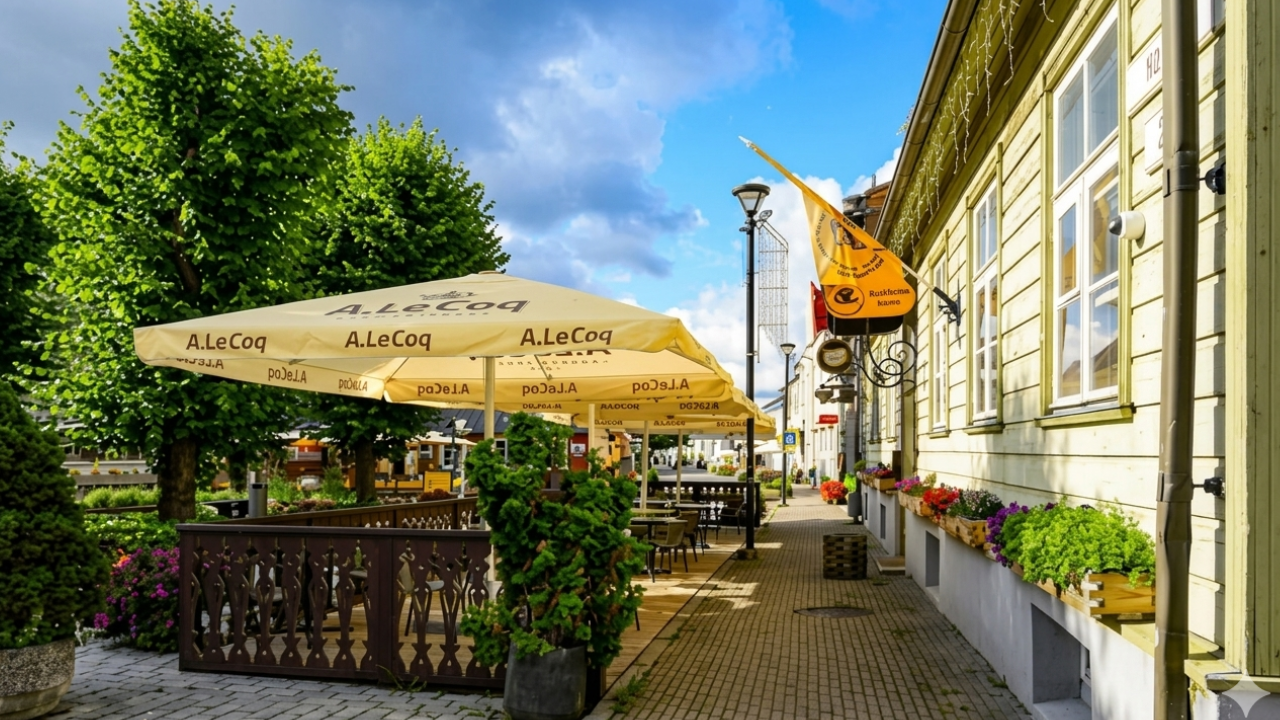
Haapsalu is a peaceful seaside town on Estonia’s west coast, often described as a gentle alternative to busier beach towns. It has wooden villas, a historic railway station, a castle, seaside promenades, cafés, and calm bay views. The town has long been associated with spa culture, making it a natural place for travelers who want a restful coastal break. Haapsalu is also a practical base for exploring nearby nature areas and island ferry routes. Recent travel coverage has pointed to Haapsalu as a quieter European seaside option for travelers avoiding overtourism.

Best Time to Visit: June to September for seaside walks and outdoor dining.

Quiet Highlight: Stroll the promenade in the evening after day visitors leave.

Traveler Tip: Stay overnight to enjoy the town’s calmest hours.

Must-Know: It is small, so one or two relaxed days are usually enough.

6. Kihnu Island
© shutterstock / Alexandre.ROSA

6. Kihnu Island

Kihnu Island offers a quiet cultural escape rather than a typical beach holiday. The island is known for strong traditions, colorful folk dress, music, handicrafts, and a distinctive local way of life. It is small enough to explore by bicycle, with coastal roads, village views, a lighthouse, and quiet places to stop along the shore. Kihnu feels especially rewarding for travelers interested in living culture, not just scenery. While it receives visitors in summer, it still feels personal and low-key compared with Europe’s famous islands. Travelers should come with respect for local customs and a slower island rhythm.

Best Time to Visit: June to August for easier ferry access and local events.

Quiet Highlight: Cycle between villages and stop near the lighthouse.

Traveler Tip: Rent a bike instead of trying to rush around by car.

Must-Know: Check ferry times carefully, especially outside peak season.

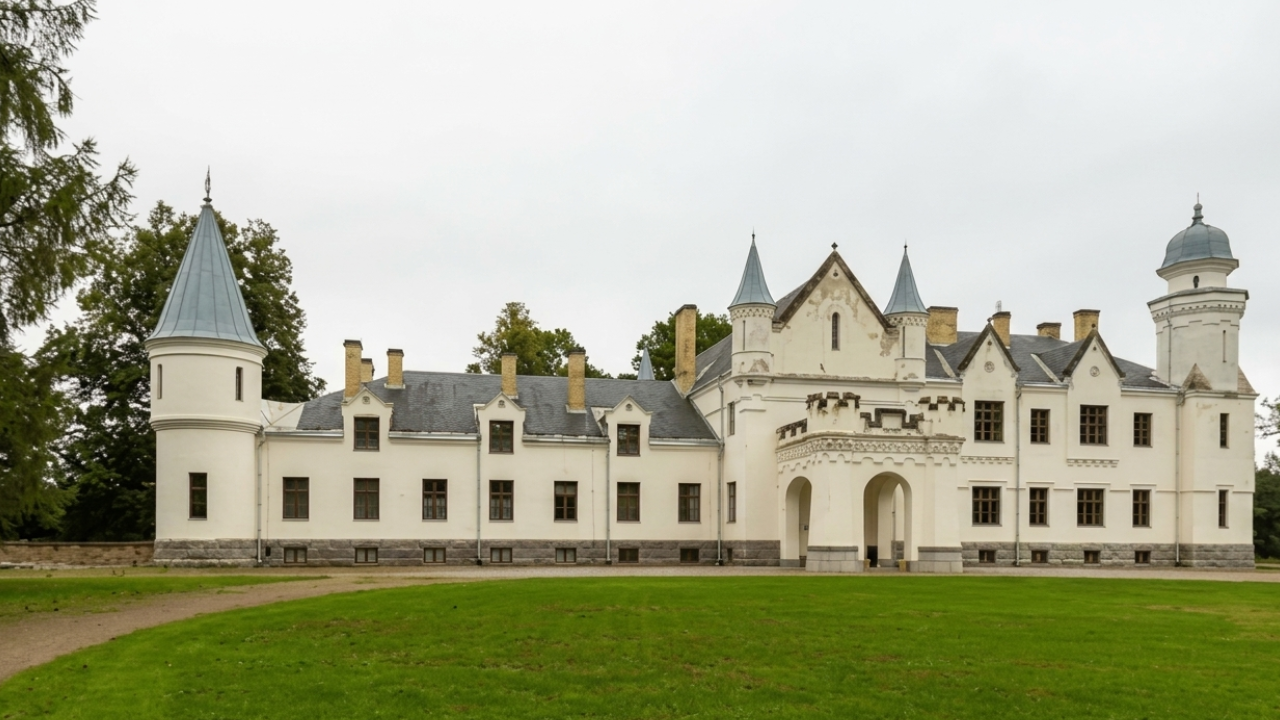
7. Alatskivi
© shutterstock / Tomasz Wozniak

7. Alatskivi

Alatskivi is a small eastern Estonian village best known for Alatskivi Castle, a romantic 19th-century manor-style castle surrounded by parkland. It feels like a quiet countryside stop rather than a major attraction, which makes it appealing for travelers who enjoy architecture, gardens, and local history without crowds. The castle’s design is often compared with Scottish baronial style, and the surrounding area near Lake Peipus adds another layer of interest. Nearby villages along the Onion Route are known for old-believer culture, smoked fish, onion farming, and lakeside traditions. This area gives travelers a slower, more local view of Estonia.

Best Time to Visit: May to September for gardens, lake routes, and village stops.

Quiet Highlight: Walk the castle park before continuing toward Lake Peipus.

Traveler Tip: Combine Alatskivi with the Onion Route for a fuller day trip.

Must-Know: Public transport can be limited, so driving is the easiest option.


Comments (0)

Leave a Reply

No comments yet. Be the first to share your thoughts!