Travel Destination

Deeper travel explained: How slowing down can lead to a more rewarding experience

James Porter
3.6
April 28, 2026

Most travelers have searched for “top things to do” before visiting a new place. There is nothing wrong with wanting to see famous landmarks, historic monuments, scenic viewpoints, or the places that made a destination popular in the first place. The problem begins when the whole trip becomes a race from one attraction to another, with little time left to understand the place beyond its most photographed corners.

Deeper travel is about balance. It does not mean skipping the Eiffel Tower, the Taj Mahal, Machu Picchu, Santorini sunsets, or famous temples. It means leaving enough space around those highlights for slower meals, local conversations, neighborhood walks, family-run businesses, cultural context, and unplanned moments. The reference article makes this point clearly: iconic places are worth seeing, but when travelers only chase highlights, they can miss the real heart of a place.

This style of travel also fits with broader travel trends. Many travelers are now looking for authentic, off-the-beaten-path experiences, more sustainable choices, and trips that feel personal rather than repetitive. Booking.com’s 2025 travel predictions also point to rising interest in less crowded destinations, meaningful experiences, and more intentional ways of traveling.
1. Travel Feels More Personal When You Go Beyond the Checklist
© shutterstock / Kite_rin

1. Travel Feels More Personal When You Go Beyond the Checklist

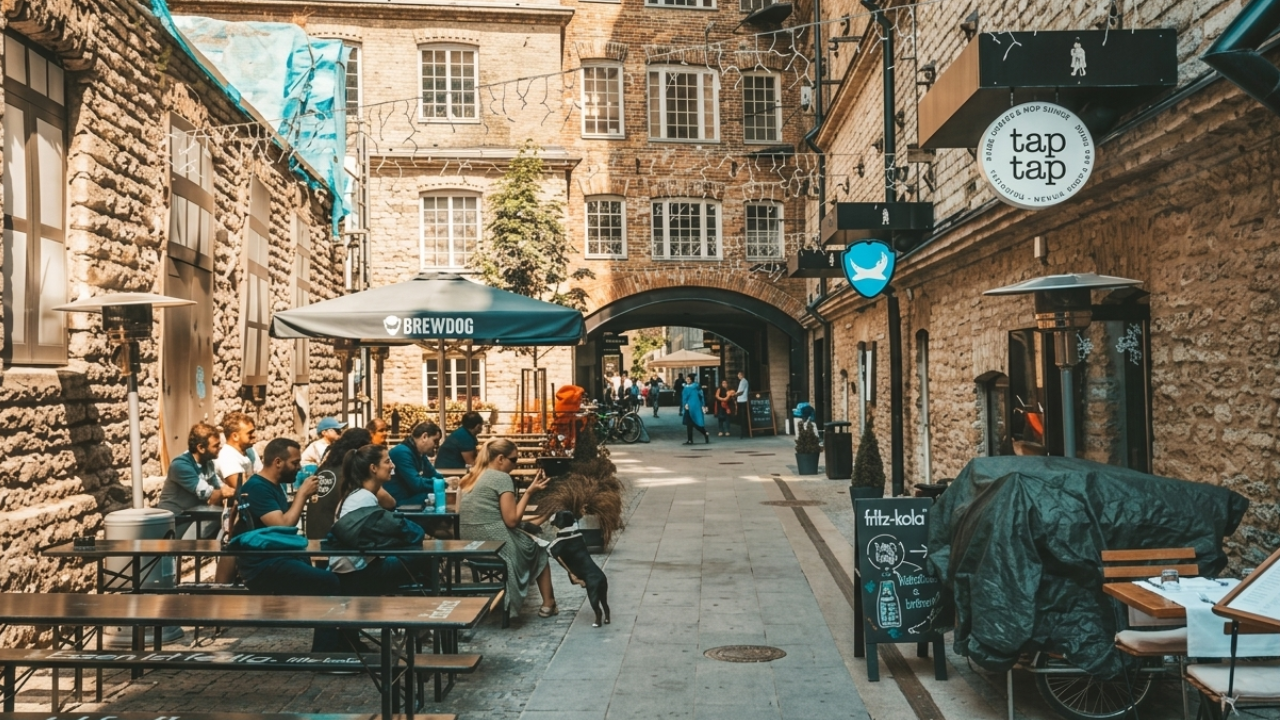
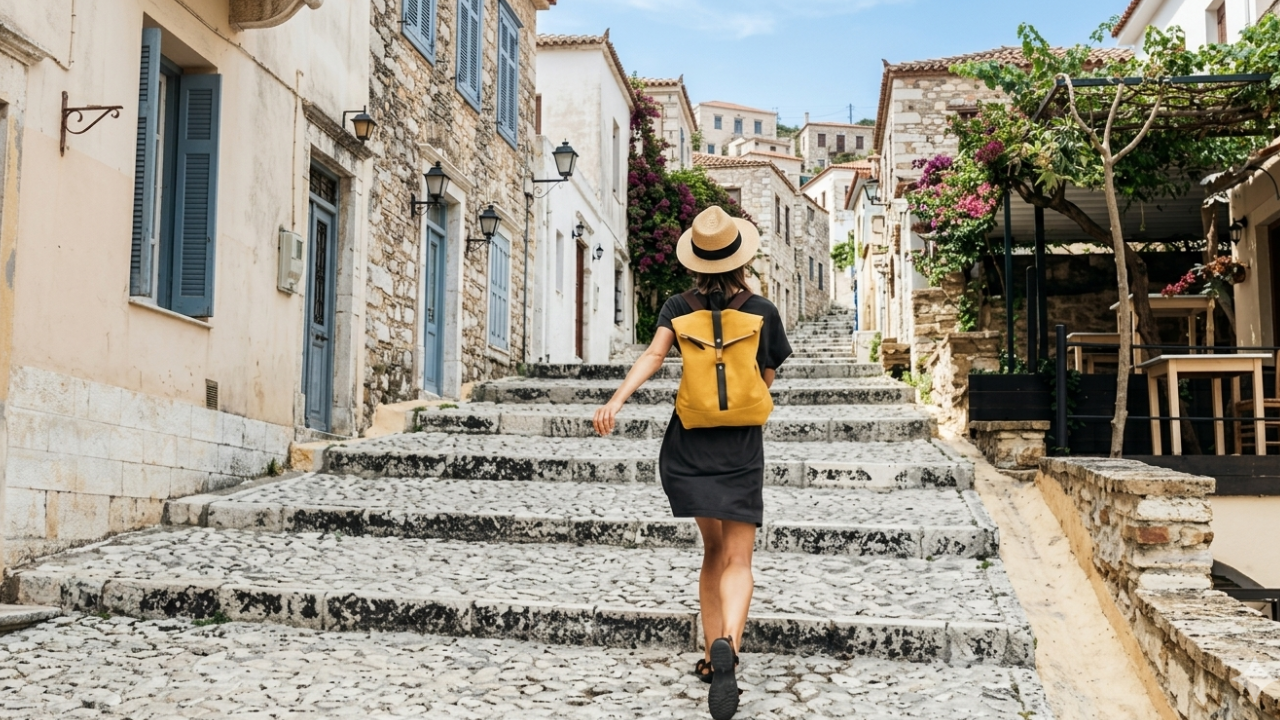
A checklist-style trip can be useful, especially when time is short. It helps travelers organize famous sites, museums, viewpoints, and restaurants. But if every hour is planned around another landmark, the destination can start to feel like a collection of stops rather than a real place. Deeper travel gives the experience more texture. It allows you to notice how people start their mornings, what neighborhoods feel like after sunset, where locals eat lunch, and how daily life moves around the famous attractions.

This matters because many of the strongest travel memories come from ordinary moments. A quiet café, a conversation with a shopkeeper, a wrong turn into a small street, or a meal in a family-run restaurant can stay with you longer than a crowded viewpoint. The reference article describes these smaller experiences as the moments that often become more meaningful than the famous sites themselves.

Why It Matters: It turns a trip from a photo route into a lived experience.

How to Do It: Leave open time between major attractions.

Traveler Tip: Plan one key sight per day, then build slower experiences around it.

Best For: City breaks, cultural trips, solo travel, and first-time visitors.

2. Local Conversations Add Meaning That Guidebooks Cannot Provide
© shutterstock / Igor Chus

2. Local Conversations Add Meaning That Guidebooks Cannot Provide

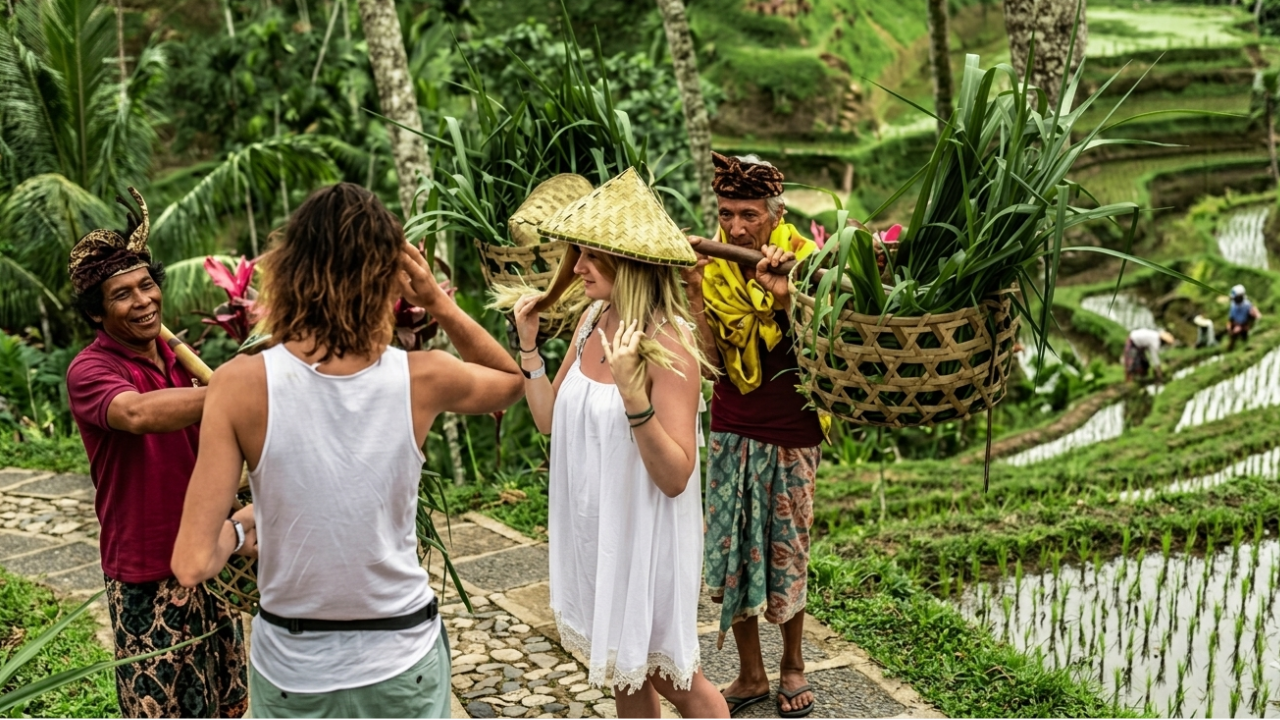
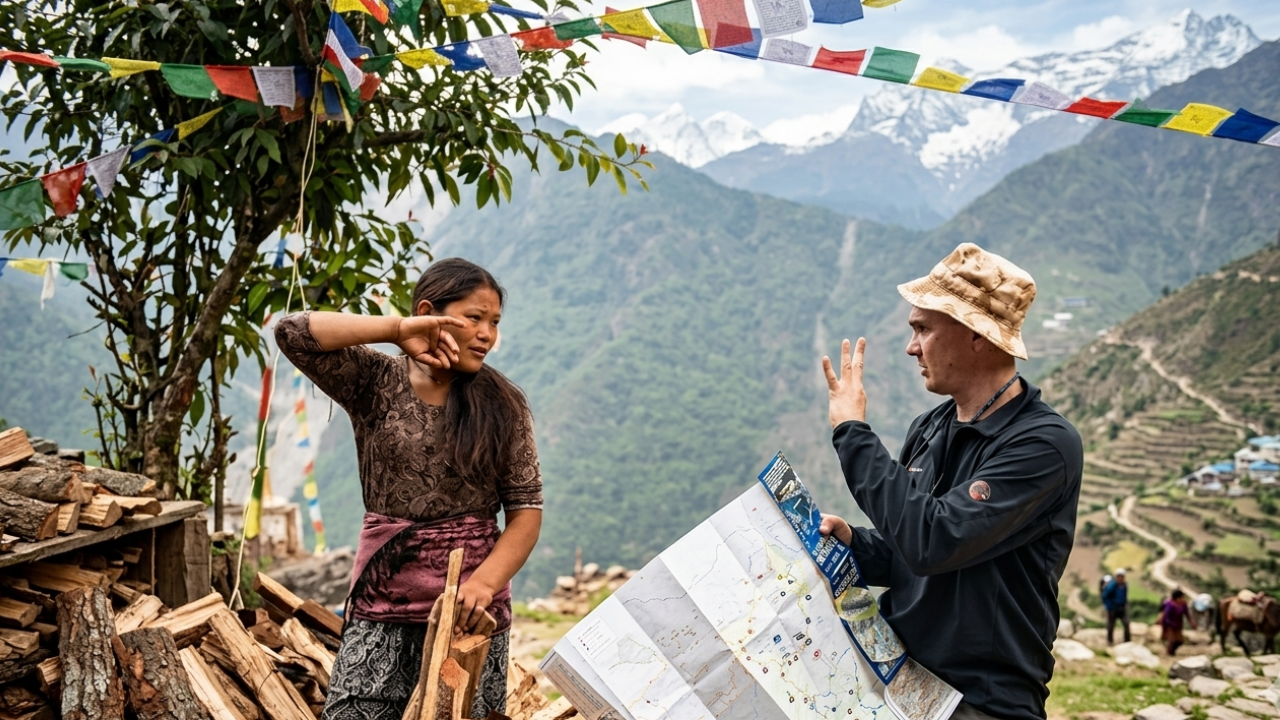
Guidebooks and travel blogs can explain history, opening hours, transport routes, and basic etiquette. They are useful, but they cannot fully replace local voices. A local guide, restaurant owner, driver, artisan, farmer, or host can explain how a place feels from the inside. They may share stories about neighborhood changes, family traditions, seasonal foods, local challenges, or customs that tourists often misunderstand.

These conversations help travelers move beyond surface-level sightseeing. For example, walking through a market with someone who shops there regularly is different from walking through alone. You learn which ingredients matter, how people bargain, what foods are eaten at home, and which stalls have been part of the community for years. The reference article highlights this idea through examples like walking through Moroccan souks with someone who lives there and can point out favorite sellers and personal stories.

Why It Matters: People often explain a place better than signs or brochures.

How to Do It: Book local guides, community walks, cooking classes, or small workshops.

Traveler Tip: Ask thoughtful questions, but avoid treating locals like attractions.

Best For: Markets, historic neighborhoods, rural areas, and food-focused trips.

3. Slower Travel Helps You Notice the Real Rhythm of a Place
© shutterstock / everst

3. Slower Travel Helps You Notice the Real Rhythm of a Place

Fast travel can be exciting, but it often leaves little room to absorb anything deeply. Moving through five cities in one week may look impressive on an itinerary, but it can also create exhaustion, repeated packing, rushed meals, and shallow memories. Slower travel gives a destination time to unfold. You may start recognizing the same bakery, learning the local bus route, understanding neighborhood routines, or finding a favorite evening walk.

This emphasizes that deeper travel often requires slowing down, staying longer in one place, taking the long route, and sitting in a café without a strict agenda. This does not mean every trip needs to be long or expensive. Even on a short trip, travelers can slow down by choosing fewer stops, avoiding overpacked day tours, and spending more time in one district instead of rushing across a city.

Why It Matters: Slower travel reduces stress and increases connection.

How to Do It: Stay longer in fewer places.

Traveler Tip: Avoid changing hotels too often if the trip is under two weeks.

Best For: Europe trips, island travel, train journeys, and cultural destinations.

4. Deeper Travel Supports Local Communities More Directly
© shutterstock / Artem Beliaikin

4. Deeper Travel Supports Local Communities More Directly

Tourism can bring income to communities, but not all tourism spending reaches local people equally. When travelers stay in locally owned guesthouses, eat at neighborhood restaurants, hire local guides, shop from actual makers, and visit community-run projects, more money stays close to the people who live in the destination. This is one of the strongest practical reasons for deeper travel matters.

This points out that eating at a corner restaurant or buying from the craftsman who made the goods helps support the communities travelers visit. This idea also connects with sustainable tourism principles. UN Tourism defines sustainable tourism as tourism that considers current and future economic, social, and environmental impacts while addressing the needs of visitors, the industry, the environment, and host communities.

Why It Matters: Your spending can benefit local people instead of only large operators.

How to Do It: Choose local businesses where possible.

Traveler Tip: Buy fewer souvenirs, but buy better ones from real makers.

Best For: Craft regions, food destinations, rural tourism, and cultural tours.

5. Famous Places Feel Better When They Have Context
© shutterstock / Juan Roballo

5. Famous Places Feel Better When They Have Context

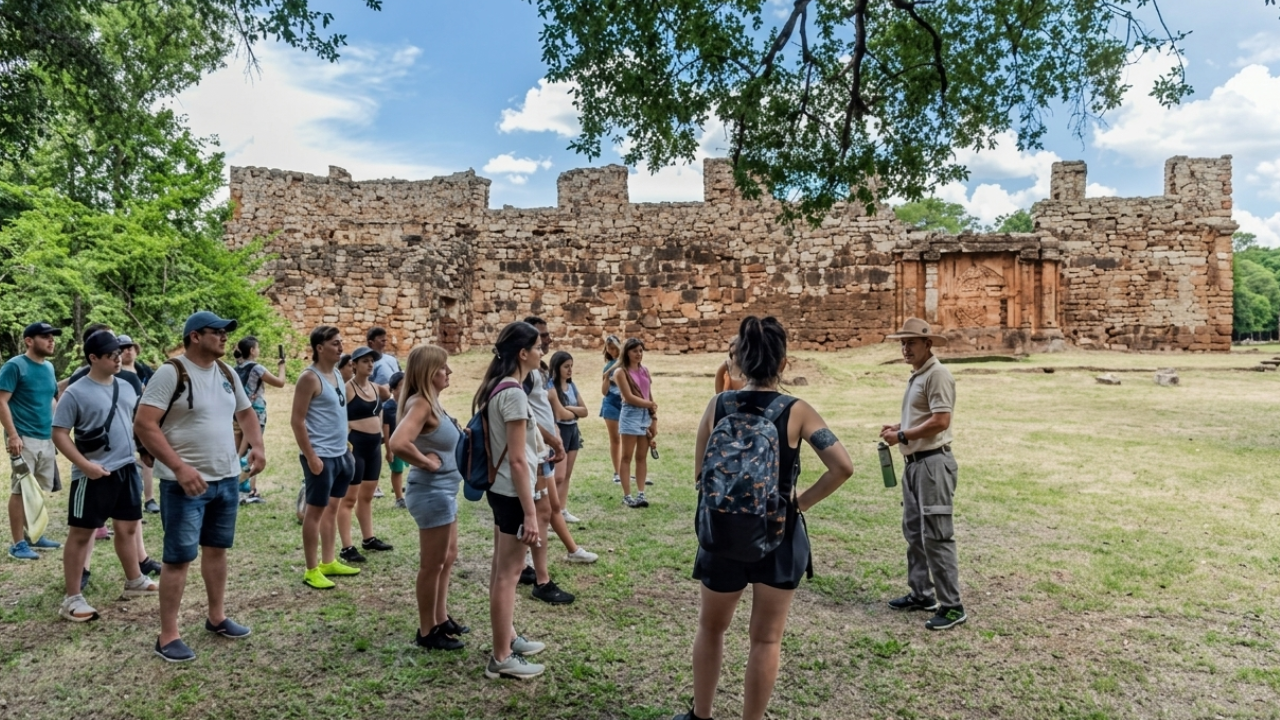
A landmark is more meaningful when you understand what it represents. Without context, a temple is just a beautiful building, a palace is just an old structure, and a historic square is just a place for photos. Deeper travel adds the missing layers. It helps travelers understand why a site matters, who built it, how it changed over time, and what it means to local people today.

This is why local guides, museum tours, neighborhood walks, and reading before arrival can make famous attractions more rewarding. The goal is not to turn every trip into a history lesson. It is to avoid reducing complex places to quick images. When travelers understand context, they behave more respectfully too. Sacred sites, memorials, old neighborhoods, and culturally important spaces deserve more than a rushed photo stop.

Why It Matters: Context turns sightseeing into understanding.

How to Do It: Use guides, audio tours, small museums, and local storytelling.

Traveler Tip: Read a short history of major sites before visiting.

Best For: Temples, old towns, UNESCO sites, museums, and religious landmarks.

6. Unplanned Moments Often Become the Best Memories
© shutterstock / Pandora Pictures

6. Unplanned Moments Often Become the Best Memories

Not every meaningful travel moment can be booked in advance. Sometimes the best parts of a trip happen because you missed a bus, followed a quiet street, accepted a local recommendation, or stayed longer than planned at a café. These moments feel special because they are not copied from someone else’s itinerary. They belong to your trip.

The reference article gives examples of unexpected experiences, such as being invited for tea, discovering a family-run bakery, or having a funny conversation with a taxi driver despite a language barrier. These are not polished travel brochure moments, but they often become the stories travelers remember.

Building room for spontaneity does not mean traveling without planning. It means not planning every minute. A flexible itinerary allows travelers to respond to weather, mood, conversations, and local recommendations.

Why It Matters: Unplanned experiences make trips feel unique.

How to Do It: Keep free blocks in your itinerary.

Traveler Tip: Ask locals what they would do with a free afternoon.

Best For: Solo travel, couples trips, long weekends, and city stays.

7. Food Becomes More Than a Meal When You Understand Its Story
© shutterstock / Rolf_52

7. Food Becomes More Than a Meal When You Understand Its Story

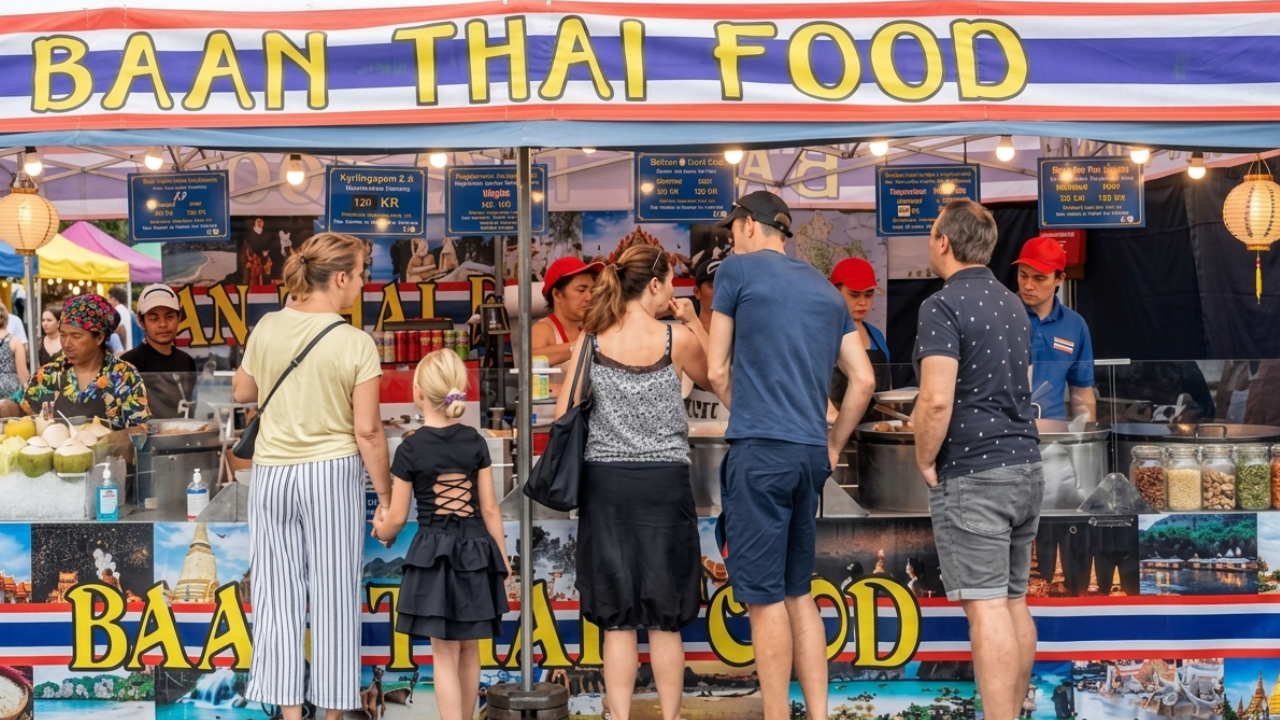
Food is one of the easiest ways to travel deeper. A dish can explain migration, trade, climate, religion, family habits, farming, colonial history, and regional pride. Eating famous dishes is enjoyable, but deeper food travel goes beyond ordering the most popular item on a menu. It includes visiting markets, learning ingredients, understanding table customs, taking cooking classes, eating seasonal foods, and asking why certain dishes matter.

A simple meal can become a cultural experience when it is connected to people. A home-cooked lunch, a street food walk, a farm visit, or a conversation with a vendor can teach travelers more than a formal attraction. The reference article mentions local meals, home dining, and market experiences as examples of travel that shows what a place feels like rather than only what it looks like.

Why It Matters: Food reveals culture in a direct and memorable way.

How to Do It: Try markets, food walks, cooking classes, and family-run restaurants.

Traveler Tip: Eat at least one meal away from the main tourist square.

Best For: Mexico, Morocco, Italy, Vietnam, India, Thailand, Peru, and Turkey.

8. Deeper Travel Reduces the Pressure on Overcrowded Hotspots
© shutterstock / Vic Lab

8. Deeper Travel Reduces the Pressure on Overcrowded Hotspots

Popular places often become crowded because most visitors follow the same routes at the same times. This can create long lines, rising prices, stressed residents, and damaged natural or historic sites. Deeper travel helps spread attention beyond the most pressured spots. Instead of only visiting the famous square, beach, old town, or viewpoint, travelers can explore nearby neighborhoods, smaller towns, off-season routes, and local experiences.

This does not mean avoiding major attractions altogether. It means balancing them with alternatives. Recent travel trend coverage has pointed to interest in redefining off-seasons, dispersing tourism, and supporting rural economies through new routes and community-focused travel. For travelers, this can also mean better value and fewer crowds.

Why It Matters: It helps protect crowded places and improves the visitor experience.

How to Do It: Travel off-season or visit secondary towns.

Traveler Tip: Go early to famous sites, then spend afternoons in less crowded areas.

Best For: Venice, Barcelona, Santorini, Kyoto, Dubrovnik, Amsterdam, and Bali.

9. Learning Local Etiquette Builds Better Connections
© shutterstock / AngelaGrant

9. Learning Local Etiquette Builds Better Connections

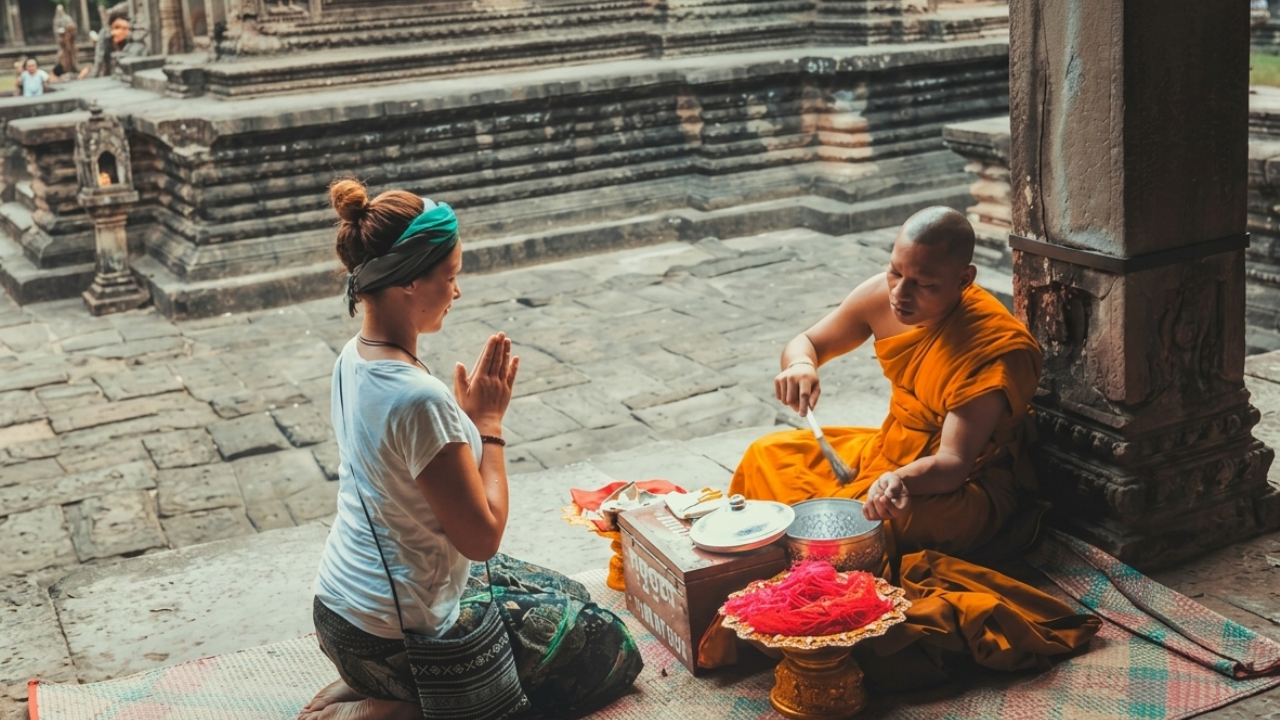
A deeper travel experience depends on respect. Even small efforts can change how visitors are received. Learning how to greet people, dress appropriately, behave in religious spaces, tip correctly, ask permission for photos, and understand basic social rules can make interactions smoother and more genuine.

Many travel misunderstandings happen because visitors assume every destination works like home. In some places, direct bargaining is expected. In others, it can feel rude. Some cultures value quiet public behavior, while others are more expressive. Some temples, mosques, churches, and shrines have dress codes or photography rules. When travelers learn these details, they show that they see the destination as a real community, not just a backdrop.

Why It Matters: Respectful behavior opens the door to warmer interactions.

How to Do It: Learn basic greetings, dress norms, and photo etiquette.

Traveler Tip: Watch how locals behave before copying tourist habits.

Best For: Religious sites, rural communities, markets, and traditional neighborhoods.

10. Nature Experiences Feel Richer When They Are Responsible
© shutterstock / kavram

10. Nature Experiences Feel Richer When They Are Responsible

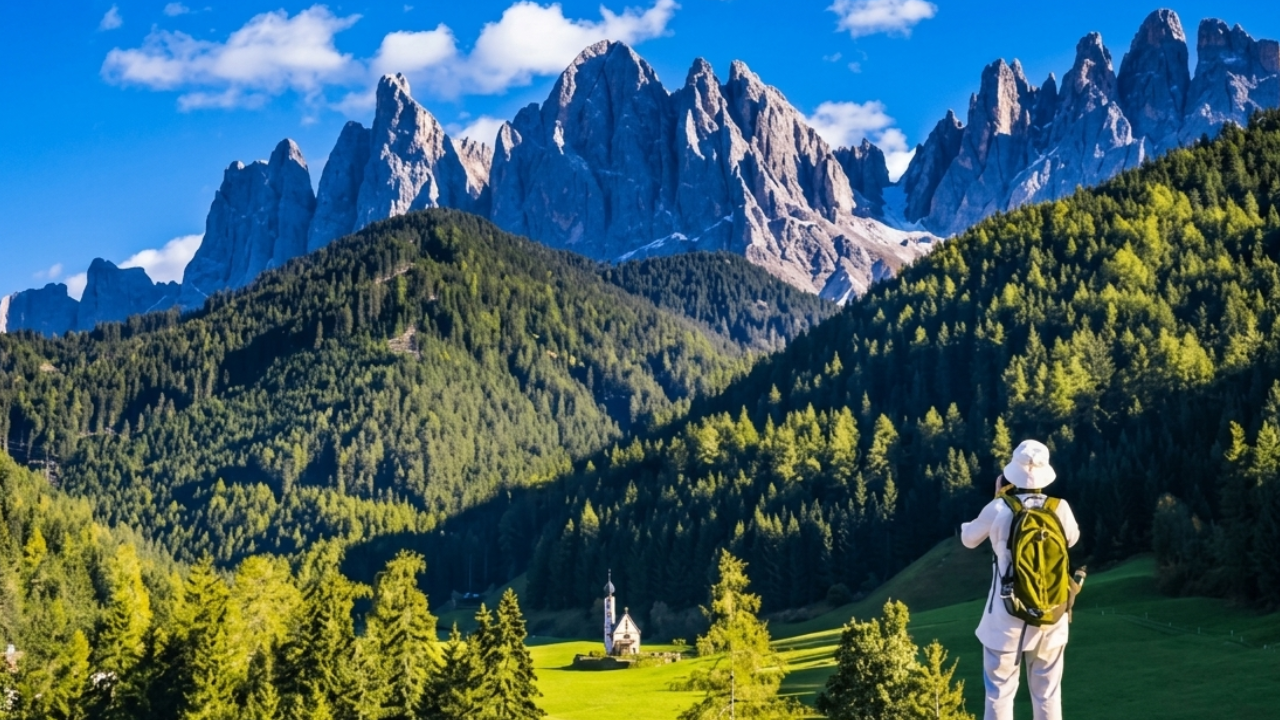
Beautiful landscapes are often treated as photo opportunities, but nature-based travel becomes deeper when visitors understand the environment they are entering. A rainforest, desert, mountain trail, reef, or national park is not just scenery. It is an ecosystem with rules, limits, and local communities connected to it. Responsible travelers stay on marked trails, avoid disturbing wildlife, reduce waste, respect water limits, and choose operators that follow conservation practices.

Sustainable travel is becoming more important as travelers seek experiences that benefit habitats and host communities instead of only consuming them. UN Tourism’s sustainable development guidance emphasizes balancing environmental, economic, and socio-cultural aspects of tourism. This makes deeper nature travel especially important in fragile destinations.

Why It Matters: Natural places can be damaged by careless tourism.

How to Do It: Choose ethical guides and follow conservation rules.

Traveler Tip: Never leave marked paths for a photo.

Best For: Safaris, islands, reefs, rainforests, deserts, mountains, and national parks.

11. Deeper Travel Helps You See People as Hosts, Not Background
© shutterstock / Frame Stock Footage

11. Deeper Travel Helps You See People as Hosts, Not Background

One of the most important shifts in deeper travel is remembering that destinations are home to real people. The streets, parks, markets, beaches, and historic districts that travelers visit are part of someone’s daily life. Sustainable Travel International notes that tourism affects host communities deeply because vacation destinations are also neighborhoods, sacred sites, and local parks.

When travelers understand this, they become more thoughtful. They avoid blocking doorways for photos, making noise in residential areas, treating local customs as entertainment, or demanding that every place adapt to tourist comfort. This does not make travel less enjoyable. It makes it more human. A respectful traveler is more likely to have meaningful conversations, receive good local advice, and leave a better impression behind.

Why It Matters: Residents should not feel like props in someone else’s vacation.

How to Do It: Respect homes, workplaces, sacred places, and everyday routines.

Traveler Tip: Ask before photographing people, especially children and workers.

Best For: Old towns, villages, markets, religious places, and residential districts.

12. The Best Souvenirs Are Often Stories, Not Objects
© shutterstock / Rawpixel

12. The Best Souvenirs Are Often Stories, Not Objects

Physical souvenirs can be lovely, especially when they are locally made and meaningful. But the most lasting souvenirs are often the stories travelers bring home. A conversation with a guide, a meal with a family, a market mistake that became funny, a song heard in a small bar, or a sunset shared with new friends can become more valuable than anything bought in a shop.

The reference article describes this as a new kind of souvenir: the details, stories, inside jokes, and moments that stay with travelers after the trip ends. This is why deeper travel matters. It creates memories with emotional weight. Instead of remembering only what a place looked like, travelers remember how it felt, who they met, what surprised them, and how their perspective changed.

Why It Matters: Stories last longer than rushed photos or generic souvenirs.

How to Do It: Prioritize experiences that involve people, learning, and participation.

Traveler Tip: Keep a few notes each night about moments you do not want to forget.

Best For: Group trips, solo journeys, cultural travel, and once-in-a-lifetime destinations.


Comments (0)

Leave a Reply

No comments yet. Be the first to share your thoughts!