Travel Destination

A traveler's guide to 10 overlooked places in Slovenia worth exploring

Leo Harper
4.7
May 06, 2026

Lake Bled is often the first image travelers associate with Slovenia, and for good reason. Its island church, castle views, and Alpine backdrop make it one of the country’s most recognizable sights. But Slovenia has many quieter places that feel more intimate, less staged, and often more rewarding for travelers who want depth rather than a checklist photo stop. Beyond Bled, the country opens into turquoise river valleys, shepherd plateaus, wine hills, karst caves, border towns, forested regions, and small settlements where local life still feels close to the surface.

These undiscovered places in Slovenia are not empty or unknown, but they are usually calmer than the country’s biggest attractions. Many offer the same scenic beauty that makes Bled famous, with fewer crowds and a stronger sense of place. For travelers searching for hidden gems in Slovenia, these destinations offer hiking, food, history, architecture, and nature in a way that feels personal and grounded. Slovenia’s official tourism material also highlights places such as Velika Planina, Idrija, and the Soča Valley for their cultural and natural importance, making them strong alternatives to the usual Bled-centered itinerary.
1. Soča Valley
© shutterstock / Gaspar Janos

1. Soča Valley

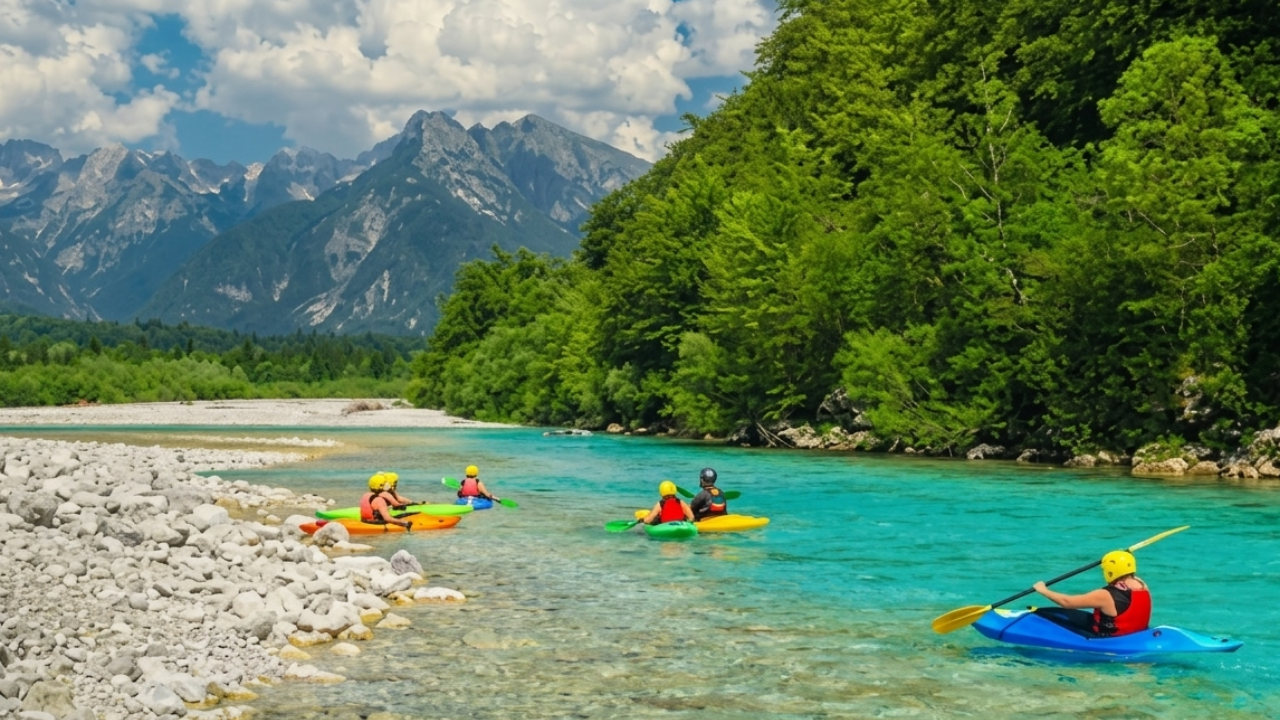
The Soča Valley feels like Slovenia at its most cinematic, but it still has a wilder, more open atmosphere than Lake Bled. The river’s color is the main attraction: a clear blue-green that runs through gorges, forests, and mountain villages in the Julian Alps. Towns such as Bovec, Kobarid, and Tolmin make good bases for rafting, hiking, kayaking, scenic drives, and World War I history. What makes the valley special is the way adventure and quiet scenery sit side by side. One day can include a gorge walk or river activity, while the next can be spent eating local trout, visiting a museum, or walking through small Alpine settlements. The area is well known among outdoor travelers, but it rarely feels as polished or crowded as Bled.

Best Season to Visit: May to September for river activities and hiking.

Ideal Visiting Hours: Early morning for viewpoints and late afternoon for riverside walks.

Traveler Tip: Base yourself in Bovec or Kobarid if you want easy access to outdoor activities.

Must-Know: Some water activities require licensed guides due to river conditions.

2. Tolmin Gorges
© shutterstock / trabantos

2. Tolmin Gorges

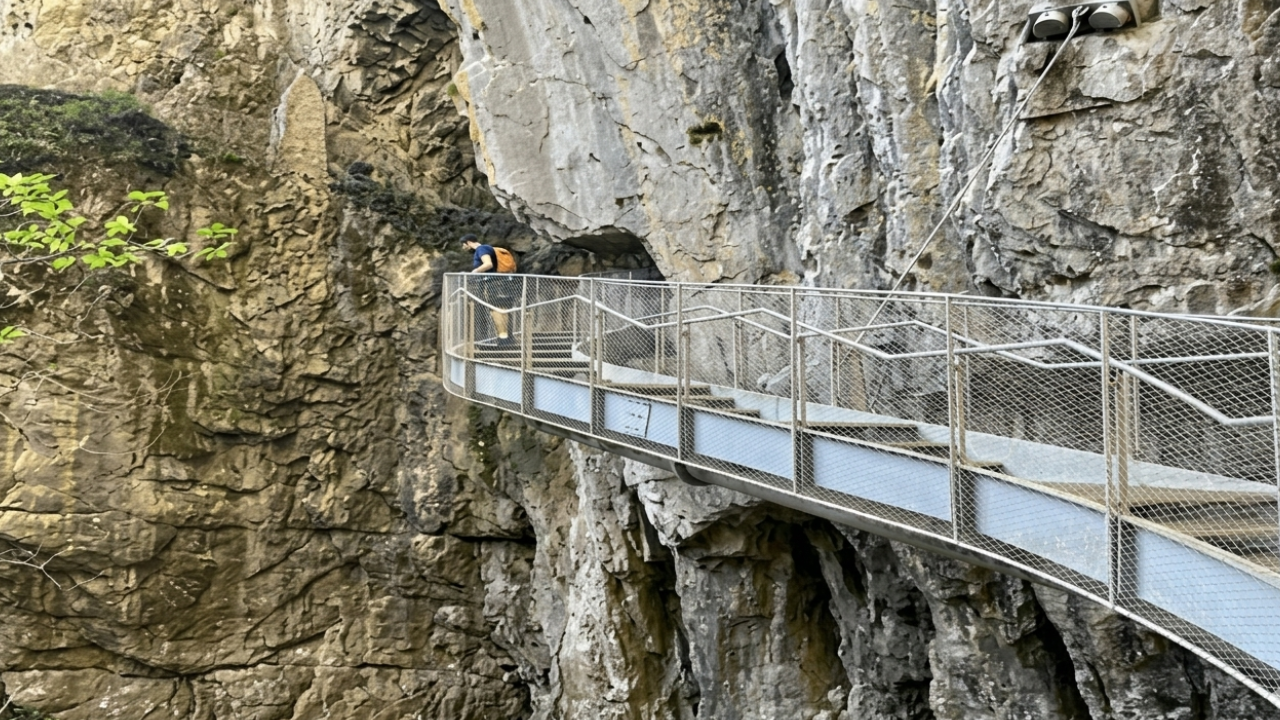
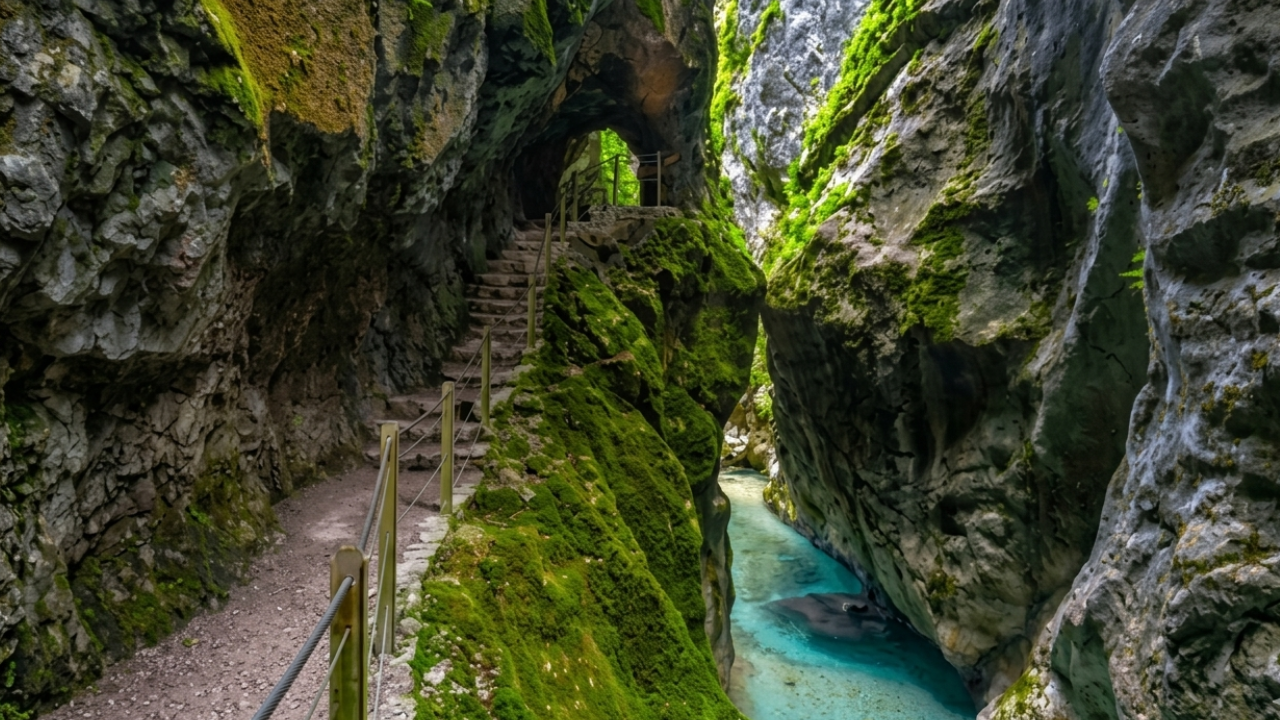
Tolmin Gorges offer a compact but dramatic nature experience at the southern edge of Triglav National Park. The walking path leads through narrow rock walls, clear water, wooden bridges, mossy corners, and river confluences that feel more immersive than a distant lake viewpoint. Unlike Bled, where much of the experience is visual from the shoreline, Tolmin puts travelers inside the landscape. You hear the water, feel the cool air, and move through the gorge at a slow pace. The official Soča Valley description notes the circular route through the Tolminka and Zadlaščica gorges, which meet in a rare confluence within the gorge area. This makes it one of the best places to visit in Slovenia for travelers who want a short walk with strong natural impact.

Best Season to Visit: April to October, depending on opening conditions.

Ideal Visiting Hours: Morning before tour groups arrive.

Traveler Tip: Wear shoes with grip because paths can be damp.

Must-Know: Tickets and seasonal opening hours should be checked before arrival.

3. Velika Planina
© shutterstock / Dziurek

3. Velika Planina

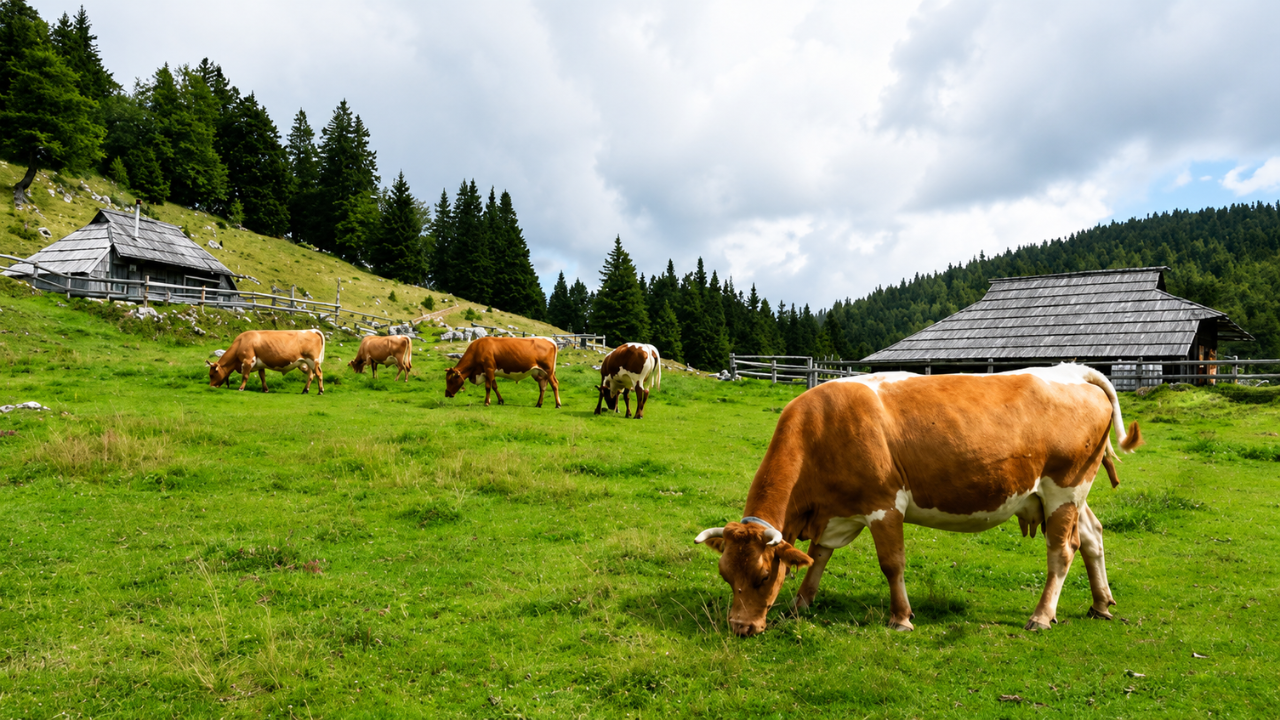
Velika Planina feels like stepping into a high-mountain village rather than a standard sightseeing stop. This Alpine plateau is known for its distinctive wooden shepherd huts, open pastures, walking paths, and wide views of the Kamnik-Savinja Alps. Slovenia’s official tourism site describes it as having the largest shepherds’ settlement in Europe, which gives the area a cultural identity beyond its scenery. In summer, cows graze across the plateau and traditional dairy culture is still part of the experience. In winter, the huts and slopes take on a quieter, almost storybook atmosphere. Velika Planina feels more special than Lake Bled because it is less about one iconic view and more about moving through a living landscape shaped by pastoral tradition.

Best Season to Visit: June to September for pasture life, or winter for snow scenery.

Ideal Visiting Hours: Sunrise or late afternoon for softer light and fewer people.

Traveler Tip: Bring a light jacket because weather changes quickly at altitude.

Must-Know: Cable car and chairlift schedules can affect how long you can stay.

4. Logar Valley
© shutterstock / Viktoriya Krayn

4. Logar Valley

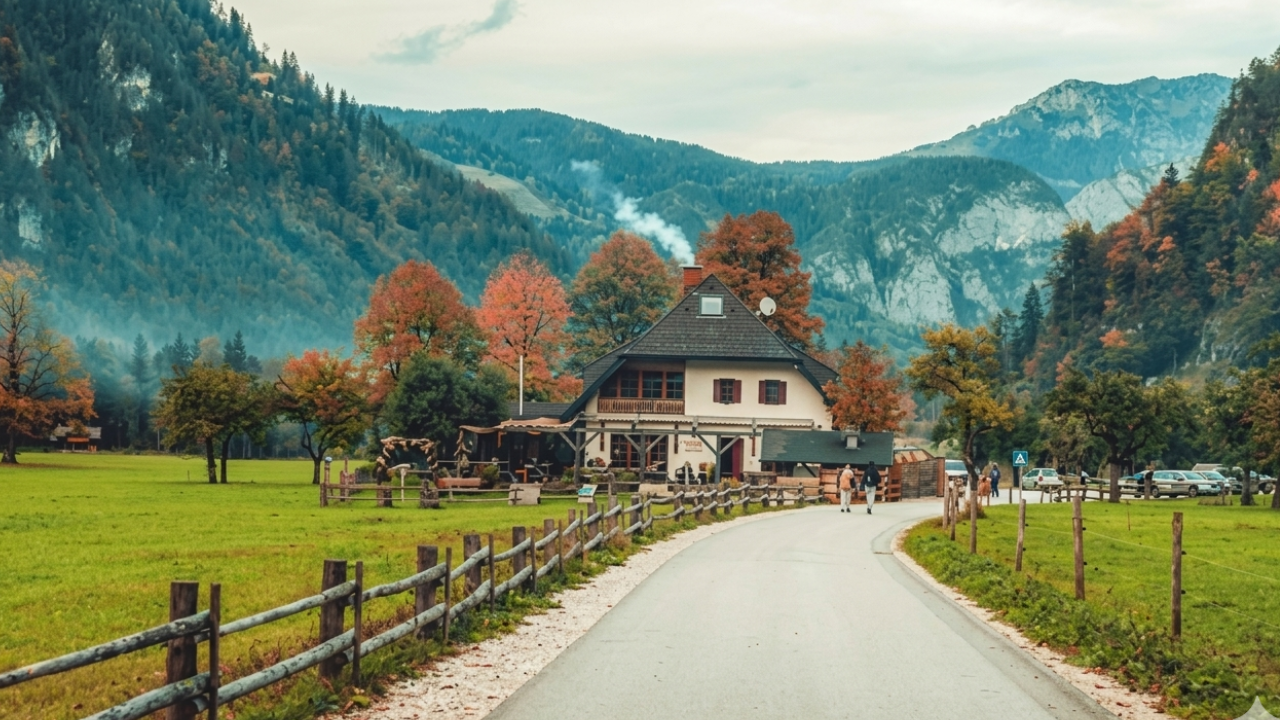
Logar Valley is one of Slovenia’s most beautiful Alpine valleys, yet it feels calmer and more spacious than the busiest parts of the Julian Alps. The valley is framed by steep mountains, forests, meadows, traditional farms, and walking trails that lead toward waterfalls and viewpoints. It is a place for slow travel rather than fast sightseeing. Visitors can drive in, walk sections of the valley, stop at local farms, or continue toward Rinka Waterfall. The atmosphere is peaceful, with scenery that feels grand without becoming crowded or commercial. Compared with Lake Bled, Logar Valley offers fewer obvious tourist routines and more room to simply look, walk, breathe, and appreciate the landscape.

Best Season to Visit: May to October for walking and scenic drives.

Ideal Visiting Hours: Morning for clear mountain views.

Traveler Tip: Combine the valley with Solčava Panoramic Road for a fuller day.

Must-Know: Parking and access rules may vary by season.

5. Jezersko
© shutterstock / Christopher Moswitzer

5. Jezersko

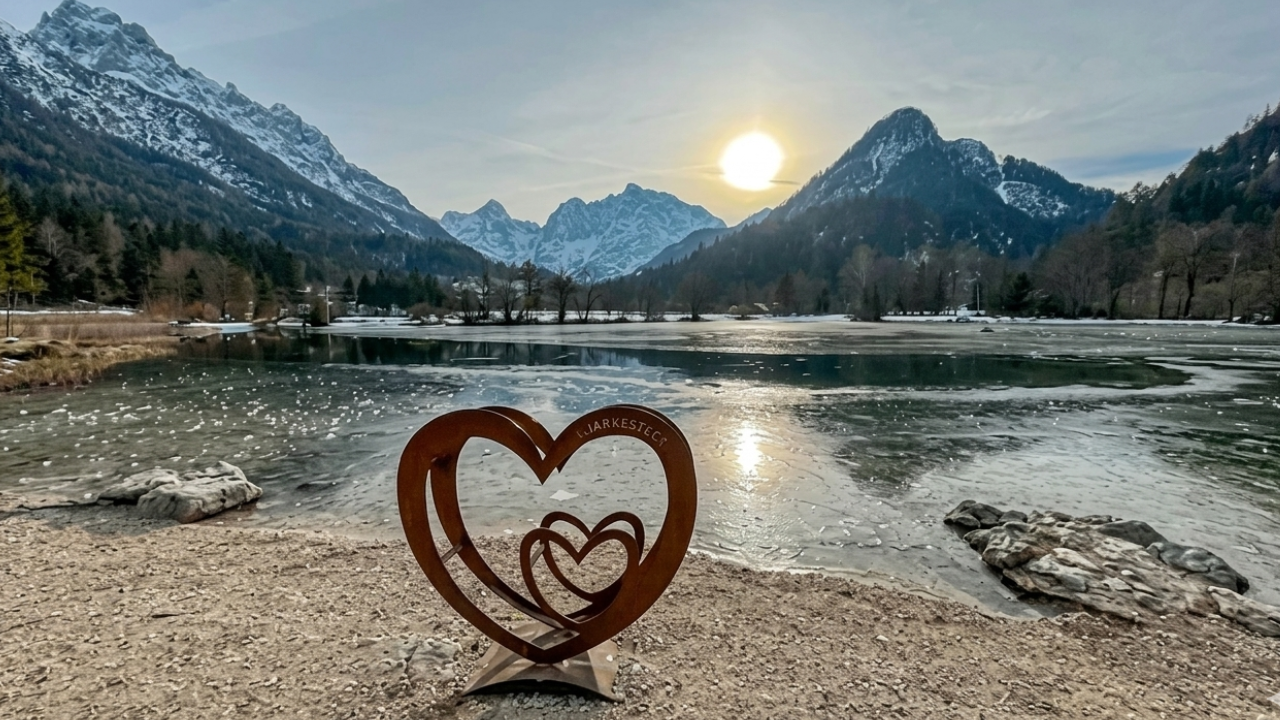
Jezersko is a quiet Alpine region near the Austrian border, ideal for travelers who want mountain scenery without the crowds of Slovenia’s headline spots. It has glacial valleys, traditional farms, clear streams, and dramatic views toward the Kamnik-Savinja Alps. The area is especially appealing for hiking, cycling, photography, and peaceful guesthouse stays. Rather than one famous attraction, Jezersko’s appeal comes from its overall mood. The roads are scenic, the villages feel lived-in, and the mountains seem close without overwhelming the visitor. It is a strong choice for people who liked the idea of Bled but found it too busy or too focused on a single view.

Best Season to Visit: June to September for hiking and October for autumn color.

Ideal Visiting Hours: Early morning for mountain clarity.

Traveler Tip: Stay overnight to experience the valley after day visitors leave.

Must-Know: Public transport is limited, so a car makes planning easier.

6. Goriška Brda
© shutterstock / Matthew Storer

6. Goriška Brda

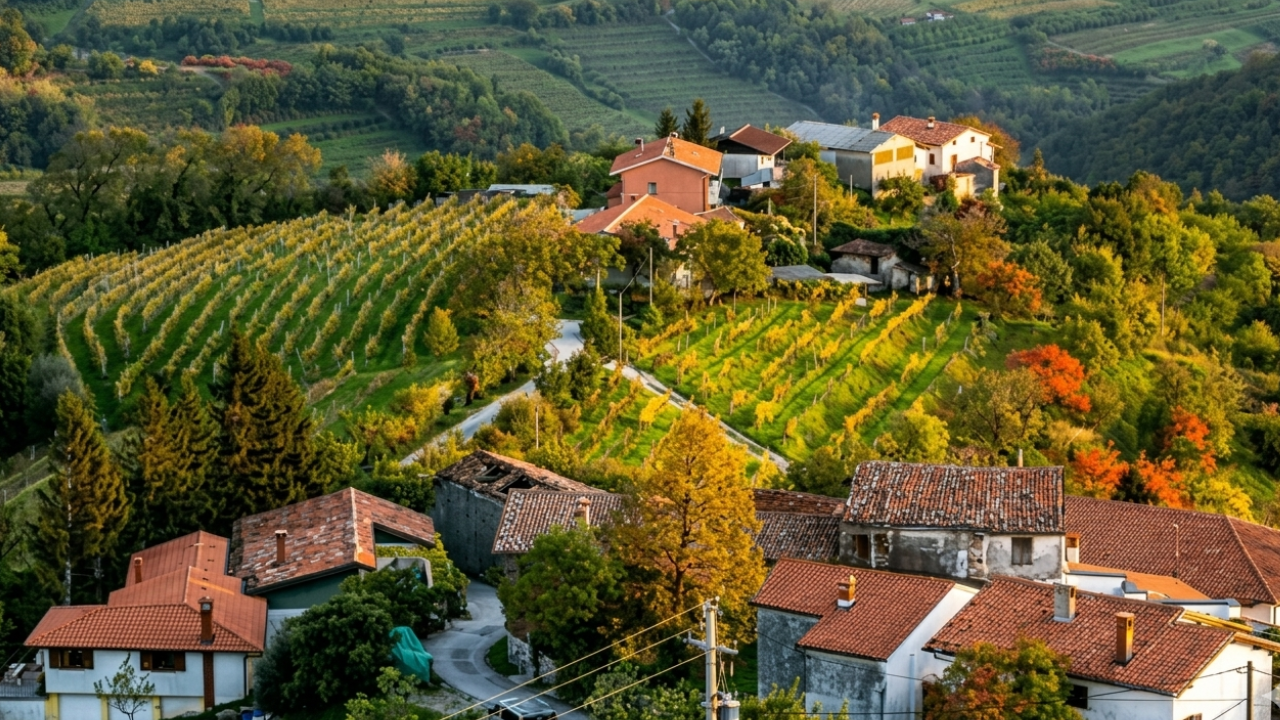
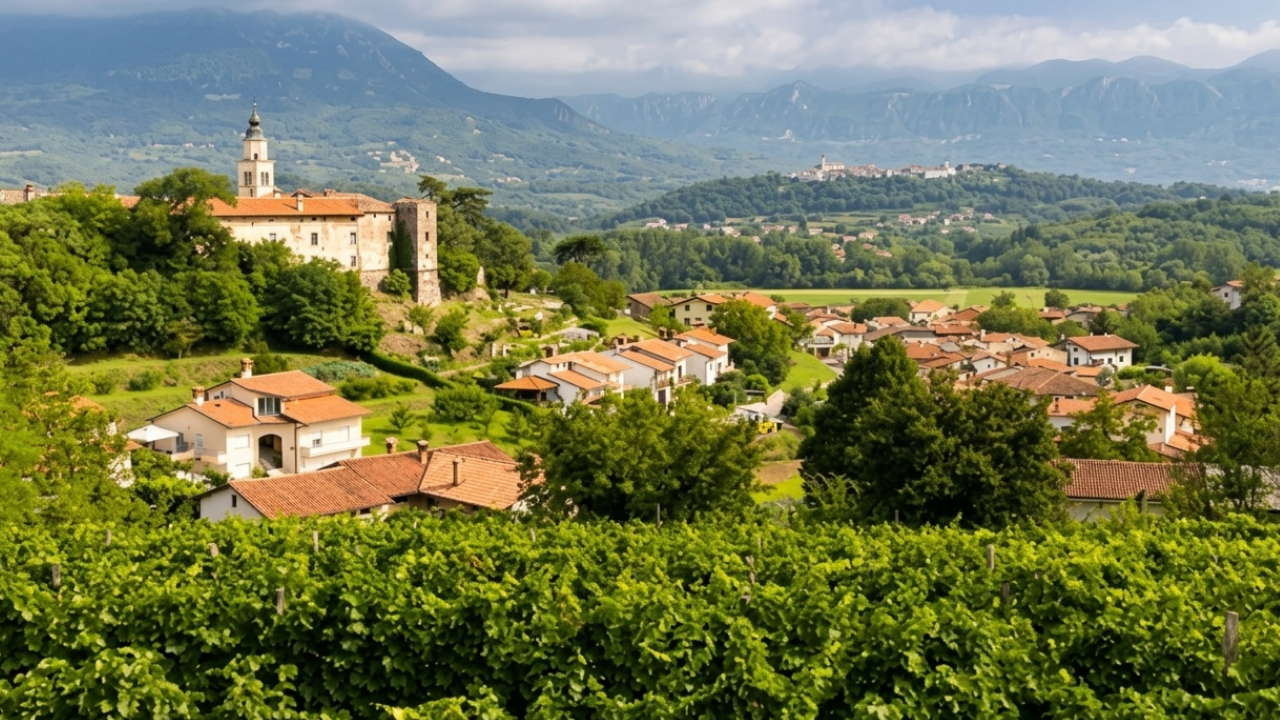
Goriška Brda is Slovenia’s wine country near the Italian border, often compared to Tuscany but with a quieter and more local feel. Rolling hills, terraced vineyards, cherry orchards, stone villages, and family-run wineries make it one of the most atmospheric hidden gems in Slovenia. The region is perfect for travelers who want food, wine, scenery, and slow days rather than crowded landmark hopping. Villages such as Šmartno and Dobrovo offer historic charm without feeling overly packaged. The light, landscape, and relaxed pace make Goriška Brda feel more personal than Lake Bled, especially for travelers who enjoy long lunches, scenic drives, and conversations with local producers.

Best Season to Visit: May to June for cherries or September to October for harvest season.

Ideal Visiting Hours: Late afternoon for vineyard views and golden light.

Traveler Tip: Book winery visits in advance, especially on weekends.

Must-Know: A car is the easiest way to explore the hill villages.

7. Vipava Valley
© shutterstock / Richard Semik

7. Vipava Valley

Vipava Valley is another Slovenian wine and food region that deserves more attention. Located between the Karst, the Adriatic influence, and inland Slovenia, it has a mild climate, old villages, stone houses, vineyards, and strong local food traditions. The valley is known for its bora wind, which shapes both the landscape and daily life. Travelers can visit small wineries, cycle through rural roads, explore Vipava town, or stop in villages like Goče and Slap. It is less polished than better-known wine regions, but that gives it a grounded charm. Vipava Valley feels special because it combines beauty with everyday authenticity, making it one of the best places to visit in Slovenia for food-focused travelers.

Best Season to Visit: April to June or September to October.

Ideal Visiting Hours: Midday to evening for tastings and relaxed meals.

Traveler Tip: Try local varieties and ask wineries about small-batch producers.

Must-Know: The bora wind can be strong, especially outside summer.

8. Škocjan Caves
© shutterstock / Mario Krpan

8. Škocjan Caves

Škocjan Caves offer a completely different kind of beauty from Lake Bled. Instead of Alpine reflections and postcard views, visitors enter a vast underground world shaped by the Reka River. The cave system is famous for its immense chambers, bridges, and underground canyon. UNESCO describes the protected area as conserving an exceptional limestone cave system with one of the world’s largest known underground river canyons The official park also notes that Škocjan was the first site in Slovenia and the Classical Karst region to be inscribed on the UNESCO World Heritage List. It feels more special than Bled because the experience is physical and atmospheric, with darkness, scale, sound, and geology creating a sense of wonder.

Best Season to Visit: Year-round, though spring and autumn are comfortable.

Ideal Visiting Hours: Morning tours are best for smoother planning.

Traveler Tip: Bring a light layer because cave temperatures stay cool.

Must-Know: Photography rules are restricted inside parts of the cave system.

9. Idrija
© shutterstock / Phant

9. Idrija

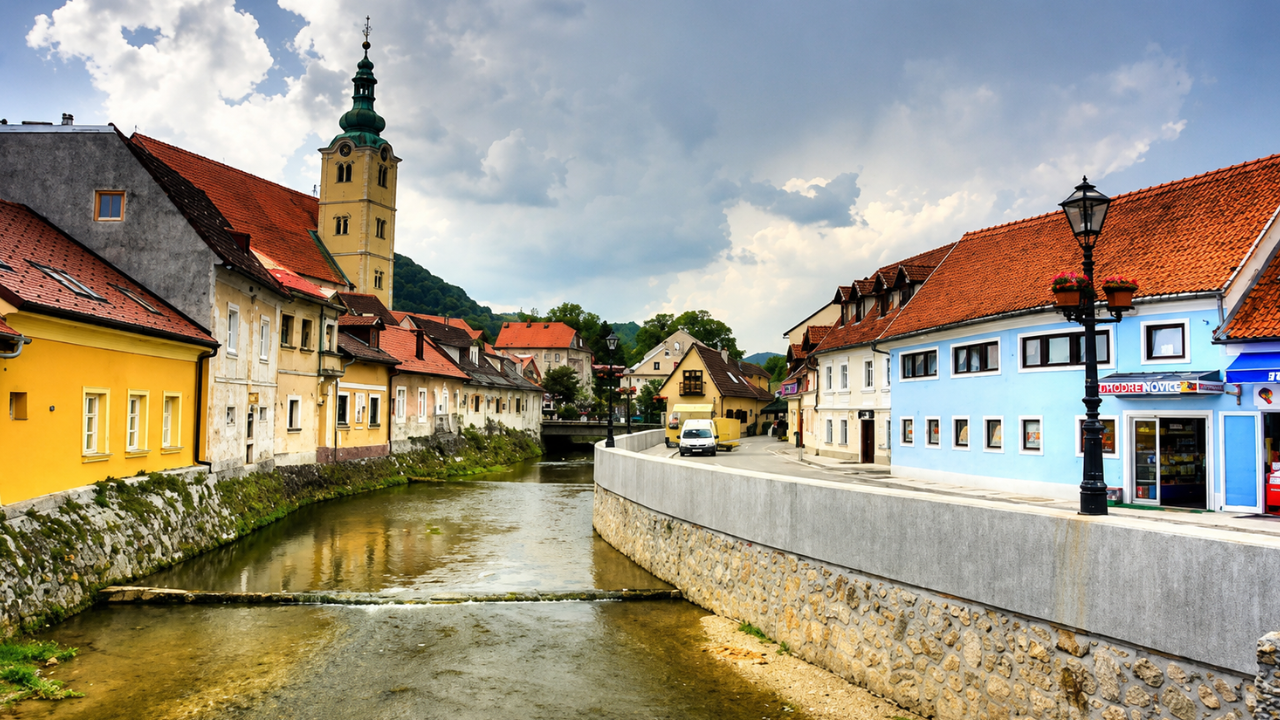
Idrija is one of Slovenia’s most underrated cultural destinations. It is not a typical pretty village or lake stop, but that is exactly why it stands out. The town is built around mercury mining heritage, lace-making, technical history, and distinctive local food. Slovenia’s official tourism site notes that Idrija is a UNESCO World Heritage Site and home to the second-largest mercury mine in the world. Visitors can explore mining history, see lace traditions, walk through the old town, and try idrijski žlikrofi, the local dumpling specialty. Idrija feels more special than Bled for travelers who want stories, craftsmanship, and industrial heritage instead of scenery alone.

Best Season to Visit: April to October for easier walking and regional exploring.

Ideal Visiting Hours: Late morning to afternoon for museums and town walks.

Traveler Tip: Pair the mine visit with a local meal featuring idrijski žlikrofi.

Must-Know: Check tour times in advance because underground visits are scheduled.

10. Kostanjevica na Krki
© shutterstock / trabantos

10. Kostanjevica na Krki

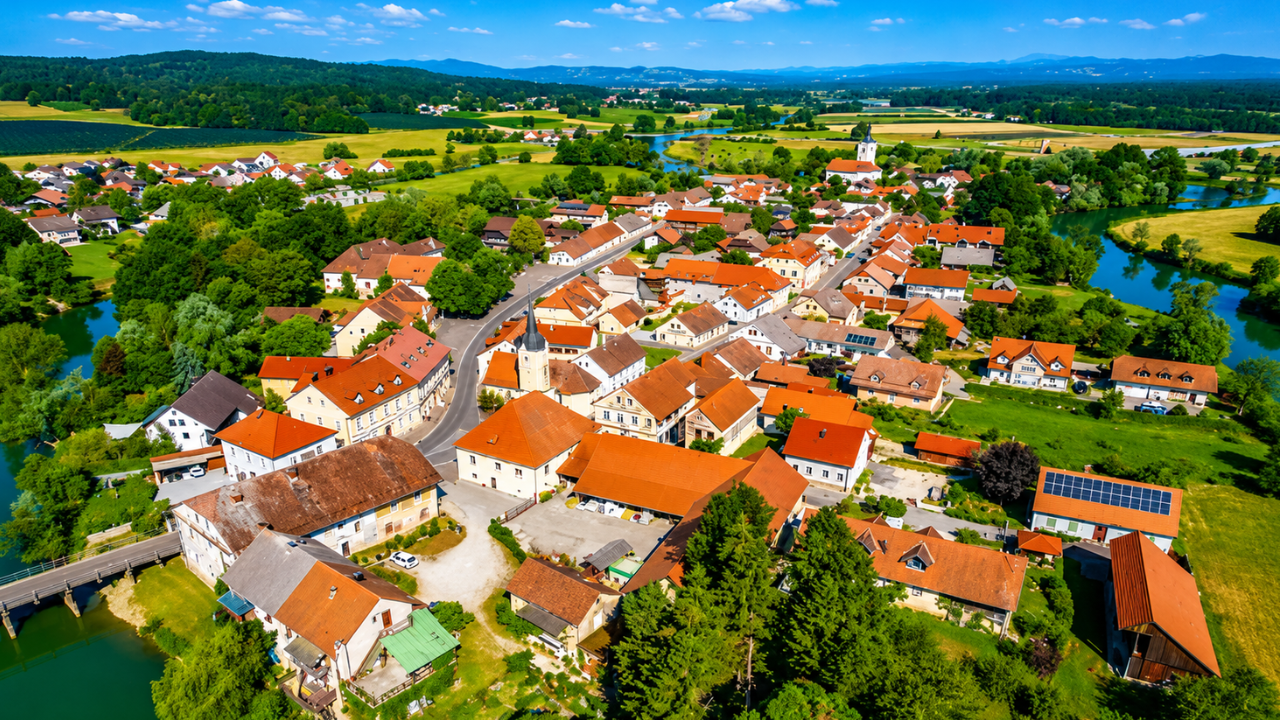
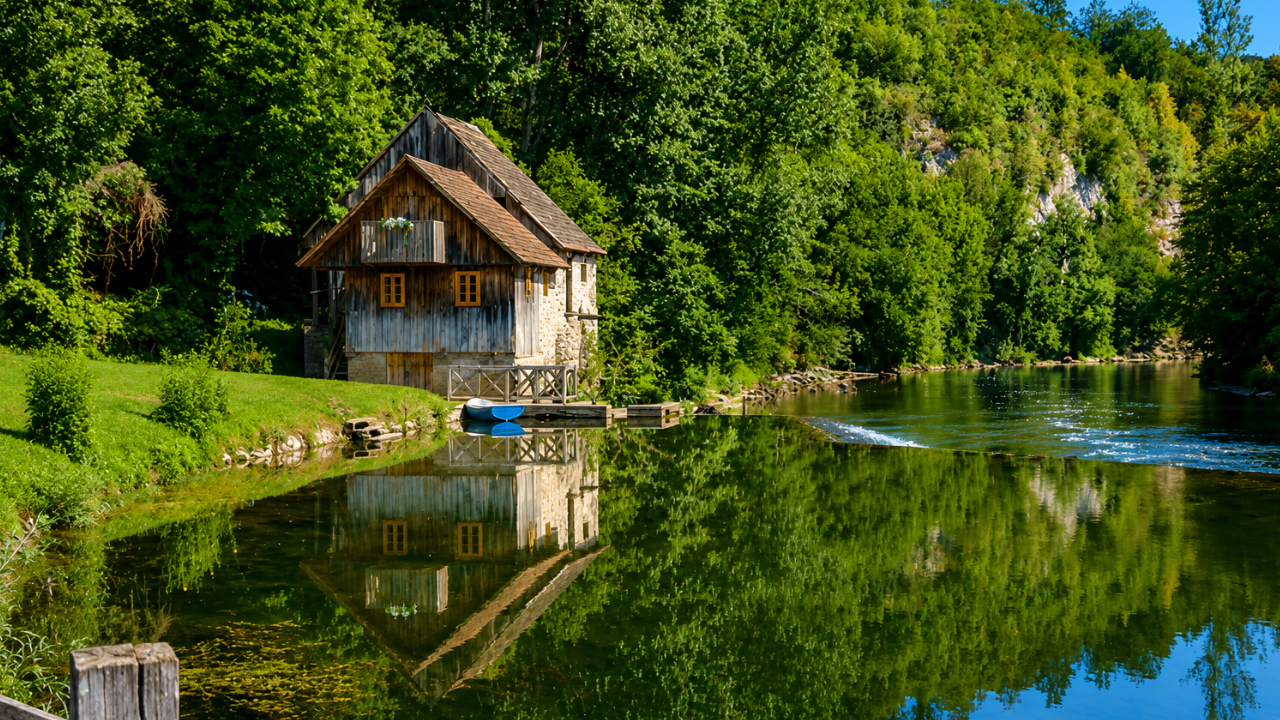
Kostanjevica na Krki is a small town on an island in the Krka River, sometimes called Slovenia’s smallest town. It has a calm, almost secretive atmosphere, with old houses, bridges, water reflections, and nearby cultural sites. The town is ideal for travelers who enjoy quiet historic places without heavy crowds. Nearby, the Božidar Jakac Art Museum and Kostanjevica Cave add variety, making the area more than just a pretty stop. Unlike Lake Bled, where tourism is central to the experience, Kostanjevica feels like a place you discover slowly. It works especially well as a peaceful detour between larger destinations.

Best Season to Visit: May to September for riverside walks.

Ideal Visiting Hours: Late afternoon for soft light around the water.

Traveler Tip: Combine the town with the nearby art museum or cave.

Must-Know: It is small, so plan it as a half-day stop rather than a full itinerary.

11. Bela Krajina and the Kolpa River
© shutterstock / Vesna Kriznar

11. Bela Krajina and the Kolpa River

Bela Krajina is one of Slovenia’s gentlest and least rushed regions. Located in the southeast near Croatia, it is known for the Kolpa River, birch trees, vineyards, folklore, warm hospitality, and small towns such as Črnomelj and Metlika. The Kolpa is especially appealing in summer, when travelers can swim, kayak, picnic, or stay in riverside camps. This region feels different from Alpine Slovenia. The mood is softer, warmer, and more rural, with cultural influences that reflect its borderland position. For travelers who want Slovenia beyond lakes and mountains, Bela Krajina offers a more relaxed and human-scale experience.

Best Season to Visit: June to September for swimming and river activities.

Ideal Visiting Hours: Afternoon for the river, morning for town visits.

Traveler Tip: Pack water shoes if you plan to swim in the Kolpa.

Must-Know: Accommodation is more limited, so book ahead in summer.

12. Goričko Nature Park
© shutterstock / Vesna Kriznar

12. Goričko Nature Park

Goričko Nature Park sits in Slovenia’s far northeast, close to Hungary and Austria. It is a landscape of soft hills, orchards, meadows, forests, villages, castles, and quiet roads. This is not the Slovenia of dramatic Alpine peaks. Its charm is subtle, rural, and slow. Travelers come here for cycling, walking, farm stays, birdlife, local food, and a feeling of space that is rare in more famous parts of the country. Goričko is one of the strongest answers for visitors looking for underrated places in Slovenia because it still feels lived-in rather than curated for tourism. It may not deliver the instant visual drama of Lake Bled, but it offers a deeper calm.

Best Season to Visit: May to October for cycling and countryside stays.

Ideal Visiting Hours: Morning for walks and late afternoon for village scenery.

Traveler Tip: Travel by car or bike because public transport is sparse.

Must-Know: This region rewards slow travel more than fast sightseeing.

13. Hrastovlje
© shutterstock / Cortyn

13. Hrastovlje

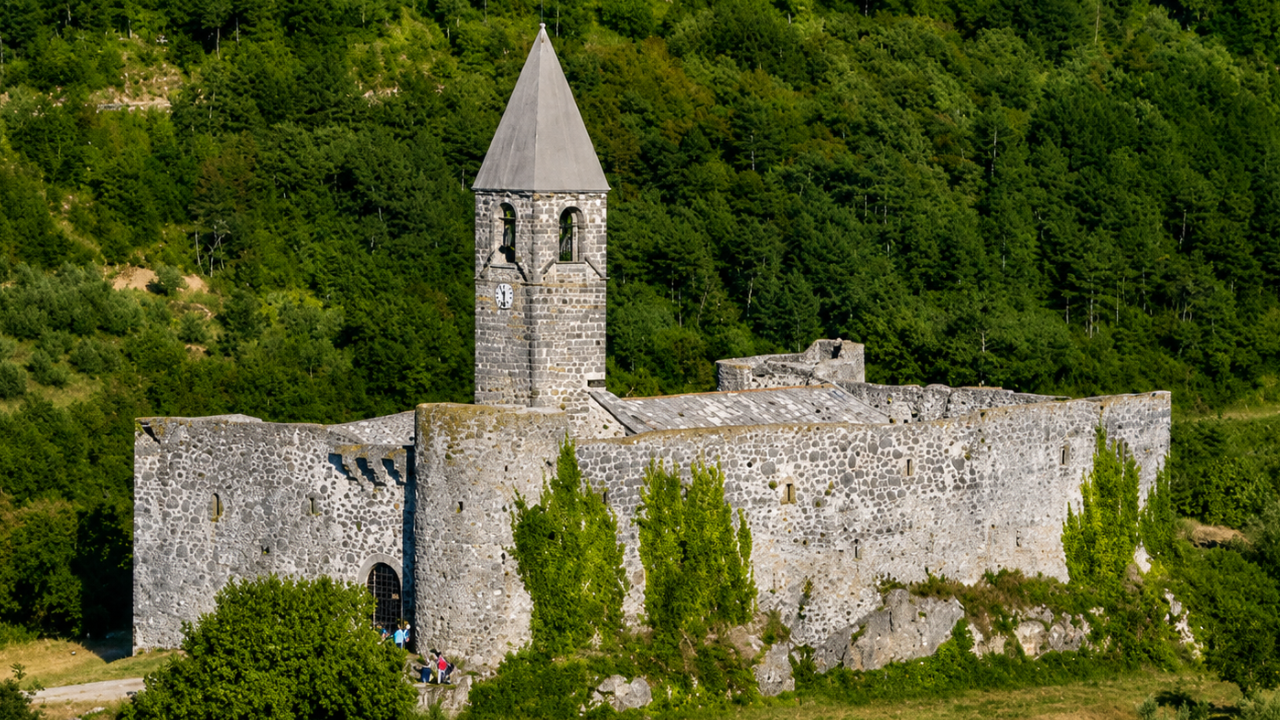
Hrastovlje is a small village in Slovenian Istria best known for the fortified Church of the Holy Trinity and its medieval frescoes. Its most famous artwork, the Dance of Death, gives the site a haunting cultural power that feels very different from Slovenia’s natural attractions. The village itself is quiet, with stone architecture and a rural setting that connects easily with the Karst and coast. Hrastovlje is ideal for travelers who enjoy art, history, and unusual sites that do not require a full day. It feels more special than Lake Bled in a quieter way because it reveals a layer of Slovenia that many visitors never see.

Best Season to Visit: April to June or September to October.

Ideal Visiting Hours: Late morning or early afternoon.

Traveler Tip: Pair it with Škocjan Caves, the Karst region, or the coast.

Must-Know: Opening times can be limited, so check before going.

14. Nova Gorica and the Border Region
© shutterstock / Solarisys

14. Nova Gorica and the Border Region

Nova Gorica is often overlooked because it does not fit the classic image of Slovenia, but its borderland story makes it increasingly interesting. Built after World War II beside the older Italian city of Gorizia, it represents a divided and reconnected part of Europe. The two cities were selected together as the first cross-border European Capital of Culture for 2025, with the theme of “Borderless,” bringing renewed attention to the area’s history, art, food, and cultural identity. Travelers can move between Slovenia and Italy, explore nearby wine regions, visit the Soča area, and experience a place shaped by shifting borders. It feels more special than Bled because its appeal is not obvious at first glance, but grows through context.

Best Season to Visit: April to June or September to October.

Ideal Visiting Hours: Daytime for cross-border exploring and evening for dining.

Traveler Tip: Combine Nova Gorica with Goriška Brda or the Vipava Valley.

Must-Know: Bring your passport or ID when crossing borders, even within open-border areas.


Comments (0)

Leave a Reply

No comments yet. Be the first to share your thoughts!