Travel Destination

9 smaller cities that are becoming a popular travel choice over well-known destinations

James Porter
4.4
May 05, 2026

Travelers are becoming more selective about where they spend their time and money. Famous hotspots still have their appeal, but many visitors are now looking for smaller cities that offer culture, food, scenery, history, and local character without the constant pressure of crowds. This shift is partly connected to rising hotel costs, overtourism, timed-entry attractions, and a growing interest in slower, more meaningful travel.

Recent travel trend reports have pointed to the rise of “detour destinations,” where travelers add lesser-known cities or regions near major gateways instead of spending every day in the most crowded place. Expedia’s 2025 trend report highlighted that many travelers are interested in adding side trips to classic destinations, while industry coverage has also noted growing demand for places with daily-life atmosphere, local food, and easier pacing.

These 9 smaller cities are gaining attention because they feel more manageable than famous hotspots while still offering a strong sense of place.
1. Girona, Spain Instead of Barcelona
© shutterstock / kavalenkava

1. Girona, Spain Instead of Barcelona

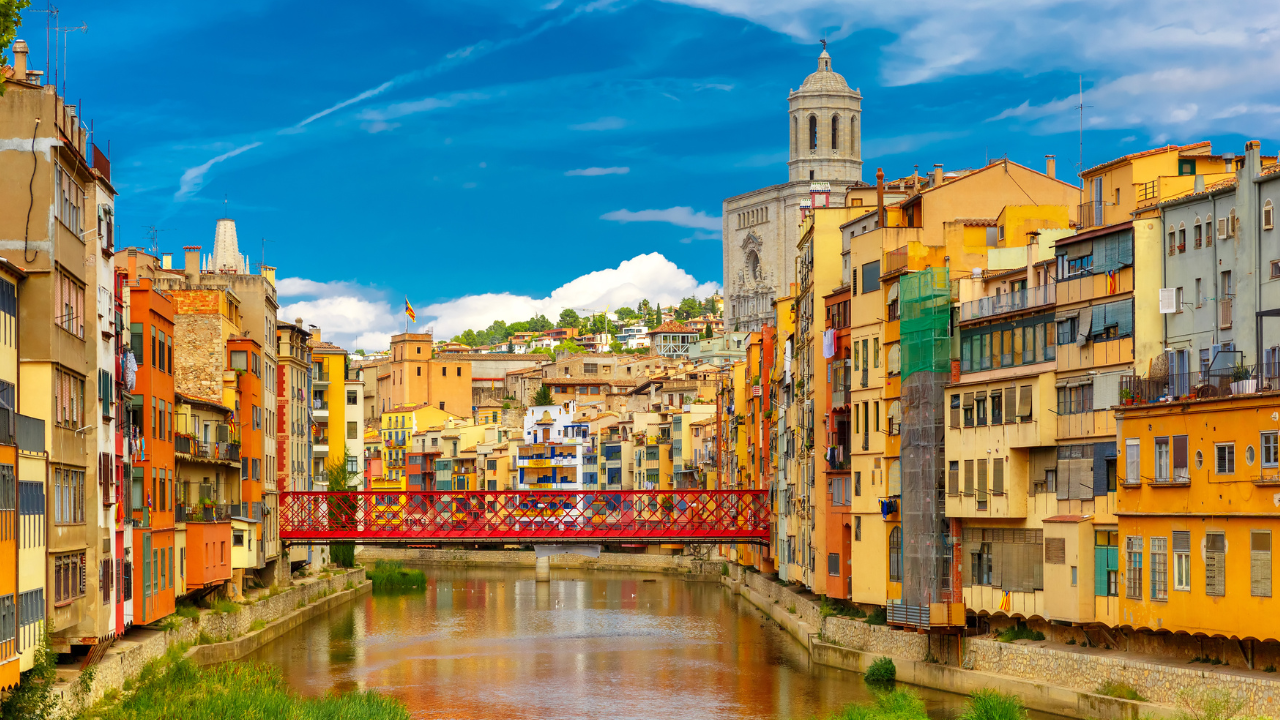
Girona has become a favorite for travelers who want Catalan culture without the intensity of Barcelona. Located about 40 minutes from Barcelona by high-speed train, the city offers medieval lanes, old city walls, colorful houses along the Onyar River, and a historic Jewish Quarter that feels made for slow wandering. It has enough restaurants, cafés, museums, and scenic viewpoints to fill a relaxed city break, but it does not carry the same pressure as Barcelona’s busiest neighborhoods.

Travelers are choosing Girona because it offers atmosphere without requiring constant advance planning. You can walk the walls, explore narrow stone streets, sit in small plazas, and enjoy regional food without feeling like every experience has been shaped around mass tourism. It is especially appealing for people who still want access to Barcelona but prefer to sleep somewhere quieter.

Why Travelers Choose It: Medieval streets, Catalan food, river views, and fewer crowds.

Best Time to Visit: April to June or September to October.

Ideal Trip Length: 2 to 3 days.

Traveler Tip: Walk the city walls early for quiet views over the old town.

Famous Hotspot Alternative: Barcelona.

2. Lucca, Italy Instead of Florence
© shutterstock / goga18128

2. Lucca, Italy Instead of Florence

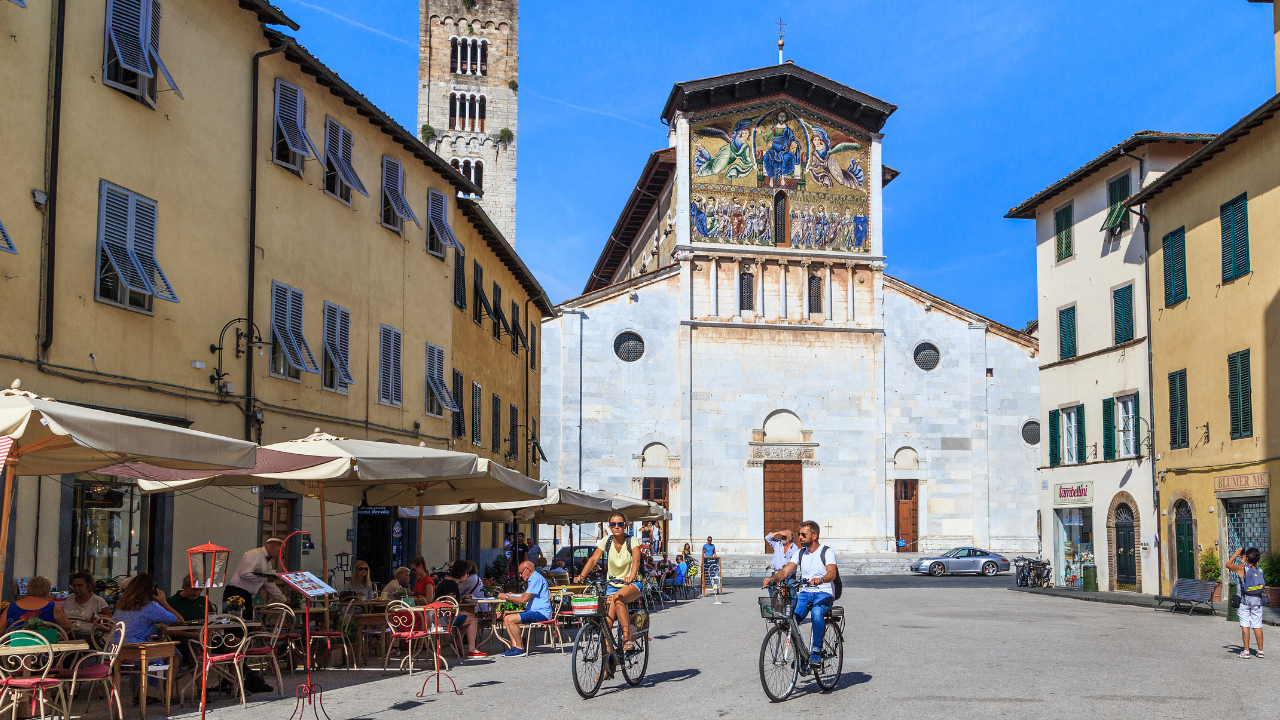
Lucca gives travelers a softer version of Tuscany than Florence, with Renaissance walls, cobbled lanes, quiet piazzas, churches, towers, and relaxed local dining. Florence remains essential for major art and architecture, but it can feel crowded and expensive during peak season. Lucca, by contrast, offers a slower rhythm while still feeling deeply historic.

The city’s most distinctive feature is its intact walls, which now serve as a tree-lined walking and cycling path around the old town. This makes Lucca especially enjoyable for travelers who like compact cities that can be explored without rushing. It also works well as a base for nearby Pisa, the Tuscan countryside, and the coast. Instead of spending the whole trip in museum lines, visitors can move through Lucca at a more natural pace.

Why Travelers Choose It: Walkable streets, city walls, Tuscan charm, and calmer evenings.

Best Time to Visit: April to June or September to October.

Ideal Trip Length: 2 to 4 days.

Traveler Tip: Rent a bike and circle the old city walls before dinner.

Famous Hotspot Alternative: Florence.

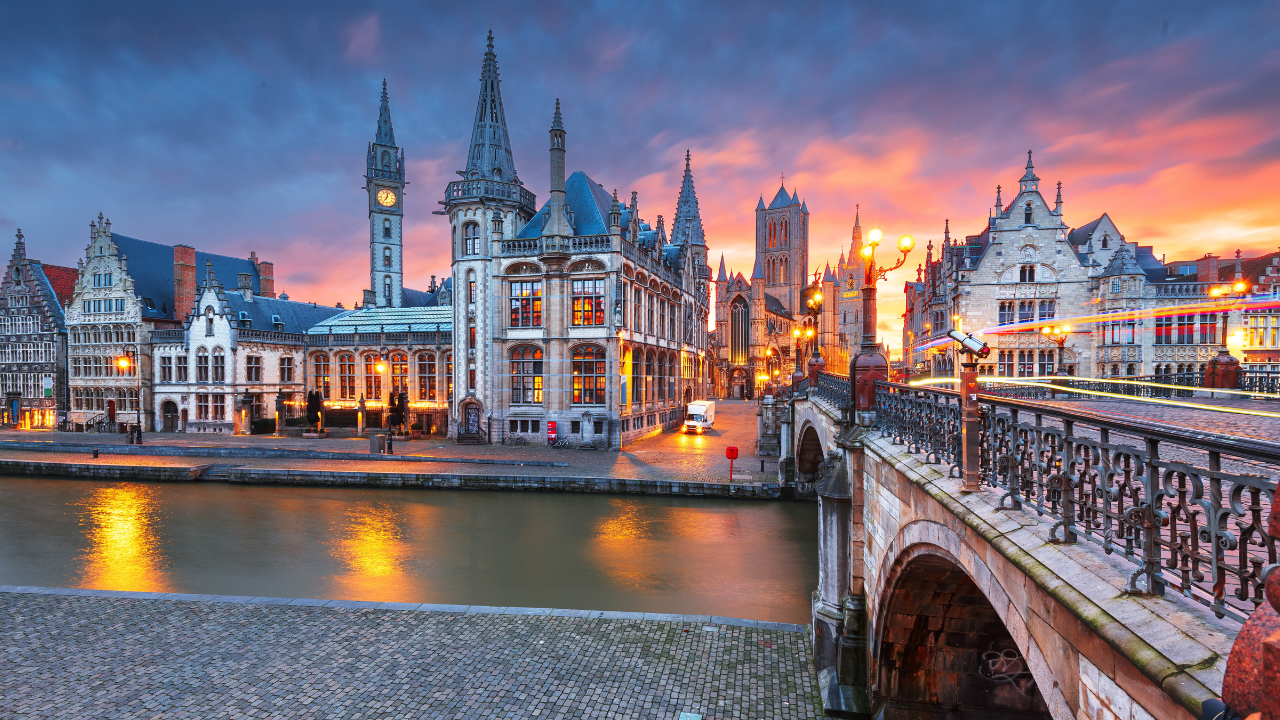
3. Ghent, Belgium Instead of Brussels or Bruges
© shutterstock / Sean Pavone

3. Ghent, Belgium Instead of Brussels or Bruges

Ghent is increasingly popular with travelers who want Belgian beauty without choosing between businesslike Brussels and heavily visited Bruges. It has canals, medieval buildings, lively squares, student energy, museums, independent shops, and a strong food and beer culture. The city feels historic, but it also feels lived-in, which makes it more appealing for visitors who want beauty without a museum-like atmosphere.

Ghent’s biggest advantage is balance. It has the architecture and canal views many travelers associate with Bruges, but it also has nightlife, local neighborhoods, and a younger cultural scene. It is easy to reach by train and compact enough for walking, yet large enough to feel interesting after the day-trippers leave. For travelers exploring Belgium by rail, Ghent can easily become the place they wish they had booked longer.

Why Travelers Choose It: Canals, medieval views, nightlife, food, and a local feel.

Best Time to Visit: May to September or December for winter atmosphere.

Ideal Trip Length: 2 to 3 days.

Traveler Tip: Stay overnight to enjoy the city after day visitors leave.

Famous Hotspot Alternative: Brussels or Bruges.

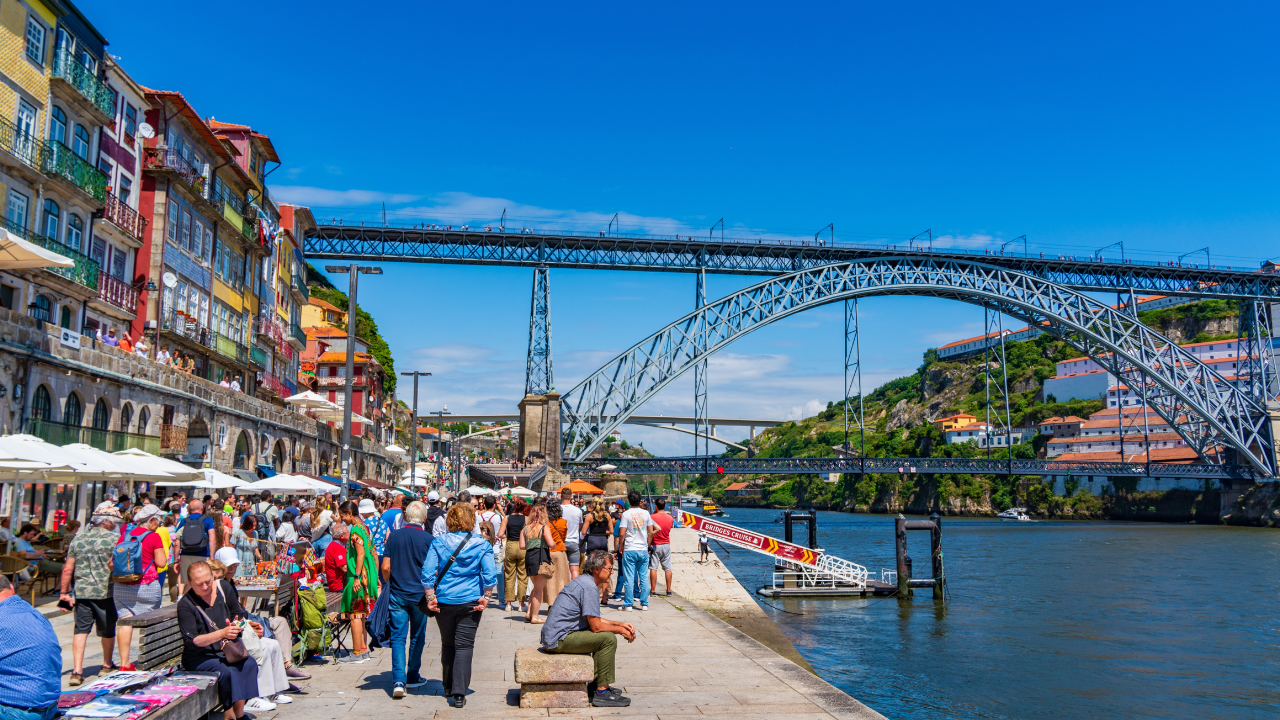
4. Porto, Portugal Instead of Lisbon
© shutterstock / Mo Wu

4. Porto, Portugal Instead of Lisbon

Porto is no longer a secret, but it still feels more compact and grounded than Lisbon for many travelers. Set along the Douro River, the city is known for tiled churches, steep streets, wine cellars, bridges, riverfront dining, and a strong sense of local identity. While Lisbon has become one of Europe’s most in-demand city breaks, Porto often feels easier to understand in a shorter visit.

Travelers are choosing Porto because it combines beauty with strong value and a slower pace. The historic center is atmospheric, the river views are memorable, and nearby day trips to the Douro Valley or coastal towns add variety. It has enough energy for a full itinerary but does not always feel as stretched by tourism as Lisbon’s most popular districts.

Why Travelers Choose It: River views, wine culture, tiled architecture, and strong food scenes.

Best Time to Visit: April to June or September to October.

Ideal Trip Length: 3 to 4 days.

Traveler Tip: Cross to Vila Nova de Gaia for sunset views back toward Porto.

Famous Hotspot Alternative: Lisbon.

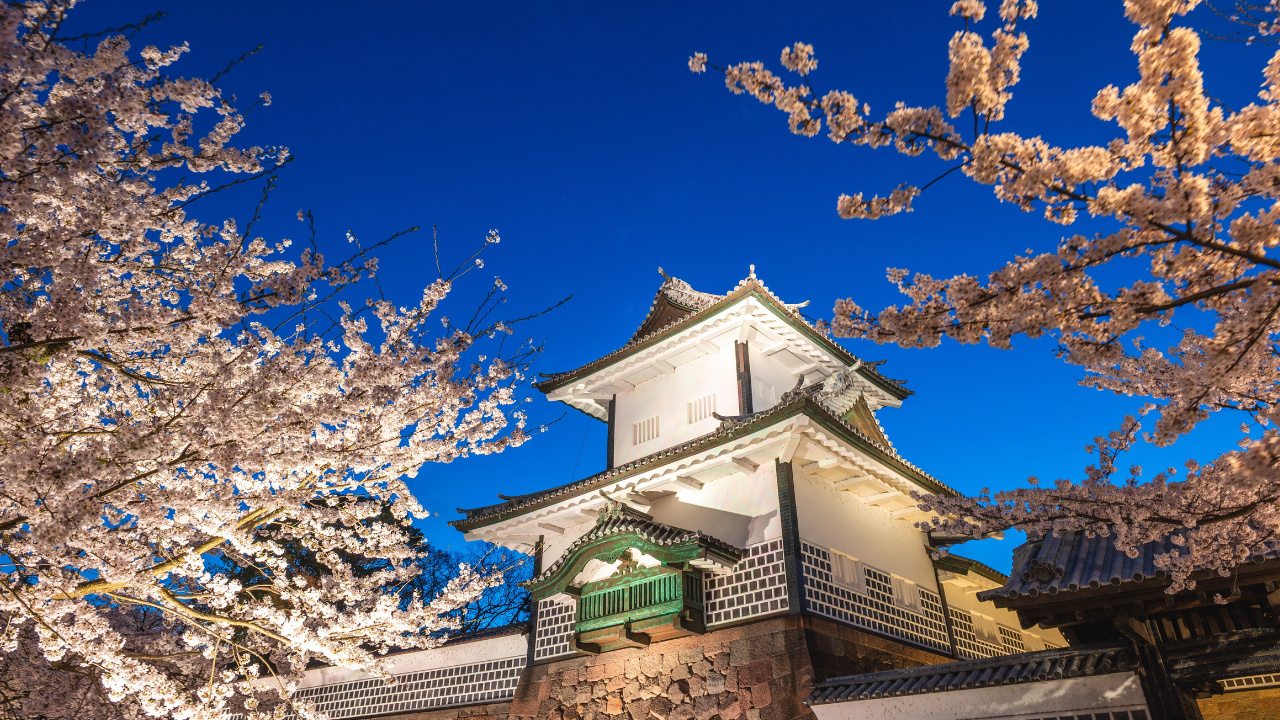
5. Kanazawa, Japan Instead of Kyoto
© shutterstock / Richie Chan

5. Kanazawa, Japan Instead of Kyoto

Kanazawa is gaining attention from travelers who want traditional Japan without the peak-season crowding of Kyoto. The city is known for Kenrokuen Garden, samurai districts, teahouse streets, seafood markets, museums, crafts, and preserved architecture. It offers many of the cultural experiences people seek in Kyoto, but in a smaller and often calmer setting.

Kanazawa works especially well for travelers interested in gardens, design, ceramics, gold leaf, and historic neighborhoods. It is also connected by rail, making it easier to include in a broader Japan itinerary. While Kyoto remains unmatched for temple density, Kanazawa offers breathing room. Visitors can explore at a slower pace and still feel surrounded by history and artistry.

Why Travelers Choose It: Gardens, teahouse districts, crafts, seafood, and traditional streets.

Best Time to Visit: April to May or October to November.

Ideal Trip Length: 2 to 3 days.

Traveler Tip: Visit Kenrokuen early before tour groups arrive.

Famous Hotspot Alternative: Kyoto.

6. Ljubljana, Slovenia Instead of Vienna or Prague
© shutterstock / Matej Kastelic

6. Ljubljana, Slovenia Instead of Vienna or Prague

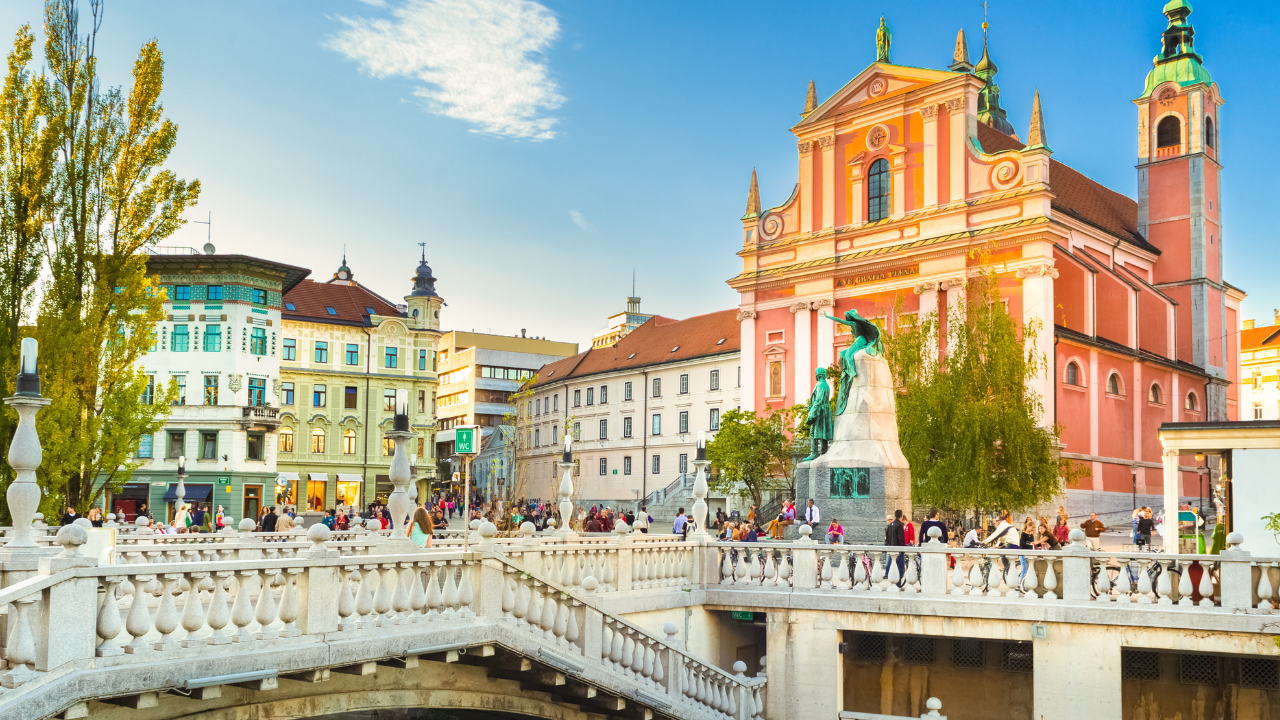
Ljubljana offers travelers a small-capital experience with riverside cafés, bridges, markets, green spaces, castles, and easy access to nature. It feels more relaxed than Prague and less formal than Vienna, while still offering Central European charm. The city center is compact, largely walkable, and full of outdoor dining in warmer months.

Travelers are choosing Ljubljana because it gives them culture and convenience without the scale of a major capital. It is also a practical base for Lake Bled, Postojna Cave, the Julian Alps, and Slovenia’s wine regions. For visitors who want a city that feels manageable but not sleepy, Ljubljana is a strong alternative. It is polished enough for an easy trip, but still small enough to feel personal.

Why Travelers Choose It: Riverside cafés, walkability, green spaces, and nearby nature.

Best Time to Visit: May to September.

Ideal Trip Length: 2 to 4 days.

Traveler Tip: Use the city as a base for Lake Bled or the Julian Alps.

Famous Hotspot Alternative: Vienna or Prague.

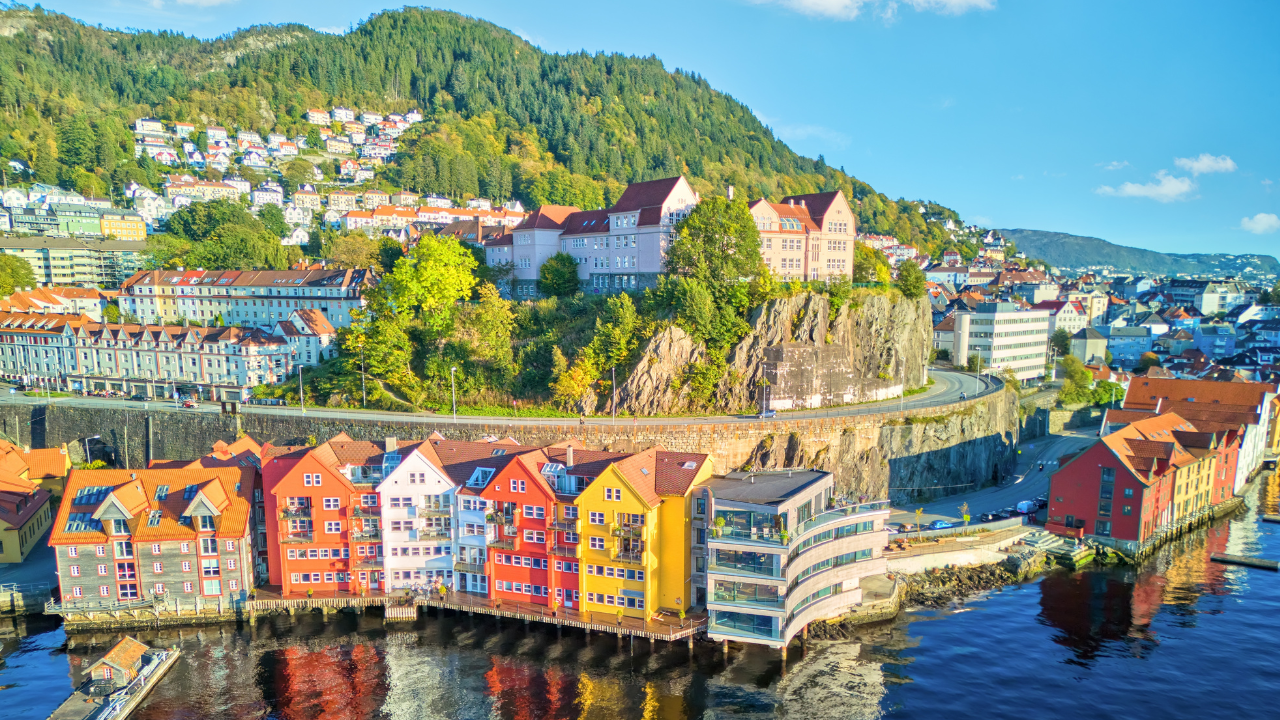
7. Bergen, Norway Instead of Oslo
© shutterstock / dibrova

7. Bergen, Norway Instead of Oslo

Bergen is becoming a popular choice for travelers who want Norway’s dramatic scenery more than a traditional capital-city itinerary. Surrounded by mountains and fjords, the city offers colorful wooden buildings, harbor views, seafood, hiking access, and a strong gateway role for western Norway. Oslo has museums, architecture, and urban culture, but Bergen gives many visitors the Norway they imagined before arriving.

The city is smaller and more atmospheric, with easy access to fjord cruises, scenic rail journeys, and mountain viewpoints. Travelers like that they can combine city wandering with nature in the same day. Rain is common, but the misty weather often adds to the fact that Bergen feels closely connected to nature. You can ride the Fløibanen funicular, walk around Bryggen, visit local markets, and still be near trails and fjord routes. It can be rainy, but that is part of the coastal atmosphere. For travelers choosing scenery over big-city scale, Bergen often feels more rewarding than Oslo.

Why Travelers Choose It: Fjords, harbor views, mountain access, seafood, and coastal atmosphere.

Best Time to Visit: May to September.

Ideal Trip Length: 2 to 4 days.

Traveler Tip: Pack a rain jacket even in summer, as weather changes quickly.

Famous Hotspot Alternative: Oslo.

8. Annecy, France Instead of Paris
© shutterstock / Sean Pavone

8. Annecy, France Instead of Paris

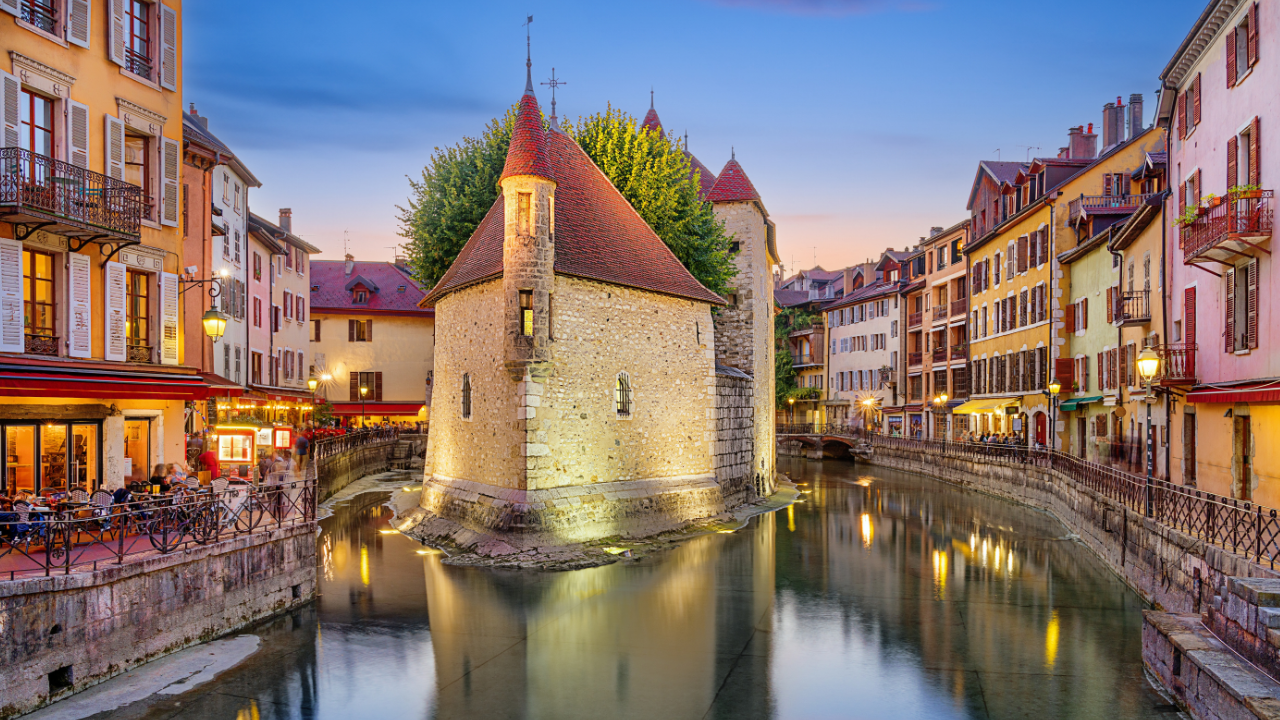
Annecy is a smaller French city that gives travelers a completely different experience from Paris. Instead of grand boulevards, major museums, and dense urban sightseeing, Annecy offers canals, pastel buildings, mountain views, lakeside paths, old streets, and a calm Alpine setting. It is often called one of France’s most scenic small cities, but it still feels more relaxed than the country’s most famous urban destinations.

Travelers are choosing Annecy because it combines romance, nature, and walkability in a way that feels easy to enjoy. The old town has markets, cafés, bridges, and narrow lanes, while Lake Annecy gives visitors space for boating, cycling, swimming, or simply walking along the shore. It works especially well for travelers who want a French trip built around scenery and daily rhythm rather than landmark-hopping.

Why Travelers Choose It: Lake views, canals, Alpine scenery, old-town charm, and outdoor activities.

Best Time to Visit: May to September.

Ideal Trip Length: 2 to 3 days.

Traveler Tip: Rent a bike and follow the lakeside route for the best views.

Famous Hotspot Alternative: Paris.

9. Asheville, North Carolina Instead of New York or Nashville
© shutterstock / Andriy Blokhin

9. Asheville, North Carolina Instead of New York or Nashville

Asheville has become a popular smaller-city choice for travelers who want creativity, food, music, mountain scenery, and a relaxed pace without the scale of major U.S. hotspots. Set in the Blue Ridge Mountains, the city offers independent restaurants, breweries, galleries, live music venues, historic architecture, and access to scenic drives and hiking trails. It feels urban enough for a full weekend but close enough to nature to keep the trip flexible.

Travelers are choosing Asheville because it delivers culture without the pressure of a huge city. Compared with New York, it feels slower and easier to manage. Compared with Nashville, it offers a more outdoors-focused version of food, music, and nightlife. The Biltmore Estate remains a major draw, but many visitors also come for the River Arts District, mountain viewpoints, farm-to-table dining, and the Blue Ridge Parkway. It is especially appealing for road-trippers and travelers who want a city break with fresh air built in.

Why Travelers Choose It: Mountain scenery, local food, breweries, arts, and relaxed nightlife.

Best Time to Visit: April to June or September to October.

Ideal Trip Length: 3 to 4 days.

Traveler Tip: Drive part of the Blue Ridge Parkway for scenic overlooks.

Famous Hotspot Alternative: New York or Nashville.


Comments (0)

Leave a Reply

No comments yet. Be the first to share your thoughts!