Travel Europe

8 reasons Liechtenstein deserves more attention from European travelers

Leo Harper
3.9
May 08, 2026

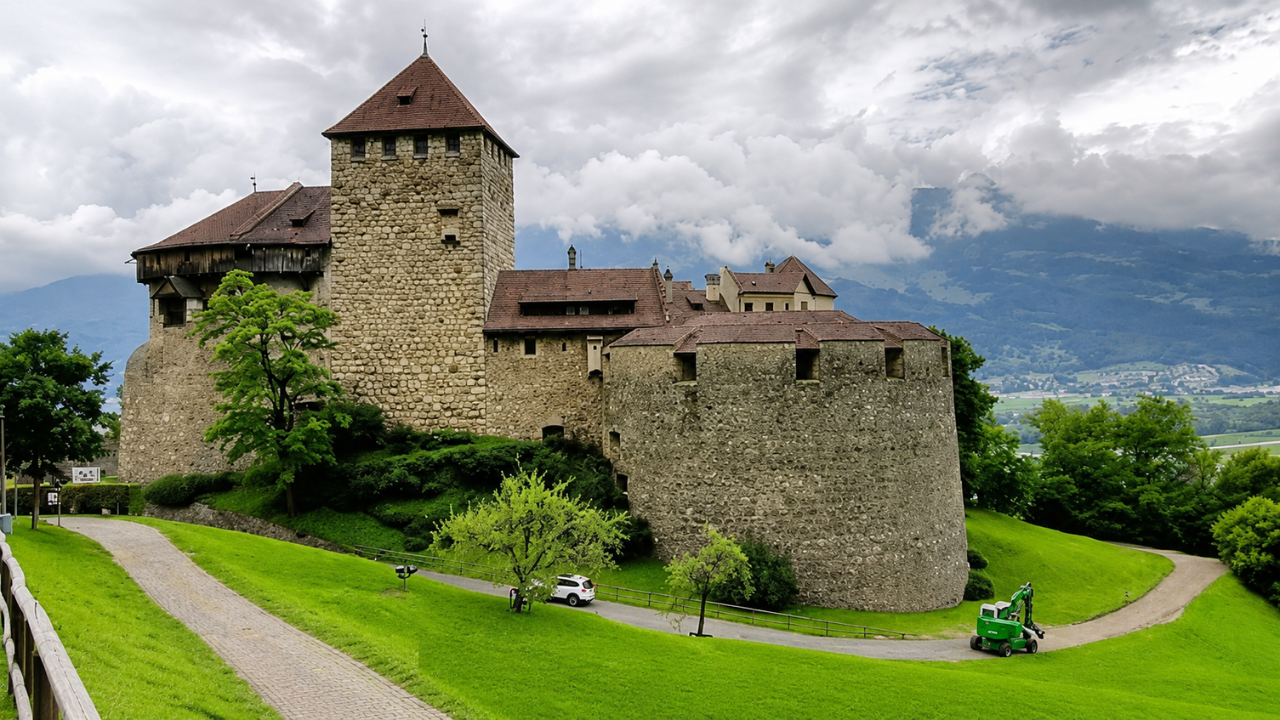
Liechtenstein is often treated as a quick stop between Switzerland and Austria, but that approach misses much of what makes the country interesting. Beyond Vaduz Castle and the capital’s museums, this tiny Alpine principality has quiet valleys, old mountain settlements, wetland reserves, castle ruins, farm roads, and scenic villages that feel far removed from rushed day-trip routes. Covering around 160 square kilometers, Liechtenstein is small enough to explore efficiently, yet varied enough to reward travelers who slow down.

The best hidden corners of Liechtenstein are not always dramatic at first glance. Some are peaceful walking areas, some are rooted in Walser culture, and others are simple viewpoints where the Rhine Valley opens below the mountains. These 8 places offer a more local, scenic, and thoughtful way to experience Liechtenstein.
1. Lawena Valley
© Dave Mani

1. Lawena Valley

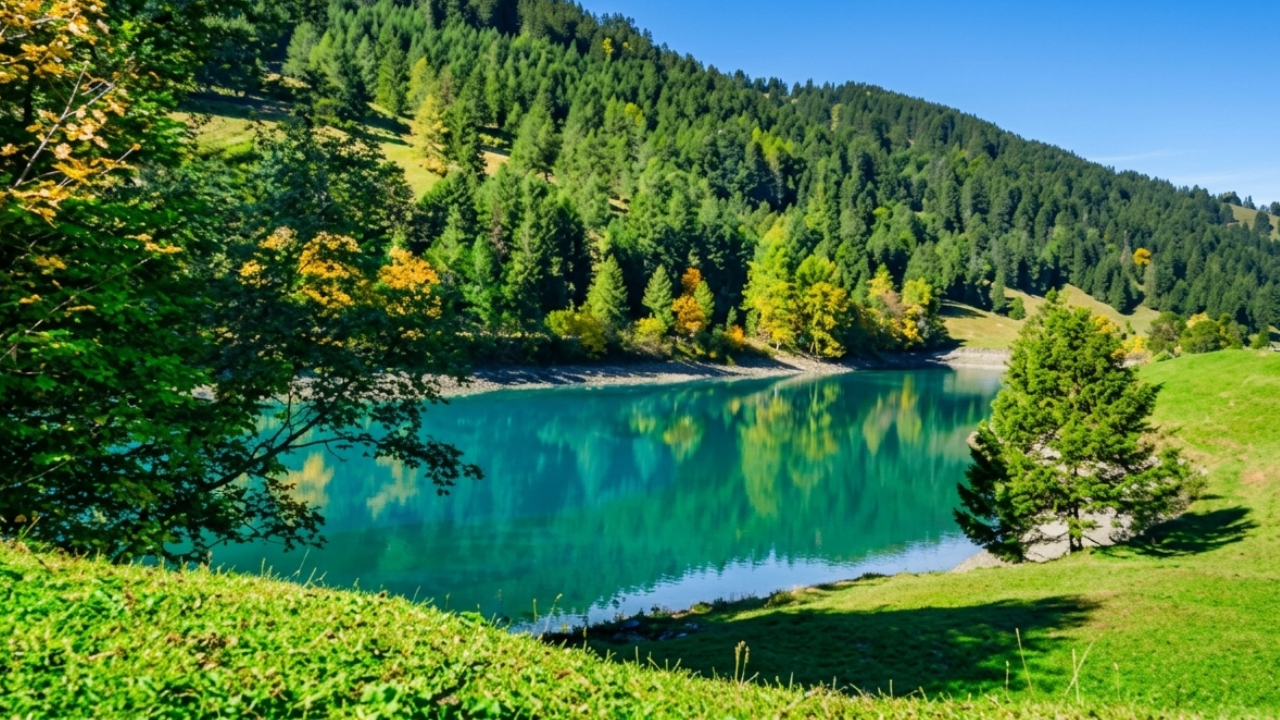
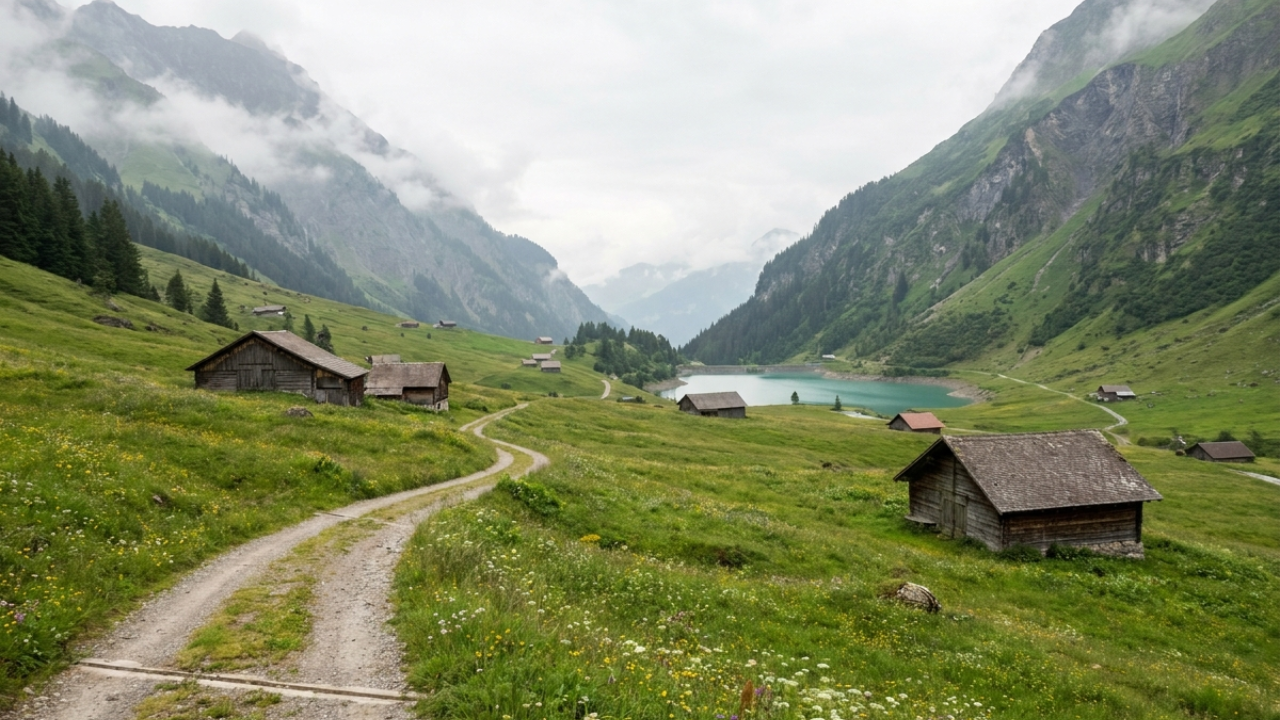
Lawena Valley is one of Liechtenstein’s quieter natural escapes, tucked above Triesen and surrounded by rugged Alpine scenery. It feels more remote than many visitors expect from such a small country, with wildflowers, cliffs, forest paths, and mountain views creating a peaceful setting for walkers. The valley is especially appealing for travelers who want a slower outdoor experience without the crowds that can gather around more accessible viewpoints. It is not the place for rushed sightseeing, but for steady walking, fresh air, and landscape photography. Lawena also shows a different side of Liechtenstein, where the country feels less like a compact principality and more like a hidden Alpine pocket.

Best Time to Visit: Late spring to early autumn for comfortable hiking weather.

Ideal For: Travelers who enjoy quiet nature walks and mountain views.

Traveler Tip: Wear proper shoes, as paths can feel uneven after rain.

Must-Know: Public transport can get you close, but walking is part of the experience.

2. Triesenberg
© shutterstock / Arnold.Petersen

2. Triesenberg

Triesenberg sits high above the Rhine Valley and offers one of the best combinations of culture and scenery in Liechtenstein. The village is known for its Walser heritage, shaped by settlers who arrived in the region centuries ago. That history is still visible in local traditions, architecture, and dialect. Triesenberg is also a natural viewpoint, with sweeping scenes across the valley toward Switzerland and the surrounding Alps. It feels calmer than Vaduz, yet it has enough cultural depth to make it more than a photo stop. For travelers interested in local identity, mountain life, and village atmosphere, Triesenberg deserves more time than most itineraries give it.

Best Time to Visit: May to October for clear views and village walks.

Ideal For: Culture lovers, photographers, and slow travelers.

Traveler Tip: Visit on a clear day for the best Rhine Valley views.

Must-Know: The village sits around 900 meters above sea level.

3. Steg
© shutterstock / Arnold.Petersen

3. Steg

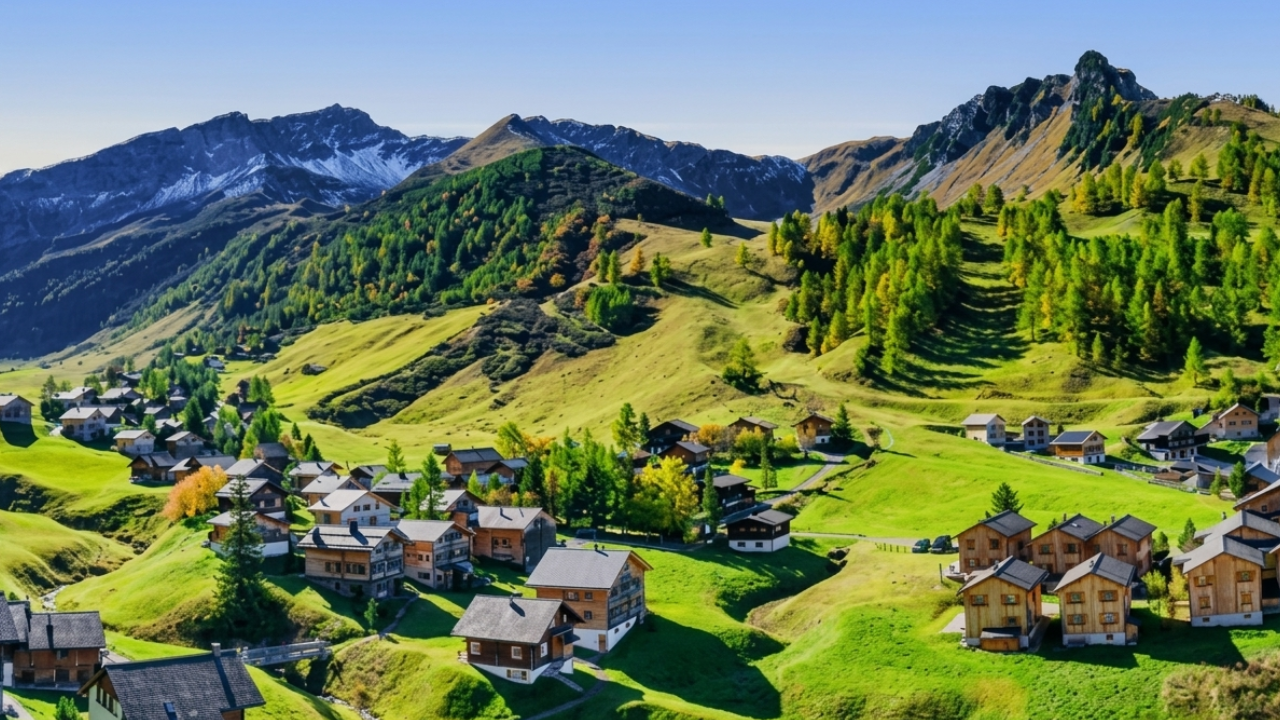
Steg is a peaceful mountain settlement that feels like a retreat from the busier valley towns. Located near Malbun, it is often passed through rather than properly explored, but that is part of its charm. The area has alpine meadows, small walking routes, traditional buildings, and a quiet atmosphere that suits travelers looking for simple scenery rather than major attractions. In winter, the surrounding region becomes especially appealing for snowshoeing, cross-country skiing, and relaxed mountain stays. In summer, Steg works well as a gentle walking base with easy access to fresh air and open landscapes. It is one of those places where Liechtenstein feels personal, quiet, and grounded in rural Alpine life.

Best Time to Visit: June to September for walking, December to March for snow.

Ideal For: Quiet mountain breaks and relaxed nature time.

Traveler Tip: Combine Steg with Malbun if you want a fuller mountain day.

Must-Know: Facilities are limited, so check dining options before going.

4. Ruggeller Riet Nature Reserve
© Dave Mani

4. Ruggeller Riet Nature Reserve

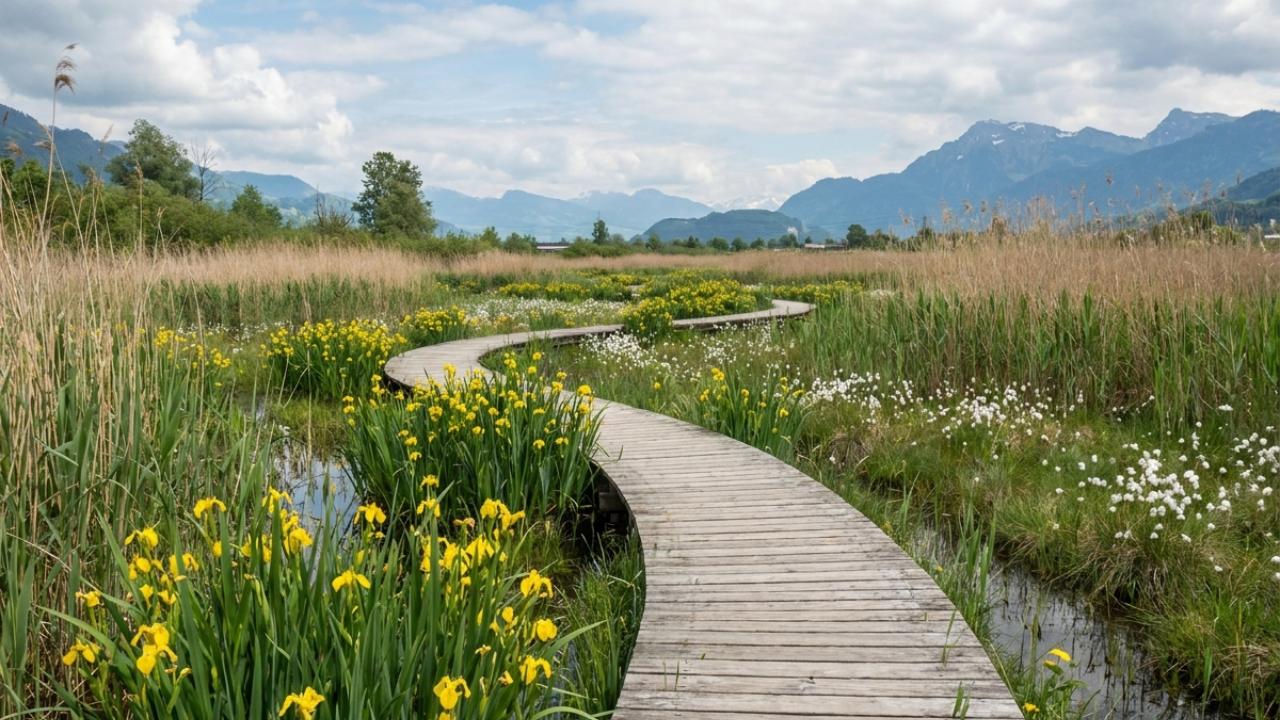
Ruggeller Riet is a protected wetland in northern Liechtenstein and one of the country’s most rewarding lowland nature spots. The reserve covers around 90 hectares and is known for its peatland landscape, birdlife, plants, ponds, hedges, and open meadows. It becomes especially beautiful from late May to early June, when Siberian irises can turn parts of the wetland into a blue-violet display. Unlike the mountain trails, Ruggeller Riet offers a flat and peaceful walking experience, making it suitable for travelers who want nature without a strenuous hike. It is also a good reminder that Liechtenstein’s beauty is not only found in its peaks.

Best Time to Visit: Late May to early June for iris blooms.

Ideal For: Birdwatching, easy walks, and nature photography.

Traveler Tip: Stay on marked paths to protect the wetland habitat.

Must-Know: The area is sensitive, so avoid stepping into meadows.

5. Schellenberg Castle Ruins
© shutterstock / WildSoul

5. Schellenberg Castle Ruins

The ruins of Schellenberg Castle offer a quiet historical stop in the north of the country. Unlike Vaduz Castle, which is still a royal residence and not open for regular interior visits, Schellenberg’s ruins feel more understated and open to imagination. The site gives travelers a sense of medieval Liechtenstein without heavy crowds or a museum-like atmosphere. It is best appreciated as part of a walk through the surrounding village and countryside. The ruins are not large, but they have a calm, atmospheric quality that makes them worth seeking out. For travelers interested in history, they add depth to Liechtenstein’s northern region.

Best Time to Visit: Spring to autumn for pleasant walking conditions.

Ideal For: History fans and travelers exploring northern Liechtenstein.

Traveler Tip: Pair it with nearby village walks for a fuller visit.

Must-Know: Do not expect a restored castle, as the appeal is in the ruins.

6. Eschnerberg Trail
© Dave Mani

6. Eschnerberg Trail

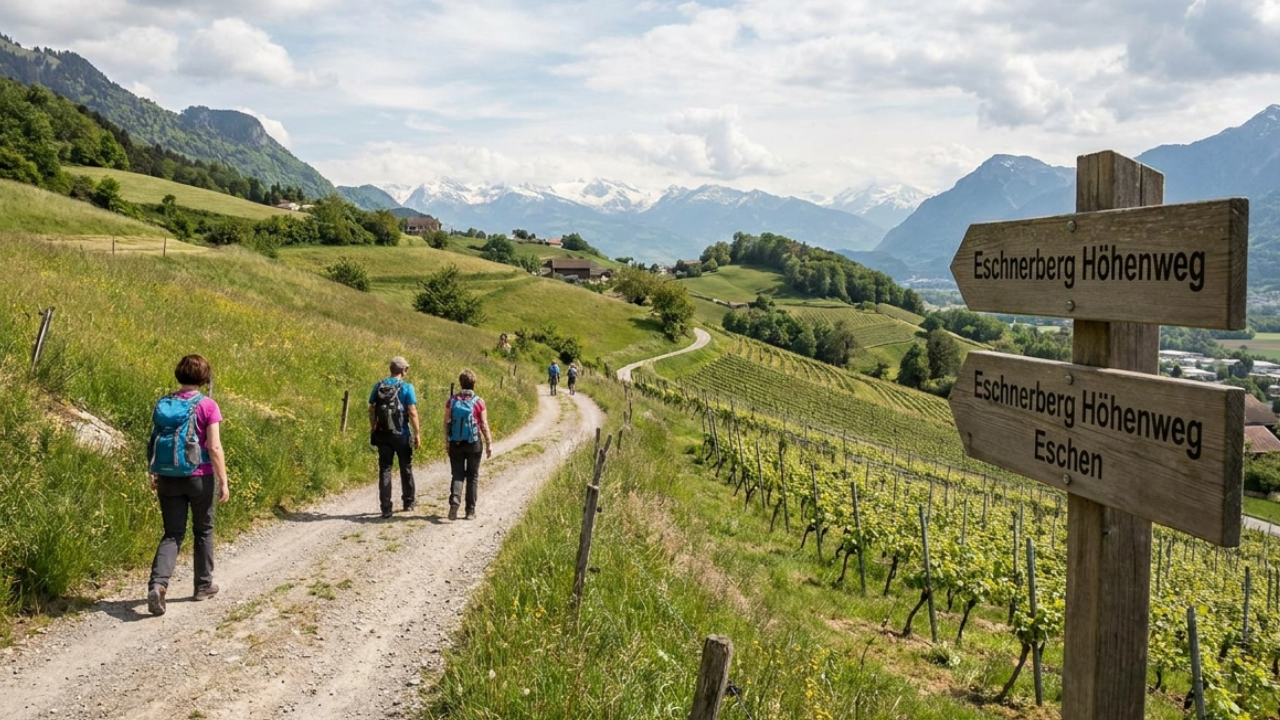
The Eschnerberg area is one of Liechtenstein’s most underrated walking regions, especially for travelers who enjoy gentle history-focused routes. The trail passes through rural scenery, forested stretches, and archaeological landscapes connected to early settlement in the region. It is less dramatic than the high Alpine hikes, but it gives visitors a better sense of the country’s older layers. Walking here feels quiet and local, with views across the Rhine Valley appearing between fields and wooded paths. For travelers who prefer meaningful, uncrowded routes over postcard viewpoints, Eschnerberg is a strong choice.

Best Time to Visit: April to October for easier walking conditions.

Ideal For: Gentle hiking, local history, and countryside views.

Traveler Tip: Bring water and snacks, as services along the trail are limited.

Must-Know: The route is best enjoyed slowly rather than as a quick stop.

7. Gaflei
© Dave Mani

7. Gaflei

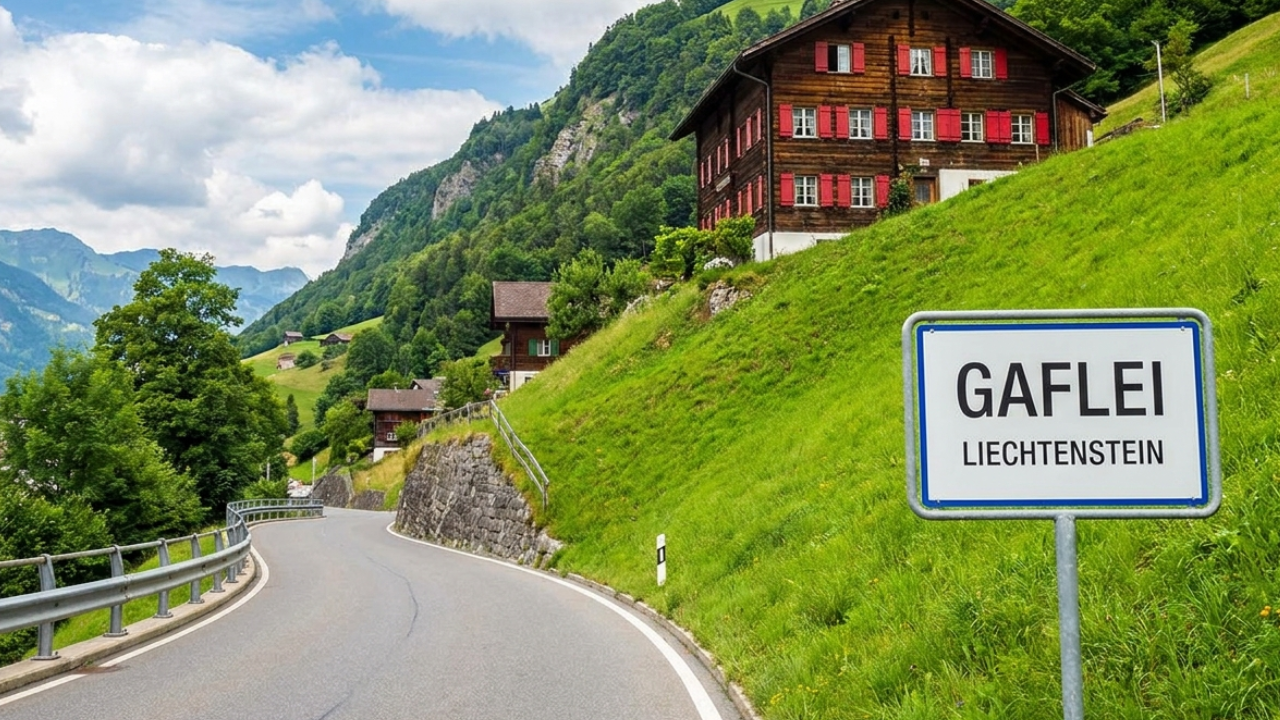
Gaflei is a small mountain area that deserves attention for its views and access to some of Liechtenstein’s most scenic walking routes. It sits above the Rhine Valley and is often associated with the Fürstensteig area, a dramatic trail for experienced hikers. Even travelers who do not take on the more exposed route can appreciate Gaflei for its peaceful setting, mountain air, and wide viewpoints. It is a good place to understand how quickly Liechtenstein rises from valley towns to Alpine landscapes. The area feels quiet compared with more famous mountain resorts, making it useful for travelers who want scenery without too much development.

Best Time to Visit: June to September for safer mountain conditions.

Ideal For: Viewpoints, hiking access, and Alpine photography.

Traveler Tip: Check trail conditions before attempting exposed routes.

Must-Know: Some nearby hikes are not suitable for nervous beginners.

8. Gutenberg Castle, Balzers
© shutterstock / BearFotos

8. Gutenberg Castle, Balzers

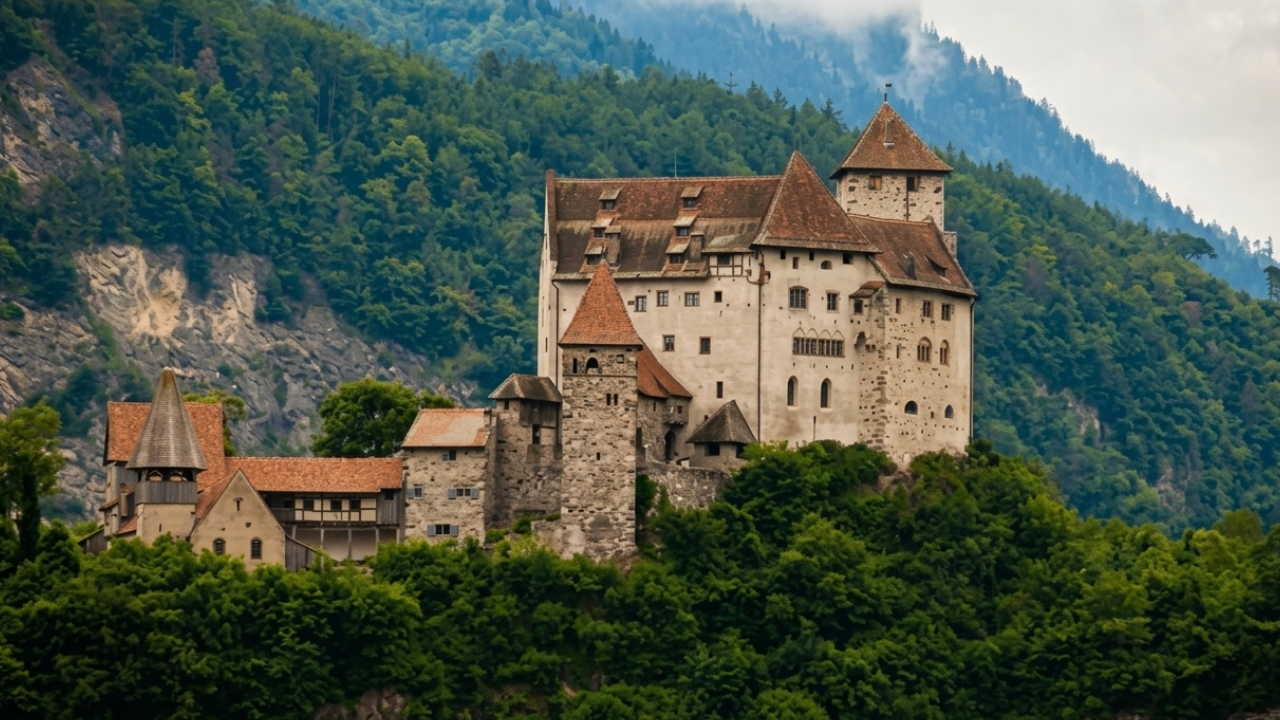
Gutenberg Castle in Balzers is more visible than hidden, but it still receives less attention than Vaduz Castle. Set on a hill above the village, it creates one of Liechtenstein’s most striking views, especially when seen with the surrounding mountains behind it. The castle’s setting makes it ideal for travelers who enjoy historic architecture without dense crowds. Balzers itself is also worth a short walk, with a quieter village feel than the capital. The castle grounds and exterior views are the main draw, and the area works well as a scenic stop when traveling through southern Liechtenstein.

Best Time to Visit: April to October for clearer views and easier walking.

Ideal For: Castle photography, village walks, and scenic stops.

Traveler Tip: Visit in soft morning or late afternoon light for better photos.

Must-Know: Interior access can be limited, so check ahead before planning around it.


Comments (0)

Leave a Reply

No comments yet. Be the first to share your thoughts!