Travel Destination

8 countries where travelers should be mindful of local customs

James Porter
4.9
May 01, 2026

Travel is no longer just about seeing famous landmarks, trying local food, and taking photos in beautiful places. In many destinations, the way visitors behave now matters as much as where they go. Overtourism, social media pressure, short-term rental growth, environmental damage, and disrespectful behavior have pushed several countries to rethink how tourists interact with local communities.

Respecting local culture has always been important, but it is becoming more visible now because some places are introducing rules, fines, visitor guidelines, and public campaigns to protect traditions, sacred sites, neighborhoods, and natural landscapes. In countries where tourism is closely tied to religion, Indigenous identity, heritage, or fragile environments, travelers need to be more prepared than before.

This does not mean visitors should feel nervous about traveling. It simply means that good travel now requires more awareness. Learning basic etiquette, dressing appropriately, asking before taking photos, respecting sacred spaces, and understanding local concerns can make a trip smoother and more meaningful.

Here are 8 countries where respecting local culture matters more than ever.
1. Japan
© shutterstock / Tayawee Supan

1. Japan

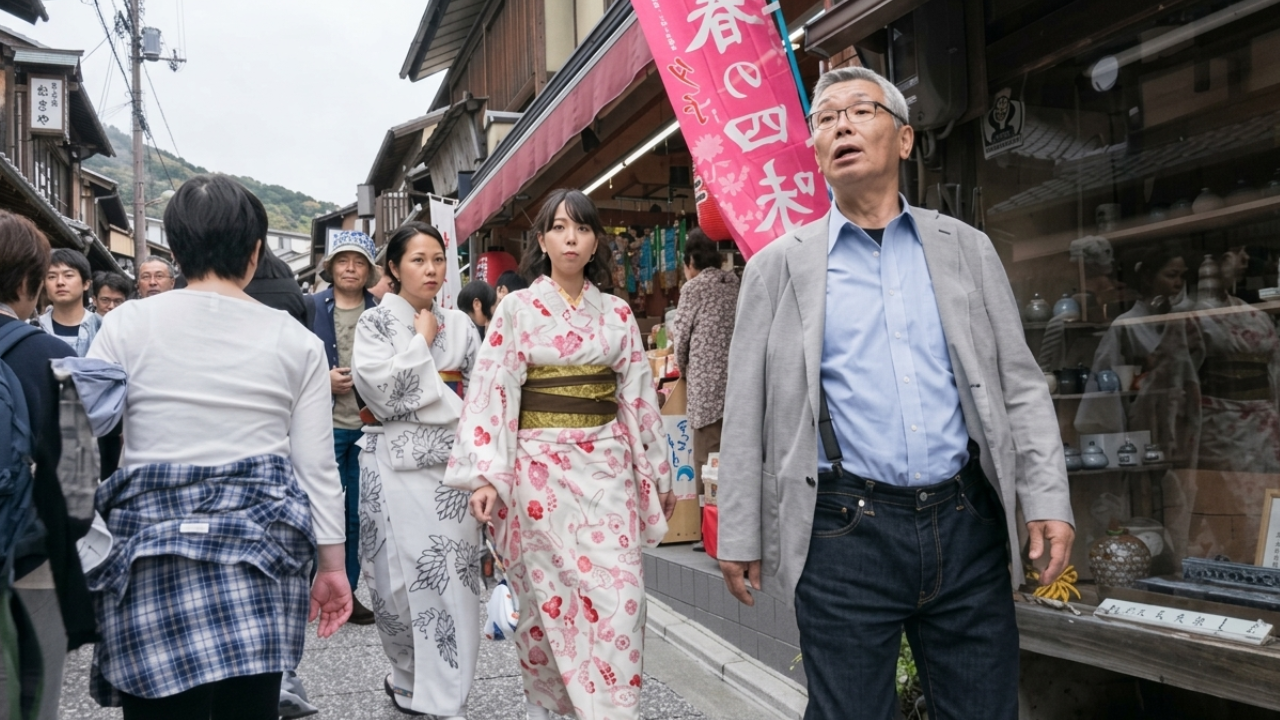
Japan is one of the world’s most admired travel destinations, known for its temples, food, trains, gardens, pop culture, and historic neighborhoods. But the country has also been dealing with the effects of heavy tourism, especially in places like Kyoto, Mount Fuji, and traditional districts such as Gion. In Kyoto, authorities have taken steps to restrict tourists from private alleys in the geisha district after reports of visitors trespassing, blocking streets, and taking unwanted photos of geiko and maiko. The Guardian reported that the move was introduced after warnings and fines failed to stop poor behavior in parts of Gion.

Respect in Japan is often shown through quiet behavior, patience, cleanliness, and awareness of personal space. Visitors should avoid speaking loudly on public transport, touching people’s belongings, photographing performers or residents without permission, and ignoring signs in temples or residential areas. Japan is welcoming, but it is also a country where social harmony matters deeply.

The best way to travel respectfully is to slow down and observe. Watch how locals behave on trains, in restaurants, at shrines, and in neighborhoods. Small actions, such as standing aside on narrow streets, disposing of trash properly, and following photography rules, make a real difference.

Culture Rule: Ask before photographing people, especially in traditional districts.

Traveler Tip: Keep your voice low on trains and in quiet public spaces.

Best Approach: Follow signs carefully, even when others ignore them.

Must-Know: Some Kyoto lanes are private, not tourist photo zones.

2. Indonesia
© shutterstock / Dynamoland

2. Indonesia

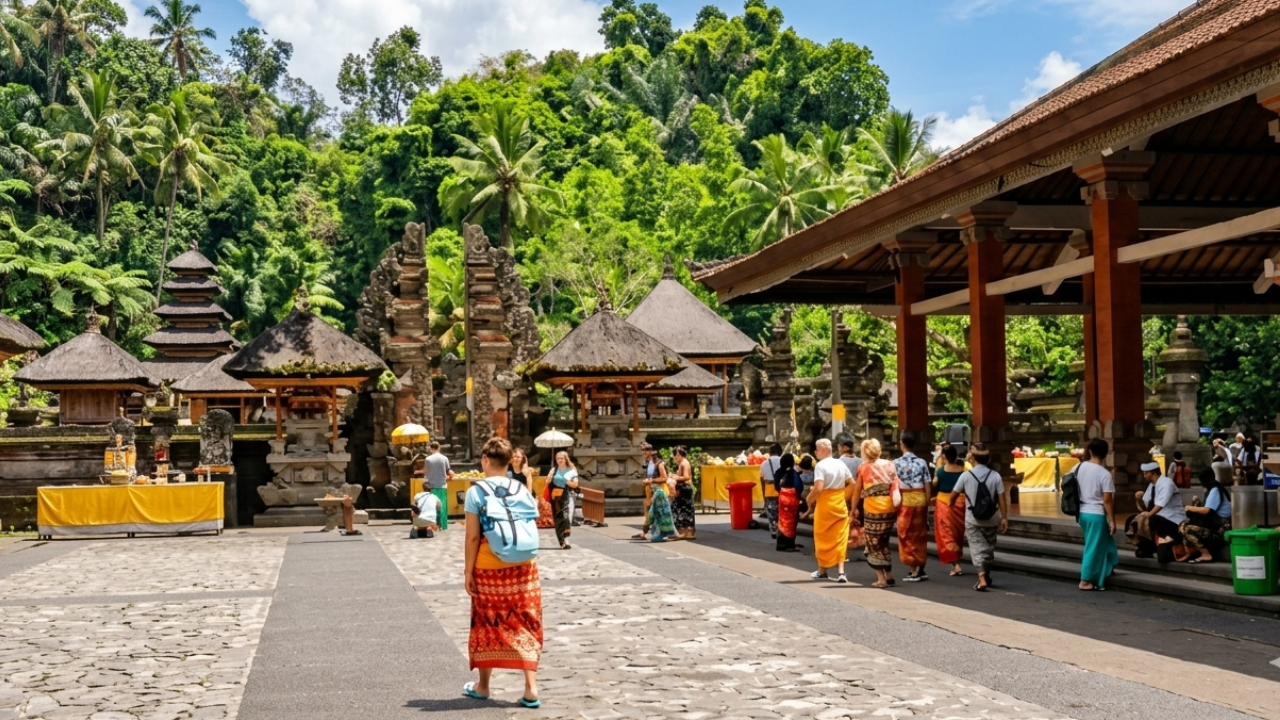
Indonesia is culturally diverse, but Bali is the clearest example of why cultural respect has become more urgent. Bali’s popularity has brought major benefits, but it has also created problems around traffic, temple behavior, disrespectful social media stunts, illegal work, and poor conduct at sacred sites. In 2025, Bali issued new guidelines for foreign tourists through Circular Letter Number 7 of 2025, aimed at preserving cultural integrity, improving tourist behavior, and aligning tourism with local customs and laws.

The official Love Bali guidance advises foreign tourists to respect Balinese customs, dress modestly at temples and ceremonies, behave politely, and interact respectfully with residents and other visitors. These rules are not just formalities. Balinese Hindu traditions are woven into daily life, with offerings, ceremonies, temple visits, and community rituals happening across the island.

Visitors should avoid climbing sacred structures, entering temples without proper clothing, interrupting ceremonies for photos, or treating local villages like backdrops. Bali is beautiful, but it is not a theme park. Respectful travel means understanding that many of the island’s most photographed places are also active religious or community spaces.

Culture Rule: Dress modestly and wear a sarong where required at temples.

Traveler Tip: Do not interrupt ceremonies for photos or videos.

Best Approach: Use licensed guides for temples and cultural sites.

Must-Know: Disrespectful behavior can lead to penalties or deportation.

3. Thailand
© shutterstock / Pradit.Ph

3. Thailand

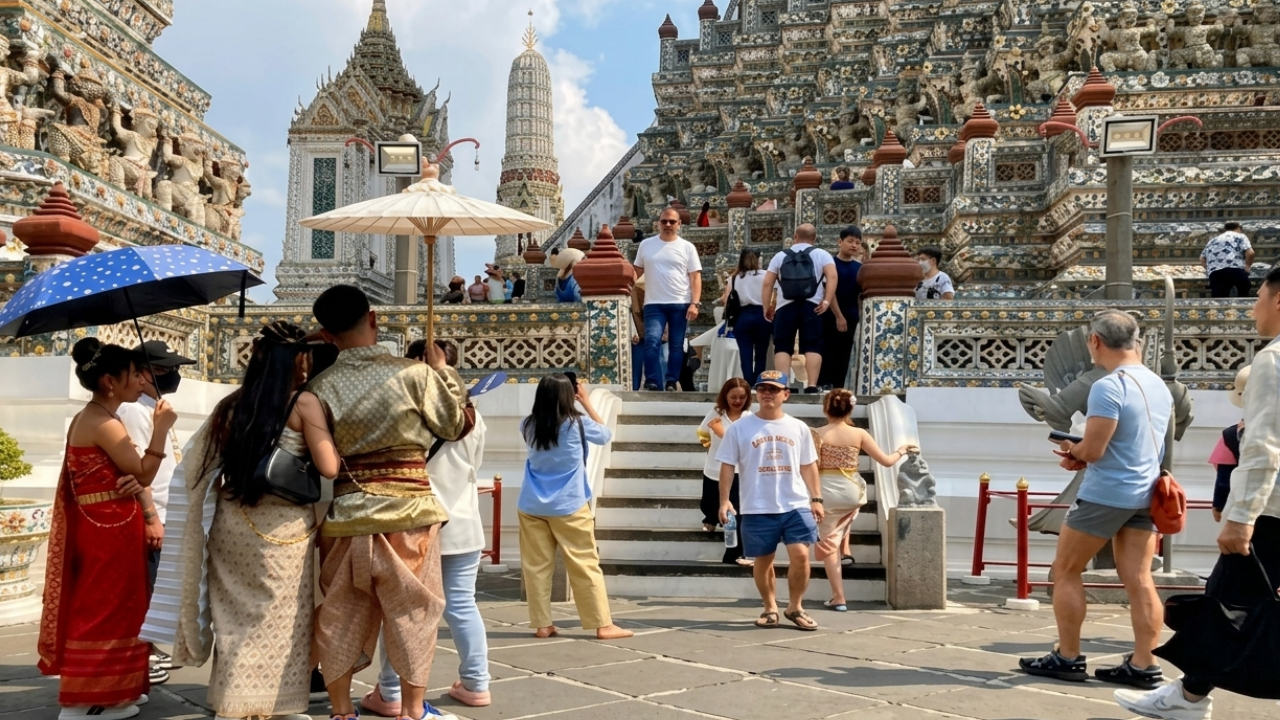
Thailand is famous for warmth, hospitality, beaches, street food, and temples, but cultural respect is essential because many customs are tied to Buddhism, monarchy, family values, and social harmony. Visitors may find Thailand relaxed in tourist areas, but that does not mean anything goes. Temple etiquette, respectful dress, polite body language, and sensitivity around the monarchy all matter.

Thai etiquette guides emphasize several key points for visitors: dress properly at temples, avoid touching someone’s head, do not point your feet at people or sacred objects, and show respect toward the royal family. Thailand’s cultural norms also value calm communication, so public anger, shouting, or aggressive bargaining can be seen as deeply uncomfortable.

Respect becomes especially important at temples and religious sites. Travelers should cover shoulders and knees, remove shoes where required, avoid climbing on Buddha images, and keep behavior quiet. Even in casual beach destinations, visitors should remember that swimwear belongs at the beach, not in shops, temples, markets, or town streets.

Thailand rewards travelers who show courtesy. Learning a polite greeting, smiling without being pushy, and avoiding confrontational behavior can make interactions much smoother.

Culture Rule: Never disrespect Buddha images or the monarchy.

Traveler Tip: Cover shoulders and knees when visiting temples.

Best Approach: Stay calm and polite, even during misunderstandings.

Must-Know: Feet are considered low, so avoid pointing them at people or shrines.

4. Saudi Arabia
© shutterstock / KIM DONGHO

4. Saudi Arabia

Saudi Arabia is opening more widely to international tourism, but it remains one of the most culturally distinct countries travelers can visit. The country’s customs are shaped by Islamic values, conservative social norms, family privacy, and local law. As tourism grows, visitors need to understand that cultural respect is not optional. It is part of traveling safely and appropriately.

Recent travel etiquette guidance for Saudi Arabia stresses that visitors should respect Islamic foundations and conservative norms while recognizing that the country is also changing quickly. This balance is important. Modern hotels, events, museums, and new tourism projects may feel international, but public behavior still needs to match local expectations.

Travelers should dress modestly, avoid public displays of affection, respect prayer times, ask before photographing people, and be careful around religious or government sites. Alcohol rules remain strict for general visitors, and behavior that might be ignored elsewhere can create serious problems in Saudi Arabia.

The country can feel surprisingly hospitable when visitors arrive prepared. Local generosity is part of the culture, but guests are expected to show awareness, patience, and respect in return.

Culture Rule: Dress modestly and avoid public displays of affection.

Traveler Tip: Be mindful of prayer times and religious spaces.

Best Approach: Ask before taking photos of people or private places.

Must-Know: Local laws can be much stricter than in typical resort destinations.

5. Bhutan
© shutterstock / Ipek Morel

5. Bhutan

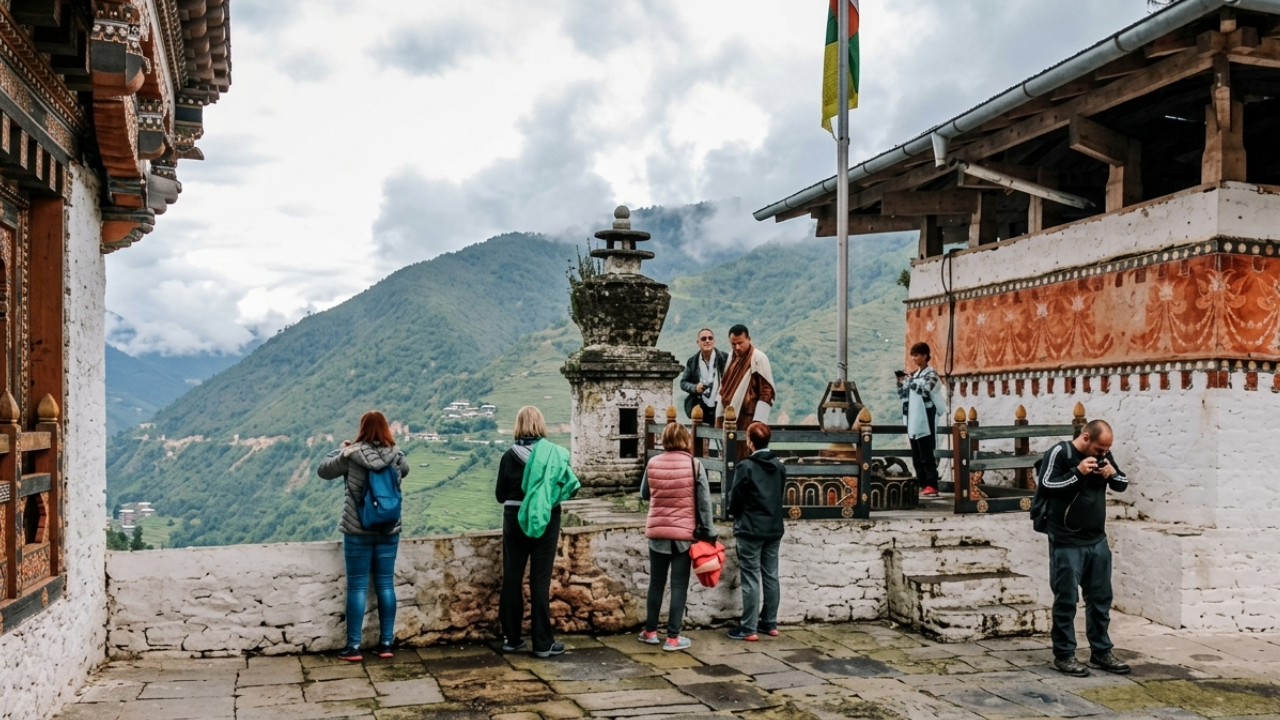
Bhutan has long taken a careful approach to tourism, built around protecting its culture, environment, and way of life. Unlike countries that focus mainly on high visitor numbers, Bhutan is known for its “High Value, Low Impact” tourism model. Visit Bhutan explains that the country’s cautious tourism policy has helped preserve its cultural heritage since tourism began there in 1974.

Respecting local culture matters in Bhutan because travel is closely connected to monasteries, dzongs, Buddhist traditions, rural communities, and environmental values. Visitors are expected to behave thoughtfully in sacred spaces, dress appropriately, avoid disturbing monks or ceremonies, and follow guide instructions at religious sites.

The Sustainable Development Fee also reflects Bhutan’s tourism philosophy. It is not just a charge for entry, but part of a broader system designed to support responsible travel and reduce the negative effects of mass tourism.

Travelers who come to Bhutan should not expect a casual, anything-goes holiday. The country is best approached with patience, curiosity, and humility. Photography rules, temple etiquette, and local customs should be followed carefully, even when they limit what visitors can capture or access.

Culture Rule: Follow guide instructions at monasteries and dzongs.

Traveler Tip: Dress neatly and modestly for religious sites.

Best Approach: Treat ceremonies as living traditions, not performances.

Must-Know: Bhutan’s tourism model is designed to protect culture and nature.

6. New Zealand
© shutterstock / NataliaCatalina.com

6. New Zealand

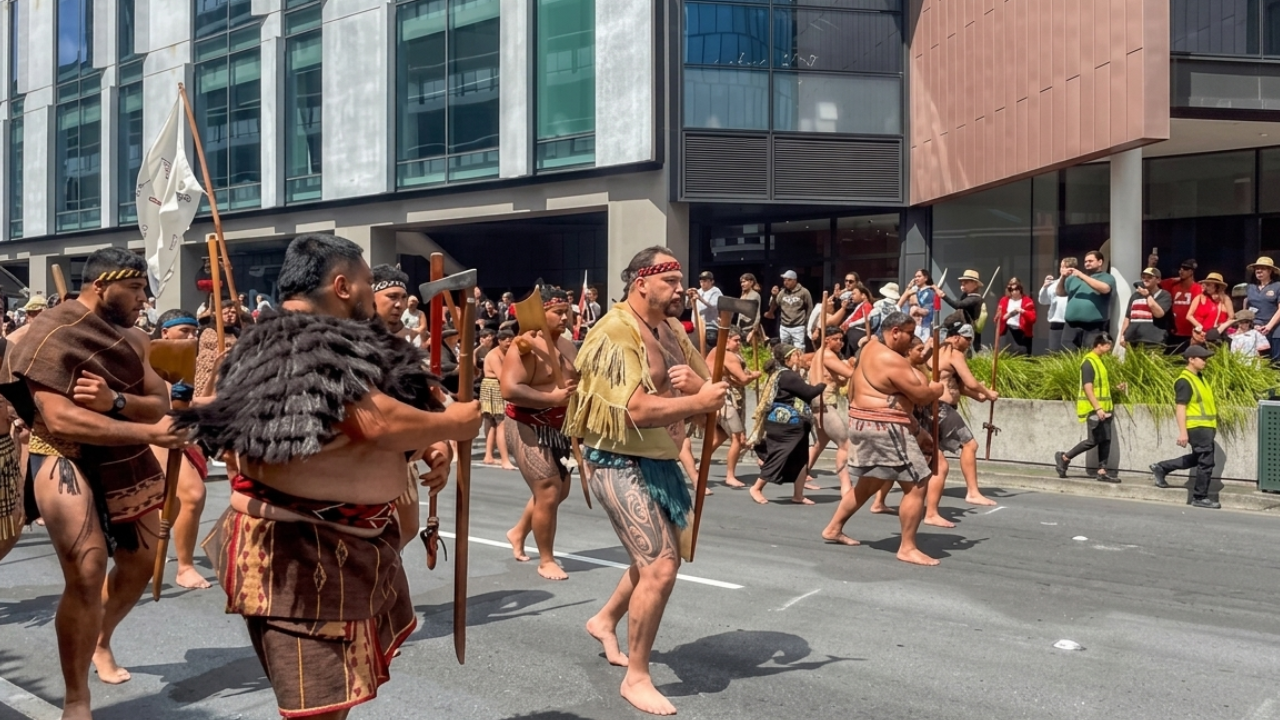
New Zealand is often seen as easygoing and outdoorsy, but respecting local culture is increasingly important because travel is closely tied to land, nature, Māori heritage, and environmental responsibility. The Tiaki Promise encourages visitors to care for New Zealand’s people, place, and culture, and describes travel as a responsibility shared by everyone who visits or lives there.

This matters because many of New Zealand’s most popular places are not just scenic landscapes. Mountains, lakes, forests, rivers, and coastal areas may carry cultural meaning for Māori communities. Visitors should avoid treating nature as an open playground where anything is acceptable. Staying on marked trails, cleaning up after yourself, driving safely, and respecting local guidance are all part of cultural respect.

The Tiaki approach also encourages travelers to show respect by learning about customs, caring for the environment, and traveling with an open mind. This is especially relevant for hikers, road-trippers, campervan travelers, and anyone visiting national parks or Māori cultural sites.

Respectful travel in New Zealand is practical as well as cultural. It means leaving no trace, avoiding careless driving, asking before entering private land, and understanding that natural places are connected to identity and guardianship.

Culture Rule: Respect Māori culture and the meaning of natural places.

Traveler Tip: Follow the Tiaki Promise when hiking or road-tripping.

Best Approach: Leave no trace and stay on marked routes.

Must-Know: Some landscapes are culturally significant, not just scenic.

7. Mexico
© shutterstock / Anton_Ivanov

7. Mexico

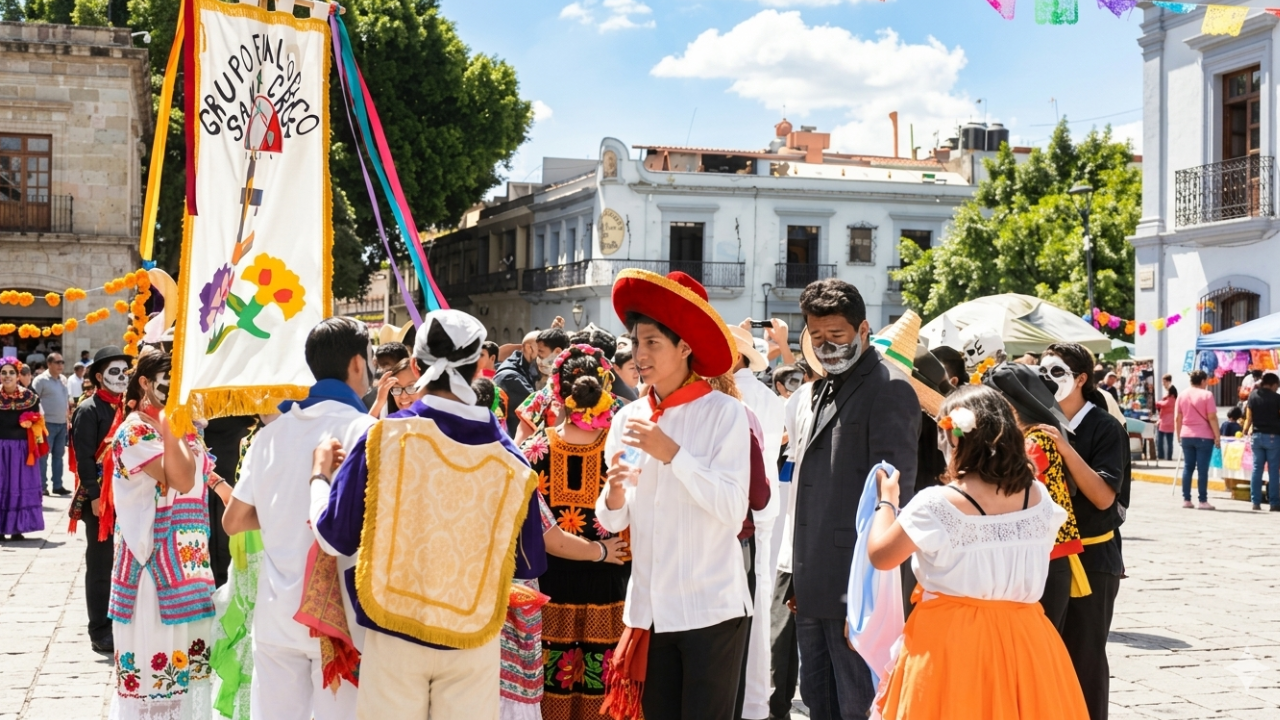
Mexico is welcoming and culturally rich, but visitors need to avoid reducing it to beaches, nightlife, resorts, and quick photo stops. The country’s culture is layered, with Indigenous traditions, Catholic festivals, regional foodways, local markets, historic centers, family customs, and community celebrations all shaping daily life. Respect matters more than ever because tourism pressure is rising in places such as Mexico City, Oaxaca, Tulum, Cancún, San Miguel de Allende, and the Yucatán.

Travelers should be especially careful around religious festivals, cemeteries, Indigenous communities, and markets. Events like Día de Muertos are meaningful cultural traditions, not costume parties designed for outsiders. In places with strong local identities, visitors should ask before photographing people, avoid touching ceremonial objects, and buy crafts respectfully without aggressive bargaining.

Mexico also requires sensitivity because experiences differ widely by region. A beach resort, a mountain village, a colonial city, and an Indigenous community may all have very different expectations. Learning a few Spanish phrases, greeting people politely, and showing interest in local customs can make a trip feel much more respectful.

The best travelers in Mexico are those who enjoy the culture without treating it as a performance.

Culture Rule: Ask before photographing people, markets, or ceremonies.

Traveler Tip: Learn basic Spanish greetings before arrival.

Best Approach: Treat festivals as cultural traditions, not party themes.

Must-Know: Customs vary widely by region and community.

8. Morocco
© shutterstock / CatwalkPhotos

8. Morocco

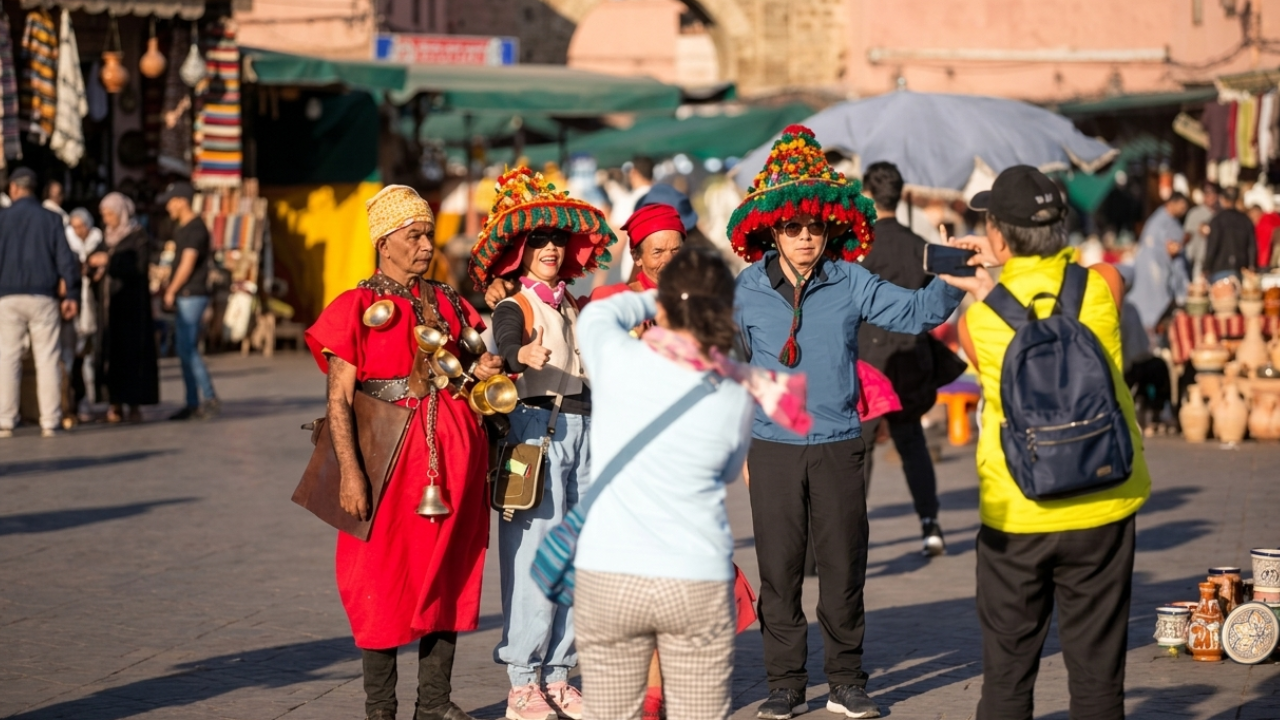
Morocco attracts travelers with medinas, desert landscapes, riads, mountain villages, mosques, markets, and craft traditions. It is also a country where respecting local culture strongly shapes the visitor experience. Morocco is Muslim-majority, socially traditional in many areas, and built around customs that may feel different from those in Western tourist destinations.

Visitors should dress modestly, especially outside resort areas, in rural communities, or near religious sites. Non-Muslims cannot enter many mosques, with a few major exceptions, so travelers should not assume every beautiful building is open for tourism. In medinas and souks, photography should be handled carefully. Some shopkeepers, artisans, and residents do not want to be photographed, while others may expect permission or payment.

Respect also matters in how travelers bargain, interact with guides, and move through residential neighborhoods. Medinas are living communities, not just shopping districts. Doorways, courtyards, workshops, bakeries, and narrow lanes are part of daily life for residents.

Morocco is highly rewarding for travelers who slow down, dress thoughtfully, ask permission, and understand that hospitality is often tied to mutual respect.

Culture Rule: Dress modestly, especially in traditional or rural areas.

Traveler Tip: Ask before taking photos of people or shops.

Best Approach: Use local guides in complex medinas.

Must-Know: Many mosques are not open to non-Muslim visitors.


Comments (0)

Leave a Reply

No comments yet. Be the first to share your thoughts!