Travel Destination

8 countries that have recently updated their entry rules for incoming travelers

Adam Collins
4.2
April 27, 2026

International travel is becoming more digital, more regulated, and less forgiving of last-minute planning. In many popular destinations, visitors who once needed only a passport now need an electronic travel authorization, a digital arrival card, a tourist levy receipt, biometric registration, or proof that a pre-arrival form has been completed correctly. These changes are not always difficult, but they can complicate a trip if travelers do not check the rules before booking flights.

The shift is happening for several reasons. Governments want faster border processing, better security screening, improved tourism management, and more control over overcrowded destinations. For travelers, the biggest challenge is that the rules differ from place to place. Some systems are free, some charge a fee, some must be completed days before arrival, and others can affect boarding before you even reach immigration.

Here are 8 places where new or recently expanded entry rules could make travel more complicated than before.


1. United Kingdom
© shutterstock / New Africa

1. United Kingdom

The United Kingdom is one of the clearest examples of how entry rules have changed for travelers who were previously used to simple visa-free visits. The UK now uses an Electronic Travel Authorisation system for many visitors coming for tourism, family visits, short business trips, or transit-related travel. The ETA is not a visa, but it is still a required pre-travel permission for eligible travelers who do not need a standard visa.

This rule can complicate trips because travelers may not realize they need approval before boarding a flight, ferry, or train to the UK. The official UK government guidance says visitors can apply for an ETA for stays of up to 6 months and that it costs £20. This means travelers planning short trips to London, Edinburgh, Manchester, or other parts of the UK need to build one more step into their planning process. Families and groups should be especially careful, because every eligible traveler needs their own authorization.

What Changed: Many visa-exempt visitors now need a UK ETA before travel.

Who It Affects: Tourists, short-term visitors, and eligible transit passengers.

Trip Complication: You may be denied boarding without approval.

Traveler Tip: Apply before booking tight connections through UK airports.

2. Schengen Area, Europe
© shutterstock / New Africa

2. Schengen Area, Europe

Travel to much of Europe is becoming more complicated because of two major border changes: the Entry/Exit System and ETIAS. The Schengen Area includes many of Europe’s most visited countries, including France, Italy, Spain, Germany, Greece, the Netherlands, Portugal, and Austria. For years, many non-EU travelers entered visa-free and received a passport stamp. That process is changing.

The EU’s official ETIAS website describes ETIAS as a new travel authorization for visa-exempt travelers entering 30 European countries, with a €20 application fee and permission for short stays of up to 90 days within a 180-day period. The Entry/Exit System is also changing the border experience by digitally recording entries and exits for non-EU travelers instead of relying only on manual passport stamps. Recent travel reporting has noted that biometric registration and digital border checks have already caused delays in some places, showing how even automated systems can create queues during rollout.

What Changed: Europe is moving toward digital travel authorization and biometric border records.

Who It Affects: Many non-EU, visa-exempt visitors.

Trip Complication: First-entry processing may take longer due to biometric checks.

Traveler Tip: Leave extra time for airport, ferry, rail, and land-border arrivals.

3. Thailand
© shutterstock / Mehaniq

3. Thailand

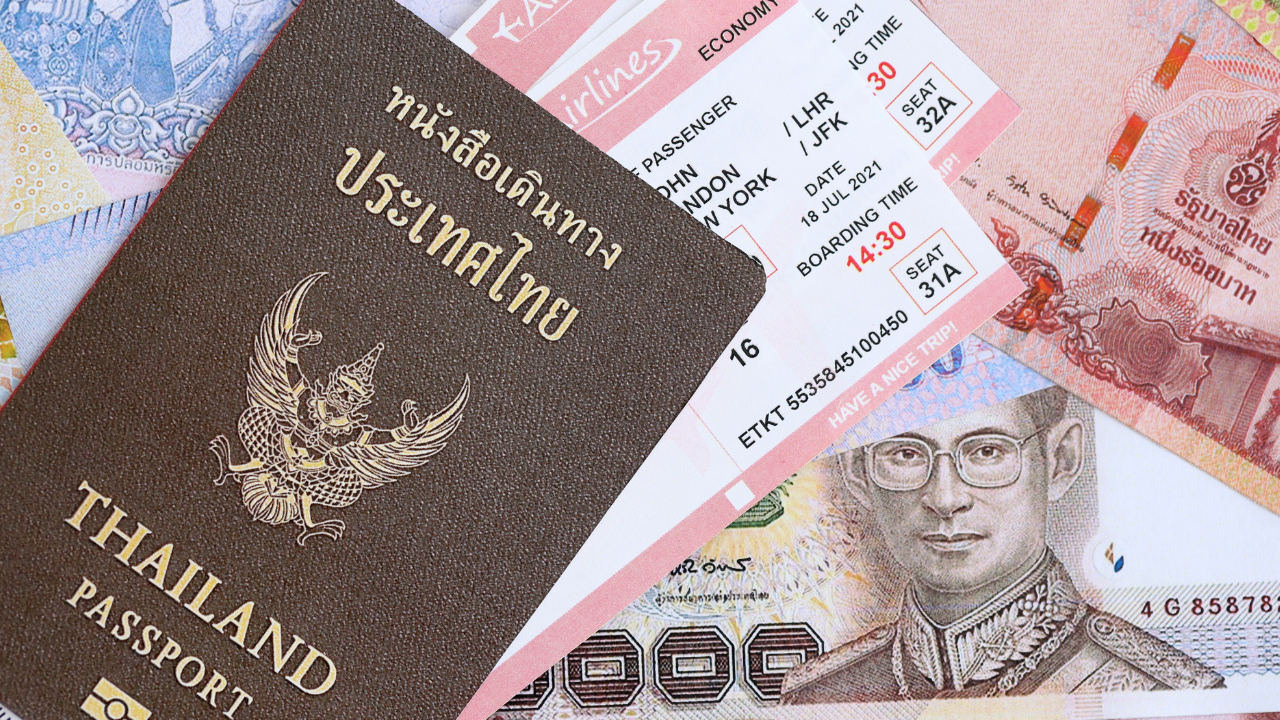
Thailand has introduced a digital arrival requirement that changes how international visitors prepare for entry. The Thailand Digital Arrival Card, or TDAC, replaces the old paper arrival card and must be completed online by foreign travelers. Thailand’s official TDAC site states that all passengers must complete the digital arrival card and that it is free through the official portal.

This may sound simple, but it can still complicate a trip for travelers who are used to filling out forms on the plane. The official Thailand government guidance says foreign nationals are required to register online at least 72 hours before travel. That means visitors heading to Bangkok, Phuket, Chiang Mai, Krabi, or Koh Samui should not leave the form until arrival day. It is especially important for families, older travelers, and people on multi-country Southeast Asia trips who may be entering Thailand after several flights or border crossings.

What Changed: Thailand replaced paper arrival cards with the online TDAC.

Who It Affects: Foreign travelers entering Thailand.

Trip Complication: Forgetting the form can slow down immigration processing.

Traveler Tip: Complete the TDAC through the official site before departure.

4. Brazil
© shutterstock / surprisestock

4. Brazil

Brazil has made travel more complicated for citizens of the United States, Canada, and Australia by bringing back visa requirements. For several years, travelers from those countries could visit Brazil for tourism or business without a visa, but that changed in 2025. Brazil’s official government information states that citizens traveling with passports from Australia, Canada, and the United States for tourism or business are subject to visa requirements starting April 10, 2025.

This matters because Brazil is a major long-haul destination where travelers often plan around specific events, cruises, beaches, Amazon trips, or Carnival. A missed e-visa step can create major problems because the trip may involve expensive flights and multiple domestic connections. The e-visa system is online, but travelers still need to prepare documents and allow enough time for approval. Anyone heading to Rio de Janeiro, São Paulo, Salvador, Foz do Iguaçu, the Amazon, or the Pantanal should check the requirements early.

What Changed: Brazil reinstated e-visa requirements for U.S., Canadian, and Australian passport holders.

Who It Affects: Tourists and business travelers from those countries.

Trip Complication: Visa approval is now part of pre-trip planning.

Traveler Tip: Apply well before departure, especially before Carnival or holiday periods.

5. Israel
© shutterstock / Nataliya Pylayeva

5. Israel

Israel now requires visitors from visa-exempt countries to obtain an ETA-IL before travel. The official Israel Population and Immigration Authority entry site says that starting from January 2025, visitors from visa-exempt countries are required to obtain an Electronic Travel Authorization to enter Israel. An approved ETA-IL allows travel to Israel and stays of up to 90 days per visit.

This is a major change for travelers who previously assumed visa-free entry meant no online permission was needed. The ETA-IL can affect short city breaks, religious travel, family visits, group tours, and business trips. The official Israeli government guidance also notes that an ETA-IL authorization is valid for up to 2 years or until the passport expires, whichever comes first. Still, travelers need to make sure the authorization matches their current passport details. A new passport, changed name, or changed citizenship can require a new application.

What Changed: Visa-exempt visitors now need ETA-IL approval.

Who It Affects: Travelers from countries that do not normally need a visa for Israel.

Trip Complication: Passport changes can make an existing authorization invalid.

Traveler Tip: Check passport validity and ETA status before booking flights.

6. Kenya
© shutterstock / GR.Stocks

6. Kenya

Kenya removed traditional visa requirements for many travelers, but that does not mean entry is paperwork-free. Instead, visitors must now use the Electronic Travel Authorization system. Kenya’s official eTA portal says all travelers to Kenya are required to submit information before departure and warns that failure to comply may lead to denied boarding or a penalty fee on arrival.

For tourists, this can complicate safari travel because Kenya trips often involve tight timing, expensive lodge bookings, domestic flights, and transfers to national parks. Travelers may be focused on vaccinations, safari packing, or flight schedules and overlook the eTA step. The Kenyan Embassy in Washington describes the eTA system as part of Kenya’s visa-free regime, which means the country may feel “visa-free” in name, but still requires online pre-clearance. Visitors heading to Nairobi, Maasai Mara, Amboseli, Diani Beach, or Lake Nakuru should treat the eTA as a required travel document.

What Changed: Kenya replaced many visa processes with a required eTA.

Who It Affects: Most foreign visitors.

Trip Complication: Missing the eTA can affect boarding or arrival processing.

Traveler Tip: Complete the eTA before safari balances and internal flights are locked in.

7. Namibia
© shutterstock / PorcupenWorks

7. Namibia

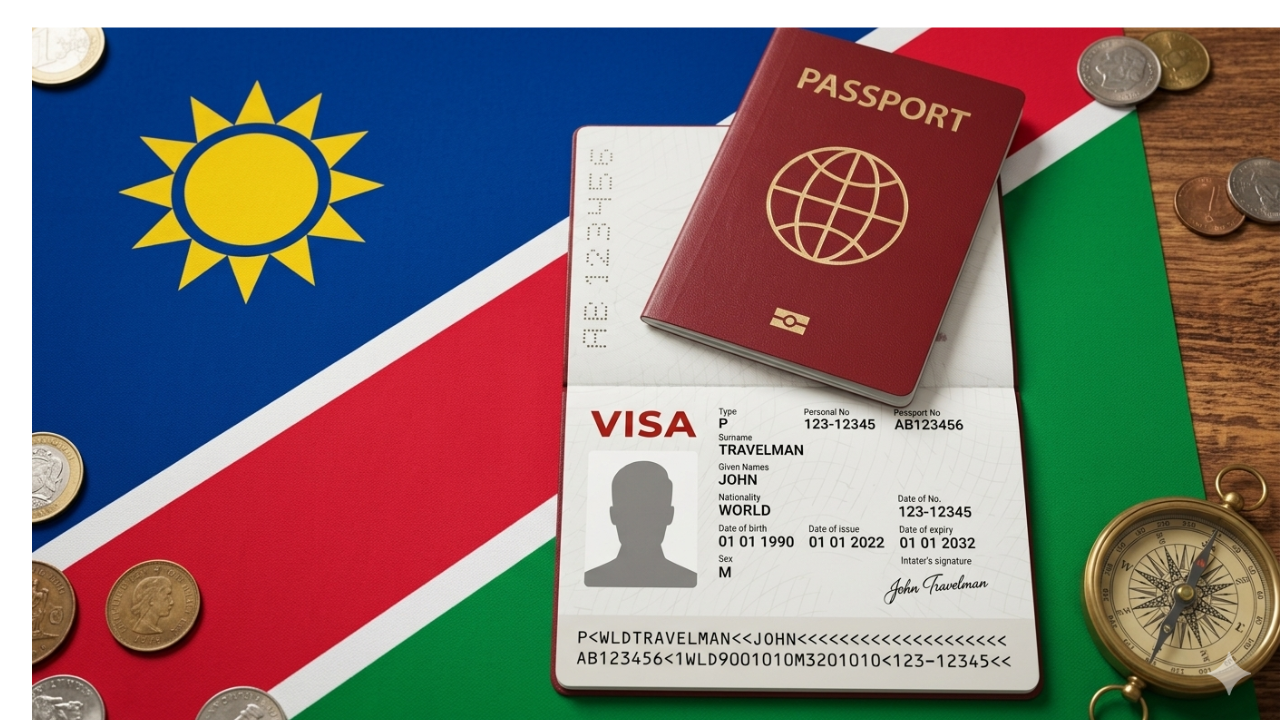
Namibia has introduced new visa-on-arrival requirements for nationals of countries that do not offer reciprocal visa-free access to Namibian citizens. This change affects travelers from several popular outbound tourism markets. A Namibian embassy fact sheet states that nationals and citizens of countries that have not reciprocated Namibia’s visa exemption policy are required to apply for a visa to enter Namibia, with implementation from April 1, 2025.

This can complicate trips because Namibia is often visited as part of a self-drive itinerary, safari route, or cross-border southern Africa journey. Travelers may enter through Windhoek, Walvis Bay, or land borders connected with South Africa, Botswana, Zambia, or Angola. Visit Namibia’s official update lists affected countries and explains that visa requirements apply on arrival, with fees depending on traveler category. Visitors planning routes to Etosha National Park, Sossusvlei, Swakopmund, Damaraland, or the Skeleton Coast should check visa requirements before finalizing car rentals and border crossings.

What Changed: Some travelers now need a visa on arrival or pre-arranged entry process.

Who It Affects: Citizens of countries included in Namibia’s reciprocity-based rule.

Trip Complication: Land-border travel may take longer than expected.

Traveler Tip: Carry printed booking details, passport copies, and payment options.

8. Bali, Indonesia
© shutterstock / vrostudio

8. Bali, Indonesia

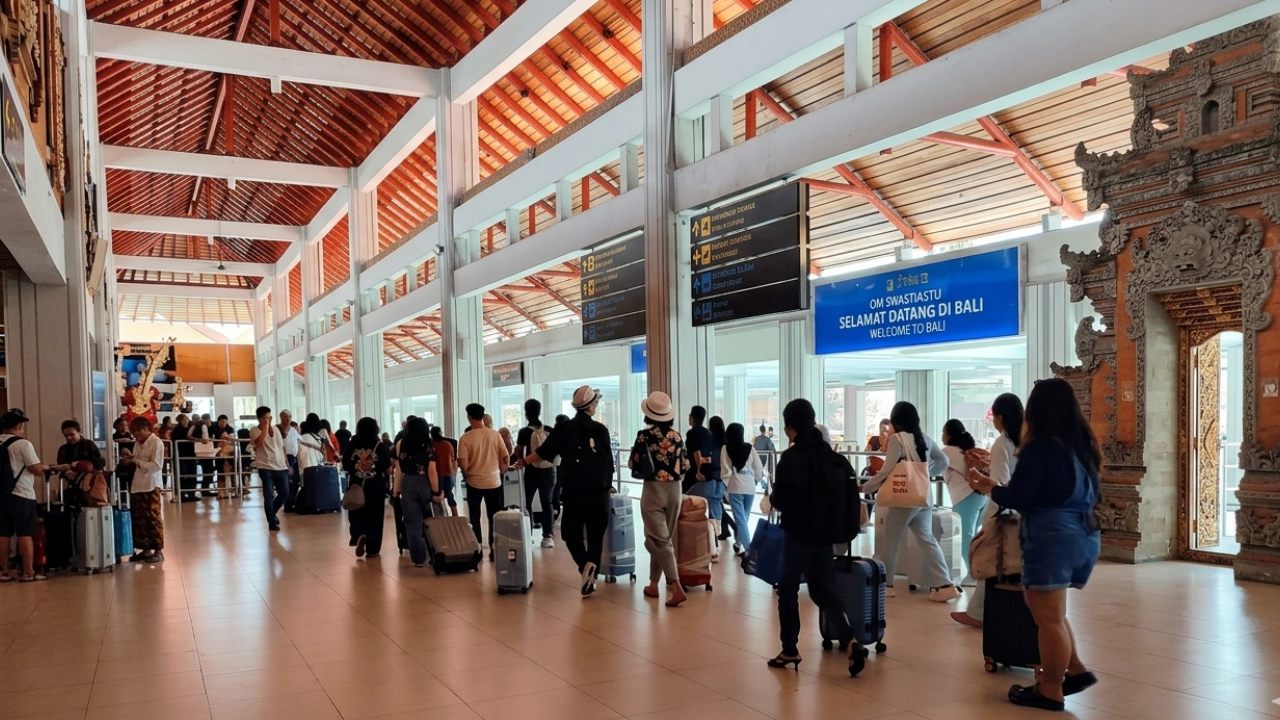
Bali has become more complicated for visitors because entry now involves more than just a passport and standard immigration processing. Foreign tourists entering Bali are subject to a tourist levy, and Indonesia has also moved toward digital arrival declarations at major entry points. Bali’s official Love Bali site says the foreign tourist levy has been in effect since February 14, 2024, with collection conducted cashlessly through the official Love Bali website.

Recent travel reporting also notes that Indonesia introduced a mandatory All Indonesia digital arrivals declaration at Bali and several other major entry points from September 1, 2025. The digital form combines immigration, customs, health, and quarantine declarations and can be submitted before departure. For visitors, the complication is not that the requirements are difficult individually, but that there are now multiple digital steps to track. Travelers heading to Denpasar, Ubud, Canggu, Uluwatu, Sanur, or the surrounding islands should avoid relying only on airport arrival counters.

What Changed: Bali requires a tourist levy, and Indonesia uses digital arrival declarations at key entry points.

Who It Affects: International visitors entering Bali and selected Indonesian gateways.

Trip Complication: Travelers may need both levy payment proof and digital declaration completion.

Traveler Tip: Save QR codes, receipts, and screenshots before flying.


Comments (0)

Leave a Reply

No comments yet. Be the first to share your thoughts!