Travel Europe

8 American travel habits that often stand out when visiting Europe

Leo Harper
5.0
April 24, 2026

Traveling through Europe offers a rich mix of cultures, traditions, and everyday habits that can feel both familiar and completely different to American visitors. From the way people dine to how they interact in public, subtle social norms shape daily life across the continent. While Americans are generally welcomed for their curiosity and enthusiasm, certain behaviors shaped by life in the United States can make them immediately recognizable abroad.

These differences are rarely intentional or negative. In fact, many come from habits that are perfectly normal at home. However, in European settings where social expectations often lean toward quieter, more reserved, and slower-paced interactions, these habits can stand out quickly. Understanding these contrasts helps travelers adapt more easily and avoid misunderstandings.

This guide explores eight common behaviors that often make Americans noticeable in Europe, explaining why they stand out and how they are perceived locally. The aim is not to criticize but to provide useful cultural insight for smoother, more respectful travel experiences.

1. Speaking Noticeably Louder Than Locals
© shutterstock / Luis Molinerojpg

1. Speaking Noticeably Louder Than Locals

In many European countries, public conversations tend to be more subdued. Whether in cafés, trains, museums, or even outdoor spaces, people usually speak at a lower volume. Americans, on the other hand, often use a more expressive speaking style, which can naturally be louder, especially in groups.

This difference becomes especially obvious in quiet environments such as public transportation or small restaurants. A conversation that feels normal to an American can easily carry across the room, drawing attention. Locals may not always react directly, but it is one of the quickest ways tourists are identified.

The reason behind this difference is partly cultural and partly environmental. In the United States, larger spaces and more casual social norms allow for louder communication. In contrast, many European settings are more compact and emphasize shared space awareness.

Why It Stands Out: Public spaces in Europe tend to be quieter and more restrained

Where It’s Most Noticeable: Trains, restaurants, museums, and narrow streets

Local Perspective: Often seen as disruptive rather than friendly

Adjustment Tip: Lower your voice slightly and match the volume of those around you

2. Expecting Fast Service and Frequent Check-Ins
© shutterstock / Aleksey Dushutin

2. Expecting Fast Service and Frequent Check-Ins

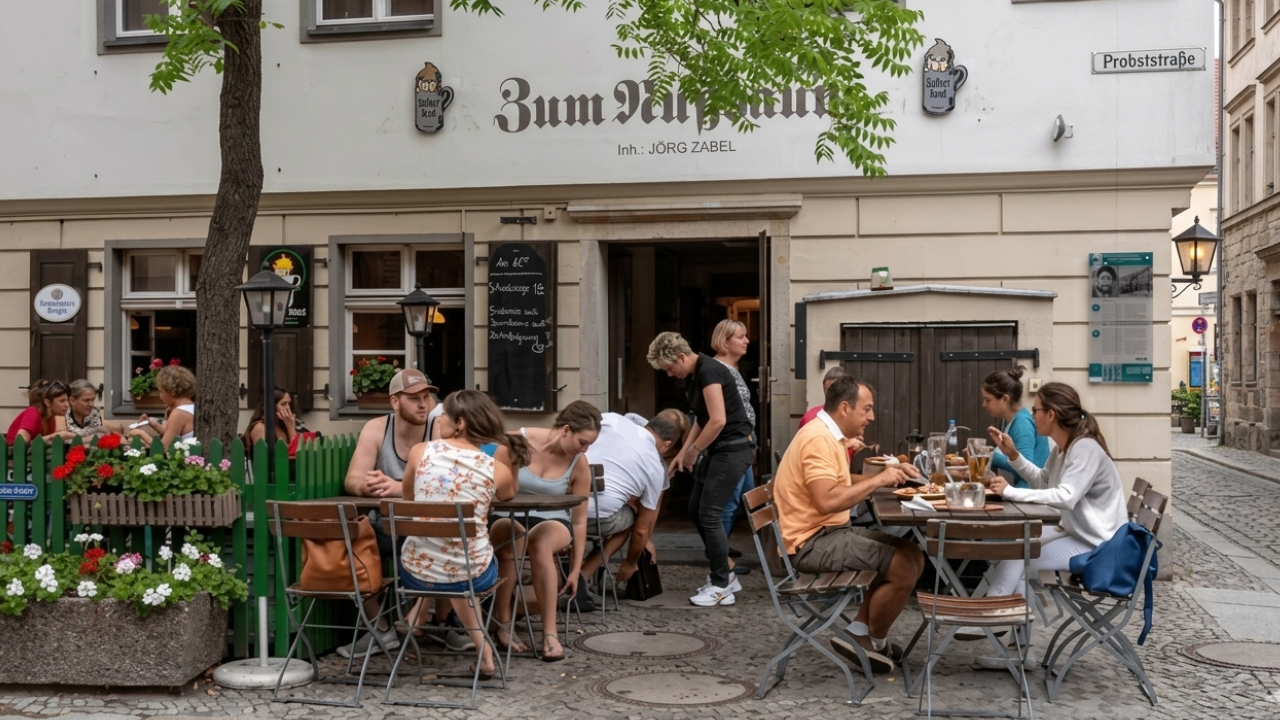
Dining in Europe follows a different rhythm. Meals are meant to be relaxed, social experiences rather than quick transactions. In many countries, waitstaff do not check in frequently, and bringing the bill is not automatic. Customers are expected to ask when they are ready.

American visitors, used to attentive and fast-paced service, may interpret this as slow or inattentive. Asking repeatedly for service or appearing impatient can stand out, especially in traditional restaurants.

The slower pace reflects a cultural approach that values time at the table. Restaurants are not just places to eat but spaces for conversation and connection.

Why It Stands Out: Service culture prioritizes independence rather than constant attention

Where It’s Most Noticeable: Sit-down restaurants and cafés

Local Perspective: Rushing is seen as unnecessary or impolite

Adjustment Tip: Relax, enjoy the experience, and signal staff when needed

3. Tipping More Than Necessary
© shutterstock / New Africajpg

3. Tipping More Than Necessary

Tipping customs vary widely across Europe, and American generosity in this area often stands out. In the U.S., tipping is a key part of service workers’ income, leading to higher percentages being standard. In Europe, service charges are often included, and tips are smaller or optional.

Leaving a large tip can sometimes confuse staff or be viewed as excessive rather than appreciated. In some cases, it may even disrupt the expected balance of service norms.

Understanding local tipping practices is important, as expectations differ not just by country but sometimes by city.

Why It Stands Out: Large tips are not standard in many European countries

Where It’s Most Noticeable: Restaurants, taxis, and cafés

Local Perspective: Seen as generous but unnecessary

Adjustment Tip: Round up the bill or leave a small amount instead of a percentage

4. Being Very Open and Chatty with Strangers
© shutterstock / novak.elcic

4. Being Very Open and Chatty with Strangers

Americans are often known for being approachable and talkative, even with people they have just met. Smiling at strangers, making small talk, or starting conversations in public places is common in the U.S.

In many European countries, social interactions tend to be more reserved. People may not engage in casual conversation unless there is a reason. This can make American friendliness stand out as unusual, even if it is well-intentioned.

The difference lies in social boundaries rather than warmth. Europeans may take longer to open up, but interactions can become just as meaningful over time.

Why It Stands Out: Casual small talk is less common in public settings

Where It’s Most Noticeable: Public transport, shops, and streets

Local Perspective: Sometimes perceived as unexpected or overly familiar

Adjustment Tip: Observe social cues before initiating conversation

5. Expecting Constant Air Conditioning
© Shuttersock / Rommel Canlas

5. Expecting Constant Air Conditioning

Air conditioning is standard in most parts of the United States, especially during warmer months. In Europe, however, it is far less common, particularly in older buildings and historic areas.

American travelers often notice this immediately and may ask for stronger cooling or express discomfort. Since many places rely on natural ventilation instead, this expectation can make visitors stand out.

This difference is rooted in building design, climate, and energy practices. European infrastructure often prioritizes insulation and seasonal adaptation rather than year-round cooling.

Why It Stands Out: Strong air conditioning is not widely available

Where It’s Most Noticeable: Hotels, restaurants, and public transport

Local Perspective: Seen as an unnecessary expectation

Adjustment Tip: Dress for the weather and choose accommodations with cooling if needed

6. Wearing Very Casual or Athletic Clothing Everywhere
© shutterstock / Jose HERNANDEZ Camera 51

6. Wearing Very Casual or Athletic Clothing Everywhere

Clothing styles in Europe often lean toward smart casual, even in everyday situations. While comfort is important, there is generally more emphasis on coordinated outfits, especially in cities.

Americans, particularly tourists, may wear athletic gear, sneakers, baseball caps, or oversized clothing throughout the day. While this is practical and common in the U.S., it can stand out in more fashion-conscious European settings.

This does not mean travelers need to dress formally, but blending in slightly can change how one is perceived.

Why It Stands Out: Casual athletic wear is less common in daily city life

Where It’s Most Noticeable: Restaurants, city centers, and evening outings

Local Perspective: Seen as practical but distinctly tourist-like

Adjustment Tip: Opt for simple, well-fitted clothing when exploring cities

7. Expecting Free Public Amenities
© shutterstock / Kit Leong

7. Expecting Free Public Amenities

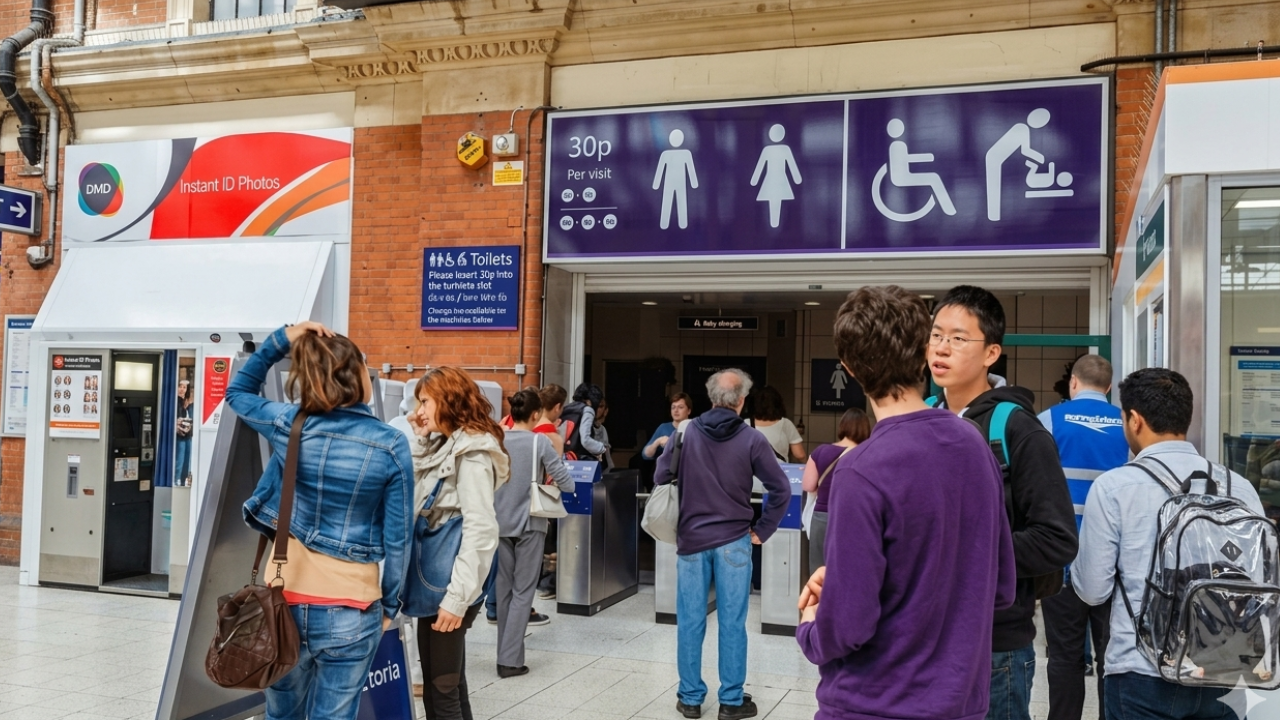
Many Americans are used to conveniences such as free public restrooms, unlimited refills, and complimentary tap water in restaurants. In Europe, these are not always standard.

Public restrooms often require a small fee, and free refills are uncommon. Tap water may not always be offered unless requested, and sometimes bottled water is the default.

These differences can be surprising and may lead to confusion or frustration for first-time visitors.

Why It Stands Out: Everyday conveniences are structured differently

Where It’s Most Noticeable: Restaurants, public areas, and transport hubs

Local Perspective: Considered normal and practical

Adjustment Tip: Carry small change and ask clearly for what you need

8. Treating Europe as One Similar Experience
© shutterstock / Family Way Studio

8. Treating Europe as One Similar Experience

Europe is made up of many countries, each with its own language, customs, and traditions. However, some American travelers approach it as a single cultural region, expecting consistency across destinations.

This can lead to misunderstandings, especially when customs differ significantly between neighboring countries. For example, dining etiquette, greetings, and tipping practices can change from one place to another.

Recognizing Europe’s diversity is key to a smoother travel experience. Even small efforts to understand local norms are often appreciated.

Why It Stands Out: Cultural differences between countries are significant

Where It’s Most Noticeable: Cross-country travel and interactions

Local Perspective: Assumptions can come across as uninformed

Adjustment Tip: Learn basic customs for each country you visit


Comments (0)

Leave a Reply

No comments yet. Be the first to share your thoughts!