Travel Europe

8 Places in Poland that are well worth adding to your travel list

Leo Harper
3.5
April 28, 2026

Poland is one of Europe’s most rewarding travel destinations for visitors who want a mix of historic cities, mountain scenery, forests, lakes, food culture, and affordable travel. It is often associated with Kraków and Warsaw, but the country’s appeal goes far beyond its most famous urban stops. Travelers can explore medieval market squares, Baltic port cities, alpine-style trails, underground salt chambers, primeval woodland, and lake districts that feel far quieter than many Western European destinations.

Several travel guides highlight Poland’s blend of architecture and natural beauty. Anita Hendrieka’s Poland guide points to cities such as Gdańsk, Wrocław, Warsaw, Kraków, Lublin, Kazimierz Dolny, Toruń, and Poznań as some of the country’s most beautiful places, while Overhere’s nature guide emphasizes Poland’s 23 national parks and standout landscapes such as the Tatras, Bieszczady Mountains, Masurian Lakes, Słowiński National Park, and Białowieża Forest.

Here are 8 stunning places to visit in Poland, combining classic highlights with natural escapes that help travelers experience the country more fully.
1. Kraków
© shutterstock / fatmagulb

1. Kraków

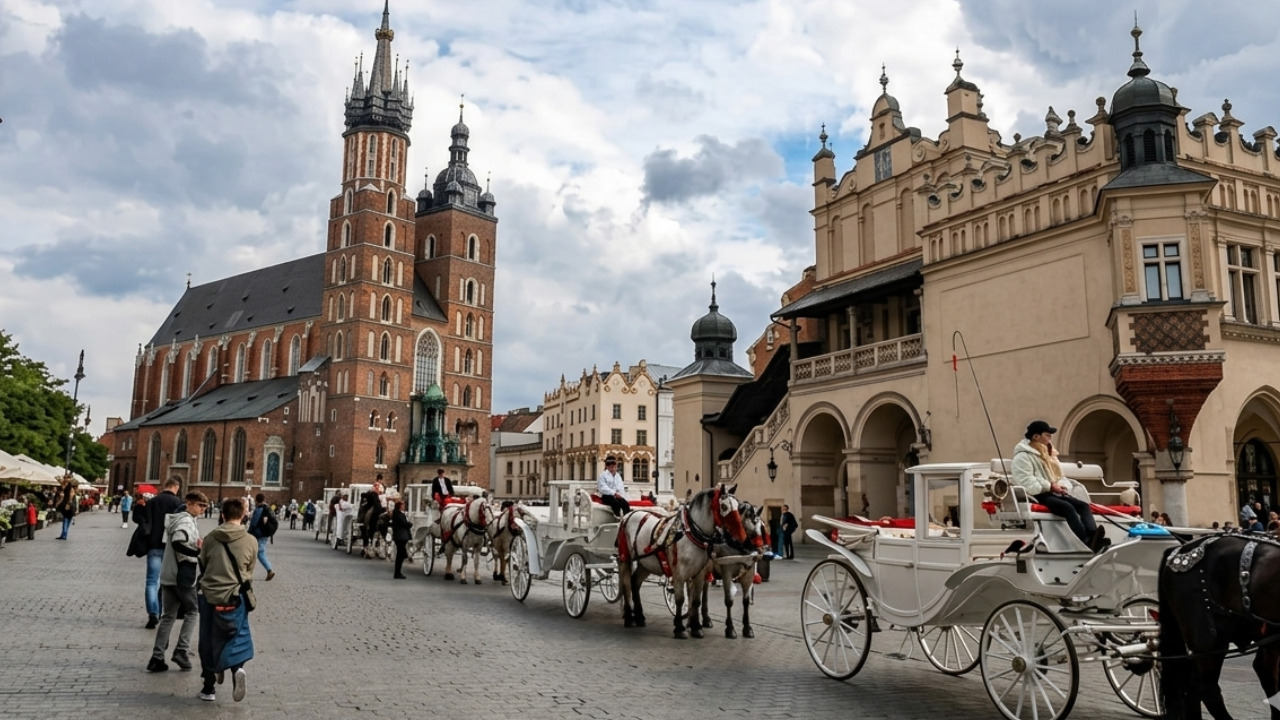
Kraków is one of the best places to visit in Poland for history, architecture, food, and walkable city sightseeing. Its Old Town is centered around Rynek Główny, one of Europe’s great medieval market squares, surrounded by churches, townhouses, cafés, and historic arcades. UNESCO describes Kraków’s Historic Centre as the former capital of Poland, located below Wawel Castle, with a 13th-century merchants’ town, historic houses, palaces, churches, fortifications, the Kazimierz district, Jagiellonian University, and the Gothic cathedral where Polish kings were buried.

Kraków works well for first-time visitors because it combines beauty with practical travel ease. You can spend one day exploring Wawel Castle, St. Mary’s Basilica, the Cloth Hall, and Kazimierz, then use the city as a base for day trips to Wieliczka Salt Mine, Auschwitz-Birkenau, or the Tatra foothills. It is atmospheric without being difficult to navigate, making it one of the top tourist attractions in Poland for culture-focused travelers.

Best Season to Visit: April to June or September to October.

Ideal Visiting Hours: Early morning for the Main Market Square and Wawel Castle.

Top Experience: Walk from Rynek Główny to Kazimierz for history, cafés, and local food.

Traveler Tip: Book major tours ahead if visiting in summer or around holidays.

Must-Know: The Old Town is very walkable, so stay central if you want easy sightseeing.

2. Gdańsk
© shutterstock / Nowaczyk

2. Gdańsk

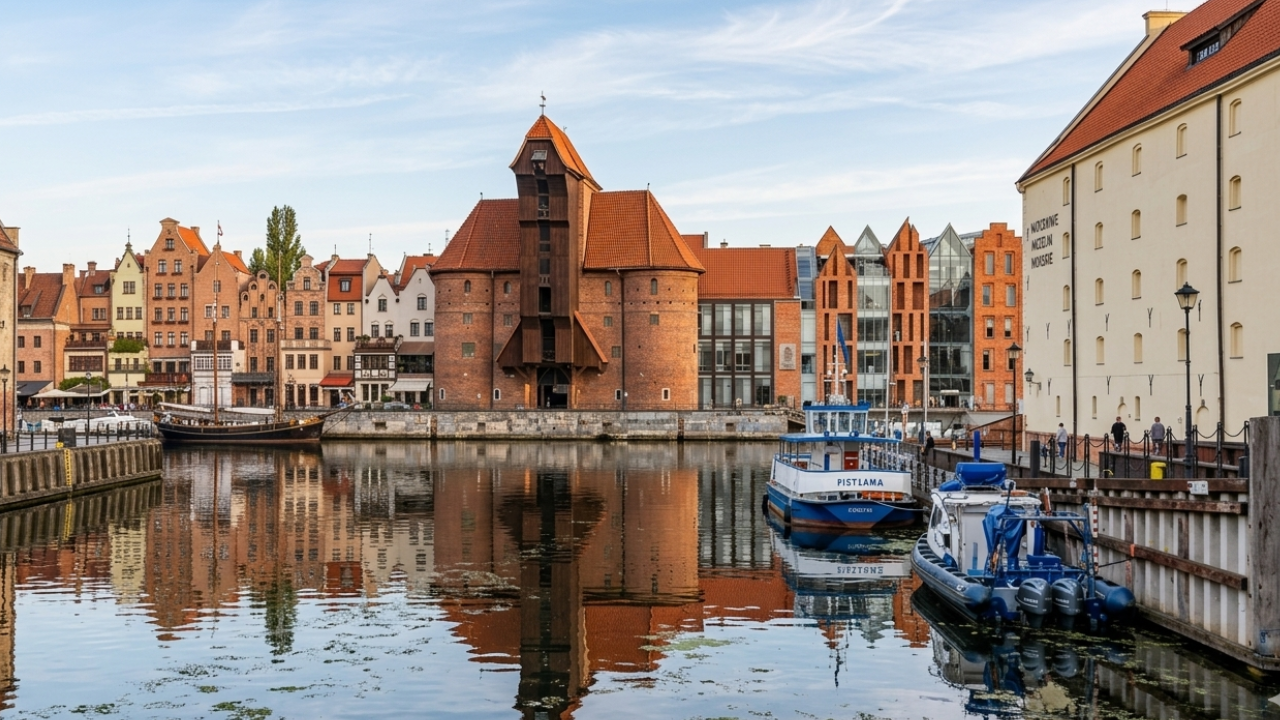
Gdańsk is one of Poland’s most beautiful coastal cities, known for colorful merchant houses, Baltic maritime history, amber shops, and a riverfront that feels different from Kraków or Warsaw. Anita Hendrieka’s guide places Gdańsk first among beautiful places in Poland and highlights its northern coastal location and striking Gothic architecture.

The city’s historic center is especially rewarding along Długi Targ, the Long Market, where restored façades, Neptune’s Fountain, and the old port atmosphere create one of Poland’s most photogenic urban scenes. Gdańsk also carries deep historical importance, from medieval trade to World War II history and the Solidarity movement. This makes it more than just a pretty city break destination.

Travelers can combine Gdańsk with nearby Sopot and Gdynia for a wider Baltic coast experience. Sopot offers a beach-resort feel and a long wooden pier, while Gdynia brings a more modern port-city atmosphere. Together, the Tricity area is ideal for visitors who want culture, sea air, museums, restaurants, and easy train connections.

Best Season to Visit: May to September for the best coastal weather.

Ideal Visiting Hours: Late afternoon for riverfront walks and golden-hour photos.

Top Experience: Stroll Długi Targ and the Motława River embankment.

Traveler Tip: Add Sopot for beaches and a relaxed seaside break.

Must-Know: Summer is lively but busier, especially around the old town and waterfront.

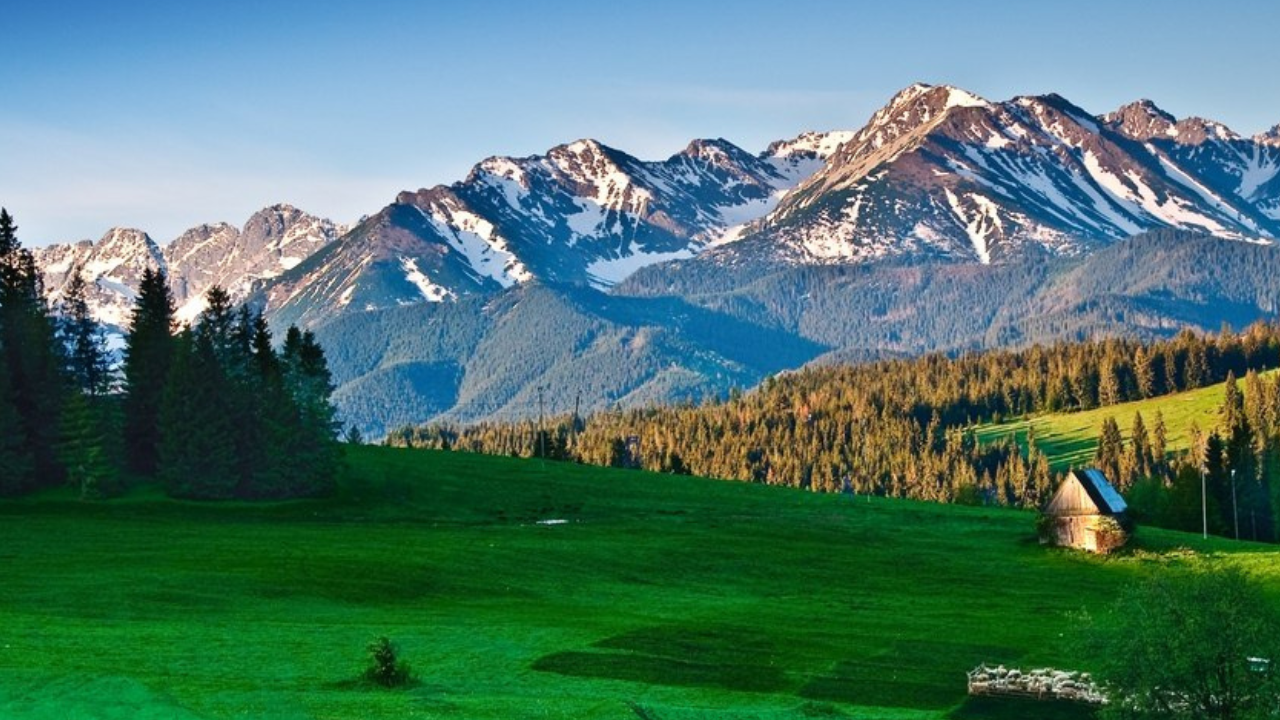
3. Tatra Mountains and Zakopane
© Dave Mani

3. Tatra Mountains and Zakopane

The Tatra Mountains are Poland’s most dramatic natural landscape, offering alpine lakes, rocky peaks, valleys, cable cars, wooden architecture, and mountain culture. Overhere’s nature guide describes the Tatras as Poland’s highest mountain range and part of the Carpathians, with Morskie Oko listed as the largest lake in the Tatra Mountains region and one of the best places to visit there.

Zakopane is the usual base for exploring the Polish Tatras. It has guesthouses, restaurants, shops, folk-style wooden buildings, and access to hiking routes. Popular experiences include the walk to Morskie Oko, the cable car to Kasprowy Wierch, and easier valley hikes for travelers who do not want demanding mountain routes. The Tatras are also beautiful in winter, though hiking conditions become more serious and should be approached carefully.

This is one of the best tourist attractions in Poland for outdoor travelers, but planning matters. Trails can get crowded in summer, and weather changes quickly in the mountains. Visitors should check park rules, wear proper footwear, and avoid treating the area like a casual city walk.

Best Season to Visit: June to September for hiking, December to March for winter scenery.

Ideal Visiting Hours: Start hikes early, ideally before 8:00 AM in peak season.

Top Experience: Visit Morskie Oko or ride the cable car to Kasprowy Wierch.

Traveler Tip: Stay in Zakopane or nearby villages if you want early trail access.

Must-Know: Mountain weather changes quickly, so carry layers and check trail conditions.

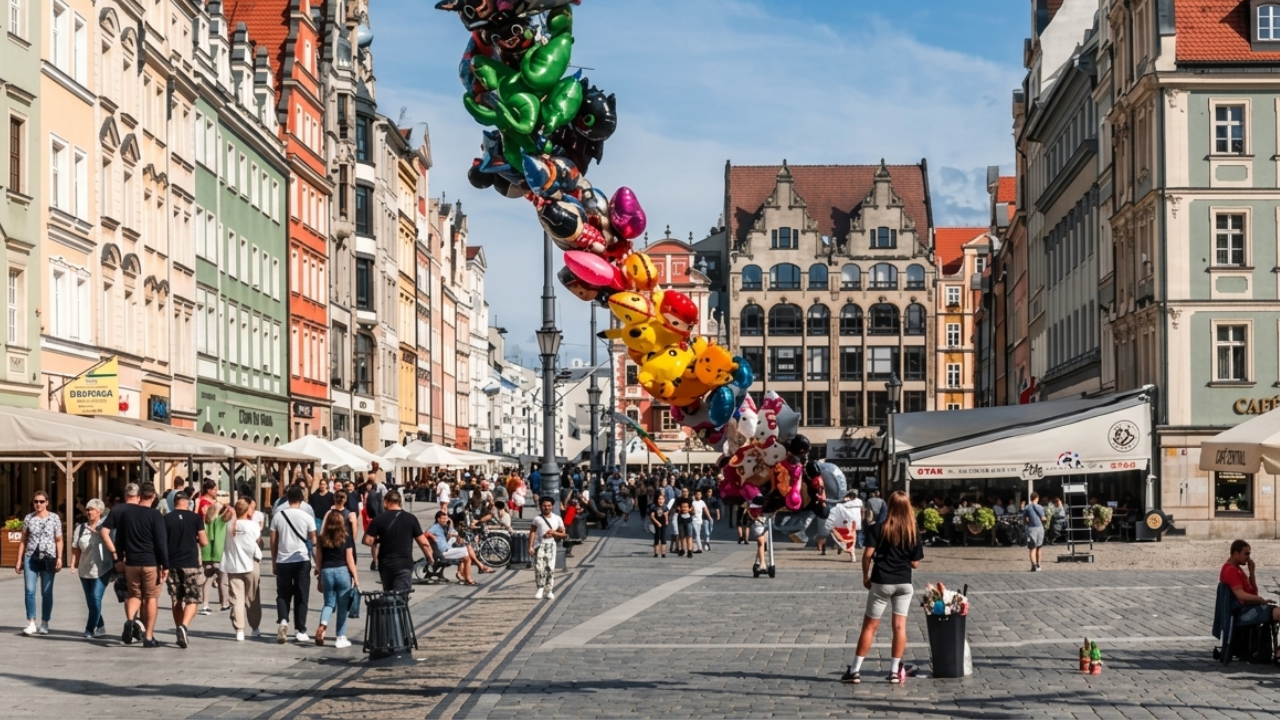
4. Wrocław
© shutterstock / uslatar

4. Wrocław

Wrocław is one of Poland’s most charming city destinations, known for its colorful market square, bridges, river islands, university buildings, and small bronze dwarf statues scattered across the city. Anita Hendrieka includes Wrocław among the most beautiful places to visit in Poland, and Overhere notes it as a southwest Polish city on the Oder River, famous for bridges and dwarves.

The city feels youthful and relaxed, partly because of its university culture and lively café scene. The Old Town is easy to explore on foot, while Ostrów Tumski, the oldest part of the city, gives visitors a quieter, more historic atmosphere with churches, cobbled streets, and riverside views. Wrocław also works well as a base for exploring Lower Silesia, including castles, mountain towns, and scenic areas closer to the Czech border.

For travelers who want a city that feels beautiful but less obvious than Kraków, Wrocław is a strong choice. It has strong architecture, good restaurants, cultural spaces, and enough local personality to justify more than a quick stop.

Best Season to Visit: May to September or December for Christmas market atmosphere.

Ideal Visiting Hours: Morning for the Market Square and evening for Ostrów Tumski.

Top Experience: Find the dwarf statues while walking between bridges and old streets.

Traveler Tip: Spend at least two nights if using it as a Lower Silesia base.

Must-Know: Wrocław is spread across islands and bridges, so comfortable shoes help.

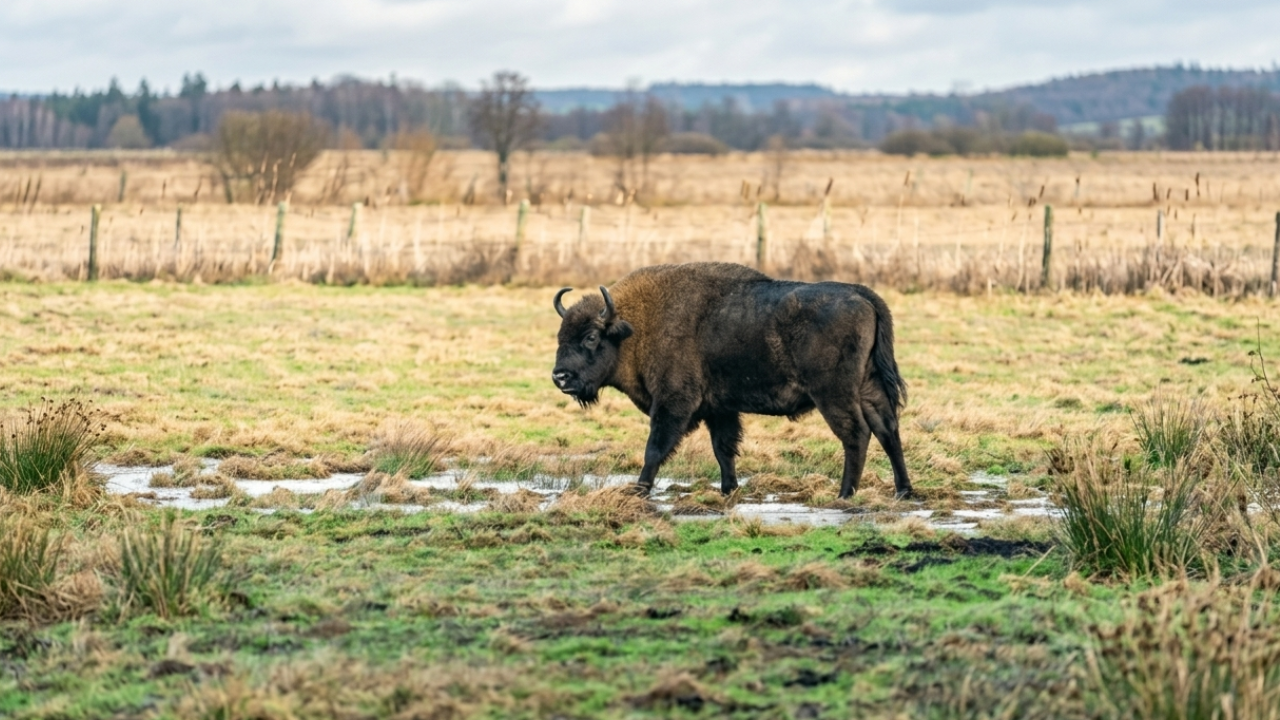
5. Białowieża Forest
© shutterstock / BBA Photography

5. Białowieża Forest

Białowieża Forest is one of Poland’s most important natural treasures and a must-visit for travelers interested in wildlife, forests, and conservation. UNESCO describes it as a large forest complex on the border between Poland and Belarus that survived in a natural state due to several ages of protection. The Polish Białowieża National Park was first inscribed on the World Heritage List in 1979 and later extended across the border.

The forest is often associated with European bison, ancient trees, quiet trails, and a rare sense of wilderness. Unlike Poland’s city destinations, Białowieża is about slowing down. Visitors come for guided forest walks, wildlife observation, cycling routes, and the feeling of entering one of Europe’s last remaining primeval woodland areas.

This is not the easiest place in Poland to reach, but that is part of why it remains special. It suits travelers who want nature rather than nightlife, and it is best explored with a guide if you want to understand the protected zones, wildlife, and ecological importance of the forest.

Best Season to Visit: May to October for walking and cycling, winter for a quieter forest mood.

Ideal Visiting Hours: Early morning for wildlife-focused walks.

Top Experience: Take a guided walk through protected forest areas.

Traveler Tip: Book guided tours in advance, especially in summer.

Must-Know: Some protected areas can only be visited with licensed guides.

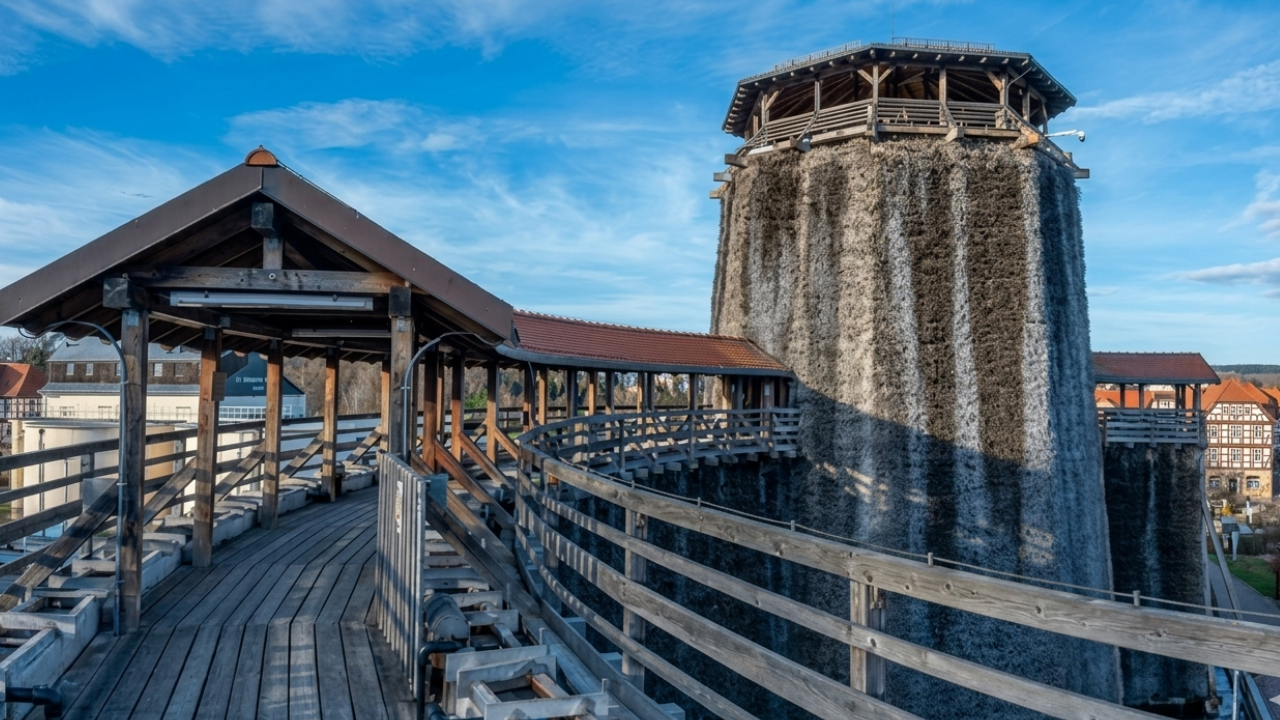
6. Wieliczka Salt Mine
© shutterstock / trabantos

6. Wieliczka Salt Mine

Wieliczka Salt Mine is one of Poland’s most unusual attractions and a strong addition to any Kraków itinerary. The UNESCO-listed Wieliczka and Bochnia Royal Salt Mines are built around a rock salt deposit mined since the 13th century, and UNESCO describes the site as one of Europe’s oldest major industrial undertakings of its type.

What makes Wieliczka stunning is not just its age, but its underground design. Visitors descend into chambers, tunnels, chapels, salt sculptures, and vast carved spaces that show how mining history became art, engineering, and cultural heritage at once. The Chapel of St. Kinga is the highlight for many travelers, with chandeliers, reliefs, and details carved from salt.

Wieliczka is popular because it is easy to reach from Kraków and works in almost any weather. It is also a good choice for families, history lovers, and travelers who want something different from castles, churches, or city squares. Since tours follow set routes and timed entries, advance planning is useful.

Best Season to Visit: Year-round, since it is an indoor underground attraction.

Ideal Visiting Hours: Morning tours are best for smoother scheduling.

Top Experience: See the Chapel of St. Kinga and the underground chambers.

Traveler Tip: Bring a light jacket because underground temperatures stay cool.

Must-Know: Tours involve many stairs, though some accessible routes may be available.

7. Masurian Lake District
© shutterstock / vivooo

7. Masurian Lake District

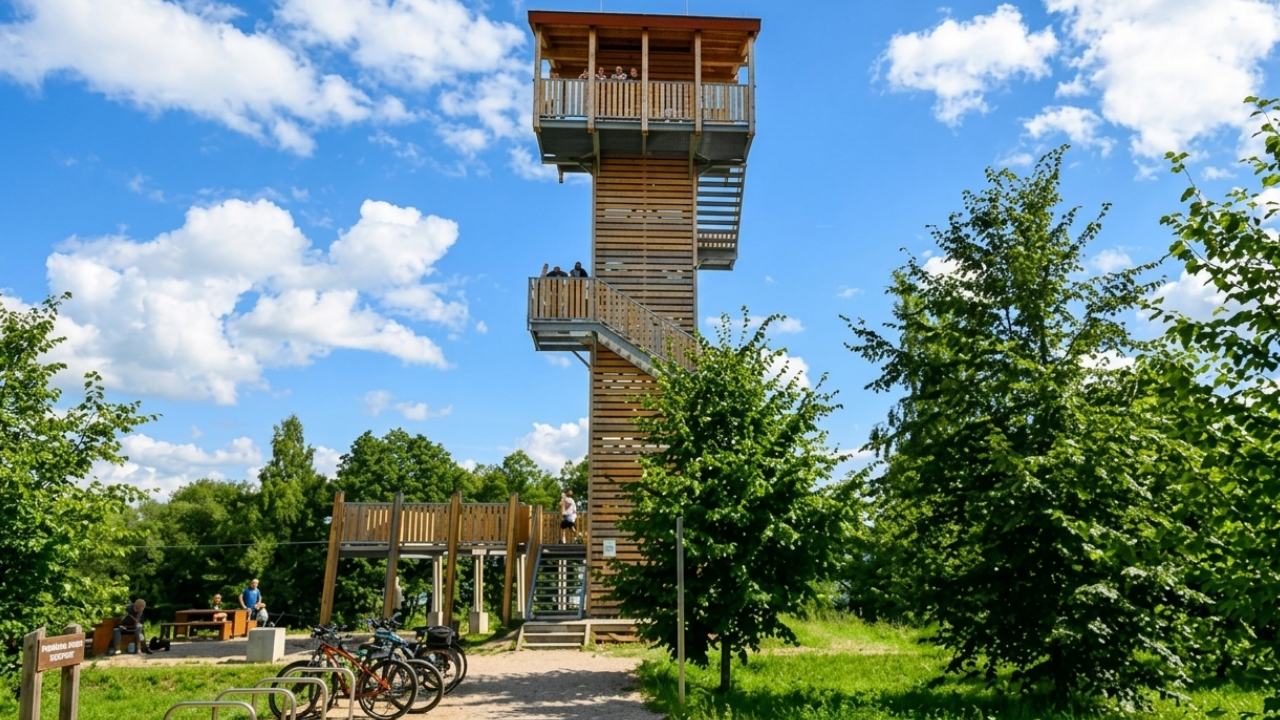
The Masurian Lake District is one of the most scenic places in Poland for travelers who want water, forests, sailing, cycling, and slower countryside travel. Overhere describes Masuria as northeast Poland’s “Land of Thousand Lakes,” noting that the region has about 2,600 lakes, with popular lakes including Śniardwy, Mamry, Niegocin, Mikołajskie, Bełdany, and Nidzkie.

Masuria is a different side of Poland from Kraków or Gdańsk. It is about long summer days, boat trips, lake towns, kayaking, quiet guesthouses, and open-air activities. Mikołajki and Giżycko are popular bases, especially for sailing and lake access, while smaller villages offer a calmer stay. The area also has historical sites, including Wolf’s Lair near Gierłoż, though most visitors come for the landscape.

This region is especially good for travelers who want to replace crowded European lake destinations with somewhere more affordable and less polished. It is best with a car or a planned route, because public transport may not cover smaller lakeside stops easily.

Best Season to Visit: June to September for sailing and lake activities.

Ideal Visiting Hours: Morning for kayaking or cycling, evening for lakeside views.

Top Experience: Sail or boat through the connected lakes and canals.

Traveler Tip: Choose Mikołajki or Giżycko for easier tourism infrastructure.

Must-Know: Smaller villages are quieter but usually require a car.

8. Słowiński National Park
© shutterstock / Jan Miko

8. Słowiński National Park

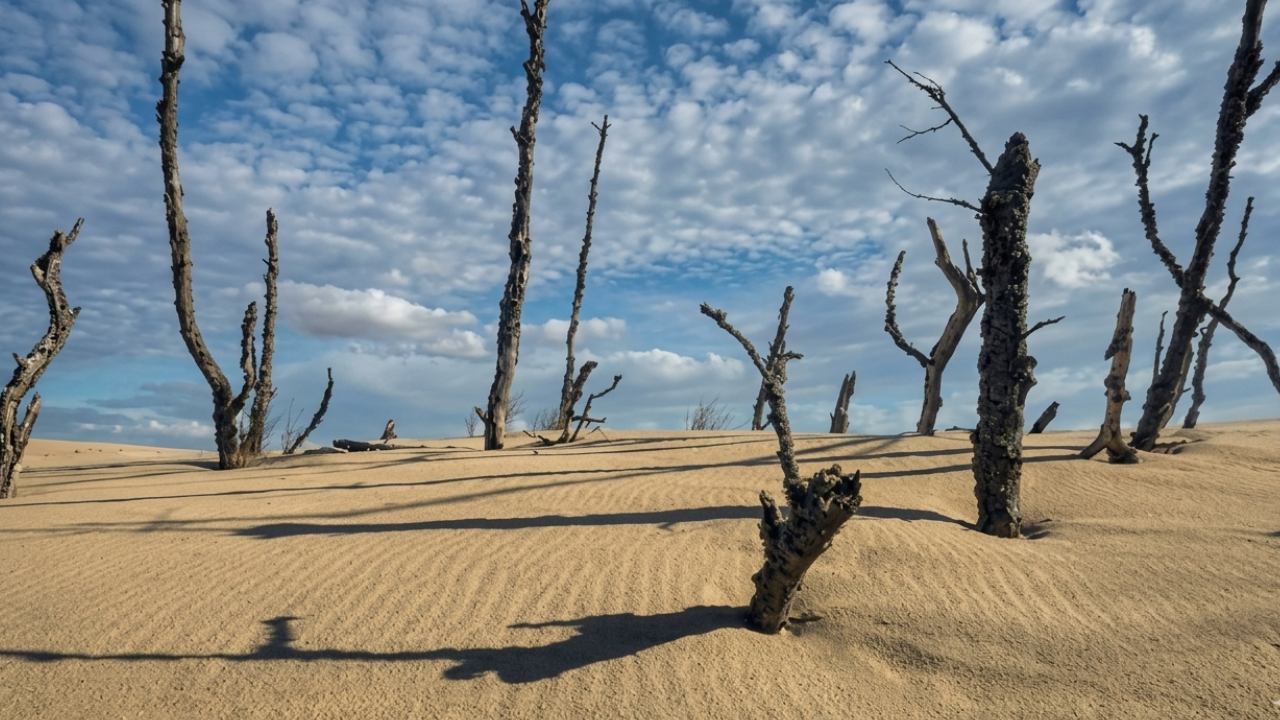
Słowiński National Park is one of the most distinctive natural places in Poland because of its moving sand dunes, Baltic coastline, lakes, forests, and open landscapes. Overhere describes it as a beautiful and unique part of the Polish seaside in Pomerania, about a two-hour drive from Gdańsk, and notes that it is designated as a UNESCO Biosphere Reserve.

The park’s shifting dunes near Łeba are the main attraction. They create an almost desert-like landscape beside the Baltic Sea, which surprises many visitors who expect Poland’s coast to be only beaches and resort towns. The contrast between sand, forest, lake water, and sea makes Słowiński one of the most photogenic outdoor places in the country.

It is a good destination for travelers who enjoy walking, nature photography, birdwatching, and coastal scenery. The park is easier to visit in warmer months, but it can be windy, so practical clothing is important. Since the dunes and trails are protected, visitors should stay on marked paths and respect park rules.

Best Season to Visit: May to September for easier walking and coastal weather.

Ideal Visiting Hours: Morning for dunes before stronger crowds and heat.

Top Experience: Walk the shifting dunes near Łeba.

Traveler Tip: Bring wind protection, water, and comfortable walking shoes.

Must-Know: Stay on marked routes to protect the dunes and natural habitats.


Comments (0)

Leave a Reply

No comments yet. Be the first to share your thoughts!