
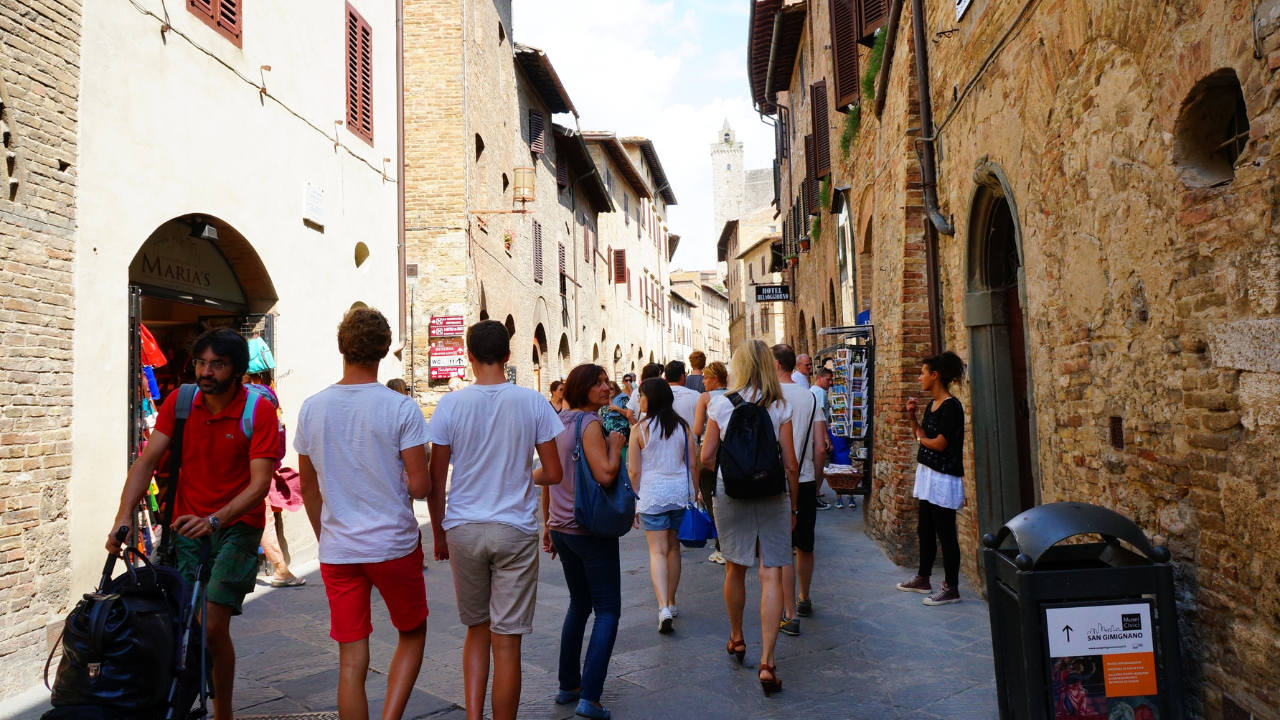
For years, famous capitals were treated as the obvious starting point for travel. Paris, Rome, London, Amsterdam, Tokyo, and Bangkok became default choices because they offered landmarks, airports, museums, restaurants, nightlife, and name recognition. But more travelers are now looking past capital cities and choosing smaller cities, regional hubs, historic towns, and quieter cultural destinations instead.
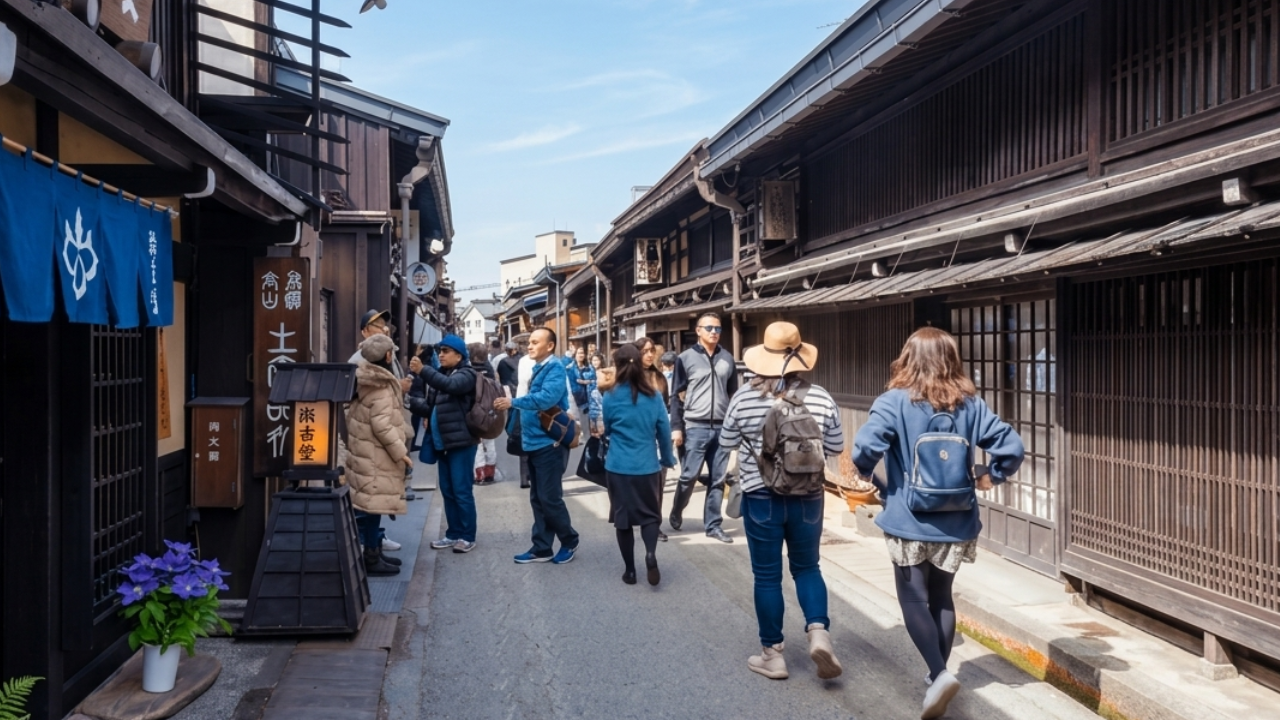
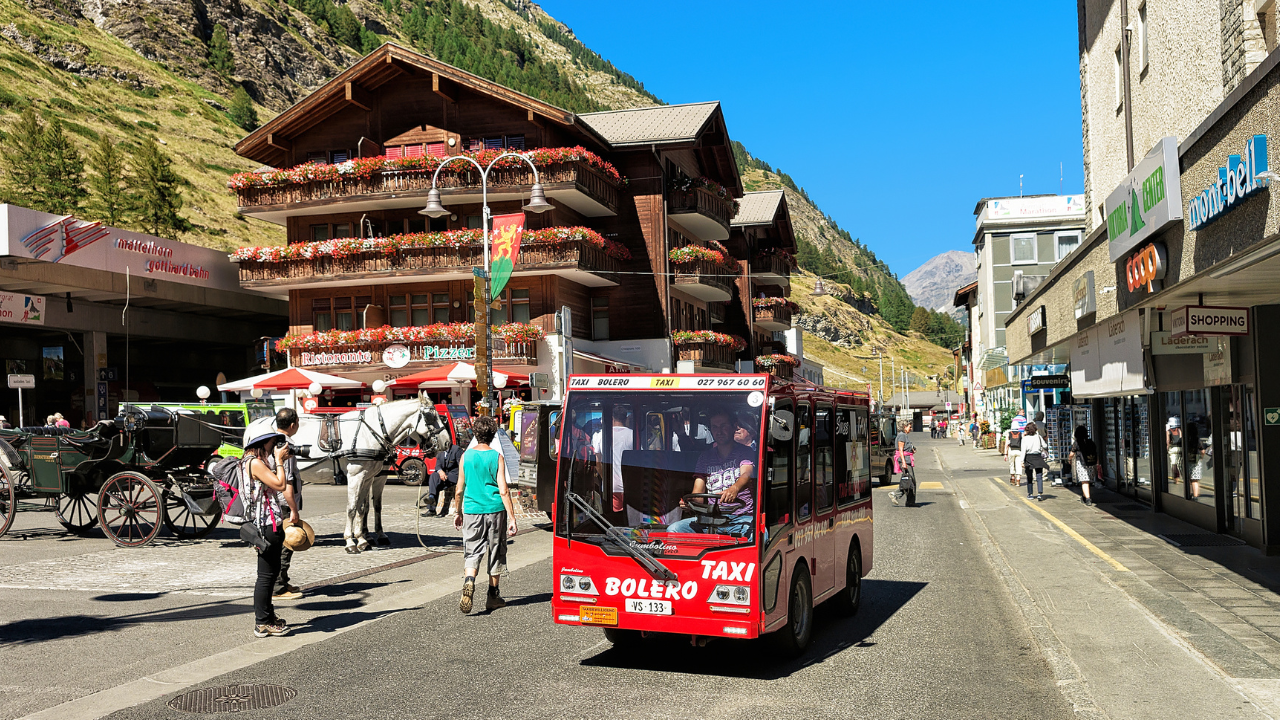
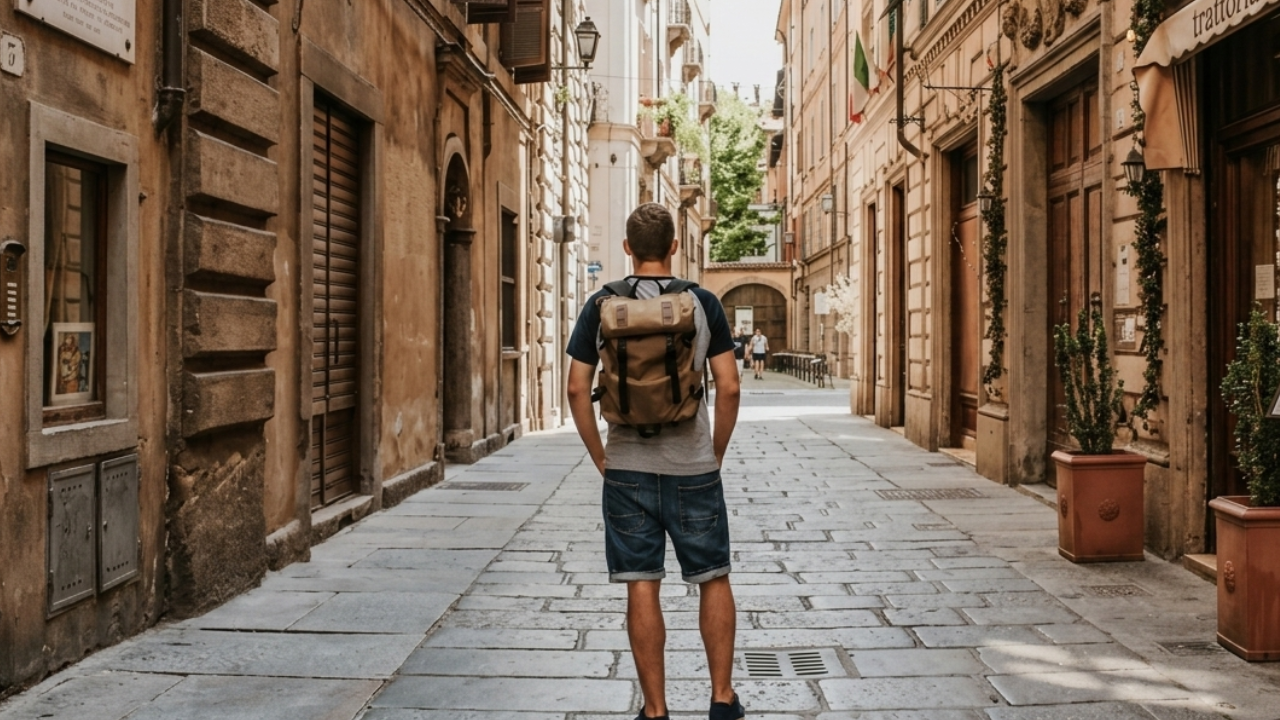
This shift is not about avoiding great capitals completely. It is about finding trips that feel less crowded, more affordable, easier to navigate, and more connected to local life. Recent travel conversations around “townsizing,” slow travel, destination dupes, and overtourism all point in the same direction: travelers want memorable experiences without spending most of their trip in lines, traffic, or packed tourist zones. Backroad Planet describes townsizing as a mindset that values experience over hype, with travelers choosing places that have local flavor, walkable streets, and a stronger sense of community.
Smaller cities are also benefiting from practical travel changes. Costs are rising, popular destinations are introducing crowd controls, and travelers are becoming more comfortable building trips around food, neighborhoods, nature, and regional culture instead of only famous landmarks. Here are 8 reasons smaller cities are becoming more appealing than famous capitals.




No comments yet. Be the first to share your thoughts!