Travel Europe

7 lesser-known places in Malta that deserve more attention from visitors

Leo Harper
3.5
May 08, 2026

Valletta is often the first stop for travelers in Malta, and for good reason. The capital is compact, historic, walkable, and packed with museums, churches, harbor views, and Baroque architecture. But Malta’s character is not limited to its capital. Across the islands, small towns and villages reveal quieter waterfronts, fortified streets, fishing traditions, local cafés, hilltop views, and everyday Maltese life that many visitors miss when they stay only around Valletta.

Exploring beyond the capital also helps travelers understand Malta’s layered identity. The islands carry traces of Phoenician, Roman, Arab, Norman, Knights of St. John, French, and British influence, all visible in different ways across towns, harbors, churches, and old city walls. Malta’s official tourism guidance highlights the appeal of its towns, villages, cultural sites, and island experiences across Malta, Gozo, and Comino, making local exploration an important part of a fuller trip.

These seven underrated towns in Malta are worth adding to your itinerary if you want history, atmosphere, coastal scenery, and a slower view of the islands beyond Valletta.
1. Birgu, also known as Vittoriosa
© shutterstock / Tomasz Wozniak

1. Birgu, also known as Vittoriosa

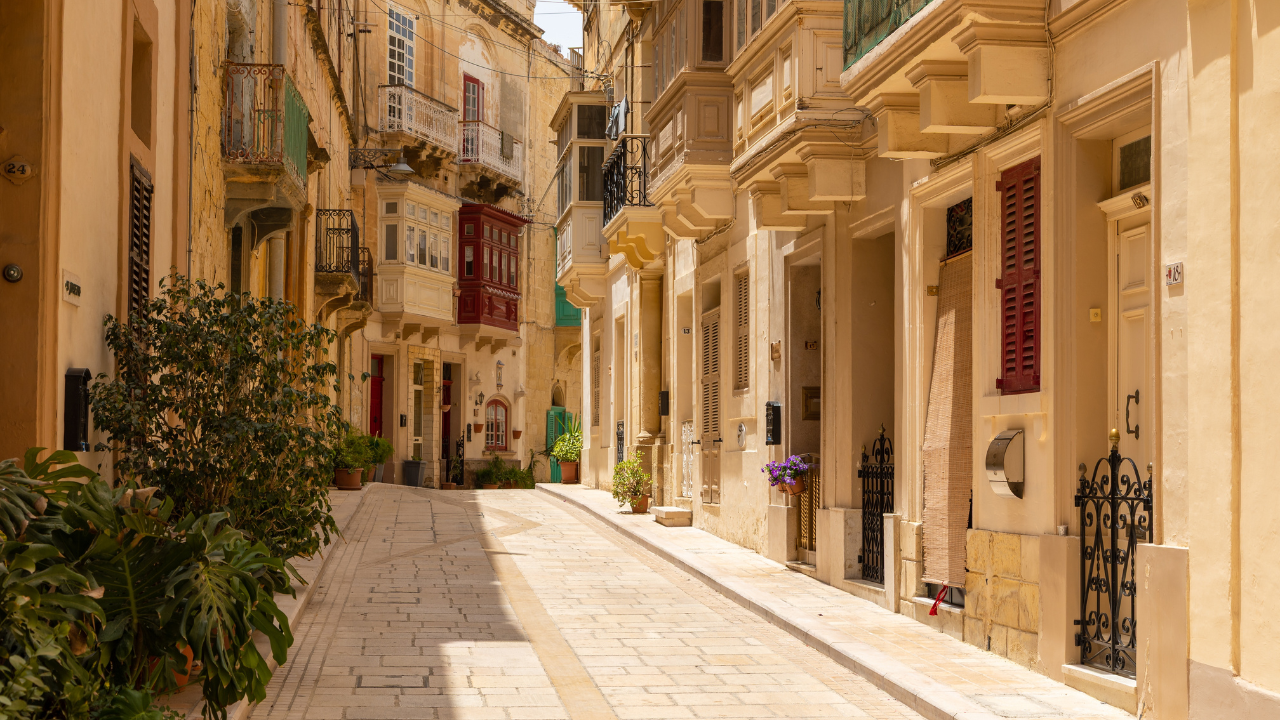
Birgu is one of Malta’s most atmospheric historic towns, yet many travelers only glimpse it from across the Grand Harbour. Part of the famous Three Cities, Birgu has narrow lanes, limestone houses, old auberges, waterfront restaurants, and strong links to the Knights of St. John. Before Valletta became Malta’s capital, Birgu played a central role in the island’s military and maritime history, which gives the town a deeper historic feel than its modest size suggests.

The best way to experience Birgu is slowly. Walk through its quiet streets in the morning, visit the waterfront near the marina, and look for small architectural details on doorways, balconies, and churches. Compared with Valletta, Birgu often feels more lived-in and less hurried. The Three Cities were built with narrow streets designed to catch sea breezes, and Birgu still carries that old harbor-town atmosphere.

Best Time to Visit: Morning or late afternoon for cooler walks and softer light.

Top Experience: Wander the backstreets before heading to the waterfront.

Traveler Tip: Take a traditional boat or ferry from Valletta for the best arrival view.

Must-Know: Birgu is small, so comfortable walking shoes are more useful than a strict plan.

2. Senglea, also known as Isla
© shutterstock / kavalenkava

2. Senglea, also known as Isla

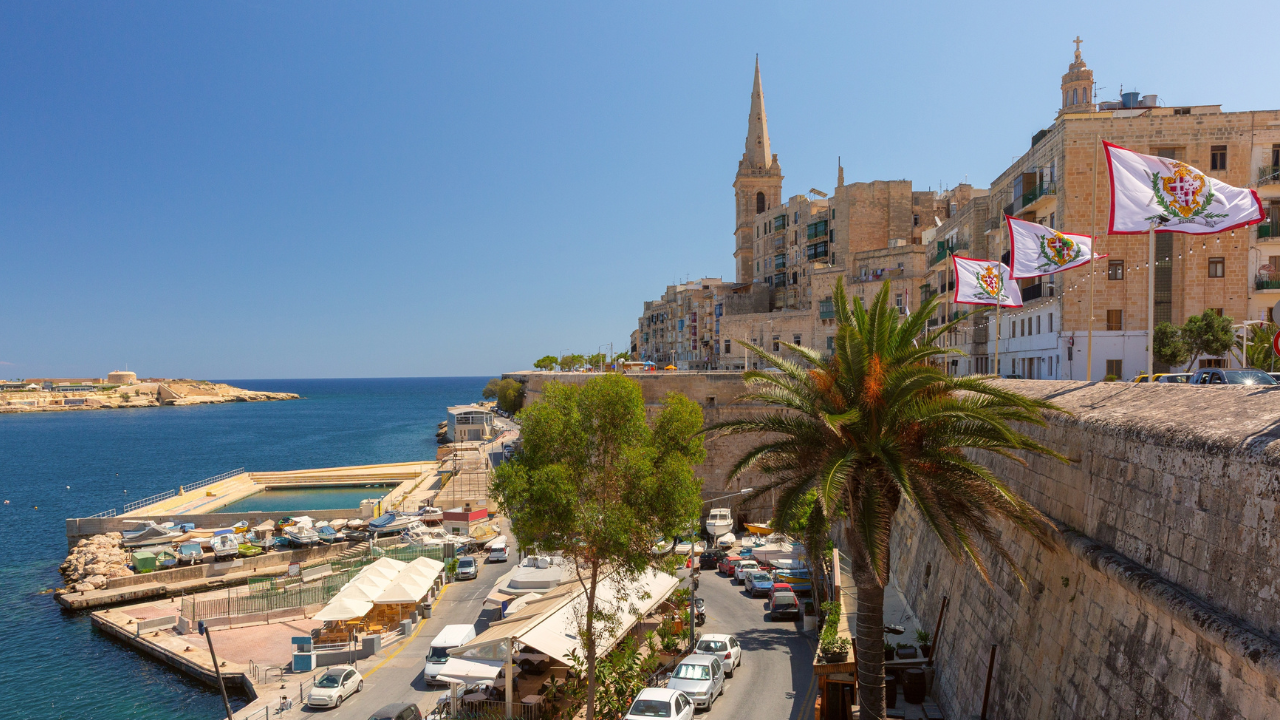
Senglea is another member of the Three Cities, but it has a quieter personality than both Valletta and Birgu. Sitting on a narrow peninsula, the town offers excellent views across the Grand Harbour, especially from the Safe Haven Gardens at the tip of the city. It is a place for slow walking, harbor photography, and noticing Malta’s maritime setting without pushing through heavy crowds.

What makes Senglea underrated is its balance of history and local life. It has fortifications, churches, traditional balconies, and narrow streets, but it also feels residential and calm. Travelers who enjoy scenic viewpoints will appreciate how the town looks back toward Valletta and across to the surrounding harbor. It is especially rewarding at sunset, when the limestone buildings shift color and the water reflects the city lights.

Senglea works well as part of a half-day Three Cities route, but it also deserves time on its own. Instead of treating it as just a viewpoint stop, walk deeper into the streets and you will find a more intimate side of Malta’s harbor history.

Best Time to Visit: Late afternoon into sunset.

Top Experience: Visit Safe Haven Gardens for Grand Harbour views.

Traveler Tip: Pair Senglea with Birgu, but leave time to walk without rushing.

Must-Know: Some streets are steep or stepped, so pack lightly.

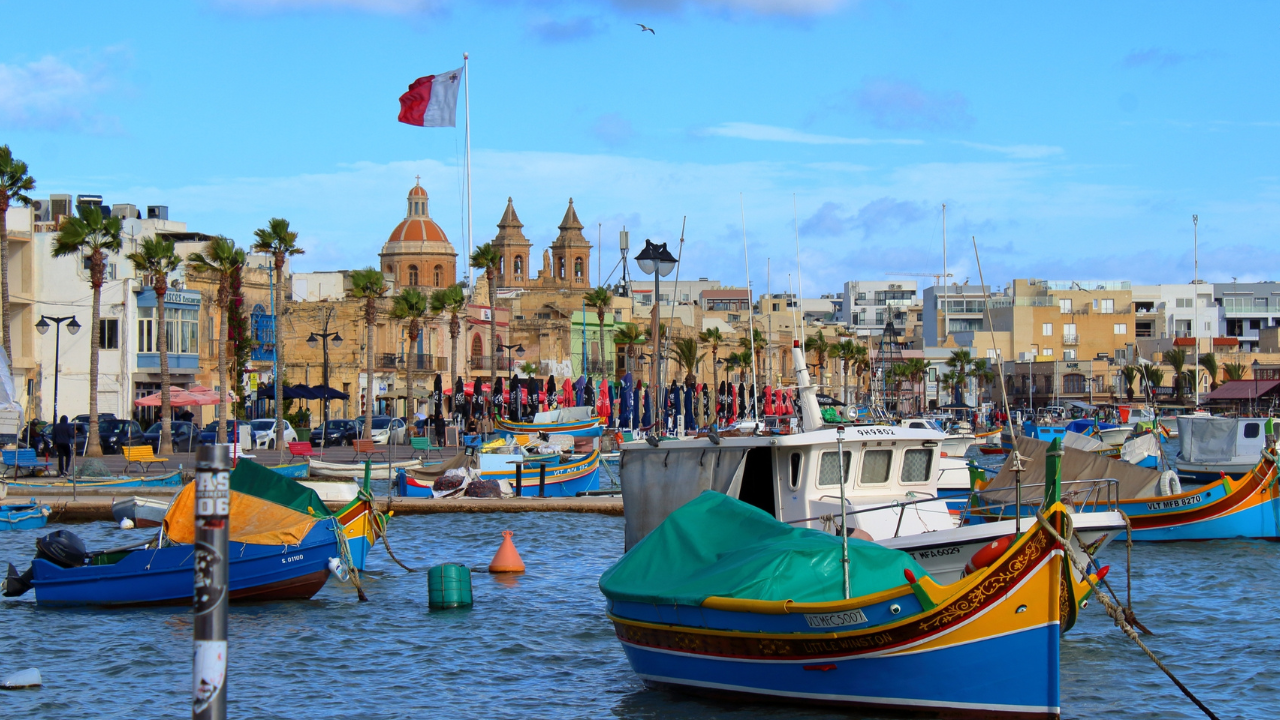
3. Marsaxlokk
© shutterstock / Mariangela Cruz

3. Marsaxlokk

Marsaxlokk is one of Malta’s most recognizable fishing villages, but it still feels different from the island’s busier historic towns. Located in the southeast, it is known for its colorful luzzu boats, waterfront promenade, seafood restaurants, and market atmosphere. The harbor is the main attraction, with traditional boats painted in bright blue, red, yellow, and green resting against the calm water.

Although Marsaxlokk has become popular, it remains worth visiting because it shows a side of Malta shaped by the sea. The village is especially appealing for travelers interested in photography, local food, and a slower coastal setting. Several travel guides describe Marsaxlokk as a classic Maltese fishing village with a beautiful harbor and a market selling souvenirs, crafts, and local goods.

Sunday is the busiest day because of the fish market, but that is also when the village feels most active. For a quieter experience, visit on a weekday morning, walk along the promenade, then continue toward nearby swimming spots or coastal paths if you have more time.

Best Time to Visit: Weekday morning for fewer crowds, Sunday for the market.

Top Experience: Walk the harbor and photograph the traditional luzzu boats.

Traveler Tip: Arrive before lunch if you want a relaxed seafood meal.

Must-Know: The Sunday market can be crowded, so go early.

4. Rabat
© shutterstock / BBA Photography

4. Rabat

Rabat is often overshadowed by neighboring Mdina, but it is one of the best towns in Malta for travelers who want history without the same level of tourist concentration. While Mdina gets attention for its walled medieval atmosphere, Rabat offers catacombs, churches, local bakeries, quiet streets, and a more everyday Maltese rhythm. The two places are close enough to visit together, but Rabat should not be treated as just the area outside Mdina’s gate.

The town is closely tied to early Christian history in Malta, with St. Paul’s Catacombs and other underground sites giving visitors a look at ancient burial traditions. Rabat also has a relaxed local feel, especially away from the main tourist routes. Walking through its streets, you will see traditional houses, neighborhood shops, and small squares that feel less staged than more famous destinations.

Rabat is ideal for travelers who enjoy cultural depth. It offers a slower, more grounded version of Malta’s history, especially when combined with a visit to Mdina’s bastions. Malta travel guidance often highlights Mdina and Rabat together because both are central to the island’s historic character.

Best Time to Visit: Morning, before the Mdina day-trip crowds build.

Top Experience: Visit the catacombs and then explore the old streets.

Traveler Tip: Try a local bakery snack before walking into Mdina.

Must-Know: Rabat is larger than it first appears, so allow more than one hour.

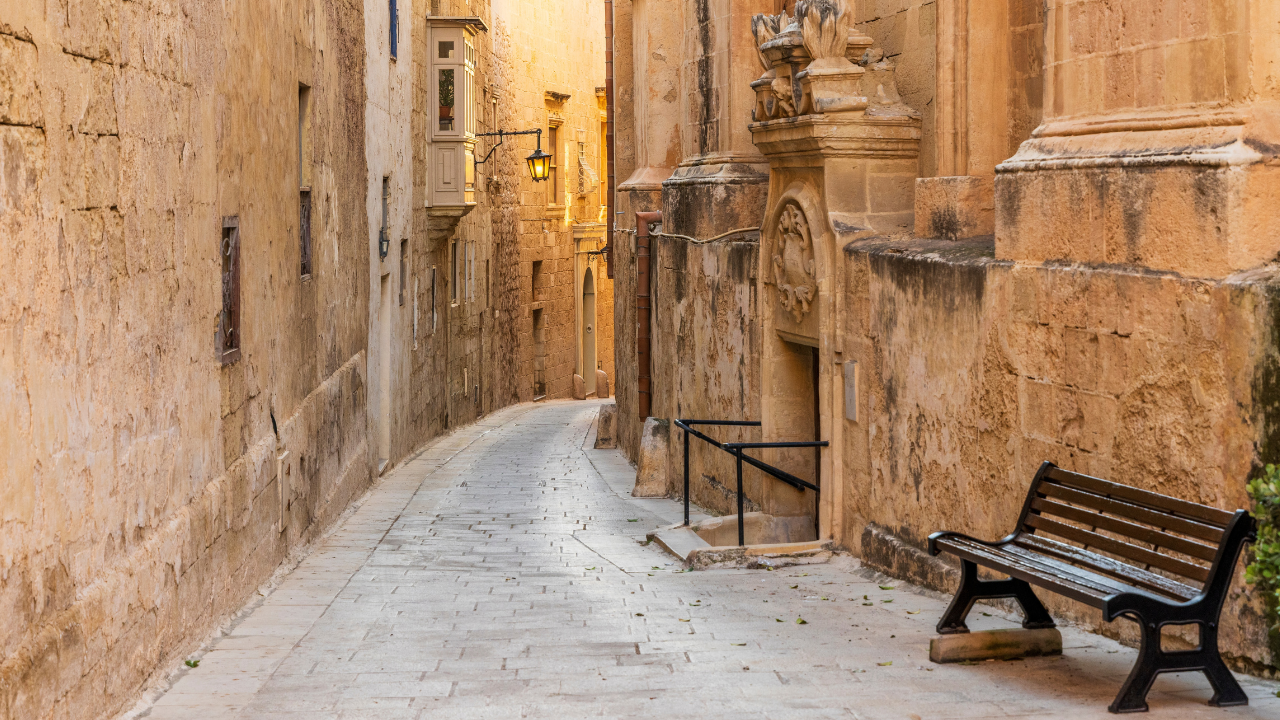
5. Mdina
© shutterstock / Emily Marie Wilson

5. Mdina

Mdina is not unknown, but it still belongs on a beyond-Valletta list because many visitors treat it as a quick photo stop instead of a town to explore carefully. Known as the Silent City, Mdina sits on a hill in the center of Malta and is one of the island’s most atmospheric historic places. Its narrow lanes, noble houses, churches, bastions, and views across the countryside make it feel very different from the harbor energy of Valletta.

The town’s beauty is in its quiet details. Door knockers, stone arches, shaded lanes, courtyards, and old walls all reward slow wandering. Malta.com describes Mdina as a beautiful town on a hill, rich in art and architecture, with bastions and city walls that offer wide views.

Mdina is busiest during the middle of the day, especially when tours arrive. To understand why it is so memorable, visit early in the morning or after dark, when the streets become quieter and the old lamps add atmosphere. It is one of the best places in Malta for travelers who enjoy history, photography, and peaceful walks.

Best Time to Visit: Early morning or evening for the quietest atmosphere.

Top Experience: Walk the bastions for views over the island.

Traveler Tip: Stay after sunset if you want the Silent City at its most atmospheric.

Must-Know: Cars are restricted inside much of Mdina, making it very walkable.

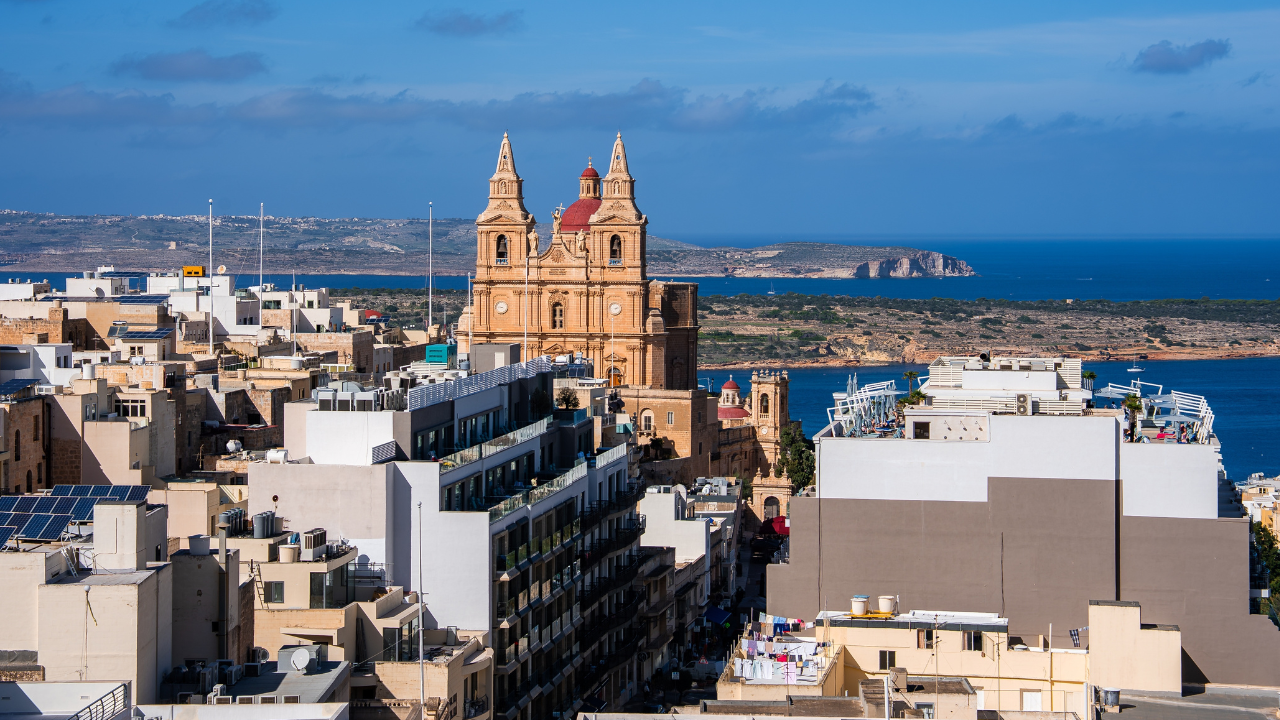
6. Mellieħa
© shutterstock / NorthSky Films

6. Mellieħa

Mellieħa is often associated with beaches, but the town itself deserves more attention. Located in the northwest of Malta, it has a hillside setting, sea views, historic sites, a large parish church, and easy access to some of the island’s best coastal areas. It is a practical base for travelers who want to visit Gozo, Comino, Għadira Bay, Popeye Village, or nearby countryside walks.

Unlike Valletta or Sliema, Mellieħa feels more spread out and relaxed. The upper village has a traditional atmosphere, while the lower coastal areas bring travelers closer to beaches and ferry routes. Travel guides often describe Mellieħa as a scenic and relaxing town with Baroque architecture, countryside access, and a useful position near Gozo and Comino connections.

Mellieħa is especially good for families, beach-focused travelers, and visitors who prefer a quieter base with access to nature. It may not have the dense historic drama of Mdina or Birgu, but it gives a more open, coastal side of Malta.

Best Time to Visit: May to June or September to October.

Top Experience: Visit the parish church area, then continue toward the beaches.

Traveler Tip: Stay here if you want easier access to Gozo and Comino.

Must-Know: The town is hilly, so check walking distances before booking accommodation.

7. Victoria, Gozo
© shutterstock / Artush

7. Victoria, Gozo

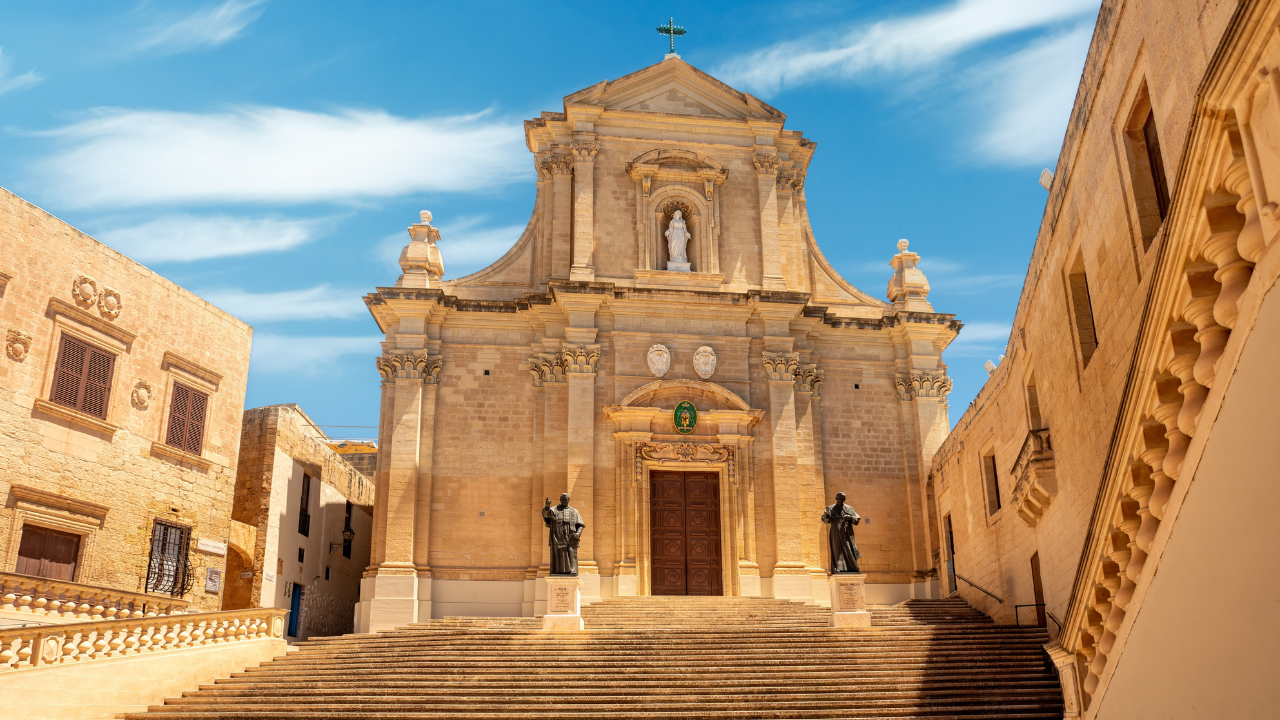
Victoria, also called Rabat in Maltese, is the capital of Gozo and one of the best places to experience Malta’s quieter sister island. While many travelers visit Gozo only for beaches or a day trip, Victoria gives the island a cultural center. Its Citadel is the main landmark, rising above the town with fortified walls, museums, lanes, churches, and panoramic views across Gozo.

The Citadel has long been one of Gozo’s defining historic sites. Travel coverage of Malta frequently highlights Victoria and the Citadel as essential stops for understanding Gozo’s slower rhythm and cultural importance. The town below the Citadel has local shops, cafés, markets, and squares that make it worth exploring beyond the fortress.

Victoria is a smart base if you want to see more of Gozo without rushing back to Malta the same day. From here, travelers can reach villages, beaches, churches, valleys, and coastal viewpoints across the island. It feels less polished than Malta’s main tourist zones, but that is part of its charm.

Best Time to Visit: Spring or autumn for comfortable walking weather.

Top Experience: Climb the Citadel walls for views across Gozo.

Traveler Tip: Stay overnight on Gozo to experience Victoria after day-trippers leave.

Must-Know: Buses connect Victoria with much of Gozo, but services may be less frequent than in Malta.


Comments (0)

Leave a Reply

No comments yet. Be the first to share your thoughts!