Travel Destination

20 common cruise mistakes to avoid, according to crew members

James Porter
4.3
May 01, 2026

Cruising may seem like one of the easiest types of vacations, but behind the smooth experience is a system that runs on timing, organization, and small details most passengers never notice. Cruise ship employees see the same mistakes repeated on almost every sailing, from packing errors to poor planning decisions that can quietly affect the entire trip. What makes these mistakes important is not that they ruin a cruise completely, but that they reduce comfort, waste time, or create avoidable stress.

Understanding how cruises actually work can change the experience entirely. The difference between a relaxed, well-paced trip and a frustrating one often comes down to preparation and awareness. Based on common advice from cruise staff and industry insights, here are 20 mistakes travelers should avoid to make the most of their time at sea.
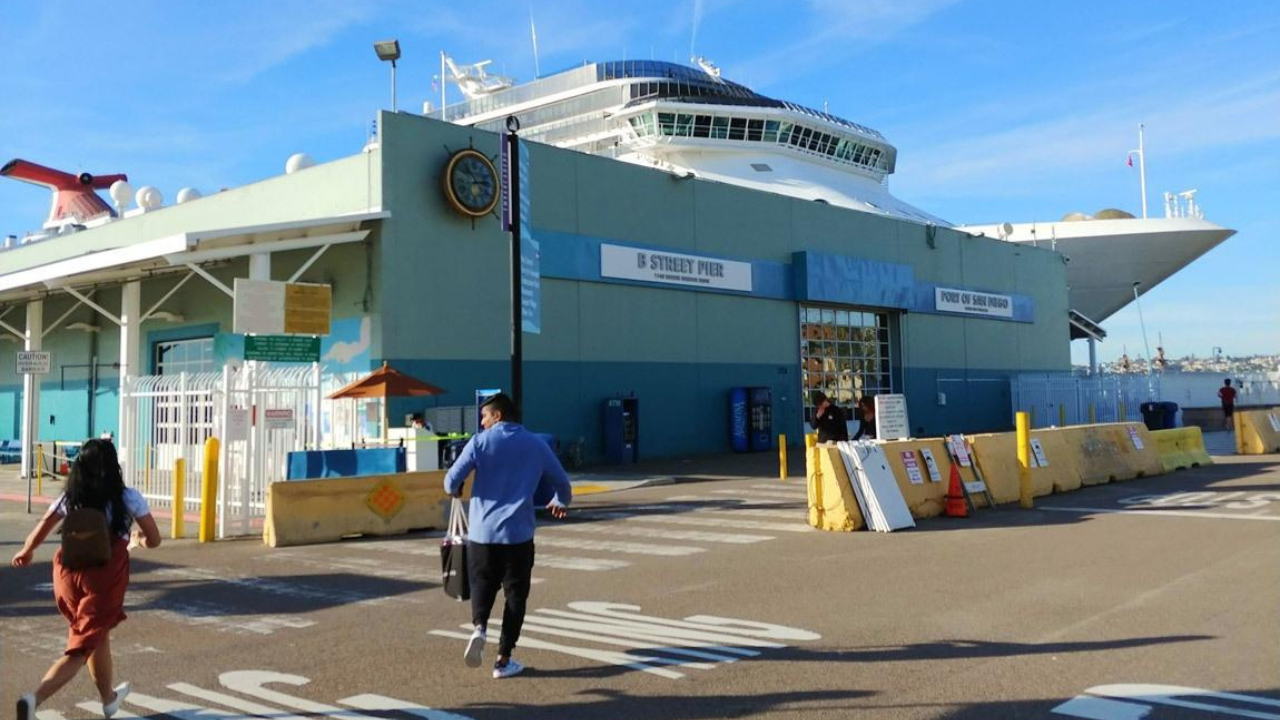
1. Arriving at the port too late
© James Hills

1. Arriving at the port too late

One of the most common mistakes cruise employees notice is passengers arriving dangerously close to departure time. Unlike flights, cruise ships do not wait for late arrivals, and boarding involves multiple steps including security checks, documentation, and luggage handling. Even a small delay can cause unnecessary stress or, in worst cases, result in missing the ship entirely. Arriving early allows time to handle unexpected issues calmly and begin the trip without rushing. It also gives you a smoother boarding experience, with fewer crowds and shorter lines compared to peak arrival times.

2. Packing important items in checked luggage
© Getty Images

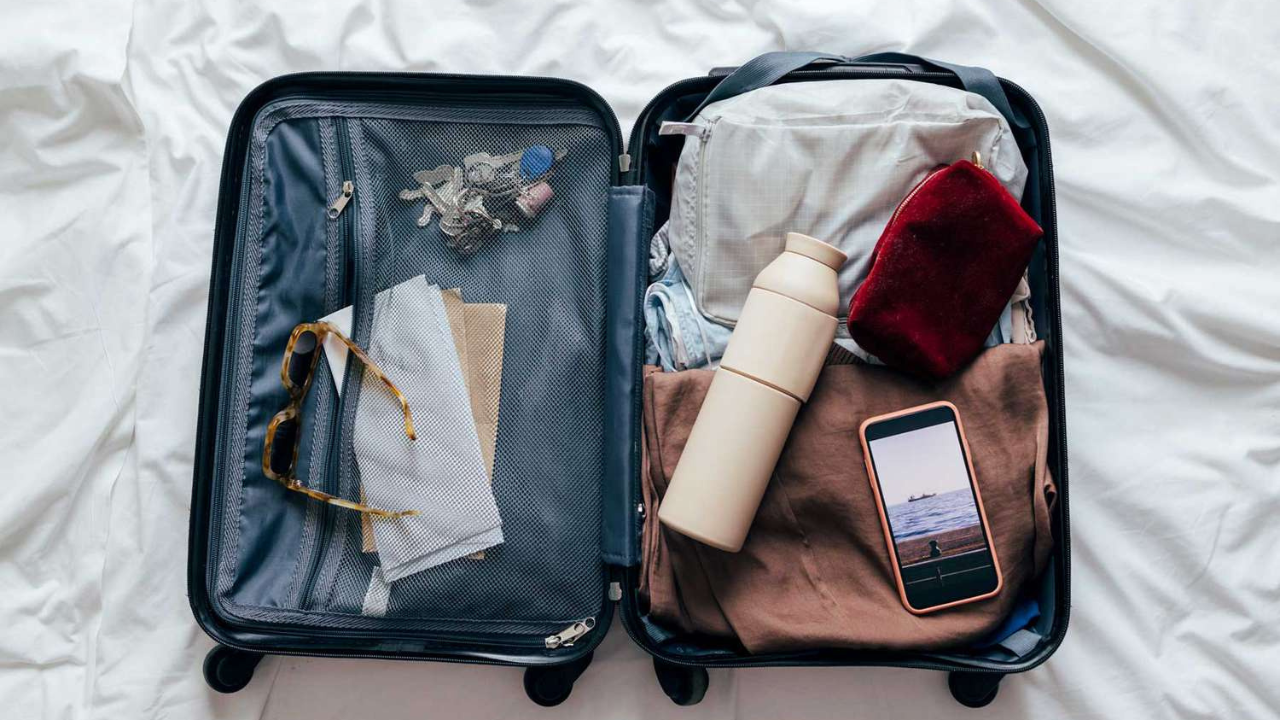
2. Packing important items in checked luggage

Many first-time cruisers pack everything into their checked bags without realizing that luggage can take several hours to arrive at the cabin. During that time, passengers may not have access to essentials like medications, documents, swimwear, or chargers. Cruise employees often recommend keeping a small carry-on with all immediate necessities. This ensures you can comfortably enjoy the ship right after boarding instead of waiting for your bags to show up later in the day.

3. Ignoring the daily schedule
© Sarah Christie

3. Ignoring the daily schedule

Cruise ships operate on a detailed daily schedule filled with activities, dining times, and events. Passengers who ignore this schedule often miss out on experiences or feel like there is nothing to do. Crew members frequently see guests unaware of shows, special events, or dining changes simply because they did not check the itinerary. Reviewing the daily program helps you plan your time better and ensures you do not miss key highlights that are included in your cruise experience.

4. Overpacking unnecessary clothing
© Chantelle Kincy

4. Overpacking unnecessary clothing

Overpacking is a common mistake that leads to cramped cabins and unnecessary stress when organizing belongings. Cruise rooms are typically compact, and storage space is limited. Employees often see passengers bring far more clothing than they actually use, especially formal outfits or extra shoes. Packing strategically, with versatile items that can be mixed and matched, makes the stay more comfortable and keeps your cabin easier to manage throughout the trip.

5. Not budgeting for extra costs
© Keri Stooksbury & Kellie Jez

5. Not budgeting for extra costs

Although cruises are often marketed as all-inclusive, there are many additional expenses that can add up quickly. Drinks, specialty dining, excursions, spa treatments, and onboard purchases are not always included in the base fare. Passengers who assume everything is covered may be surprised by their final bill. Crew members recommend setting a clear budget before boarding to avoid unexpected charges and to manage spending more comfortably.

6. Skipping travel insurance
© Faith Katunga

6. Skipping travel insurance

Cruise employees often point out that many travelers overlook travel insurance, which can become a problem if something goes wrong. Medical emergencies, missed connections, or trip cancellations can be expensive, especially when traveling internationally. Having insurance provides a safety net and reduces financial risk. It is one of those precautions that may not seem necessary until it becomes essential.

7. Not researching ports in advance
© Marissa Wright

7. Not researching ports in advance

Some passengers arrive at ports without any plan, assuming they will decide what to do after docking. This often leads to missed opportunities or rushed decisions. Cruise staff frequently see guests overwhelmed by options or unable to book popular excursions last minute. Researching destinations ahead of time allows you to make informed choices and enjoy each stop more efficiently.

8. Missing the ship’s departure time at ports
© sailawaymagazine

8. Missing the ship’s departure time at ports

One of the most serious mistakes is returning late to the ship during port days. Cruise ships operate on strict schedules and will leave even if passengers are not onboard. Employees often emphasize that the ship’s time may differ from local time, which can cause confusion. Keeping track of departure times and allowing extra buffer time ensures you avoid this costly and stressful mistake.

9. Overloading your first day
© shutterstock_avif

9. Overloading your first day

Many passengers try to do everything immediately after boarding, leading to exhaustion early in the trip. Cruise staff often observe guests rushing to explore every deck, book activities, and attend events all at once. This can make the first day overwhelming. Taking a slower approach allows you to settle in, understand the layout, and ease into the cruise experience.

10. Not using onboard resources
© NCL

10. Not using onboard resources

Cruise ships offer a wide range of services, including guest assistance, concierge support, and informational desks. Many passengers do not take advantage of these resources, even when they need help. Employees are there to assist with bookings, directions, and problem-solving. Asking questions early can save time and prevent confusion later in the trip.

11. Forgetting motion sickness preparation
© Eloisa Gonzalvo

11. Forgetting motion sickness preparation

Even travelers who do not usually experience motion sickness can feel it at sea, especially during rough weather. Cruise staff often see guests unprepared for this possibility. Bringing medication or preventive solutions is a simple step that can make a big difference. It is easier to prevent symptoms than to deal with them after they begin.

12. Ignoring safety drills
© Wendy Perrin

12. Ignoring safety drills

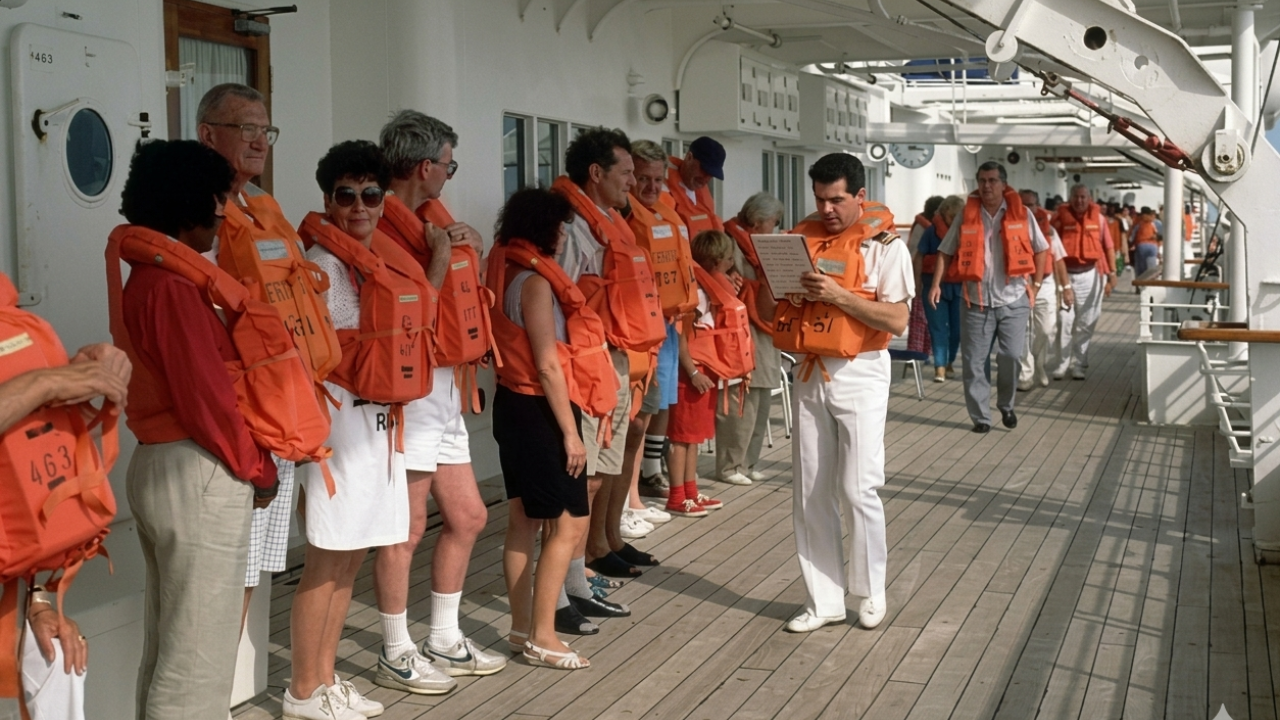
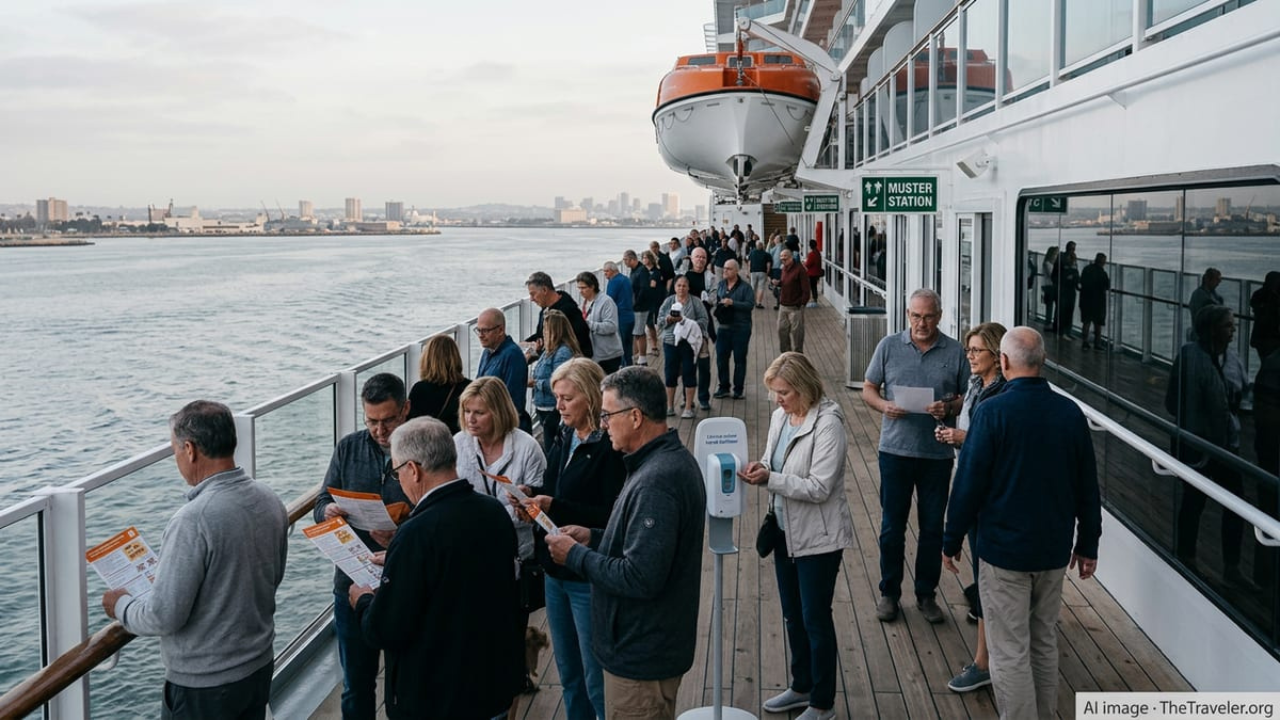
Safety drills are mandatory on cruise ships, but some passengers treat them as unimportant. Crew members emphasize that these drills provide essential information in case of emergencies. Understanding procedures and knowing where to go can make a significant difference if a situation arises. Taking the drill seriously is part of responsible travel.

13. Not making dining reservations early
© Erica Silverstein

13. Not making dining reservations early

Specialty restaurants and popular dining times can fill up quickly. Passengers who wait too long may find limited options available. Cruise employees often recommend booking reservations early to secure preferred times and locations. Planning ahead ensures a smoother dining experience throughout the trip.

14. Being careless with onboard spending
© HOLLAND AMERICA LINE_FACEBOOK

14. Being careless with onboard spending

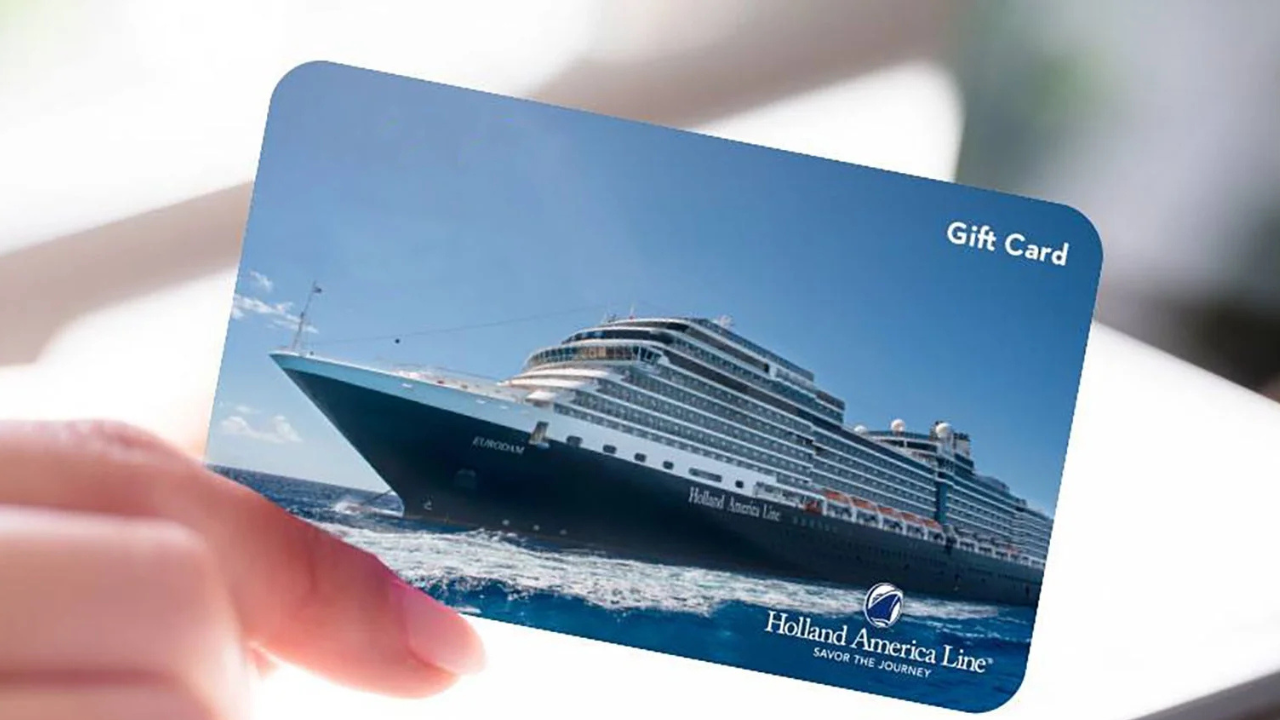
Using onboard cards for purchases can make spending feel effortless, which sometimes leads to overspending. Many passengers do not track their expenses until the end of the cruise. Employees suggest reviewing your account regularly to stay aware of charges. This helps you manage your budget and avoid surprises.

15. Not respecting crew instructions
© Dave Mani

15. Not respecting crew instructions

Crew members are trained to maintain safety and efficiency on the ship. Ignoring instructions, whether related to safety, boarding, or activities, can create problems for both passengers and staff. Following guidance ensures a smoother experience for everyone and helps avoid unnecessary delays or issues.

16. Skipping port arrival planning
© Dave Mani

16. Skipping port arrival planning

Arriving at a port city on the same day as your cruise departure can be risky due to potential travel delays. Cruise employees often recommend arriving at least a day early. This buffer allows you to handle unexpected issues without missing your cruise. It also gives you time to relax before boarding.

17. Not taking advantage of quieter times onboard
© americanholidays

17. Not taking advantage of quieter times onboard

Many passengers follow the same schedule, creating peak times for dining, pools, and activities. Employees often note that quieter times, such as early mornings or late evenings, provide a more relaxed experience. Adjusting your schedule slightly can help you avoid crowds and enjoy the ship more comfortably.

18. Overbooking excursions
© Dave Mani

18. Overbooking excursions

Trying to fit too many excursions into a cruise itinerary can lead to fatigue and reduced enjoyment. Crew members frequently see passengers returning from long, packed days feeling exhausted. Choosing fewer, well-planned excursions allows you to enjoy each destination more fully and maintain energy throughout the trip.

19. Neglecting personal health and hydration
© Erica Silverstein

19. Neglecting personal health and hydration

Cruise environments, especially in warm climates, can lead to dehydration and fatigue. Many passengers underestimate how much water they need or ignore rest. Employees often notice guests feeling unwell simply due to lack of hydration or overexertion. Staying balanced with rest, food, and water improves the overall experience.

20. Treating the cruise like a rushed itinerary
© Dave Mani

20. Treating the cruise like a rushed itinerary

Some passengers approach cruises as if they need to see and do everything, which can lead to stress and disappointment. Cruise employees often suggest embracing the slower pace and enjoying the experience rather than rushing through it. Taking time to relax, explore, and enjoy the journey creates a more memorable and satisfying trip.


Comments (0)

Leave a Reply

No comments yet. Be the first to share your thoughts!