Travel United States

20 American Tourist Attractions That Draw Crowds Worldwide but Fail to Impress Locals

Adam Collins
4.7
April 12, 2026

The United States is filled with attractions that are instantly recognizable, yet recognition does not always translate into consistent interest from domestic travelers. While millions of Americans travel each year, their choices tend to cluster around a relatively small group of destinations. National parks like Yellowstone, major cities like New York, and theme parks in Florida dominate itineraries. Meanwhile, many other attractions, despite their historical or cultural importance, struggle to maintain attention.

This gap often comes down to expectations versus experience. Some places are iconic in theory but feel limited in practice. Others are geographically isolated, making them difficult to include in standard travel routes. In some cases, these attractions are overshadowed by nearby alternatives that offer more variety or convenience. The result is a category of destinations that are well-known but not frequently visited by Americans themselves.

Another important factor is how modern travel habits have changed. Today’s travelers often seek immersive, multi-day experiences rather than quick stops. Attractions that can be seen in under an hour, or that lack surrounding activities, tend to fall lower on priority lists. Social media has also shifted attention toward visually dramatic or unique experiences, leaving some traditional landmarks behind.

Despite these challenges, many of these attractions still hold value. They can offer insight into history, regional culture, or unique landscapes that are not replicated elsewhere. The difference is that they require adjusted expectations. Rather than serving as the centerpiece of a trip, they often work better as part of a broader itinerary.

Below are 20 American tourist attractions that, for a variety of reasons, tend to draw less interest from American travelers today, even though they remain notable in their own right.
1. Mount Rushmore, South Dakota
© shutterstock_Zack Frankjpg

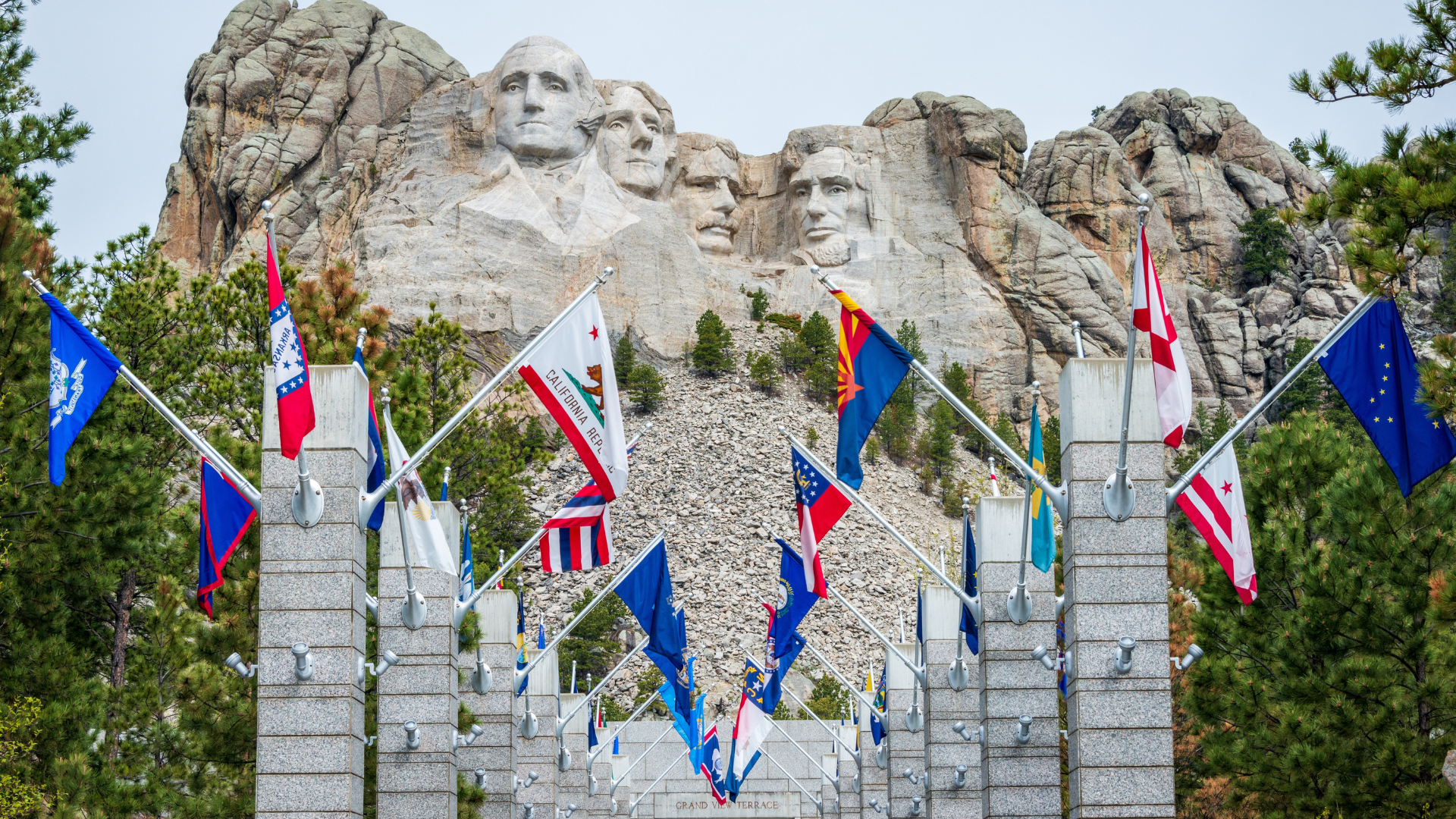
1. Mount Rushmore, South Dakota

Mount Rushmore is one of the most recognizable landmarks in the United States, yet many American travelers do not prioritize visiting it more than once, if at all. The monument itself is impressive in scale, carved directly into granite, and it carries strong historical symbolism. However, the experience of visiting tends to be shorter than expected. Once visitors arrive, walk through the viewing areas, and take photos, there is limited additional activity to extend the visit.

Another factor is its location. The Black Hills region is scenic, but it is not easily accessible compared to major cities or coastal destinations. Travelers often need to plan a dedicated trip or include it as part of a larger road journey. For many Americans, this extra effort shifts it lower on the travel priority list, especially when compared to destinations that offer a wider range of attractions in a smaller area.

In recent years, expectations have also evolved. Travelers increasingly look for interactive or immersive experiences, and Mount Rushmore is primarily observational. While the surrounding trails and nearby sites add value, the monument itself remains a brief highlight rather than a full-day destination. This does not diminish its importance, but it does explain why it often fails to draw repeat visits or sustained interest from domestic travelers.

2. The Gateway Arch, Missouri
© shutterstock_Sean Pavonejpg

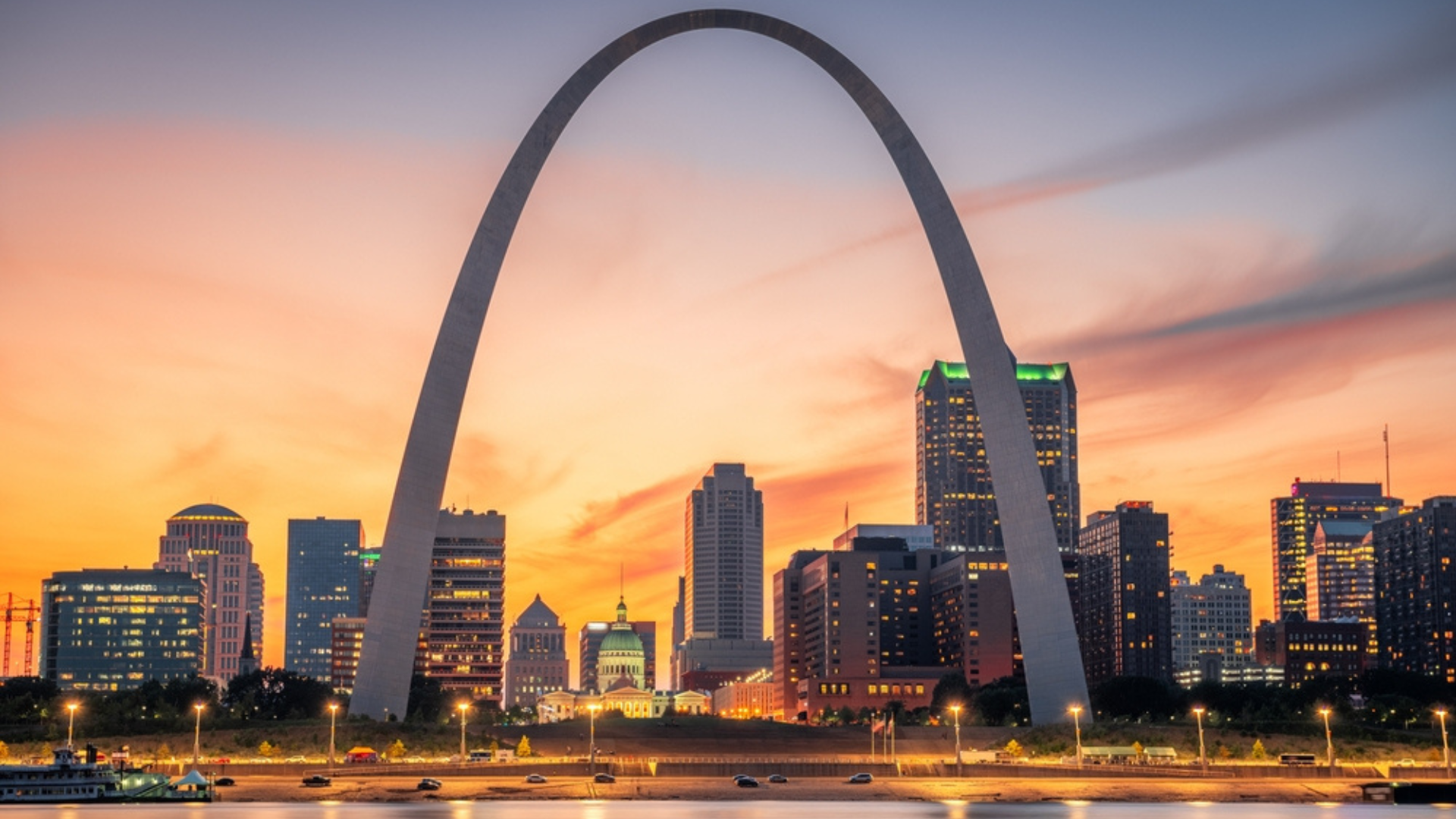
2. The Gateway Arch, Missouri

The Gateway Arch in St. Louis stands as an architectural and symbolic landmark representing westward expansion. It is visually striking and historically meaningful, yet it often functions more as a stop along the way rather than a primary destination. Many travelers passing through St. Louis may visit briefly, but few plan entire trips around it.

Part of the reason lies in the nature of the experience. The Arch itself is best appreciated visually, and while the tram ride to the top offers a unique perspective, the overall visit can be completed relatively quickly. The surrounding park and museum add depth, but they may not be enough to hold attention for extended periods, especially for visitors seeking a full day of varied activities.

Additionally, St. Louis as a whole competes with larger, more widely marketed cities. Travelers often choose destinations with broader entertainment, dining, and cultural options. As a result, even though the Gateway Arch is one of the most iconic structures in the country, it does not consistently draw large numbers of Americans on its own.

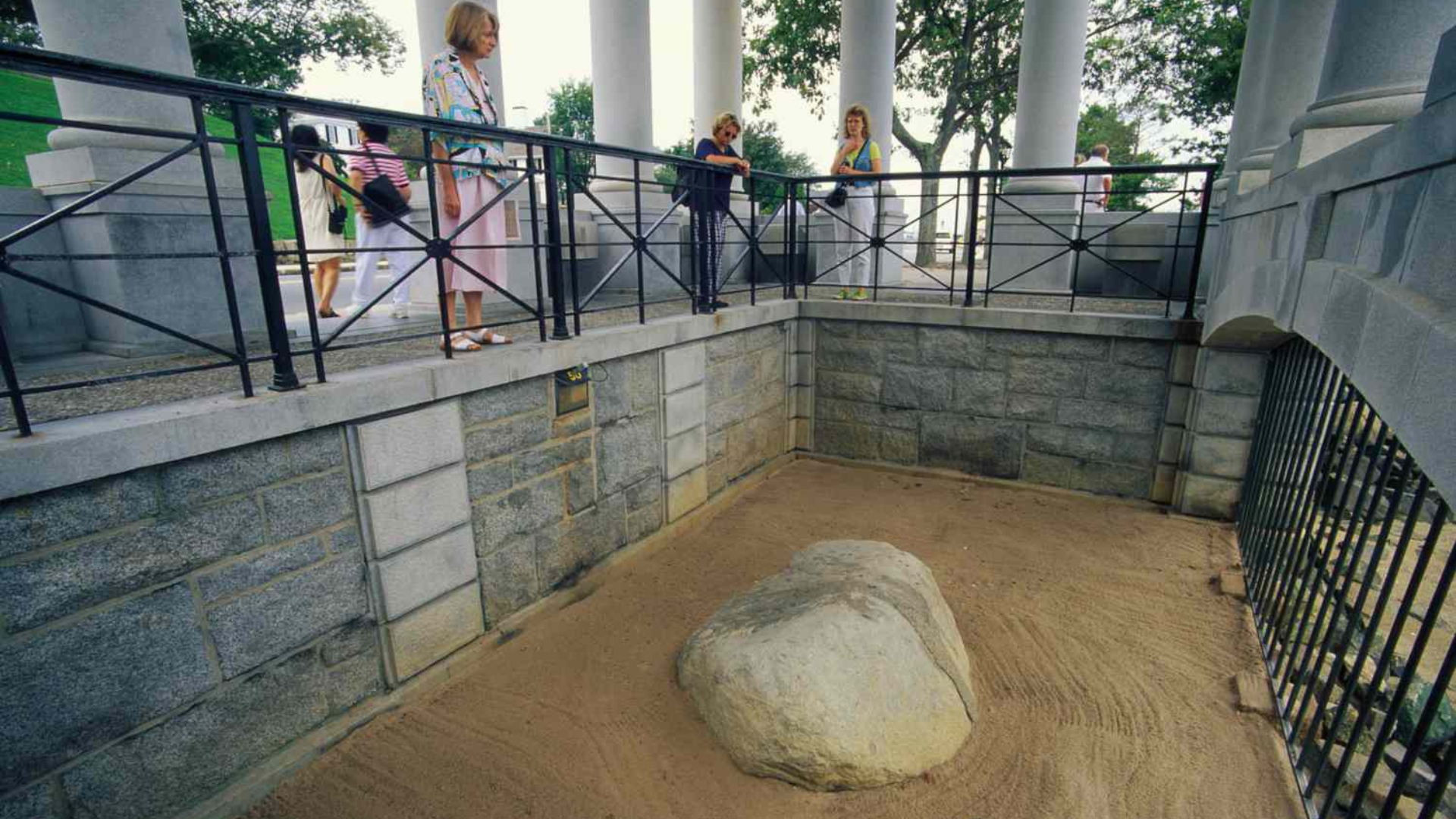
3. Plymouth Rock, Massachusetts
© Kim Knox Beckius

3. Plymouth Rock, Massachusetts

Plymouth Rock is one of the most historically referenced sites in American education, symbolizing the arrival of the Pilgrims. However, the actual experience of visiting it often does not align with expectations. The rock itself is small and enclosed within a protective structure, which can feel underwhelming to those expecting something more substantial.

This gap between expectation and reality is a key reason why the site struggles to attract sustained interest. Many visitors stop briefly, take a photo, and move on to other nearby attractions. The surrounding historical context is important, but the rock itself does not offer a dynamic or engaging experience.

For American travelers, especially those familiar with the history from school, the visit can feel more symbolic than experiential. While it remains an important landmark, it is rarely a primary reason to travel to the region, and is instead included as a quick stop within a broader itinerary.

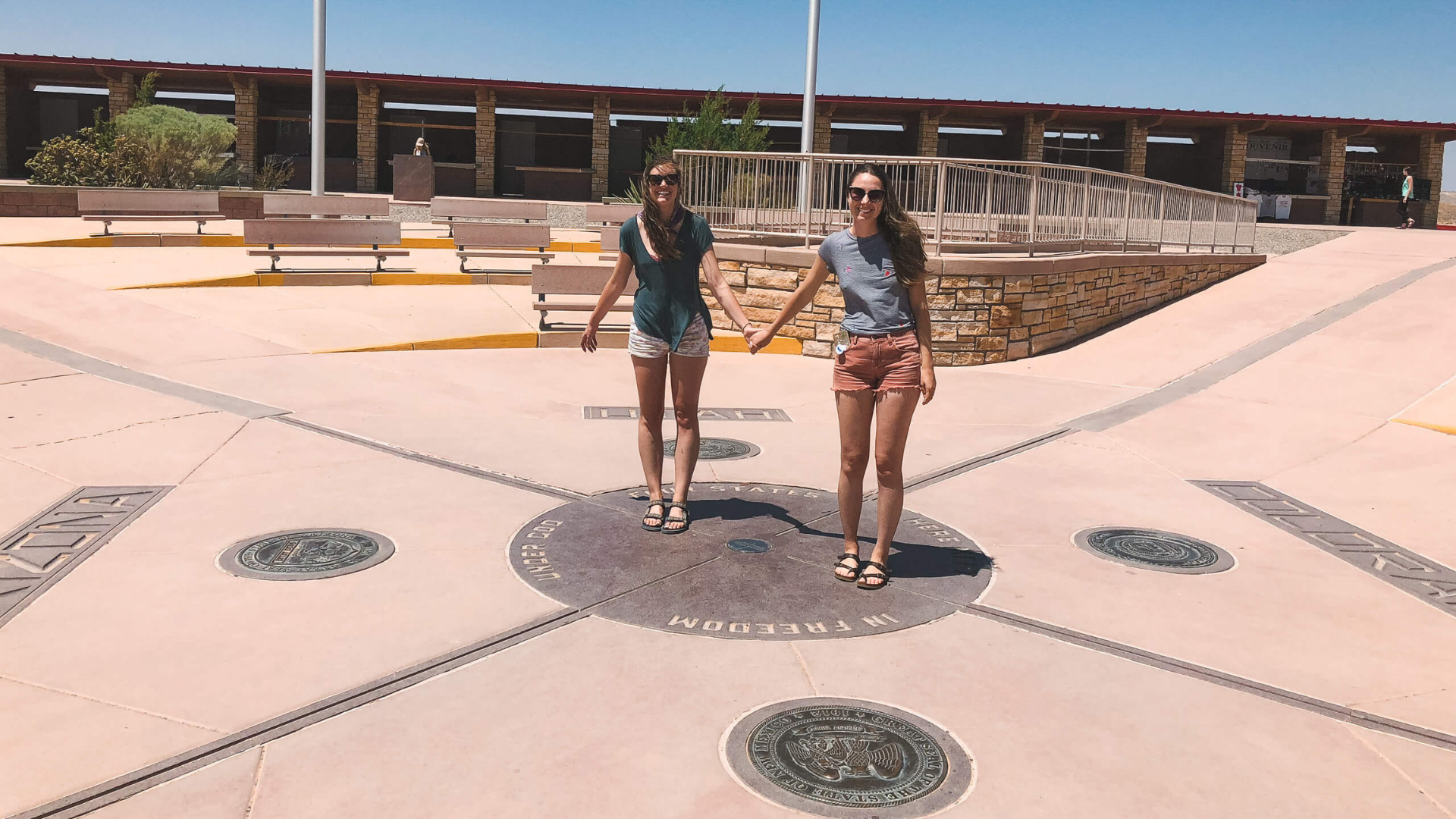
4. Four Corners Monument, Southwest U.S.
© Dave Mani

4. Four Corners Monument, Southwest U.S.

The Four Corners Monument marks the point where Arizona, Utah, Colorado, and New Mexico meet. It is unique in concept, as it allows visitors to stand in four states at once. However, the experience itself is limited to that single novelty.

For many travelers, the visit consists of taking photos and spending a short amount of time at the site. There are cultural elements and local vendors, but the core attraction does not require much time to explore. As a result, it is rarely a destination on its own.

Its remote location also plays a role. Reaching the monument requires a specific route, often through long stretches of desert landscape. While this can be appealing for road trips, it reduces spontaneous visits and limits overall traffic. The combination of a short experience and a distant location contributes to its lower appeal among American travelers.

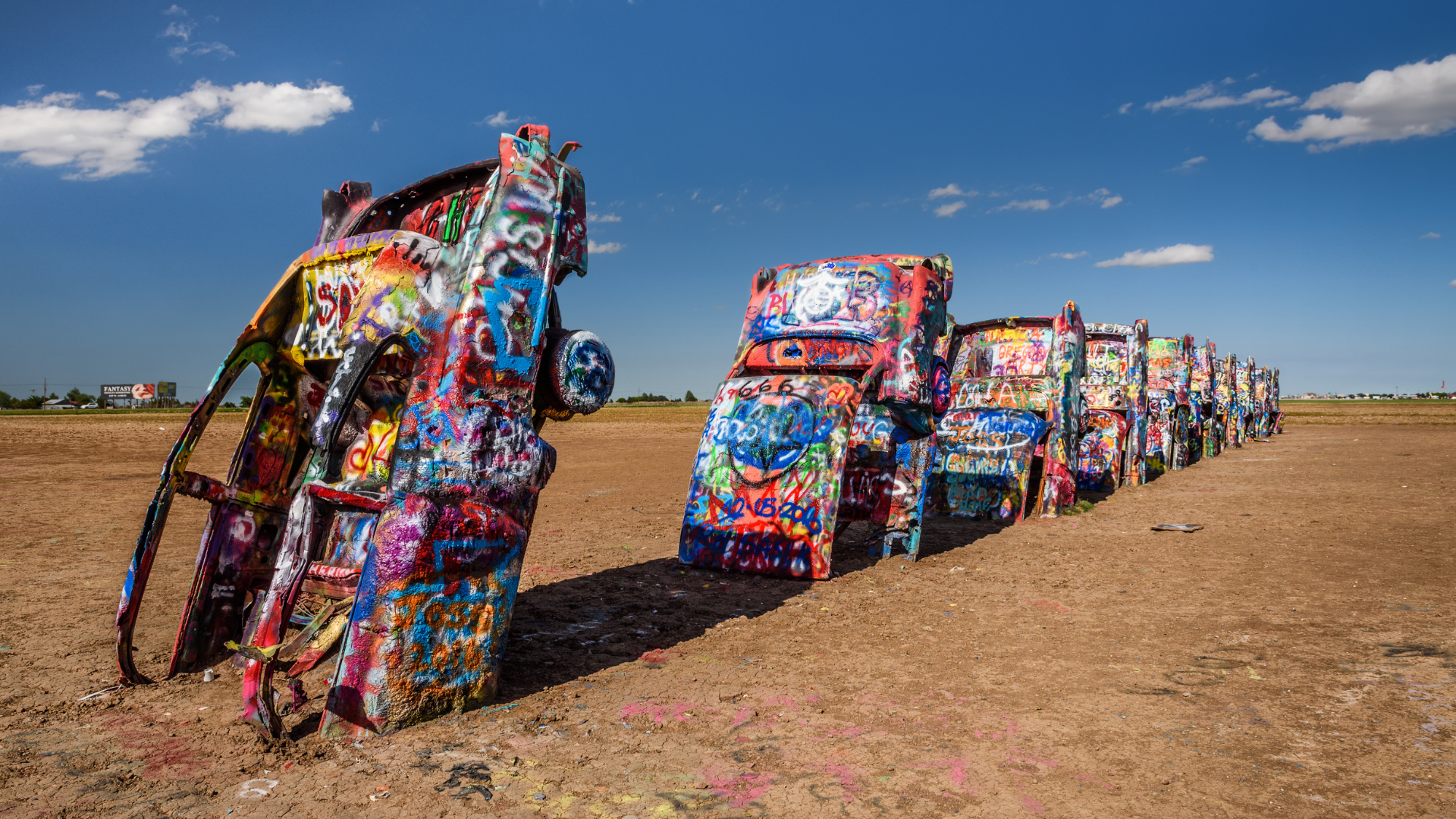
5. Cadillac Ranch, Texas
© shutterstock_Nick Foxjpg

5. Cadillac Ranch, Texas

Cadillac Ranch is a roadside installation featuring a row of partially buried cars, covered in layers of spray paint. It is creative and visually distinctive, but the experience is brief. Visitors typically stop, take photos, and leave within a short period.

The interactive element of adding graffiti appeals to some, but it does not significantly extend the visit. Over time, the novelty has remained consistent, but it has not evolved into a more comprehensive attraction. As a result, it functions more as a quick stop rather than a destination.

Its location along a highway reinforces this role. Cadillac Ranch fits naturally into road trips, but it does not often motivate travelers to plan a trip specifically around it. This limits its ability to draw larger numbers of domestic visitors despite its recognizability.

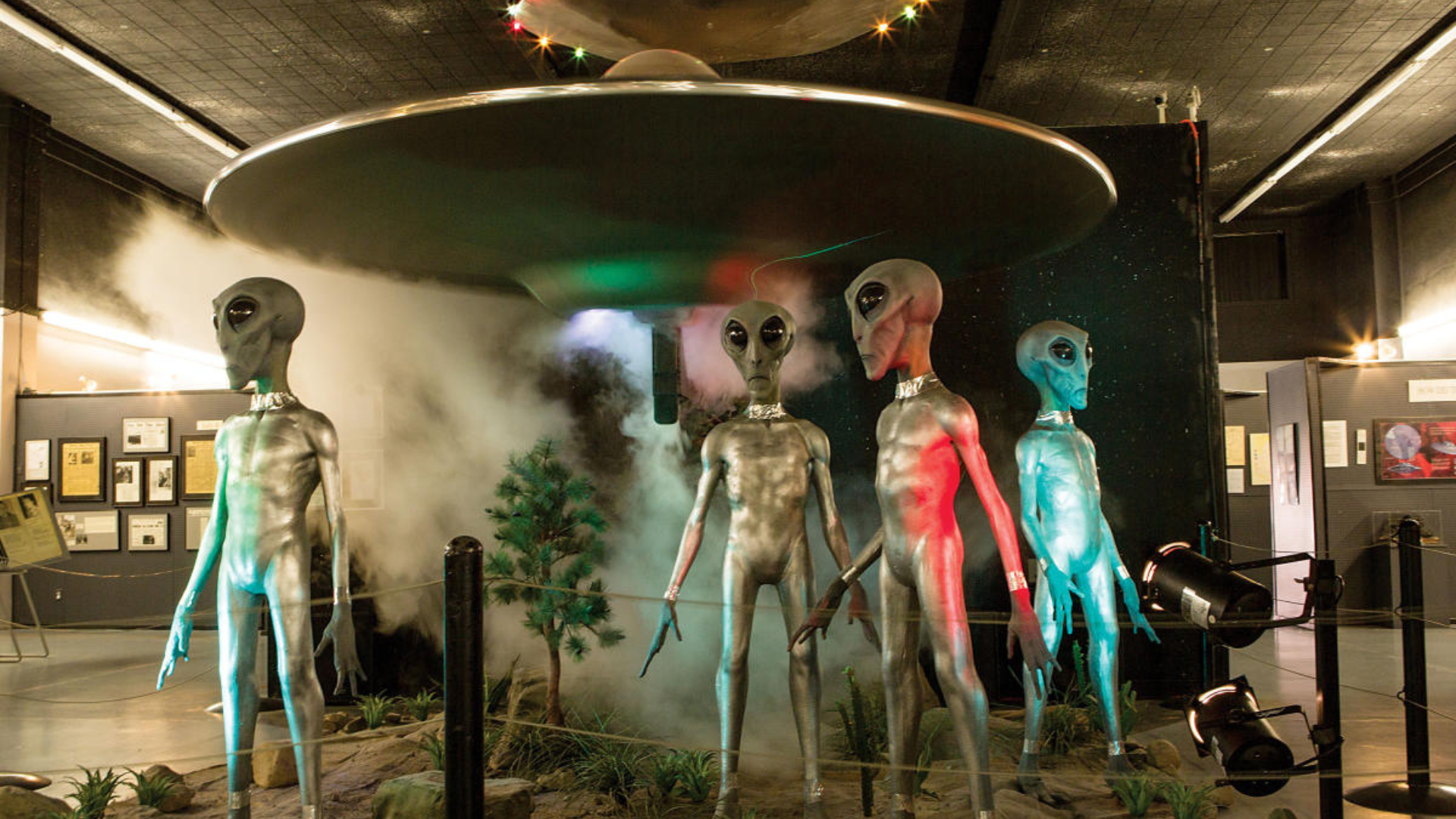
6. International UFO Museum, New Mexico
© Karen Fischer

6. International UFO Museum, New Mexico

The International UFO Museum in Roswell attracts a very specific type of visitor. Its focus on extraterrestrial theories and historical incidents appeals to niche interests, but it does not have broad mainstream appeal.

For many American travelers, the subject matter is more of a curiosity than a primary travel motivation. While the museum offers detailed exhibits and context, it remains centered on a topic that does not resonate with all audiences.

Roswell itself also lacks the variety of attractions found in larger destinations. This means visitors who do make the trip are often there for a specific purpose, rather than as part of a wider travel experience. As a result, the museum continues to attract attention, but not at a scale comparable to more general-interest attractions.

7. Deadwood, South Dakota
© shutterstock_Jess Kraftjpg

7. Deadwood, South Dakota

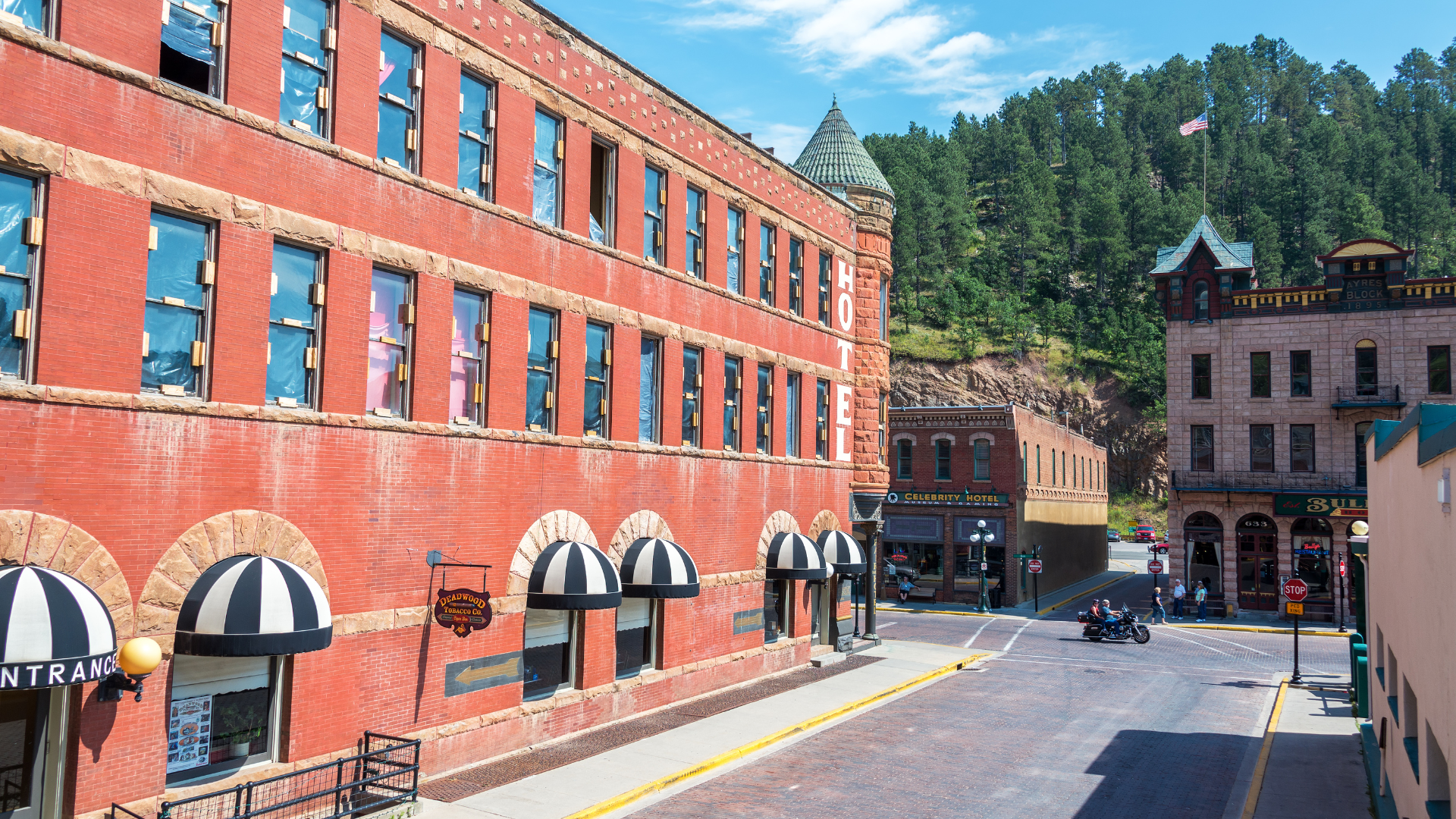
Deadwood holds historical significance as a former frontier town tied to the Wild West era. It offers preserved architecture, museums, and a sense of history, but it competes with more developed destinations that provide a broader range of experiences.

For many travelers, Deadwood feels quieter and more limited in scope. While it is appealing for those interested in history, it does not always meet the expectations of visitors looking for more varied activities. The town’s focus on its past can make it feel static rather than dynamic.

Its location also contributes to lower visitation. Like other attractions in South Dakota, it requires intentional planning to reach. Without a strong draw for repeat visits, it remains a niche destination within the broader travel landscape.

8. The Corn Palace, South Dakota
© shutterstock_Joseph Sohm

8. The Corn Palace, South Dakota

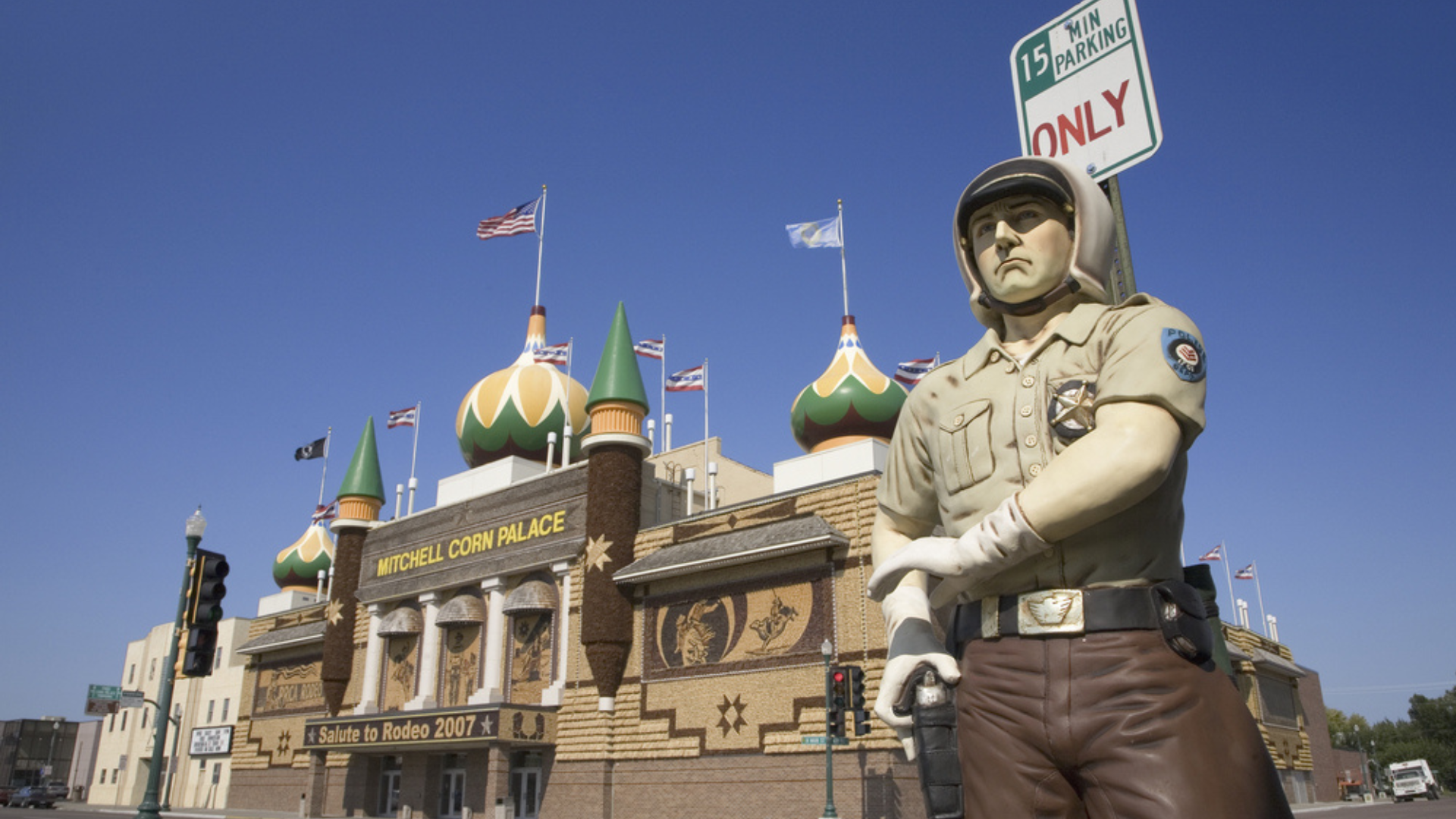
The Corn Palace is known for its exterior murals made from corn and other grains. It is unique, but its appeal is largely based on novelty. Visitors often find it interesting, but the experience is relatively short.

The structure itself does not offer extensive activities beyond viewing the exterior and exploring the interior briefly. This limits the amount of time visitors spend there, making it more of a curiosity than a destination.

Because of this, the Corn Palace is often included as a quick stop during road trips rather than a primary attraction. Its uniqueness draws attention, but not enough to sustain long visits or large-scale tourism.

9. Carhenge, Nebraska
© Dave Mani

9. Carhenge, Nebraska

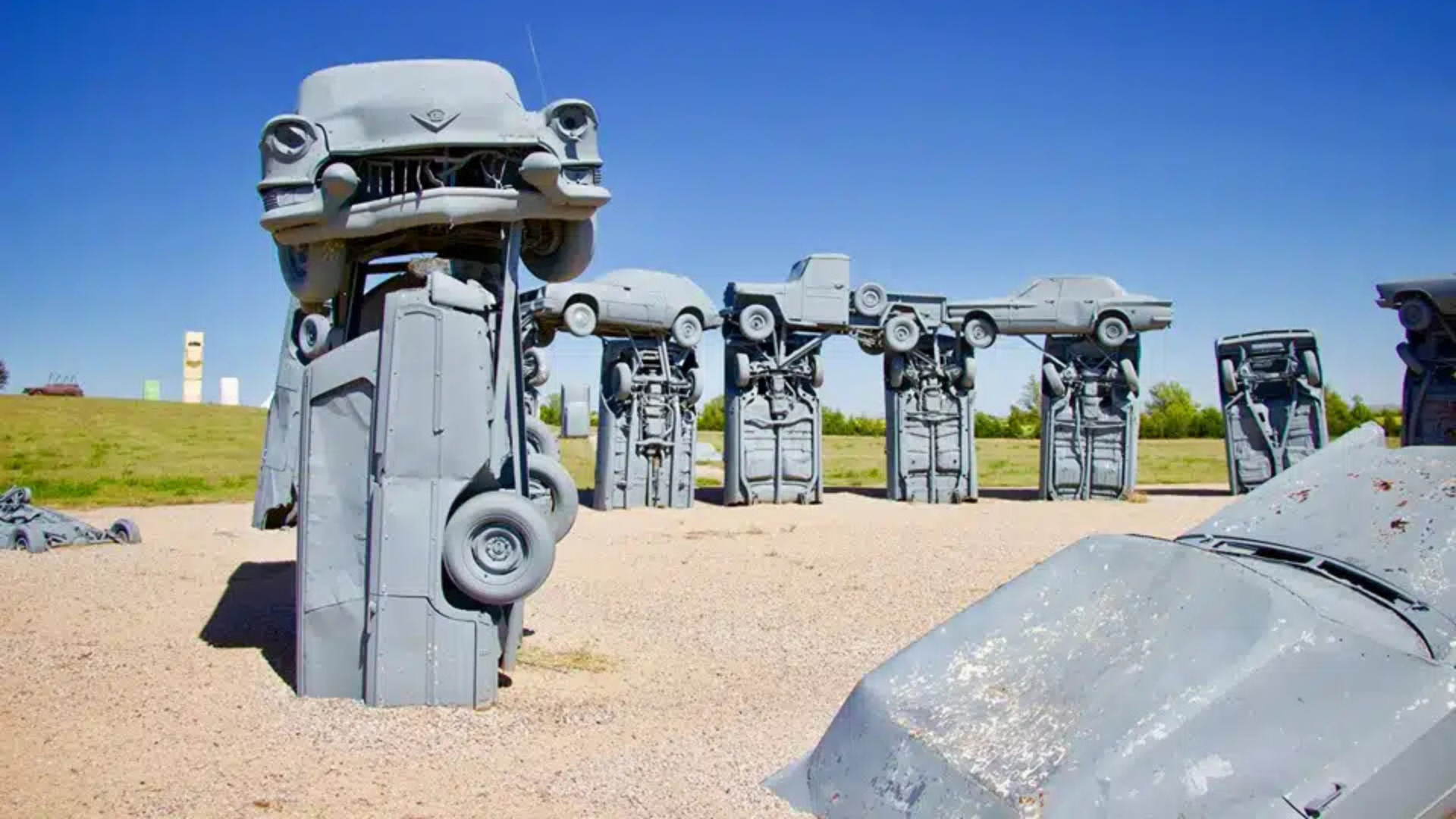
Carhenge is a creative replica of Stonehenge made from vintage cars. While it is visually interesting, it remains a niche attraction. Its remote location in Nebraska limits accessibility, and the experience itself is relatively brief.

Visitors typically spend a short amount of time exploring and taking photos. While the concept is memorable, it does not offer the depth or variety needed to hold attention for longer periods.

As a result, Carhenge is often visited as part of a larger road trip rather than as a standalone destination. Its uniqueness is its strength, but also its limitation.

10. Salvation Mountain, California
© Dave Mani

10. Salvation Mountain, California

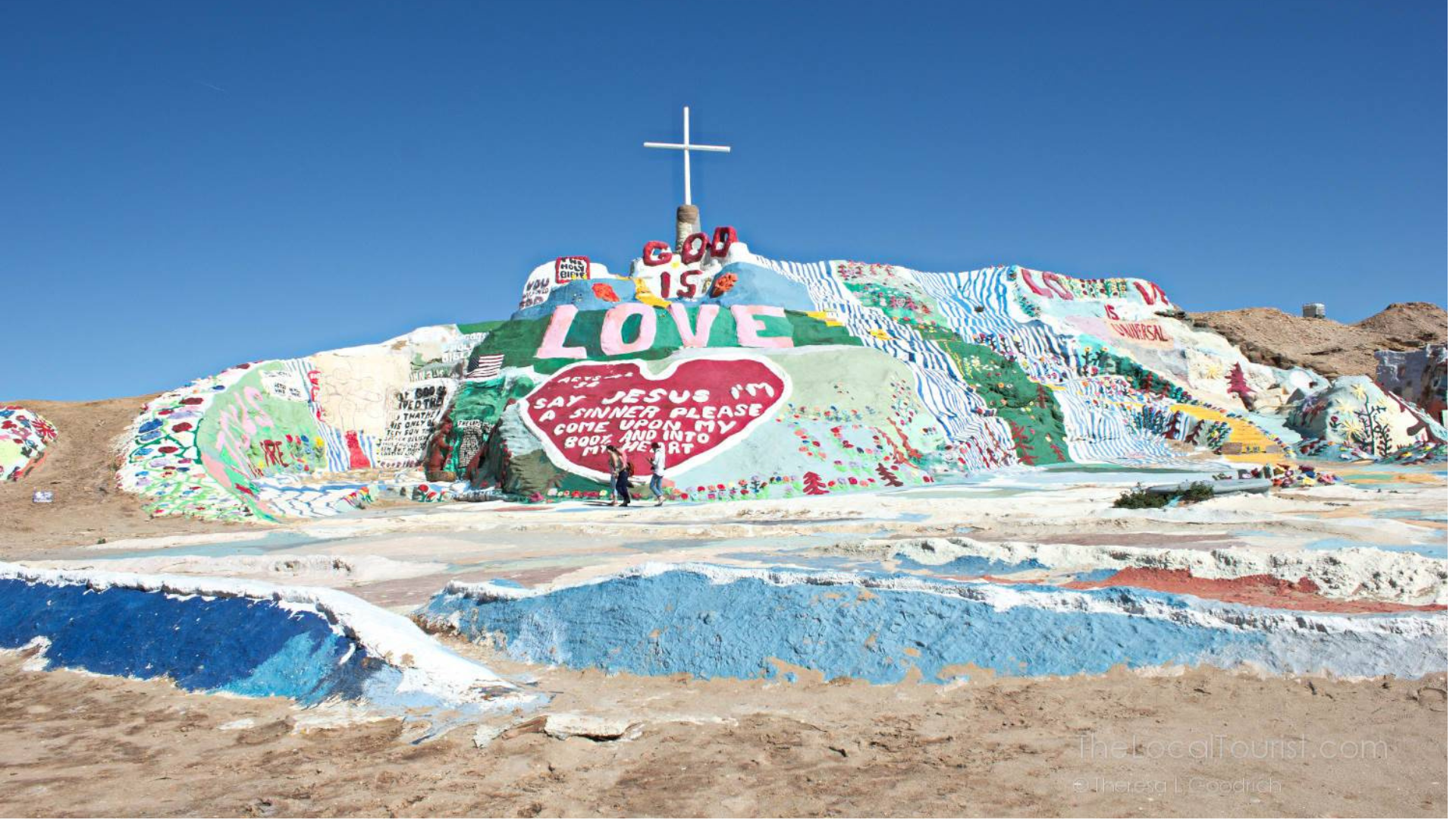
Salvation Mountain is a colorful art installation in the California desert. It stands out visually and offers a unique atmosphere, but its remote location makes it less accessible for many travelers.

The experience is largely centered around viewing the artwork and walking through the site. While it is visually engaging, it does not provide a wide range of activities. This limits the time visitors spend there.

Its isolation also means fewer spontaneous visits. Travelers who make the trip often do so intentionally, but it remains outside the mainstream travel routes for most Americans.

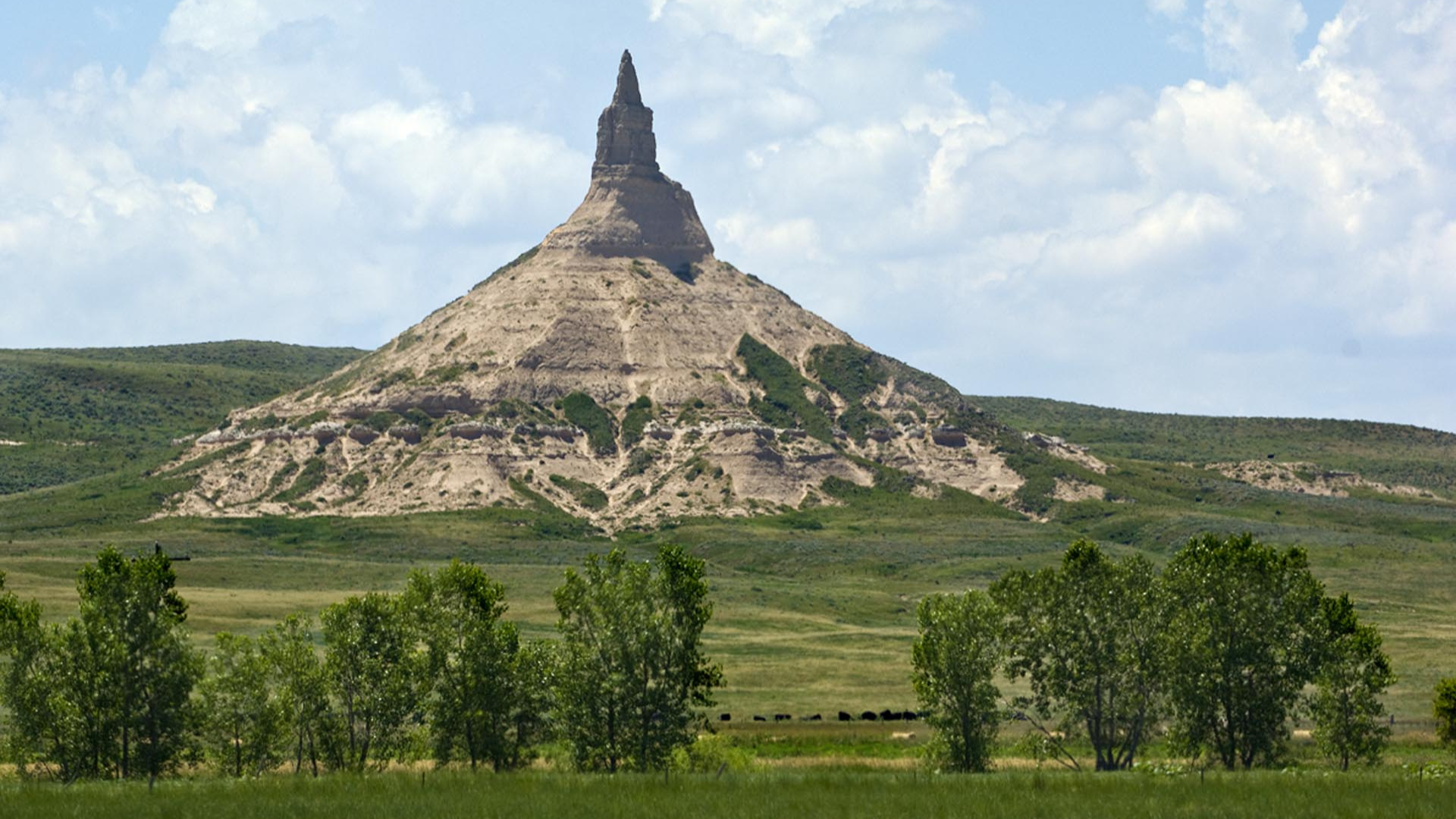
11. Chimney Rock, Nebraska
© Chimney Rock, Nebraska

11. Chimney Rock, Nebraska

Chimney Rock is historically significant as a landmark for pioneers traveling west. However, its role today is more symbolic than interactive. Visitors can view the formation and learn about its history, but the experience is relatively limited.

For modern travelers, the lack of engagement can make it less appealing. While it holds importance in American history, it does not offer the immersive experiences that many travelers now seek.

Its remote location further reduces visitation. Without nearby attractions to complement it, Chimney Rock remains a quiet and under-visited site.

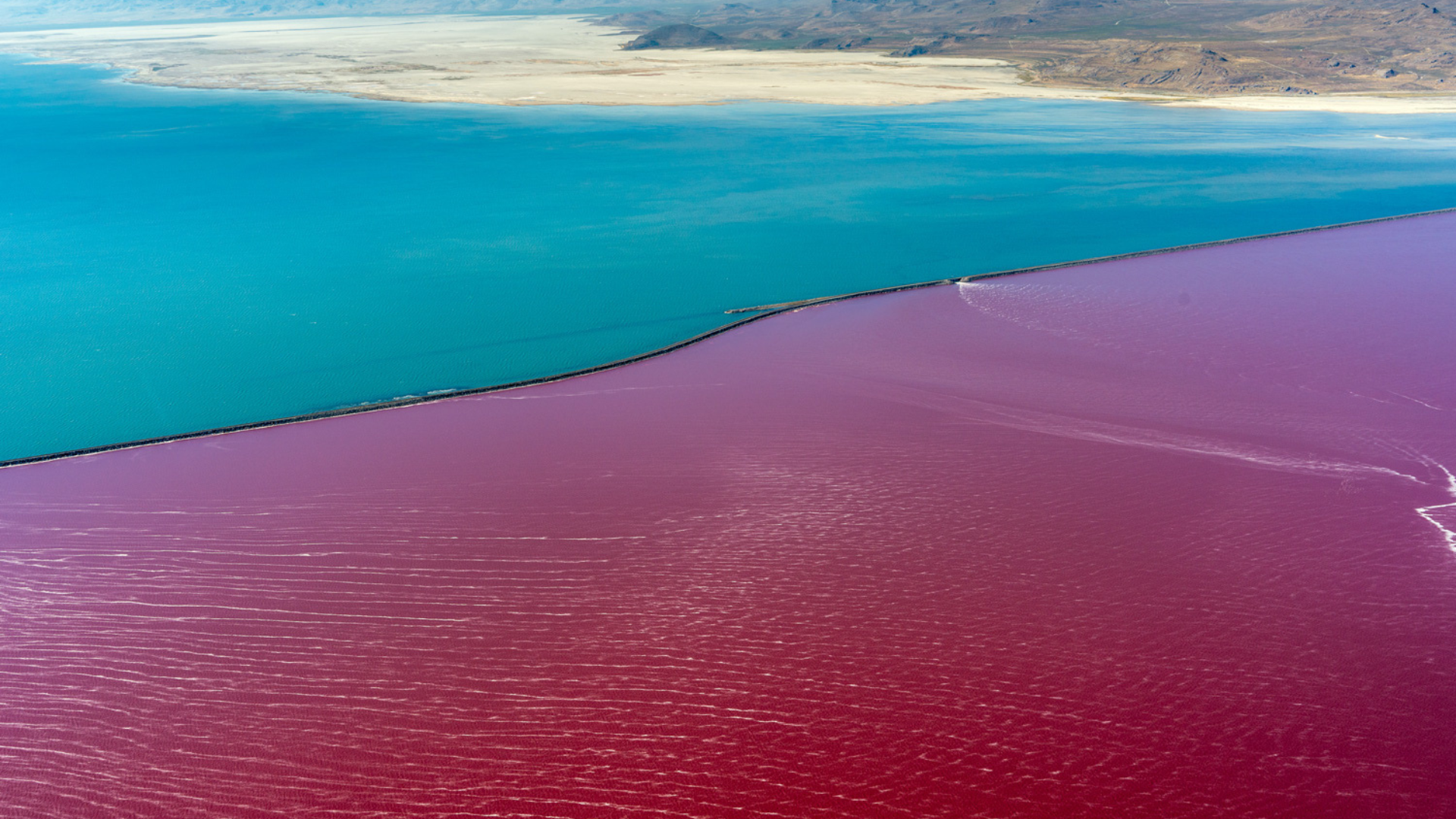
12. Great Salt Lake, Utah
© Courtesy of EcoFlight

12. Great Salt Lake, Utah

The Great Salt Lake is a natural wonder, but it often falls behind Utah’s national parks in popularity. While it offers unique landscapes and ecological significance, it lacks the variety of activities found in other destinations.

Visitors may find the experience limited to observation and short walks. The lake’s conditions, including its smell and changing water levels, can also affect the experience.

As a result, many travelers choose to spend more time in nearby parks, leaving the Great Salt Lake as a secondary stop rather than a primary attraction.

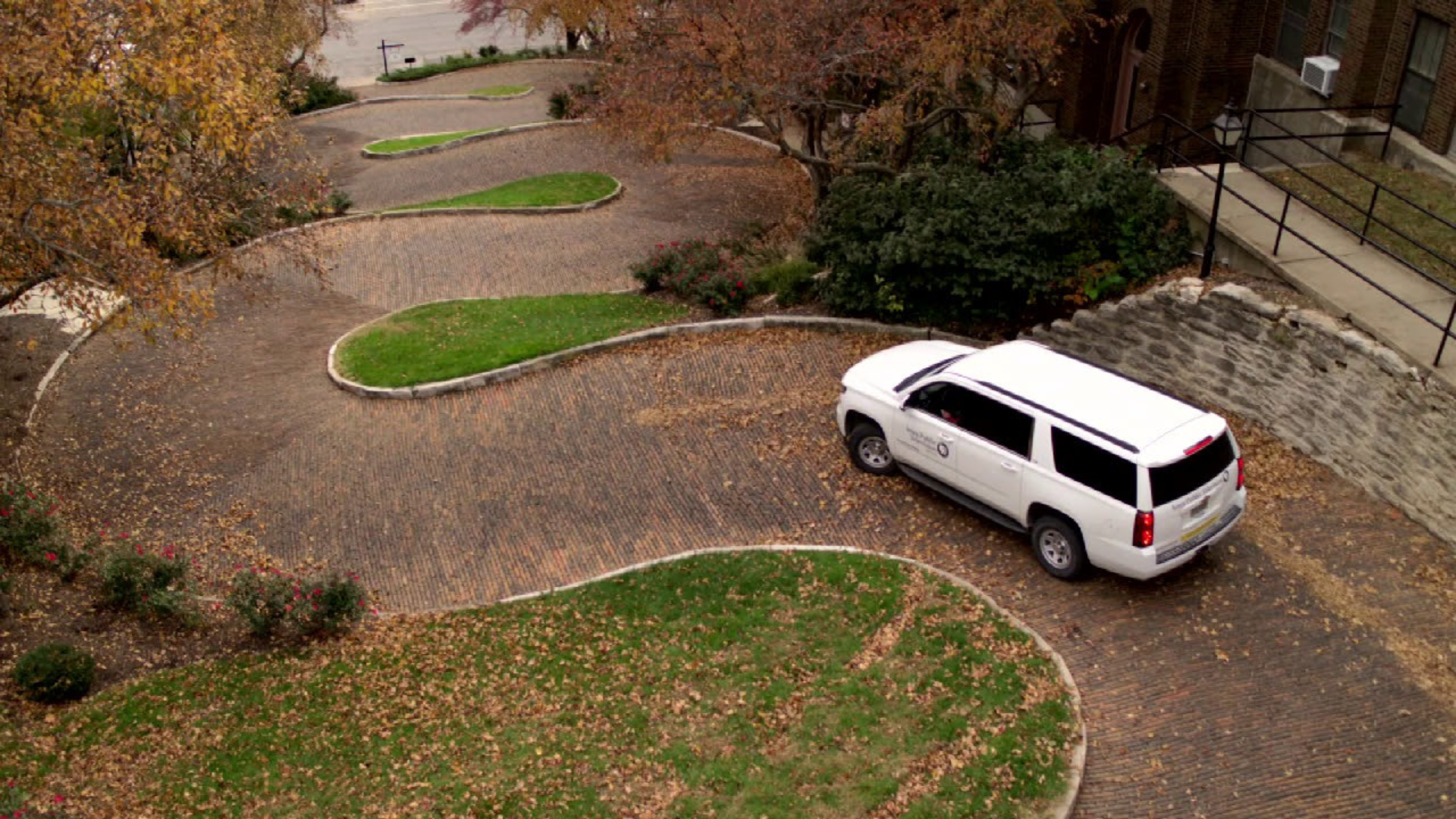
13. Snake Alley, Iowa
© Iowa PBS_YouTube

13. Snake Alley, Iowa

Snake Alley is known for its winding design, often compared to Lombard Street in San Francisco. However, it is much smaller in scale and offers a brief experience.

Visitors typically walk the street, take photos, and move on. While it is interesting, it does not provide enough depth to sustain longer visits.

Its location in a smaller city also limits exposure. Without a larger tourism draw around it, Snake Alley remains a minor attraction.

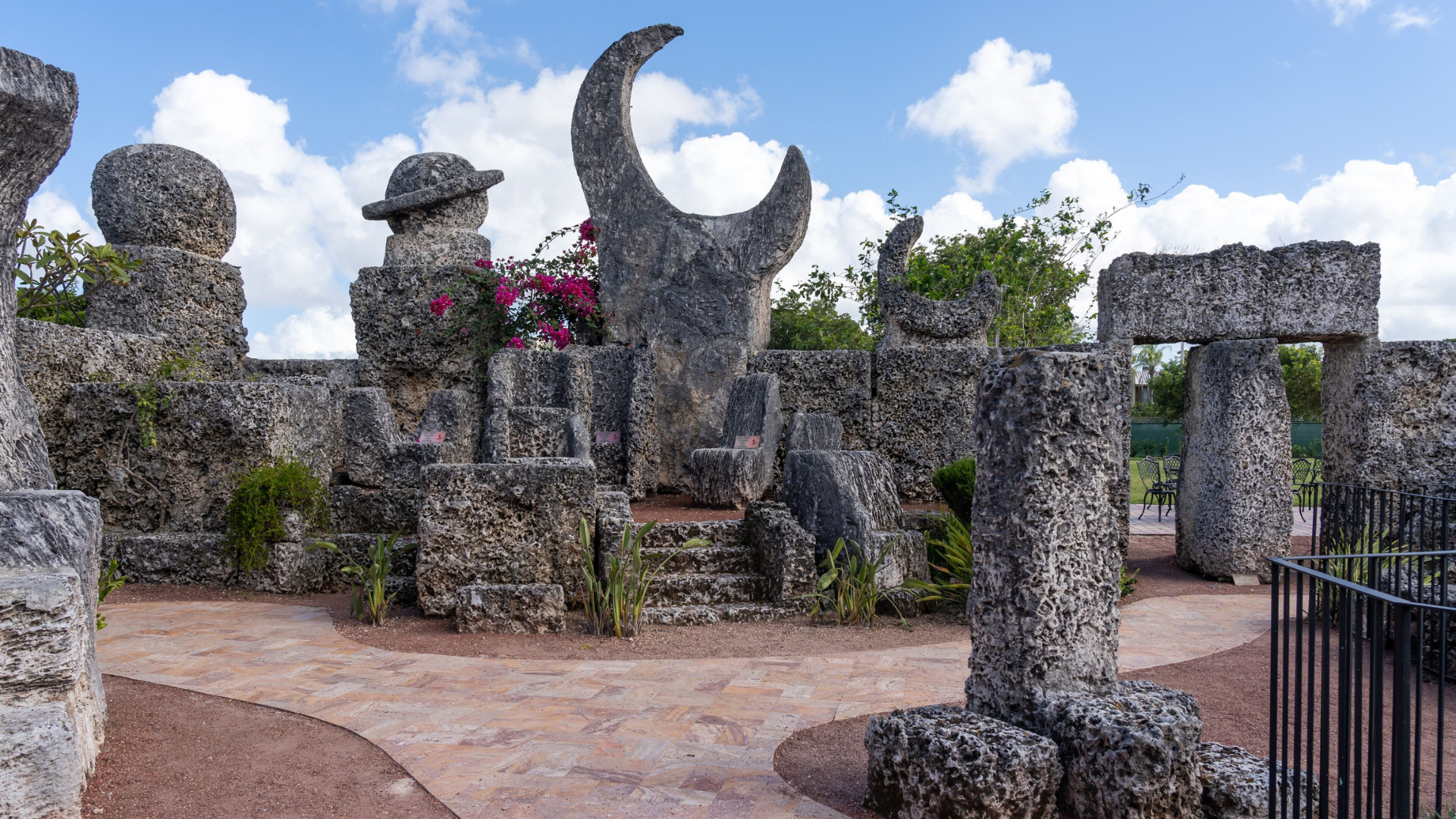
14. Coral Castle, Florida
© Expedia

14. Coral Castle, Florida

Coral Castle is an unusual structure built from limestone, often surrounded by mystery and speculation. While it is intriguing, it competes with Florida’s more prominent attractions.

Many visitors choose theme parks and beaches over smaller, niche sites. Coral Castle appeals to specific interests but does not attract a broad audience.

This limits its visibility and keeps it from becoming a major tourist draw.

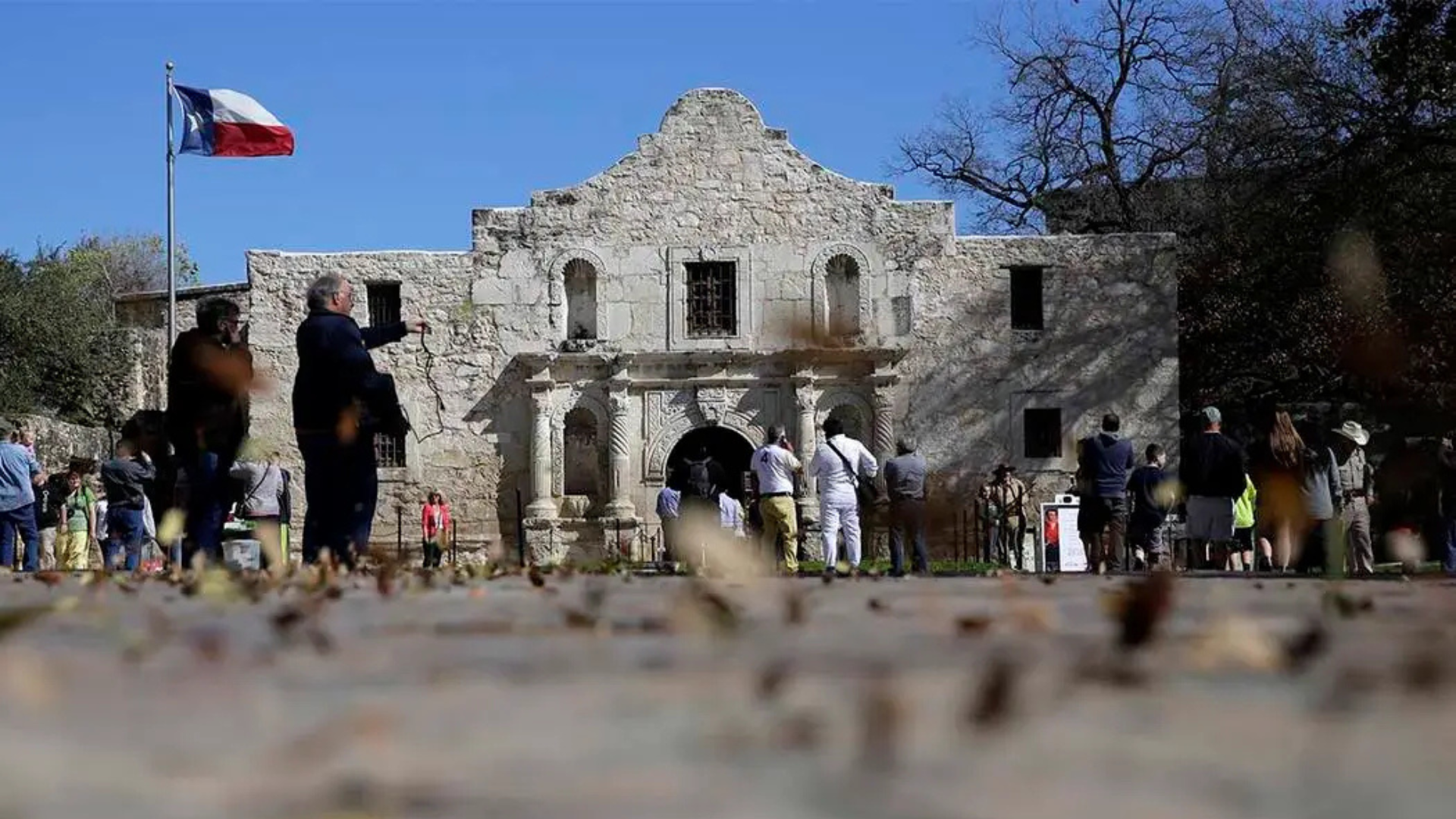
15. The Alamo, Texas
© Eric Gay_AP

15. The Alamo, Texas

The Alamo is historically significant, but the experience can feel smaller than expected. Visitors often anticipate a larger site, and the reality can feel limited in scale.

While the surrounding area offers additional context, the main attraction itself is relatively compact. This creates a gap between expectation and experience.

Despite its importance, it is often visited briefly rather than explored in depth.

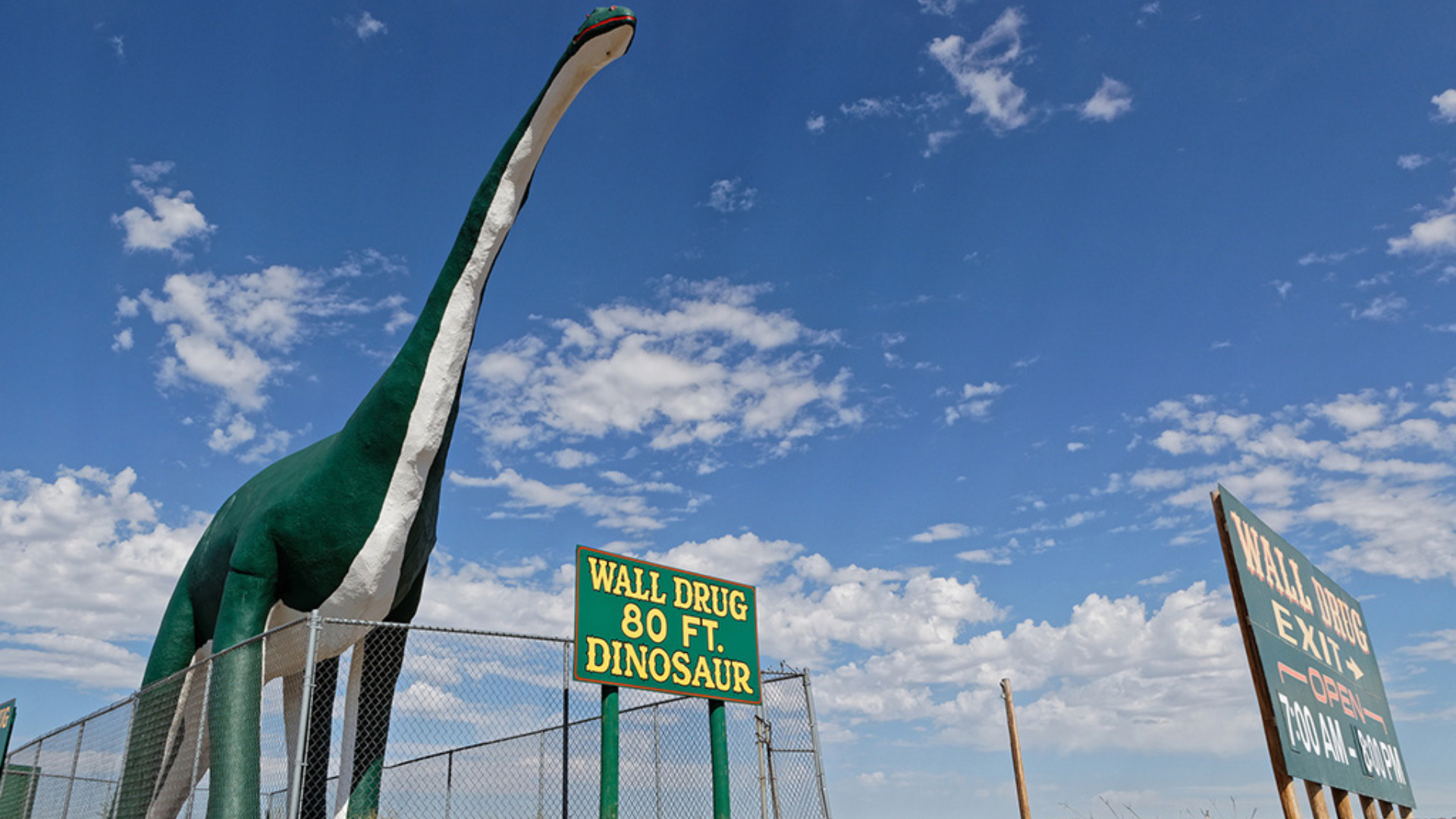
16. Wall Drug, South Dakota
© Pierre Jean Durieu_Dreamstime

16. Wall Drug, South Dakota

Wall Drug is a well-known roadside attraction with shops and displays. While it draws attention from travelers passing through, it is rarely a destination on its own.

The experience is centered around retail and novelty, which may not appeal to all visitors. Many stop briefly and continue their journey.

Its role as a roadside stop limits its ability to draw sustained tourism.

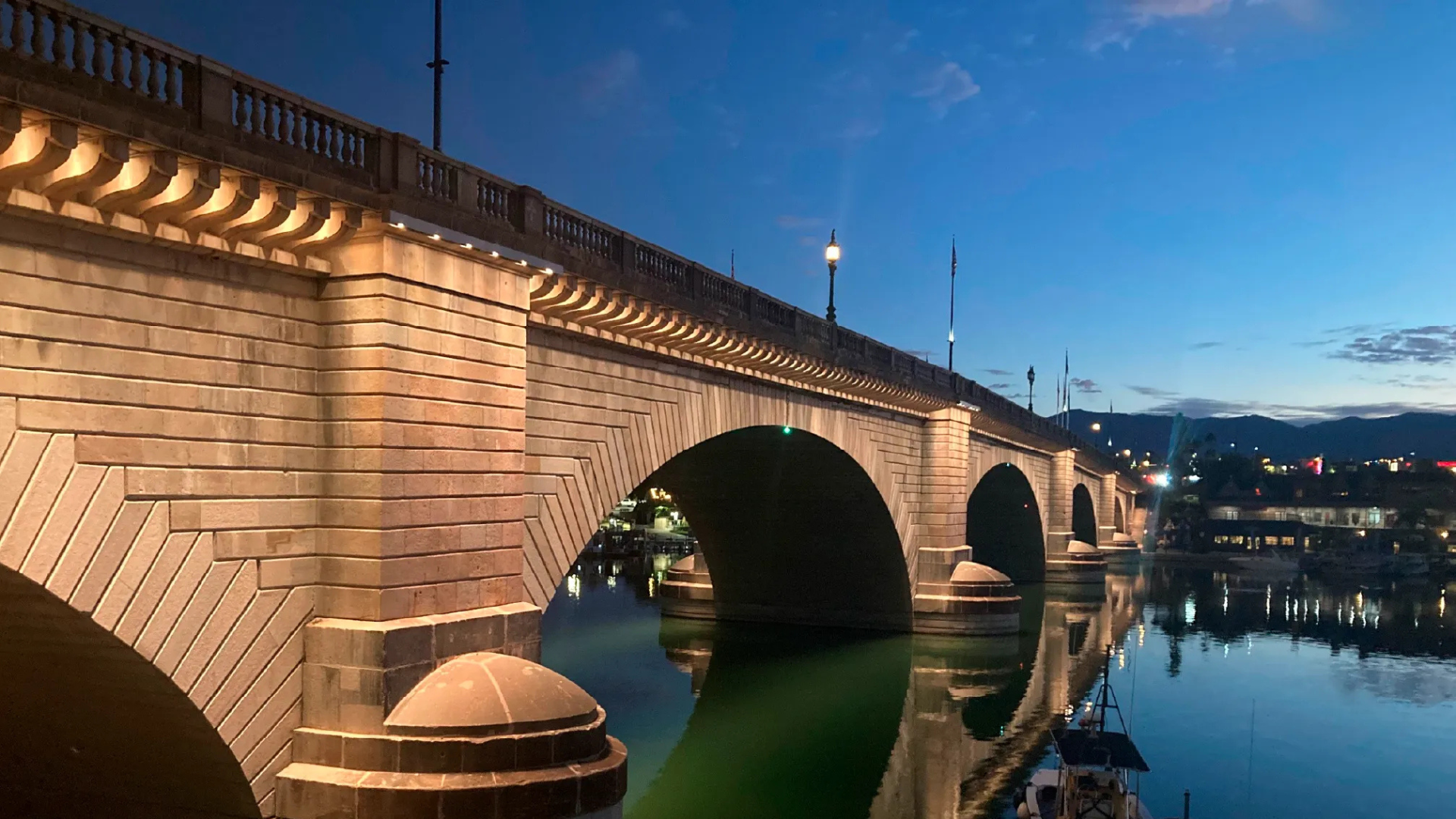
17. London Bridge, Arizona
© sundt

17. London Bridge, Arizona

The London Bridge in Arizona is a relocated historical structure. While it is unique, it is not widely known among American travelers.

The experience is relatively simple, focusing on viewing the bridge and surrounding area. It does not offer a wide range of activities.

As a result, it remains a lesser-known attraction.

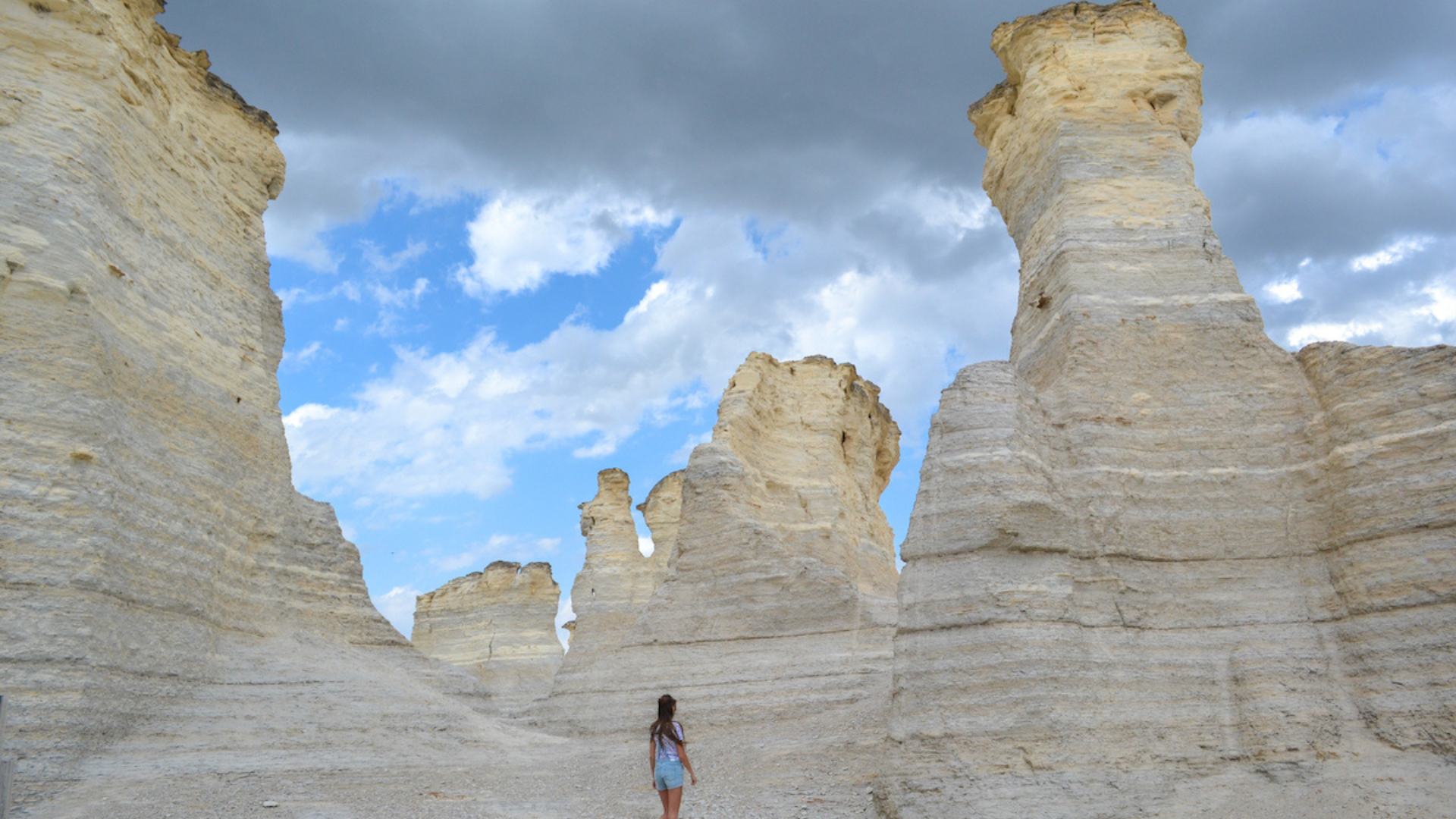
18. Monument Rocks, Kansas
© By Ashley

18. Monument Rocks, Kansas

Monument Rocks offers striking natural formations, but its remote location limits access. Visitors who do make the trip often find it rewarding, but it requires effort to reach.

The lack of facilities and surrounding attractions also reduces its appeal. It remains a quiet and under-visited site.

19. Winchester Mystery House, California
© visitcalifornia

19. Winchester Mystery House, California

The Winchester Mystery House is known for its unusual design and history. While it attracts interest, it appeals mainly to those with specific curiosity about its story.

The guided tour format also limits flexibility, which may not appeal to all travelers. It remains a niche attraction.

20. Crater of Diamonds State Park, Arkansas
© Dave Mani

20. Crater of Diamonds State Park, Arkansas

Crater of Diamonds allows visitors to search for diamonds, but success is not guaranteed. This uncertainty can affect expectations.

While the experience is unique, it may not appeal to those looking for more predictable outcomes. It remains an interesting but specialized destination.


Comments (0)

Leave a Reply

No comments yet. Be the first to share your thoughts!