Travel Destination

15 popular destinations that look different in person than in photos

Leo Harper
4.8
May 01, 2026

Travel photos often show the best possible version of a place. A beach appears empty because the picture was taken at sunrise. A city looks peaceful because the crowd was cropped out. A waterfall seems remote because the line of visitors waiting nearby is not in the frame. Social media has made travel planning more visual than ever, but it has also created expectations that real trips cannot always match.

Many famous places are still worth visiting, but they can feel very different from their online image. The real experience may include long queues, high prices, traffic, heat, construction, seasonal weather, overbooked tours, or a short attraction that takes only a few minutes to see. In some destinations, the problem is not the place itself. It is the gap between the dreamy version travelers imagine and the practical reality they face when they arrive.

This guide looks at 15 places that often look beautiful online but can frustrate visitors in real life. Each one has real appeal, but also common travel challenges that are worth knowing before planning a trip.
1. Santorini, Greece
© shutterstock / vivooo

1. Santorini, Greece

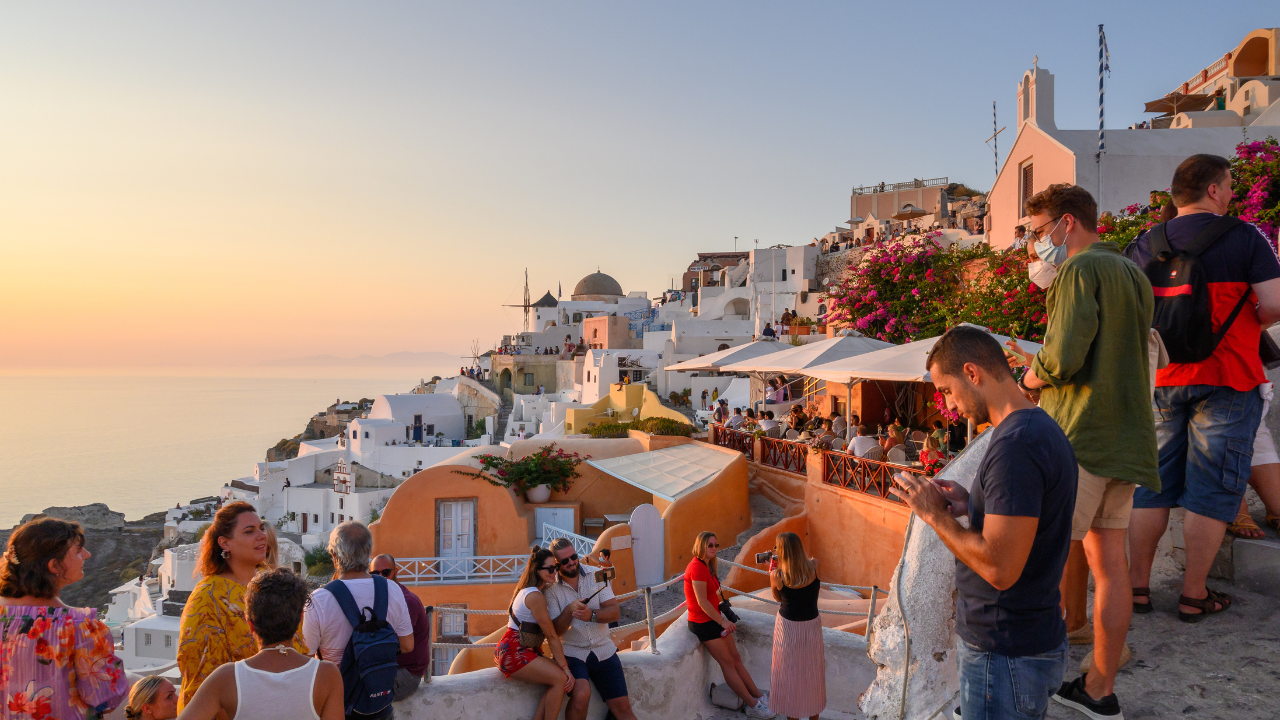
Santorini is one of the most photographed islands in the world, with whitewashed buildings, blue-domed churches, cliffside hotels, and sunset views over the Aegean Sea. Online, it often looks calm, romantic, and almost unreal. In real life, especially during peak summer, the island can feel crowded, expensive, and difficult to move around. Narrow lanes in Oia and Fira fill quickly with cruise passengers, tour groups, and travelers waiting for the same sunset photo.

The scenery is still beautiful, but visitors often underestimate how much planning is required. Hotels with caldera views can be costly, restaurants need advance reservations, and buses or taxis may be limited during busy hours. The famous sunset experience can feel less peaceful when hundreds of people are gathered in the same small area. Santorini works best for travelers who visit outside peak season and accept that the island is not as empty as it appears online.

Why It Frustrates Visitors: Crowds, high prices, and packed sunset viewpoints.

Best Time to Visit: April to May or late September to October.

Traveler Tip: Stay at least one night instead of rushing in on a cruise stop.

Must-Know: Oia is most crowded in the late afternoon and sunset hours.

2. Venice, Italy
© shutterstock / Artush

2. Venice, Italy

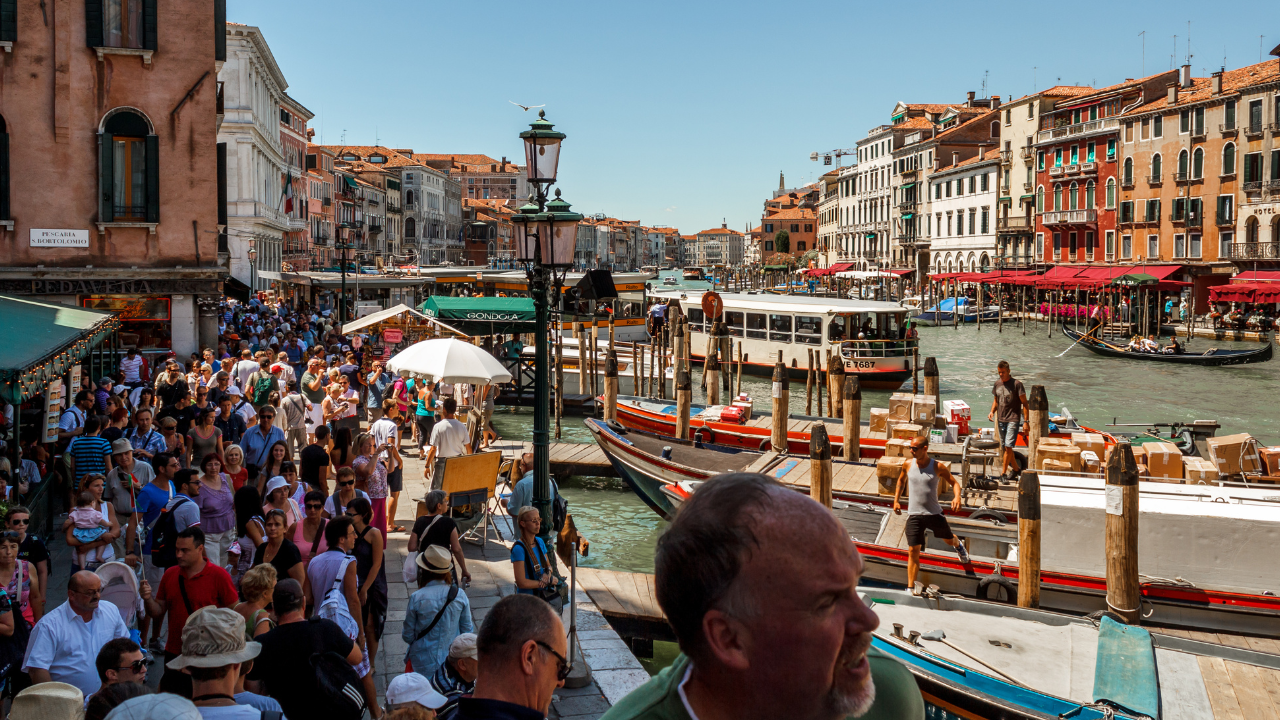
Venice looks magical in carefully framed photos: quiet canals, gondolas under old bridges, soft evening light, and narrow streets that seem made for wandering. The reality can be more complicated. During busy periods, Venice receives large numbers of day-trippers, cruise passengers, and tour groups, all moving through a city built long before modern mass tourism. The same narrow lanes that look charming online can become slow, crowded corridors in real life.

A gondola ride is also more expensive than many travelers expect, and the experience may feel less private if the canals are busy. Summer heat, limited shade, and crowded vaporetto stops can make sightseeing tiring. Venice is still historically rich and visually unique, but it rewards travelers who slow down and avoid the busiest routes. The best experience often happens early in the morning, late in the evening, or in quieter neighborhoods away from St. Mark’s Square.

Why It Frustrates Visitors: Narrow streets, crowding, high gondola prices, and summer heat.

Best Time to Visit: November to March, excluding major holidays.

Traveler Tip: Explore Cannaregio, Castello, or Giudecca for a calmer side of the city.

Must-Know: Daytime crowds are heaviest around Rialto and St. Mark’s Square.

3. Bali, Indonesia
© shutterstock / William's photo

3. Bali, Indonesia

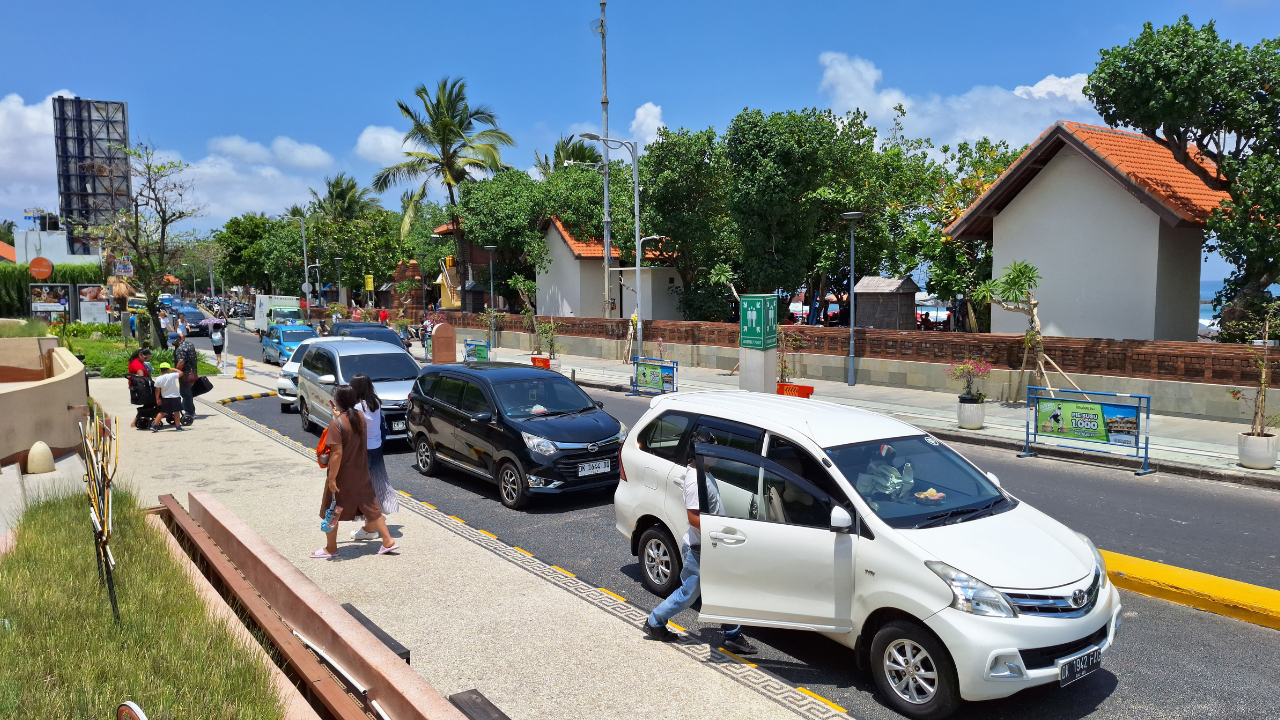
Bali’s online image is built around rice terraces, jungle villas, temples, waterfalls, beach clubs, and peaceful wellness retreats. Many visitors arrive expecting serenity, but the most popular areas can feel busy, commercialized, and traffic-heavy. Canggu, Seminyak, Ubud, and parts of the south often experience congestion, construction, crowded cafés, and long travel times between attractions.

The island still has beautiful landscapes and strong cultural depth, but the dreamy version online often leaves out practical challenges. A short distance on the map can take much longer than expected because of traffic. Popular temples and waterfalls may have queues for photos. Some beaches are affected by crowds, pollution, or seasonal conditions. Bali is more rewarding when travelers choose their base carefully, avoid trying to see too much in one day, and look beyond the most viral spots.

Why It Frustrates Visitors: Traffic, crowds, construction, and over-commercialized hotspots.

Best Time to Visit: April to June or September to October.

Traveler Tip: Pick one area as a base instead of crossing the island daily.

Must-Know: Travel times in Bali are often much longer than they look on maps.

4. Dubai, United Arab Emirates
© shutterstock / U__Photo

4. Dubai, United Arab Emirates

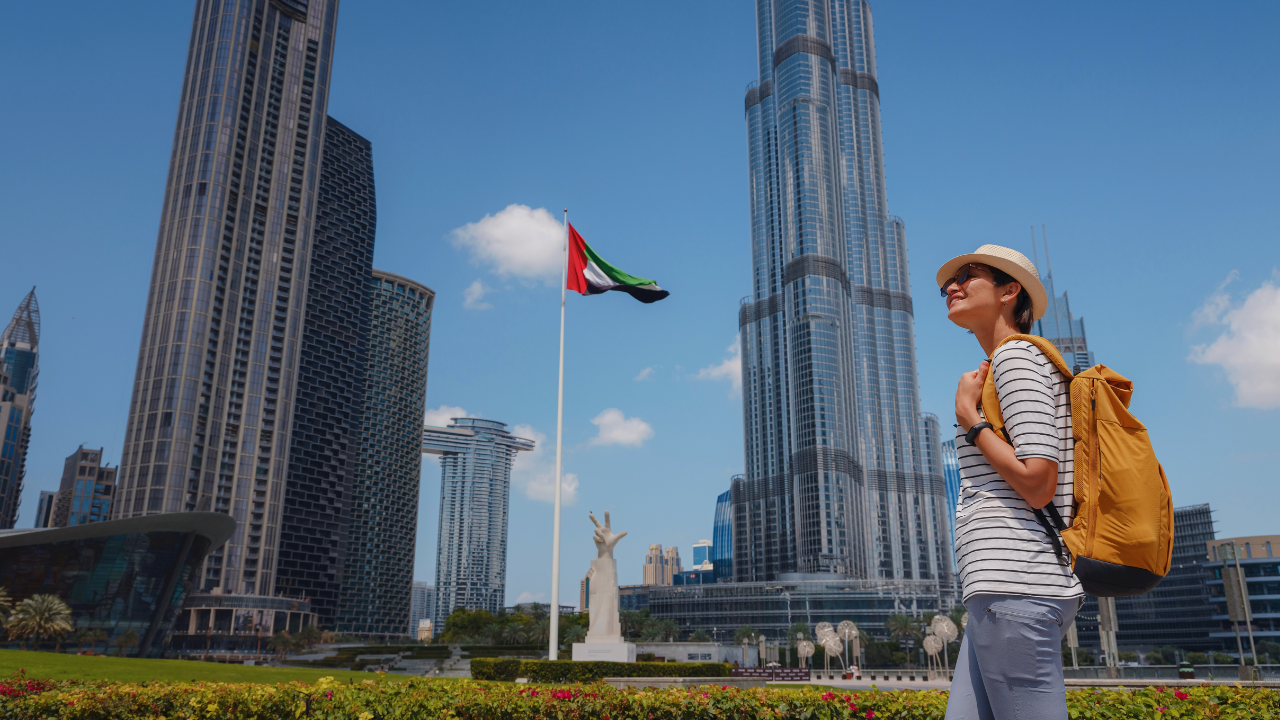
Dubai photographs extremely well. Its skyline, luxury hotels, desert scenes, rooftop pools, and shopping malls create an image of effortless glamour. In real life, some visitors find the city impressive but less emotionally engaging than expected. Much of the experience is built around malls, paid attractions, luxury dining, and modern developments rather than walkable historic neighborhoods.

The timing of a trip also matters. In summer, the heat can make outdoor sightseeing uncomfortable or nearly impossible during the day. Beaches, old markets, marina walks, and desert activities may feel far less enjoyable in extreme temperatures. Dubai suits travelers who enjoy architecture, luxury hotels, shopping, and polished entertainment. It can frustrate visitors who expect a relaxed street life, natural scenery, or spontaneous cultural wandering.

Why It Frustrates Visitors: Extreme heat, high costs, and a polished but less organic feel.

Best Time to Visit: November to March.

Traveler Tip: Plan outdoor activities early morning or after sunset.

Must-Know: Summer travel often means spending most of the day indoors.

5. Paris, France
© shutterstock / Pandora Pictures

5. Paris, France

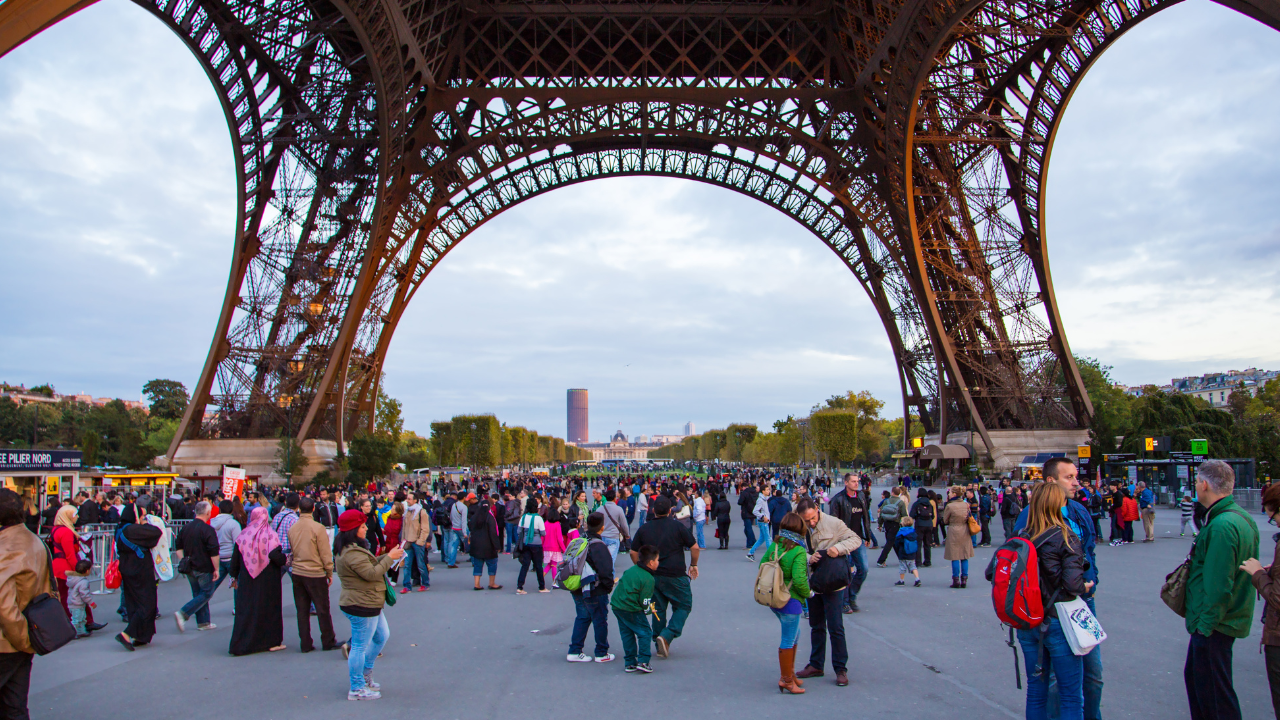
Paris is often shown as a romantic city of quiet cafés, elegant streets, river walks, and iconic monuments. The real Paris can still be beautiful, but it is also a large, busy city with crowds, queues, traffic, occasional service frustrations, and neighborhoods that do not always match the postcard image. First-time visitors may feel disappointed if they expect every street to look like a film scene.

The Eiffel Tower, Louvre, Montmartre, and Seine riverbanks can be packed during peak periods. In summer, heat and limited air conditioning can make long sightseeing days tiring. Some visitors are also surprised by how much planning is needed for museums, restaurants, and popular viewpoints. Paris is more rewarding when treated as a real city rather than a fantasy setting. Its best moments often come from smaller museums, neighborhood bakeries, parks, markets, and quiet side streets.

Why It Frustrates Visitors: Crowds, long queues, high expectations, and summer discomfort.

Best Time to Visit: April to June or September to October.

Traveler Tip: Mix major landmarks with slower neighborhood exploring.

Must-Know: Book museum tickets and restaurant tables ahead during busy seasons.

6. Mykonos, Greece
© shutterstock / Aerial-motion

6. Mykonos, Greece

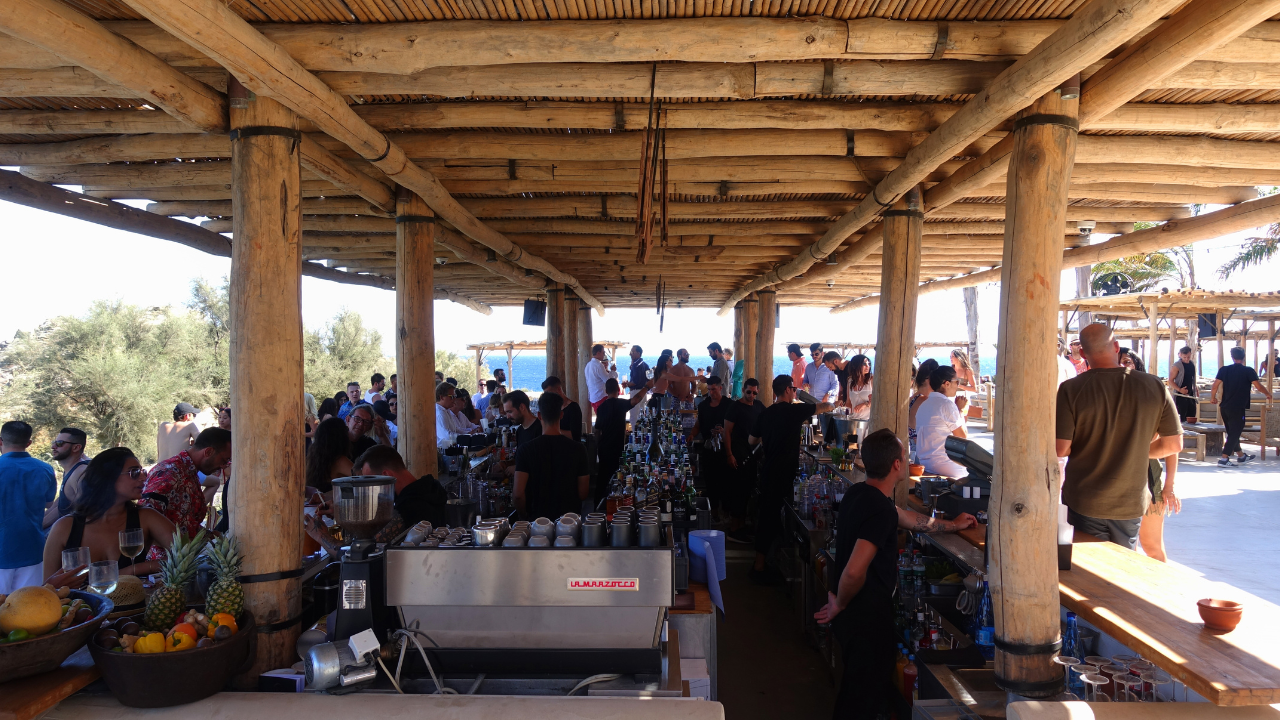
Mykonos looks glamorous online, with white buildings, blue water, beach clubs, designer hotels, and sunset bars. In real life, it can be one of the more expensive and crowded Greek islands, especially in July and August. Travelers expecting a peaceful island escape may instead find packed beaches, loud nightlife, pricey meals, and limited availability.

The island is not disappointing for everyone. It works well for visitors who want nightlife, luxury hotels, stylish restaurants, and a social beach scene. The frustration comes when travelers expect quiet Cycladic charm at a reasonable cost. Taxis can be limited, beach clubs can require advance bookings, and simple purchases may cost more than expected. For a calmer Greek island experience, many travelers prefer Naxos, Paros, Milos, or Syros.

Why It Frustrates Visitors: High prices, crowded beaches, and a party-heavy atmosphere.

Best Time to Visit: May to early June or late September.

Traveler Tip: Reserve transport and beach seating before peak travel days.

Must-Know: Mykonos is best for nightlife and luxury, not budget island travel.

7. Tulum, Mexico
© shutterstock / Arkadij Schell

7. Tulum, Mexico

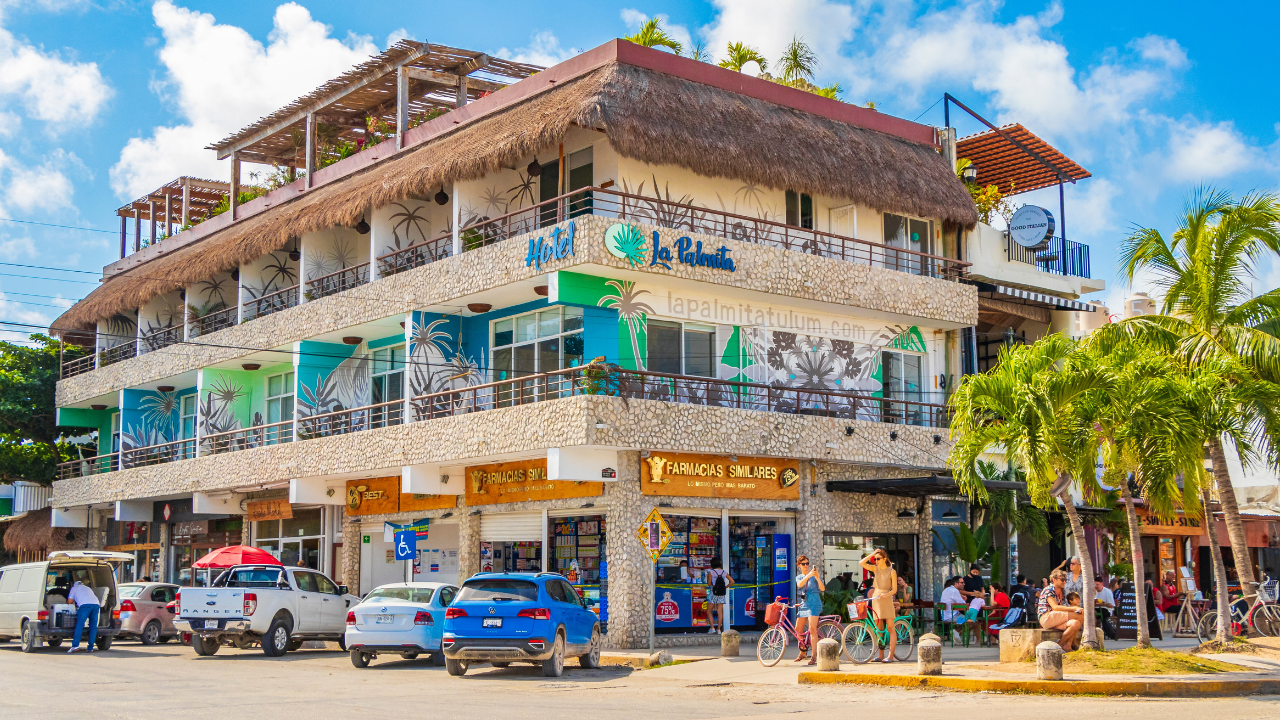
Tulum’s online image is built around beach clubs, jungle hotels, cenotes, wellness retreats, ruins, and a relaxed bohemian mood. In real life, visitors often find the destination more expensive and logistically challenging than expected. Beach-zone hotels, taxis, restaurants, and clubs can be costly, and traffic between the beach area and town can become slow during busy periods.

Seasonal seaweed can also affect the beach experience, especially at certain times of year. Some travelers are surprised by construction, noise, limited infrastructure, and the gap between luxury branding and basic services. Tulum still has appeal, especially for cenotes, Mayan ruins, food, and design-focused stays, but the dreamy online version often hides the practical side. It is better approached as a developed tourist destination rather than an untouched beach escape.

Why It Frustrates Visitors: High prices, traffic, seaweed, and inconsistent infrastructure.

Best Time to Visit: November to April.

Traveler Tip: Stay in town for better value or choose the beach zone for convenience.

Must-Know: Taxi costs can be surprisingly high compared with local distances.

8. Phuket, Thailand
© shutterstock / Arkadij Schell

8. Phuket, Thailand

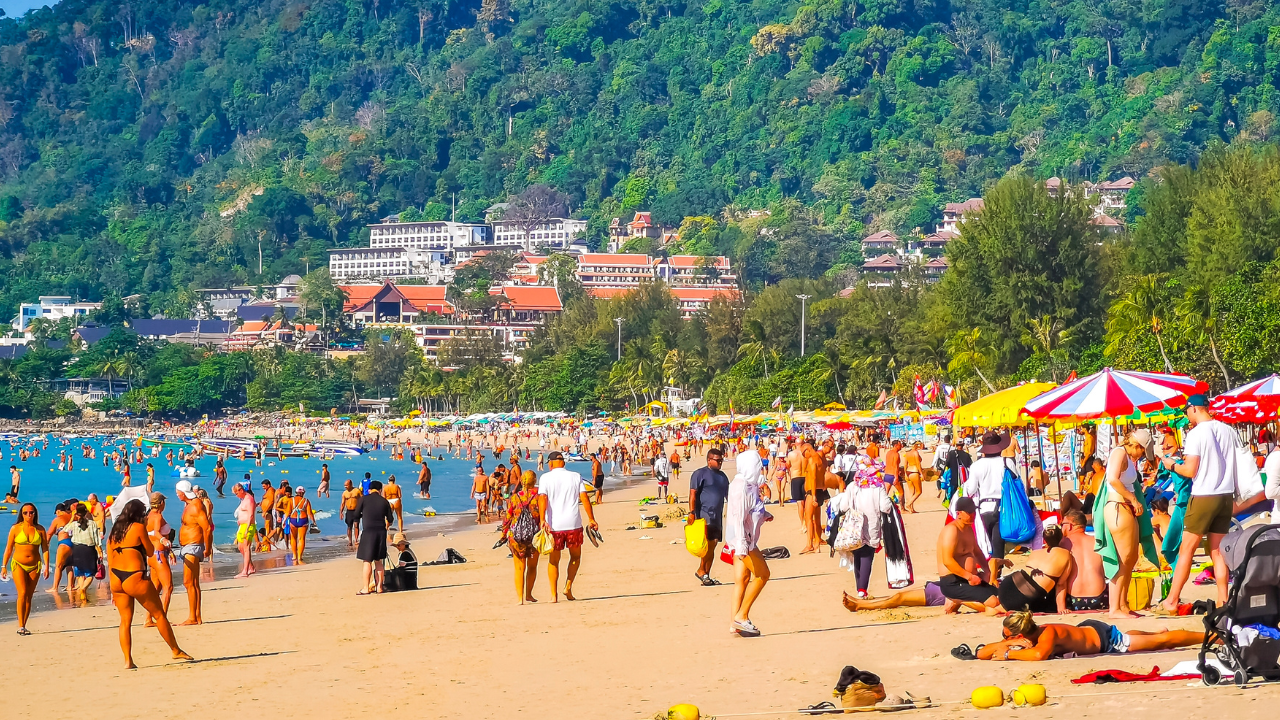
Phuket is often promoted through images of turquoise water, limestone islands, palm-lined beaches, and sunset viewpoints. The island can absolutely deliver tropical beauty, but it can also frustrate travelers who expect empty beaches and easy island-hopping. Popular areas such as Patong, Kata, Karon, and Phuket Town can be busy, commercial, and traffic-heavy.

Weather also affects the experience. During the rainy season, seas can be rough, boat tours may be canceled, and water clarity may not match the bright photos seen online. Some famous day trips, including nearby island tours, can feel crowded because many operators visit the same places at similar times. Phuket works best when visitors choose the right beach area for their travel style and leave flexibility for weather changes.

Why It Frustrates Visitors: Crowds, traffic, rainy-season disruption, and busy boat tours.

Best Time to Visit: November to February.

Traveler Tip: Research beaches carefully because each area has a different atmosphere.

Must-Know: Monsoon season can affect swimming, snorkeling, and island tours.

9. Maldives
© shutterstock / Maslowski Marcin

9. Maldives

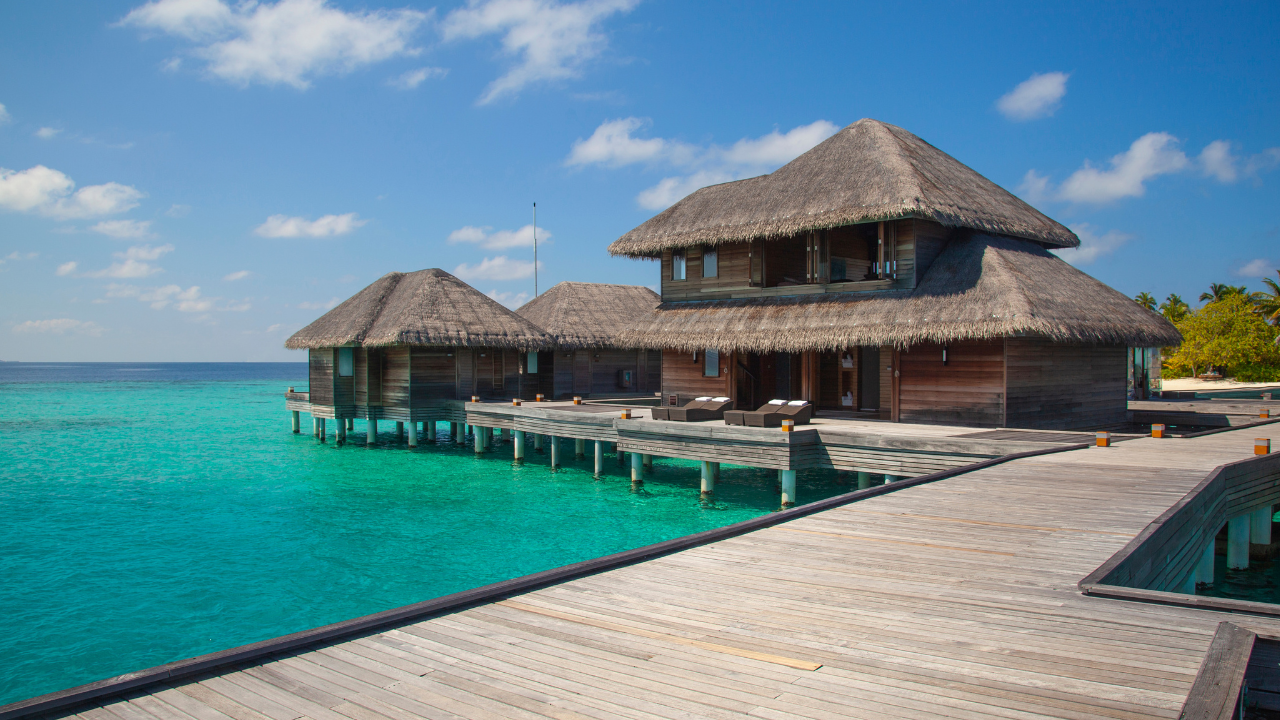
The Maldives looks almost perfect online: overwater villas, clear lagoons, private decks, white sand, and calm blue water. The real experience can be wonderful, but it is not always as effortless as it appears. Weather, transfer logistics, resort costs, and limited flexibility can frustrate visitors who expect a flawless trip.

Because many resorts are located on private islands, travelers may be tied to one property for meals, activities, and entertainment. Extras such as seaplane transfers, dining, drinks, excursions, and spa treatments can increase the total cost quickly. During the wetter season, rain and cloudy skies may interrupt the classic postcard experience. The Maldives suits travelers who want rest, water activities, and resort-based travel, but it may feel too quiet or too expensive for those who prefer variety and independent exploring.

Why It Frustrates Visitors: High total costs, limited variety, and weather-dependent scenery.

Best Time to Visit: December to April.

Traveler Tip: Check meal plans, transfer costs, and activity prices before booking.

Must-Know: A cheaper room rate may not include expensive transfers or meals.

10. Pisa, Italy
© shutterstock / Irina Shatilova

10. Pisa, Italy

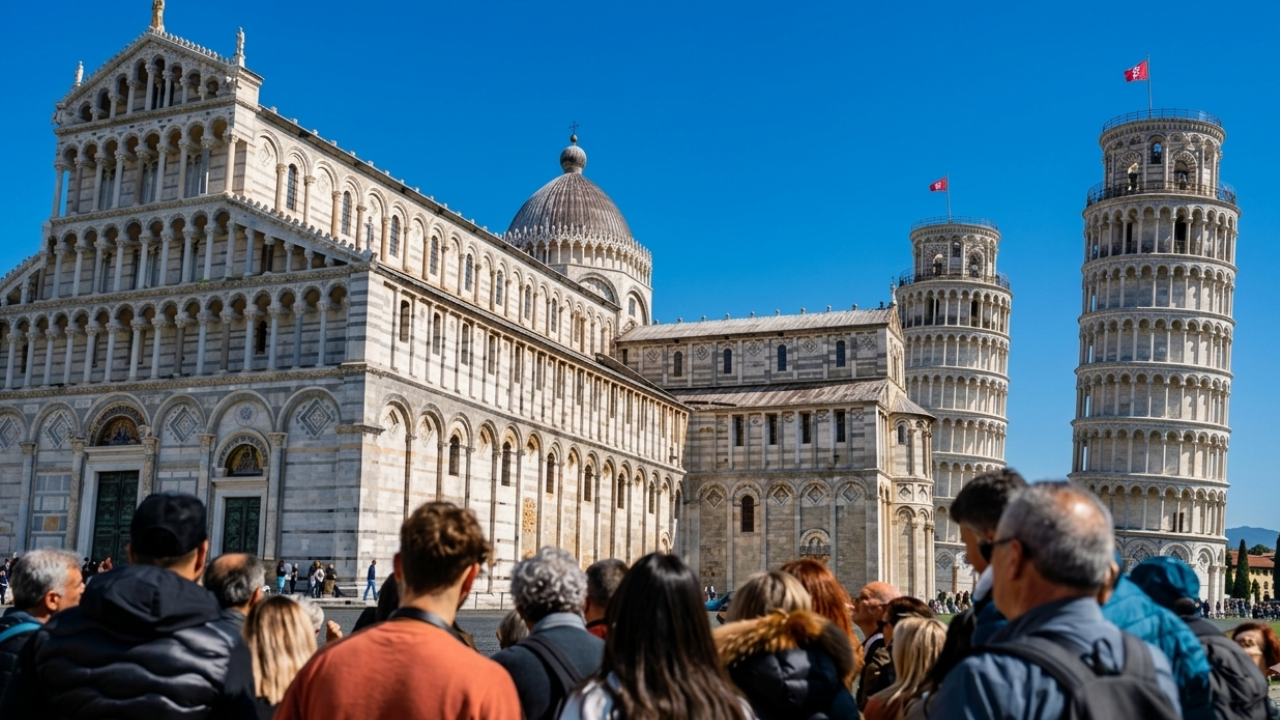
The Leaning Tower of Pisa is one of Italy’s most recognizable landmarks and looks playful in photos. Many travelers stop there for the classic perspective shot, expecting a memorable half-day experience. In reality, some visitors find the attraction brief and crowded. Once the tower and surrounding square have been seen, there may not be enough to hold attention unless the traveler is interested in the cathedral complex or the wider city.

The area around the main landmark can feel tourist-focused, with souvenir stalls, photo crowds, and overpriced cafés near the busiest routes. Pisa is not without charm, especially if visitors explore beyond the famous square, but it can disappoint people who make a major detour only for the tower. It is best treated as a short stop rather than the centerpiece of an Italy trip.

Why It Frustrates Visitors: The main attraction can feel quick, crowded, and overhyped.

Best Time to Visit: April to June or September to October.

Traveler Tip: Pair Pisa with Lucca or Florence to make better use of the day.

Must-Know: The tower photo area is usually crowded during midday.

11. Hollywood Boulevard, Los Angeles, USA
© shutterstock / Alina Troeva

11. Hollywood Boulevard, Los Angeles, USA

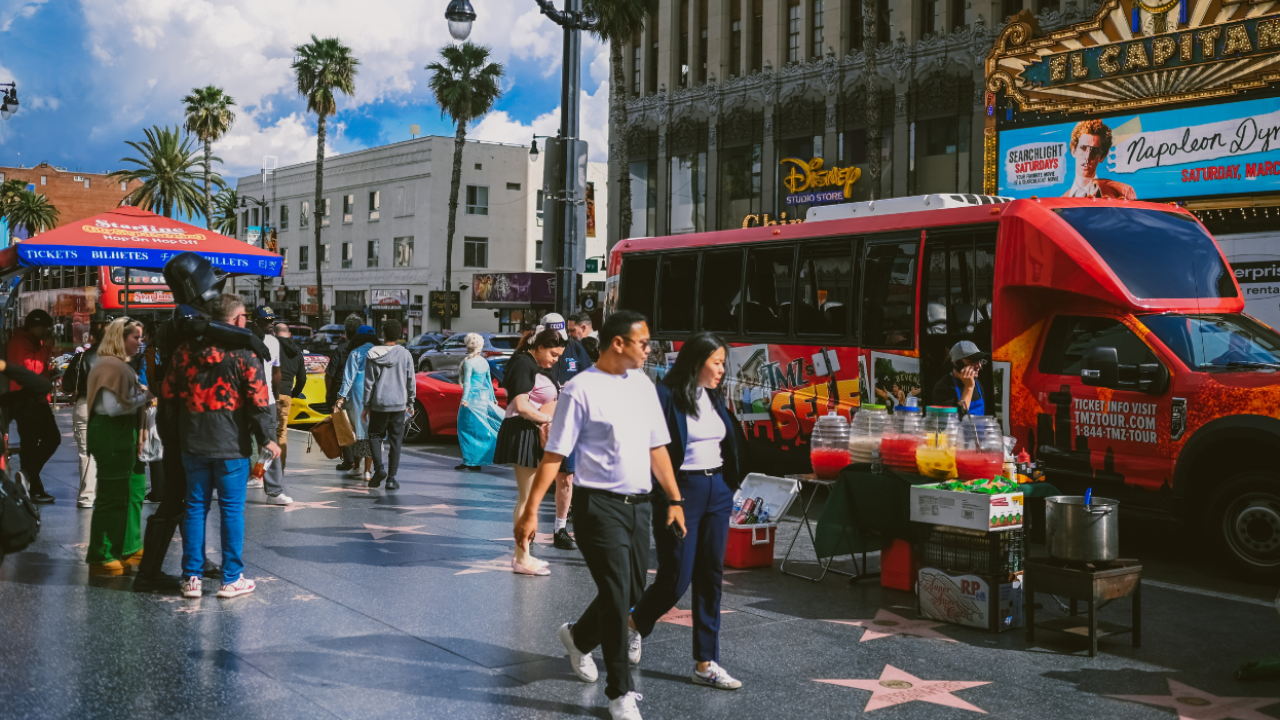
Hollywood Boulevard sounds glamorous because of its connection to movies, celebrities, and entertainment history. Online photos often focus on the Walk of Fame, theaters, handprints, and neon signs. In reality, many visitors are surprised by how busy, commercial, and worn down parts of the area feel. Crowds, souvenir shops, street performers, traffic, and tourist traps can make the experience less polished than expected.

The frustration usually comes from expecting Hollywood to feel like the film industry’s elegant front door. Instead, it is a tourist district with some historic landmarks mixed into a busy urban environment. Visitors can still enjoy the TCL Chinese Theatre, nearby views, and entertainment history, but the area is often more interesting as a quick stop than a full-day destination. For better views of the Hollywood Sign, Griffith Observatory is usually a stronger choice.

Why It Frustrates Visitors: Crowds, traffic, tourist shops, and less glamour than expected.

Best Time to Visit: Weekday mornings.

Traveler Tip: Visit briefly, then continue to Griffith Observatory or nearby neighborhoods.

Must-Know: Parking and traffic can take more time than the attraction itself.

12. Las Vegas, USA
© shutterstock / V_E

12. Las Vegas, USA

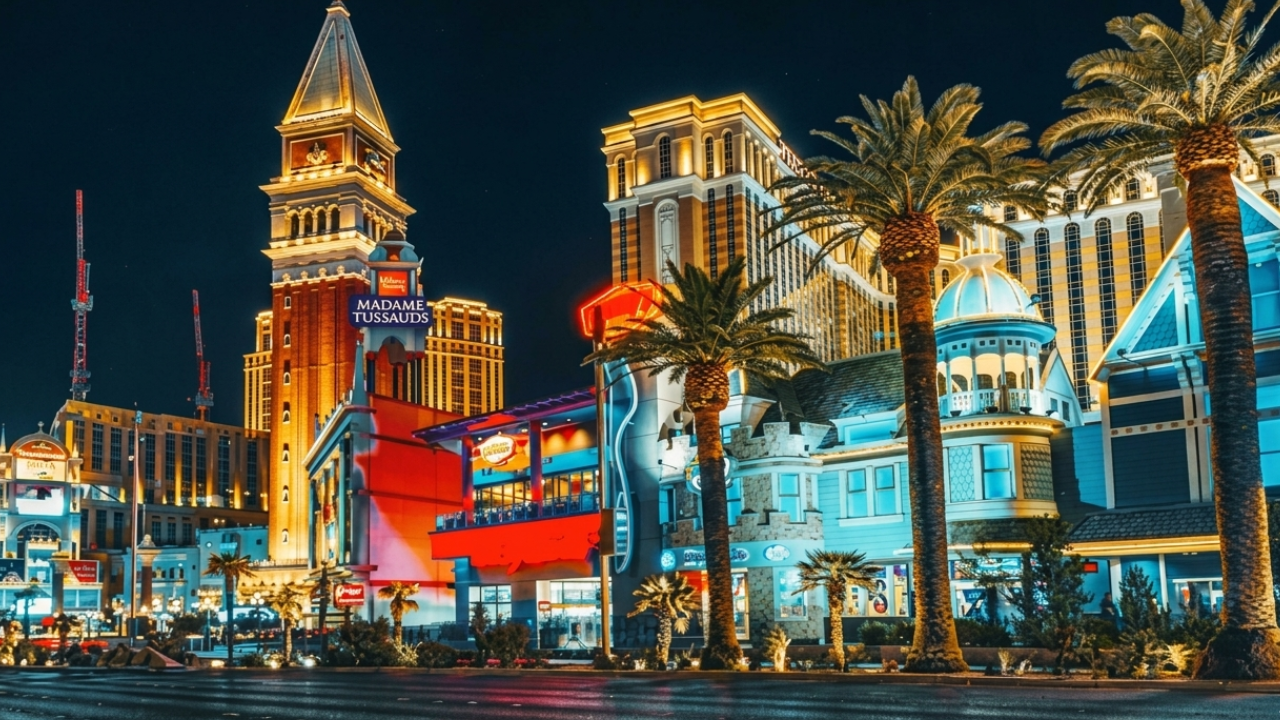
Las Vegas looks dazzling online, with bright lights, luxury resorts, celebrity restaurants, pool parties, shows, and casino glamour. In real life, it can feel overwhelming, expensive, and tiring. The Strip is longer than many first-time visitors expect, and walking between hotels can take a surprising amount of time. Inside the resorts, crowds, smoke in some casino areas, noise, and constant spending opportunities can wear visitors down.

Las Vegas is not a traditional sightseeing destination. It is built around entertainment, nightlife, dining, gambling, and spectacle. People who enjoy that energy often have a great time, but travelers expecting effortless glamour may find the city more chaotic than luxurious. Resort fees, show tickets, rideshares, drinks, and restaurants can also make the final cost higher than expected.

Why It Frustrates Visitors: High costs, sensory overload, long walks, and constant crowds.

Best Time to Visit: March to May or October to November.

Traveler Tip: Plan by hotel cluster instead of crossing the Strip repeatedly.

Must-Know: Resort fees can add a significant amount to hotel bills.

13. Cairo and the Pyramids, Egypt
© shutterstock / Multishooter

13. Cairo and the Pyramids, Egypt

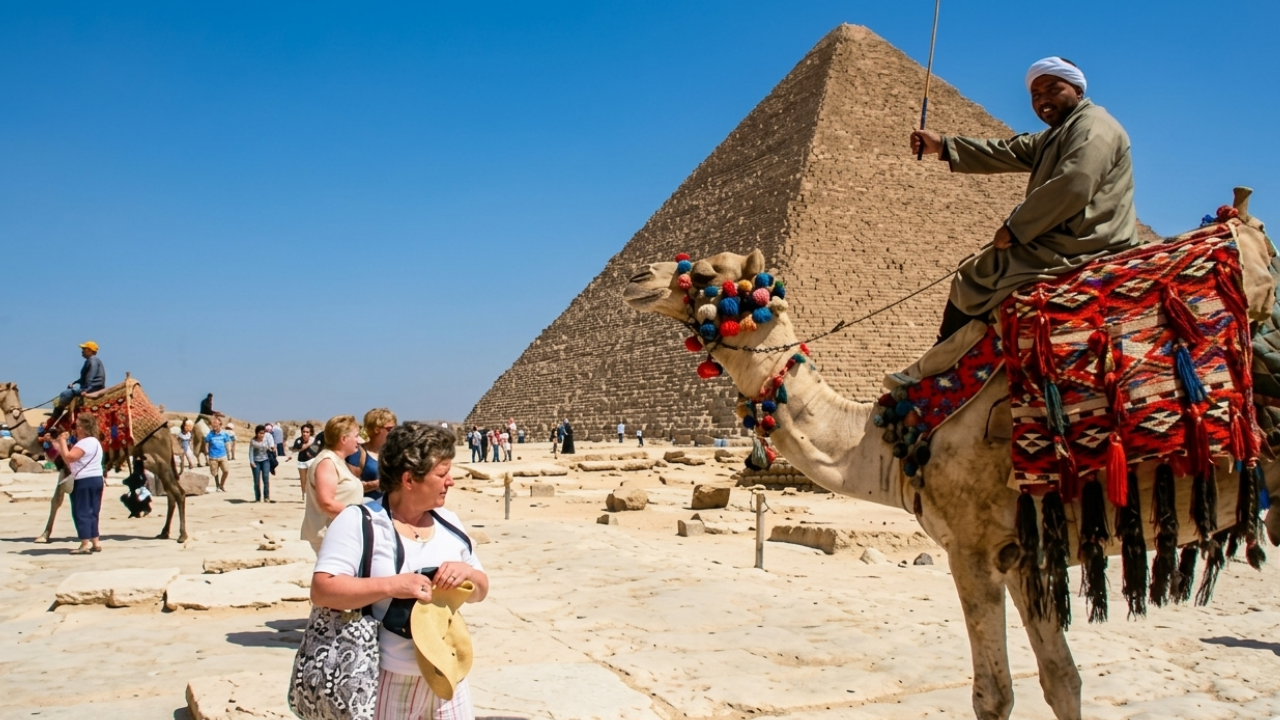
The pyramids are among the world’s most iconic sights, and photos often make them appear isolated in a vast desert landscape. In person, the experience can surprise visitors. The Giza Plateau is close to the city, and the surrounding area can feel busy, dusty, and chaotic. Traffic in Cairo can be intense, and some travelers find the constant offers for camel rides, guides, souvenirs, and photos stressful.

The pyramids themselves are extraordinary, but the visitor experience requires patience and preparation. Going with a trusted guide can make the trip smoother, especially for first-time visitors. Heat, crowds, and aggressive selling can make the visit feel less peaceful than expected. Travelers who arrive with realistic expectations often still find the site unforgettable, but those expecting quiet desert solitude may feel frustrated.

Why It Frustrates Visitors: Traffic, heat, crowds, and persistent selling near the site.

Best Time to Visit: October to April.

Traveler Tip: Visit early and use a reputable licensed guide.

Must-Know: The pyramids are close to urban Cairo, not far out in empty desert.

14. Mānoa Falls, Hawaii, USA
© Dreamstime / Joshua Rainey

14. Mānoa Falls, Hawaii, USA

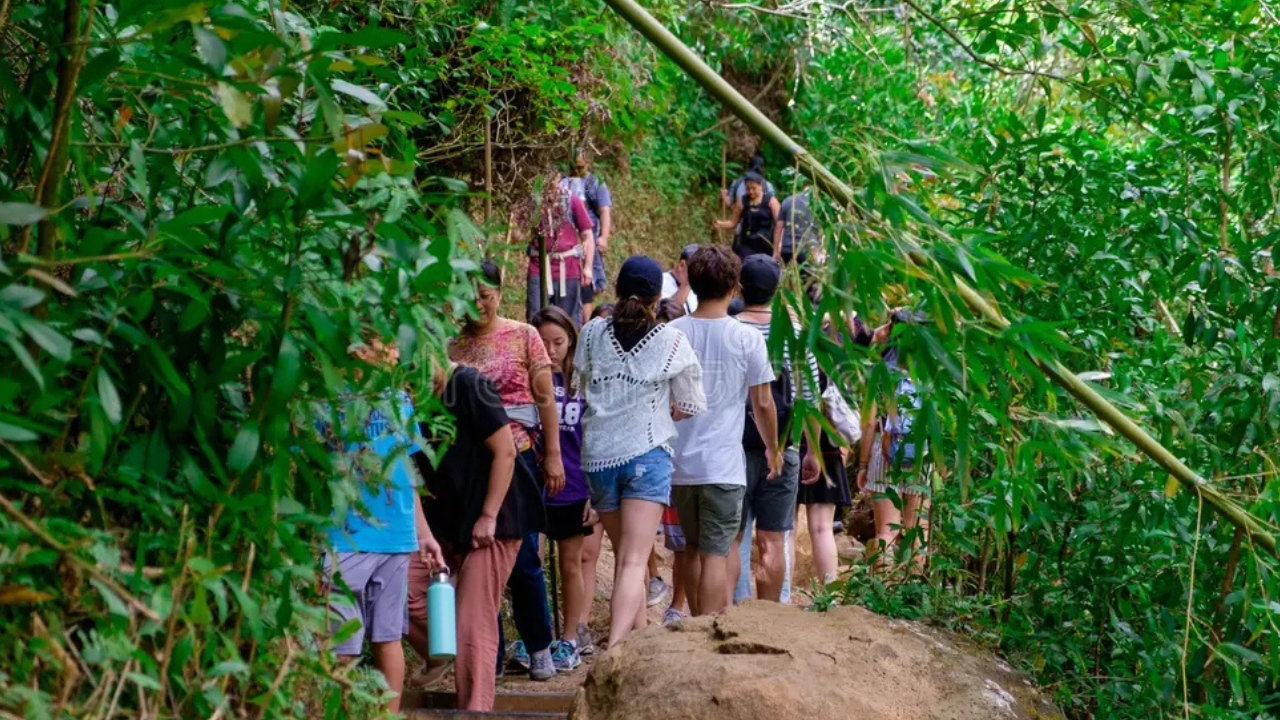
Mānoa Falls looks like a hidden rainforest escape in photos, with a lush trail and a tall waterfall surrounded by greenery. In real life, it is one of the more accessible waterfall hikes near Honolulu, which means it can become crowded. Visitors expecting solitude may find groups gathered along the trail and at the viewpoint, making it difficult to get a clean photo or quiet moment.

The trail can also be muddy, slippery, and humid, especially after rain. The waterfall may look different depending on recent weather, and safety rules may limit where visitors can stand or swim. Mānoa Falls is still a worthwhile hike for many travelers because it offers a quick rainforest experience close to the city. It is simply not as remote or private as it may appear online.

Why It Frustrates Visitors: Crowds, mud, humidity, and limited photo space.

Best Time to Visit: Early morning on a weekday.

Traveler Tip: Wear shoes with grip and expect wet trail conditions.

Must-Know: The area is popular because it is easy to reach from Honolulu.

15. Northern Lights Destinations, Iceland and Scandinavia
© shutterstock / freedom100m

15. Northern Lights Destinations, Iceland and Scandinavia

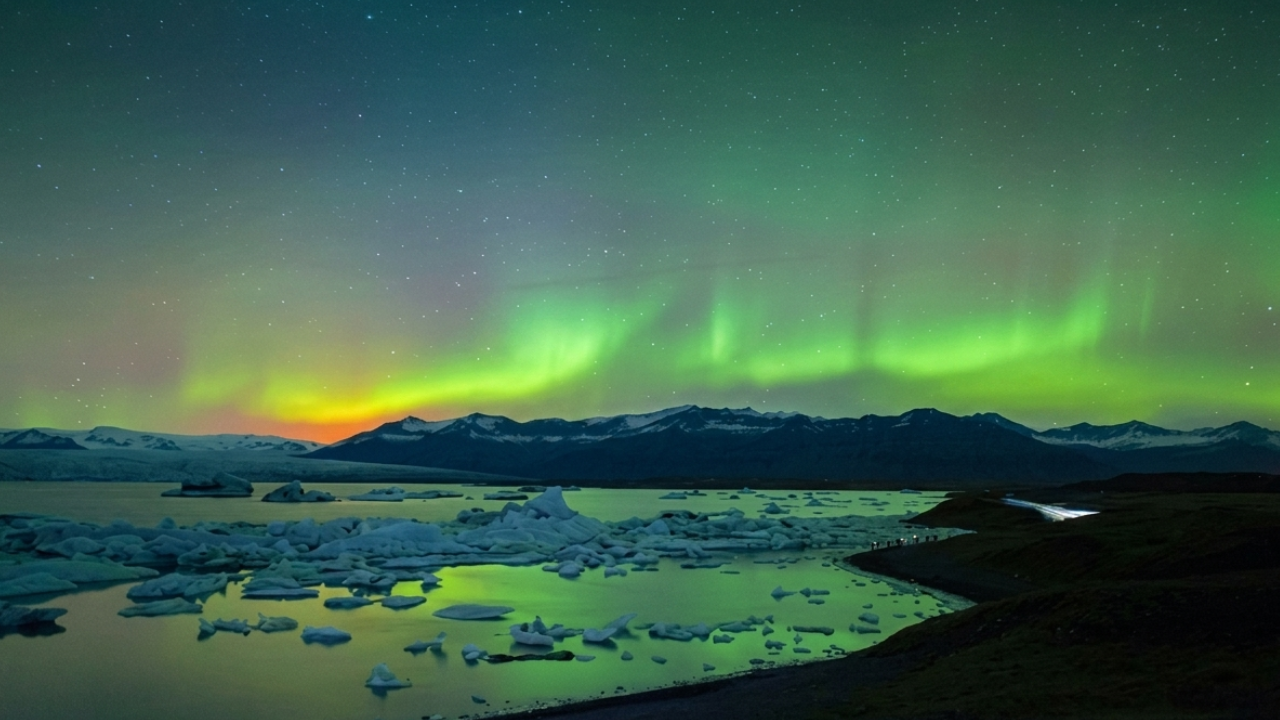
The northern lights are often shown online as bright green, purple, or pink ribbons filling the entire sky. In real life, the experience can be much subtler. To the naked eye, the aurora may look like a pale glow, a grayish haze, or a faint green movement depending on solar activity, cloud cover, moonlight, and location. Cameras often capture stronger colors than people can see in person because of long exposure settings.

The bigger frustration is unpredictability. Travelers may spend several nights chasing clear skies and still miss a strong display. Tours can be canceled because of weather, or visitors may wait outside in freezing conditions with no guarantee of success. Seeing the northern lights can still be unforgettable, but it should not be treated like a scheduled show. The best approach is to plan a winter trip with other activities, so the aurora becomes a bonus rather than the entire purpose of the journey.

Why It Frustrates Visitors: Unpredictable weather, faint visibility, and unrealistic photo expectations.

Best Time to Visit: September to March.

Traveler Tip: Stay several nights in a dark-sky area to improve your chances.

Must-Know: Cameras often show brighter aurora colors than the human eye sees.


Comments (0)

Leave a Reply

No comments yet. Be the first to share your thoughts!