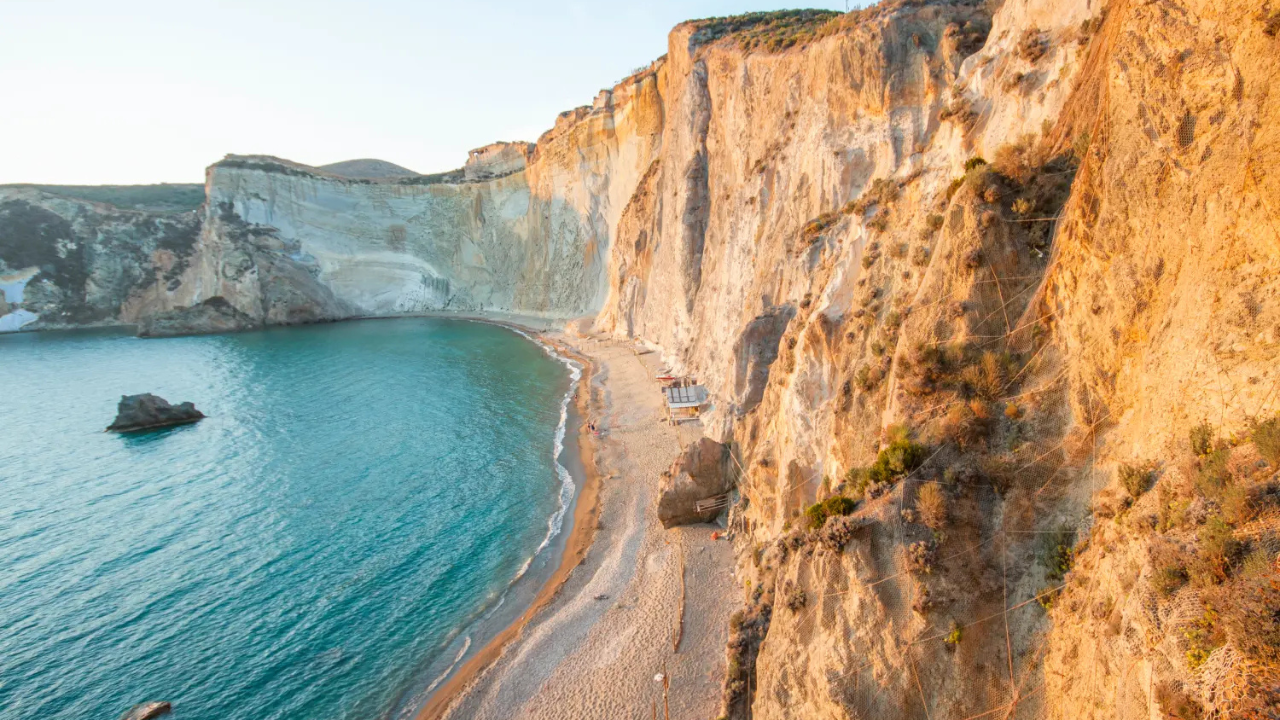
Travel Europe

15 Italian Destinations Outside the Major Tourist Circuits, Ranked

Leo Harper
4.7
April 21, 2026

Italy is one of the most visited countries in the world, yet much of its charm lies beyond the familiar cities of Rome, Florence, and Venice. Across the country, there are smaller towns, quiet coastal areas, and hidden valleys that offer the same beauty, culture, and food but without overwhelming crowds. These destinations often feel more personal, where daily life unfolds at a slower pace and local traditions are still part of the experience.

Travel experts consistently highlight that some of Italy’s most rewarding places are just a short distance away from major tourist routes, yet remain overlooked by many visitors. These lesser-known spots combine history, scenery, and authenticity, making them ideal for travelers who want something different while still experiencing the essence of Italy.
1. Civita di Bagnoregio (Lazio)
© Linda M. Somma

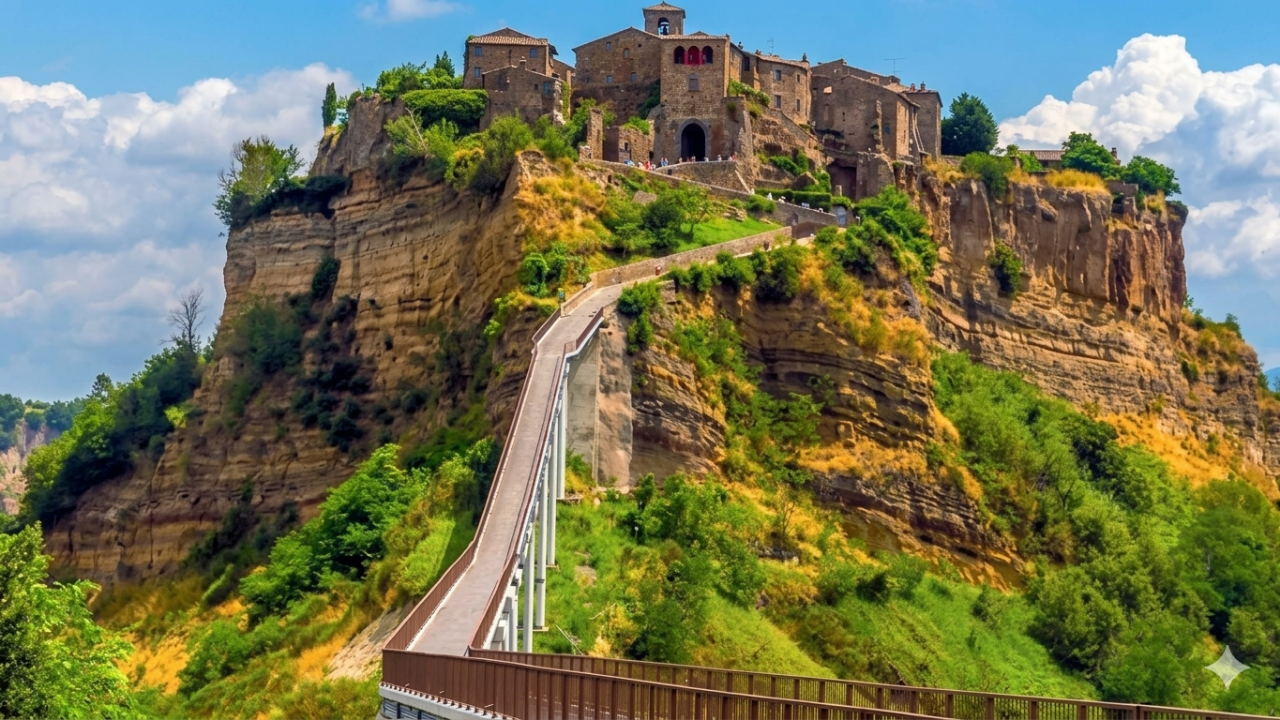
1. Civita di Bagnoregio (Lazio)

Civita di Bagnoregio is often called the “dying city,” perched on a fragile volcanic hill and connected to the mainland by a long pedestrian bridge. The approach alone feels dramatic, with sweeping views of the surrounding valleys and cliffs. Once inside, the village is quiet, with narrow stone streets, small cafés, and a timeless atmosphere that feels removed from modern life. Unlike busier hill towns, it maintains a sense of stillness that makes every step feel intentional. The combination of history and isolation makes it one of the most visually unique places in Italy.

Best Season to Visit: Spring and early fall

Ideal Visiting Hours: Morning or sunset

Traveler Tip: Stay overnight to experience it without day crowds

Must-Know: Entry fee required to cross the bridge

2. Castelmezzano (Basilicata)
© basilicataturistica

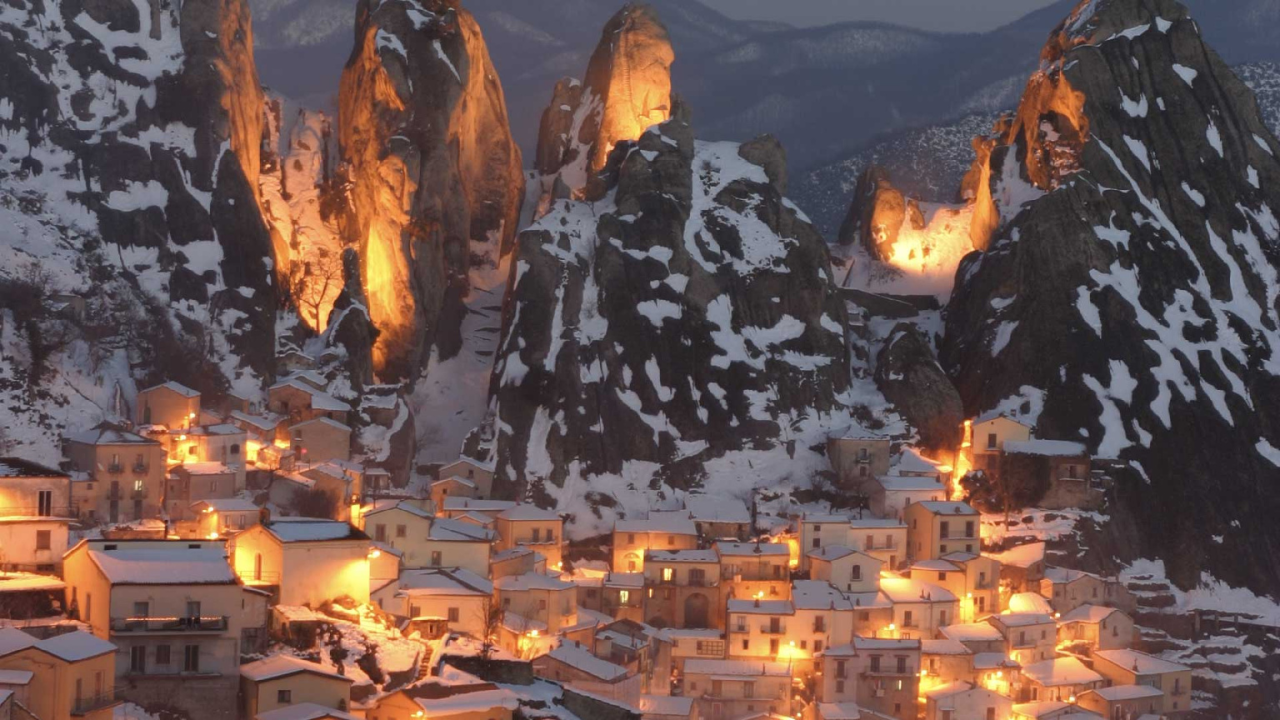
2. Castelmezzano (Basilicata)

Set among the dramatic peaks of the Dolomiti Lucane, Castelmezzano feels like it was carved directly into the mountains. The village’s tightly packed houses follow the natural shape of the rock, creating a striking visual effect. Walking through its quiet streets reveals a slower pace of life, where the focus is on scenery and local traditions rather than tourism. Adventure seekers can try the famous zipline connecting nearby towns, while others may simply enjoy the views and peaceful setting. It is one of the most memorable hidden mountain towns in southern Italy.

Best Season to Visit: April to June, September

Ideal Visiting Hours: Daytime

Traveler Tip: Pair with nearby Pietrapertosa

Must-Know: Limited public transport access

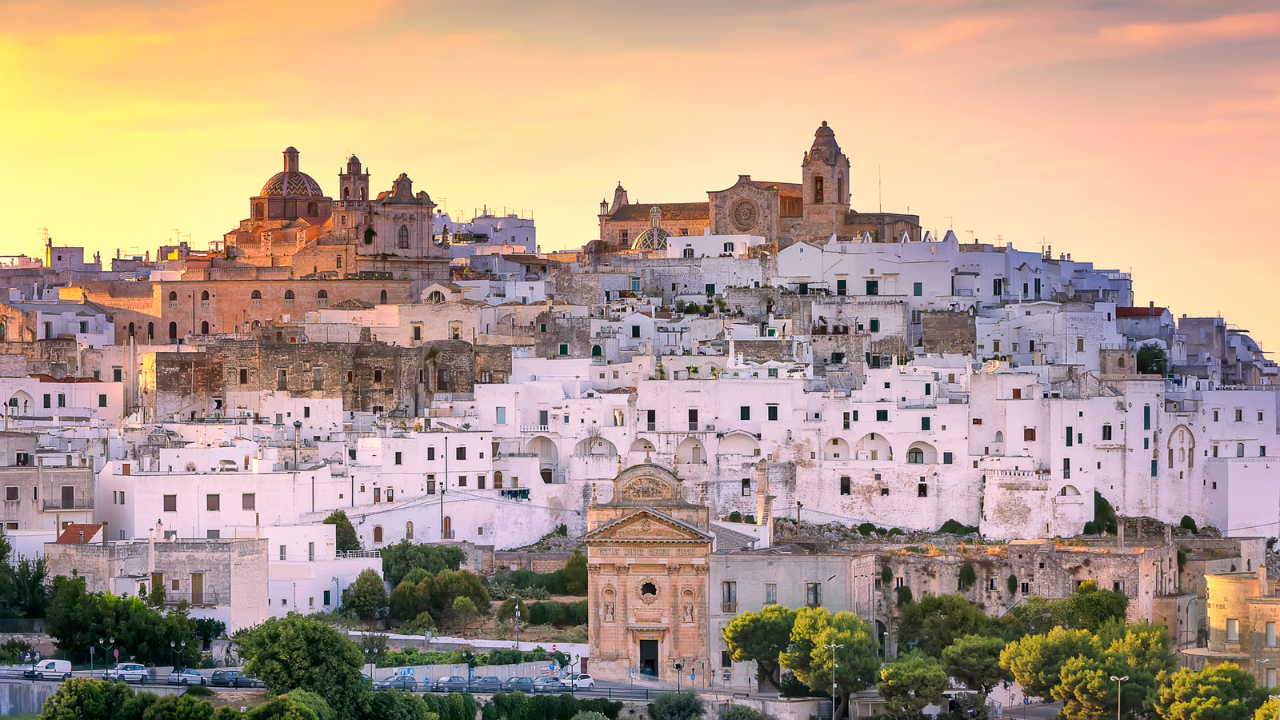
3. Ostuni (Puglia)
© visitvieste

3. Ostuni (Puglia)

Ostuni, known as the “White City,” stands out for its bright whitewashed buildings rising above olive groves. The old town is a maze of narrow alleys, staircases, and small squares that feel almost untouched. While Puglia is growing in popularity, Ostuni still offers a quieter experience compared to other Italian coastal destinations. The combination of architecture, sea views, and local cuisine makes it a balanced destination for both relaxation and exploration.

Best Season to Visit: May to October

Ideal Visiting Hours: Late afternoon

Traveler Tip: Explore early morning for fewer crowds

Must-Know: Streets can be steep and winding

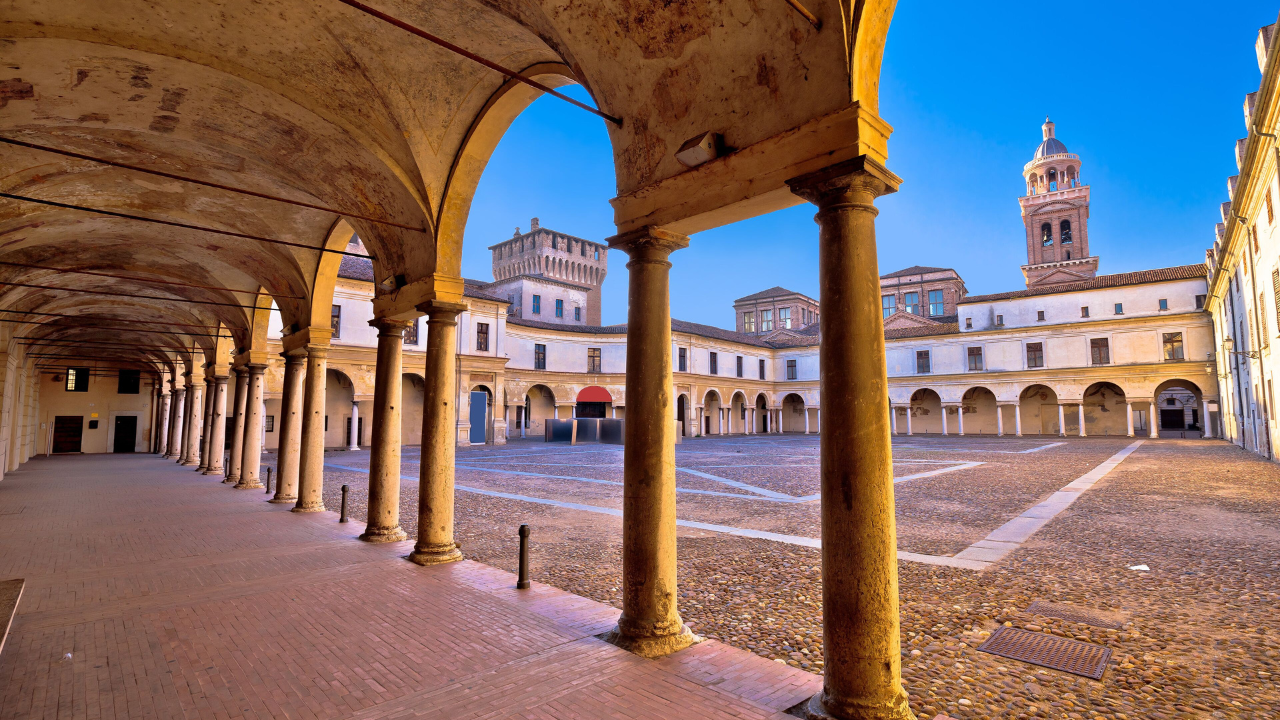
4. Mantua (Lombardy)
© Expedia

4. Mantua (Lombardy)

Mantua is often overlooked despite its rich cultural history and well-preserved architecture. Surrounded by lakes, the city feels calm and elegant, with Renaissance buildings and quiet piazzas. It offers art, history, and food experiences without the crowds of larger cities. Walking through Mantua allows you to appreciate its details at your own pace, making it a strong choice for travelers who want culture without intensity.

Best Season to Visit: Spring and fall

Ideal Visiting Hours: Morning

Traveler Tip: Visit Palazzo Ducale

Must-Know: Compact and walkable

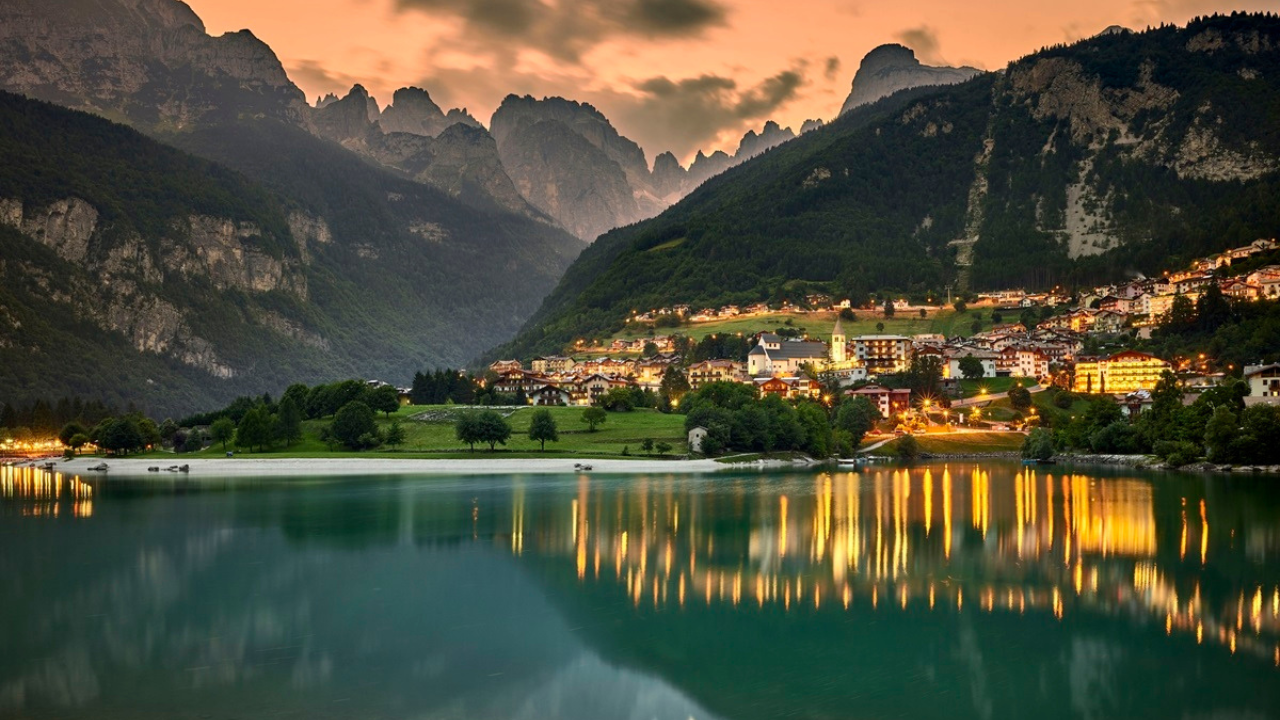
5. Lake Nembia (Trentino-Alto Adige)
© trentinocamping

5. Lake Nembia (Trentino-Alto Adige)

Lake Nembia offers a peaceful alternative to Italy’s more famous lakes. Surrounded by mountains and forests, it feels quiet and untouched. The water is clear, and the area is ideal for slow travel, including walking, cycling, or simply relaxing by the lake. It is particularly appealing for travelers who prefer nature over city experiences.

Best Season to Visit: Summer

Ideal Visiting Hours: Morning

Traveler Tip: Bring hiking gear

Must-Know: Limited tourist facilities

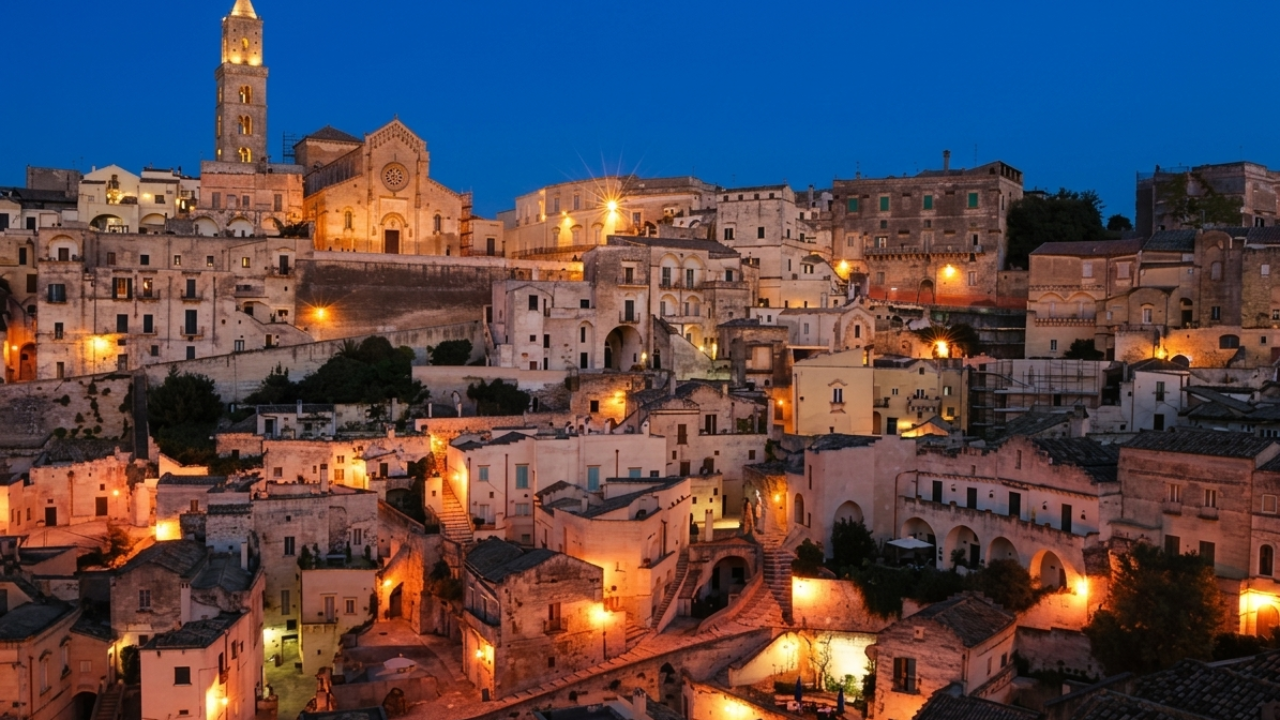
6. Matera (Basilicata)
© Courtesy of redrosebb

6. Matera (Basilicata)

Matera is known for its ancient cave dwellings carved into limestone cliffs. Once considered one of Italy’s poorest areas, it has transformed into a cultural destination while still maintaining its historic identity. Walking through its streets feels like stepping into a different era. Despite its growing recognition, it still feels less crowded than other historic cities.

Best Season to Visit: Spring and fall

Ideal Visiting Hours: Evening

Traveler Tip: Stay in a cave hotel

Must-Know: Many stairs and uneven paths

7. Antholz Valley (South Tyrol)
© south-tirol

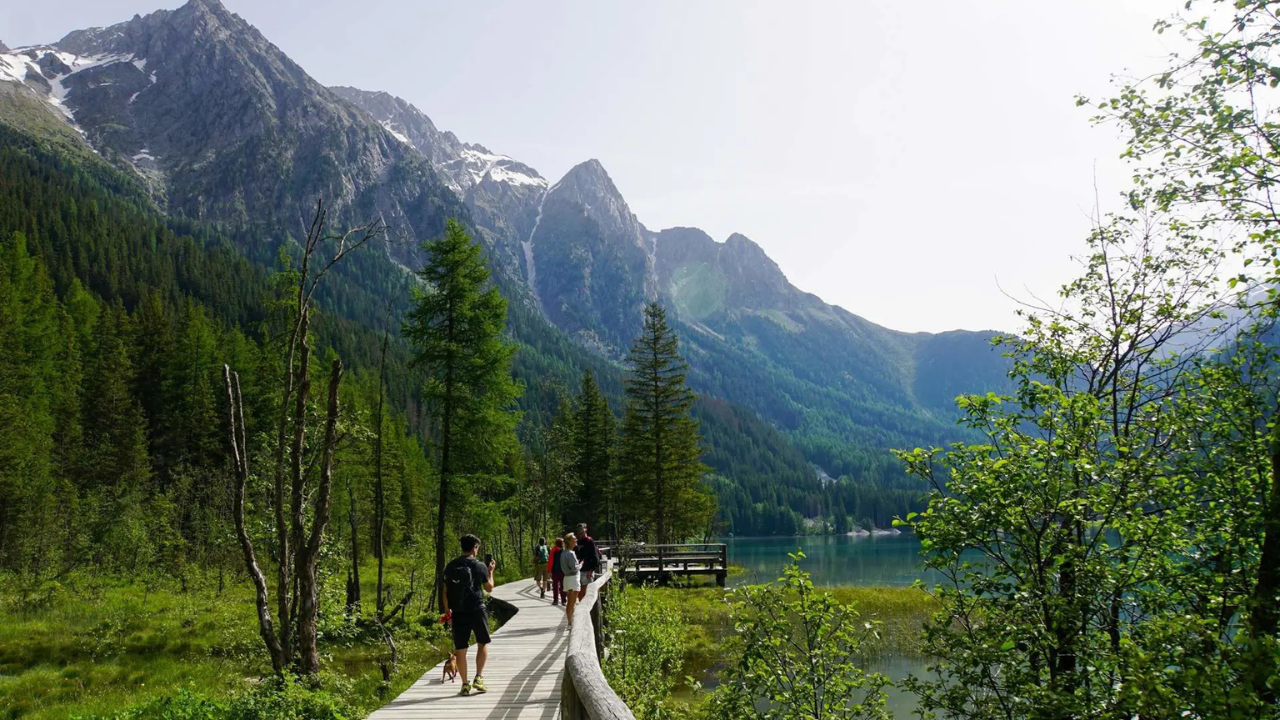
7. Antholz Valley (South Tyrol)

Antholz Valley is a quiet alpine destination near the Austrian border, offering lakes, forests, and mountain views. The region feels more like Central Europe than typical Italy, with a unique cultural blend. It is ideal for travelers who enjoy outdoor activities and cooler climates. The peaceful environment makes it perfect for slow travel.

Best Season to Visit: Summer and winter

Ideal Visiting Hours: Daytime

Traveler Tip: Explore nearby hiking trails

Must-Know: Limited nightlife

8. Arezzo (Tuscany)
© By Donald Strachan

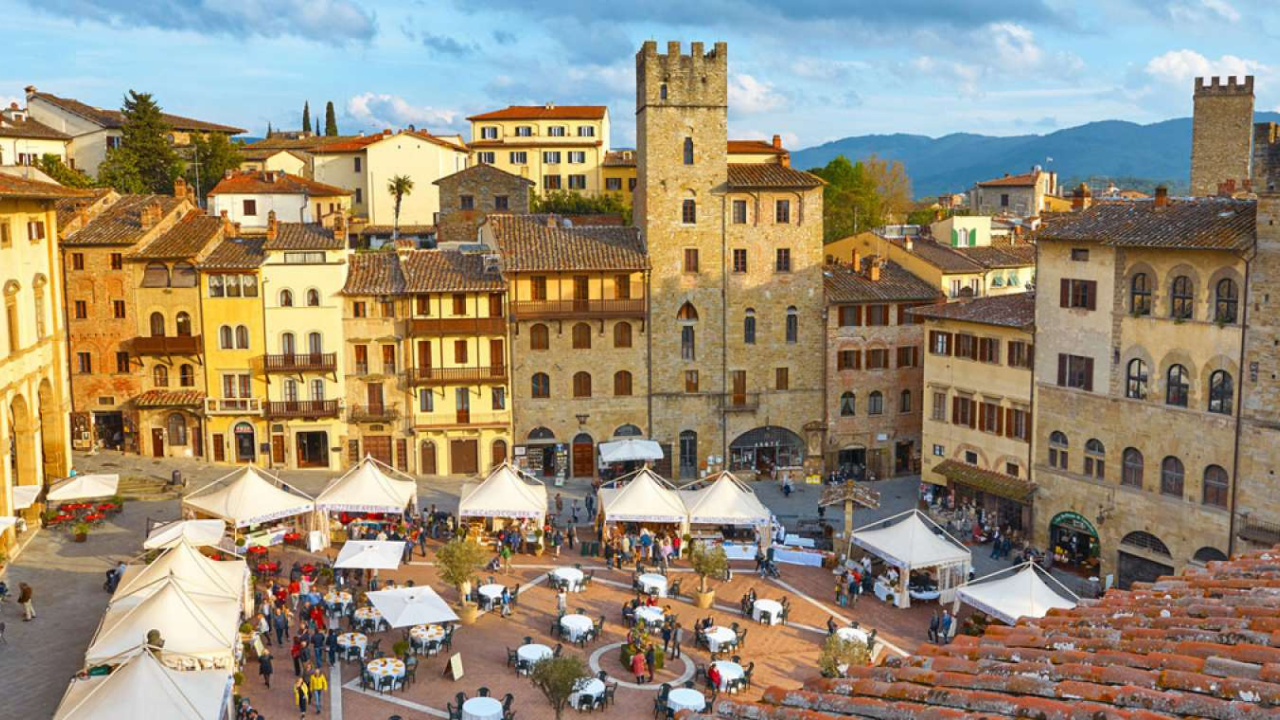
8. Arezzo (Tuscany)

Arezzo offers the charm of Tuscany without the crowds of Florence or Siena. Its historic center features medieval streets, art, and open squares. The city feels authentic and lived-in, making it ideal for travelers seeking a quieter Tuscan experience. It also hosts local markets and cultural events that add to its appeal.

Best Season to Visit: Spring and fall

Ideal Visiting Hours: Morning

Traveler Tip: Visit during antique fairs

Must-Know: Less tourist infrastructure

9. Le Marche Coast
© Marche Anitavillas

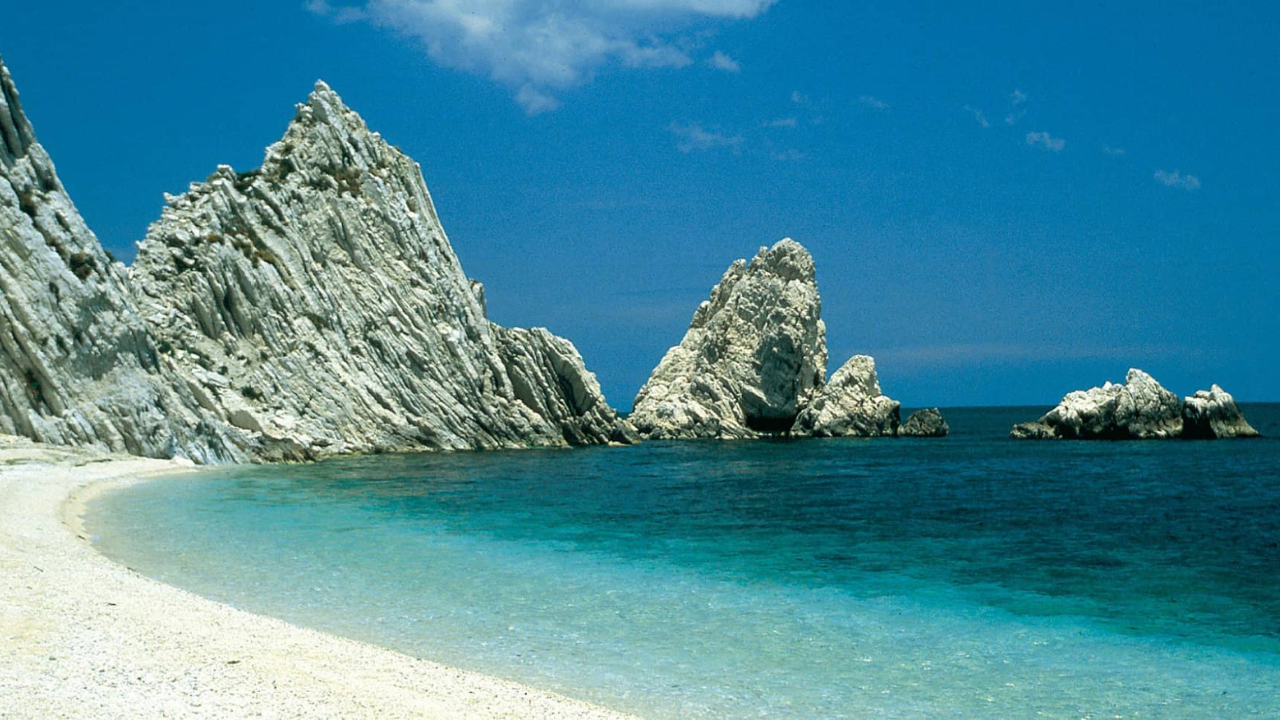
9. Le Marche Coast

Le Marche offers a mix of beaches, hills, and small towns without heavy tourism. The coastline is less crowded than nearby regions, while inland areas provide scenic landscapes and historic villages. It is a good option for travelers looking for variety in one region.

Best Season to Visit: May to September

Ideal Visiting Hours: Daytime

Traveler Tip: Explore both coast and countryside

Must-Know: Public transport limited

10. Orta San Giulio (Piedmont)
© hotelscombined

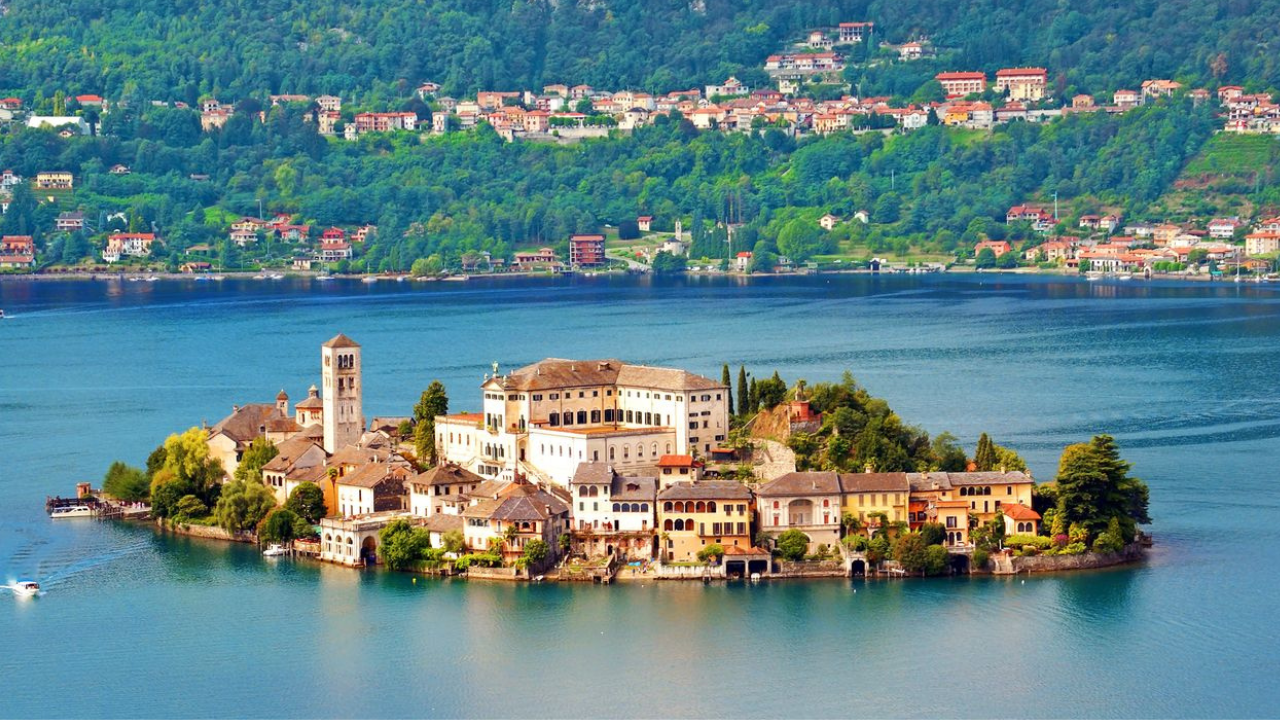
10. Orta San Giulio (Piedmont)

This lakeside town offers a quieter alternative to Lake Como. Its small size and peaceful setting make it ideal for relaxation. The central square and nearby island add to its charm. It is often overlooked but highly rewarding.

Best Season to Visit: Spring and summer

Ideal Visiting Hours: Morning

Traveler Tip: Visit San Giulio Island

Must-Know: Very small town

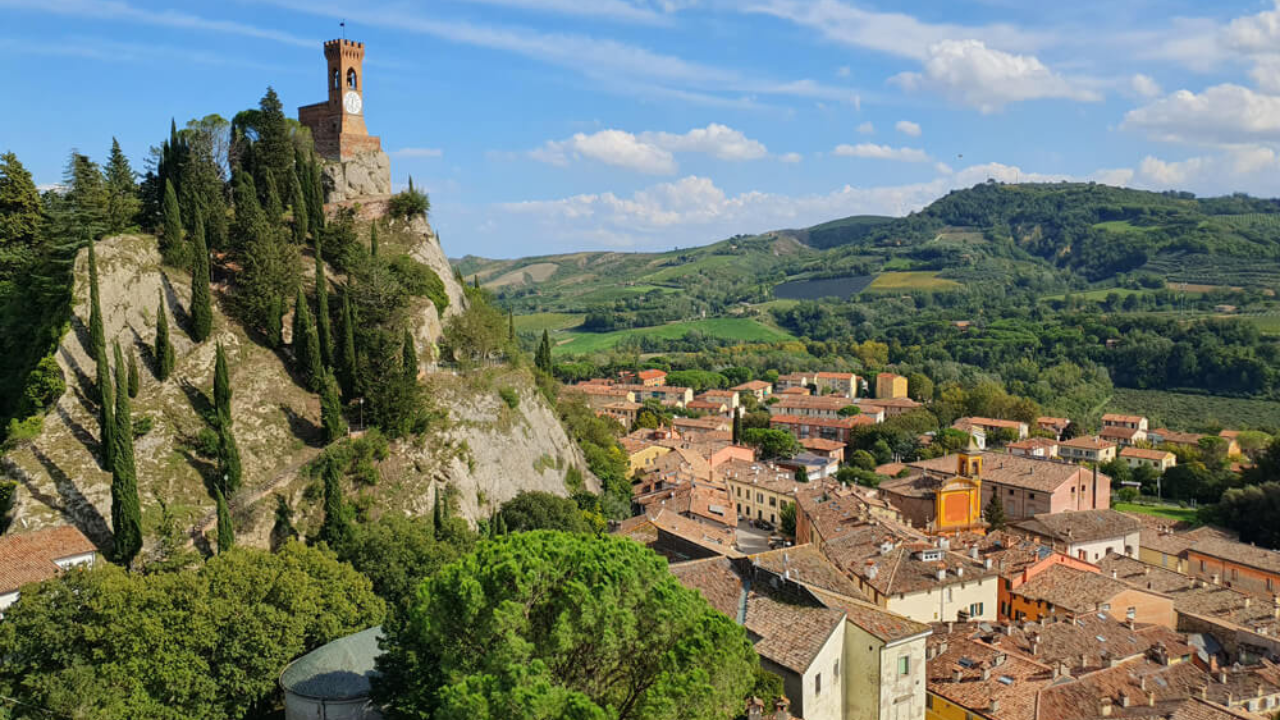
11. Brisighella (Emilia-Romagna)
© italyheaven

11. Brisighella (Emilia-Romagna)

Brisighella is a medieval village known for its stone streets and hillside setting. The town has a distinctive look, with towers and pathways that reflect its history. It is less visited than nearby cities but offers a strong sense of place.

Best Season to Visit: Spring

Ideal Visiting Hours: Daytime

Traveler Tip: Walk the elevated path

Must-Know: Quiet after evening

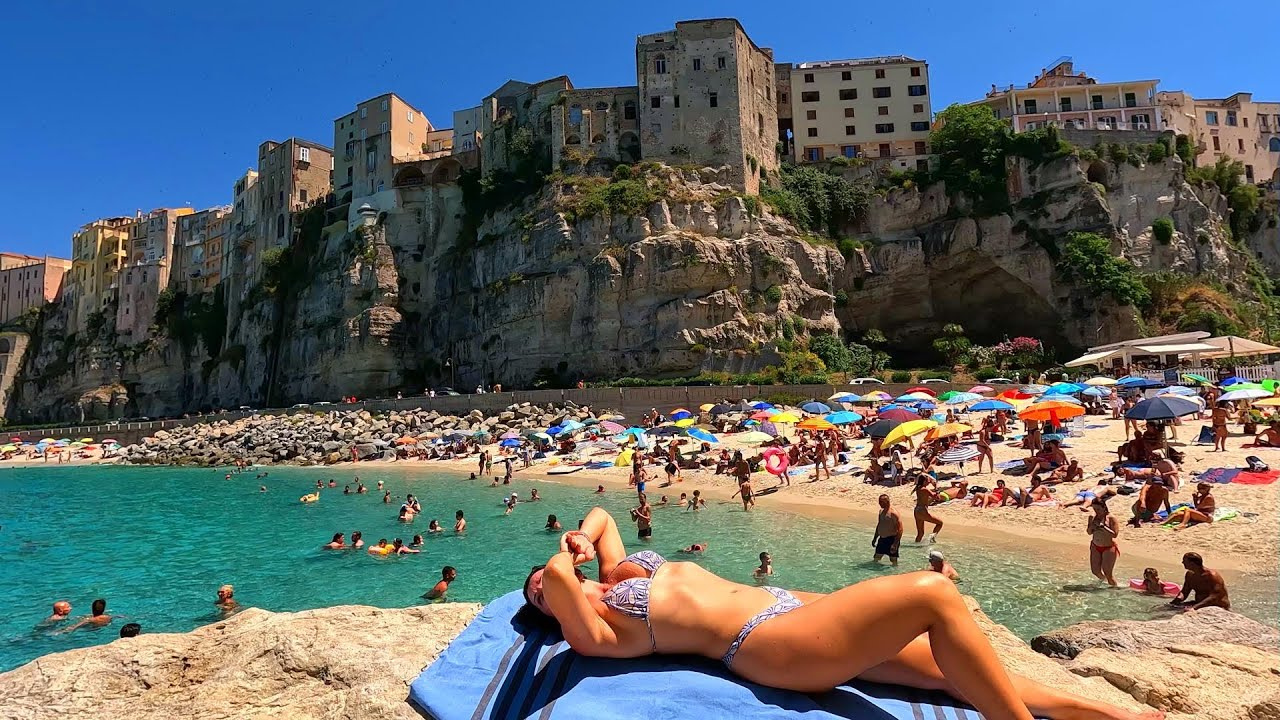
12. Tropea (Calabria)
© Dave Mani

12. Tropea (Calabria)

Tropea sits on cliffs overlooking clear blue water, offering coastal views without the crowds of Amalfi. The town combines beaches with historic architecture, making it a balanced destination. It remains relatively under-visited by international travelers.

Best Season to Visit: June to September

Ideal Visiting Hours: Sunset

Traveler Tip: Visit nearby beaches early

Must-Know: Steep paths to the beach

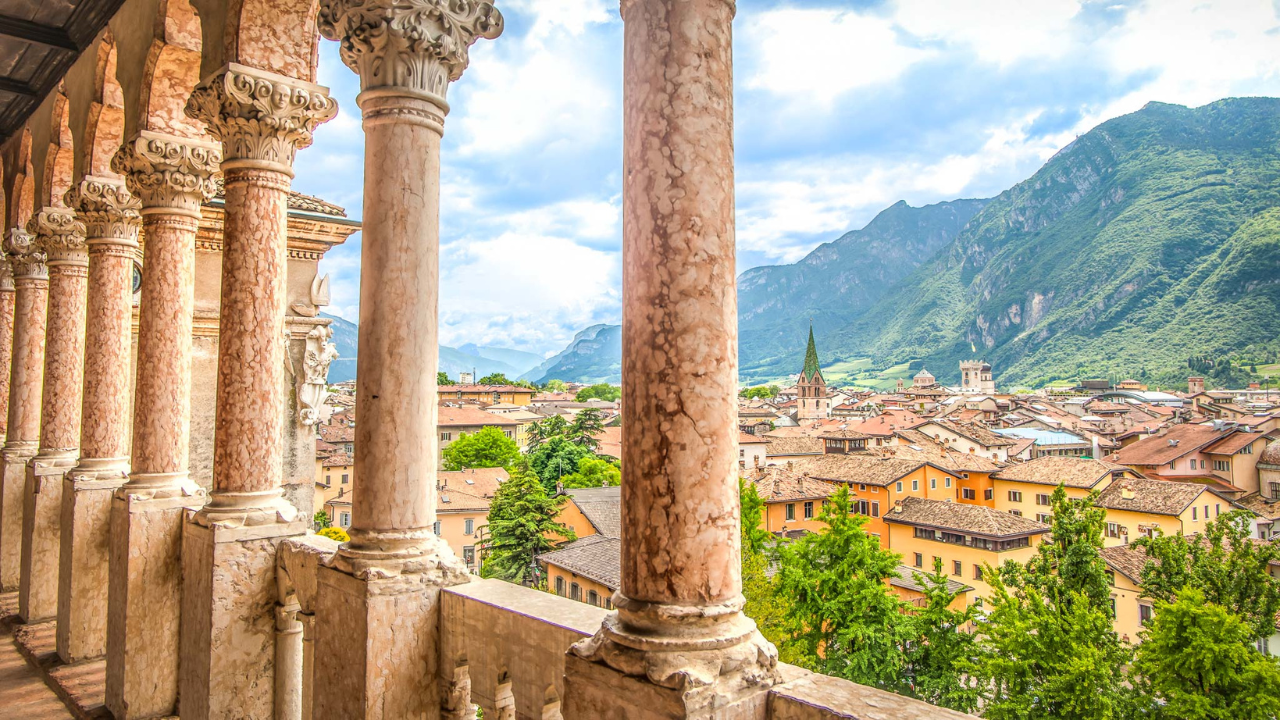
13. Trento (Trentino)
© Dan Flying Solo

13. Trento (Trentino)

Trento blends Italian and alpine influences, offering history, culture, and mountain scenery. It is less crowded than other northern cities and provides a relaxed urban experience.

Best Season to Visit: Year-round

Ideal Visiting Hours: Morning

Traveler Tip: Explore local museums

Must-Know: Good transport connections

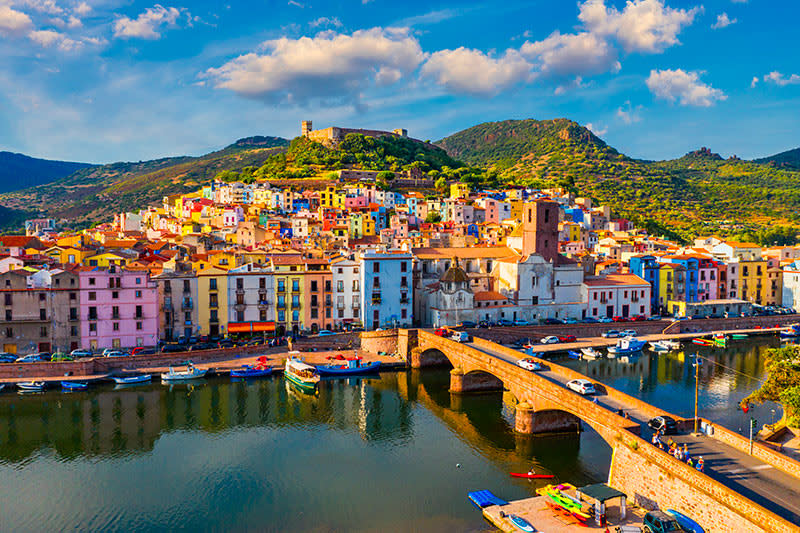
14. Sardinia’s Interior Villages
© Dave Mani

14. Sardinia’s Interior Villages

While Sardinia is known for beaches, its interior villages offer a completely different experience. These areas focus on tradition, food, and slower living. It is ideal for travelers wanting to go beyond coastal tourism.

Best Season to Visit: Spring and fall

Ideal Visiting Hours: Daytime

Traveler Tip: Rent a car

Must-Know: Limited English spoken

15. Palmarola Island (Pontine Islands)
© go-ferry

15. Palmarola Island (Pontine Islands)

Palmarola is one of Italy’s most untouched islands, accessible mainly by boat. It offers dramatic cliffs, clear water, and a sense of isolation rarely found in popular destinations. There are few facilities, which adds to its appeal for those seeking quiet and nature.

Best Season to Visit: May to September

Ideal Visiting Hours: Daytime

Traveler Tip: Visit as a day trip

Must-Know: No major infrastructure


Comments (0)

Leave a Reply

No comments yet. Be the first to share your thoughts!