Travel United States

15 American Landmarks Everyone Used to Visit - But Most Travelers Skip Today

Adam Collins
4.6
April 16, 2026

The United States is filled with iconic landmarks that draw millions of visitors each year, but not all destinations maintain their popularity over time. Some places quietly fade from travel itineraries, not because they lack significance, but because trends shift, infrastructure declines, or newer attractions take the spotlight. In many cases, these landmarks still exist, but they no longer receive the attention they once did.

Across the country, there are historic sites, natural wonders, and cultural landmarks that were once major tourist draws but now sit in relative obscurity. Some have been overshadowed by more famous neighbors, while others have simply fallen out of public awareness. These places often offer a more relaxed and authentic experience compared to crowded destinations, making them worth rediscovering. Many such sites remain historically important, even if they are no longer widely visited. (We Travel, We Bond)
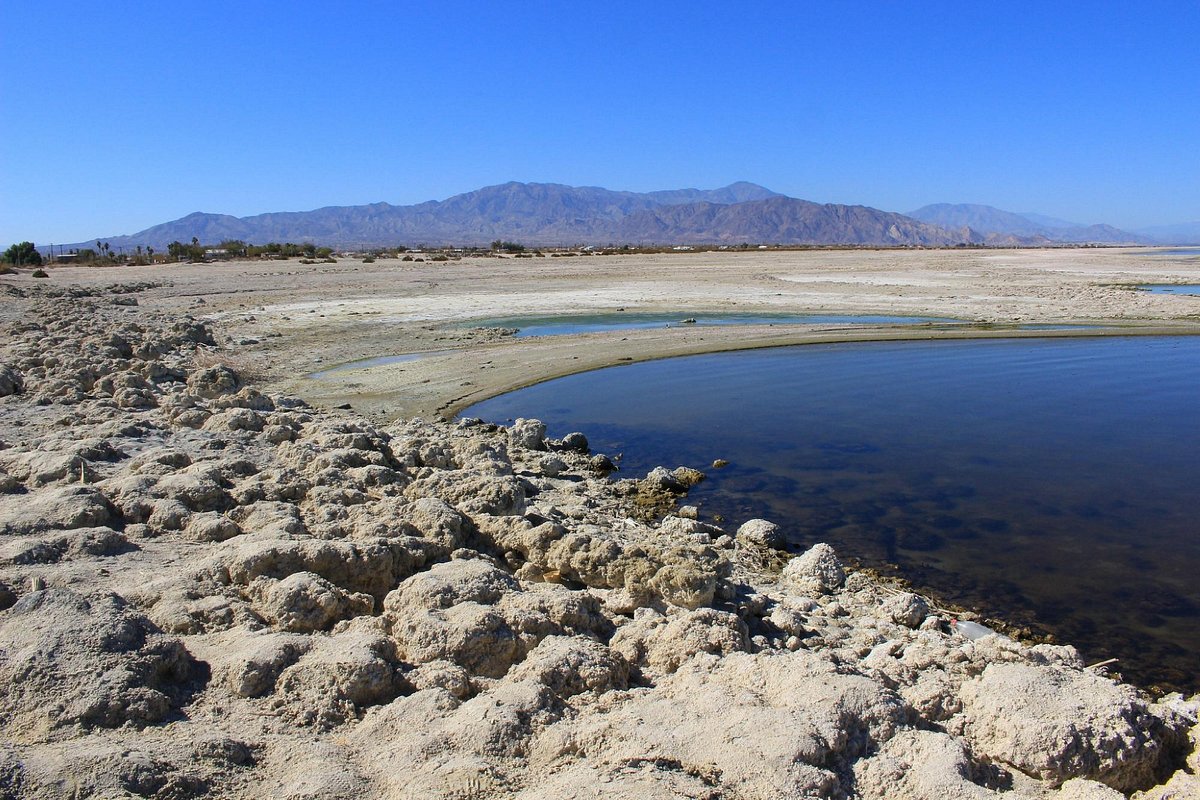
1. Salton Sea, California
© SassyGirlJenna729

1. Salton Sea, California

The Salton Sea was once marketed as a resort destination in the mid-20th century, attracting celebrities and tourists with waterfront developments and recreational activities. Over time, environmental issues, including rising salinity and declining water levels, led to its decline. Today, the area feels more like a forgotten landscape than a tourist hotspot. Visitors who do make the trip find a surreal mix of abandoned structures, quiet shorelines, and a stark reminder of how quickly tourism can shift.

Why It Faded: Environmental decline

What Remains: Shorelines, wildlife areas, ruins

Traveler Tip: Visit during cooler months

Must-Know: Limited facilities

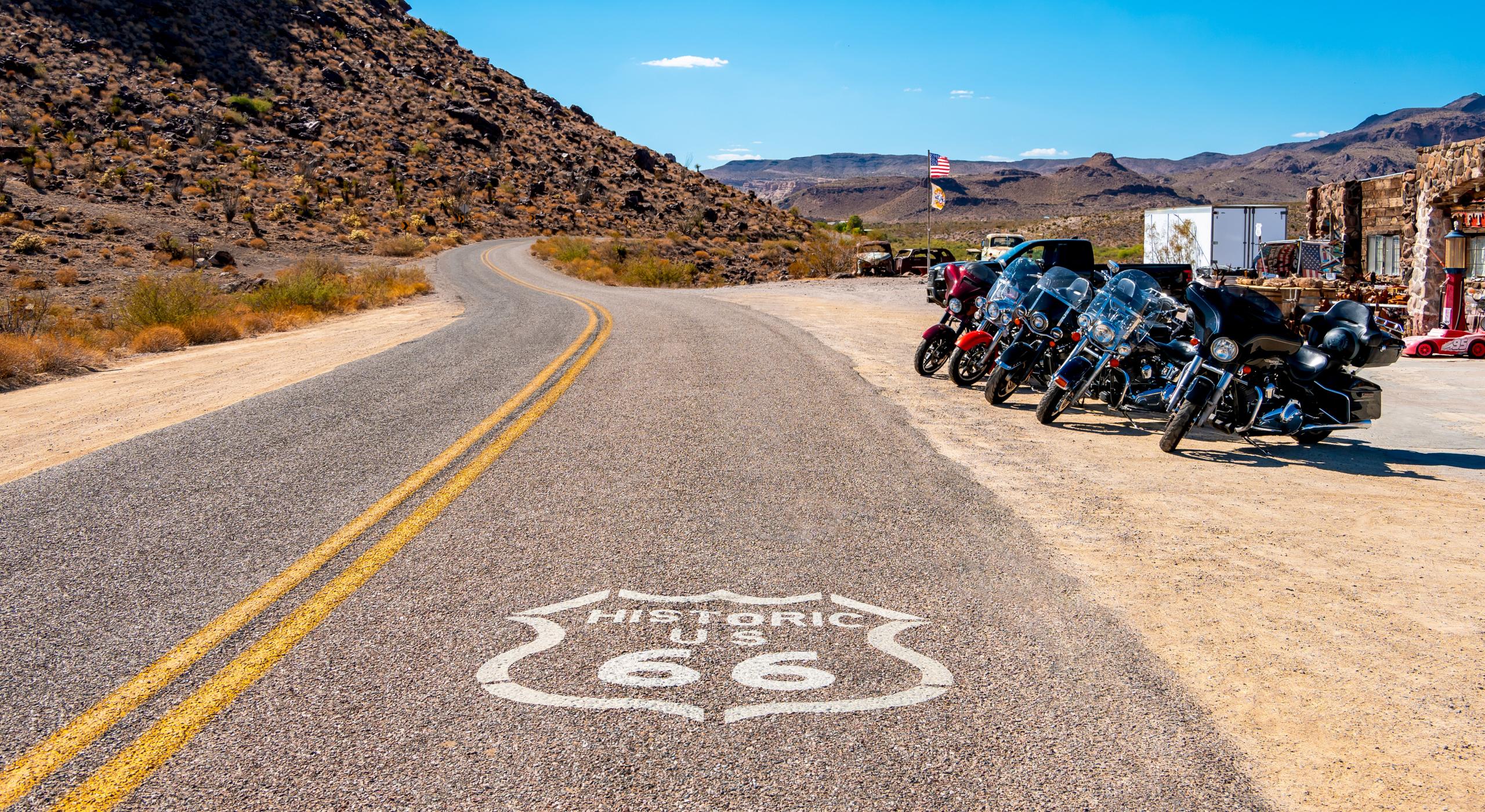
2. Route 66 Motor Courts (Missouri and Beyond)
© route66-centennial

2. Route 66 Motor Courts (Missouri and Beyond)

Along historic Route 66, roadside motor courts once served as essential stops for cross-country travelers. Places like John’s Modern Cabins in Missouri were designed for road trip convenience, offering simple lodging and community spaces. As interstate highways replaced Route 66, many of these sites were abandoned. Today, they remain as quiet relics of early American road travel. (Wikipedia)

Why It Faded: Highway system bypassed old routes

What Remains: Abandoned cabins and signage

Traveler Tip: Combine with a Route 66 road trip

Must-Know: Some sites are unsafe to enter

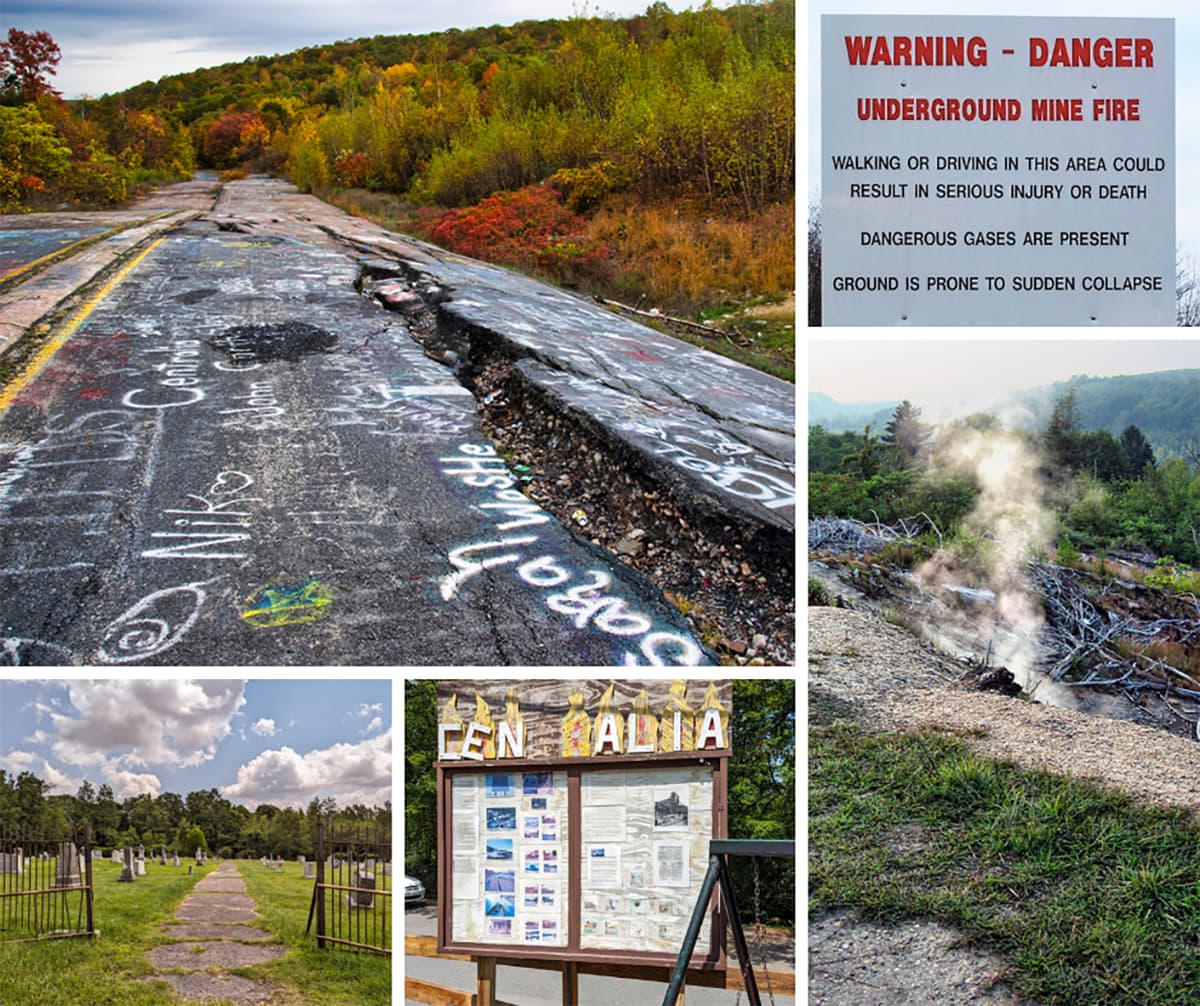
3. Centralia, Pennsylvania
© Rusty Glessner

3. Centralia, Pennsylvania

Centralia was once a thriving mining town, but an underground coal fire that began in 1962 forced most residents to leave. Over time, the town became nearly abandoned, with only a few structures remaining. While it gained brief attention due to its eerie atmosphere, it has largely faded from mainstream tourism. Today, it serves more as a historical curiosity than a destination.

Why It Faded: Long-term environmental disaster

What Remains: Empty streets and scattered buildings

Traveler Tip: Visit respectfully

Must-Know: Limited accessibility

4. Cahawba, Alabama
© ruralswalabama

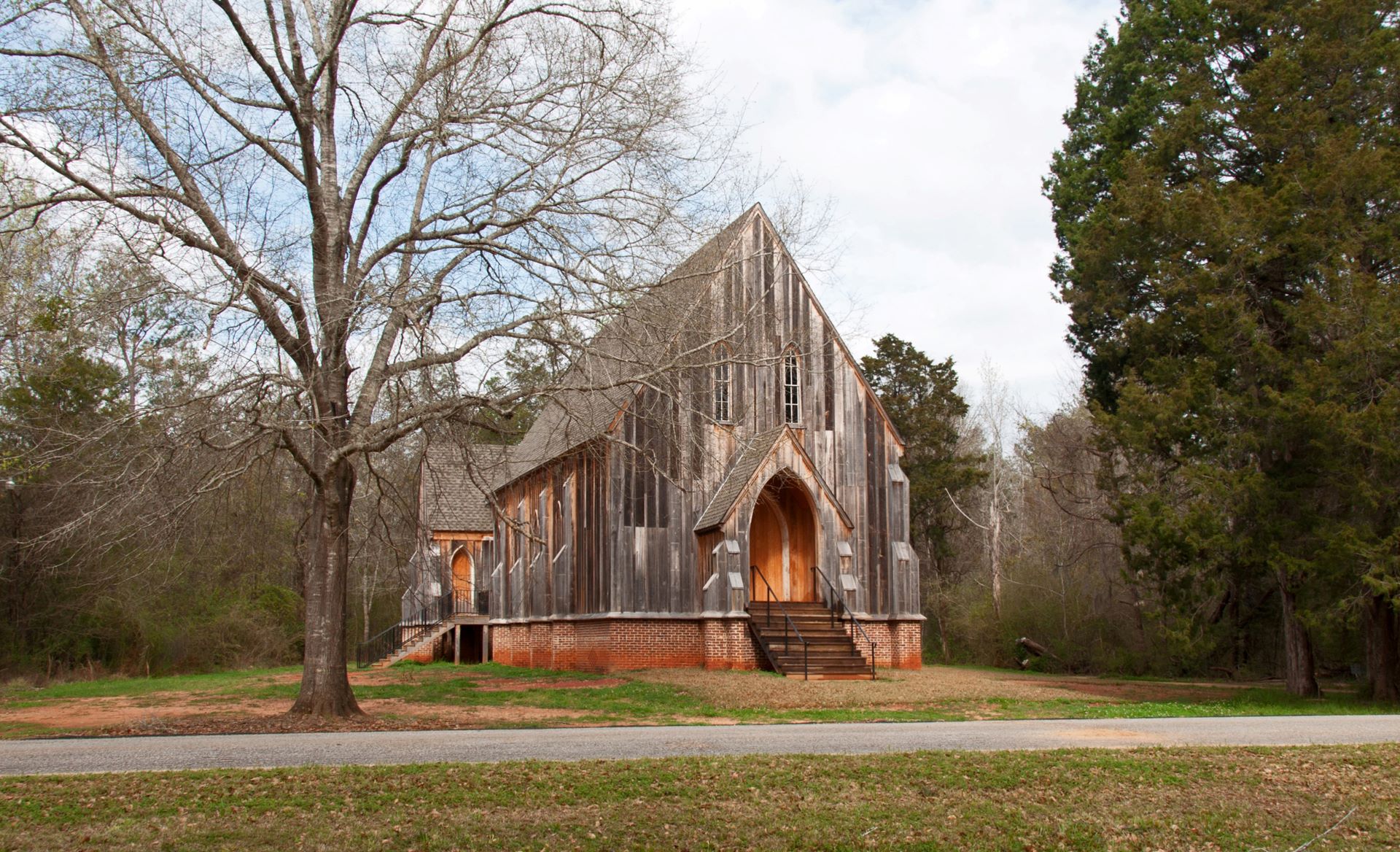
4. Cahawba, Alabama

Cahawba was once Alabama’s first state capital, but repeated flooding led to its abandonment in the 19th century. Today, it is an archaeological park with ruins and preserved landscapes. Despite its historical significance, it remains relatively unknown compared to other Southern landmarks.

Why It Faded: Environmental challenges

What Remains: Ruins and historic grounds

Traveler Tip: Visit in spring for better conditions

Must-Know: Not heavily developed for tourism

5. Bodie, California
© Betsy Malloy Photography

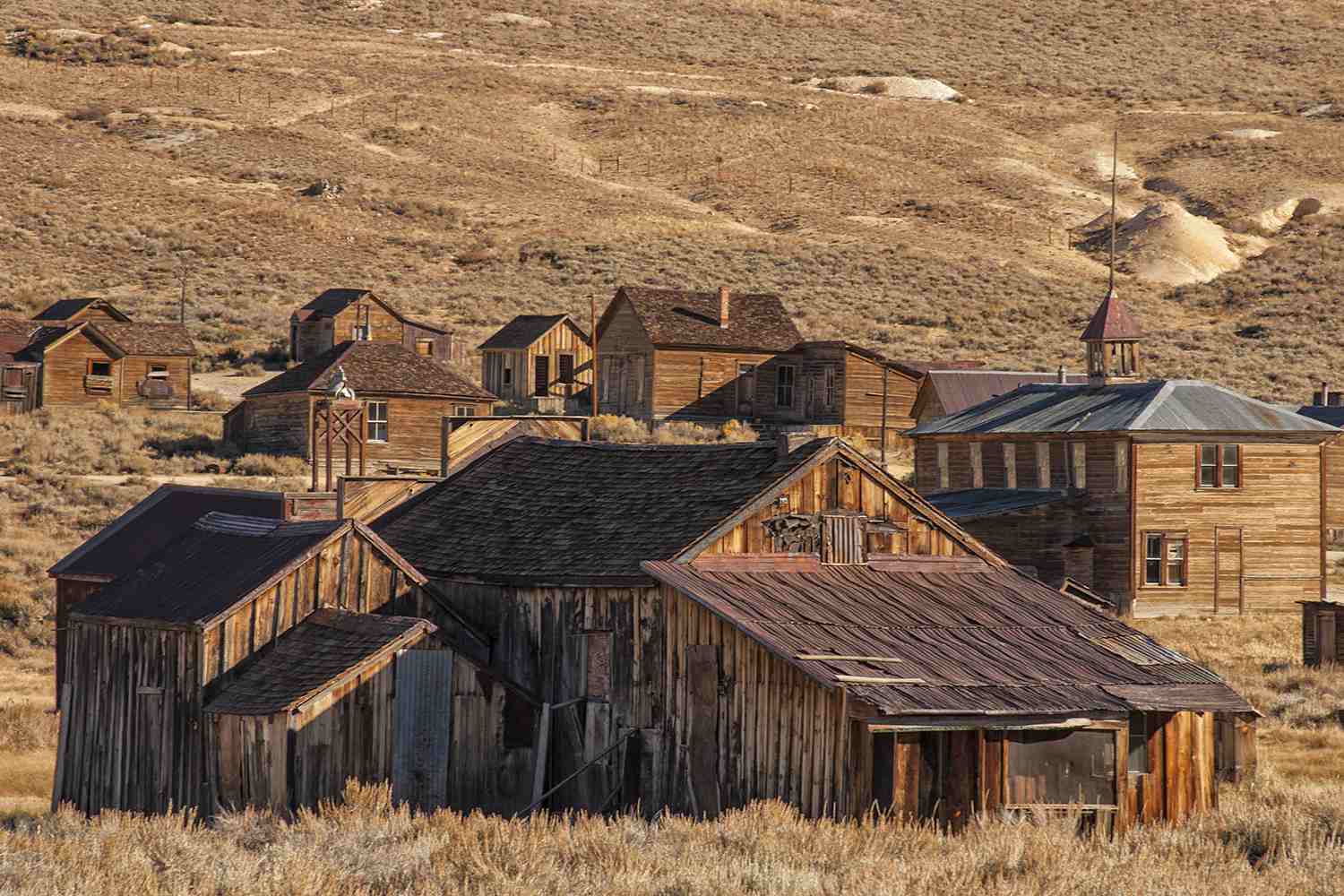
5. Bodie, California

Bodie is one of the best-preserved ghost towns in the United States, yet it does not receive the same attention as more commercialized attractions. Once a booming gold-mining town, it now stands frozen in time, with buildings left in a state of “arrested decay.” Its remote location contributes to its lower visitor numbers.

Why It Faded: Remote location

What Remains: Intact ghost town structures

Traveler Tip: Plan travel carefully

Must-Know: Weather can affect access

6. Bannack, Montana
© Lynn Wiezycki

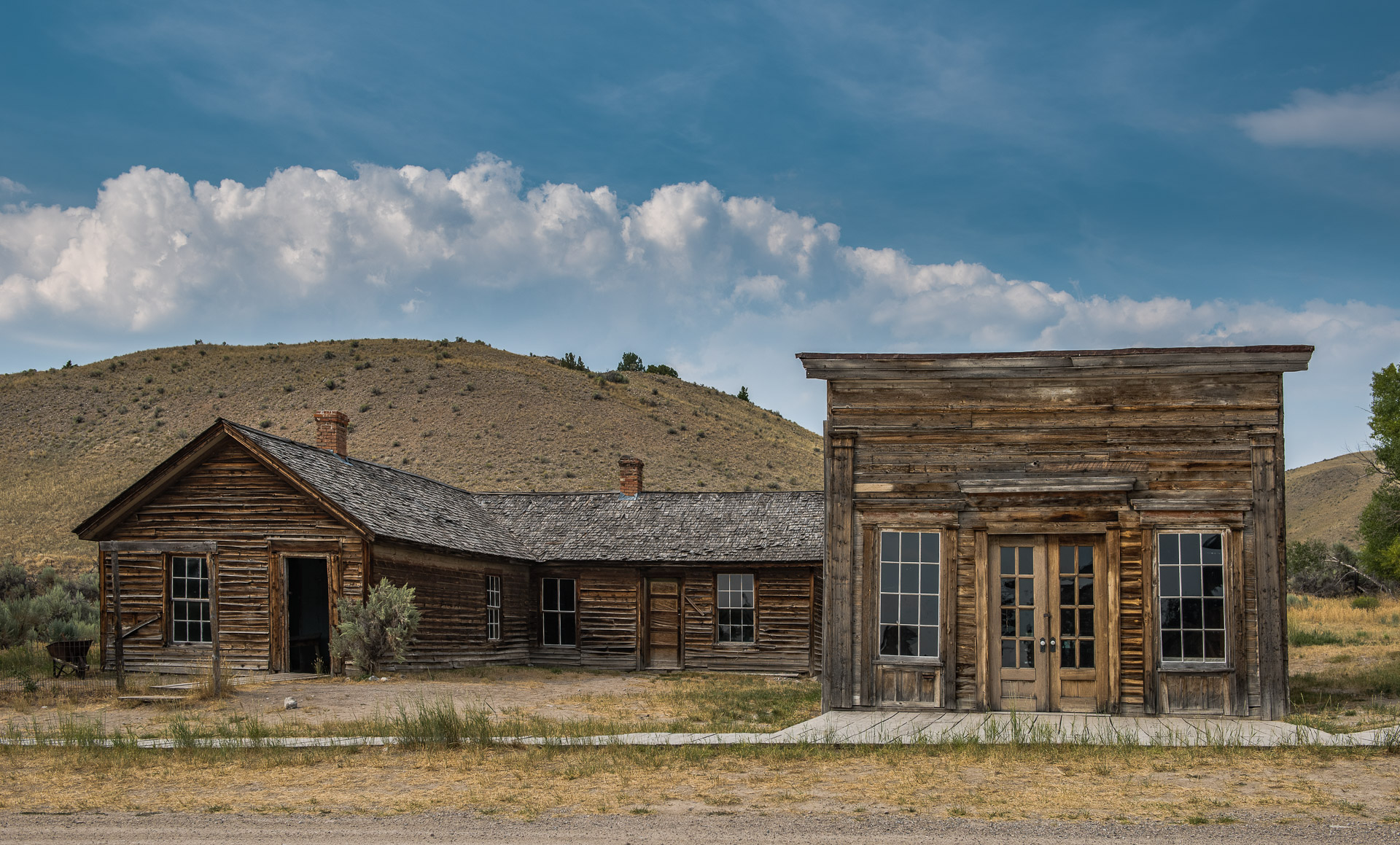
6. Bannack, Montana

Bannack was Montana’s first territorial capital and a major mining town in the 1800s. Like many frontier towns, it declined as resources were depleted. Today, it is a state park with preserved buildings, but it remains far less visited than other historic Western sites.

Why It Faded: Economic decline after mining boom

What Remains: Historic buildings

Traveler Tip: Visit during special events

Must-Know: Seasonal accessibility

7. North Brother Island, New York
© Christopher Payne

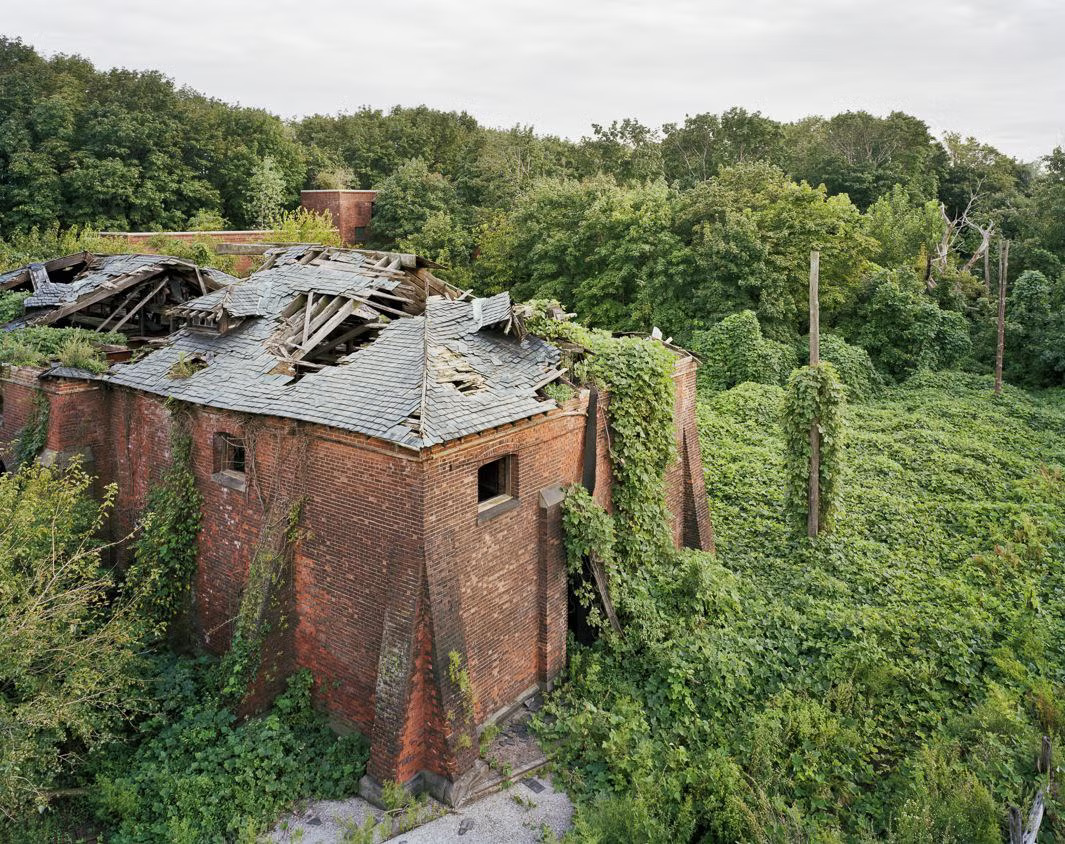
7. North Brother Island, New York

Located in the East River, North Brother Island once housed quarantine hospitals and later served various institutional purposes. It has been abandoned for decades and is now largely off-limits to the public. Despite its proximity to New York City, it remains unknown to most travelers.

Why It Faded: Restricted access

What Remains: Decaying structures

Traveler Tip: View from nearby areas

Must-Know: Entry is not permitted

8. Fort Jefferson, Dry Tortugas (Florida)
© Dave Mani

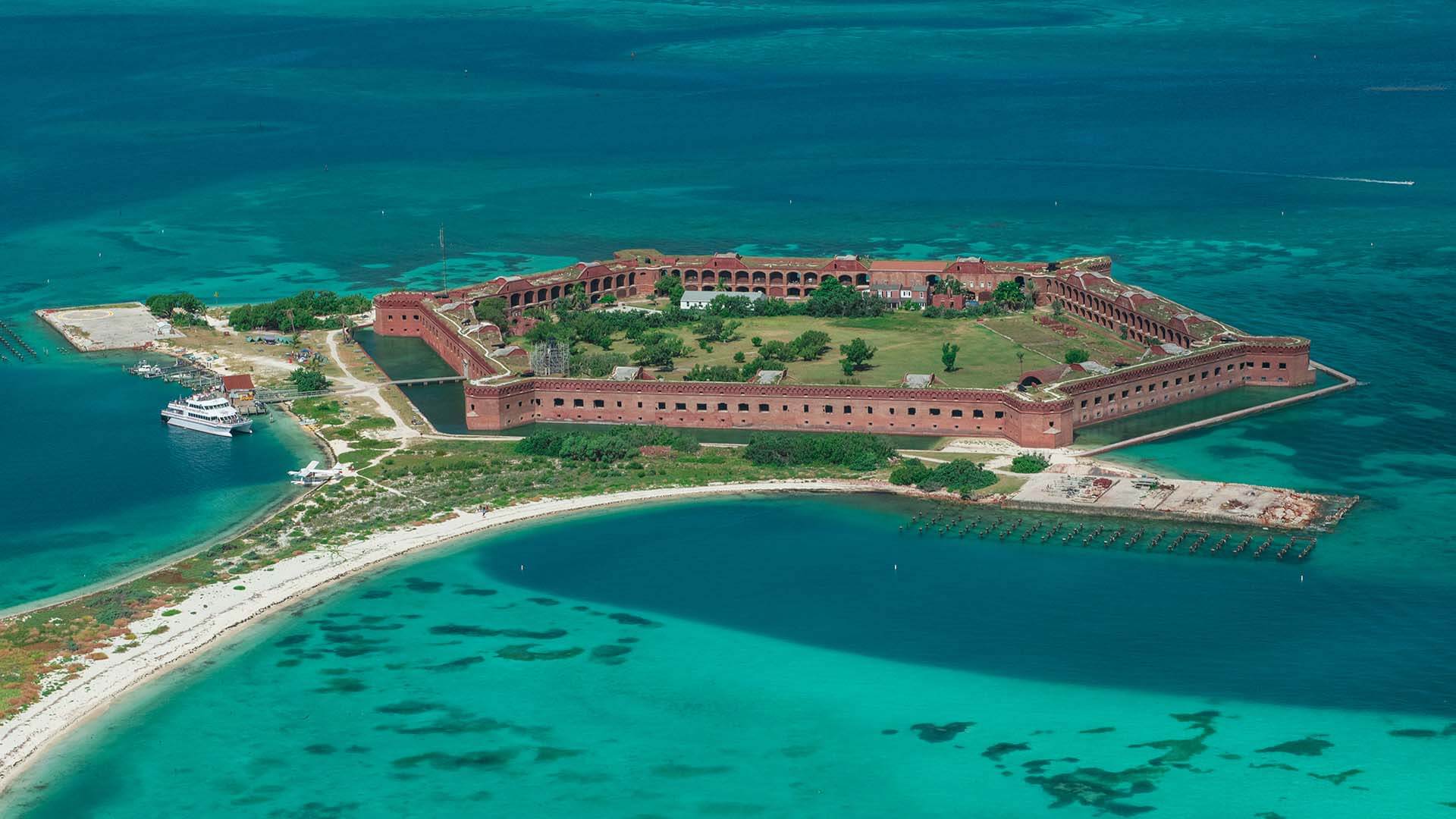
8. Fort Jefferson, Dry Tortugas (Florida)

Fort Jefferson is one of the largest masonry forts in the United States, located on a remote island in the Gulf of Mexico. While still accessible, its distance from the mainland keeps visitor numbers relatively low. It is often overlooked in favor of more convenient Florida attractions.

Why It Faded: Remote location

What Remains: Well-preserved fort

Traveler Tip: Plan transportation in advance

Must-Know: Limited daily access

9. Great Serpent Mound, Ohio
© Ohio History Connection

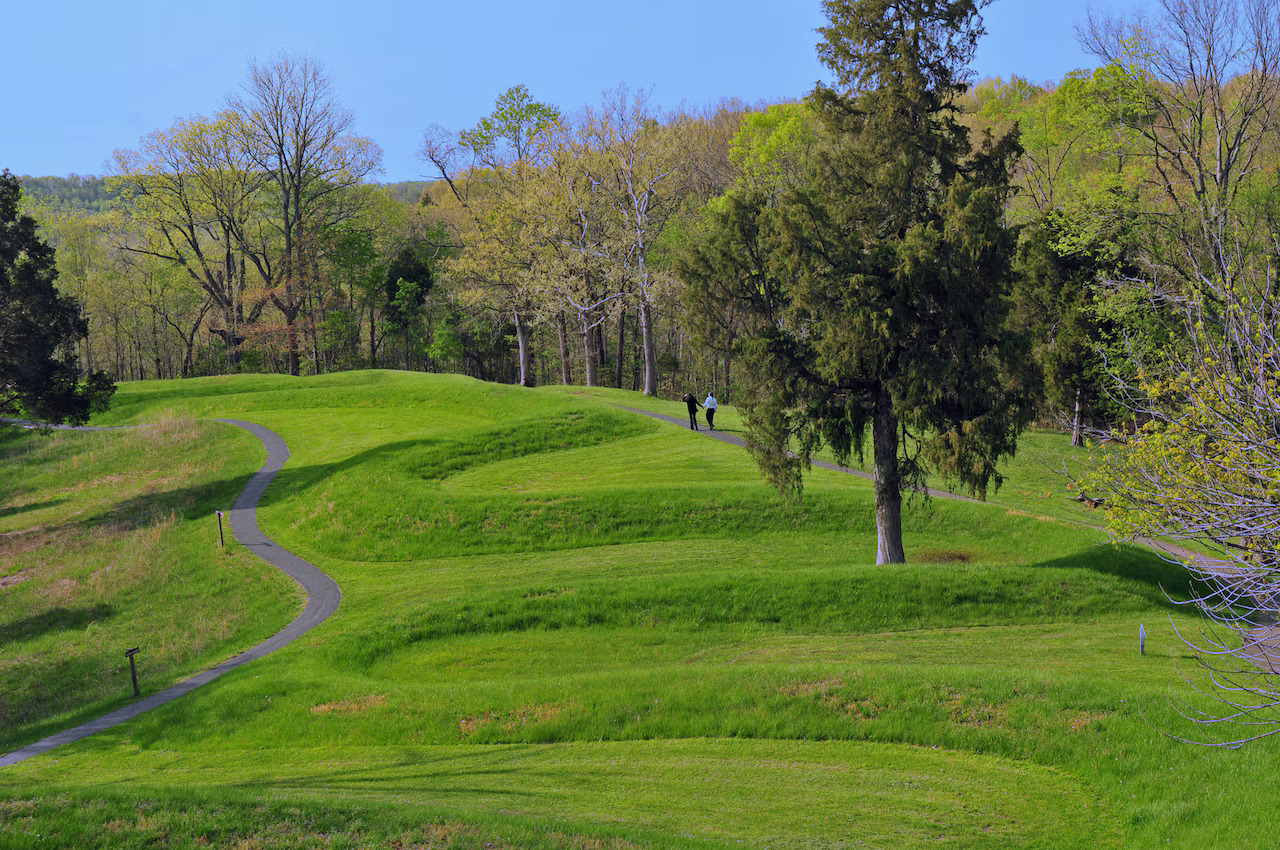
9. Great Serpent Mound, Ohio

The Great Serpent Mound is one of the most significant prehistoric earthworks in North America. Despite its importance, it remains less visited than other historical landmarks. Its location in a rural area contributes to its lower visibility among tourists.

Why It Faded: Lack of widespread awareness

What Remains: Ancient earthwork

Traveler Tip: Combine with nearby sites

Must-Know: Best viewed from above

10. Fort Union Trading Post, North Dakota
© visitmt

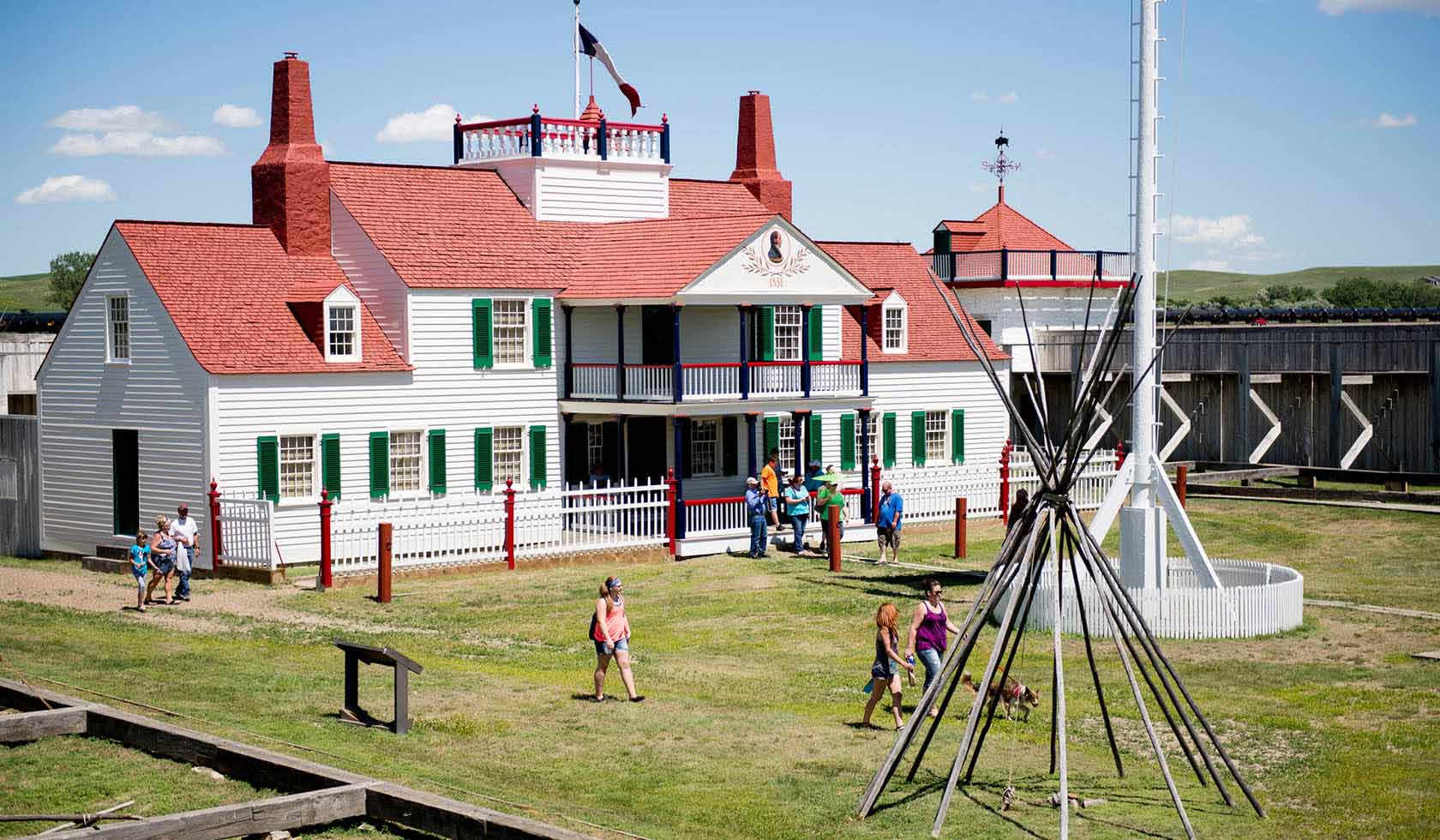
10. Fort Union Trading Post, North Dakota

Once a major hub of trade in the 19th century, Fort Union connected various cultures and economies. Today, it is preserved as a historic site but receives relatively few visitors compared to other landmarks. Its remote location plays a significant role in its decline in popularity.

Why It Faded: Geographic isolation

What Remains: Reconstructed fort

Traveler Tip: Visit during guided tours

Must-Know: Seasonal operations

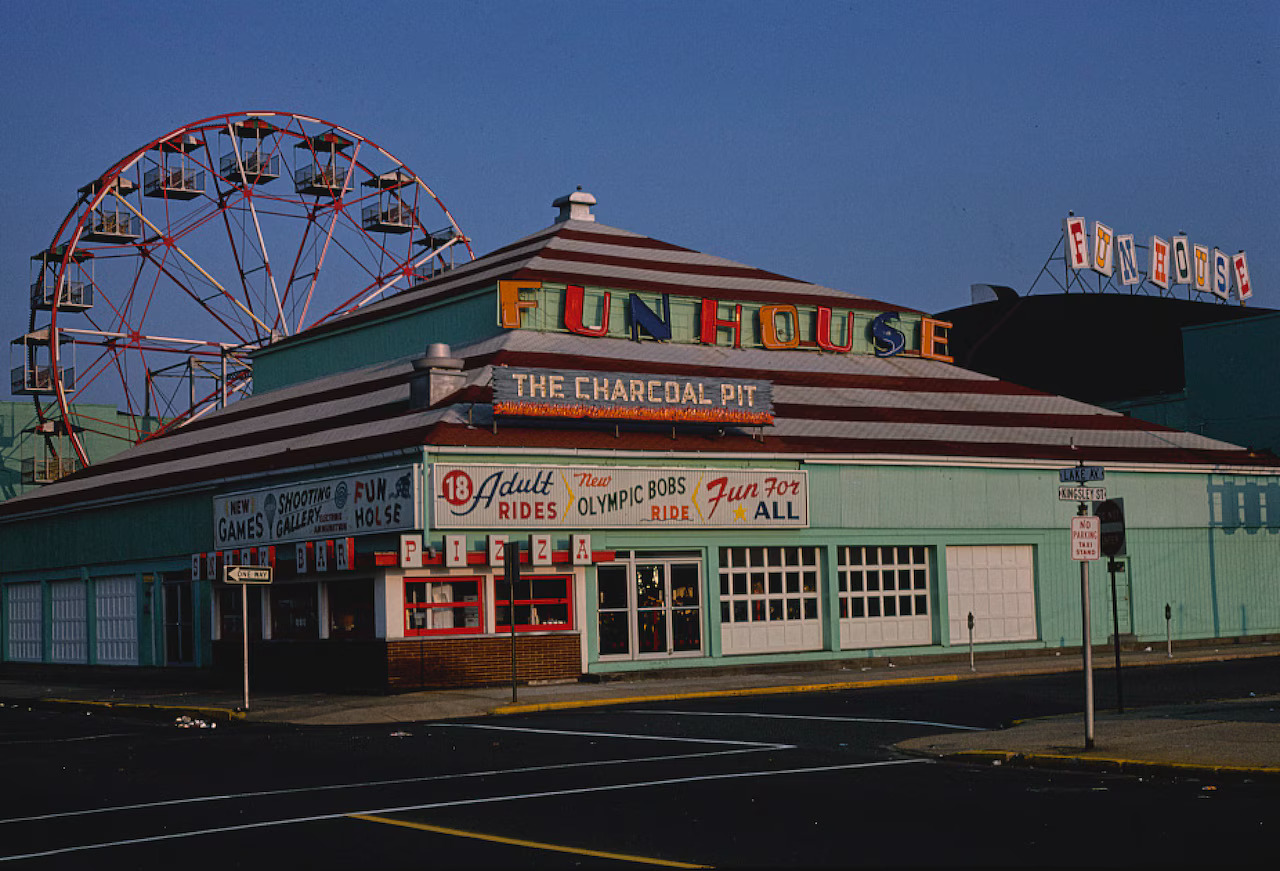
11. The Palace Amusements, New Jersey (Now Demolished)
© John Margolies

11. The Palace Amusements, New Jersey (Now Demolished)

Palace Amusements in Asbury Park was once a lively entertainment complex, known for its iconic imagery and vibrant atmosphere. Over time, economic decline led to its closure and eventual demolition. Today, it is remembered more through photographs than as a destination. (Wikipedia)

Why It Faded: Economic decline and demolition

What Remains: Cultural memory and artwork

Traveler Tip: Explore Asbury Park’s revival areas

Must-Know: Site no longer exists

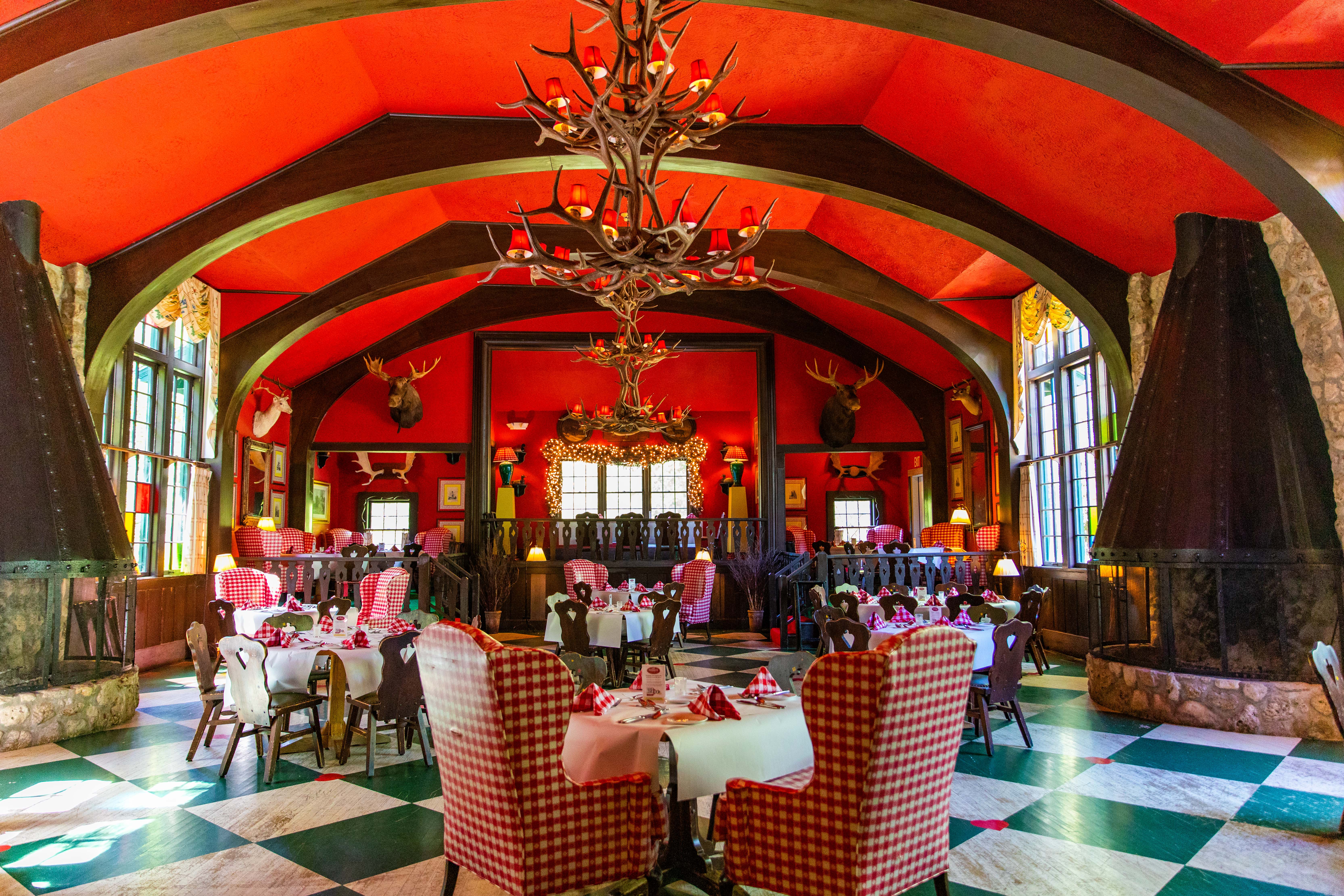
12. Mackinac Island’s Forgotten Interiors, Michigan
© Grand Hotel.

12. Mackinac Island’s Forgotten Interiors, Michigan

While Mackinac Island itself remains popular, many of its historic interiors and lesser-known sites receive far less attention. Visitors often focus on the main tourist areas, overlooking deeper historical aspects that once drew greater interest.

Why It Faded: Shift in visitor focus

What Remains: Historic structures

Traveler Tip: Explore beyond main streets

Must-Know: No cars allowed on the island

13. The Borscht Belt Resorts, New York
© John Margolies

13. The Borscht Belt Resorts, New York

The Catskills once hosted a thriving resort scene known as the Borscht Belt, attracting thousands of visitors annually. As travel patterns changed, these resorts declined and many were abandoned. Today, they are largely forgotten, despite their cultural significance.

Why It Faded: Changing travel trends

What Remains: Abandoned resort structures

Traveler Tip: Research accessible areas

Must-Know: Many sites are private property

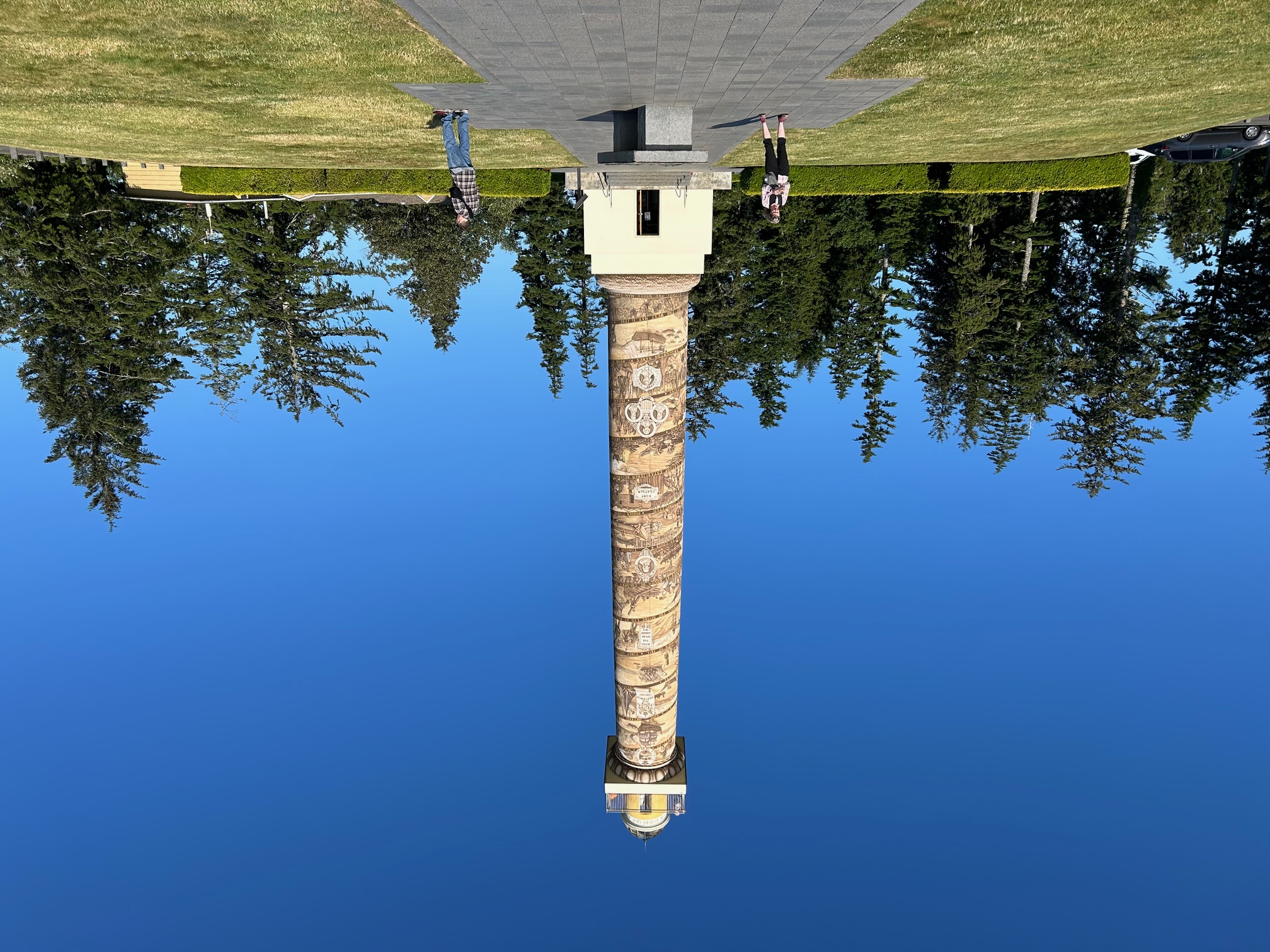
14. Astoria Column, Oregon
© wikipedia

14. Astoria Column, Oregon

The Astoria Column offers panoramic views and historical significance, yet it is often overshadowed by more prominent Pacific Northwest attractions. It remains a quiet landmark that many travelers pass by without stopping.

Why It Faded: Overshadowed by nearby attractions

What Remains: Historic observation tower

Traveler Tip: Visit for views

Must-Know: Short climb required

15. Fort Laramie, Wyoming
© .npca.org

15. Fort Laramie, Wyoming

Fort Laramie played a key role in westward expansion, serving as a major stop for pioneers. While preserved as a national historic site, it receives fewer visitors compared to other Western landmarks. Its remote location and lesser-known status contribute to its decline in popularity.

Why It Faded: Location and limited promotion

What Remains: Restored buildings

Traveler Tip: Visit with historical context

Must-Know: Large open site


Comments (0)

Leave a Reply

No comments yet. Be the first to share your thoughts!