Travel Destination

12 travel trends reshaping how people plan trips in 2026

James Porter
3.5
May 08, 2026

Travel is becoming less about checking off famous landmarks and more about following personal curiosity. Instead of choosing a destination only because it is popular, more travelers are building trips around what they already love: books, beauty rituals, food, crafts, wellness, pop culture, local traditions, history, nature, and highly specific hobbies. This shift is part of the broader rise of niche tourism, where travelers look for experiences beyond the standard beach holiday or city break. Recent travel data shows that personal interests, off-the-beaten-path experiences, and cultural learning are major reasons people are drawn to niche trips. Food, culture, adventure, wellbeing, and social media inspiration are also helping shape these choices.

This curiosity-led style of travel also reflects a wider change in how people define a meaningful vacation. Travelers are looking for experiences that feel personal, restorative, creative, and connected to place. That can mean planning a trip around a favorite novel, learning a craft from a local artisan, booking a wellness stay focused on sleep, following a film location, exploring local beauty traditions, or choosing a destination because it supports a hobby. Hospitality and tourism brands are responding with more personalized stays, digital guides, immersive activities, workshops, wellness programs, and locally rooted experiences.
1. Literary Travel Is Turning Books Into Itineraries
© Shutterstock / Rawpixel

1. Literary Travel Is Turning Books Into Itineraries

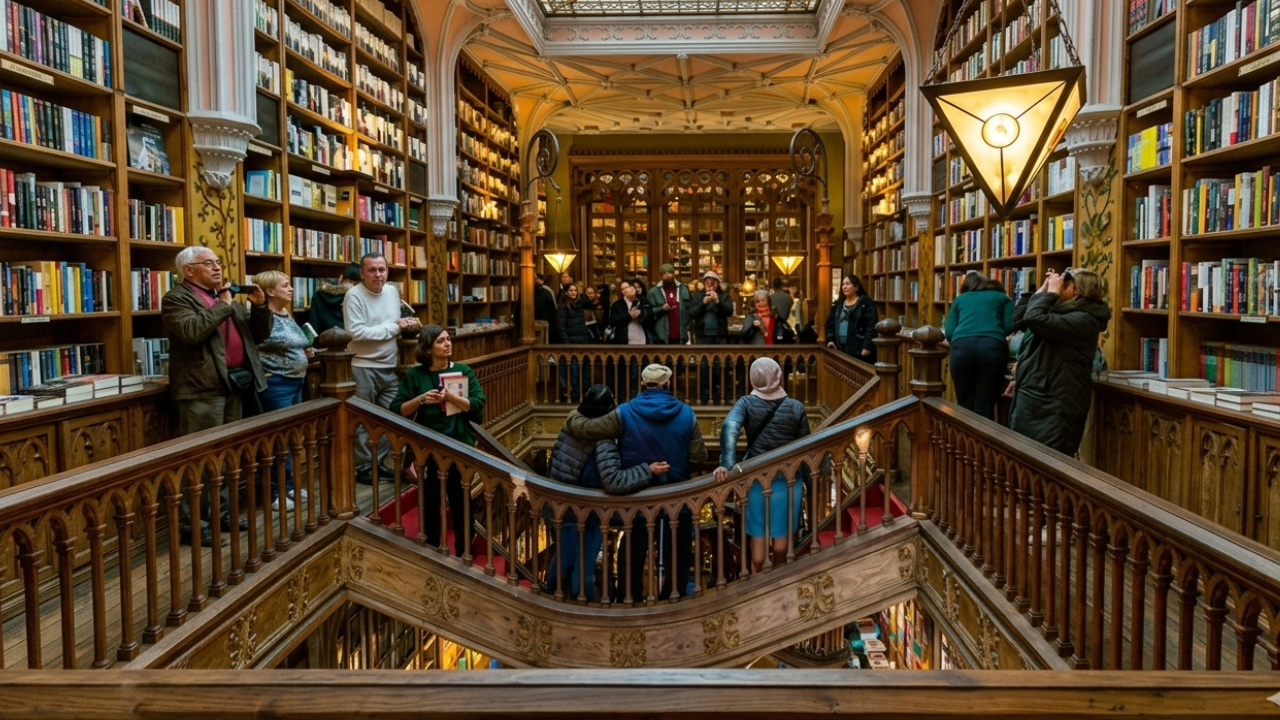
One of the clearest signs of curiosity-fueled travel is the rise of trips inspired by books. Travelers are not just reading about places anymore. They are using novels, memoirs, fantasy series, poetry, and literary history as a reason to visit them. A reader might plan a trip to Edinburgh for its old streets and literary connections, Bath for Jane Austen associations, Tokyo for modern Japanese fiction, or Prince Edward Island for the world of “Anne of Green Gables.” The appeal is emotional as much as cultural. A destination feels more meaningful when a traveler already has a story attached to it.

This trend also connects with the popularity of online reading communities, especially BookTok and book-focused social media. People are discovering destinations through reading lists, author trails, independent bookstores, library hotels, literary festivals, and themed walking tours. For some travelers, a bookish vacation is quiet and slow, built around cafés, reading retreats, bookstores, and scenic places to sit with a novel. For others, it is more active, involving museums, author homes, historic neighborhoods, and places that shaped famous works.

The strength of literary travel is that it gives travelers a personal reason to care. Instead of visiting a city only because it is famous, they arrive with curiosity already built in. They want to understand the setting, the atmosphere, and the culture behind the story. This makes the trip feel less generic and more memorable. It also helps smaller towns and lesser-known regions attract visitors without relying only on major monuments.

2. Beauty Tourism Is Becoming a Travel Motivation
© Dave Mani

2. Beauty Tourism Is Becoming a Travel Motivation

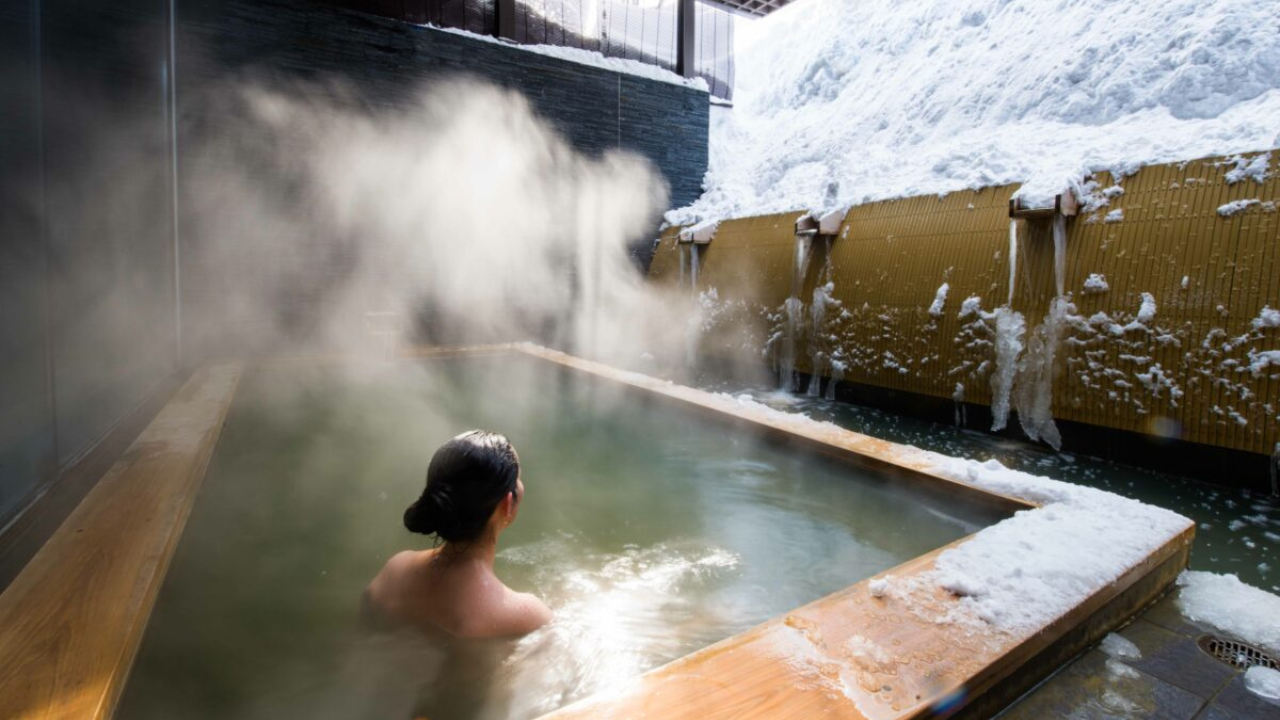
Beauty is no longer only something travelers pack in their suitcase. It is becoming part of why they travel in the first place. Beauty-focused trips can include skincare shopping in Seoul, hammam rituals in Morocco, thermal spa traditions in Hungary, Ayurvedic treatments in India, onsen bathing in Japan, fragrance experiences in France, or local hair and wellness rituals in West Africa. These experiences appeal to travelers who want to understand how beauty connects with culture, climate, ingredients, and daily life.

This trend is not simply about luxury. It also reflects growing interest in local routines, self-care, wellness, and products that are tied to place. Travelers may visit pharmacies, markets, spas, bathhouses, salons, herbal shops, and beauty districts because they want something more specific than a souvenir. They want a treatment, a scent, a ritual, or a product with a story behind it. In many destinations, beauty tourism overlaps with wellness travel, sleep tourism, slow travel, and cultural immersion.

Social media has helped accelerate this trend. Short videos about Korean skincare, Japanese hair spas, Turkish hammams, Moroccan argan oil, French pharmacy products, and Nordic sauna culture have made beauty rituals feel like travel experiences. The appeal is practical and sensory. Travelers can bring home something they used, learned, or felt, rather than only a photo. This makes beauty tourism especially strong among travelers looking for trips that feel both personal and shareable.

3. Hobby Holidays Are Making Vacations More Hands-On
© shutterstock / frantic00

3. Hobby Holidays Are Making Vacations More Hands-On

A growing number of travelers want to come home with a skill, not just a camera roll. Hobby holidays are built around activities such as cooking, pottery, painting, weaving, photography, writing, gardening, surfing, language learning, dance, woodworking, wine tasting, or even knife-making and craft workshops. These trips give travelers a reason to slow down and spend time with local experts rather than rushing through attractions.

The appeal is partly creative and partly emotional. Many people spend everyday life behind screens, so making something by hand while traveling feels refreshing. A cooking class in Sicily, a ceramics workshop in Japan, a textile experience in Oaxaca, or a painting retreat in Provence can turn a destination into a classroom. Travelers do not need to become experts. In fact, part of the charm is being a beginner in a relaxed setting where the goal is enjoyment, not performance.

Hobby-based travel also supports local communities when done responsibly. Workshops can help artisans, farmers, chefs, and independent guides earn directly from their knowledge. It gives cultural traditions a living role in tourism instead of turning them into static displays. For travelers, the memory becomes tied to action. They remember the smell of the kitchen, the feel of clay, the sound of tools, or the conversation with the instructor. That kind of memory often lasts longer than a quick stop at a landmark.

4. Food and Drink Are Still the Most Accessible Entry Point
© shutterstock / Jane Biriukova

4. Food and Drink Are Still the Most Accessible Entry Point

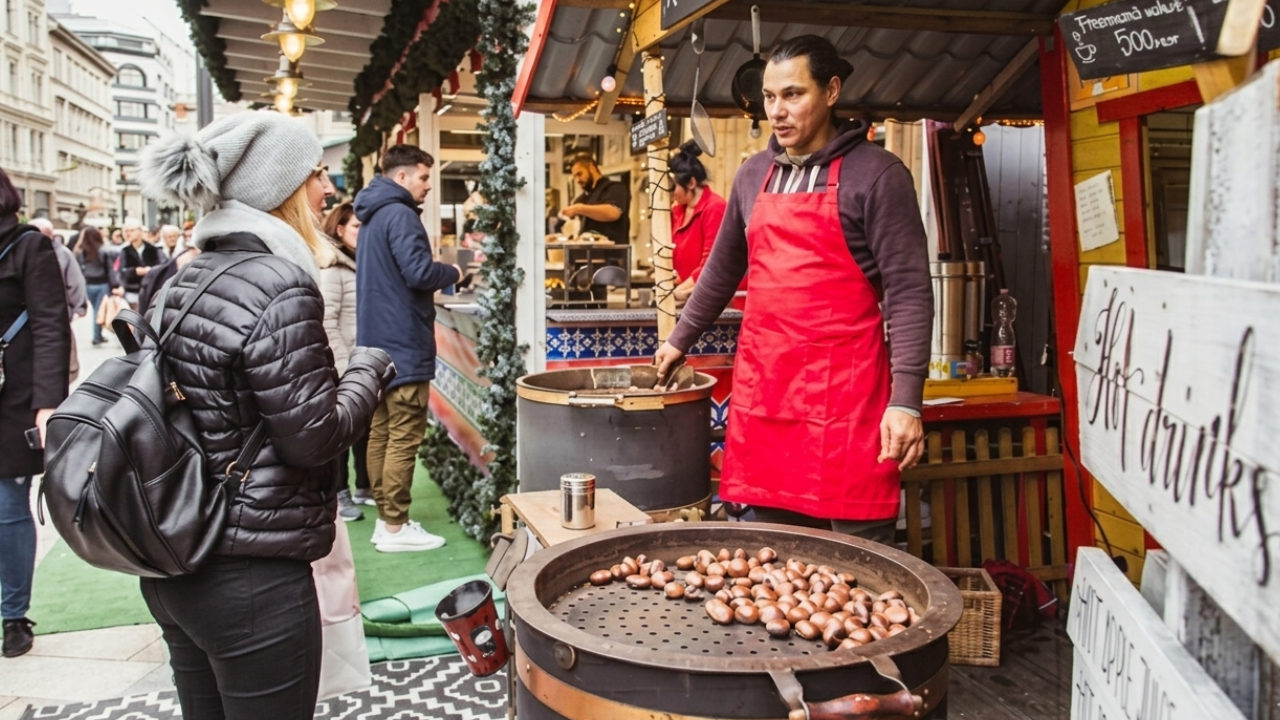
Food remains one of the strongest gateways into niche travel. For many travelers, culinary experiences are easier to understand and book than more specialized interests. A food-focused trip might include street food tours, wine routes, cooking classes, local markets, farm stays, regional tasting menus, coffee farms, tea ceremonies, chocolate workshops, or seafood trails. Recent survey data shows that food and drink experiences are among the most common forms of niche tourism, with cultural and heritage experiences close behind.

This makes sense because food is both familiar and deeply local. Travelers may not speak the language or know the history of a place, but they can connect through meals. A bowl of ramen in Fukuoka, tapas in Seville, mezcal in Oaxaca, pastries in Copenhagen, curry in Kerala, or coffee in Colombia can explain a destination in a way that feels immediate. Food also encourages slower exploration. Markets, bakeries, family restaurants, vineyards, and cooking schools often pull travelers into neighborhoods they might otherwise miss.

The newer version of food travel is also more curious and specific. Instead of simply asking where to eat, travelers are asking why people eat that way, where ingredients come from, which dishes are seasonal, and how recipes connect to identity. This shift makes culinary tourism more educational and less superficial. It also rewards destinations that can tell strong stories through regional food traditions.

5. Set-Jetting Is Expanding Beyond Famous Film Locations
© Nexttribe / Nina Malkin

5. Set-Jetting Is Expanding Beyond Famous Film Locations

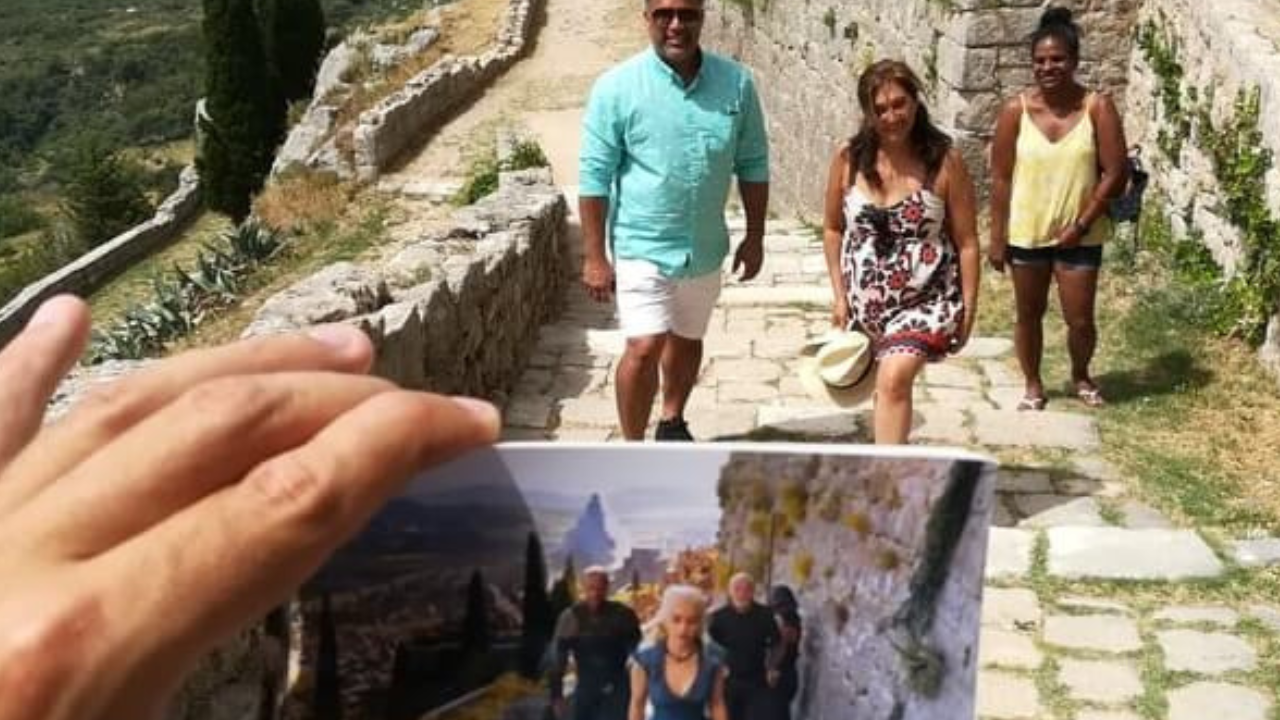
Set-jetting, or travel inspired by movies and television, has become more layered. It is no longer only about visiting a famous castle from a fantasy series or a beach from a popular show. Travelers are now using screen culture to explore architecture, fashion, food, landscapes, music, and local history. A period drama can spark interest in rural estates and old towns. A crime series can draw visitors to Nordic cities. A romantic show can make viewers curious about cafés, hotels, and neighborhoods. A documentary can push travelers toward wildlife, conservation, or remote landscapes.

The reason this trend works is simple: visual storytelling creates emotional familiarity before the trip begins. Travelers feel like they already know a place, even if they have never been there. That makes the destination easier to imagine and more exciting to book. It also gives travelers a theme for their itinerary. They can visit filming locations, but they can also go deeper by exploring the real culture behind the fictional setting.

The risk is overcrowding when one location becomes too popular too quickly. The better version of set-jetting spreads visitors across wider regions and encourages them to understand the destination beyond the screen. A film or show may be the starting point, but the strongest trips turn that initial curiosity into a broader cultural experience.

6. Wellness Travel Is Getting More Specific
© shutterstock / cristina.taranovici

6. Wellness Travel Is Getting More Specific

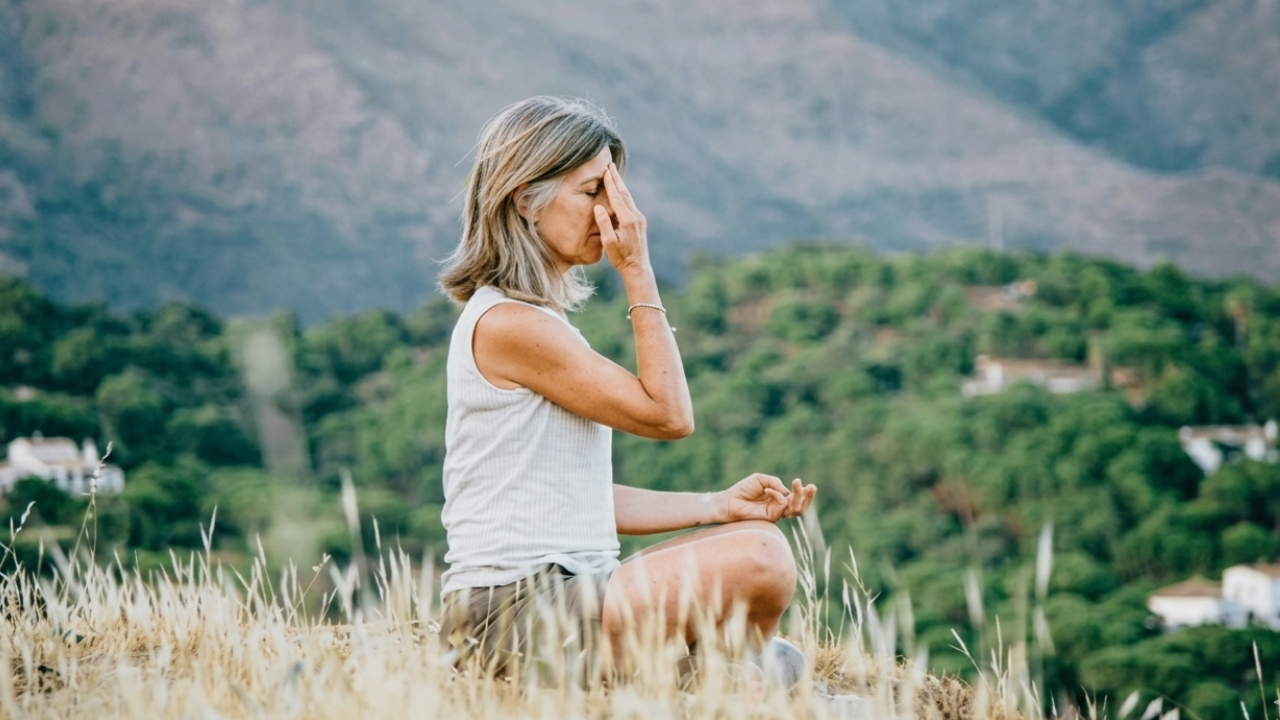
Wellness travel has moved beyond the general spa weekend. Travelers are now seeking more focused experiences such as sleep retreats, forest bathing, digital detoxes, cold-water therapy, thermal bathing, meditation, nutrition-led stays, breathwork, sound healing, menopause retreats, fitness camps, and recovery-focused hotel programs. This trend reflects a wider desire for trips that restore energy rather than drain it.

Sleep tourism is one of the clearest examples. Hotels and resorts are investing in soundproof rooms, better bedding, guided relaxation, sleep-friendly scents, recovery treatments, and technology designed to improve rest. Wellness travel is also becoming more connected to nature. Mountain lodges, coastal retreats, desert camps, and forest resorts are using their surroundings as part of the experience, offering slower days, quiet spaces, and outdoor movement.

What makes this trend curiosity-fueled is that travelers are not only asking where they can relax. They are asking what kind of rest they need. Some want silence. Some want movement. Some want beauty treatments. Some want emotional reset. Some want a healthier routine they can bring home. This personalization makes wellness travel more niche, more intentional, and more tied to individual lifestyle goals.

7. Niche Tourism Is Being Driven by Personal Identity
© eturbonews / Juergen T Steinmetz

7. Niche Tourism Is Being Driven by Personal Identity

Many travelers now want trips that reflect who they are, not just where they can afford to go. This is why niche tourism is growing around interests such as photography, architecture, fashion, gaming, music, gardening, sports, history, astronomy, wildlife, ancestry, faith, design, and subcultures. The destination matters, but the traveler’s identity matters just as much.

Survey findings show that personal interests and hobbies are a major motivation for people considering niche tourism, along with unique experiences and cultural or educational enrichment. That means travelers are choosing trips that feel aligned with their inner life. A gardener may plan around botanical gardens and flower festivals. A fashion lover may visit Seoul, Milan, Tokyo, or Lagos for style culture. A music fan may travel for jazz, techno, opera, or folk traditions. A gamer may visit arcades, esports events, themed cafés, or places connected to favorite franchises.

This makes travel more individualized. Two people can visit the same city and have completely different trips because their curiosity points in different directions. One might follow bookstores and libraries, another might follow streetwear shops, and another might focus on cemeteries, museums, and historic hotels. This is why niche tourism is powerful. It turns the traveler from a passive visitor into an active interpreter of place.

8. Digital Tools Are Making Personalized Trips Easier
© shutterstock / Rawpixel

8. Digital Tools Are Making Personalized Trips Easier

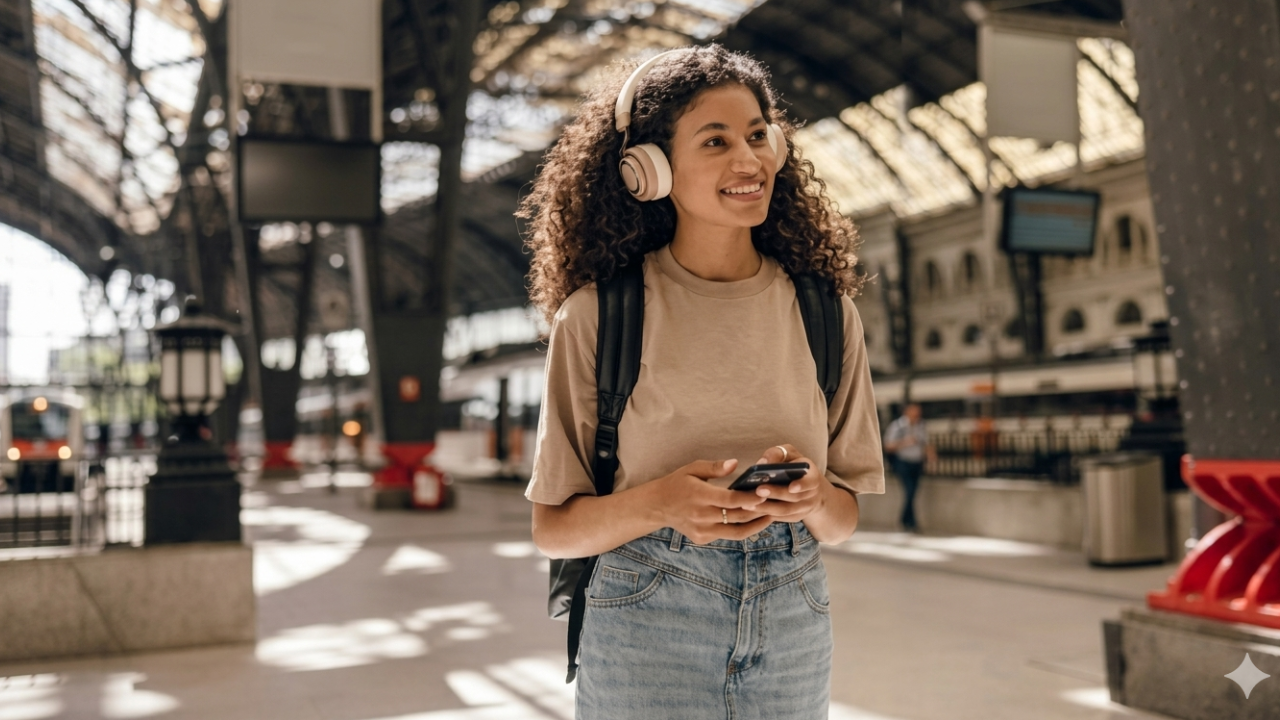
Curiosity-led travel depends on discovery, and digital tools are making discovery faster. Travelers can now build trips through TikTok saves, Instagram maps, AI itinerary tools, QR-code guides, hotel apps, digital museum experiences, creator recommendations, and hyper-specific online communities. Instead of relying only on guidebooks or general travel lists, people can find very specific experiences that match their taste.

This can make travel more personal, but it also changes expectations. Travelers increasingly want recommendations that feel tailored to them. They want hotels to suggest nearby cafés, local shops, walking routes, museums, events, and activities that match their interests. Tourism businesses are responding with more digital concierge tools, interactive guides, mobile-first experiences, and personalized content. This reflects a broader hospitality shift toward using technology to make stays feel more customized and easier to navigate.

The best use of technology in this trend is not replacing human discovery. It is helping travelers find the right door to open. A digital guide might point someone toward a hidden bookstore, a local perfumery, a craft studio, a food market, or a small museum they would never have found otherwise. The trip still becomes meaningful through real-world experience.

9. Social Media Is Pushing Travelers Toward Micro-Niches
© shutterstock / McLittle Stock

9. Social Media Is Pushing Travelers Toward Micro-Niches

Social media has helped make niche travel feel normal. A person can see a short video about grocery store tourism in Japan, perfume-making in Grasse, ceramic villages in Portugal, vintage shopping in Seoul, literary hotels in the UK, or tea plantations in Sri Lanka and immediately imagine a trip around it. This has widened the definition of what counts as a travel attraction.

The difference now is that travelers are not only influenced by broad destination marketing. They are influenced by micro-scenes. A single interest can become a reason to travel. That might be a bookstore café, a bathhouse, a food hall, a famous hiking hut, a local beauty product, a craft market, a music venue, or a museum gift shop. These small hooks can be more persuasive than traditional sightseeing campaigns because they feel personal and discoverable.

Still, social media-driven travel works best when travelers go beyond imitation. The goal should not be to copy the exact video or photograph the exact corner. The stronger version is using online inspiration as a starting point, then spending enough time to understand the surrounding neighborhood, people, and culture. This keeps curiosity from becoming just another checklist.

10. Slow Travel Fits Naturally With Niche Interests
© shutterstock / Cristian Blazquez

10. Slow Travel Fits Naturally With Niche Interests

Niche travel usually works better when travelers slow down. A book-focused trip needs time for reading, browsing, and wandering. A beauty trip needs time for treatments and local shopping. A craft trip needs time for workshops. A food trip needs time for markets and meals. A wellness trip needs time for rest. This is why slow travel and curiosity-led travel fit so well together.

Instead of racing through five cities in one week, travelers are spending longer in fewer places. They may rent an apartment, stay in a rural guesthouse, use trains, take local classes, return to the same café, and get to know one neighborhood more deeply. This approach also supports more sustainable travel habits by reducing constant movement and encouraging spending with local businesses.

Slow travel does not mean doing nothing. It means giving experiences enough room to become meaningful. A traveler interested in ceramics may need three days in a pottery town. A reader may want a weekend built around one literary festival. A food traveler may prefer one region in depth rather than several countries in a rush. Curiosity needs space, and slow travel gives it that space.

11. Creative Escapes Are Replacing Passive Sightseeing
© Dave Mani

11. Creative Escapes Are Replacing Passive Sightseeing

Many travelers are tired of vacations that feel like errands: wake up early, stand in line, take photos, move to the next attraction, repeat. Creative escapes offer a different rhythm. They let travelers participate. Painting, cooking, writing, dancing, gardening, weaving, photography, ceramics, and music workshops all turn travel into something active and personal.

This shift also reflects burnout with achievement culture. Many people want a vacation where they can be beginners without pressure. A workshop abroad can feel freeing because it is not tied to work, productivity, or perfection. The goal is not to master the skill. The goal is to enjoy the process in a new setting.

Creative travel also creates a stronger connection between visitor and host. Instead of only consuming a destination, travelers learn from someone who lives there and understands the craft. This can make tourism feel more respectful when the experience is fairly paid, locally led, and presented with cultural context.

12. The Future of Travel Is Smaller, Stranger, and More Personal
© shutterstock / Look Studio

12. The Future of Travel Is Smaller, Stranger, and More Personal

The curiosity-fueled travel trend is not one single category. It is a collection of smaller movements that all point in the same direction. Travelers want trips that feel more personal, more specific, and more connected to what they care about. Books, beauty, food, crafts, wellness, pop culture, ancestry, design, and hobbies are becoming powerful reasons to choose one destination over another.

This does not mean traditional sightseeing will disappear. Famous landmarks, beaches, museums, and city breaks will still matter. But they are no longer enough for many travelers. People want a reason behind the route. They want to learn something, feel something, make something, read something, taste something, or return home with a story that feels uniquely theirs.

The most successful destinations and travel businesses will be the ones that understand this shift. They will not only sell rooms, tours, or views. They will help travelers follow curiosity in a way that feels easy, authentic, and grounded in place. That is why the next wave of travel may be less about where everyone is going and more about what each traveler is quietly obsessed with.


Comments (0)

Leave a Reply

No comments yet. Be the first to share your thoughts!