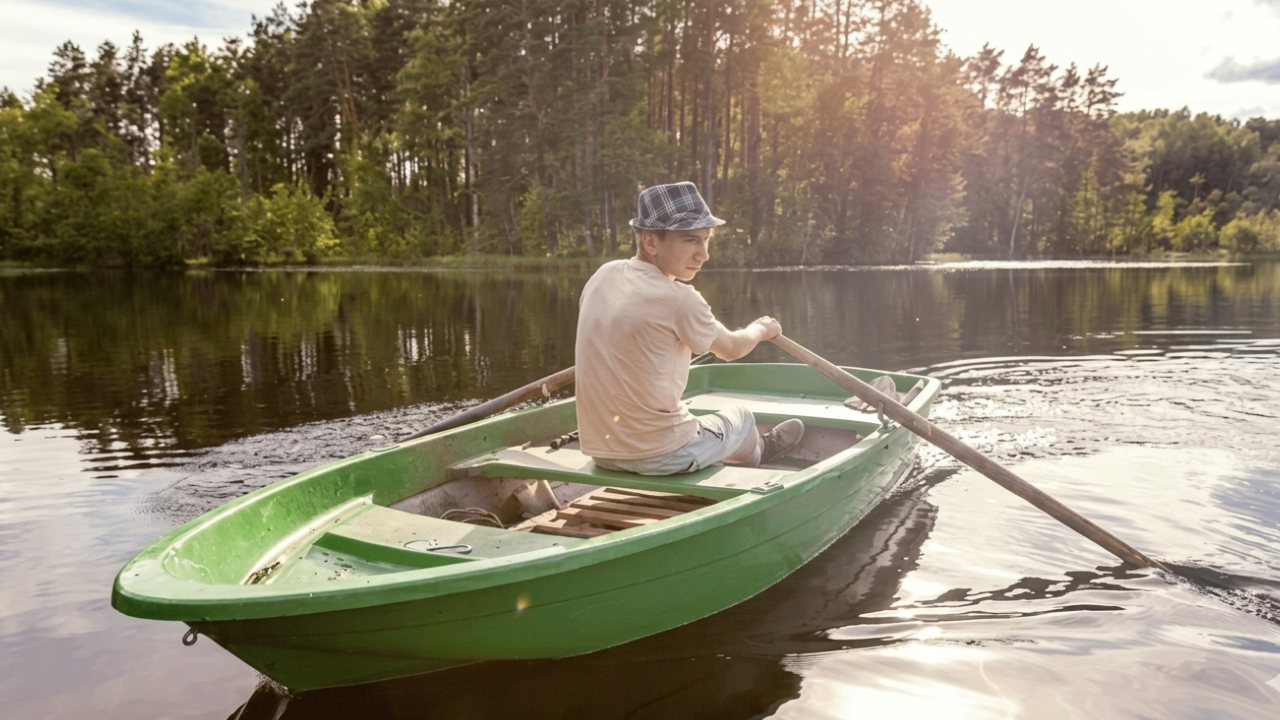
Travel Destination

12 reasons travelers are embracing unplanned moments on modern trips

James Porter
3.7
May 06, 2026

Travel planning used to revolve around famous landmarks, museum tickets, beach resorts, and tightly packed itineraries. Those still matter, but many travelers are now building entire trips around experiences that once felt secondary or accidental. A quiet meal with locals, a small-town festival, a hands-on workshop, a scenic train ride, a wellness reset, or even a trip close to home can become the main reason for going somewhere.

This shift reflects a broader change in how people think about travel. Instead of only asking what they can see, travelers are asking what they can feel, learn, make, taste, or remember. Some want deeper cultural contact. Others want slower days, local routines, or trips that help them return home with a different perspective. Unexpected travel moments are often the ones that stay with people longest, from spontaneous hikes and chance conversations to small local discoveries that never appear on a standard checklist.
1. Traveling for Local Food Experiences
© shutterstock / astudio

1. Traveling for Local Food Experiences

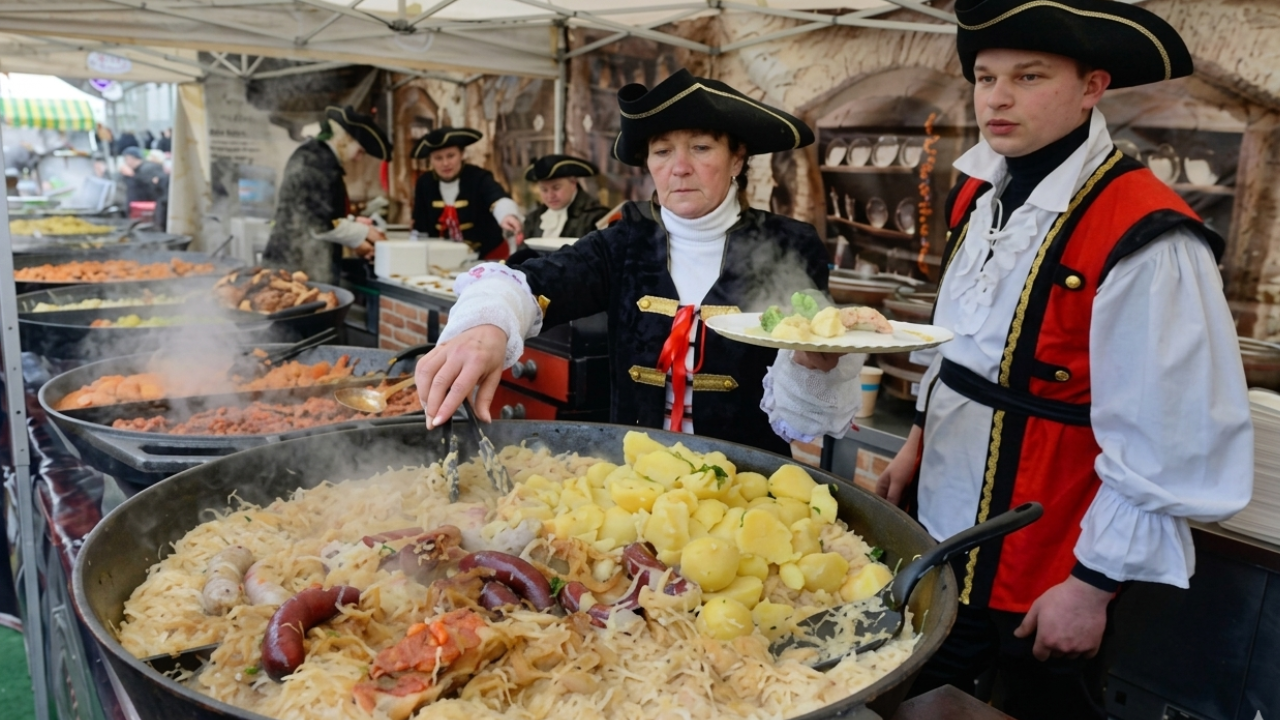
Food has moved far beyond being a pleasant part of a trip. For many travelers, it is now the reason for choosing a destination. Instead of simply booking a restaurant, people are planning trips around market tours, cooking classes, farm visits, family-style meals, street food walks, and regional specialties that cannot be fully understood from a menu.

This kind of travel works because food gives visitors direct access to local life. A cooking class in Mexico, a noodle-making lesson in Japan, a spice market walk in Morocco, or a countryside meal in Italy can reveal history, family traditions, farming habits, and social customs in a way that sightseeing alone rarely does. Travelers are also becoming more interested in the story behind what they eat, including who grows it, how it is prepared, and why certain dishes matter to the community.

These experiences can feel unexpected because they often begin casually. A visitor may book a food tour for convenience, then discover that the best memory of the trip is a conversation with a vendor, a family recipe, or a dish they had never heard of before arriving. For travelers who want a trip that feels personal, food is one of the easiest and most rewarding ways to connect with a place.

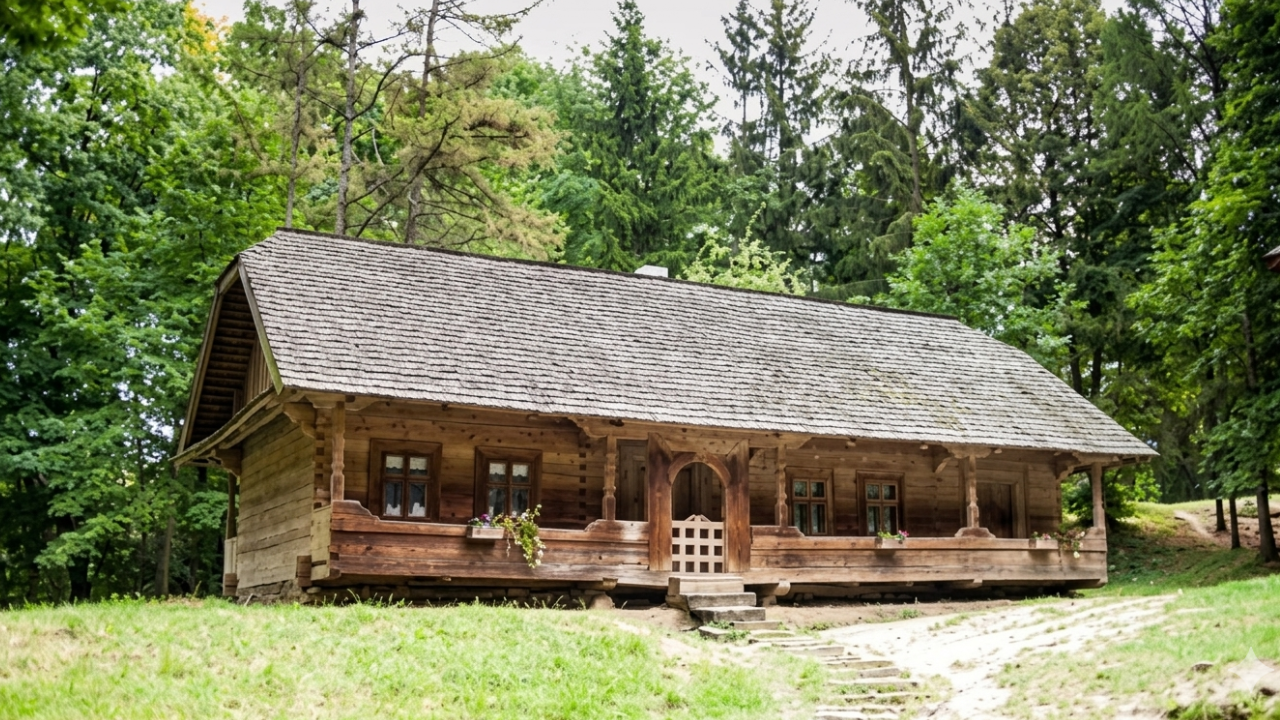
2. Planning Trips Around Small Towns Instead of Big Cities
© Unsplash / YangGuangWu

2. Planning Trips Around Small Towns Instead of Big Cities

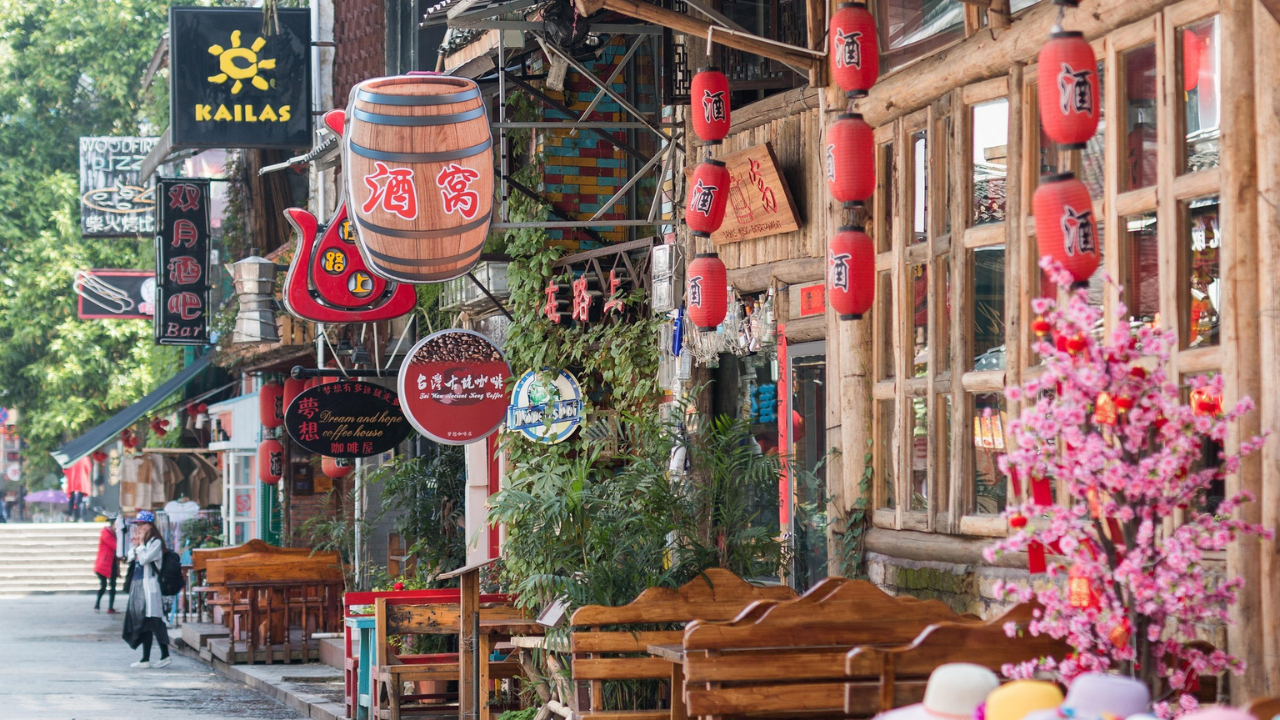
Major cities still attract huge numbers of visitors, but more travelers are now planning entire trips around smaller towns, villages, and lesser-known regions. This is especially common among people who feel tired of crowded capitals, expensive hotels, and rushed sightseeing schedules. A smaller destination can offer a slower rhythm, more manageable streets, and a stronger sense of local character.

The appeal is not only about avoiding crowds. Small towns often make ordinary moments feel more memorable. Walking to a bakery in the morning, talking with a guesthouse owner, watching daily life in a central square, or joining a local event can become the highlight of the trip. These places may not have world-famous landmarks, but they often give travelers more room to notice details.

This is also why close-to-home travel has gained more attention. Many people are discovering that meaningful trips do not always require long flights or complicated itineraries. Local markets, nearby historic towns, regional parks, and weekend train routes can feel fresh when approached with curiosity rather than routine. The unexpected part is realizing that discovery is not always about distance.

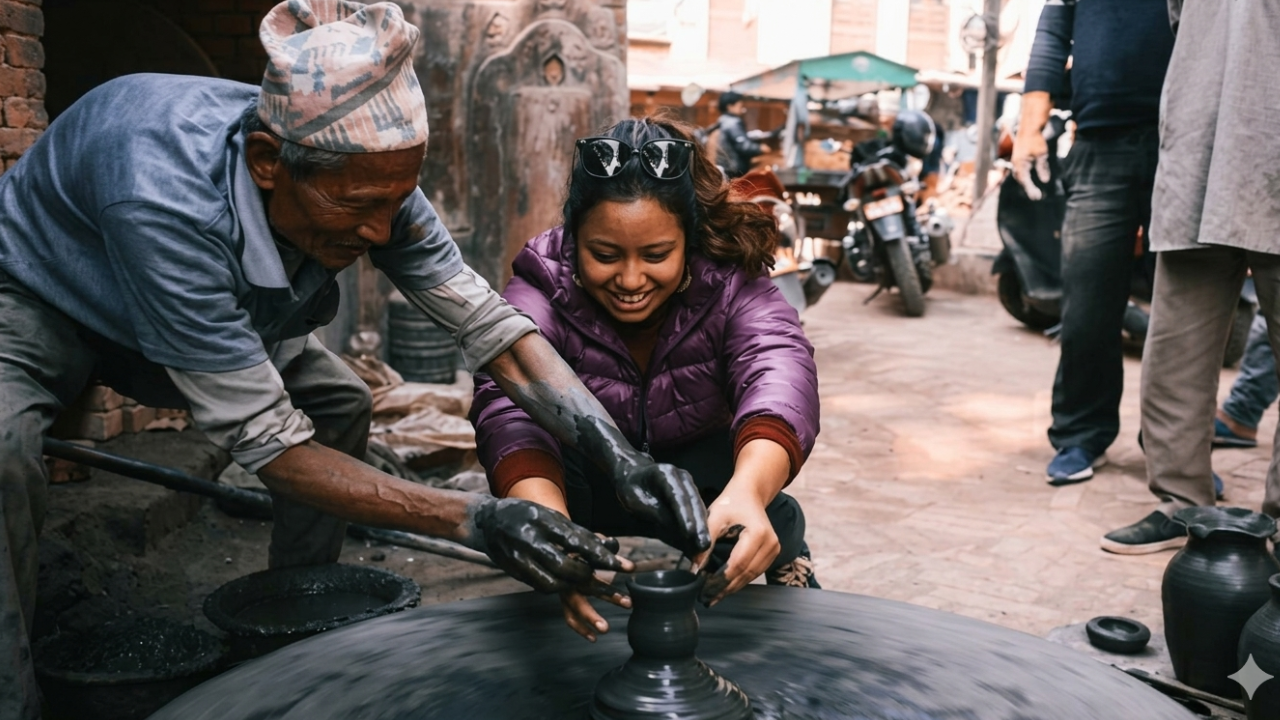
3. Joining Hands-On Cultural Workshops
© shutterstock / udeyismail

3. Joining Hands-On Cultural Workshops

Travelers are increasingly planning trips around learning something directly from local makers. Instead of only visiting galleries, museums, or shops, they want to make ceramics, paint tiles, weave textiles, learn calligraphy, join a dance class, prepare traditional food, or work with local artisans. These experiences give travelers a more active role in the destination.

Hands-on workshops are appealing because they slow the trip down. A traveler may spend two or three hours with one person, one craft, and one tradition instead of moving quickly from one attraction to another. That time creates space for questions, stories, and small details that are easy to miss during regular sightseeing. It also allows visitors to understand how much skill and patience sit behind objects that may otherwise look simple.

These workshops often become the most memorable part of a trip because they produce more than a souvenir. The traveler leaves with a skill, a story, and a stronger connection to the place. Even if the final product is imperfect, the experience feels personal. It is one of the clearest examples of travelers choosing participation over passive observation.

4. Taking Trips Built Around Scenic Train Journeys
© shutterstock / EvaL Miko

4. Taking Trips Built Around Scenic Train Journeys

Train travel has become a main attraction again, especially for travelers who want the journey itself to feel meaningful. In many parts of the world, people are planning trips around scenic routes through mountains, coastlines, forests, deserts, and historic regions. The train is no longer just transportation between two cities. It becomes the experience.

A scenic train journey offers something that flights and highways often cannot: gradual arrival. Travelers watch the landscape change in real time, notice small towns along the way, and experience distance more clearly. Routes through Switzerland, Japan, Scotland, Canada, Sri Lanka, Norway, and the Andes have become popular because they combine comfort with a strong sense of place.

This kind of travel also suits people who want a slower and less stressful itinerary. Instead of rushing through airports, renting cars, or navigating traffic, they can sit, watch, read, eat, and arrive with less effort. For many travelers, the unexpected joy is that the quiet hours between destinations become just as important as the stops themselves.

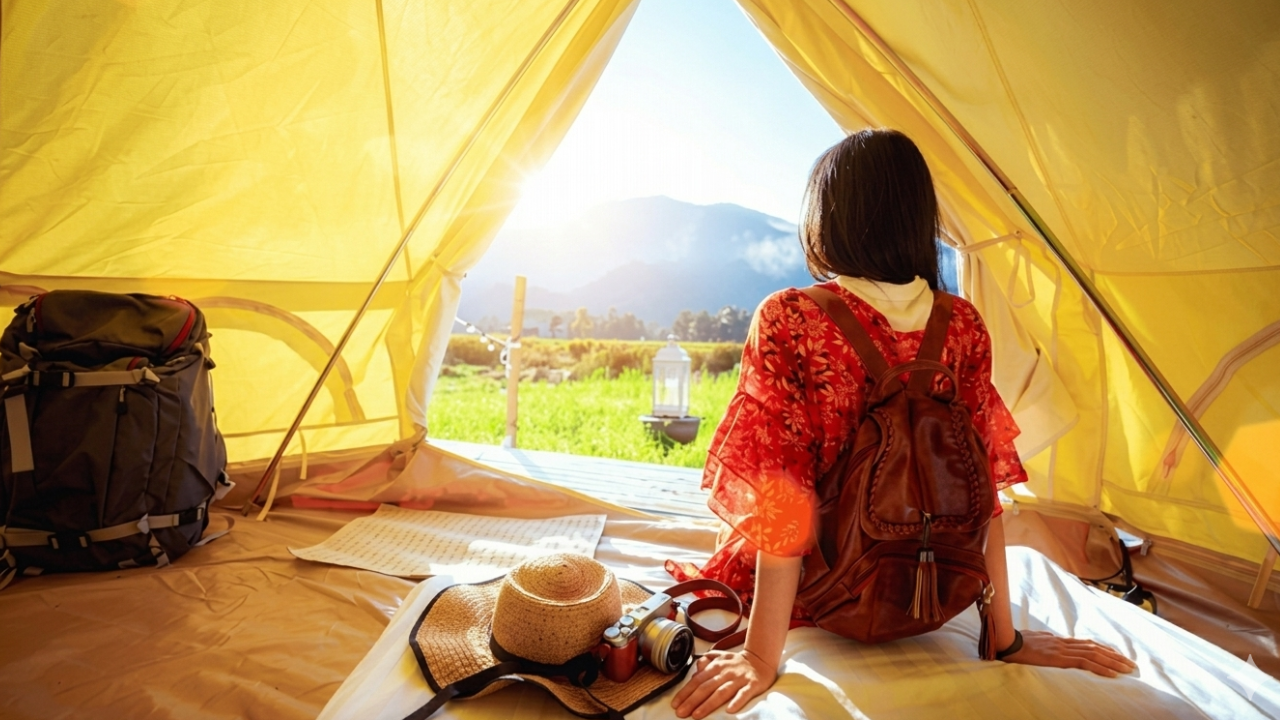
5. Choosing Destinations for Wellness Resets
© shutterstock / TheVisualsYouNeed

5. Choosing Destinations for Wellness Resets

Wellness travel used to mean luxury spas or yoga retreats, but it has become much broader. Travelers now plan trips around sleep, walking, nature, digital breaks, hot springs, meditation, fitness, clean eating, or simply having space to recover from burnout. The destination matters, but the main purpose is how the trip makes them feel.

This trend is not limited to expensive resorts. A wellness-focused trip could mean staying near the ocean, hiking every morning, visiting thermal baths, booking a quiet cabin, joining a retreat, or spending several days somewhere with no packed schedule. Travelers are becoming more aware that rest can be a valid travel goal, not a waste of time.

The unexpected part is that wellness trips often change how people view their normal routines. A slower pace, simpler meals, more movement, and less screen time can make travelers notice how much stress they carry at home. Some recent travel stories have shown how longer journeys can reshape people’s habits, spending choices, and sense of balance after returning home.

6. Planning Around Wildlife Encounters
© shutterstock / trawellkat

6. Planning Around Wildlife Encounters

Wildlife experiences are becoming major trip anchors, especially for travelers who want nature to feel central rather than decorative. People plan entire vacations around seeing whales, elephants, penguins, gorillas, sea turtles, bears, birds, or rare marine life. These trips often require careful timing, responsible guides, permits, and patience.

Unlike many tourist attractions, wildlife cannot be guaranteed. That uncertainty is part of the appeal. A traveler may spend hours waiting for a whale breach, a turtle nesting event, or a glimpse of animals in a national park. When the moment finally happens, it feels earned rather than staged.

Responsible wildlife travel also encourages people to think more carefully about conservation. The best experiences are usually guided by strict rules that protect animals and their habitats. Travelers are increasingly learning to avoid exploitative animal encounters and choose experiences that prioritize distance, respect, and environmental care. The memory becomes stronger because it is not only beautiful, but also rooted in awareness.

7. Building Trips Around Local Festivals
© shutterstock / Castro Cicero

7. Building Trips Around Local Festivals

Festivals have always attracted travelers, but more people are now planning entire trips around smaller cultural events rather than only famous global celebrations. Local food festivals, harvest events, music gatherings, religious processions, seasonal fairs, craft markets, and neighborhood celebrations can show a destination at its most alive.

The appeal is the atmosphere. A city or town during a festival feels different from the same place on an ordinary day. Streets fill with music, decorations, food stalls, families, performers, and traditions that visitors may not see at any other time. These events often reveal how locals celebrate, gather, dress, cook, and express identity.

Festival travel can also be unpredictable. Schedules may change, crowds may be intense, and some traditions may be difficult for outsiders to fully understand. But when approached respectfully, these trips can create powerful memories. Travelers often remember not just the event itself, but the feeling of being temporarily included in something bigger than tourism.

8. Taking Mystery or Surprise Trips
© shutterstock / AlexanderLipko

8. Taking Mystery or Surprise Trips

Some travelers are now choosing trips where they do not know every detail in advance. Mystery itineraries, surprise destinations, blind booking, and flexible group adventures appeal to people who are tired of overplanning. Instead of controlling every meal, hotel, transfer, and viewpoint, they allow part of the journey to unfold along the way.

This style of travel works because modern trip planning can become overwhelming. Online reviews, social media lists, booking platforms, and map apps make it easy to research everything, but they can also remove surprise. A mystery trip brings back the feeling of discovery. The traveler gives up some control in exchange for curiosity.

It is not for everyone. Some people need clear schedules, accessibility information, or strong control over budget and comfort. But for travelers who enjoy uncertainty, surprise-based travel can make even simple experiences feel exciting. The unexpected moment is no longer a lucky accident. It becomes the whole point of the trip.

9. Traveling for Creative Inspiration
© shutterstock / kitzcorner

9. Traveling for Creative Inspiration

Writers, photographers, designers, artists, filmmakers, and hobby creators are increasingly choosing destinations based on creative energy. A trip might be planned around architecture, light, street scenes, landscapes, cafés, music, colors, or a specific artistic tradition. The goal is not only to relax, but to return with ideas.

Creative travel does not always require famous art cities. A quiet coastal town, a desert landscape, a busy market, or a neighborhood full of murals can be just as inspiring. Many travelers use these trips to step away from routine and see patterns, textures, and stories differently. Photography walks, sketching trips, writing retreats, and craft-focused itineraries are all part of this shift.

The unexpected value is that creativity often comes from small observations. A doorway, a conversation, a local rhythm, or a changing sky can become more meaningful than a major attraction. For travelers who feel mentally stuck, creative travel offers a way to reset attention and return home with more than photos.

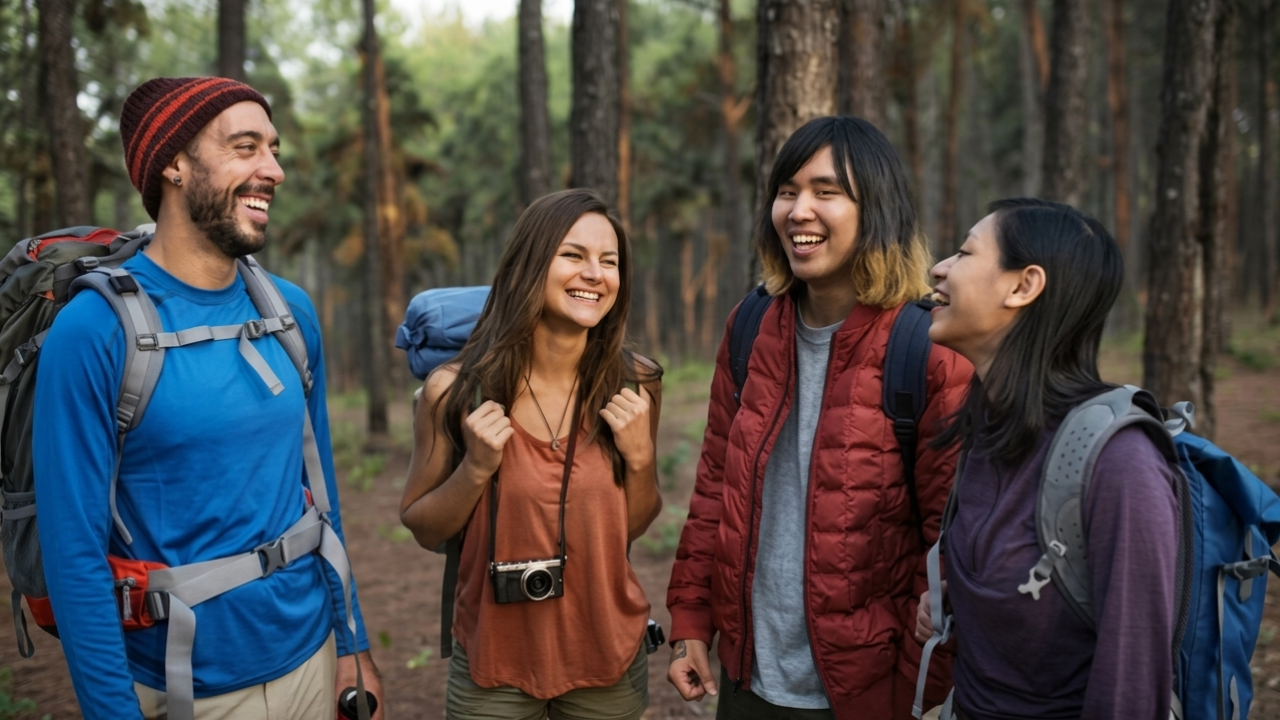
10. Choosing Group Travel for Connection
© shutterstock / Rawpixelcom

10. Choosing Group Travel for Connection

Group travel used to have a reputation for being rigid or impersonal, but many travelers now choose it specifically for connection. Small-group trips, women-only tours, solo traveler groups, interest-based tours, and community-focused itineraries are attracting people who want shared experiences without having to organize everything themselves.

The unexpected appeal is that strangers can quickly become part of the travel memory. Shared meals, long drives, hiking challenges, local workshops, and unfamiliar situations often create conversations that would not happen in daily life. For solo travelers especially, group trips can offer independence and companionship at the same time.

Modern group travel is also changing. Many itineraries now include free time, local guides, smaller accommodations, and more flexible experiences. This makes the trip feel less like being moved from stop to stop and more like joining a temporary travel community. For many people, the destination matters, but the people they meet become the real reason they remember the journey.

11. Planning Trips Around Personal Challenges
© Shutterstock

11. Planning Trips Around Personal Challenges

Travelers are increasingly building trips around a challenge they want to complete. This could be a long-distance hiking trail, a cycling route, a pilgrimage, a surf camp, a language immersion stay, a diving certification, a mountain climb, or a solo trip after a major life change. The destination becomes the setting for growth.

These trips are appealing because they give travel a clear emotional purpose. Instead of simply visiting a place, the traveler is testing patience, confidence, endurance, courage, or adaptability. The challenge does not need to be extreme. For one person, it may be hiking for a week. For another, it may be eating alone in a foreign city, taking public transport in a new language, or navigating a first solo journey.

The unexpected experience often comes from discovering personal strength. Travel has a way of placing people in situations where they must solve problems, ask for help, adjust plans, and keep moving. These moments can feel uncomfortable at the time, but they often become the stories travelers value most after the trip ends.

12. Rediscovering Places Close to Home
© shutterstock / Julia Zavalishina

12. Rediscovering Places Close to Home

One of the most surprising travel shifts is the renewed interest in nearby destinations. Travelers who once saw domestic or local trips as less exciting are beginning to plan weekends, short breaks, and slow regional journeys with more intention. Instead of treating close-to-home travel as a backup plan, they are making it the focus.

This kind of travel can include a nearby small town, a scenic drive, a local food trail, a historic neighborhood, a national park, a craft workshop, or a staycation designed around rest. The key is approaching familiar surroundings with the mindset of a visitor. People often realize they have ignored interesting places simply because they were too close.

Close-to-home travel also offers practical advantages. It can be cheaper, easier to arrange, less stressful, and more sustainable than long-haul travel. But its real value is emotional. It reminds travelers that curiosity is a habit, not a location. Sometimes the unexpected experience people plan a whole trip around is not far away at all.


Comments (0)

Leave a Reply

No comments yet. Be the first to share your thoughts!