Travel Destination

12 peaceful travel destinations that appeal more to relaxed explorers

James Porter
3.6
April 28, 2026

Not every great trip needs nightlife, beach clubs, crowded bars, or a packed social calendar. Many travelers are now choosing destinations where the main appeal is calm scenery, slow mornings, cultural depth, wellness, nature, and the chance to enjoy a place without feeling rushed. Quiet travel does not always mean complete silence. It usually means fewer loud crowds, more room to breathe, and experiences that reward patience instead of constant movement.

Recent travel writing has also highlighted a growing interest in restorative silence, slow travel, wellness retreats, peaceful islands, remote nature stays, and destinations where visitors can disconnect from noise and overstimulation. Condé Nast Traveler described quiet as the fading of human-made noise rather than the total absence of sound, while Vogue noted that travelers are increasingly seeking places designed around stillness, nature, and digital disconnection.

The destinations below are better suited to travelers who prefer quiet villages, scenic walks, calm beaches, nature lodges, temples, mountains, gardens, and relaxed local routines over party districts and late-night crowds.
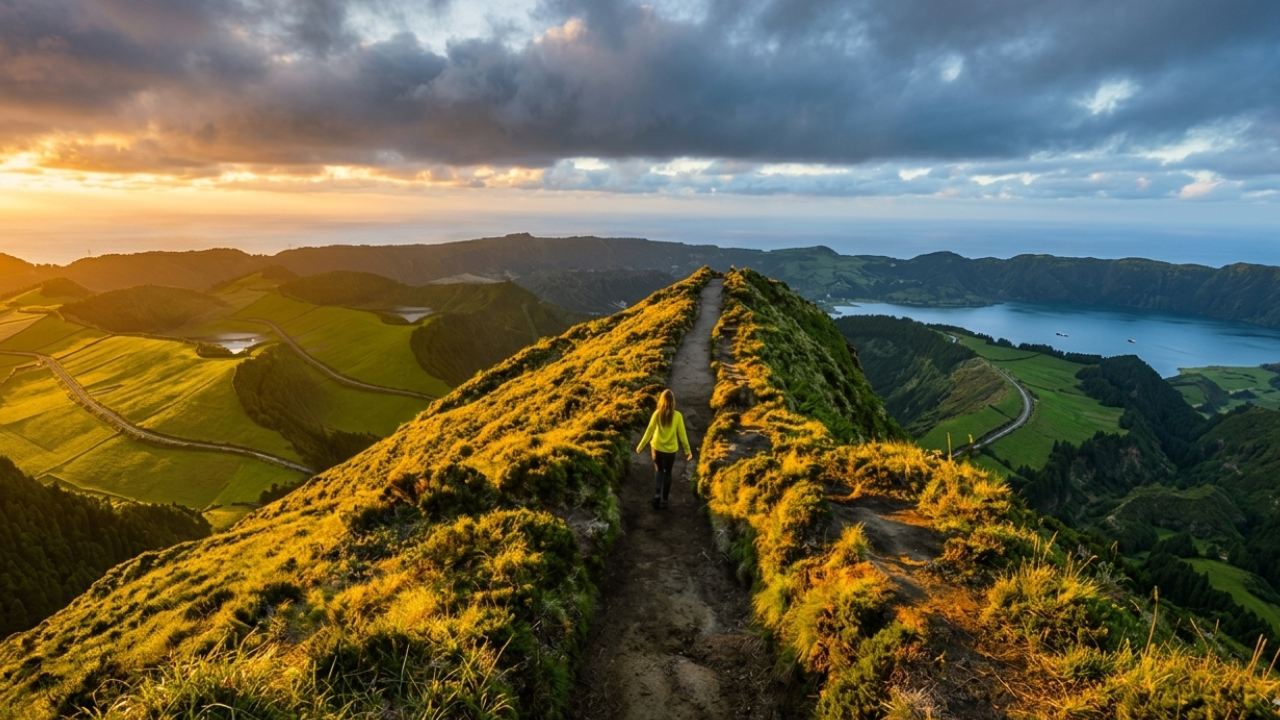
1. The Azores, Portugal
© shutterstock / Marek Pelikan

1. The Azores, Portugal

The Azores are ideal for travelers who want nature, space, and quiet landscapes rather than crowded nightlife. This Portuguese island group sits in the Atlantic and feels far removed from Europe’s busiest resort areas. São Miguel, Pico, Terceira, and the smaller islands offer volcanic lakes, hot springs, whale watching, coastal walks, tea plantations, and green countryside. The pace is slow, and most activities happen during the day, making it a strong choice for hikers, photographers, couples, and solo travelers who want calm surroundings.

Unlike party islands that revolve around beach clubs, the Azores are more about misty viewpoints, quiet roads, small harbors, and nature-based experiences. Travelers can spend the morning walking around Sete Cidades, soak in thermal pools in Furnas, visit vineyards on Pico, or take a boat trip to look for whales and dolphins. Even in busier seasons, the atmosphere remains more outdoorsy than loud. It is a place where early mornings matter more than late nights.

Best For: Hiking, whale watching, hot springs, and slow island travel.

Best Season to Visit: May to October.

Quiet Travel Tip: Rent a car to reach viewpoints before tour groups arrive.

Must-Know: Weather changes quickly, so pack layers even in summer.

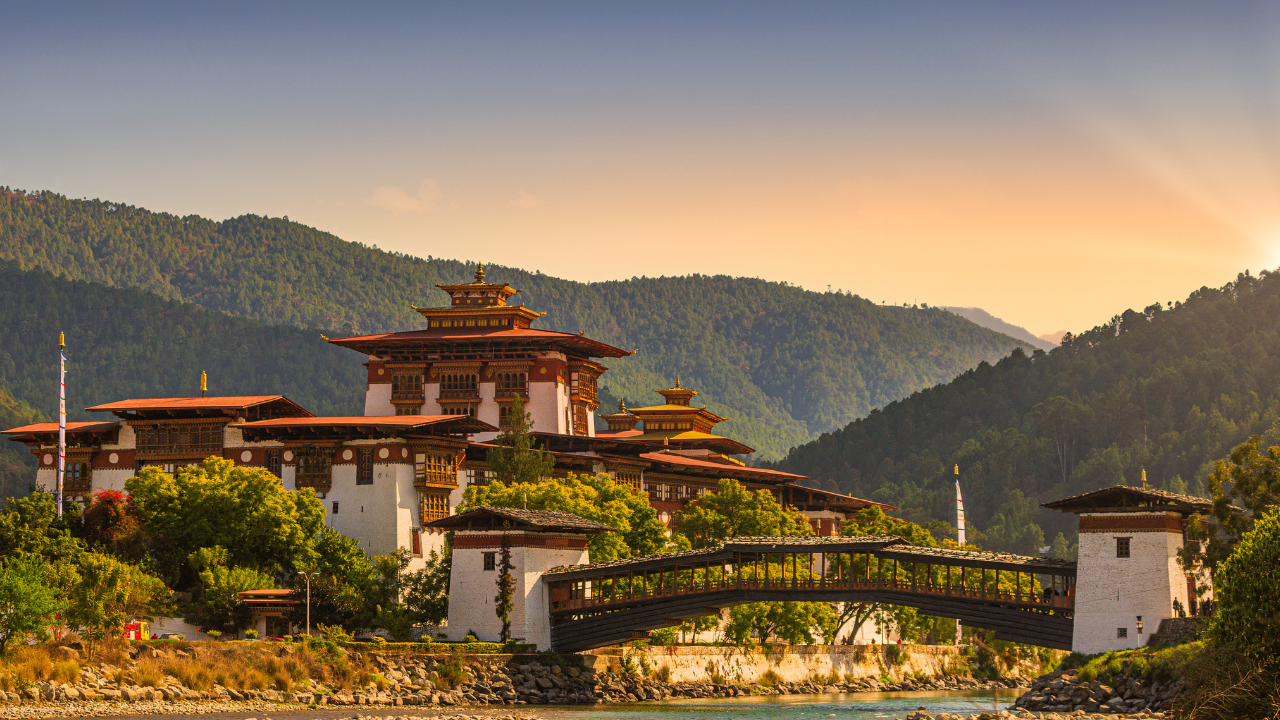
2. Bhutan
© shutterstock / Framalicious

2. Bhutan

Bhutan is one of the clearest examples of a destination built around low-impact travel rather than mass tourism. The country is known for monasteries, mountain valleys, prayer flags, forested trails, and a travel model that intentionally limits visitor volume. For quiet travelers, that makes Bhutan especially appealing. The experience is less about nightlife and more about cultural respect, scenic drives, guided hikes, and time spent in peaceful surroundings.

Paro, Thimphu, Punakha, and Bumthang offer a mix of temples, dzongs, rice fields, suspension bridges, and Himalayan views. The famous Tiger’s Nest Monastery hike is popular, but the setting still feels spiritual and focused rather than party-oriented. Bhutan works best for travelers who enjoy structure, local guides, and meaningful cultural context. It is not the cheapest destination, but the controlled approach helps preserve the calm atmosphere that makes it special.

Best For: Monasteries, mountain scenery, cultural travel, and guided nature walks.

Best Season to Visit: March to May or September to November.

Quiet Travel Tip: Add Bumthang for a slower, less crowded cultural experience.

Must-Know: Bhutan charges a Sustainable Development Fee for international visitors.

3. Lake Bled and Bohinj, Slovenia
© shutterstock / Roman Babakin

3. Lake Bled and Bohinj, Slovenia

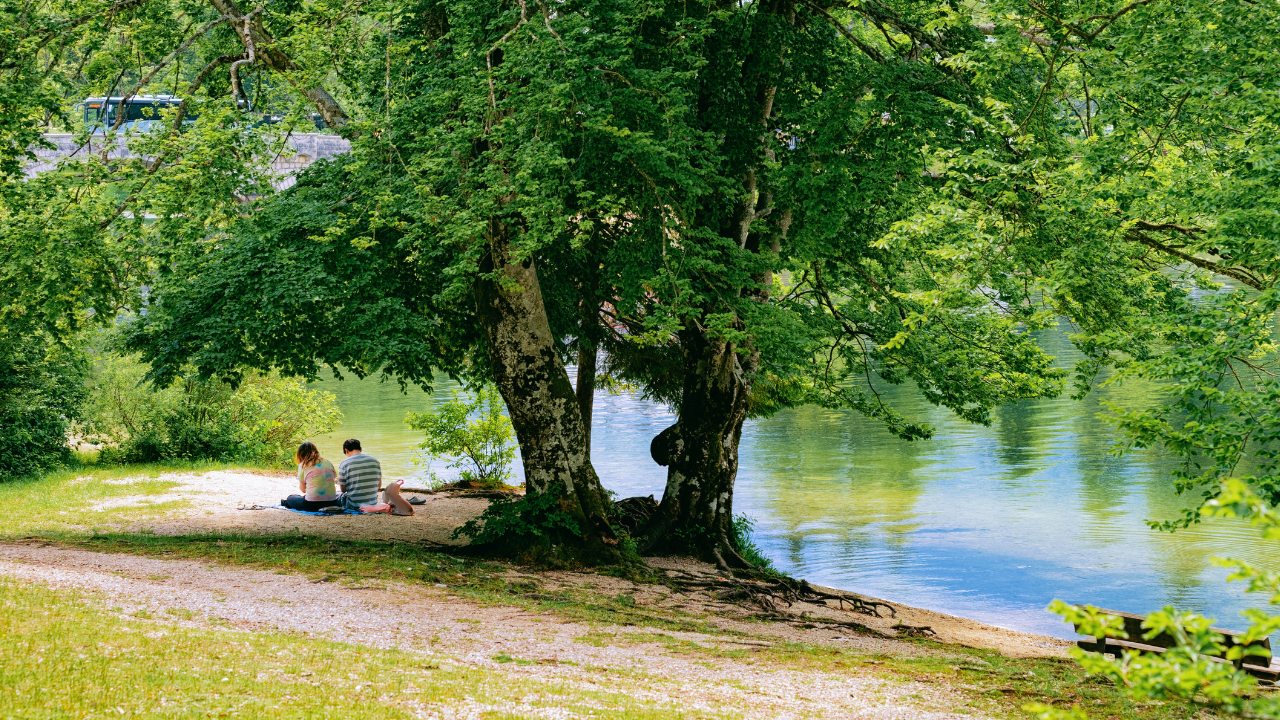
Slovenia is often quieter than its better-known Alpine neighbors, and the Lake Bled and Lake Bohinj area is especially good for travelers who want natural beauty without a party-heavy atmosphere. Lake Bled is famous for its island church, cliffside castle, and mountain backdrop, while nearby Lake Bohinj feels more spacious and peaceful. Together, they offer a relaxed alternative to busier European lake destinations.

Quiet travelers can walk around the lake, paddle in calm water, visit viewpoints, ride cable cars, explore Triglav National Park, or stay in small guesthouses. Bled can get busy during peak summer afternoons, but it is still easy to find calmer moments early in the morning or by shifting time toward Bohinj. The region is best for people who enjoy fresh air, simple food, hiking trails, and scenic villages rather than nightlife. It also works well for families and couples who prefer active days and quiet evenings.

Best For: Lakeside walks, hiking, rowing, mountain views, and relaxed guesthouses.

Best Season to Visit: May to June or September.

Quiet Travel Tip: Stay near Bohinj if you want fewer crowds than Bled.

Must-Know: Summer weekends are busier, so book stays early.

4. Luang Prabang, Laos
© shutterstock / f11photo

4. Luang Prabang, Laos

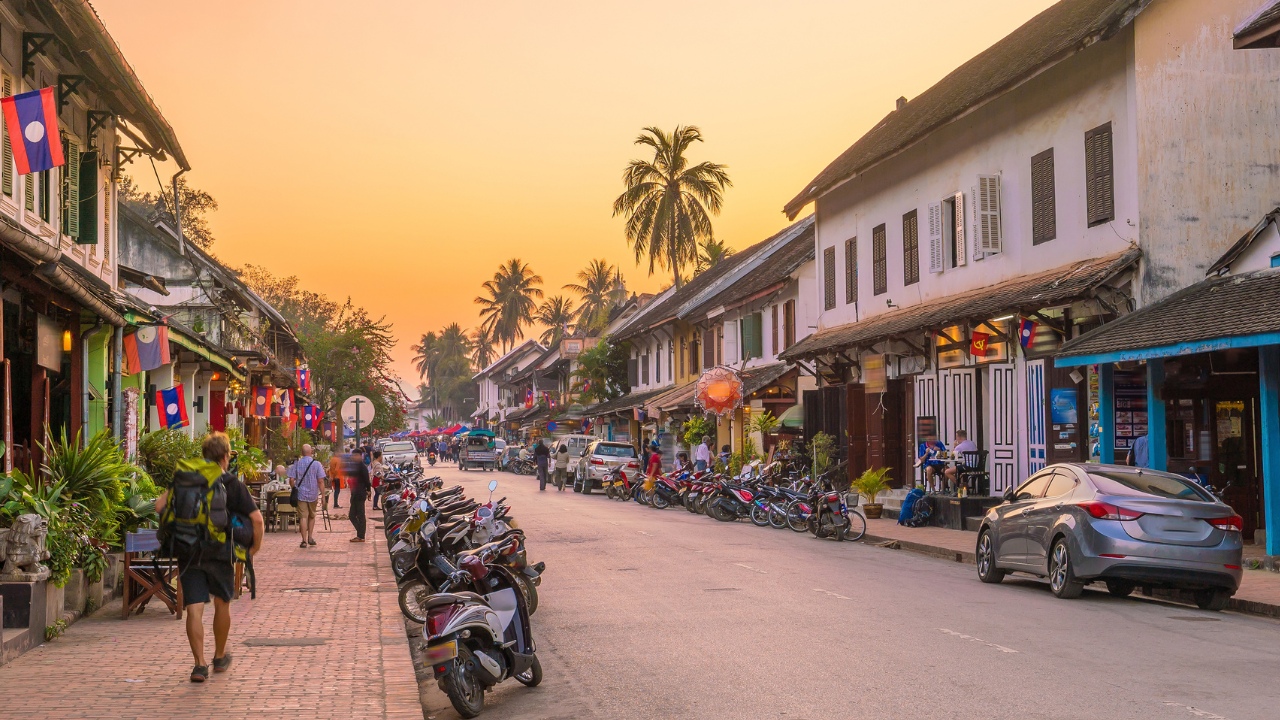
Luang Prabang is a gentle destination for travelers who want culture, temples, rivers, and slow days instead of loud nightlife. Set between the Mekong and Nam Khan rivers, the town is known for Buddhist temples, colonial-era architecture, morning alms-giving, night markets, waterfalls, and a calm rhythm that encourages visitors to slow down. While it has restaurants and cafés, it does not feel like a party city.

The best experiences here are simple: watching sunrise over the river, visiting Wat Xieng Thong, taking a boat ride, exploring Kuang Si Falls, or walking through quiet lanes in the early morning. Luang Prabang suits travelers who appreciate respectful cultural experiences, soft adventure, and atmospheric streets. It is also a good option for people who want Southeast Asia without the constant intensity of larger cities or party islands.

Best For: Temples, river views, waterfalls, cafés, and slow cultural travel.

Best Season to Visit: November to February.

Quiet Travel Tip: Wake early for peaceful streets before day tours begin.

Must-Know: Dress modestly when visiting temples and religious sites.

5. Gozo, Malta
© shutterstock / Nyuskin

5. Gozo, Malta

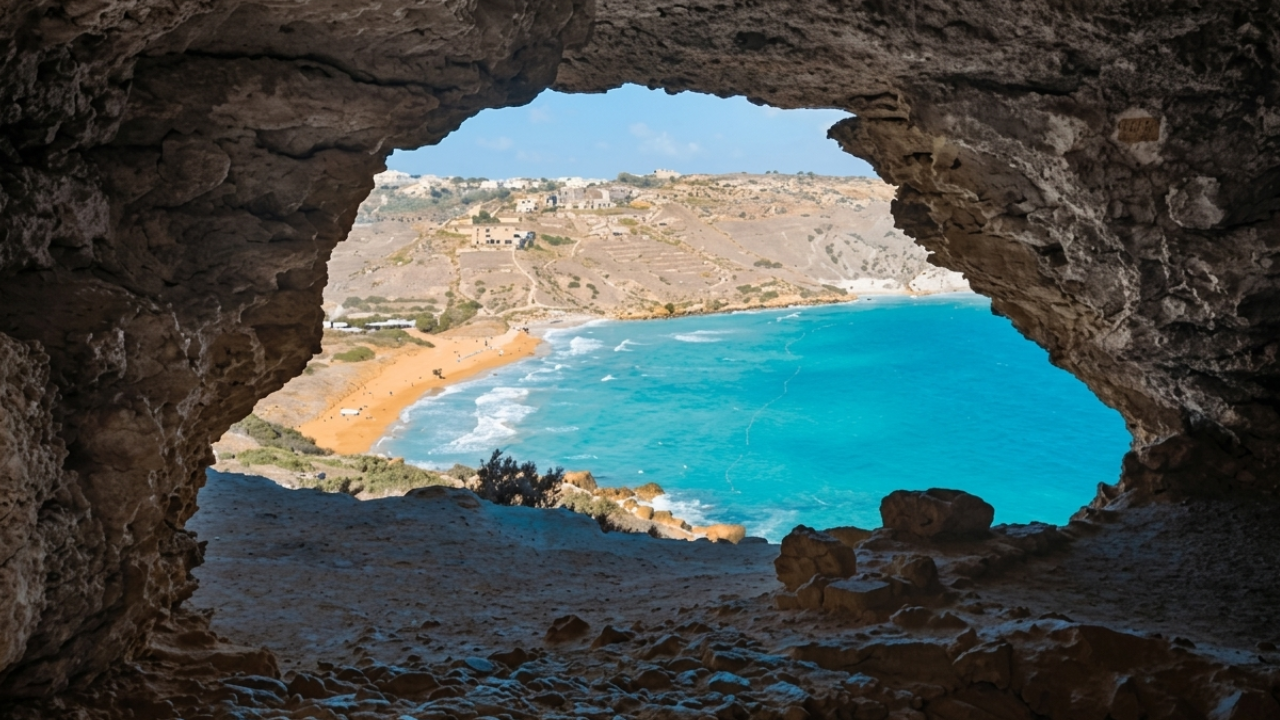
Gozo is a quieter alternative to Malta’s busier main island and is better suited to travelers who prefer village life, coastal walks, historic sites, and relaxed swimming spots. The island has limestone cliffs, small beaches, churches, salt pans, farm landscapes, and traditional towns that feel slower than the nightlife areas around St. Julian’s and Sliema. Kempinski’s quiet holiday destination guide includes Gozo among relaxing destinations, emphasizing its calm Mediterranean setting and spa-focused appeal.

For quiet travelers, Gozo works well because distances are short and the island is easy to explore without rushing. Victoria’s Citadel, Xlendi Bay, Ramla Bay, Wied il-Għasri, and the coastal salt pans offer scenic days without needing a party scene. The evenings are usually low-key, centered on local restaurants, sunset viewpoints, and peaceful stays. It is especially good for travelers who like history, sea views, and a slower Mediterranean pace.

Best For: Coastal walks, village stays, swimming coves, and historic sites.

Best Season to Visit: April to June or September to October.

Quiet Travel Tip: Stay outside Victoria for a more rural feel.

Must-Know: Ferries connect Gozo with Malta, so plan transfer time.

6. Hokkaido, Japan
© shutterstock / Sean Pavone

6. Hokkaido, Japan

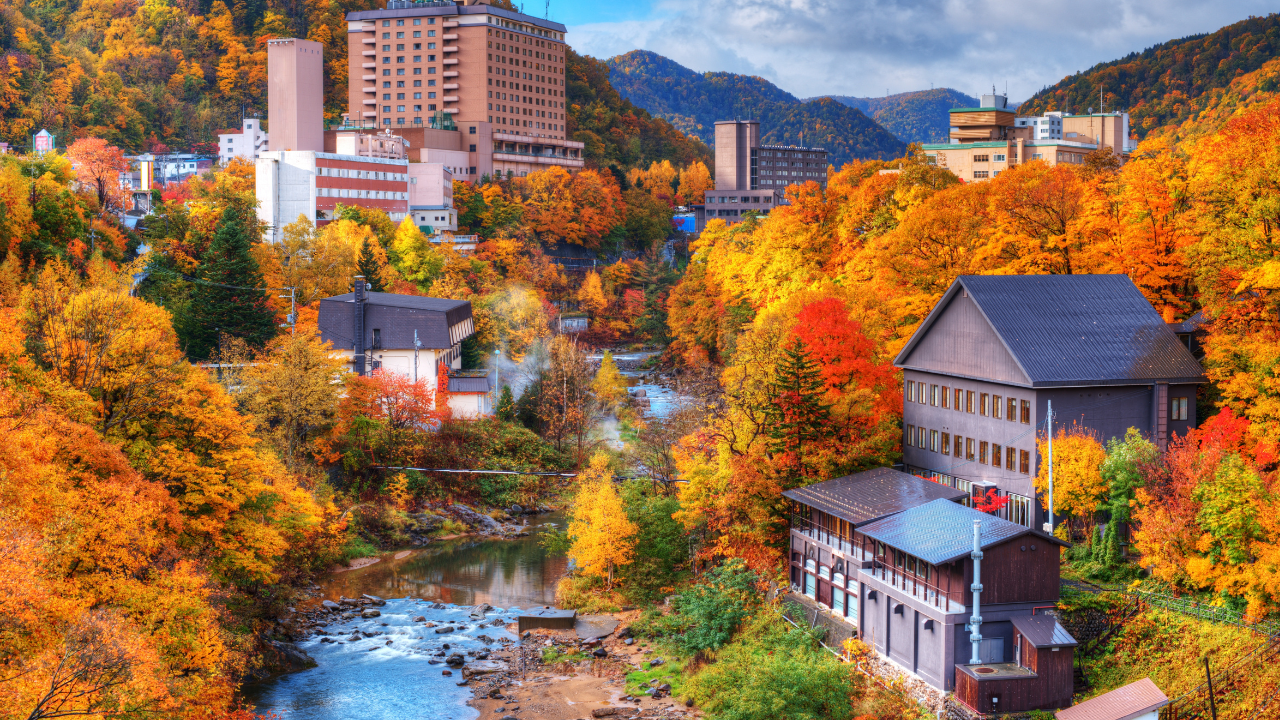
Hokkaido offers a calmer side of Japan for travelers who want open landscapes, hot springs, forests, flowers, snow, and food without the dense pace of Tokyo or Osaka. The island is known for national parks, ski towns, lavender fields, volcanic lakes, wildlife, seafood, and onsen retreats. Vogue highlighted Zaborin in Hokkaido as a quiet escape where private hot spring baths and forest-facing villas shape the experience around calm rather than crowds.

Quiet travelers can visit places like Furano, Biei, Lake Toya, Noboribetsu, Shiretoko, and Niseko outside the busiest ski periods. The region rewards scenic drives, long walks, hot spring stays, and seasonal travel. In summer, flower fields and cooler weather make it pleasant for slow exploration. In winter, snow-covered landscapes create a peaceful atmosphere, especially away from the most popular resorts. Hokkaido is best for travelers who want Japan’s hospitality and food culture with more space and nature.

Best For: Onsen stays, scenic drives, snow landscapes, flower fields, and seafood.

Best Season to Visit: June to September or December to February.

Quiet Travel Tip: Choose ryokan stays with private baths for a calmer experience.

Must-Know: Public transport is useful, but rural areas are easier by car.

7. Faroe Islands
© shutterstock / Kotenko Oleksandr

7. Faroe Islands

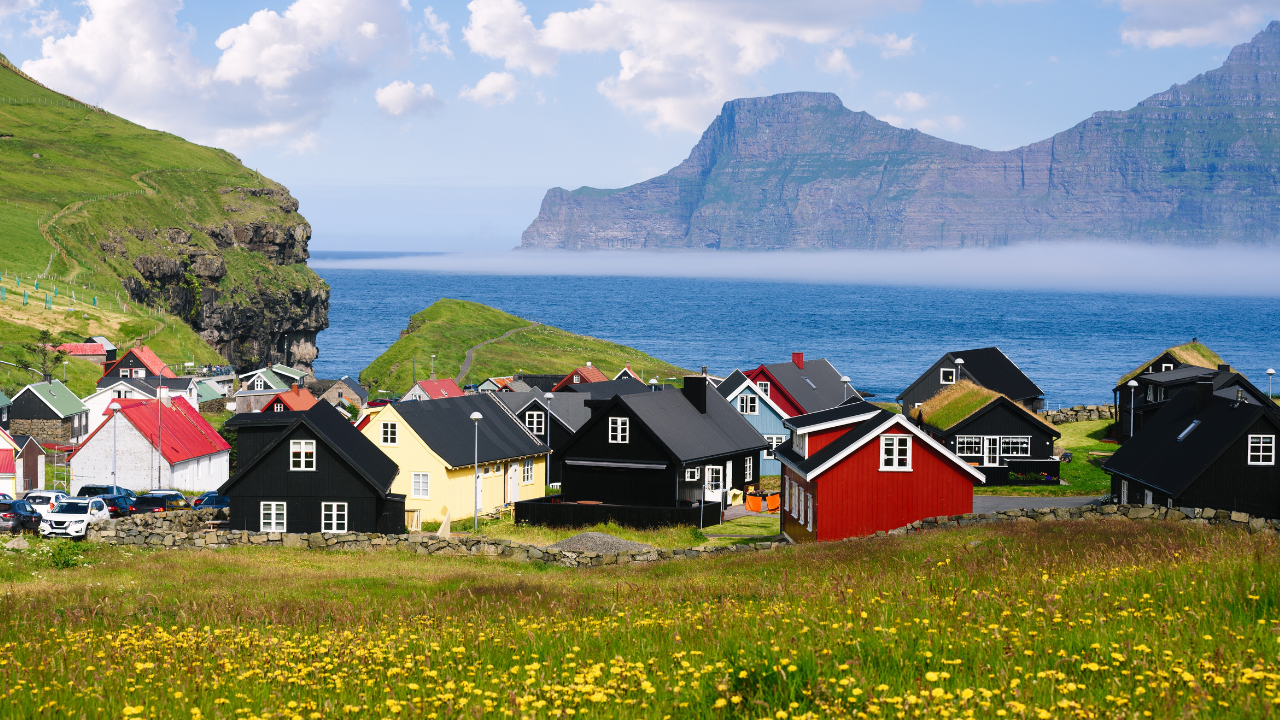
The Faroe Islands are a strong fit for travelers who want dramatic scenery, quiet villages, sea cliffs, sheep-dotted hills, and weather-shaped landscapes. This North Atlantic destination is not designed for party tourism. Its appeal is found in hiking trails, turf-roof houses, ferry rides, bird cliffs, waterfalls, and small communities where nature dominates the travel experience.

Quiet travelers will appreciate places like Gjógv, Saksun, Tjørnuvík, Kalsoy, Mykines, and Vágar. The weather can be unpredictable, but that is part of the destination’s character. The Faroe Islands are best for travelers who are comfortable with slower logistics, early nights, and outdoor plans that depend on conditions. There are restaurants and cultural events, but the overall tone is calm and nature-focused rather than social and loud.

Best For: Hiking, photography, birdwatching, villages, and coastal scenery.

Best Season to Visit: May to September.

Quiet Travel Tip: Build flexible days into your itinerary because weather affects plans.

Must-Know: Some hiking areas require fees or local access rules.

8. Ubud, Bali, Indonesia
© shutterstock / kitzcorner

8. Ubud, Bali, Indonesia

Bali has a strong party reputation in areas like Canggu, Seminyak, and parts of Kuta, but Ubud is much better suited to quiet travelers. Set inland among rice terraces, temples, art studios, yoga centers, and jungle resorts, Ubud offers a calmer version of Bali focused on wellness, culture, and nature. Quiet travel guides often highlight Ubud for yoga, meditation, rice fields, and holistic stays rather than nightlife.

The experience in Ubud is not completely crowd-free, especially around the Monkey Forest and central market, but it is easy to shape a peaceful trip. Stay outside the center, visit temples early, book a wellness retreat, take a cooking class, or walk through rice fields in the morning. Ubud is especially good for travelers who want comfort, calm cafés, spa treatments, creative workshops, and soft adventure without being too isolated.

Best For: Wellness retreats, rice terraces, temples, yoga, and creative workshops.

Best Season to Visit: April to October.

Quiet Travel Tip: Stay in Penestanan, Sayan, or nearby villages for more calm.

Must-Know: Central Ubud traffic can be busy, so choose accommodation carefully.

9. Lofoten Islands, Norway
© shutterstock / Pawel Kazmierczak

9. Lofoten Islands, Norway

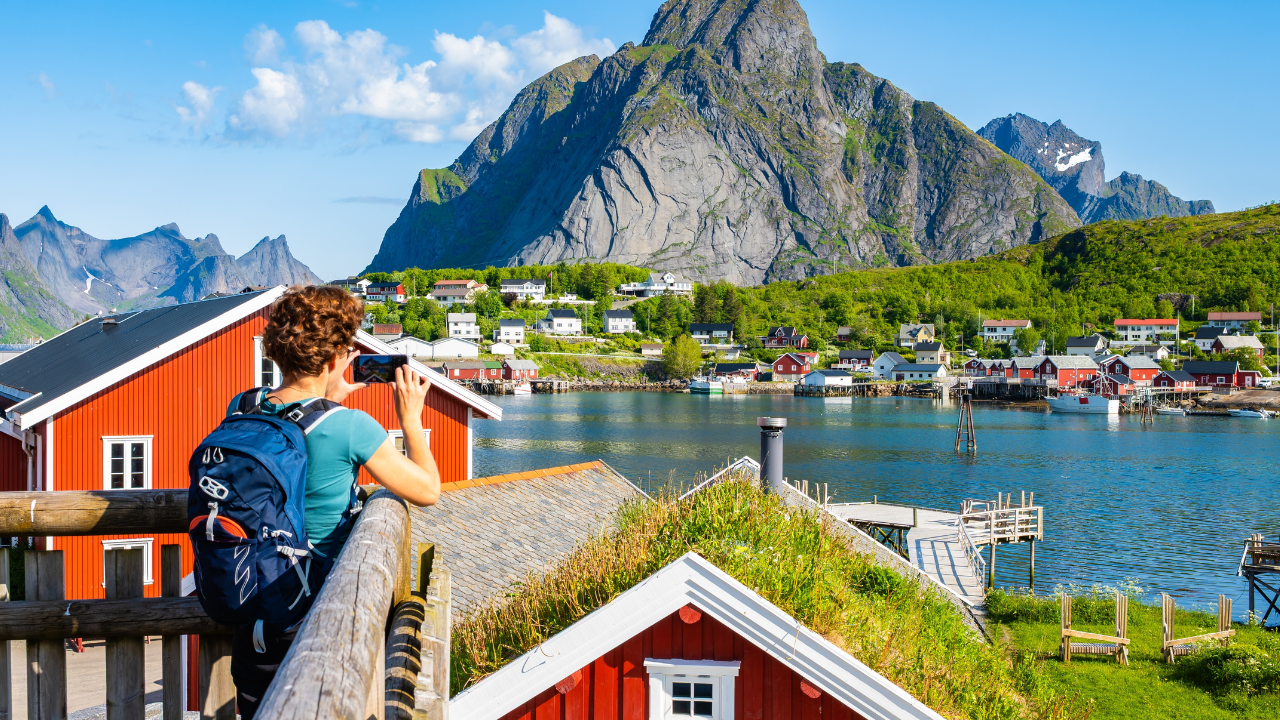
The Lofoten Islands are ideal for quiet travelers who want mountains, fishing villages, Arctic beaches, scenic roads, and long days outdoors. The destination has become more popular with photographers and road-trippers, but it still suits travelers who prefer cabins, hikes, coastal views, and peaceful evenings over nightlife. Vogue’s quiet travel coverage also pointed to Norway’s remote nature stays as examples of travel built around stillness and natural sound rather than artificial noise.

Lofoten is especially rewarding for travelers who enjoy self-guided exploration. Reine, Henningsvær, Nusfjord, Hamnøy, and Uttakleiv Beach offer postcard scenery, but the best moments often come from quiet drives, short hikes, and watching weather shift over the water. Summer brings midnight sun and easier road conditions, while winter offers snow, northern lights, and a more dramatic atmosphere. It is not a party destination, and that is exactly why quiet travelers love it.

Best For: Cabins, hiking, road trips, fishing villages, and northern lights.

Best Season to Visit: June to September or February to March.

Quiet Travel Tip: Stay several nights instead of rushing through on a quick drive.

Must-Know: Weather changes fast, and rental cars should be booked early.

10. Seychelles
© 10 shutterstock / fokke baarssen

10. Seychelles

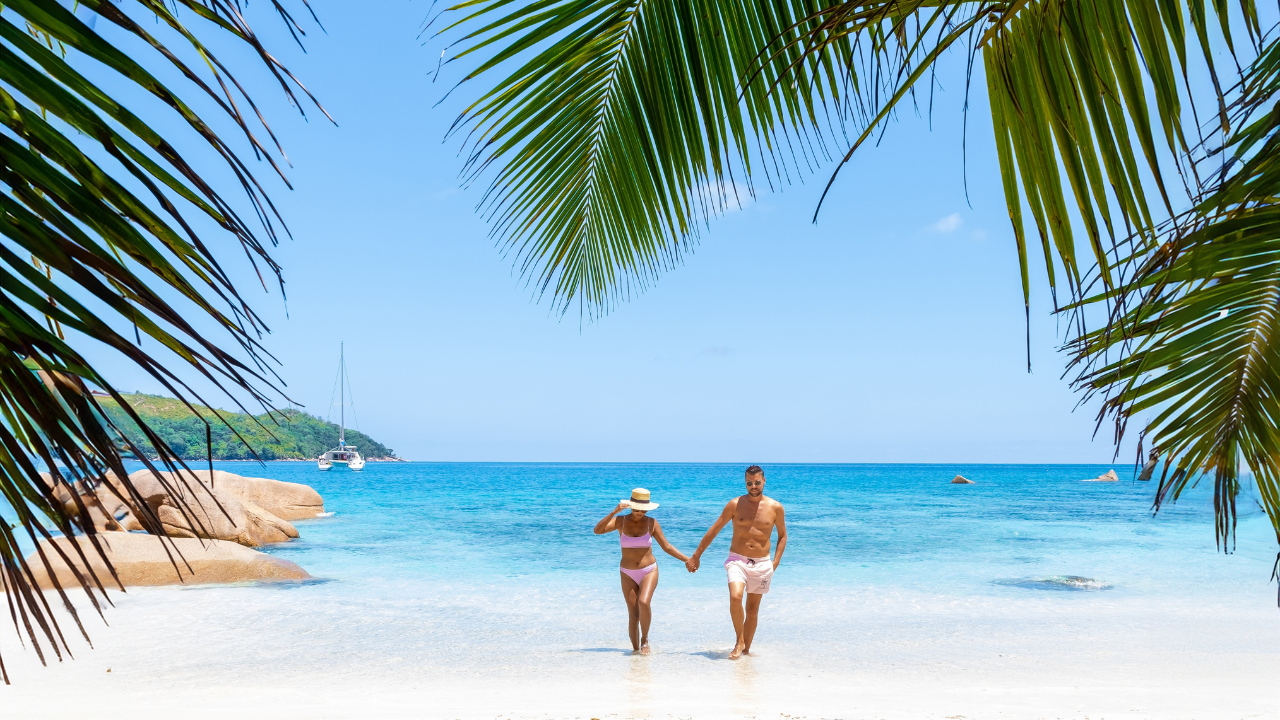
Seychelles is a peaceful island destination for travelers who want beaches, nature reserves, clear water, and quiet luxury rather than beach clubs and loud resort strips. Kempinski’s relaxing destinations guide highlights Mahé in Seychelles as a place centered on serenity and easy relaxation. The country’s appeal comes from granite boulders, coral reefs, white sand beaches, forested interiors, and a slower island pace.

Mahé, Praslin, and La Digue each offer a different rhythm. Mahé has more services and mountain roads, Praslin is known for Vallée de Mai and Anse Lazio, and La Digue is famous for cycling, beaches, and a slower village feel. Seychelles works well for couples, nature lovers, honeymooners, and travelers who want quiet beaches without the heavy nightlife found in some island destinations. It is more expensive than many tropical options, but the setting is calm and scenic.

Best For: Beaches, snorkeling, island cycling, nature reserves, and quiet resorts.

Best Season to Visit: April to May or October to November.

Quiet Travel Tip: Spend time on La Digue for a slower island rhythm.

Must-Know: Book inter-island ferries or flights ahead in busy periods.

11. Sapa and Ha Giang, Vietnam
© shutterstock / MinhHue

11. Sapa and Ha Giang, Vietnam

Vietnam is often associated with energetic cities and busy street life, but the northern mountain regions of Sapa and Ha Giang are better suited to travelers who want scenery, walking, and cultural encounters at a slower pace. These areas offer terraced rice fields, high passes, ethnic minority villages, markets, homestays, and some of the country’s most dramatic landscapes. The experience is not about partying. It is about waking early, watching clouds move over mountains, and spending time outdoors.

Sapa is more developed and easier to access, while Ha Giang feels more adventurous and remote. Quiet travelers can choose trekking routes, village stays, local guides, and scenic loops by car or motorbike. Ha Giang has become more popular, so choosing responsible operators and quieter routes matters. The region is best for travelers who value landscapes and local culture over polished resort comfort.

Best For: Mountain scenery, trekking, homestays, rice terraces, and cultural travel.

Best Season to Visit: March to May or September to November.

Quiet Travel Tip: Hire a local guide for quieter trails and better village context.

Must-Know: Roads in Ha Giang can be challenging, especially in wet weather.

12. Newfoundland, Canada
© shutterstock / Robert Harding Video

12. Newfoundland, Canada

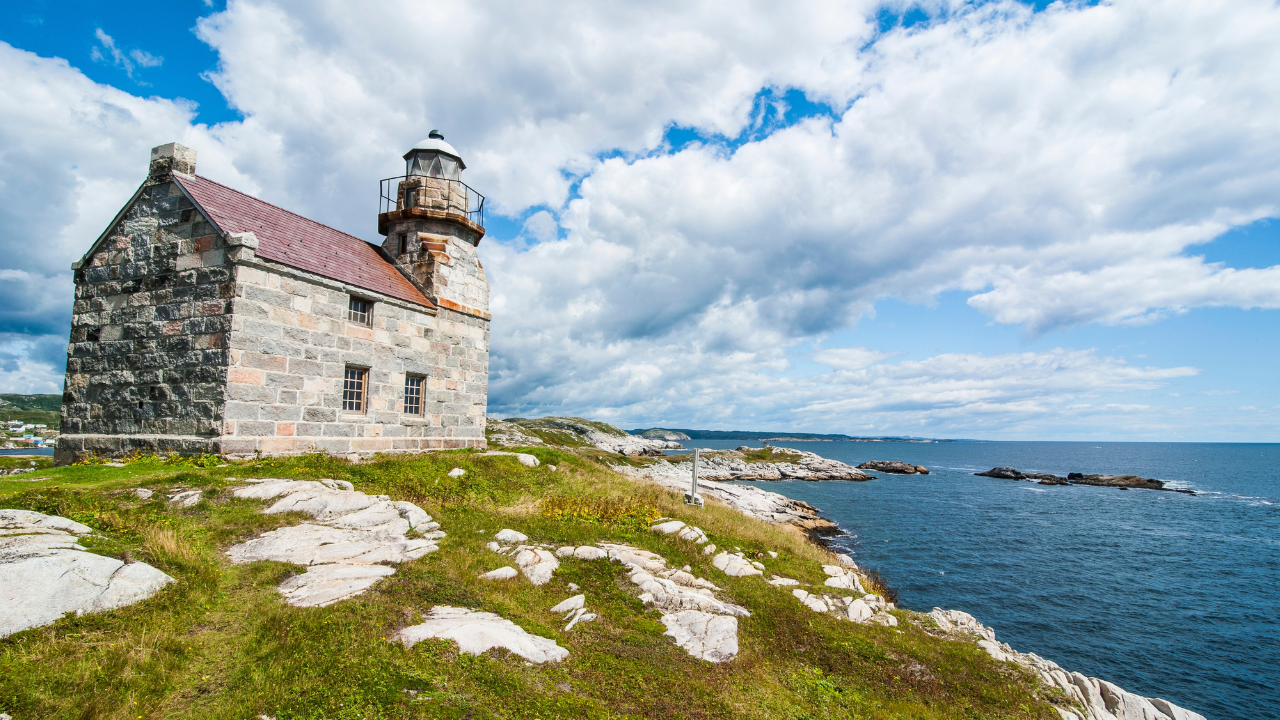
Newfoundland is a strong choice for quiet travelers who want rugged coastlines, small communities, wildlife, hiking, and a feeling of being far from the usual tourist circuit. Vogue’s quiet travel list included Fogo Island Inn in Newfoundland, describing its remote North Atlantic setting and the effort required to reach it as part of the appeal.

The wider province offers colorful harbor towns, coastal trails, iceberg viewing, whale watching, lighthouses, and warm local hospitality without the intensity of big-city tourism. St. John’s has music and restaurants, but Newfoundland’s quiet appeal is strongest in places like Fogo Island, Twillingate, Bonavista, Gros Morne National Park, and Trinity. It is especially good for travelers who enjoy long drives, cool weather, dramatic sea views, and conversations with locals in small communities. The nightlife is not the main reason to go, and that makes it a better match for slow, observant travelers.

Best For: Coastal drives, hiking, whales, icebergs, small towns, and remote stays.

Best Season to Visit: June to September.

Quiet Travel Tip: Visit smaller outports and stay multiple nights for a slower experience.

Must-Know: Distances are large, so plan driving routes carefully.


Comments (0)

Leave a Reply

No comments yet. Be the first to share your thoughts!