Travel Destination

12 Los Angeles travel mistakes, according to frequent visitors

Adam Collins
3.5
May 01, 2026

Los Angeles looks easy from a distance. The city is famous for beaches, film studios, palm-lined streets, celebrity culture, food trucks, museums, and sunny weather. But many first-time visitors quickly realize that LA is not built like a compact tourist city. Attractions are spread across a huge region, traffic can reshape an entire day, parking is expensive, and some famous places look very different from what travelers expect.

Several travel guides point out the same pattern: visitors often underestimate the size of Los Angeles, rely too heavily on LAX, plan too many far-apart attractions in one day, or assume they can explore the city like New York, Paris, or London. Choosing LAX automatically can be a mistake because smaller regional airports may be easier for domestic travelers, while Road Trips for Families highlights that LA’s scale is one of the biggest surprises for first-time visitors.

This guide covers 12 hidden problems tourists face in Los Angeles and how to avoid them, with practical tips for planning a smoother trip.
1. Underestimating the Size of Los Angeles
© shutterstock / oneinchpunch

1. Underestimating the Size of Los Angeles

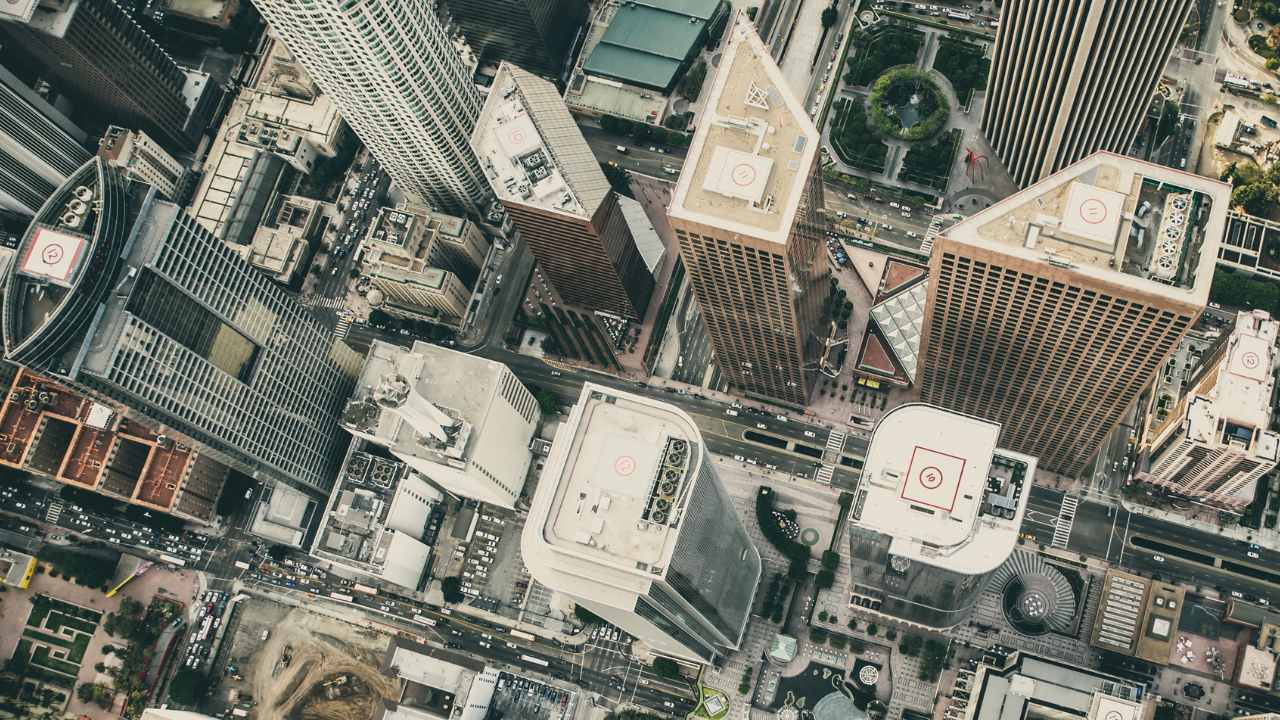
One of the biggest problems tourists face in Los Angeles is assuming that major attractions are close together. On a map, Hollywood, Santa Monica, Downtown LA, Beverly Hills, Griffith Observatory, Universal Studios, and Venice Beach may look manageable. In reality, they are spread across a large metro area, and getting between them can take far longer than expected. Road Trips for Families specifically warns that Los Angeles is not walkable in the traditional sense and that visitors often underestimate the size of the city.

This can ruin a trip because travelers try to fit too much into one day. A morning at Griffith Observatory, lunch in Santa Monica, an afternoon in Downtown LA, and dinner in Malibu may sound possible, but traffic and parking can make the schedule exhausting. LA is better enjoyed by grouping attractions by area.

Hidden Problem: Attractions look close online but can be far apart in real travel time.

How to Avoid It: Plan each day around one main area instead of crossing the city repeatedly.

Best Strategy: Pair Hollywood with Griffith Park, Santa Monica with Venice, and Downtown LA with Arts District.

Traveler Tip: Check travel time at the exact hour you plan to go, not just the distance in miles.

2. Thinking LAX Is the Only Airport Option
© shutterstock / Usa-Pyon

2. Thinking LAX Is the Only Airport Option

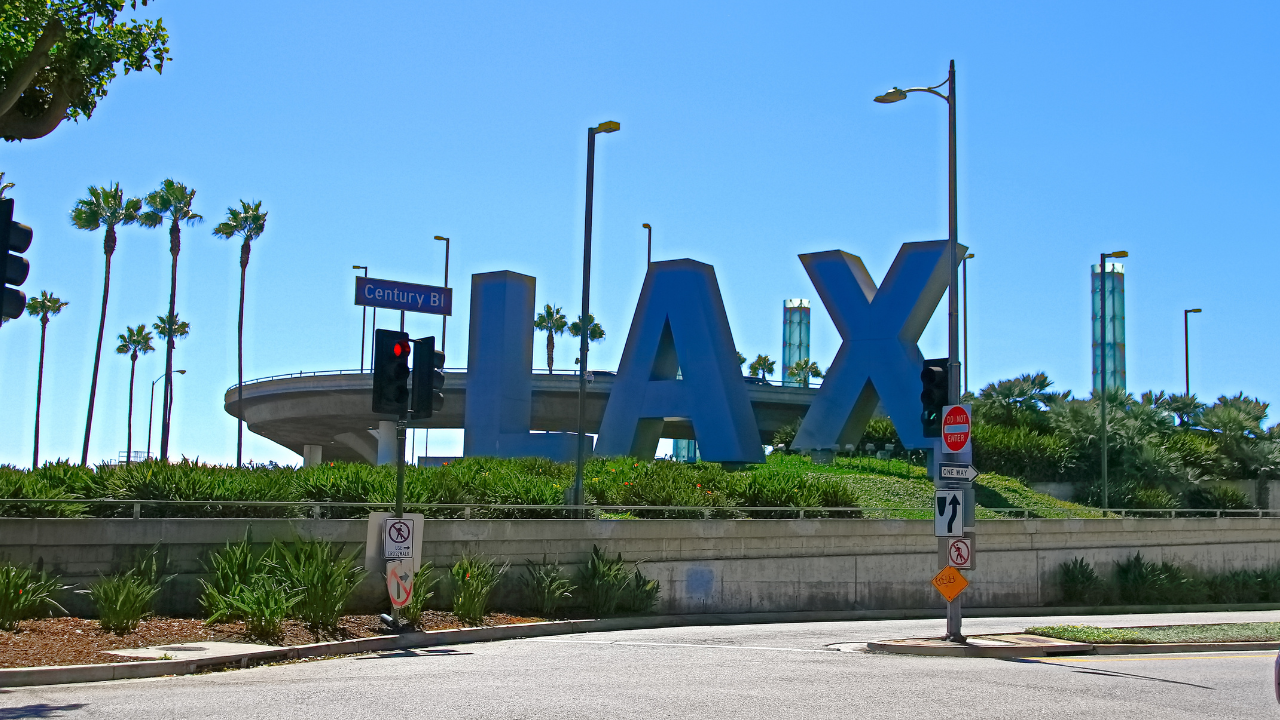
Los Angeles International Airport is the main airport for many visitors, especially international travelers, but it is not always the easiest choice. First-time visitors often assume LAX is the only airport, even though several smaller airports around the region may be less stressful for domestic flights.

Depending on where you are staying, airports like Hollywood Burbank Airport, Long Beach Airport, John Wayne Airport, or Ontario International Airport may be more convenient. For example, Burbank can be much easier if your trip is focused on Hollywood, Universal Studios, Studio City, Pasadena, or the San Fernando Valley. Long Beach may work better for parts of the South Bay or Orange County. LAX still makes sense for many international routes, but travelers should not choose it automatically.

Hidden Problem: LAX can add stress, long transfers, and heavy traffic before your trip even starts.

How to Avoid It: Compare airport options based on your hotel location, not just ticket price.

Best Strategy: Use Burbank for Hollywood and Universal, and Long Beach or John Wayne for southern coastal areas.

Traveler Tip: A slightly higher airfare into a smaller airport may save time and transport costs.

3. Getting Caught in LA Traffic at the Wrong Time
© shutterstock -/Ali _Cobanoglu

3. Getting Caught in LA Traffic at the Wrong Time

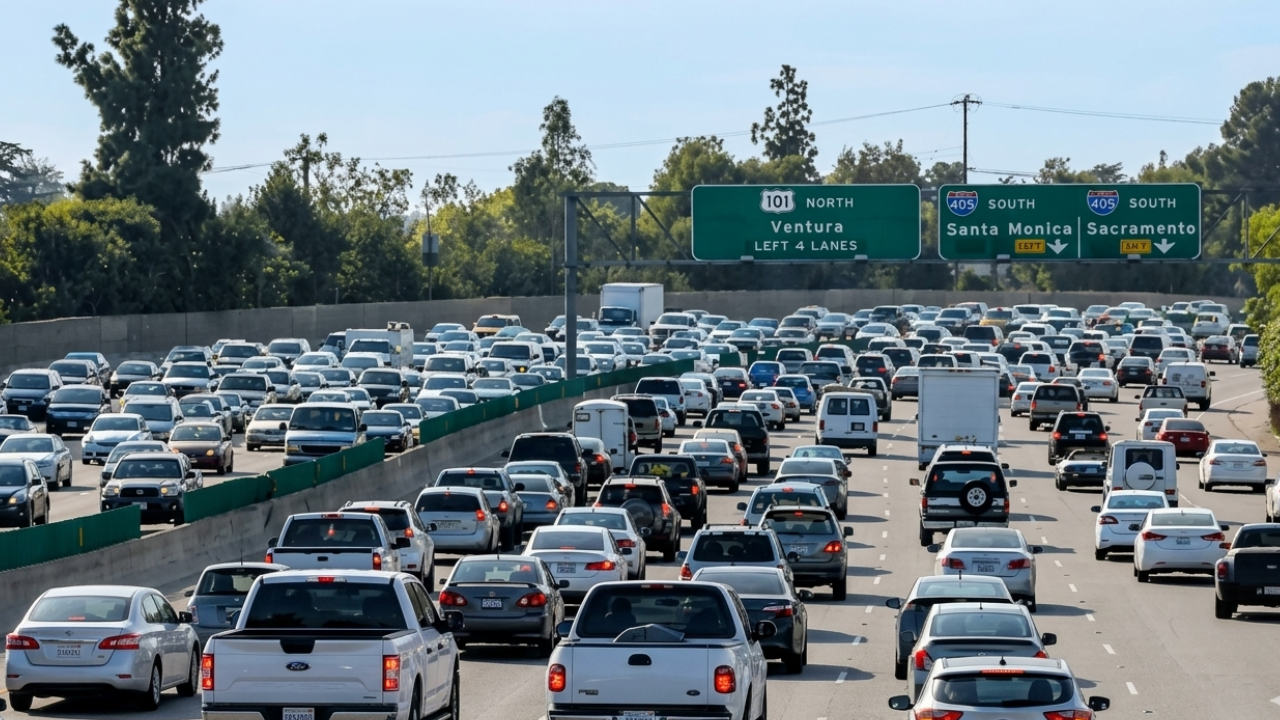
Traffic is not just an inconvenience in Los Angeles. It can completely change your itinerary. Tourists often plan based on distance, but locals think in terms of time, direction, and traffic windows. A 12-mile drive can take 25 minutes at one time of day and more than an hour at another. BuzzFeed’s LA tourist mistake roundup also highlights traffic as one of the most common surprises for visitors.

The problem is worse when travelers book activities across different parts of the city without leaving enough buffer time. Morning and evening rush hours can be especially difficult, and beach routes often slow down on weekends. Even rideshare prices can rise sharply during busy periods.

Hidden Problem: Short distances can turn into long drives during peak traffic.

How to Avoid It: Avoid long cross-city drives between 7:00 and 10:00 AM and 4:00 and 7:00 PM when possible.

Best Strategy: Schedule faraway attractions early, then stay in that area for meals and activities.

Traveler Tip: Add at least 30 to 45 minutes of buffer time before reservations or ticketed events.

4. Assuming Public Transportation Will Work Like Other Big Cities
© shutterstock / Walter Cicchetti

4. Assuming Public Transportation Will Work Like Other Big Cities

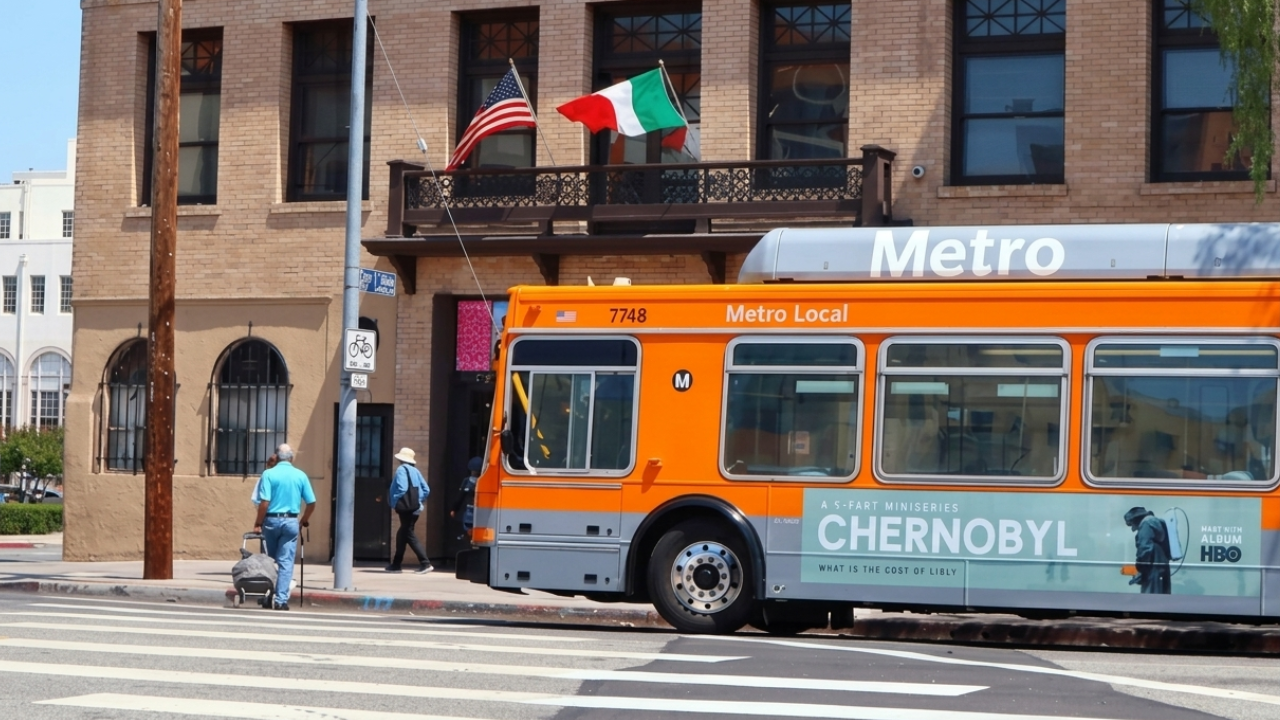
Los Angeles does have buses, trains, and airport transit options, but tourists sometimes expect the system to work like public transport in New York, London, Tokyo, or Paris. LA Metro can be useful for certain routes, especially Downtown LA, Hollywood, Koreatown, Santa Monica, and some airport connections, but it does not cover every tourist need equally.

Metro has expanded airport access through the LAX/Metro Transit Center, with the C Line and K Line connecting travelers to LAX-area transit options. The TAP system is also used across trains, buses, and other connected transit services in the Los Angeles area. Still, many tourists will need a mix of Metro, rideshare, walking, and possibly a rental car depending on the itinerary.

Hidden Problem: Public transit is useful, but not always enough for every tourist route.

How to Avoid It: Use Metro for routes it serves well, then combine it with rideshare for harder-to-reach areas.

Best Strategy: Stay near a Metro line if you plan to visit Downtown LA, Hollywood, Koreatown, or Santa Monica.

Traveler Tip: Get a TAP card or use mobile payment before your first ride to save time.

5. Choosing the Wrong Neighborhood to Stay In
© shutterstock / Alina Troeva

5. Choosing the Wrong Neighborhood to Stay In

Where you stay in Los Angeles matters more than in many other cities. A cheaper hotel can become expensive if it leaves you far from your main activities. First-time visitors often book based only on price or famous neighborhood names, then spend too much of the trip sitting in traffic.

For example, staying near LAX may make sense for a one-night stopover, but it is not ideal for a full vacation focused on Hollywood, museums, or beach neighborhoods. Hollywood can be convenient for Universal Studios and Griffith Park, but it may disappoint visitors expecting constant glamour. Santa Monica is great for beach access but can be expensive and far from Downtown LA or the theme parks. Downtown LA works well for museums, sports, food halls, and transit, but it is not the best base for beach-heavy trips.

Hidden Problem: The wrong hotel location can add hours of travel time.

How to Avoid It: Choose your base after deciding your top three attractions.

Best Strategy: Stay near the area where you will spend the most time.

Traveler Tip: Do not book a hotel only because it says “Los Angeles” in the address.

6. Expecting Hollywood to Feel Glamorous Everywhere
© shutterstock / Alina Troeva

6. Expecting Hollywood to Feel Glamorous Everywhere

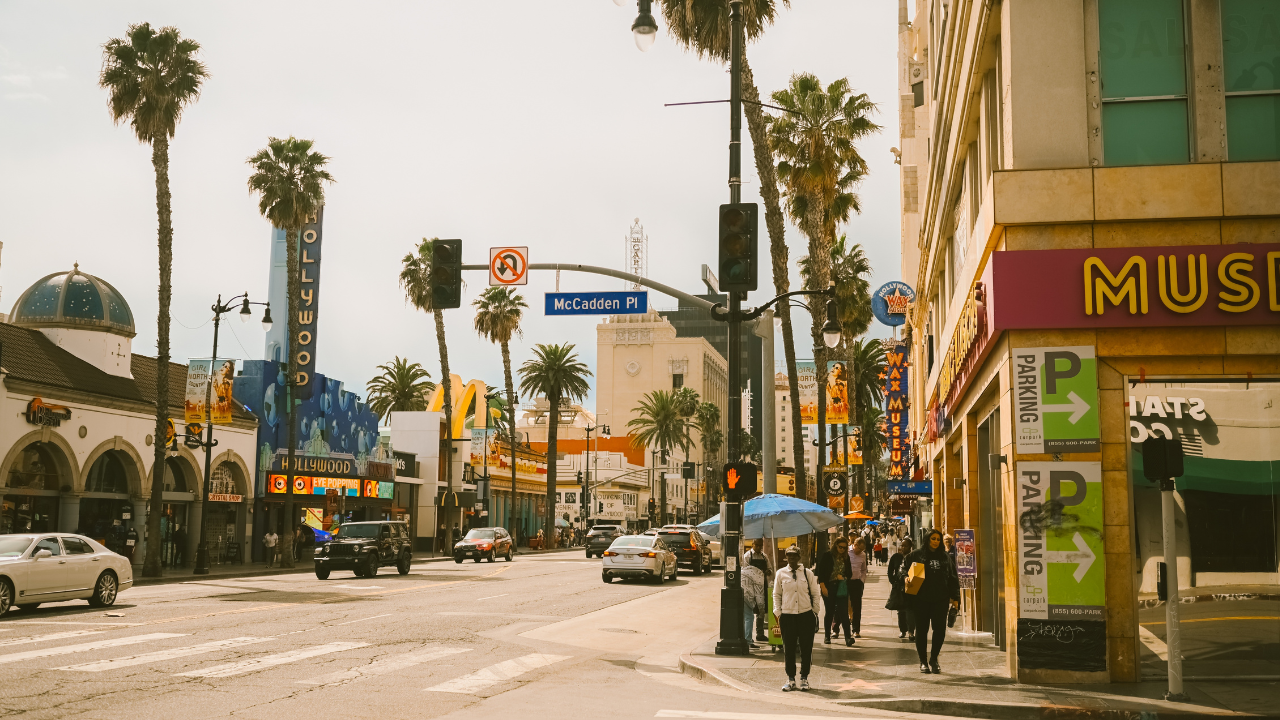
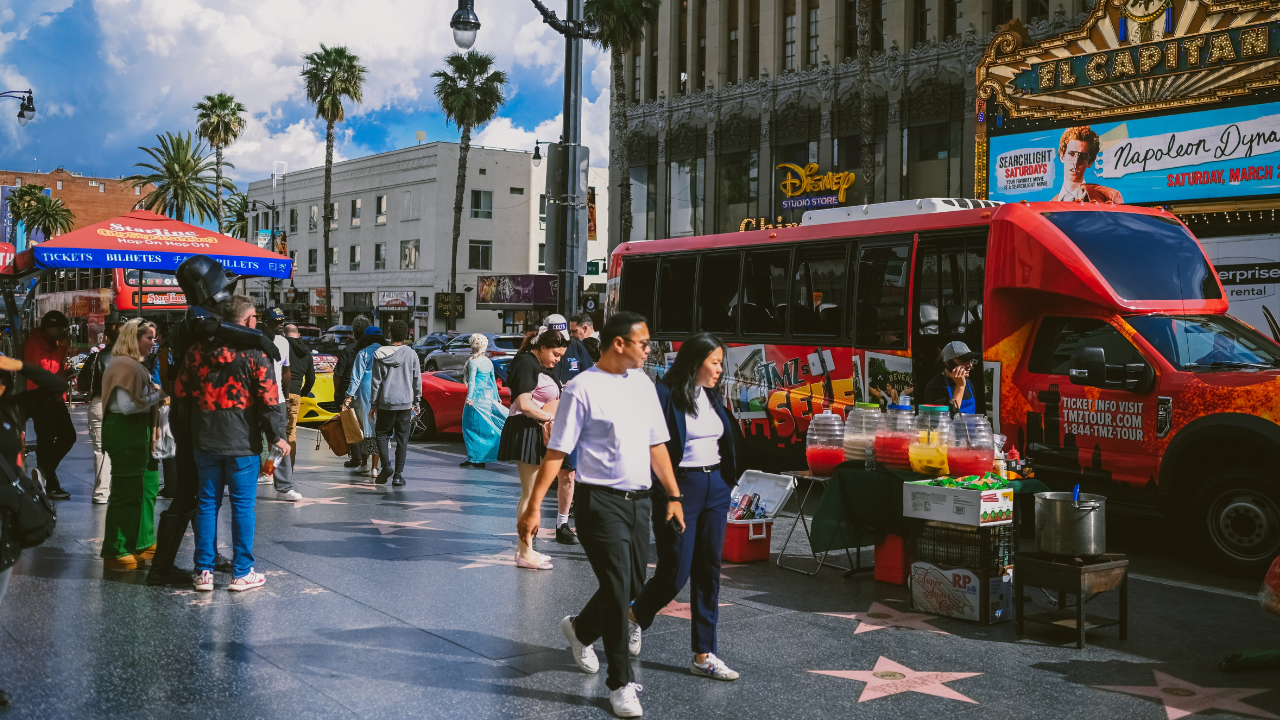
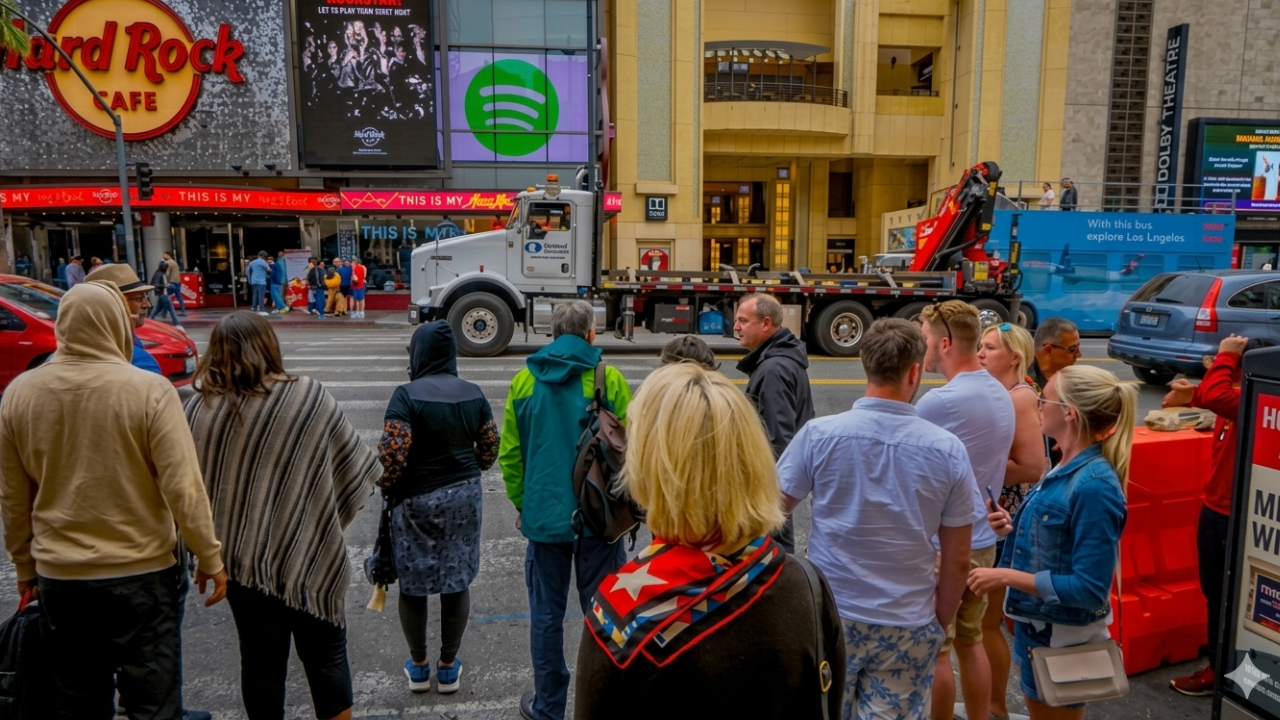
Many tourists arrive in Hollywood expecting red carpets, celebrities, polished streets, and movie magic. The reality is more mixed. The Hollywood Walk of Fame and nearby attractions are iconic, but the area can also feel crowded, gritty, commercial, and overwhelming. A recent Times article described the Walk of Fame as both heavily criticized and still symbolically important, noting its chaotic mix of pop culture history, street energy, and tourist appeal.

This does not mean tourists should skip Hollywood completely. It means they should visit with realistic expectations. The TCL Chinese Theatre, Hollywood Roosevelt, Dolby Theatre, Hollywood Museum, and nearby views can still be worthwhile. The mistake is treating Hollywood Boulevard as the polished center of LA culture.

Hidden Problem: Hollywood may feel more chaotic and less glamorous than expected.

How to Avoid It: Visit for specific landmarks, then explore nearby areas like Griffith Park or Los Feliz.

Best Strategy: Go during daylight hours and keep valuables secure in crowded areas.

Traveler Tip: Do not spend your entire LA itinerary around the Walk of Fame.

7. Paying Too Much for Parking
© shutterstock / Felix Mizioznikov

7. Paying Too Much for Parking

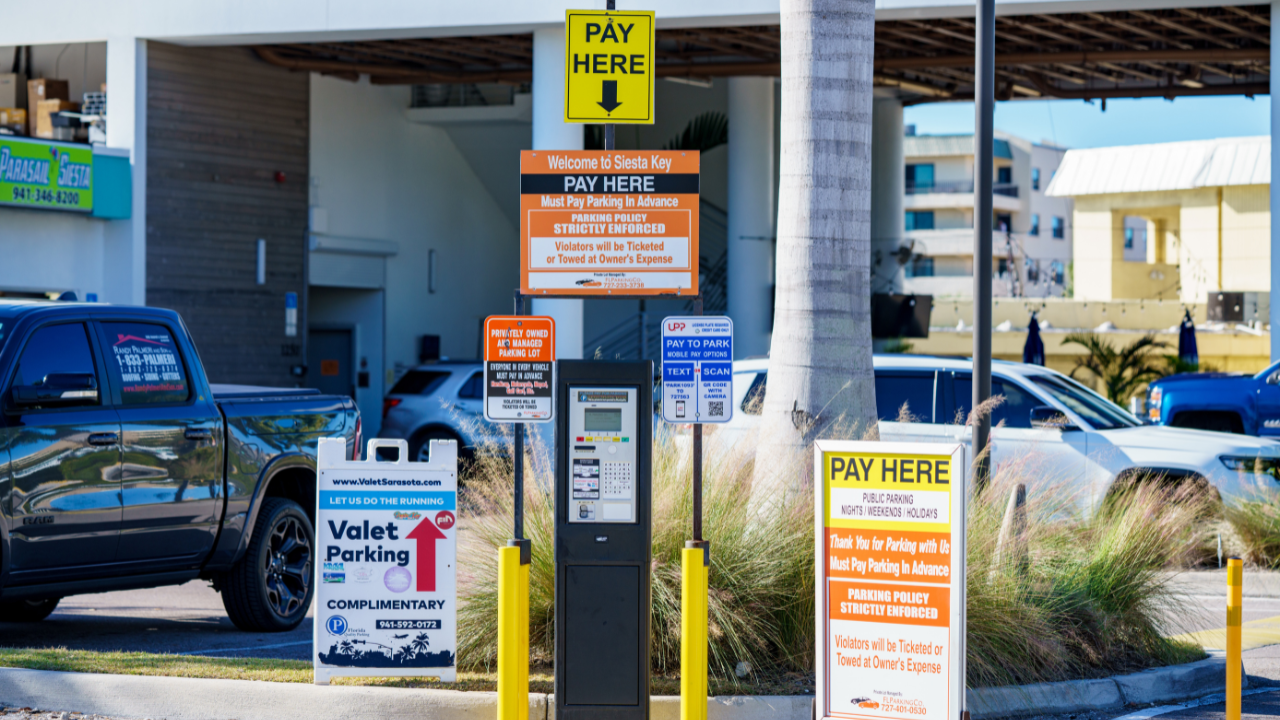
Parking is one of the most annoying hidden costs in Los Angeles. Tourists often budget for hotels, food, attractions, and rental cars, but forget daily parking fees. Hotels may charge high overnight parking rates, beach parking can fill quickly, and some popular areas have confusing signs, time limits, permit zones, or expensive lots.

This becomes especially frustrating for visitors who rent a car but stay in an area where they barely use it. In places like Santa Monica, Hollywood, Downtown LA, Beverly Hills, and West Hollywood, parking can be both limited and costly. Tickets are also common if you misread street cleaning signs or curb rules.

Hidden Problem: Parking fees and tickets can quietly increase your travel budget.

How to Avoid It: Check hotel parking fees before booking.

Best Strategy: Use official garages, parking apps, or transit in dense areas.

Traveler Tip: Read every street sign carefully, especially for street cleaning and permit restrictions.

8. Trying to See Too Many Beaches in One Day
© shutterstock / Maciej Bledowski

8. Trying to See Too Many Beaches in One Day

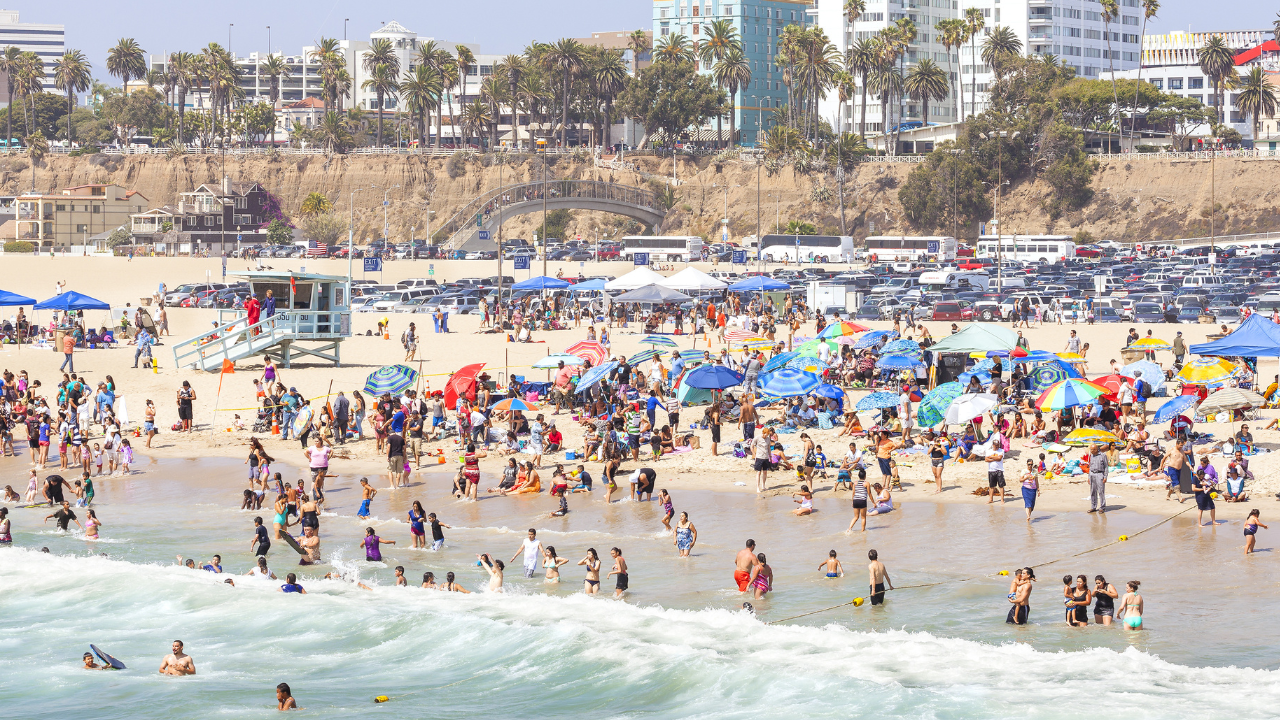
Los Angeles beaches are famous, but they are not all the same, and traveling between them can take longer than visitors expect. Santa Monica, Venice, Malibu, Manhattan Beach, Hermosa Beach, and Long Beach each have a different atmosphere. Tourists sometimes try to visit several in one day, only to spend more time driving and parking than enjoying the coast.

Santa Monica is convenient for a classic pier experience. Venice is better for people-watching, murals, and the boardwalk. Malibu has scenic beaches but requires more driving and planning. Manhattan and Hermosa feel more local and relaxed. Long Beach is a separate coastal city with its own attractions. Picking the right beach matters more than checking off every name.

Hidden Problem: Beach hopping can become a traffic and parking headache.

How to Avoid It: Choose one beach area and spend enough time there.

Best Strategy: Pair Santa Monica and Venice because they are close together.

Traveler Tip: Arrive early on weekends, especially in summer.

9. Ignoring the Real Cost of a “Budget” Trip
© shutterstock / mentalmind

9. Ignoring the Real Cost of a “Budget” Trip

Los Angeles can be more expensive than tourists expect. Even when flights look affordable, the total cost can rise through hotel parking, rideshares, attraction tickets, resort fees, food, rental cars, and entertainment. A low hotel rate far from your plans may not save money once transport is included.

Some visitors also underestimate how spread out food and attractions are. Grabbing a quick inexpensive meal is easy in some neighborhoods, but harder if you are stuck near a tourist-heavy area or theme park. Planning ahead helps keep costs under control without making the trip feel restrictive.

Hidden Problem: Hidden transport, parking, and service costs can make LA feel expensive.

How to Avoid It: Budget by day, including rideshare, parking, meals, and attraction fees.

Best Strategy: Mix paid attractions with free options like beaches, viewpoints, markets, and neighborhoods.

Traveler Tip: Look for food trucks, casual taco spots, bakeries, and local cafés away from main tourist strips.

10. Misjudging Safety and Street Conditions
© Time Out / Michael Juliano

10. Misjudging Safety and Street Conditions

Los Angeles is a large city with neighborhoods that can change quickly from block to block. Most tourist areas are manageable with normal city awareness, but visitors sometimes assume every famous area is polished and easy. Others become overly nervous and avoid places that are perfectly fine during the day. The better approach is balanced awareness.

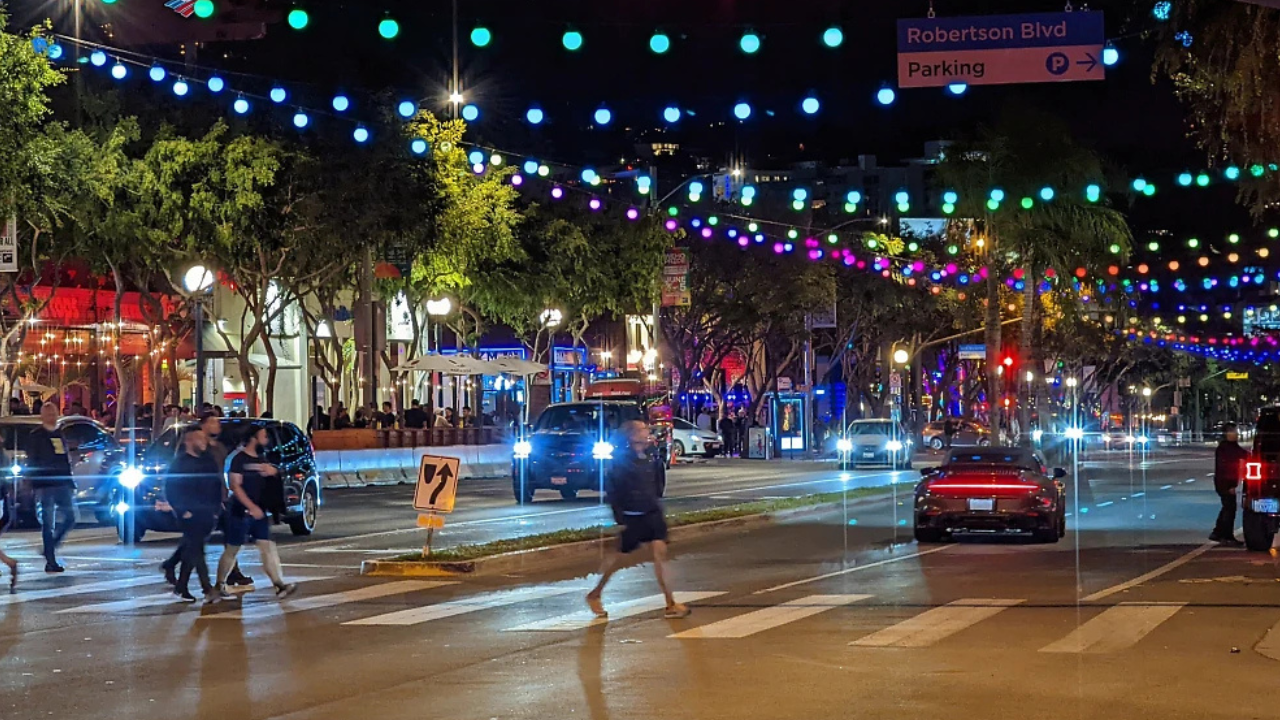
Hollywood Boulevard, Venice Boardwalk, Downtown LA, transit stations, and nightlife areas can feel different depending on time of day, crowd levels, and exact location. Tourists should avoid leaving bags visible in cars, walking distracted with phones out, or wandering into unfamiliar areas late at night without checking the route.

Hidden Problem: Famous areas can still have pickpocketing, car break-ins, scams, or uncomfortable street conditions.

How to Avoid It: Stay alert, secure valuables, and research neighborhoods before walking late.

Best Strategy: Use rideshare at night if you are unsure about an area.

Traveler Tip: Never leave luggage, cameras, or shopping bags visible inside a parked car.

11. Expecting Celebrity Sightings to Be Easy
© shutterstock / Fotos593

11. Expecting Celebrity Sightings to Be Easy

Many tourists come to Los Angeles hoping to see celebrities. While LA is home to the entertainment industry, celebrity sightings are not as common or predictable as visitors imagine. Paid celebrity home tours can also be disappointing because many maps are outdated, homes are hidden, or privacy rules limit what you can actually see.

A better way to experience LA’s film and entertainment culture is through studio tours, live TV tapings, classic theaters, film museums, comedy clubs, and historic locations. Universal Studios, Warner Bros. Studio Tour, the Academy Museum, TCL Chinese Theatre, and Hollywood Forever Cemetery offer more reliable entertainment-related experiences than chasing celebrity homes.

Hidden Problem: Celebrity-focused sightseeing often feels less exciting than expected.

How to Avoid It: Choose structured entertainment experiences instead of random star-spotting.

Best Strategy: Book a studio tour or live taping if film and TV are important to your trip.

Traveler Tip: Respect privacy if you do see someone famous in public.

12. Forgetting That LA Weather Has Microclimates
© shutterstock / Sergey Malomuzh

12. Forgetting That LA Weather Has Microclimates

Los Angeles is known for sunshine, but the weather can vary widely across the region. A beach morning may be cool and cloudy, while inland areas feel hot by afternoon. Malibu, Santa Monica, Downtown LA, Hollywood, Pasadena, and the valleys can all feel different on the same day. Visitors who pack only beachwear or only summer clothes may be uncomfortable.

This is especially true in late spring and early summer, when coastal areas can experience cloudy mornings. Evenings can also feel cooler near the ocean. If you plan to move between the beach, hills, museums, and nightlife, light layers are important.

Hidden Problem: LA weather changes by neighborhood, elevation, and distance from the ocean.

How to Avoid It: Pack layers, sunglasses, sunscreen, and comfortable walking shoes.

Best Strategy: Check weather for the specific neighborhood you are visiting, not just “Los Angeles.”

Traveler Tip: Bring a light jacket for beach evenings, even in warmer months.


Comments (0)

Leave a Reply

No comments yet. Be the first to share your thoughts!