Travel Europe

10 things worth seeing in San Marino on a day trip

Leo Harper
4.9
May 08, 2026

San Marino is small enough to visit in a day, but it has more depth than many travelers expect. Most visitors arrive from Rimini, walk through the historic center, take photos of the towers, and leave after a few hours. That quick route is easy, but it misses many quieter corners, scenic paths, small museums, and local viewpoints that make the country feel more personal.

Set on Mount Titano and surrounded by Italy, San Marino has a medieval old town, stone lanes, fortress walls, dramatic views, and a slower rhythm once you step away from the busiest souvenir streets. Its historic center and Mount Titano are recognized by UNESCO, while the three towers remain the country’s most famous landmarks. The Guaita is the oldest tower, and the Cesta is connected to it by the atmospheric Witches’ Pass.

This guide focuses on the best undiscovered places in San Marino for a unique day trip. These are not all completely unknown, but they are the stops that help travelers see beyond the standard checklist.
1. Passo delle Streghe
© shutterstock / arkanto

1. Passo delle Streghe

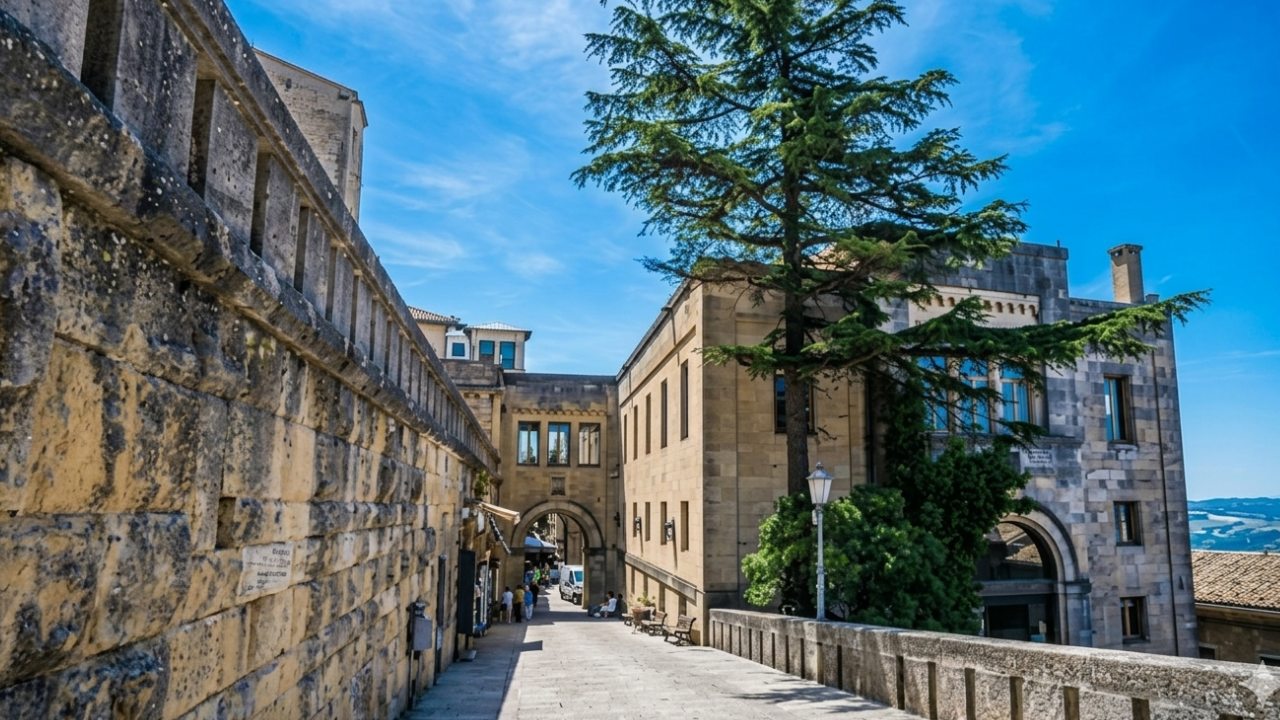
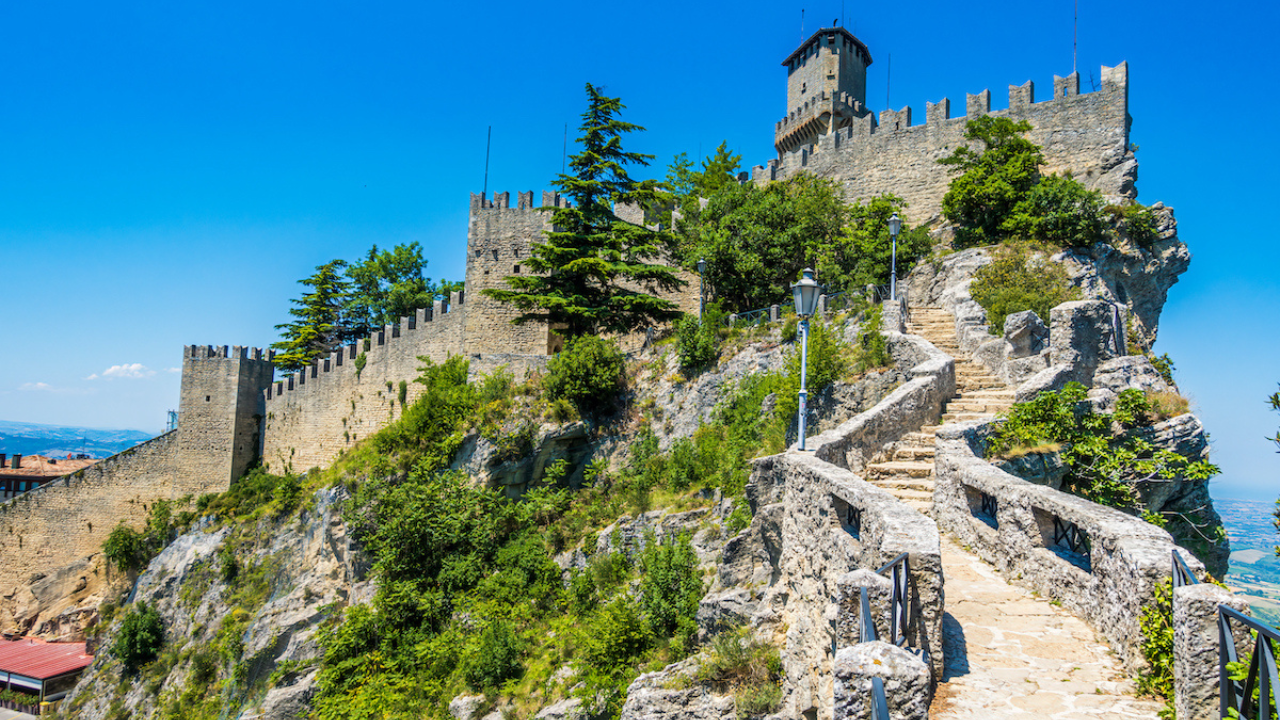
Passo delle Streghe, or the Witches’ Pass, is one of the most atmospheric walks in San Marino and a perfect place to begin a unique day trip. It connects the First Tower, Guaita, with the Second Tower, Cesta, along a narrow stone path with dramatic views over the countryside. Many visitors photograph the towers from a distance, but fewer slow down here long enough to appreciate the details: old defensive walls, rocky edges, changing light, and the feeling of walking between two historic strongholds.

The path is short, but it gives San Marino much of its storybook character. It is especially rewarding in the early morning, before day-trippers arrive, or near sunset when the towers take on a warmer tone. Since the route can be uneven, it is better treated as a scenic walk rather than a quick shortcut. The Cesta tower was historically used as a lookout point, and its connection with Guaita makes this walk one of the most meaningful historic routes in the country.

Best Time to Visit: Early morning or late afternoon.

Why It’s Worth Visiting: It offers the most dramatic tower-to-tower walk in San Marino.

Traveler Tip: Wear shoes with good grip because the stone path can be uneven.

Must-Know: It connects Guaita and Cesta, so it fits easily into a one-day route.

2. Montale Tower
© shutterstock / OlgaKhorkova

2. Montale Tower

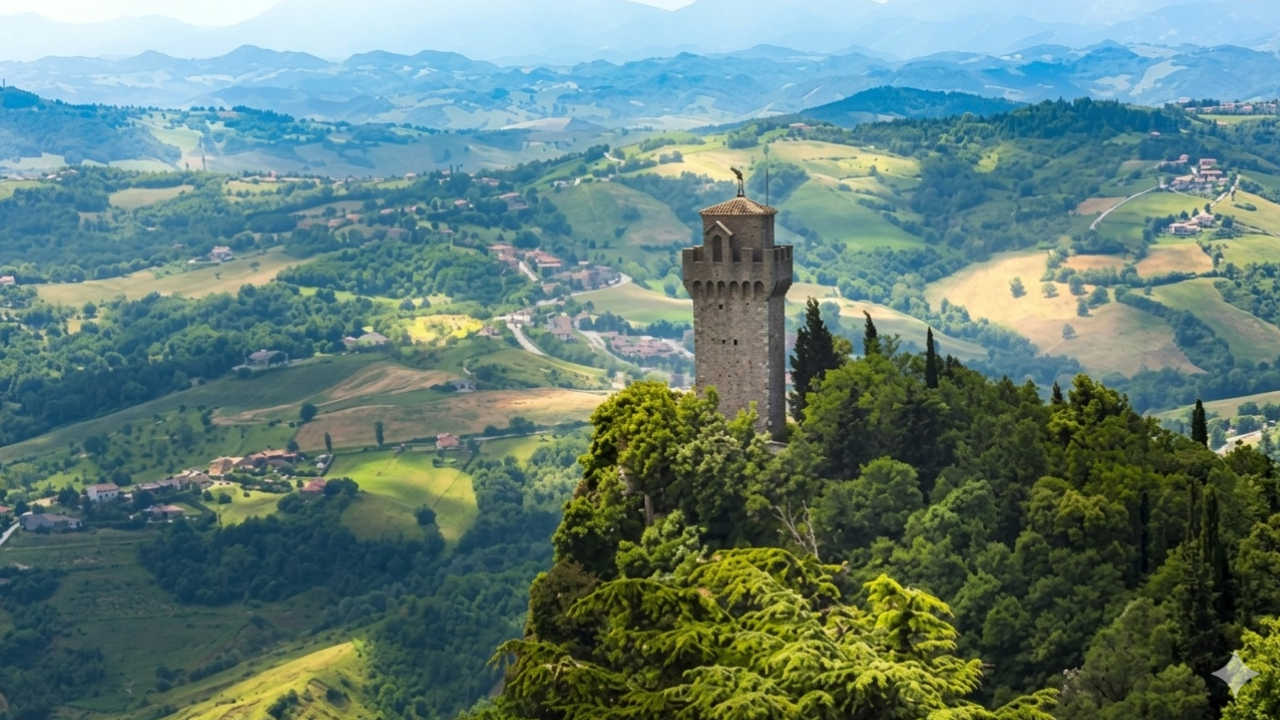
Montale is the third tower of San Marino and often the quietest of the three. Most visitors focus on Guaita and Cesta because they are more accessible and better known, but Montale gives a more peaceful sense of the country’s defensive past. It stands slightly apart from the busier tourist flow, which makes the walk toward it feel more reflective and less crowded.

The tower itself is smaller and less visited, but that is part of its appeal. Travelers who enjoy quieter viewpoints, forested paths, and less polished corners will appreciate the atmosphere here. Montale cannot usually be explored inside like the main towers, but the exterior view and surrounding area are still worth the effort. It is a good stop for travelers who want a fuller picture of San Marino’s Three Towers rather than only visiting the most photographed ones.

Best Time to Visit: Morning or late afternoon.

Why It’s Worth Visiting: It is the quietest of the Three Towers.

Traveler Tip: Combine it with Cesta for a less crowded tower walk.

Must-Know: Interior access is usually limited, so visit for the setting and views.

3. Borgo Maggiore
© Dave Mani

3. Borgo Maggiore

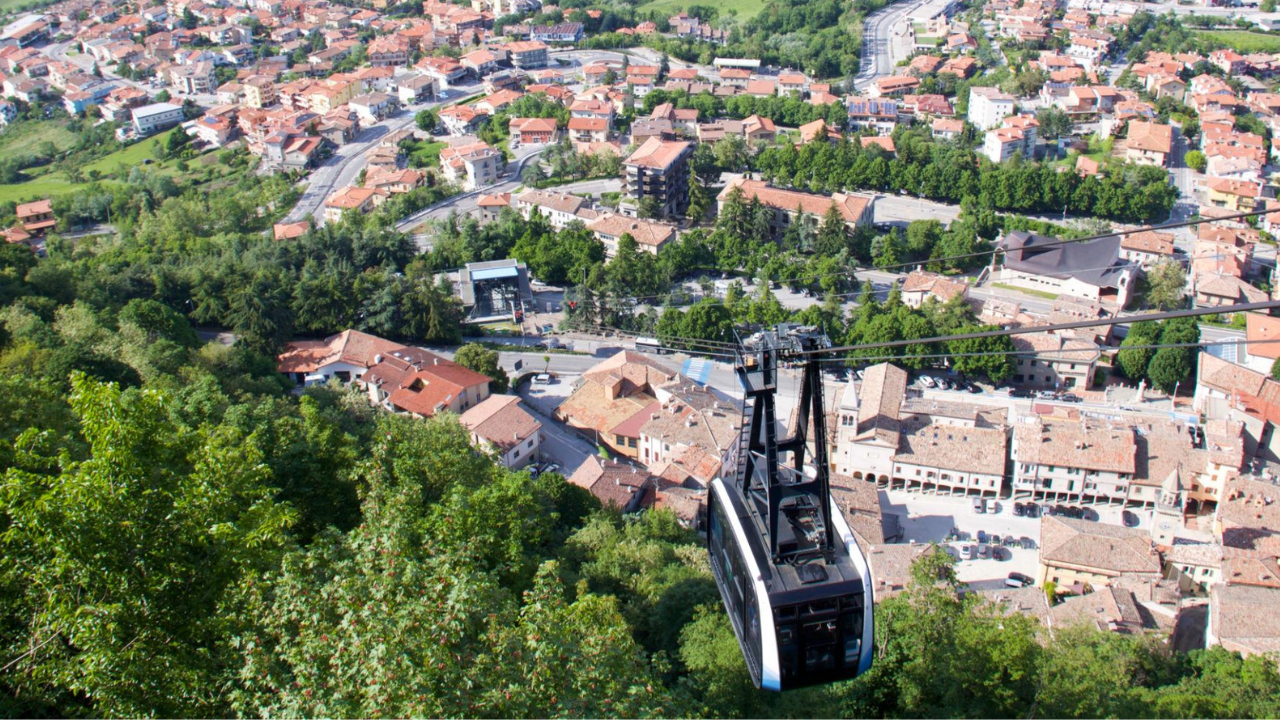
Borgo Maggiore is often passed through rather than properly explored, but it is one of the best places to understand daily life below San Marino’s historic center. Located at the lower cable car station, this town has a more local feel than the capital’s hilltop streets. Its market history, old squares, and views up toward Mount Titano make it a rewarding stop before or after visiting the main old town.

The cable car between Borgo Maggiore and the historic center is one of the most practical and scenic ways to move around San Marino. The official tourism site highlights the cableway viewpoint as one of the country’s main webcam locations, with views extending toward the sea on clear days. Rather than treating Borgo Maggiore only as a transit point, spend time walking near the station, looking back toward the cliffs, and stopping for a coffee away from the heavier tourist crowds above.

Best Time to Visit: Morning before taking the cable car up.

Why It’s Worth Visiting: It gives a more local view of San Marino.

Traveler Tip: Take the cable car up and walk down if you enjoy steep lanes.

Must-Know: The lower cable car station is in Borgo Maggiore.

4. Orti Borghesi
© Mindtrip / Beatrice Moreno

4. Orti Borghesi

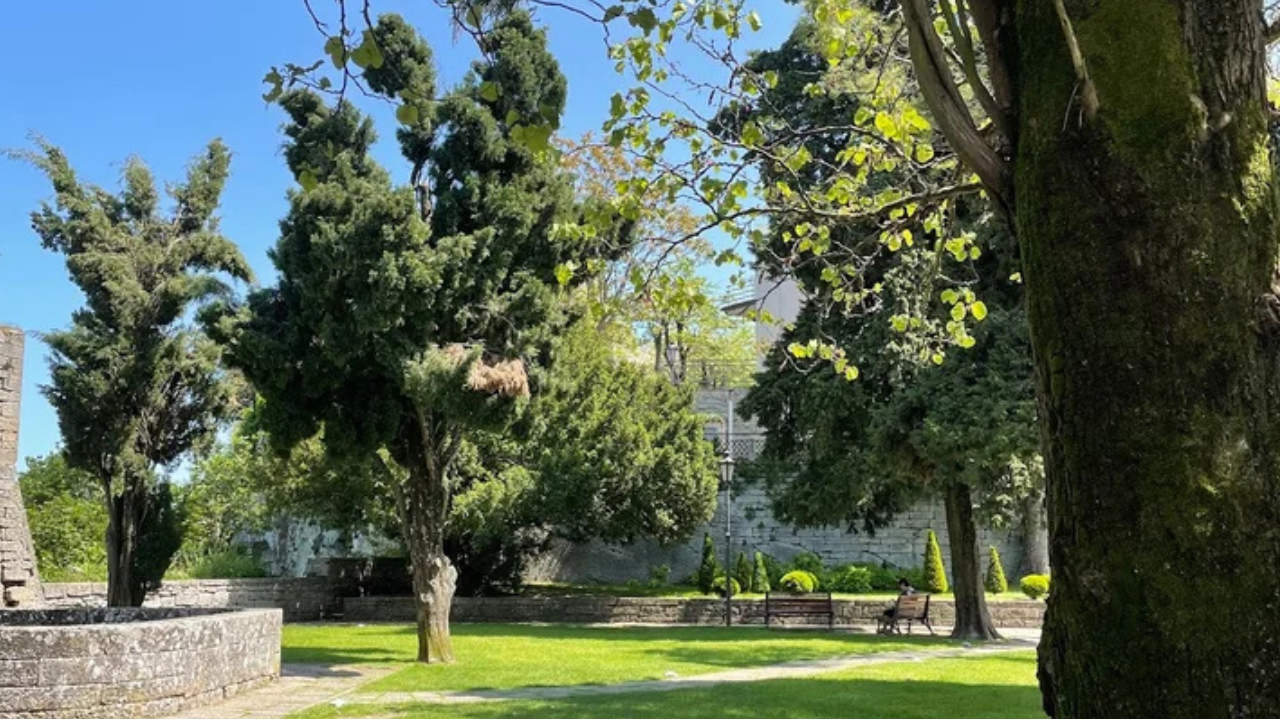
Orti Borghesi is a peaceful garden area that many day-trippers miss while moving between the towers and main squares. It offers a slower, greener break from the stone streets of the historic center. For travelers who want a quieter pause, this is one of the best overlooked places in San Marino.

The garden is especially useful if you are visiting during warmer months and need a shaded rest. It also gives a softer side of the capital, balancing the country’s fortress image with trees, paths, and calmer viewpoints. San Marino’s old town can feel busy during peak hours, especially around the towers, souvenir shops, and main squares, so a stop here helps make the day feel less rushed. It is not a major headline attraction, but that is exactly why it works well for a unique day trip.

Best Time to Visit: Midday or early afternoon.

Why It’s Worth Visiting: It is a quiet green space inside the historic center.

Traveler Tip: Use it as a rest stop between sightseeing areas.

Must-Know: It is better for atmosphere than for major monuments.

5. Cava dei Balestrieri
© shutterstock / Murphy1975

5. Cava dei Balestrieri

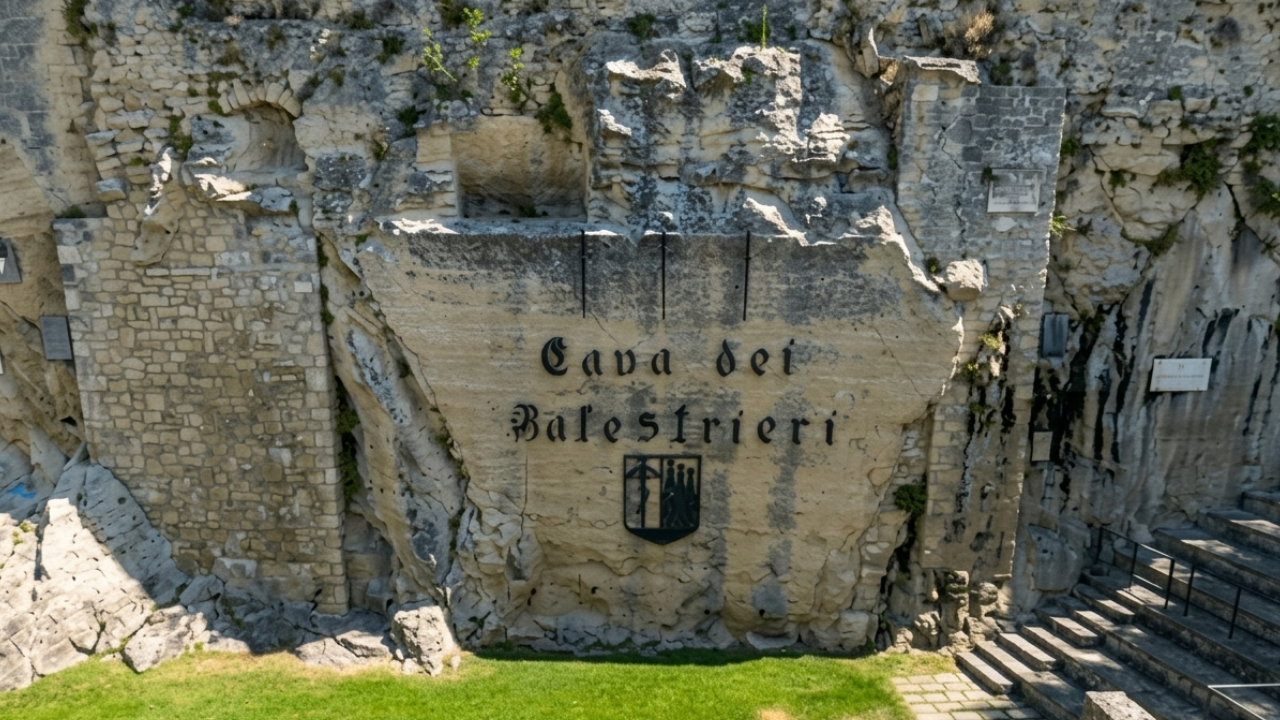
Cava dei Balestrieri, or the Crossbowmen’s Quarry, is one of San Marino’s most distinctive historic spaces. It is an open-air stone quarry area used for traditional crossbow events and public gatherings. Many visitors walk near it without fully understanding its role in local identity, but it is an excellent place to connect San Marino’s medieval setting with living traditions.

The space feels different from a museum because it is tied to events, ceremonies, and performances rather than static displays. San Marino’s calendar includes historic and cultural events in the old town and Crossbowmen’s Quarry area, making it especially interesting if your day trip overlaps with a festival or demonstration. Even when no event is happening, the quarry’s shape, stone surroundings, and location make it worth a short stop. It adds texture to a day trip by showing how San Marino uses its historic spaces today.

Best Time to Visit: Late morning or during scheduled events.

Why It’s Worth Visiting: It connects San Marino’s medieval traditions with modern events.

Traveler Tip: Check the local event calendar before your visit.

Must-Know: It is most memorable when crossbow or medieval events are taking place.

6. Museo di Stato
© shutterstock / pruslee

6. Museo di Stato

The State Museum is a useful stop for travelers who want more context than viewpoints alone can provide. San Marino is often visited for its towers and scenery, but the country’s history as one of the world’s oldest republics is easier to appreciate when you spend time with its collections. The museum includes archaeological finds, art, coins, and objects connected to the republic’s long political and cultural identity.

This is a good indoor choice if the weather changes or if you want a quieter break from walking. It is also helpful at the start of the day because it gives background before visiting the towers, Palazzo Pubblico, and old defensive areas. For a unique San Marino day trip, the State Museum works best when paired with outdoor exploring. It helps turn the destination from a photo stop into a place with a clearer story.

Best Time to Visit: Late morning or during hot afternoon hours.

Why It’s Worth Visiting: It explains the country beyond the postcard views.

Traveler Tip: Visit before the towers if you want historical context first.

Must-Know: It is a practical indoor stop during bad weather.

7. Basilica del Santo and Pieve Area
© shutterstock / Damira

7. Basilica del Santo and Pieve Area

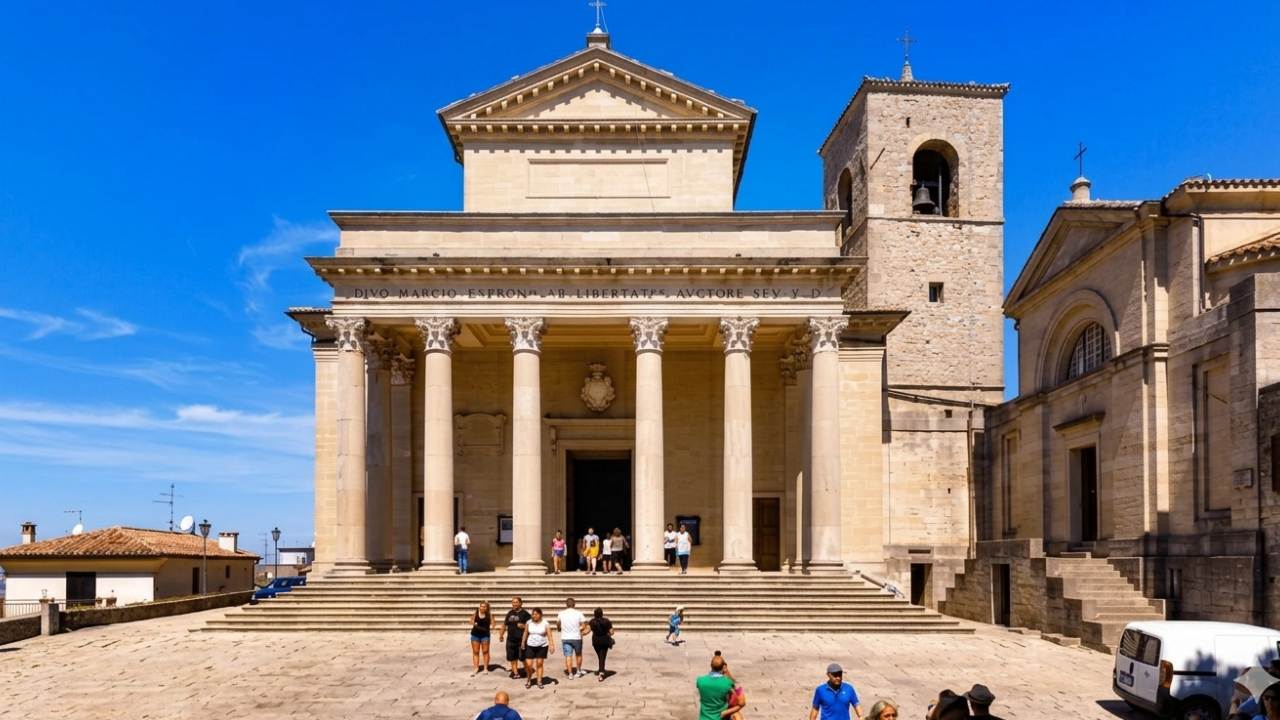
The Basilica del Santo is more visible than hidden, but many travelers rush past it while focusing on the towers. The basilica and surrounding Pieve area are worth slowing down for because they connect directly to San Marino’s founding identity and religious heritage. The neoclassical basilica stands in a calm part of the old town and provides a different atmosphere from the fortress paths above.

This area is ideal for travelers who want a quieter cultural stop without needing much extra time. The streets nearby are good for slow walking, especially early in the day before the central lanes fill up. The basilica also helps balance a San Marino itinerary, since the country’s appeal is not only military history and viewpoints. It is a reminder that faith, civic identity, and tradition are all part of the old republic’s story.

Best Time to Visit: Morning for a quieter atmosphere.

Why It’s Worth Visiting: It adds religious and civic context to the old town.

Traveler Tip: Keep your voice low and dress respectfully inside.

Must-Know: Entry rules may vary during services or religious events.

8. Via Eugippo Viewpoint
© shutterstock / Nicola Pulham

8. Via Eugippo Viewpoint

Via Eugippo is one of the best places to enjoy San Marino’s wide views without relying only on the tower platforms. This scenic road and viewpoint area offers open perspectives across the hills, rooftops, and surrounding Italian countryside. It is a strong choice for travelers who want photos and atmosphere without standing in the most crowded spots.

The area is also useful because it fits naturally into a walking route through the historic center. Instead of moving only between Piazza della Libertà and the towers, take a slower detour along the edges of the old town. San Marino’s hilltop position is one of its defining features, and Via Eugippo makes that geography easy to appreciate. On clear days, the view can stretch far across the landscape, giving a sense of how small but striking the republic is.

Best Time to Visit: Late afternoon for softer light.

Why It’s Worth Visiting: It offers broad views with fewer crowds than the towers.

Traveler Tip: Bring a camera or phone with enough storage for panorama shots.

Must-Know: Wind can be stronger along exposed viewpoints.

9. Museo della Curiosità
© Dave Mani

9. Museo della Curiosità

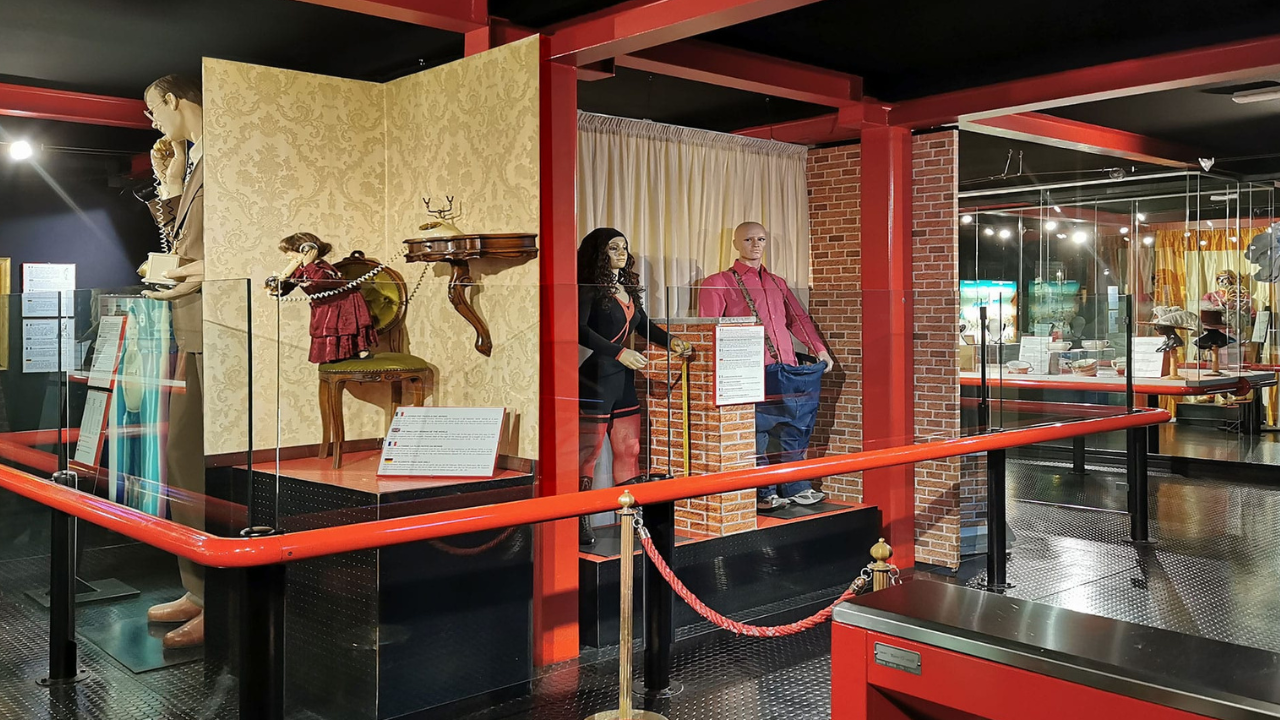
The Museum of Curiosities is a light, unusual stop that works well if you want something different from churches, towers, and government buildings. It focuses on odd objects, unusual records, strange inventions, and quirky displays. While it is not essential for every traveler, it can make a day trip feel more playful, especially for families or visitors who like offbeat museums.

This museum is useful because San Marino’s traditional sightseeing route can become very history-heavy. A short visit here adds variety and gives travelers a break from outdoor walking. It is also a good option if you are traveling with someone who may not want to spend the whole day on fortresses and viewpoints. The museum’s appeal is simple: it is unexpected, easy to visit, and different from the standard image of San Marino.

Best Time to Visit: Early afternoon.

Why It’s Worth Visiting: It adds a quirky stop to a history-focused itinerary.

Traveler Tip: Keep expectations light and visit for fun rather than deep history.

Must-Know: Opening times can vary, so check before planning around it.

10. Serravalle Castle Area
© shutterstock / Romas_Photo

10. Serravalle Castle Area

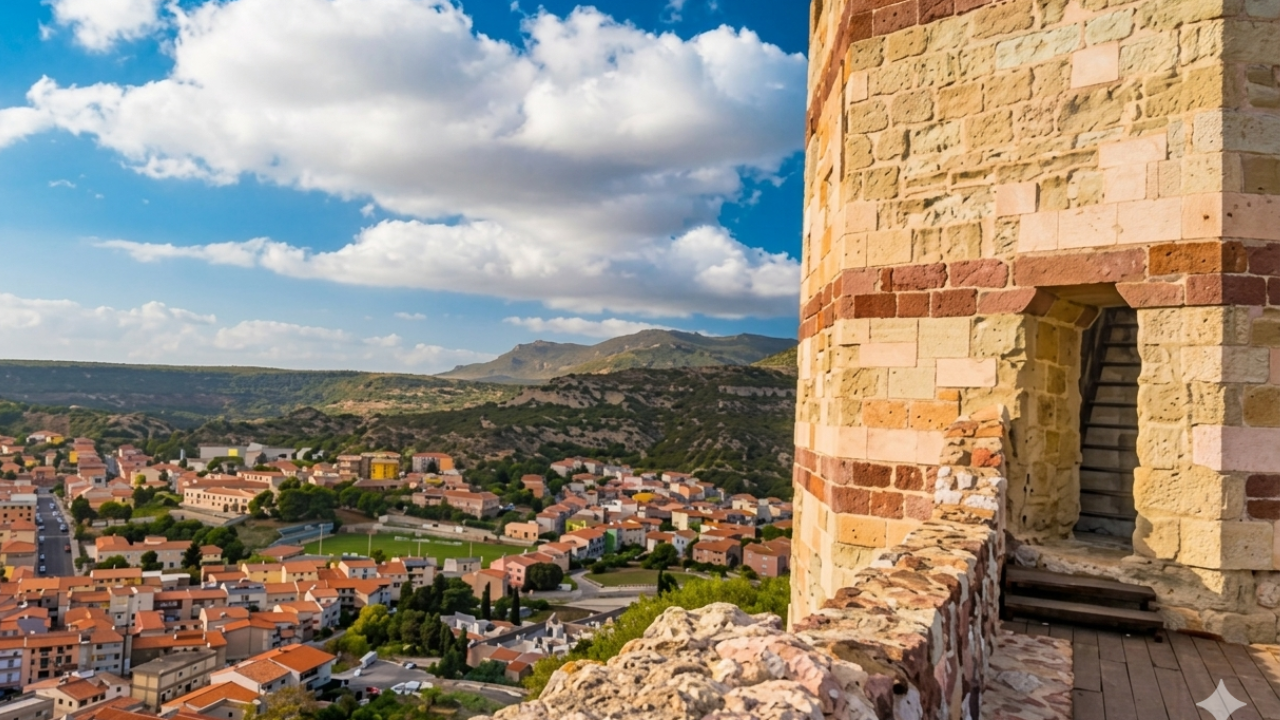
Serravalle is far less visited than San Marino’s historic center, but it offers a different look at the country beyond the famous mountaintop capital. As one of San Marino’s castelli, or municipalities, it has a more everyday rhythm, with residential areas, local services, and a quieter historic core. Travelers who want to say they saw more than the main tourist zone should consider adding Serravalle if time allows.

This is not the place to go for the same dramatic medieval scenery as the Three Towers. Its value is in contrast. It shows that San Marino is a living country, not just a hilltop old town. Serravalle can work well for travelers arriving by car or those who want to include a less obvious stop before returning to Rimini or continuing through the region. San Marino is made up of nine castelli, so visiting beyond the capital gives a broader sense of the republic’s layout and local life.

Best Time to Visit: Late morning or before leaving San Marino.

Why It’s Worth Visiting: It shows a more local side of the republic.

Traveler Tip: Visit by car or taxi if your schedule is tight.

Must-Know: It is quieter and less scenic than the hilltop capital, but more local.


Comments (0)

Leave a Reply

No comments yet. Be the first to share your thoughts!