Travel Destination

10 reasons travelers are turning to slow travel and quiet getaways

Adam Collins
4.8
May 06, 2026

Travelers are starting to rethink what a good vacation should feel like. For years, the ideal trip often meant seeing as much as possible in a short amount of time: early flights, packed itineraries, famous landmarks, restaurant reservations, photo stops, guided tours, and quick transfers from one place to the next. That style of travel still works for some people, but many are now choosing something slower, quieter, and more restorative.

This shift is connected to several wider travel trends. Recent travel reports have highlighted growing interest in JOMO travel, meaning the joy of missing out, along with detour destinations, slower itineraries, sleep-focused trips, nature stays, and after-dark experiences such as stargazing and noctourism. Expedia’s 2025 travel trends report specifically named Detour Destinations and JOMO Travel among the major ideas shaping travel plans, while other travel trend coverage has pointed to rising interest in rest, recovery, longer stays, and less crowded alternatives.

The quiet getaway trend is not about doing nothing. It is about building trips that leave room to breathe. Instead of treating travel like a checklist, people are choosing fewer stops, calmer settings, softer schedules, and experiences that feel more personal than performative.

1. Travelers Are Choosing Fewer Stops Over Faster Trips
© shutterstock / CandyRetriever

1. Travelers Are Choosing Fewer Stops Over Faster Trips

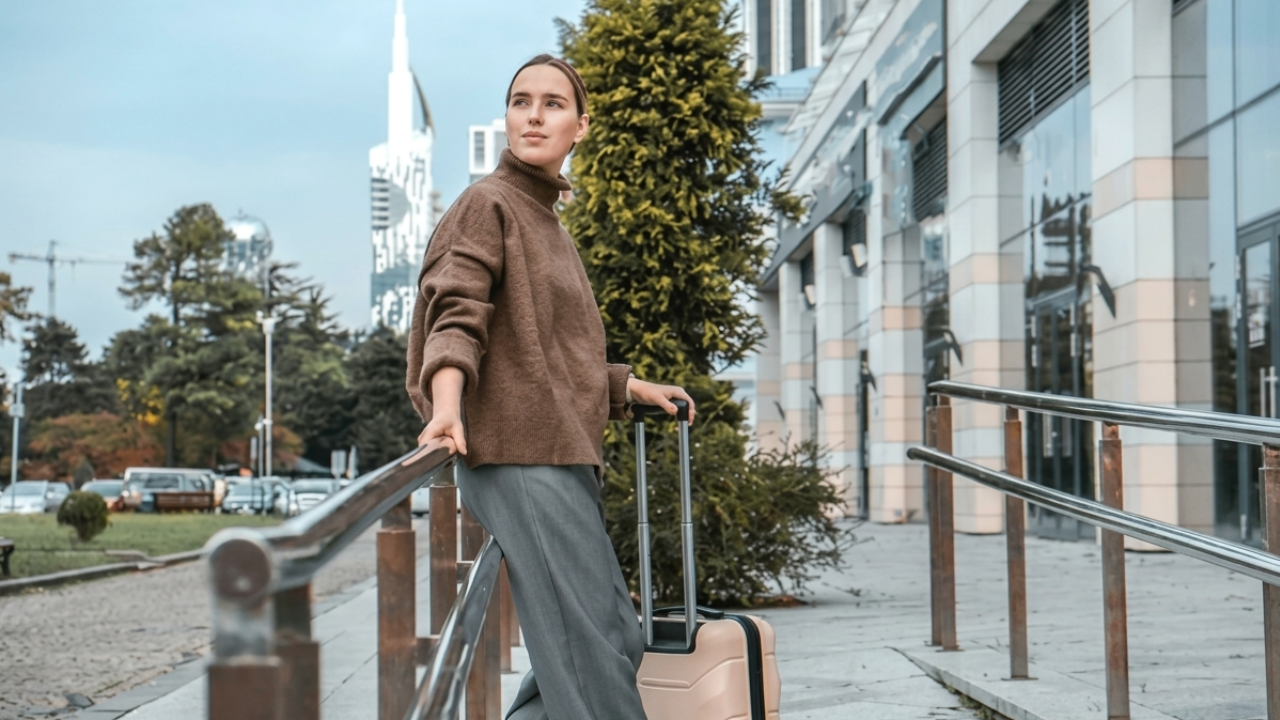
One of the biggest signs of the quiet getaway trend is the move away from fast, multi-stop vacations. Instead of trying to fit five cities into seven days, travelers are choosing one or two places and giving themselves time to settle in. This makes the trip feel less like a race and more like a real break.

Fewer stops can make travel easier in practical ways. There are fewer transfers, fewer hotel check-ins, fewer train schedules, fewer packing days, and less pressure to keep moving. It also allows travelers to understand a place more naturally. A city or town feels different after the first day, once visitors know where the local bakery is, which street is quiet in the morning, and which neighborhood feels best for dinner.

This style of travel is especially appealing to people who feel tired before they even start their vacation. A slower route gives the body and mind time to adjust. It can also reduce travel mistakes, since fewer moving parts mean fewer chances for delays, missed connections, or rushed decisions. The result is a trip that may look smaller on paper but often feels richer in memory.

2. Quiet Nature Stays Are Replacing Landmark-Hopping
© shutterstock / U__Photo

2. Quiet Nature Stays Are Replacing Landmark-Hopping

Quiet nature stays are becoming a serious alternative to landmark-heavy travel. Instead of planning every day around museums, monuments, and popular viewpoints, travelers are booking cabins, lake houses, forest lodges, farm stays, mountain retreats, and coastal cottages. The appeal is simple: nature gives people space without demanding constant activity.

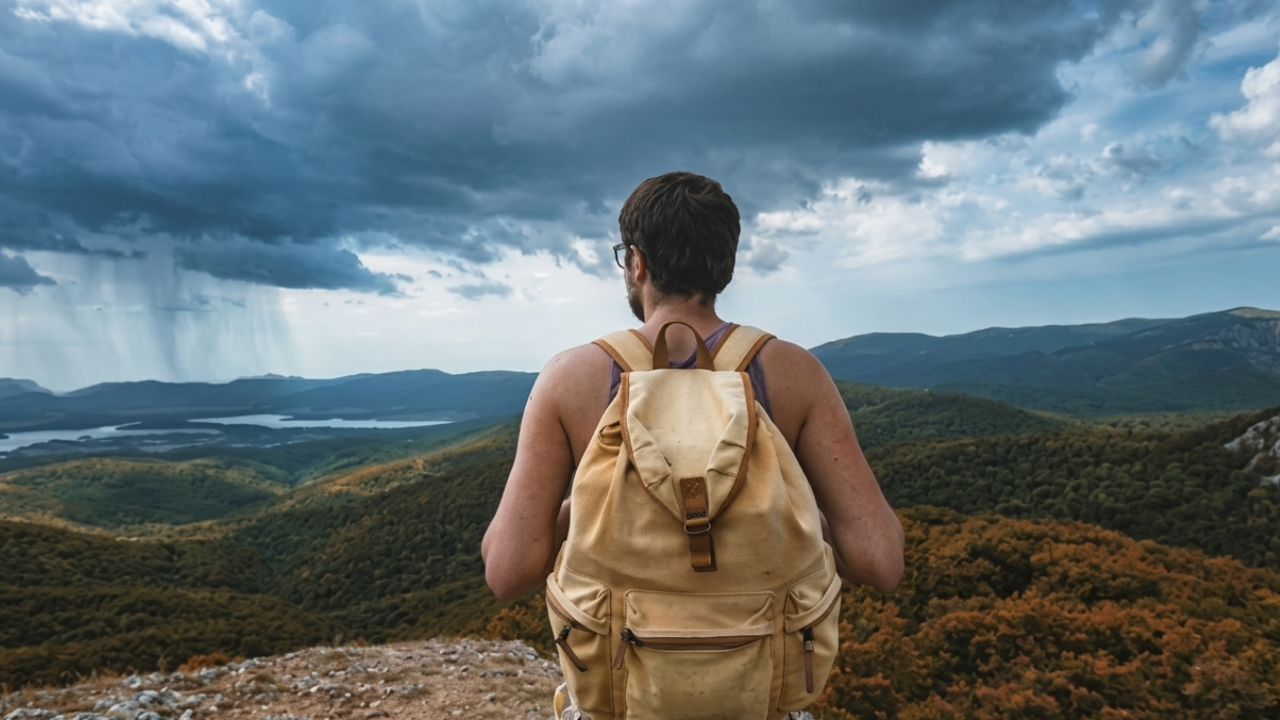
This does not mean travelers are avoiding sightseeing altogether. It means they are choosing settings where the environment itself becomes the experience. A morning by a lake, a slow walk through a forest, a meal on a terrace, or an afternoon watching clouds over mountains can feel more restorative than standing in another crowded line.

Nature stays also match the growing interest in wellness and digital disconnection. Many travelers are tired of vacations that require the same level of planning as work. A quiet stay in nature makes it easier to sleep better, use the phone less, and move at a gentler pace. For people who spend most of the year in traffic, offices, screens, and crowded cities, the real luxury is not another famous landmark. It is silence, clean air, and time that feels unclaimed.

3. Stargazing and Noctourism Are Adding Calm After Dark
© shutterstock / Fabricio Pacheco

3. Stargazing and Noctourism Are Adding Calm After Dark

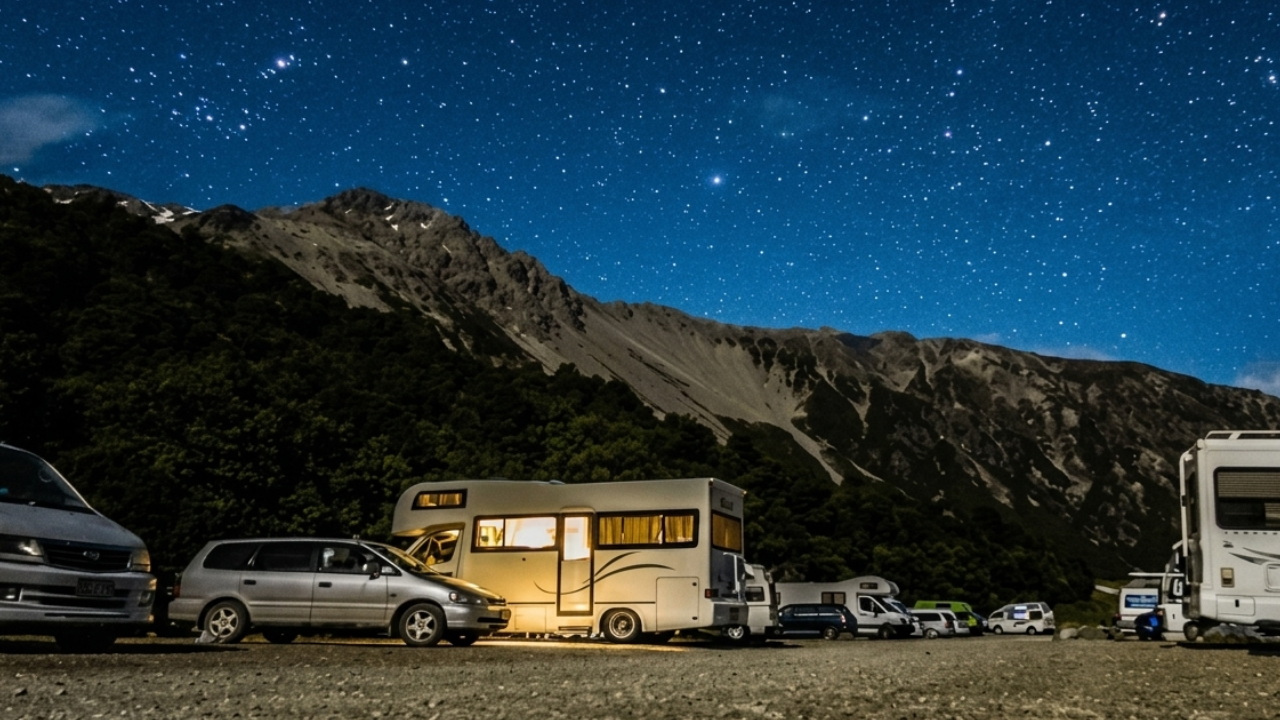
Quiet travel is not only about daytime slowing down. After-dark experiences are also becoming more important, especially through stargazing and noctourism. Noctourism refers to travel experiences planned around the night, such as dark-sky viewing, moonlit walks, bioluminescent kayaking, evening wildlife tours, night markets, or cultural events after sunset.

Recent coverage has described noctourism as a growing trend, with destinations and hotels creating more intentional nighttime experiences rather than treating evenings as empty space. For quiet getaway travelers, the appeal is clear. Night experiences can be calmer than daytime sightseeing, especially when they take place away from bright cities and crowded attractions.

Stargazing is one of the strongest examples. It encourages travelers to go somewhere darker, quieter, and less built-up. Places with low light pollution, desert landscapes, mountain lodges, remote islands, and national parks are becoming more attractive to people who want wonder without noise. Unlike a packed nightlife schedule, calm noctourism is not about staying busy late. It is about experiencing the world differently after dark, with more stillness and attention.

4. Morning Walks Are Replacing Overbooked Tour Days
© shutterstock / Jose HERNANDEZ Camera 51

4. Morning Walks Are Replacing Overbooked Tour Days

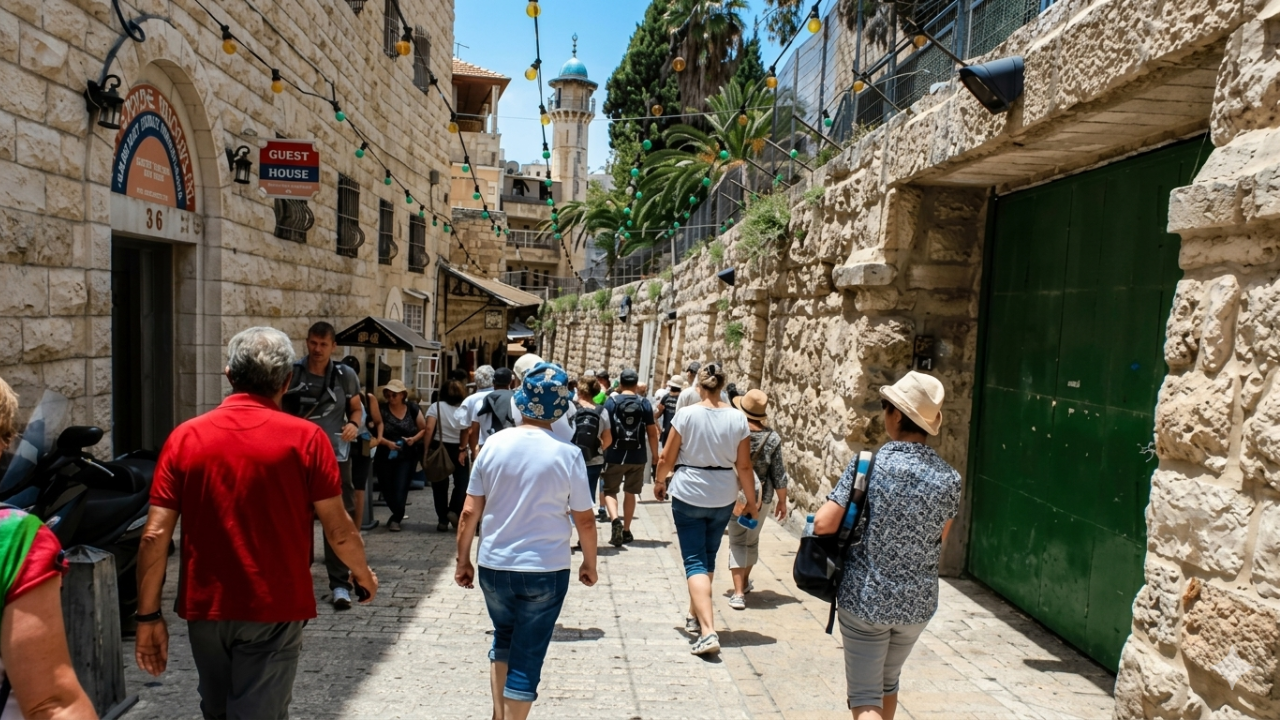
Morning walks are becoming one of the simplest symbols of quiet travel. Instead of waking up and rushing straight into a packed tour schedule, travelers are leaving the first part of the day open. They walk through neighborhoods, visit a local café, watch a city wake up, or take a quiet path along water, fields, or old streets.

This small change can reshape an entire trip. A morning walk helps visitors notice details they would miss from a tour bus or taxi: shopkeepers opening doors, commuters heading to work, fresh bread in windows, empty squares, quiet churches, early markets, and changing light. It creates a sense of place without needing tickets or reservations.

Overbooked tour days can be useful when a destination is hard to navigate alone, but they can also leave travelers feeling like they are being moved through a place rather than actually experiencing it. Morning walks offer the opposite feeling. They are flexible, low-cost, and personal. They also reduce the pressure to make every hour productive. For many travelers, the best memory of a trip is no longer the busiest day. It is the quiet hour before everyone else arrives.

5. JOMO Trips Are Replacing FOMO Travel
© shutterstock / simona pilolla 2

5. JOMO Trips Are Replacing FOMO Travel

For a long time, travel was shaped by FOMO, the fear of missing out. People felt pressure to visit every famous viewpoint, eat at every viral restaurant, take the same photos, and prove they had experienced the “must-see” version of a destination. JOMO travel is pushing back against that pressure. It is based on the joy of missing out, meaning travelers choose what actually suits them instead of chasing everything.

JOMO travel has become a recognized trend in recent travel reporting, especially as people seek calmer vacations, more privacy, and less pressure to perform their trips online. A JOMO trip might include skipping a crowded attraction, staying in a quiet rental, spending an afternoon reading, choosing a local restaurant over a famous one, or leaving part of the itinerary blank.

This style of travel feels especially relevant in a world where social media can make every destination look urgent. JOMO reminds travelers that missing one attraction does not ruin a trip. In fact, it may improve it. When people stop chasing every recommendation, they often make better choices. They eat when hungry, rest when tired, explore when curious, and return home feeling like they had a vacation rather than completed an assignment.

6. Sleep and Recovery Are Becoming Travel Priorities
© shutterstock / asiandelight

6. Sleep and Recovery Are Becoming Travel Priorities

Sleep is becoming a major part of travel planning, not an afterthought. More travelers are realizing that a vacation is not very useful if they return home exhausted. Instead of choosing hotels only for location, views, or design, people are paying more attention to quiet rooms, comfortable beds, blackout curtains, wellness facilities, slower check-out times, and places that support real rest.

This shift is linked to the wider growth of sleep tourism and recovery-focused travel. Recent trend coverage has noted that travelers are increasingly prioritizing rest, recharge, longevity, and stress-free experiences as part of the luxury travel landscape. The idea is not limited to expensive resorts. Even budget-conscious travelers are choosing fewer early departures, calmer neighborhoods, and accommodation where they can properly recover.

Sleep-focused travel also changes the daily schedule. Instead of waking before sunrise every day for tours, travelers may allow slower mornings. Instead of booking late-night activities after full sightseeing days, they may choose one meaningful evening and leave the rest open. This does not make the trip boring. It makes it sustainable. A well-rested traveler often enjoys food, scenery, conversations, and small discoveries more fully.

7. Detour Destinations Are Becoming the New Main Destination
© shutterstock / brajianni

7. Detour Destinations Are Becoming the New Main Destination

Detour destinations were once treated as side trips, but many travelers are now making them the main event. These are smaller cities, quieter towns, nearby regions, or lesser-known alternatives close to famous places. Instead of staying in the busiest destination and taking a short excursion elsewhere, travelers are reversing the plan.

This trend is growing because famous hotspots can feel expensive, crowded, and over-managed. A detour destination can offer similar scenery, culture, food, or history without the same pressure. For example, travelers may choose Girona instead of Barcelona, Reims instead of Paris, Kanazawa instead of Kyoto, or Canmore instead of Banff. These places are not necessarily unknown, but they often feel more manageable.

Travel trend reporting has identified detour destinations as a major planning style, with travelers looking beyond the obvious stop and choosing places near major gateways or famous cities. The appeal is not only lower crowd levels. It is also the feeling of discovering somewhere that has its own rhythm. When a detour becomes the destination, travelers often find more relaxed restaurants, easier walks, better conversations, and a clearer sense of local life.

8. Small Towns Are Replacing Big-City Breaks
© shutterstock / purebr

8. Small Towns Are Replacing Big-City Breaks

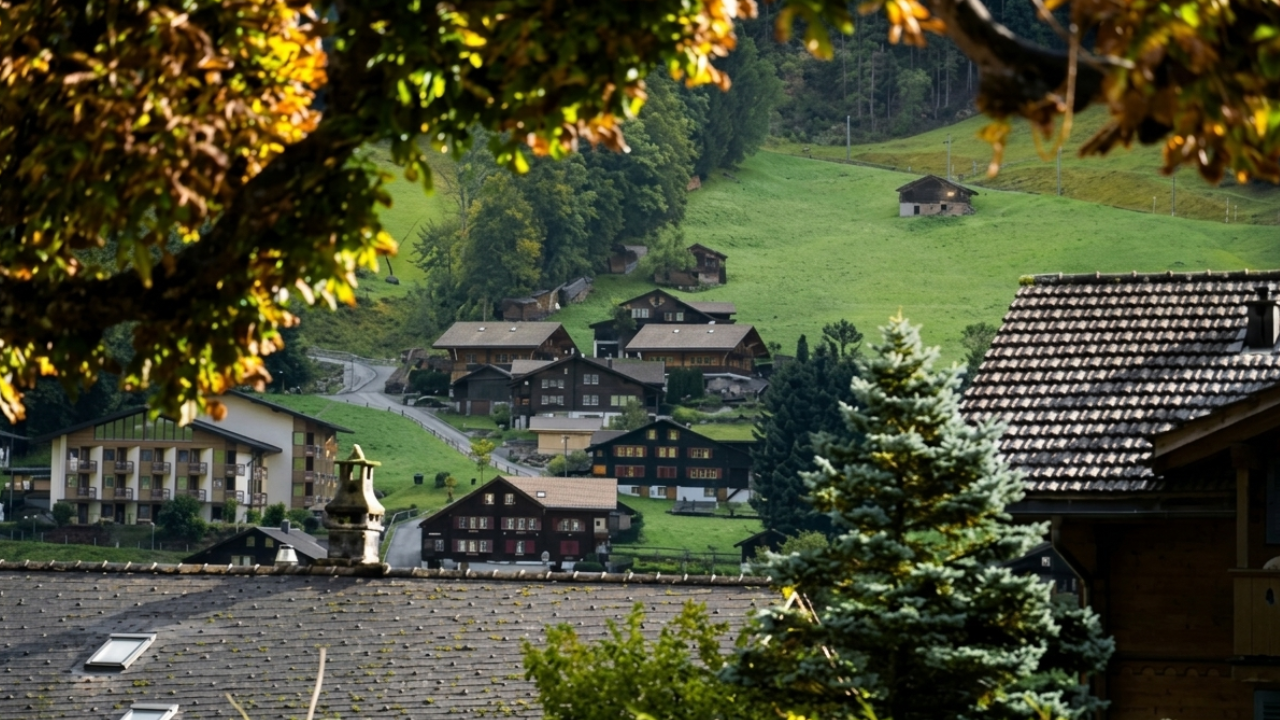
Small towns are becoming more appealing to travelers who want charm without the pressure of major city breaks. Big cities offer museums, restaurants, nightlife, shopping, and famous landmarks, but they can also bring noise, traffic, high hotel prices, packed public transport, and decision fatigue. Smaller towns often offer a simpler version of travel.

A small-town getaway can include local markets, family-run cafés, scenic walks, historic streets, regional food, nearby nature, and slower evenings. These trips are especially attractive for travelers who have already visited major capitals and now want a more grounded experience. Instead of spending the day crossing a large city from one attraction to another, they can explore on foot and return to the same favorite places more than once.

Small towns also make travel feel more human. Visitors may speak with the same shopkeeper twice, recognize the same square, or settle into a routine within a few days. That familiarity can make a trip feel deeper, even if the destination is less famous. For many travelers, the best part of a quiet getaway is not being anonymous in a crowd. It is feeling briefly connected to a place.

9. Unplanned Time Is Becoming the New Luxury
© shutterstock / Olezzo

9. Unplanned Time Is Becoming the New Luxury

Unplanned time is becoming one of the most valued parts of modern travel. In the past, leaving empty space in an itinerary could feel wasteful, especially after spending money on flights and hotels. Now, more travelers see that open time is what allows a trip to feel like a break.

Unplanned time gives people the freedom to respond to the destination instead of controlling every hour in advance. A traveler might stay longer at a café, follow a side street, take a nap, visit a market twice, sit by the water, or change plans because the weather is better somewhere else. These moments often become the most memorable part of a trip because they feel unforced.

This trend also reflects a change in what people consider luxury. Luxury is no longer only about five-star hotels or expensive restaurants. For many travelers, luxury means not rushing, not checking the clock, not standing in lines all day, and not feeling guilty for resting. A trip with unplanned time may look less impressive as an itinerary, but it often feels better in real life. It creates space for surprise, recovery, and genuine enjoyment.

10. Longer Stays Are Replacing Quick Check-In Travel
© shutterstock / Shyntartanya

10. Longer Stays Are Replacing Quick Check-In Travel

Longer stays are replacing the old habit of quick check-in travel, where visitors move through a place just long enough to say they have been there. Instead of collecting destinations, travelers are spending more time in one location. This can mean a week in one city, a month in a small town, or a slow regional trip based around one rental home.

Longer stays support almost every part of the quiet getaway trend. They reduce transport stress, make routines easier, allow for rest days, and help travelers spend money more locally. They also give visitors a better sense of daily life. A longer stay makes room for grocery shopping, neighborhood walks, local cafés, repeat visits, and slower exploration beyond the obvious attractions.

Remote work flexibility has also made longer trips more realistic for some travelers. Travel coverage has noted a shift away from traditional quick weekend breaks toward longer stays, partly because people can combine work flexibility with travel more easily than before. Even for travelers who are not working remotely, the idea is appealing. A longer stay can turn a vacation from a short escape into a real reset, which is exactly why the quiet getaway trend is replacing packed vacation schedules.


Comments (0)

Leave a Reply

No comments yet. Be the first to share your thoughts!