Travel United States

10 Most Visited Natural Destinations in Utah, Ranked

Adam Collins
3.7
April 21, 2026

Utah is often called “America’s film set” for a reason. For more than a century, filmmakers have used its landscapes to represent everything from the Wild West to distant planets. The state’s terrain shifts dramatically within short distances, from towering red rock formations to alpine forests and salt deserts. This variety is why Utah has appeared in hundreds of films and TV productions, making it one of the most visually recognizable backdrops in cinema.

What makes these places special is not just their beauty, but how cinematic they feel in real life. Many of these locations look exactly like they do on screen, sometimes even more striking. The following list highlights 10 of the most visually powerful and widely appealing destinations across Utah, carefully selected and restructured for maximum travel inspiration and reach.
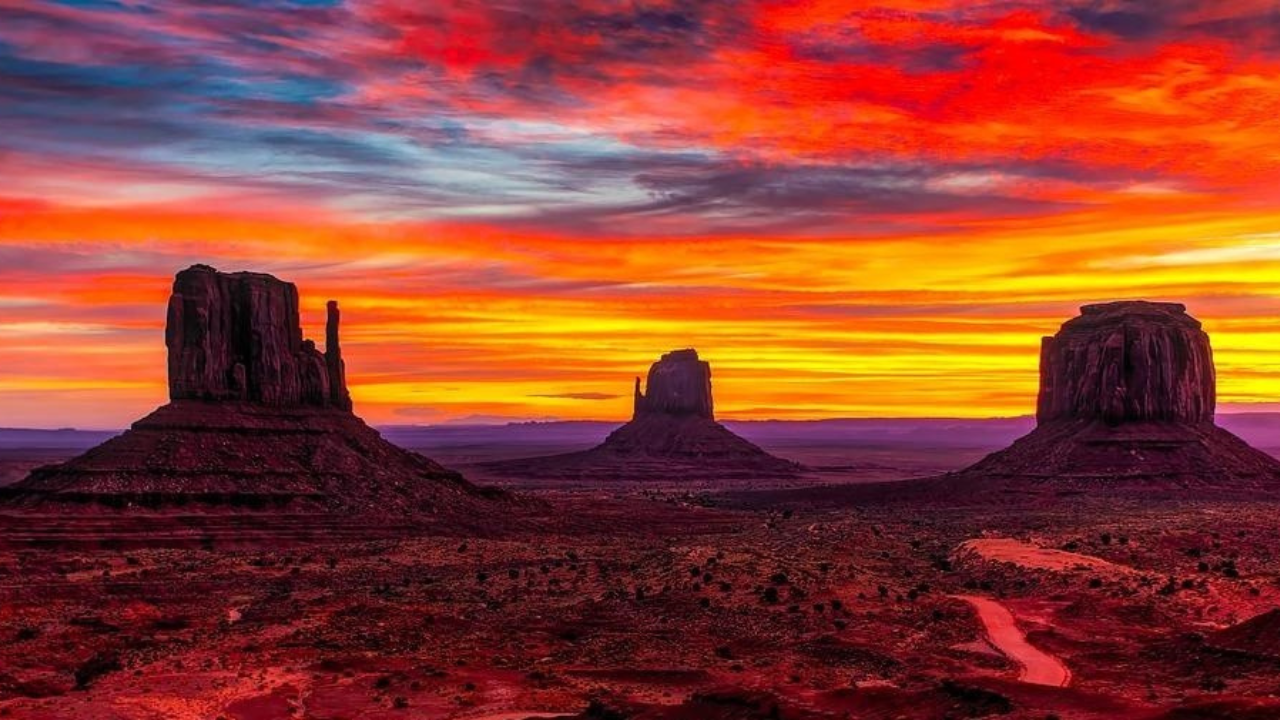
1. Monument Valley
© navajonationparks

1. Monument Valley

Monument Valley is one of the most iconic landscapes in the United States, instantly recognizable from countless Western films. Massive sandstone buttes rise dramatically from the desert floor, creating a scene that feels almost unreal in its scale and symmetry. The vast open space combined with deep red tones gives the area a cinematic quality that has defined Hollywood’s image of the American West for decades. Many scenes from classic films and even modern movies like Forrest Gump were shot here, reinforcing its reputation as a visual landmark.

Standing here feels like stepping into a film frame, especially at sunrise or sunset when shadows stretch across the desert. The silence and scale amplify the experience, making it one of the most immersive scenic locations in Utah. Whether you explore by scenic drive or guided tour, every viewpoint offers a composition that feels deliberately staged for a camera.

Best Season to Visit: March to May, September to October

Ideal Visiting Hours: Sunrise or sunset

Traveler Tip: Visit during golden hour for dramatic lighting

Must-Know: Located within Navajo Nation, entry fees apply

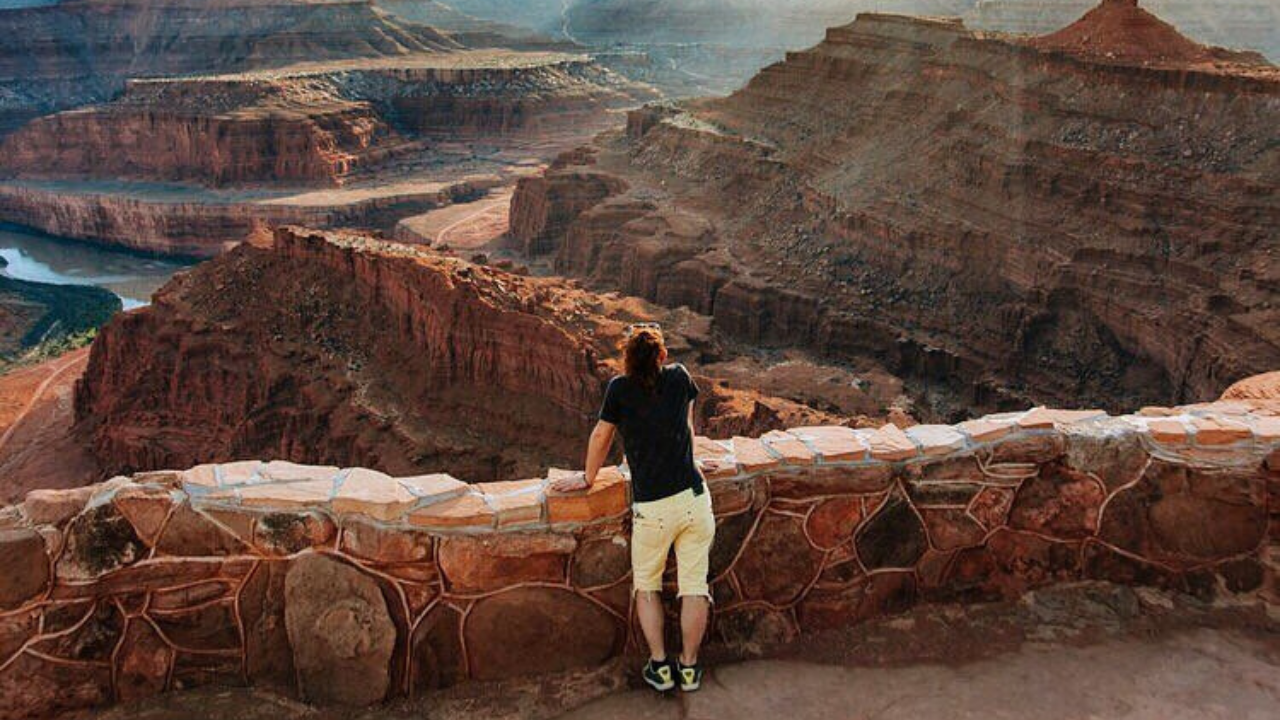
2. Dead Horse Point State Park
© awildroad

2. Dead Horse Point State Park

Dead Horse Point offers one of the most dramatic overlooks in the entire American Southwest. The view reveals a deep canyon carved by the Colorado River, winding far below in sharp bends that look almost painted into the landscape. This location has been used in major films because of its sheer visual impact, including iconic scenes in Thelma & Louise.

The viewpoint feels almost unreal because of how vast and uninterrupted the scenery is. Standing at the edge, you get a full panoramic view that stretches for miles, with layers of rock formations creating depth and contrast. It is one of those rare places where photos barely capture the scale. The combination of elevation, color, and perspective makes it feel like a natural movie set designed for epic scenes.

Best Season to Visit: Spring and fall

Ideal Visiting Hours: Late afternoon

Traveler Tip: Stay for sunset as colors shift dramatically

Must-Know: Limited shade, bring water

3. Arches National Park
© Dave Mani

3. Arches National Park

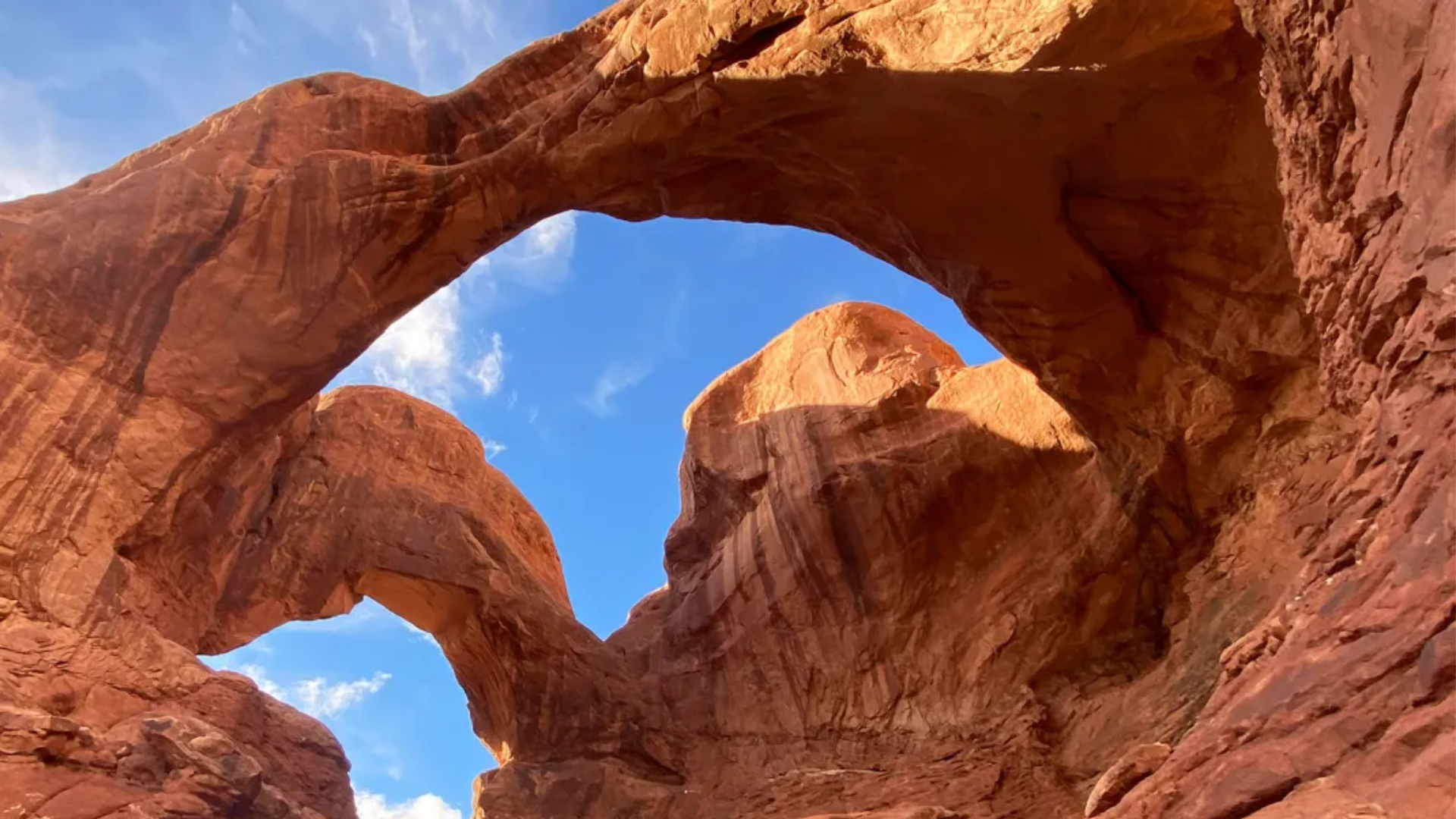
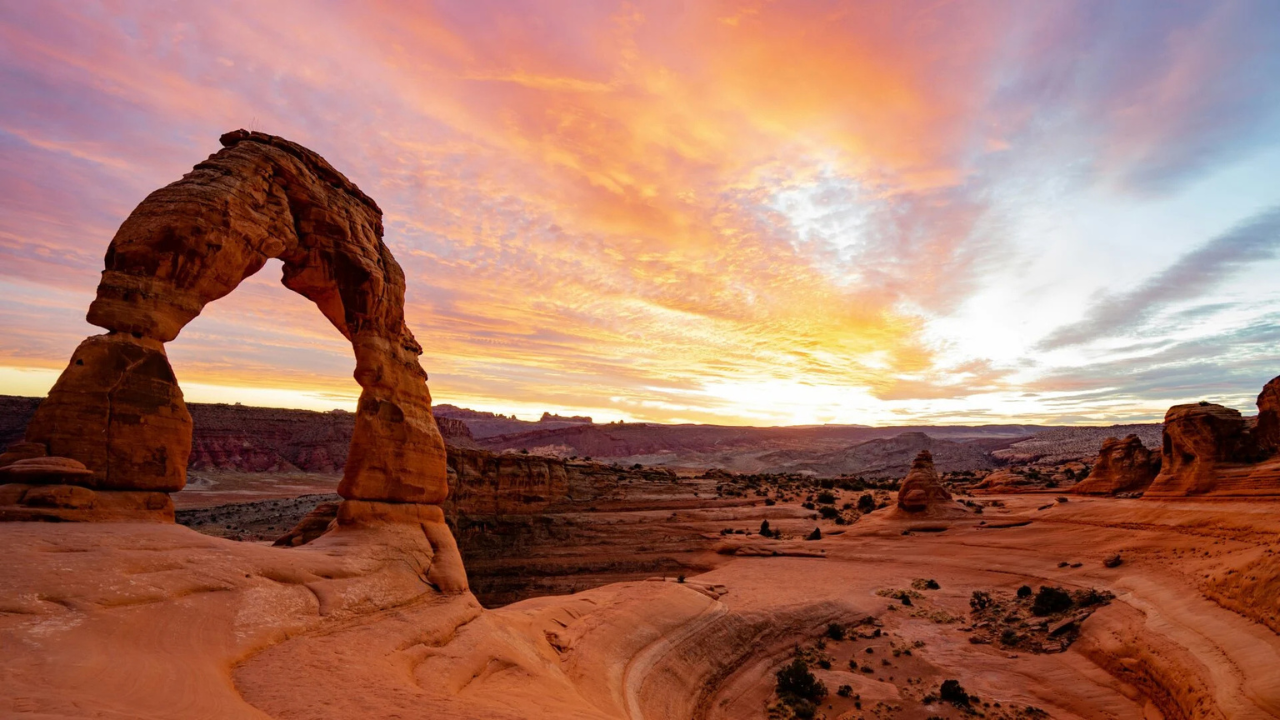
Arches National Park feels like a landscape built for science fiction films. With over 2,000 natural stone arches, the area creates a surreal environment where rock formations seem sculpted with precision. The shapes, textures, and colors shift throughout the day, giving every angle a cinematic quality. It is no surprise that filmmakers frequently use Utah’s red rock landscapes for scenes that need an otherworldly setting.

Walking through Arches feels like moving through a series of natural film sets. Delicate Arch, in particular, stands as one of the most photographed landmarks in the state, framed perfectly against open sky. The park’s wide-open terrain and minimal vegetation allow the formations to dominate the scene, making every viewpoint feel dramatic and intentional.

Best Season to Visit: April to May, September to October

Ideal Visiting Hours: Sunrise or early morning

Traveler Tip: Arrive early to avoid crowds

Must-Know: Timed entry may be required

4. Bryce Canyon National Park
© Dave Mani

4. Bryce Canyon National Park

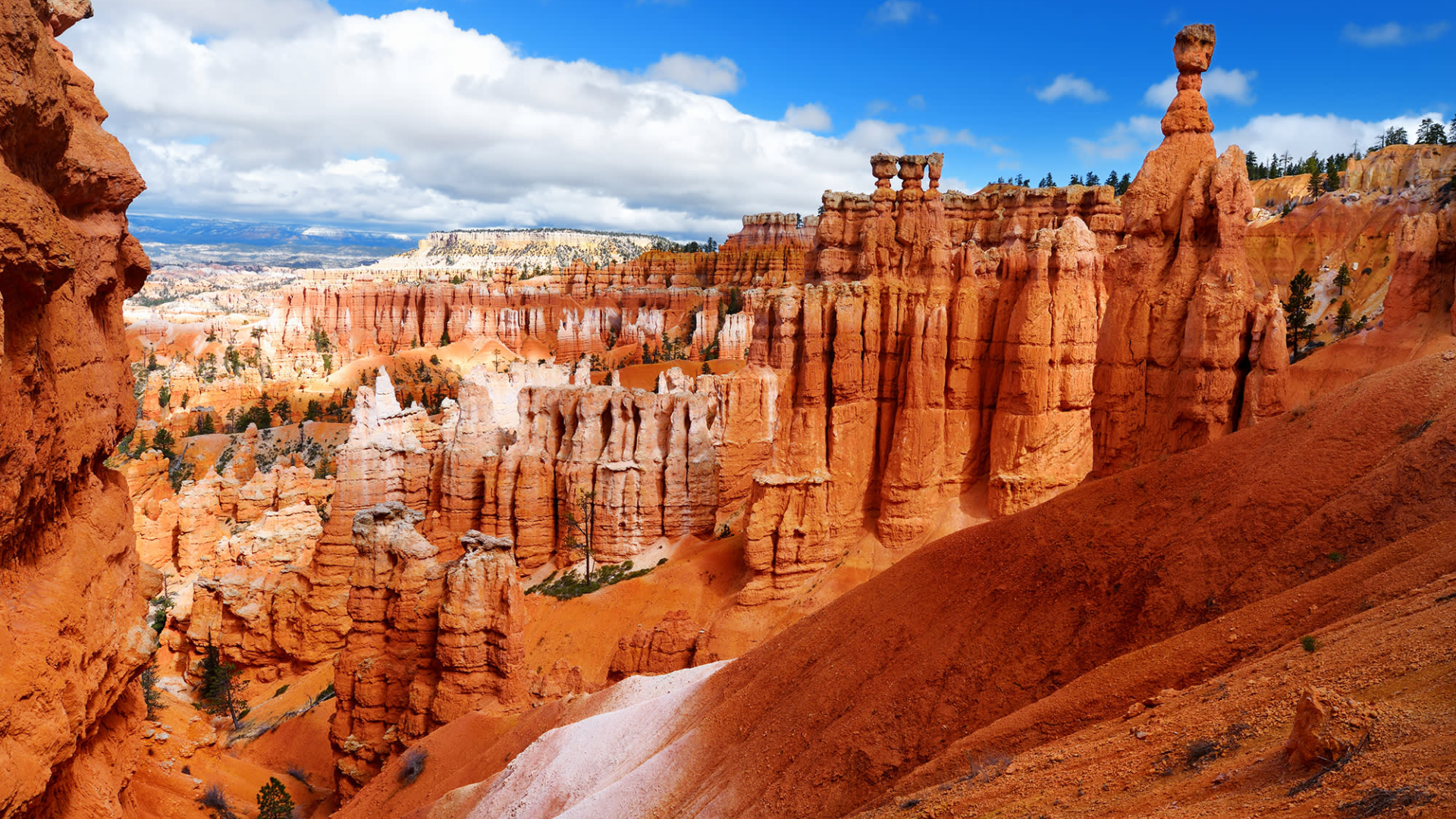
Bryce Canyon is known for its unique hoodoos, tall, thin rock spires that create a landscape unlike anywhere else. These formations cluster together in dense amphitheaters, forming patterns that look almost too precise to be natural. The visual effect is both dramatic and unusual, making it feel like a fantasy setting rather than a real place.

The color palette shifts from orange to pink depending on the light, adding another layer of visual interest. Walking along the rim or descending into the canyon gives completely different perspectives, each equally cinematic. This location is especially striking at sunrise when the hoodoos catch the first light, creating a glowing effect across the formations.

Best Season to Visit: Spring and early fall

Ideal Visiting Hours: Sunrise

Traveler Tip: Explore both rim and trails

Must-Know: Higher elevation means cooler temperatures

5. Zion National Park
© Dave Mani

5. Zion National Park

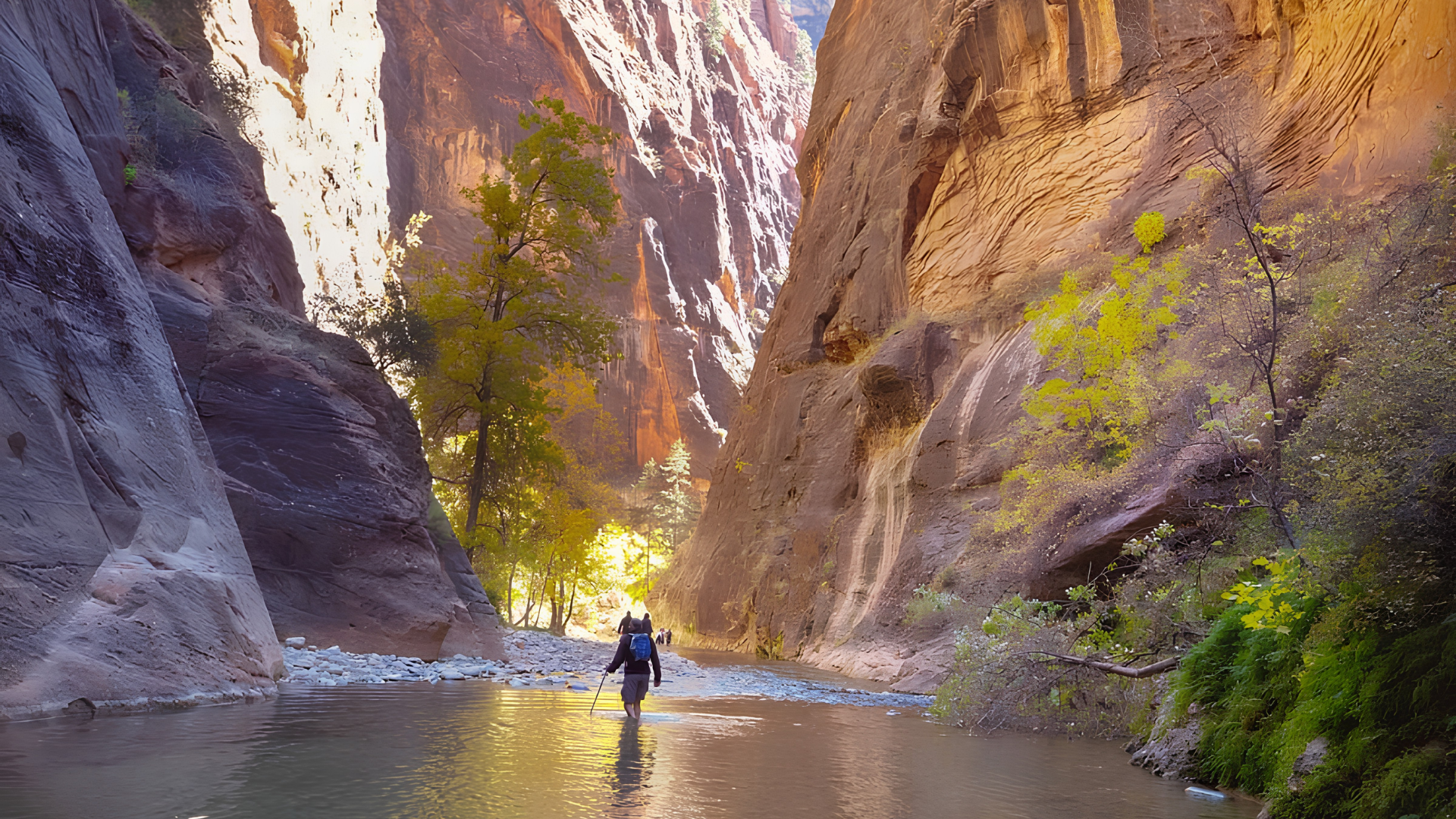
Zion offers a completely different kind of cinematic landscape, defined by towering cliffs, narrow canyons, and lush valleys. The scale of the rock walls creates a sense of immersion that feels almost overwhelming. Instead of wide open desert, Zion places you inside the scenery, making it feel like you are part of the setting rather than observing it.

Many areas within Zion, like The Narrows or Angels Landing, offer perspectives that feel dynamic and constantly changing. The contrast between red rock and green vegetation adds visual depth, making every viewpoint feel layered and detailed. It is one of the most visually engaging locations in Utah for travelers who want both scenery and movement.

Best Season to Visit: March to May, September to November

Ideal Visiting Hours: Early morning

Traveler Tip: Use shuttle system to access main areas

Must-Know: Trails can be physically demanding

6. Bonneville Salt Flats
© Rick Egan

6. Bonneville Salt Flats

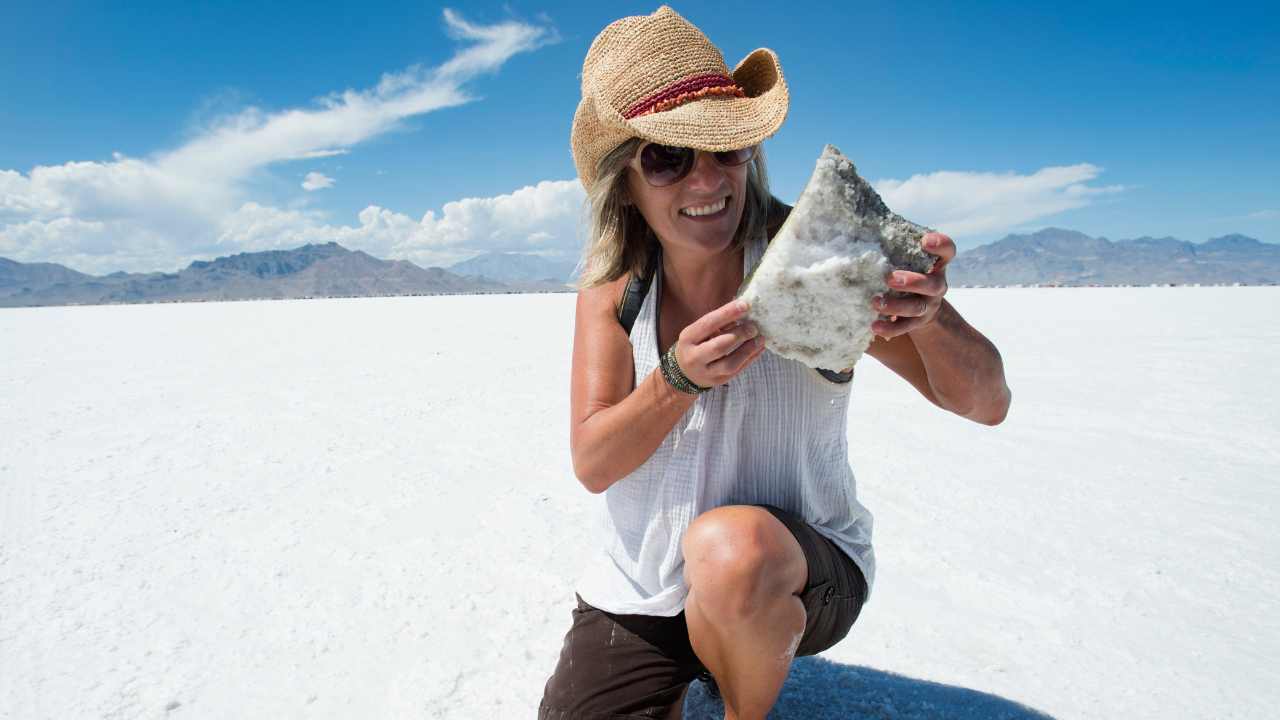
The Bonneville Salt Flats present a completely different visual experience compared to Utah’s red rock landscapes. This vast, flat expanse of white salt stretches to the horizon, creating a minimalistic scene that feels almost abstract. The reflective surface after rain creates mirror-like effects that are often used in photography and film.

The emptiness of the area adds to its cinematic appeal, making it feel like a setting designed for surreal or futuristic scenes. Unlike other locations, the beauty here comes from simplicity and scale rather than detail. It is one of the few places where the sky becomes as important as the ground in creating the overall visual effect.

Best Season to Visit: Late summer and fall

Ideal Visiting Hours: Sunset

Traveler Tip: Visit after rain for reflections

Must-Know: No facilities nearby

7. Canyonlands National Park
© Dave Mani

7. Canyonlands National Park

Canyonlands is often described as a more expansive and less crowded alternative to nearby parks. The landscape is divided into distinct sections, each offering different perspectives of deep canyons, mesas, and rivers. The scale is immense, making it feel like a location built for large cinematic scenes.

The Island in the Sky district provides some of the most accessible viewpoints, where you can see layers of terrain stretching far into the distance. The complexity of the landscape creates endless visual combinations, making it one of the most dynamic scenic locations in Utah.

Best Season to Visit: Spring and fall

Ideal Visiting Hours: Morning

Traveler Tip: Focus on viewpoints if short on time

Must-Know: Large distances between areas

8. Snow Canyon State Park
© Austin Broadbent

8. Snow Canyon State Park

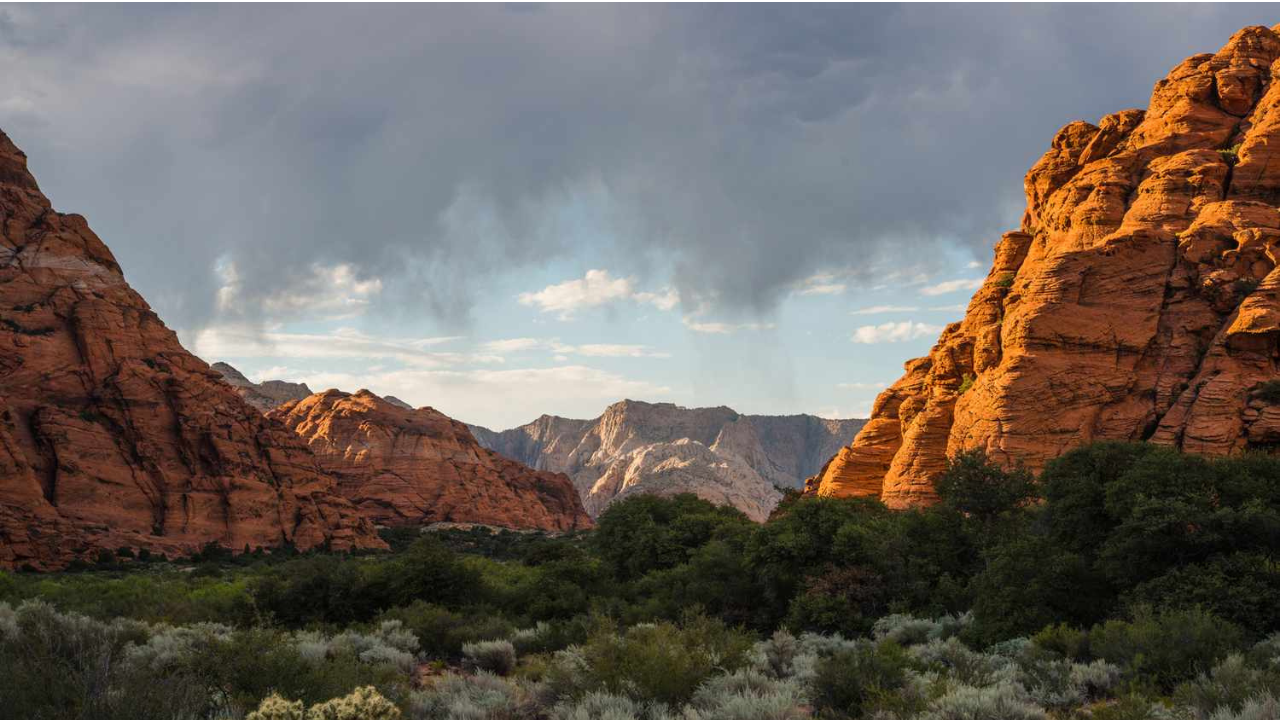
Snow Canyon offers a quieter alternative to the more famous national parks while still delivering striking scenery. The mix of red rock formations, lava fields, and sand dunes creates a varied landscape that feels visually rich without being overwhelming. It has also been used in films, adding to its cinematic reputation.

The smaller scale makes it easier to explore, allowing visitors to experience multiple viewpoints in a shorter time. The contrast between dark volcanic rock and bright sandstone adds depth to the scenery, making it visually engaging from every angle.

Best Season to Visit: Fall and spring

Ideal Visiting Hours: Morning

Traveler Tip: Explore lesser-known trails

Must-Know: Less crowded than major parks

9. Highway 163 (Forrest Gump Point)
© Pete-Alexopoulos / unsplash

9. Highway 163 (Forrest Gump Point)

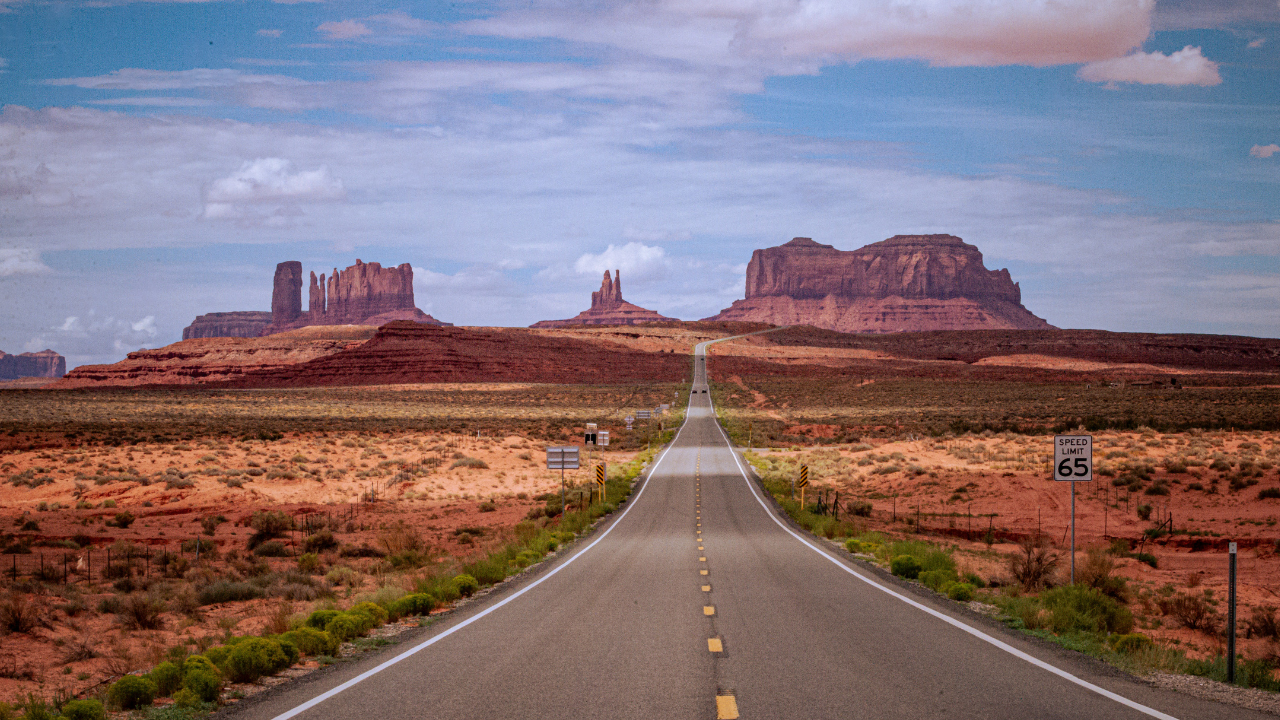
This stretch of highway leading into Monument Valley is one of the most recognizable road scenes in film. The long straight road framed by towering rock formations creates a perfect visual composition. It became iconic after appearing in Forrest Gump, where the character stops running mid-journey.

Standing on this road feels like stepping into a scene you have already seen. The perspective draws your eye toward the horizon, making it one of the most photographed locations in Utah. It is a simple setting, but its composition makes it unforgettable.

Best Season to Visit: Year-round

Ideal Visiting Hours: Sunrise

Traveler Tip: Visit early for fewer crowds

Must-Know: Road safety is important

10. Park City Mountains
© Tripadvisor

10. Park City Mountains

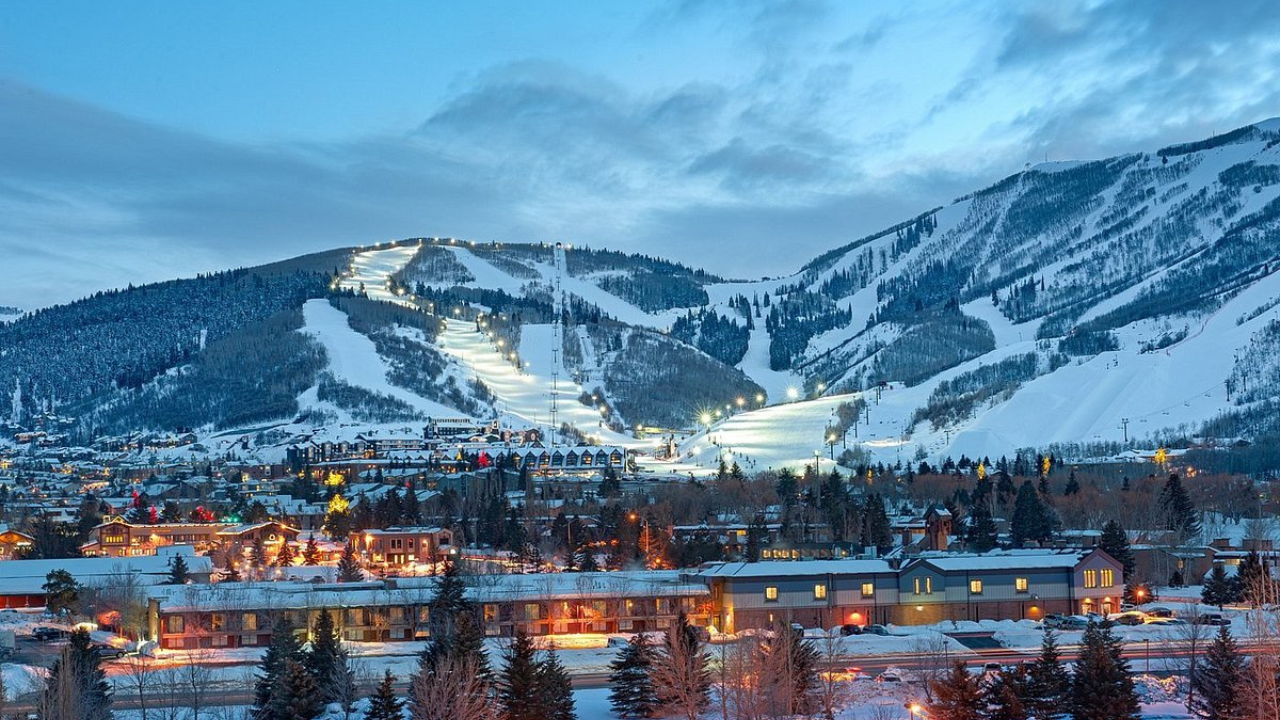
Park City offers a completely different side of Utah, with alpine scenery, forests, and snow-covered peaks in winter. The area has been used in films and continues to attract filmmakers because of its varied terrain and accessibility.

In winter, the snow-covered landscape creates a clean and cinematic environment, while summer brings green hills and mountain views. The shift in seasons allows the same location to feel entirely different, making it versatile for both travel and film. It is a reminder that Utah’s cinematic appeal is not limited to deserts.

Best Season to Visit: Winter and summer

Ideal Visiting Hours: Morning

Traveler Tip: Visit during off-peak seasons

Must-Know: Popular during ski season


Comments (0)

Leave a Reply

No comments yet. Be the first to share your thoughts!