Travel Europe

10 Lesser-Known countries that are becoming an increasingly popular travel choice

Leo Harper
4.0
April 29, 2026

Travelers are no longer choosing destinations only because they are famous. In recent years, many people have started looking for places that feel beautiful, affordable, less crowded, and more culturally interesting than the usual vacation hotspots. Social media, cheaper flight routes, rising hotel prices in major cities, and growing frustration with overtourism have all helped push once-quiet destinations into the spotlight.

This shift has also been shaped by the rise of “destination dupes,” where travelers choose places that offer a similar experience to better-known destinations, often with better value and fewer crowds. Recent travel trend coverage has pointed to travelers looking beyond crowded favorites and choosing alternatives with strong landscapes, local culture, and lower costs. Expedia’s 2026 travel report also highlights changing traveler behavior, including interest in emerging destinations and more thoughtful trip choices.

The destinations below were once treated as side trips, budget alternatives, or hidden gems. Now, they are appearing more often in travel lists, social feeds, and real itineraries.
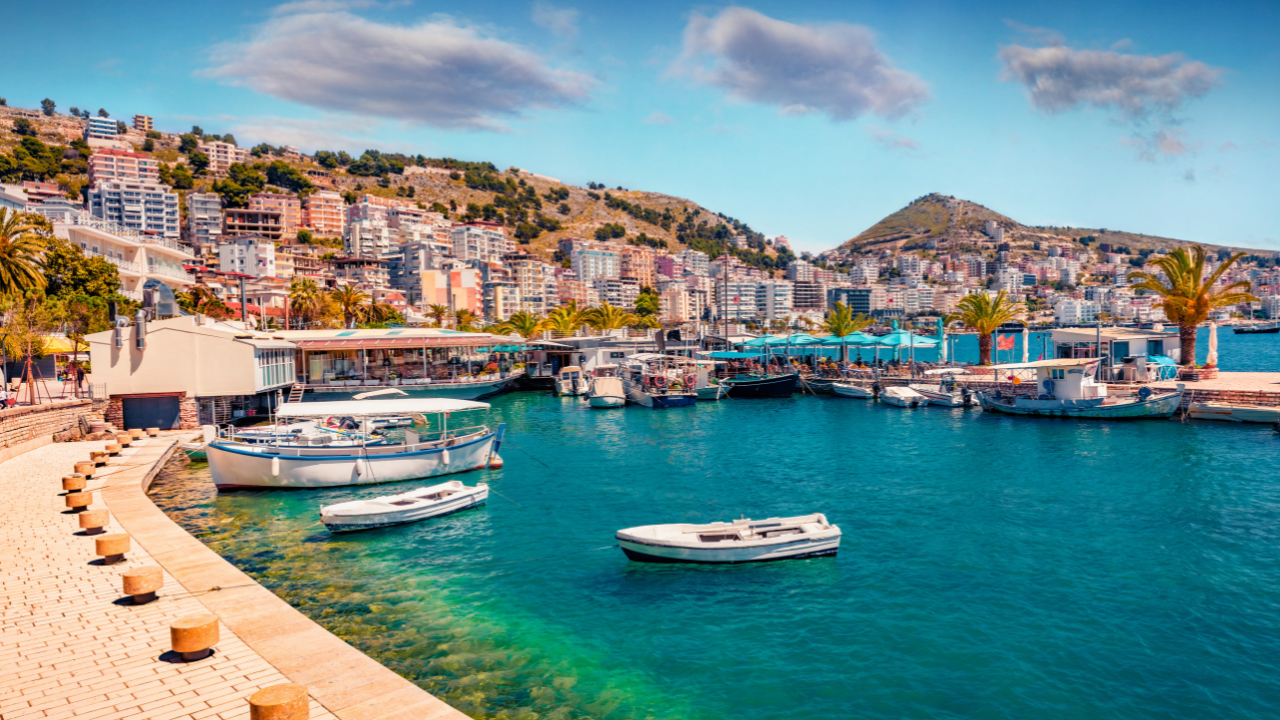
1. Albania
© shutterstock / Andrew Mayovskyy

1. Albania

Albania may be the clearest example of a once-underrated destination becoming hard to ignore. For years, travelers passed over it in favor of Greece, Croatia, or Italy. Now, Albania’s Riviera, mountain villages, Ottoman-era towns, and low travel costs have made it one of Europe’s fastest-rising vacation choices. Momskoop highlights Albania for its Adriatic and Ionian beaches, castles, towns like Berat and Gjirokastër, fresh seafood, byrek, and strong value compared with neighboring countries.

The appeal is easy to understand. The beaches around Ksamil, Himarë, and Dhërmi offer clear water and dramatic coastlines, while inland areas bring mountain scenery and historic architecture. Albania still feels less polished than some Mediterranean destinations, but that is part of why travelers are drawn to it. It offers a sense of discovery that is harder to find in Europe’s most famous summer spots.

Its sudden popularity also comes with growing pains. Roads, card payments, and tourist infrastructure can be inconsistent outside major areas, so visitors need to plan carefully. Still, for travelers who want a Mediterranean trip without the prices and crowds of Greece or Italy, Albania has moved from overlooked to everywhere.

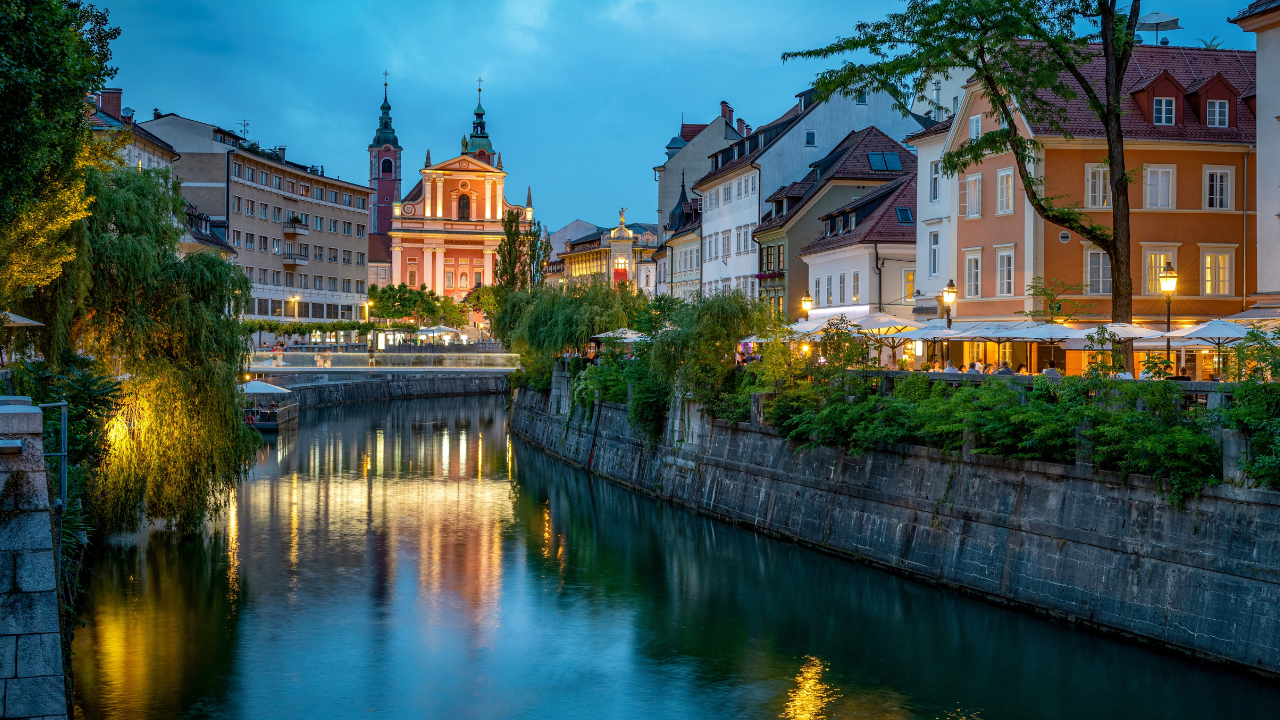
2. Slovenia
© shutterstock / Triff

2. Slovenia

Slovenia used to be treated as a quiet stop between Italy, Austria, and Croatia. Now it is increasingly seen as a complete destination in its own right. Lake Bled has become a social media favorite, but the country offers much more than one postcard view. Ljubljana is walkable and relaxed, the Julian Alps provide serious outdoor scenery, and towns like Piran bring a coastal atmosphere with Venetian influence.

Travel coverage has pointed to Slovenia as one of the European destinations gaining attention because it combines natural beauty, sustainability, wine regions, and manageable travel distances. One recent report grouped Slovenia with Albania, Bosnia and Herzegovina, and Montenegro as once-underrated European destinations seeing major tourism growth.

What makes Slovenia especially attractive is how much variety fits into a small country. Travelers can move from alpine lakes to caves, vineyards, castles, and the Adriatic coast without spending long hours in transit. It works for hikers, couples, families, food travelers, and road-trip planners. Compared with larger European destinations, Slovenia feels easier to explore at a slower pace.

The more popular it becomes, the more important timing is. Lake Bled can feel crowded in summer, so travelers looking for the older “hidden gem” feel may prefer Bohinj, the Soča Valley, or wine regions near the Italian border.

3. Georgia
© shutterstock / Guitar photographer

3. Georgia

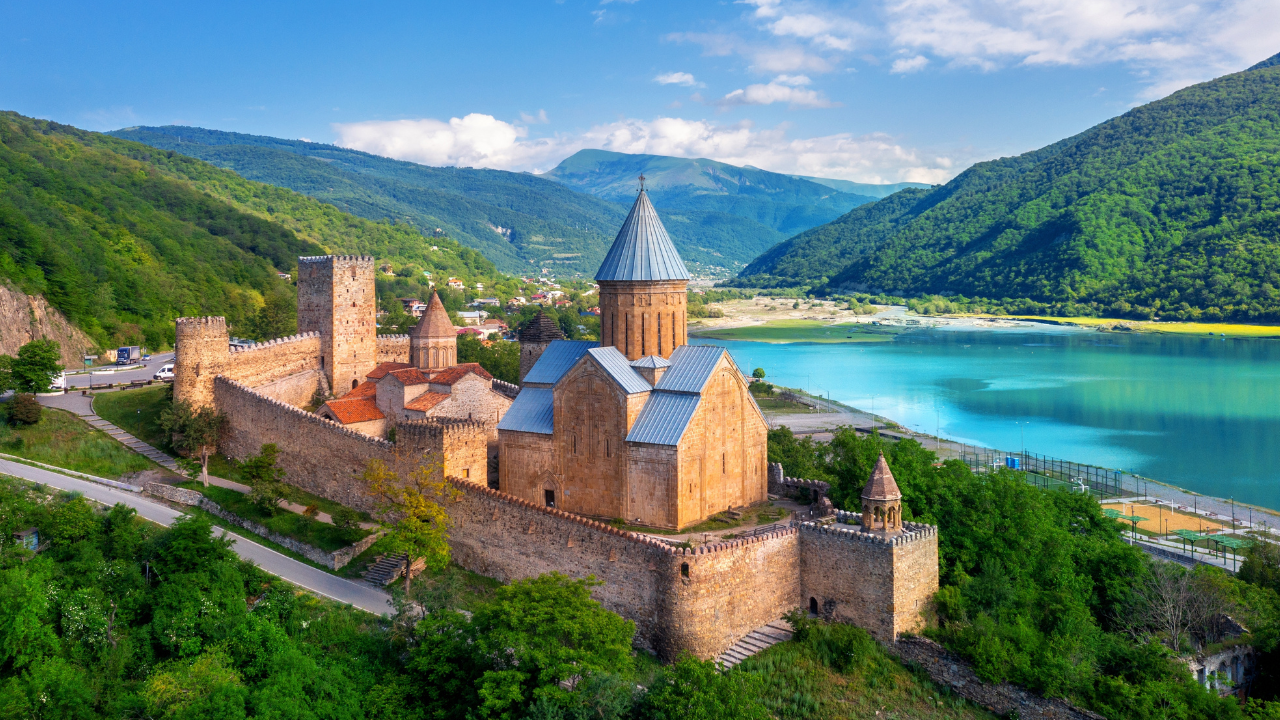
Georgia has been gaining attention among travelers who want mountains, old cities, wine, food, and affordability. Tbilisi’s colorful balconies, sulfur baths, churches, cafés, and hillside views make it one of the most interesting city breaks between Europe and Asia. Beyond the capital, the Caucasus Mountains, Kazbegi, Svaneti, Kakheti wine country, and cave monasteries give the country a wide range of experiences.

Georgia’s rise makes sense in the current travel climate. Visitors are looking for destinations that feel culturally rich without being overbuilt for tourism. Georgia offers that balance. It has deep traditions, generous hospitality, and food that often becomes one of the main reasons travelers want to return. Khachapuri, khinkali, local wine, walnuts, herbs, and regional dishes make dining feel central to the trip.

The country is still not as mainstream as Italy, Spain, or Greece, but it is no longer a secret among experienced travelers. It is especially popular with digital nomads, hikers, wine lovers, and people who want a destination that feels familiar enough to navigate but different enough to be memorable.

Travelers should understand that infrastructure can vary. Mountain roads may be rough, driving can be stressful, and remote regions require flexibility. But for many visitors, that sense of adventure is exactly what makes Georgia stand out.

4. Vietnam
© shutterstock / Samvet

4. Vietnam

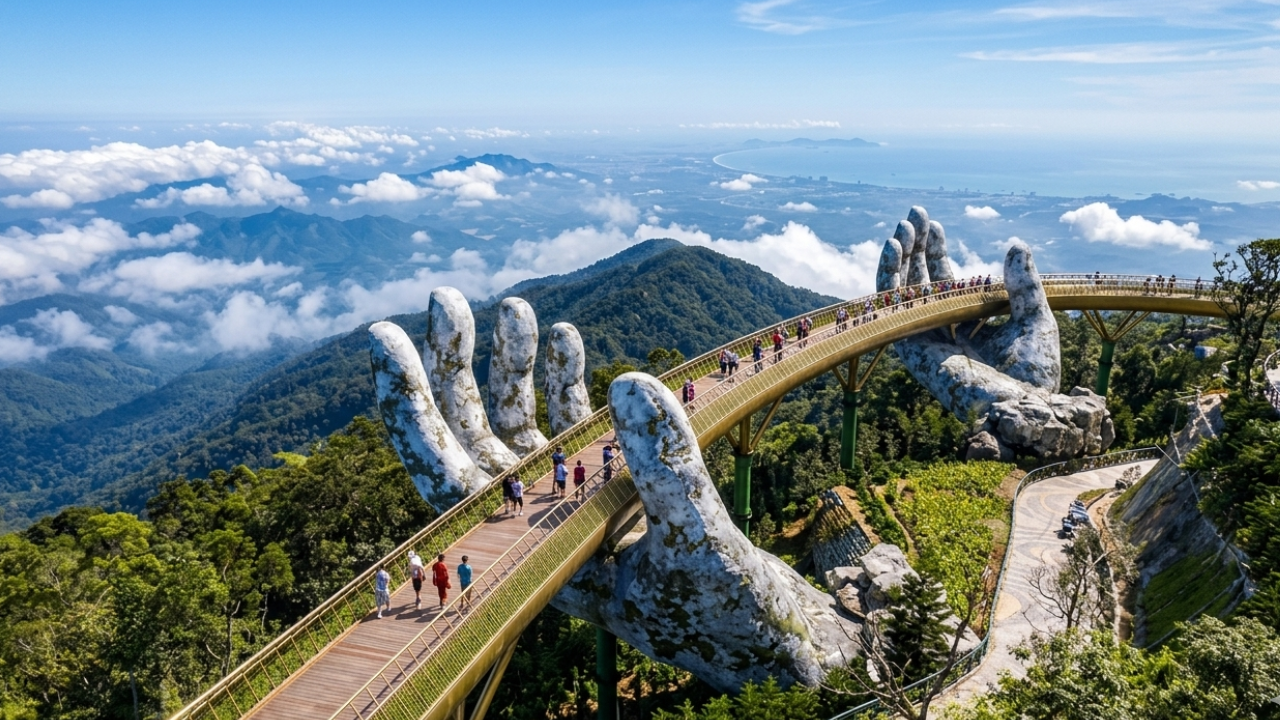
Vietnam has long been popular with backpackers, but it is now everywhere across different travel styles. Budget travelers still love it, but couples, families, food tourists, remote workers, and luxury travelers are also adding Vietnam to their lists. The Yahoo reference article highlights Vietnam as a place where getting there may cost money, but daily travel can feel surprisingly affordable once you arrive.

Its strength is variety. Hanoi has old-quarter energy, street food, lakes, and coffee culture. Hoi An offers lantern-lit streets, tailoring, river views, and nearby beaches. Ha Long Bay and Ninh Binh deliver limestone scenery, while Ho Chi Minh City brings nightlife, history, and modern dining. The Ha Giang Loop has also become one of Southeast Asia’s most talked-about road-trip experiences.

Vietnam is appearing more often because it offers a strong alternative to pricier or more crowded Asian beach and city destinations. It has scenery, food, culture, beaches, mountains, and value in one route. Travelers who once defaulted to Thailand or Bali are now considering Vietnam for longer and more varied trips.

The main challenge is planning by region. Weather differs sharply between north, central, and southern Vietnam, so the best time to visit depends on the itinerary. Distances can also be longer than they appear, making domestic flights or overnight trains useful.

5. Morocco
© shutterstock / Kadagan

5. Morocco

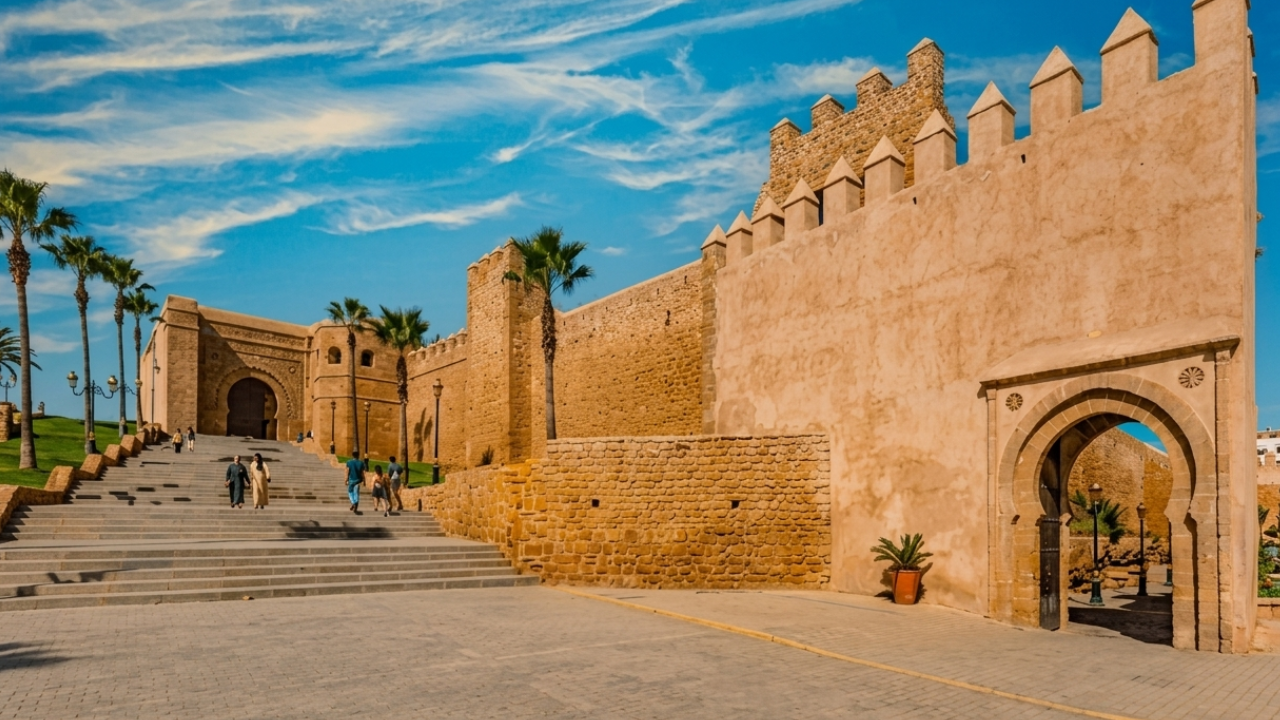
Morocco has been known for years, but several of its destinations are now getting renewed attention from travelers looking beyond classic European city breaks. Marrakech remains the entry point for many visitors, but Fez, Chefchaouen, Essaouira, the Atlas Mountains, and the Sahara routes are increasingly part of mainstream itineraries. Smilebox specifically highlights Fez for its sensory medina experience, leather dye vats, spice displays, donkeys, traditional clothing, and craft culture.

Morocco works well for travelers who want color, architecture, markets, food, and desert landscapes without a standard beach-resort trip. Its cities feel layered and atmospheric, with riads, courtyards, mosques, gardens, and old trading routes shaping the travel experience. For travelers who usually choose Spain, Portugal, or southern France, Morocco offers a nearby but very different cultural setting.

The reason it feels suddenly everywhere is partly visual. Rooftop views, tiled interiors, blue streets, desert camps, and medina alleys photograph beautifully. But Morocco is more than an image-driven destination. It rewards travelers who slow down, hire good local guides, and approach bargaining, dress, and local etiquette respectfully.

Visitors should prepare for busy markets, persistent sellers in tourist areas, and medina navigation. With good planning, Morocco can feel exciting rather than overwhelming.

6. Montenegro
© shutterstock / givaga

6. Montenegro

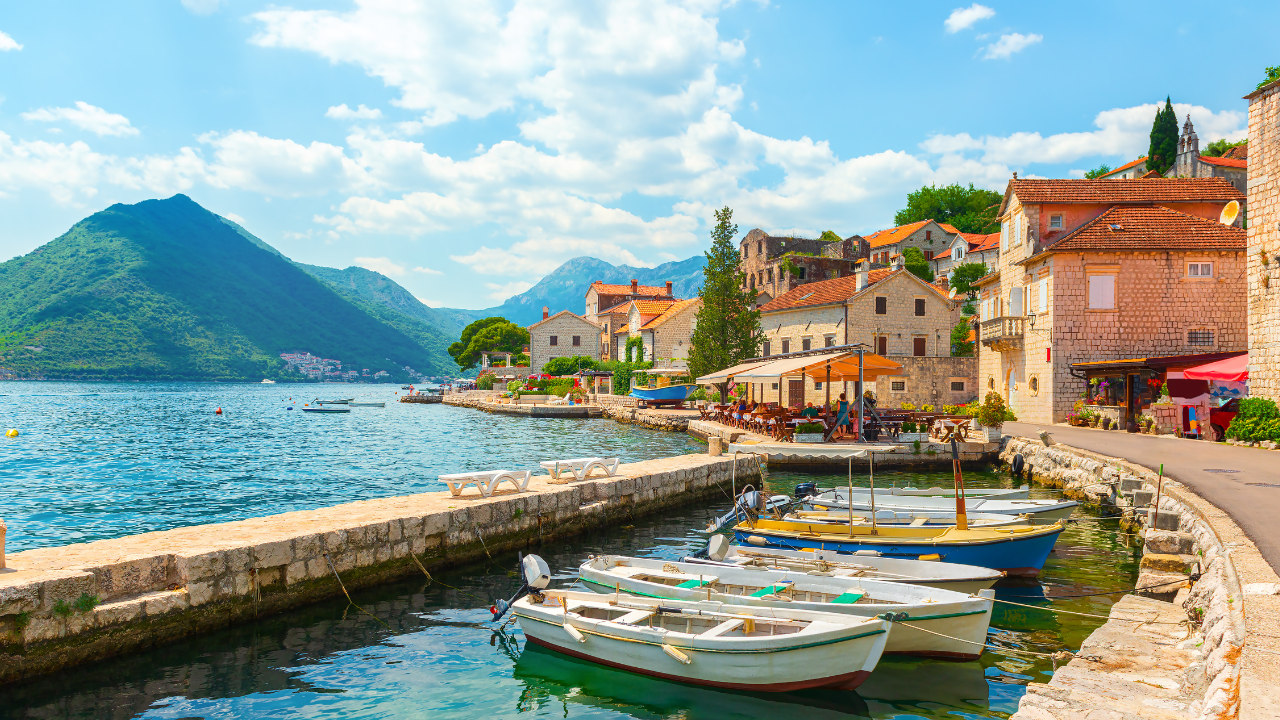
Montenegro was once overshadowed by Croatia, but travelers are now noticing its dramatic coastlines, mountain scenery, medieval towns, and compact size. Kotor has become especially popular because of its old town, bay views, fortress hike, and cruise access. Budva attracts beach travelers, while Durmitor National Park and Lake Skadar offer a quieter natural side.

Montenegro fits the “destination dupe” trend because it offers Adriatic beauty with a slightly different pace than Croatia’s most famous coast. The Guardian has reported on British travelers increasingly swapping busy Mediterranean hotspots for lesser-known and more affordable alternatives, including Montenegro, Albania, and Bosnia and Herzegovina.

The country’s biggest advantage is contrast. In one trip, travelers can explore stone towns, drive mountain roads, swim along the coast, visit lakes, and experience Balkan food culture. It feels small enough for a road trip but varied enough to fill a full vacation.

However, Montenegro’s rising popularity means places like Kotor can feel crowded when cruise ships arrive. Travelers who want a more relaxed experience should stay overnight, visit early, and consider towns beyond the most photographed spots.

7. Uzbekistan
© shutterstock / Efired

7. Uzbekistan

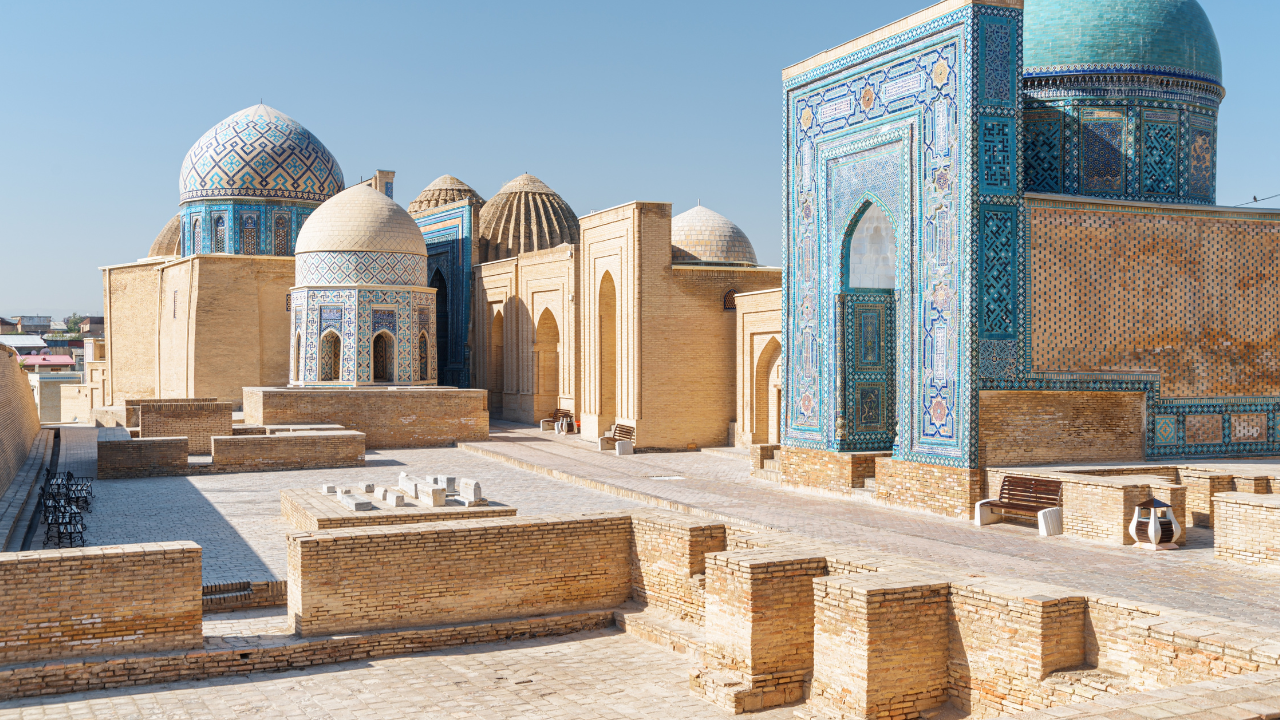
Uzbekistan has moved from specialist Silk Road itineraries into broader travel conversations. Cities like Samarkand, Bukhara, and Khiva offer blue-tiled mosques, madrasas, caravanserais, markets, and desert history that feel completely different from the average city break. It is the kind of place travelers choose when they want architecture and history without repeating Europe’s museum-and-cathedral circuit.

Its rise is connected to better visibility, improved travel infrastructure, and a growing appetite for cultural trips that feel less predictable. Uzbekistan appears in recent destination-dupe conversations as an alternative for travelers looking for crowd-free historical beauty and strong visual impact.

What makes Uzbekistan special is that its major sights feel both grand and accessible. The Registan in Samarkand, Bukhara’s old town, and Khiva’s walled city create a strong sense of place. Train connections between major cities have also made travel easier than many first-time visitors expect.

It is still not as simple as visiting Western Europe, and travelers should prepare for language differences, longer routes, and hot summers. But for people who want a destination that feels truly different, Uzbekistan is quickly becoming one of the most talked-about choices.

8. Madeira, Portugal
© shutterstock / Melinda Nagy

8. Madeira, Portugal

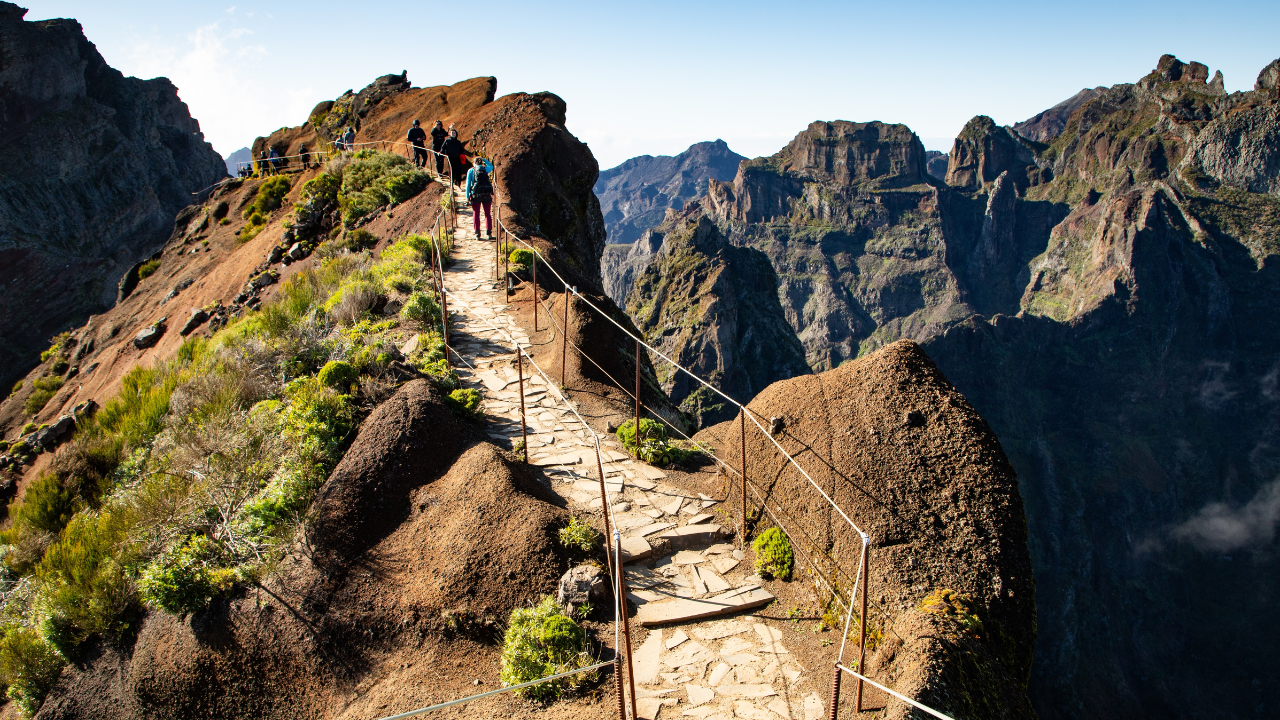
Madeira used to be dismissed by some travelers as a quiet island for older vacationers. That reputation has changed quickly. Today, it is appearing everywhere among hikers, nature lovers, digital nomads, photographers, and travelers who want dramatic scenery without needing a long-haul island escape. A Yahoo travel roundup includes a traveler describing Madeira as a destination that exceeded expectations because of its coastline, hillsides, valleys, and cloud-level walking paths.

The island’s appeal is not based on beaches alone. Madeira is known for levada walks, mountain viewpoints, black-sand beaches, ocean pools, gardens, cliffs, and the lively capital of Funchal. It works especially well for travelers who want outdoor activities but still want restaurants, hotels, and easy logistics.

Madeira has also benefited from the broader trend toward nature-based trips and off-season travel. Its mild climate makes it attractive outside the typical summer vacation window. Travelers can hike, take coastal drives, visit gardens, and explore small villages without needing to build a complicated itinerary.

As its popularity grows, the most famous hikes and viewpoints can get busy. Still, compared with many crowded European islands, Madeira offers a strong balance of comfort, scenery, and adventure.

9. Namibia
© shutterstock / Nick Dale Photo

9. Namibia

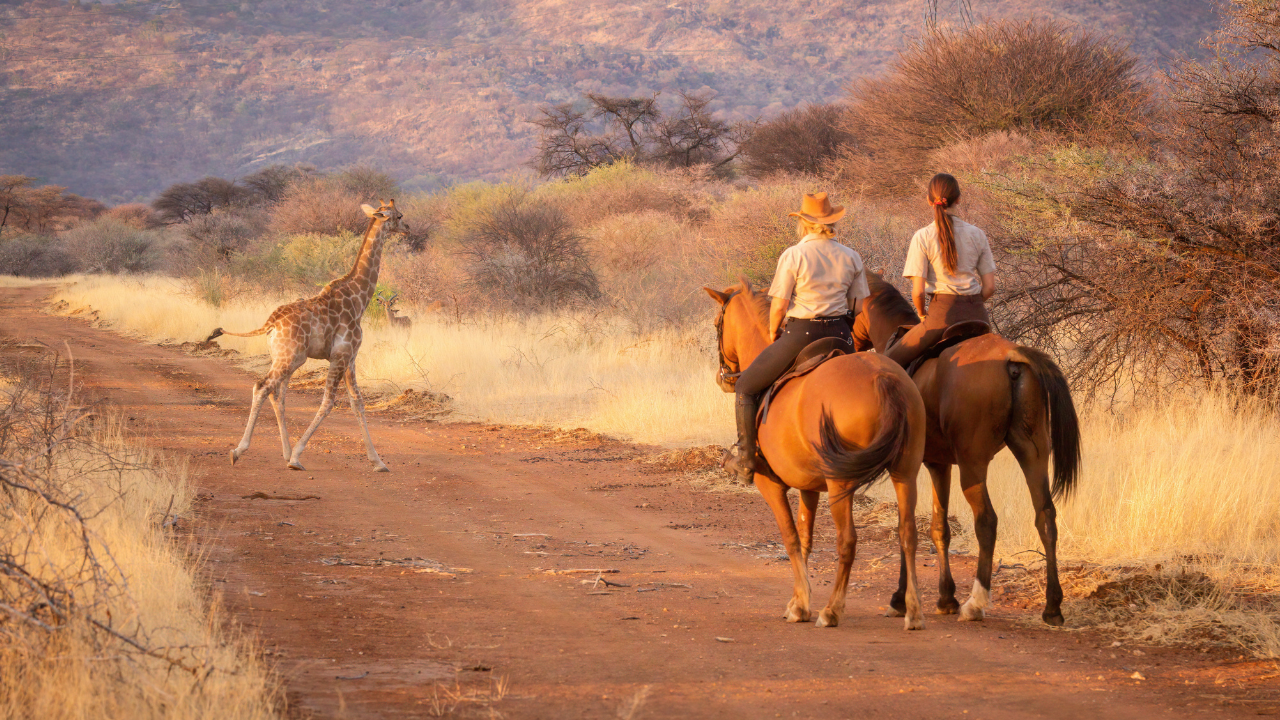
Namibia is becoming more visible among travelers who want open landscapes, wildlife, desert scenery, and road-trip adventure. It has long been admired by safari and photography travelers, but it is now reaching a wider audience interested in places that feel remote, cinematic, and spacious. Recent trend coverage has also highlighted destinations connected to wilderness, solitude, and reflective travel, with Namibia’s Skeleton Coast named among landscapes fitting this mood.

Namibia’s appeal is immediate. Sossusvlei’s red dunes, Etosha National Park’s wildlife, Swakopmund’s coastal setting, Damaraland’s desert-adapted animals, and the Skeleton Coast’s eerie beauty create a trip unlike most standard vacations. It is not a place built around quick sightseeing. It rewards patience, driving time, and attention to landscape.

The reason Namibia feels suddenly more popular is that travelers are craving space. After years of crowded cities and packed attractions, Namibia offers scale and quiet. It is also a strong choice for people who want a safari-style trip without following the most common East Africa route.

Travelers should plan carefully. Distances are large, fuel stops matter, and many routes require confidence with self-driving or guided tours. But for those prepared for the logistics, Namibia feels unforgettable.

10. Bosnia and Herzegovina
© shutterstock / artem evdokimov

10. Bosnia and Herzegovina

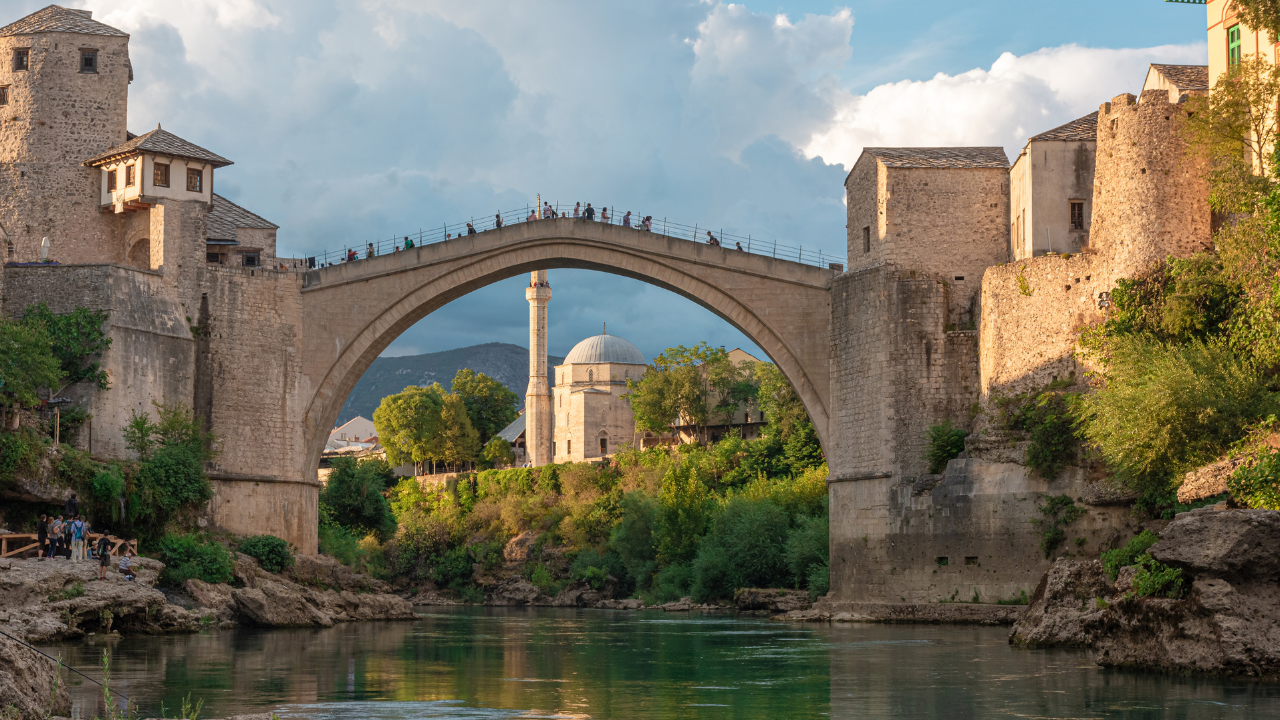
Bosnia and Herzegovina has moved from overlooked Balkan destination to rising favorite for travelers seeking history, scenery, affordability, and cultural depth. Sarajevo offers Ottoman, Austro-Hungarian, and modern layers in one compact city, while Mostar’s famous bridge and old town have become increasingly popular with visitors crossing from Croatia. Beyond those two places, waterfalls, rivers, mountains, and small towns make the country much more than a side trip.

The Guardian has reported that travelers are increasingly choosing Bosnia and Herzegovina as part of a shift toward “destination dupes,” with interest driven by lower costs, fewer crowds, social media, and concerns about overtourism in better-known Mediterranean destinations. The same coverage notes the country’s natural and cultural attractions, including Sarajevo, Mostar, Kravica waterfalls, Una National Park, and Ottoman and Habsburg influences.

Bosnia and Herzegovina appeals because it feels emotionally rich and visually striking. It is not a polished resort destination, and that honesty is part of its power. Travelers can experience strong coffee culture, layered history, mountain scenery, river towns, and warm hospitality at prices that are often lower than in nearby Croatia.

As more visitors arrive, the challenge will be protecting the places that made the country appealing in the first place. For now, it remains one of Europe’s most rewarding rising destinations.


Comments (0)

Leave a Reply

No comments yet. Be the first to share your thoughts!