Travel Destination

10 heavily visited tourist spots where residents say travel has changed

James Porter
5.0
April 24, 2026

Some famous destinations become popular for good reasons. They have historic streets, world-class museums, beaches, temples, food markets, ancient monuments, and cultural experiences that travelers remember for years. But when visitor numbers grow faster than local infrastructure can handle, the same places can start to feel crowded, expensive, and less connected to everyday local life.

Across Europe and Asia, several well-known tourist hotspots are now facing the effects of overtourism. Residents complain about rising rents, packed public transport, noisy nightlife, pressure on natural sites, and local traditions being turned into photo opportunities. Governments and city authorities are responding with tourist taxes, visitor caps, cruise restrictions, rental limits, and stricter rules for behavior. Recent reporting on overtourism has highlighted places such as Venice, Barcelona, Santorini, Amsterdam, Kyoto, Iceland, Thailand, and Bali as destinations where crowds have changed the visitor experience and affected residents’ quality of life.

This article looks at ten overcrowded tourist hotspots where locals say the atmosphere has changed for the worse. These places are still worth visiting, but travelers need to plan more carefully, avoid peak pressure points, and respect the fact that these destinations are also home to local communities.
1. Italy
© shutterstock / Francesco Cantone

1. Italy

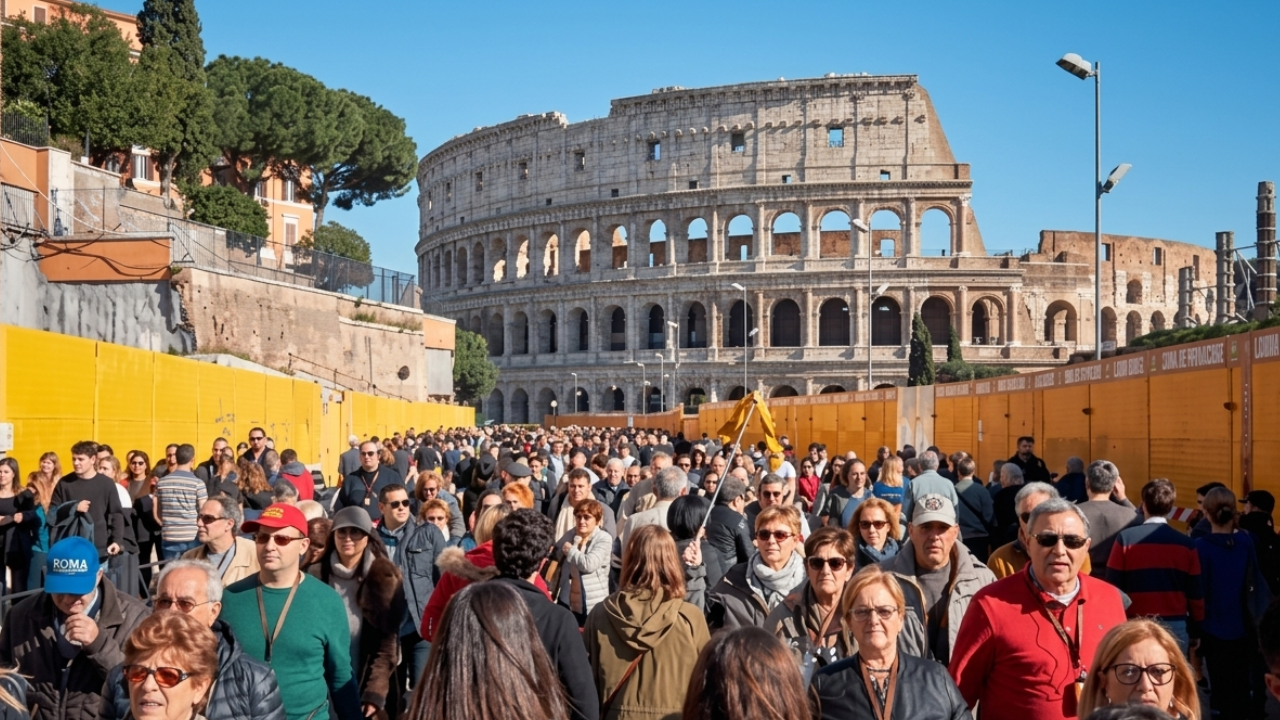
Italy remains one of the most visited countries in the world, but many of its most famous destinations now feel heavily strained by tourism. Venice is the clearest example. Its narrow lanes, canals, bridges, and historic squares were never designed for modern mass tourism. Day-trippers, cruise passengers, and large tour groups can make the city feel less like a living community and more like an open-air museum. Local frustration has grown as housing prices rise, everyday shops disappear, and crowded walkways make daily life harder for residents.

Other Italian destinations face similar pressures. Rome’s historic center is packed around the Colosseum, Trevi Fountain, Spanish Steps, and Vatican-area streets. Florence struggles with crowding around the Duomo, Uffizi Gallery, and Ponte Vecchio. Coastal areas such as Cinque Terre and parts of Sardinia have introduced visitor management systems and caps to protect beaches and walking trails. One report noted that Sardinia’s Tuerredda Beach has used a daily beachgoer cap and planned app-based booking to manage crowd flow.

Italy’s challenge is that tourism supports many local businesses, but too much of it concentrated in the same few areas can weaken local life. Travelers can help by visiting outside peak months, staying longer instead of rushing through on day trips, and exploring smaller towns beyond the most famous landmarks.

Best Season to Visit: March to May or October to November

Most Crowded Areas: Venice, Rome, Florence, Cinque Terre, Amalfi Coast

Traveler Tip: Book major attractions early and avoid visiting famous squares at midday.

Must-Know: Some Italian destinations now use entry fees, visitor caps, or local rules to manage crowds.

2. Spain
© shutterstock / Radu Bercanjpg

2. Spain

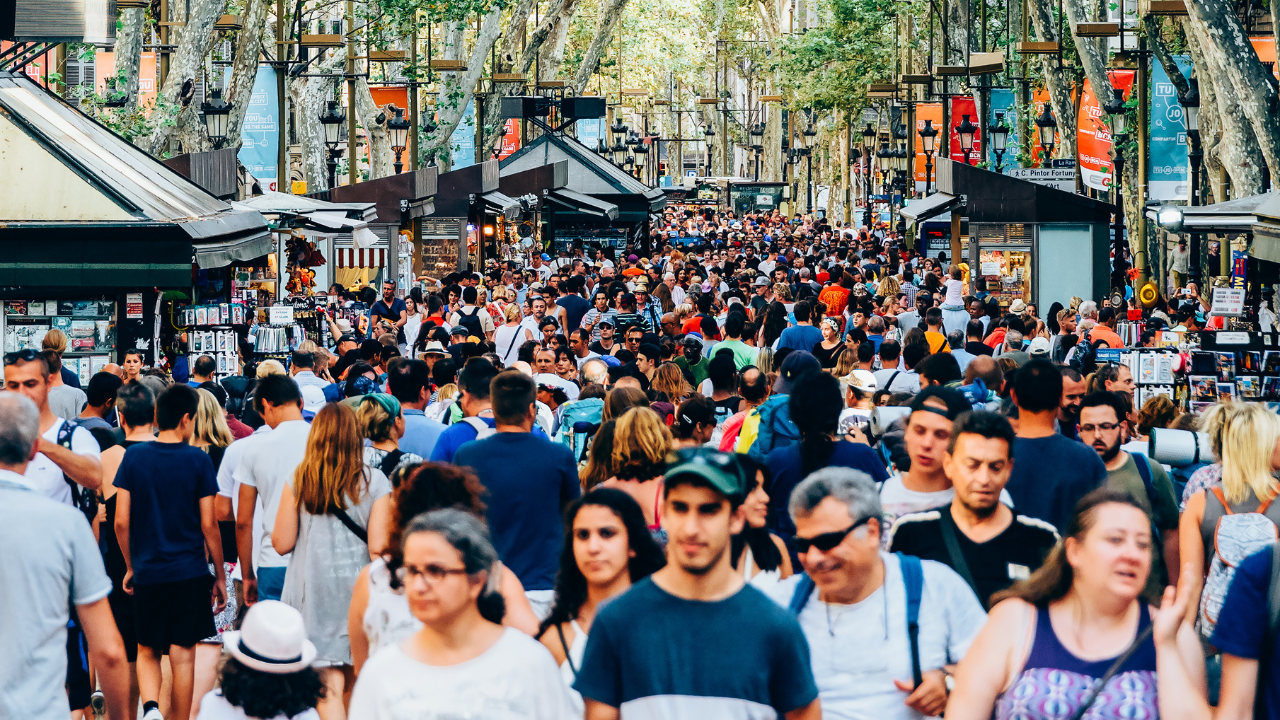
Spain has become one of Europe’s most visible examples of overtourism. Barcelona, Mallorca, Ibiza, the Canary Islands, and parts of Andalusia receive huge numbers of visitors every year. In Barcelona, locals have raised concerns about short-term rentals, crowded streets, noisy nightlife, and the loss of neighborhood character. The city’s most famous attractions, including La Sagrada Família, Park Güell, Las Ramblas, and the Gothic Quarter, can feel overwhelmed during peak travel months.

The issue is not only crowding at tourist sites. Many residents argue that mass tourism has changed the cost of living. Apartments once used by locals are often converted into tourist rentals, pushing rents higher. Local shops are replaced by souvenir stores, chain restaurants, and services aimed mainly at visitors. In beach destinations, summer crowds place pressure on water use, waste systems, and public transport.

Recent reporting has covered anti-tourism protests and policy responses in Spain, including restrictions on rentals and efforts to reduce disruptive tourism. These concerns do not mean travelers are unwelcome everywhere, but they do mean visitors need to be more aware of how and where they spend their money.

Spain is still one of the best tourist destinations in Europe, but it is no longer a place where travelers can assume every area welcomes unlimited tourism. Choosing licensed accommodation, avoiding party-heavy behavior, and visiting lesser-known towns can make a real difference.

Best Season to Visit: April to June or September to October

Most Crowded Areas: Barcelona, Mallorca, Ibiza, Canary Islands, Seville

Traveler Tip: Stay in legal accommodations and support neighborhood restaurants outside the busiest tourist zones.

Must-Know: Some cities and islands are tightening rules on vacation rentals and public behavior.

3. France
© shutterstock / Zawinul

3. France

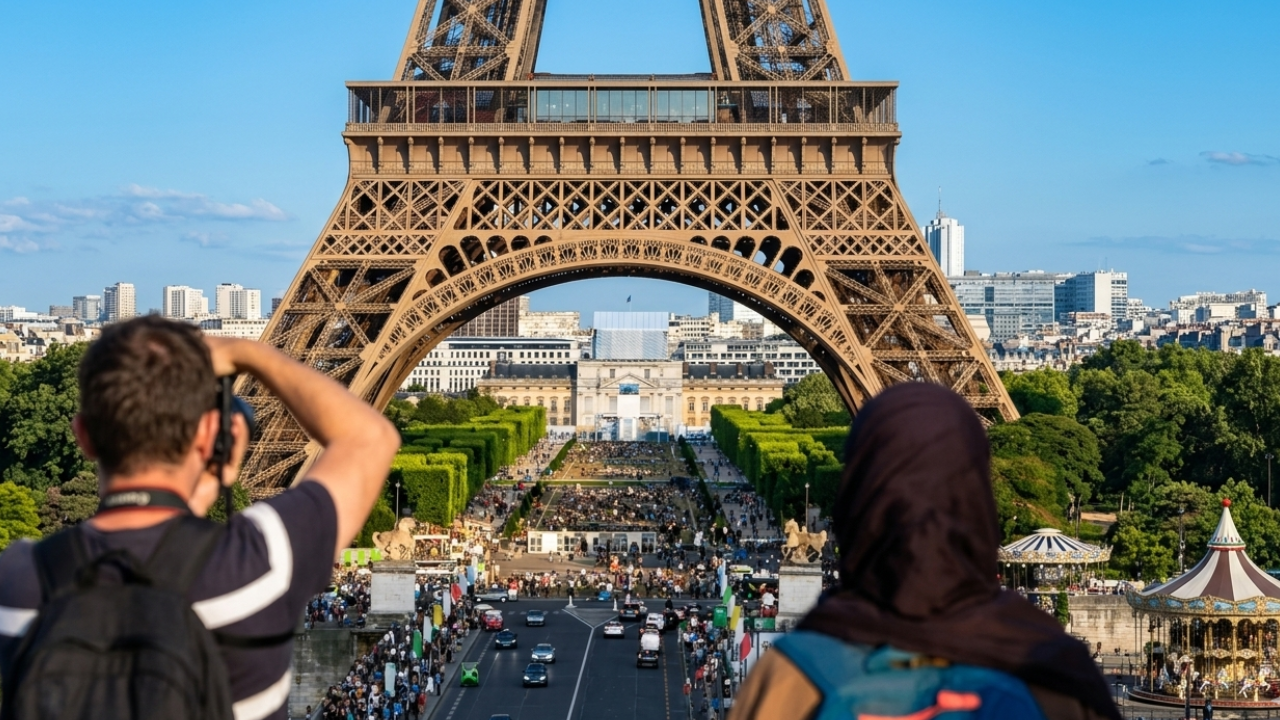
France is home to some of the most famous tourist attractions in the world, but popularity has brought pressure. Paris remains the center of French tourism, with huge crowds around the Eiffel Tower, Louvre, Montmartre, Notre-Dame area, and Champs-Élysées. During peak season, long queues, packed metro lines, and crowded sidewalks can make the city feel less relaxed than many visitors expect.

Outside Paris, overtourism affects smaller and more fragile destinations too. Coastal villages, island communities, and heritage towns can become overwhelmed when thousands of day visitors arrive at once. The island of Bréhat in Brittany has used daily visitor quotas during summer to reduce pressure on its small resident population and local infrastructure. Reports noted a cap of 4,700 recreational visitors during certain weekday hours, with residents and workers exempted.

France’s challenge is different from places that rely mostly on beach tourism. Its appeal is spread across museums, food, wine regions, historic towns, alpine villages, and coastal escapes. But even with that variety, crowds still concentrate heavily in postcard-famous places.

For travelers, the best approach is to avoid treating France as only Paris plus the Riviera. Smaller cities such as Nantes, Lille, Toulouse, Dijon, and Montpellier offer culture, food, and architecture with fewer crowds. Visiting major landmarks early and using timed tickets also helps.

Best Season to Visit: April to June or September to October

Most Crowded Areas: Paris, French Riviera, Mont Saint-Michel, Provence villages

Traveler Tip: Use timed museum tickets and explore less famous neighborhoods.

Must-Know: Some French destinations use visitor caps to protect small communities and fragile sites.

4. Greece
© shutterstock / vivooo

4. Greece

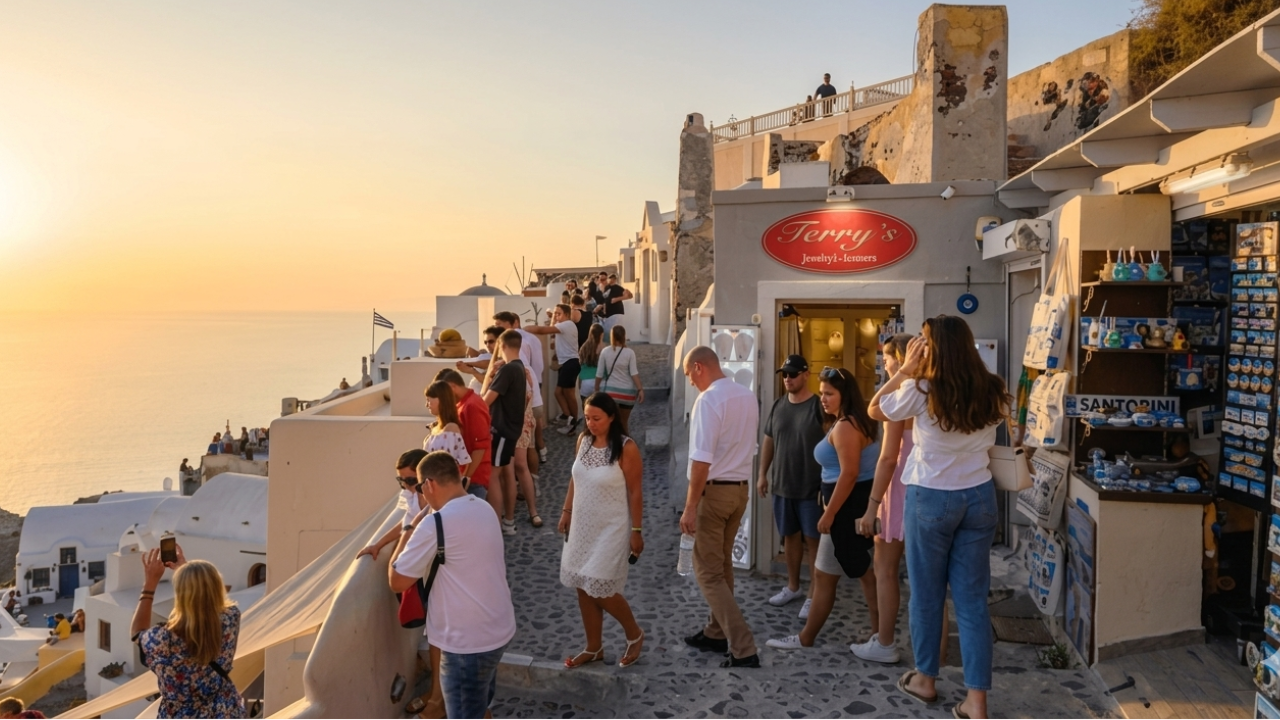
Greece’s islands are among the most photographed places in the world, but overcrowding has changed the experience in several destinations. Santorini is the most obvious example. Its whitewashed houses, blue-domed churches, cliffside hotels, and sunset viewpoints attract large numbers of cruise passengers, day-trippers, honeymooners, and influencers. During high season, narrow paths in Oia and Fira can become so packed that watching the sunset feels more like standing in a queue than enjoying a peaceful view.

Mykonos faces a different kind of pressure. It is known for beaches, nightlife, luxury hotels, and beach clubs, but high demand has pushed prices up and changed the island’s atmosphere. Many locals say traditional island life is harder to preserve when tourism dominates the economy and public spaces are shaped around short-term visitors.

Greece has been discussed in connection with cruise passenger fees and visitor controls, especially on heavily visited islands such as Santorini and Mykonos. The problem is seasonal intensity. A small island may feel calm in April, then overwhelmed in July and August.

Travelers can reduce pressure by visiting in shoulder season, staying longer instead of arriving only by cruise ship, and choosing islands beyond the most famous names. Naxos, Syros, Tinos, Milos, and lesser-known mainland towns can offer a more balanced experience.

Best Season to Visit: April to June or September to October

Most Crowded Areas: Santorini, Mykonos, Athens historic center

Traveler Tip: Avoid cruise arrival peak hours when visiting Santorini’s cliffside towns.

Must-Know: Some Greek islands are moving toward stricter visitor and cruise management.

5. Japan
© shutterstock / Picture Partnersjpg

5. Japan

Japan has experienced a major tourism surge, especially in Tokyo, Kyoto, Osaka, and areas around Mount Fuji. For many visitors, Japan’s mix of traditional culture, efficient transport, food, temples, shopping, and seasonal beauty makes it a dream destination. But in famous locations, crowds have changed the atmosphere for both locals and travelers.

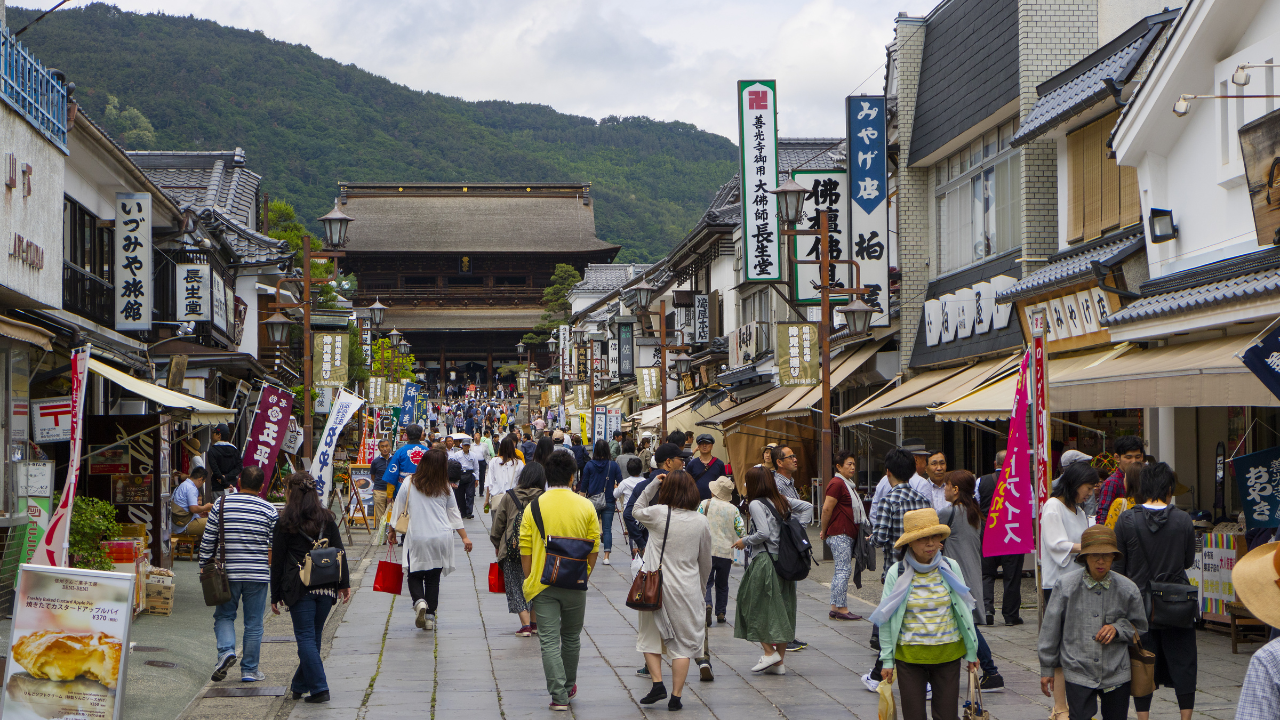
Kyoto is one of the most affected places. Historic districts such as Gion attract visitors hoping to see traditional streets, tea houses, and geisha culture. However, overcrowding, photography issues, and disrespectful behavior have led to restrictions in some private lanes. Temples such as Kiyomizu-dera, Fushimi Inari Taisha, and Kinkaku-ji can be extremely crowded, especially during cherry blossom and autumn foliage seasons.

Mount Fuji areas have also faced crowding problems. Reports have described physical barriers and access restrictions at certain popular viewpoints where tourists gathered for photos and disrupted local life.

Japan remains highly organized and welcoming, but travelers need to understand that quiet, respectful behavior matters. Avoid blocking streets for photos, follow local signs, and remember that many scenic neighborhoods are residential areas. Visiting secondary cities such as Kanazawa, Matsumoto, Okayama, Takamatsu, or Sendai can offer a less crowded view of the country.

Best Season to Visit: May, June, September, or November

Most Crowded Areas: Kyoto, Tokyo, Osaka, Mount Fuji viewpoints

Traveler Tip: Start temple visits early and avoid blocking narrow streets for photos.

Must-Know: Some popular photo spots and cultural districts now have stricter access rules.

6. Amsterdam, Netherlands
© shutterstock / 4kclips

6. Amsterdam, Netherlands

Amsterdam has long attracted visitors with its canals, museums, cycling culture, historic houses, and liberal social atmosphere. But many locals say the city center has been overwhelmed by short-stay tourism, party tourism, and crowds that treat the city like an entertainment zone rather than a living capital.

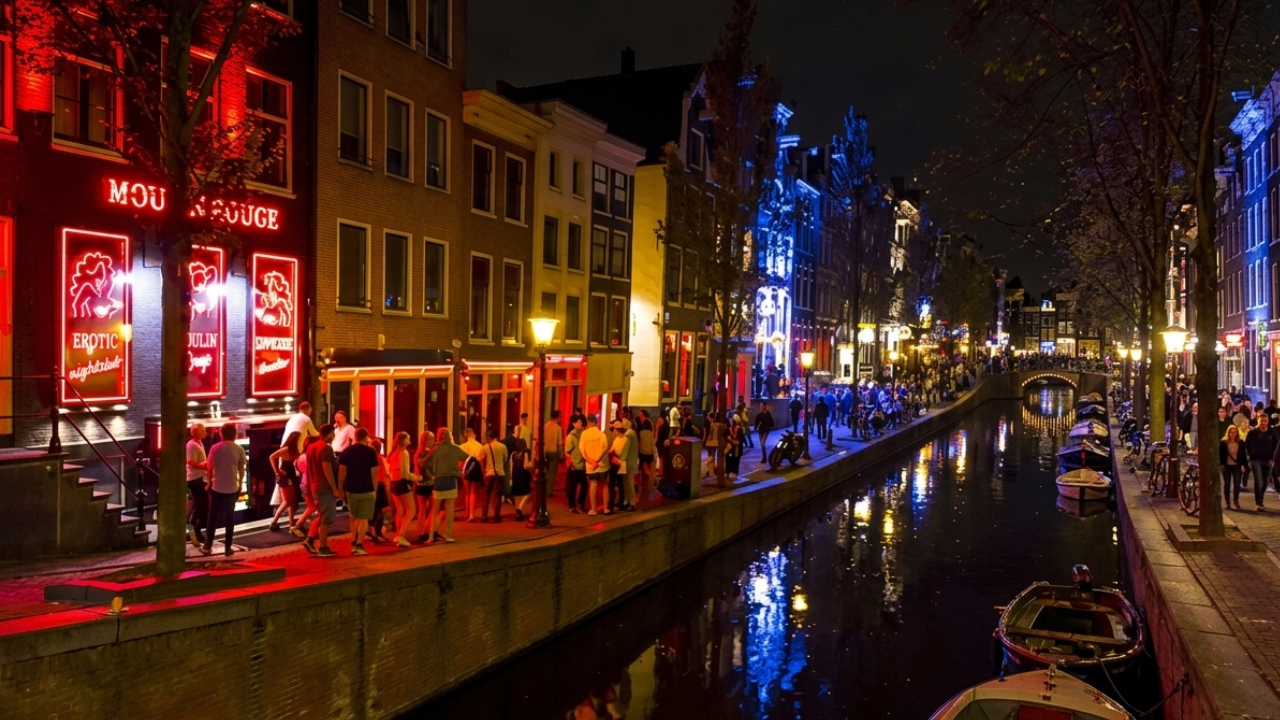
The Red Light District, Dam Square, canal belt, and museum area are especially crowded. Residents have complained about noise, littering, public drinking, and tourists blocking bridges and narrow streets for photos. Short-term rentals have also added pressure to housing availability. City authorities have responded with campaigns discouraging disruptive visitors, restrictions on certain tourist activities, and tighter rules around rentals and nightlife.

Amsterdam’s issue is not that tourism exists. The city has always been international. The problem is the concentration of visitors in a compact historic center. Many tourists spend only a few days, follow the same routes, and rarely explore beyond the busiest streets. This creates an uneven experience where some neighborhoods feel overloaded while others remain relatively calm.

Travelers can make Amsterdam more enjoyable by staying outside the old center, using public transport responsibly, visiting museums with booked slots, and exploring areas such as Noord, De Pijp, Westerpark, and Oost.

Best Season to Visit: March to May or September to November

Most Crowded Areas: Red Light District, Dam Square, canal belt, Museumplein

Traveler Tip: Stay outside the central canal belt and visit popular museums with timed tickets.

Must-Know: Amsterdam has introduced rules and campaigns aimed at reducing disruptive tourism.

7. Iceland
© shutterstock / salajeanjpg

7. Iceland

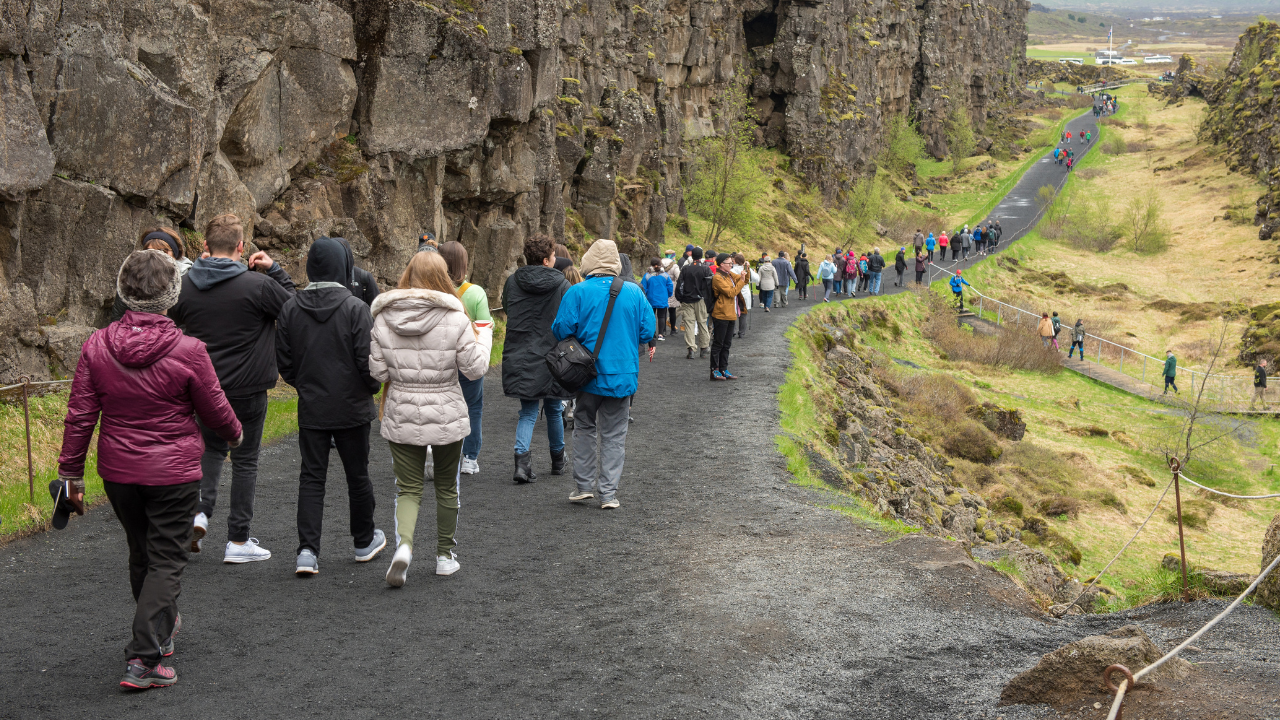
Iceland’s landscapes feel wild and remote, but its most famous sites can be surprisingly crowded. The Golden Circle, Blue Lagoon, South Coast waterfalls, Reynisfjara black sand beach, and glacier lagoon areas attract heavy visitor traffic, especially in summer. The country’s small population and fragile natural environment make tourism pressure more noticeable.

Many travelers rent cars or join day tours from Reykjavik, which concentrates crowds along the same routes. At popular waterfalls such as Seljalandsfoss and Skógafoss, parking areas fill quickly, paths get muddy, and visitors sometimes step beyond marked areas for photos. In fragile volcanic and moss-covered landscapes, leaving designated paths can cause long-lasting damage.

Iceland has been repeatedly mentioned in discussions about overtourism and new rules because its natural sites need careful protection. Unlike cities, Iceland’s challenge is environmental wear. A single careless action, such as off-road driving or trampling moss, can damage landscapes that take decades to recover.

Travelers should avoid rushing the same crowded day-trip circuit and consider slower routes, local guides, and less visited regions. Respecting barriers, weather warnings, and road rules is essential.

Best Season to Visit: May to June or September

Most Crowded Areas: Golden Circle, Blue Lagoon, South Coast, Reynisfjara

Traveler Tip: Travel early in the morning and stay overnight outside Reykjavik to avoid day-tour peaks.

Must-Know: Off-road driving and ignoring marked paths can lead to fines and environmental damage.

8. Thailand Beaches
© shutterstock / enginakyurt

8. Thailand Beaches

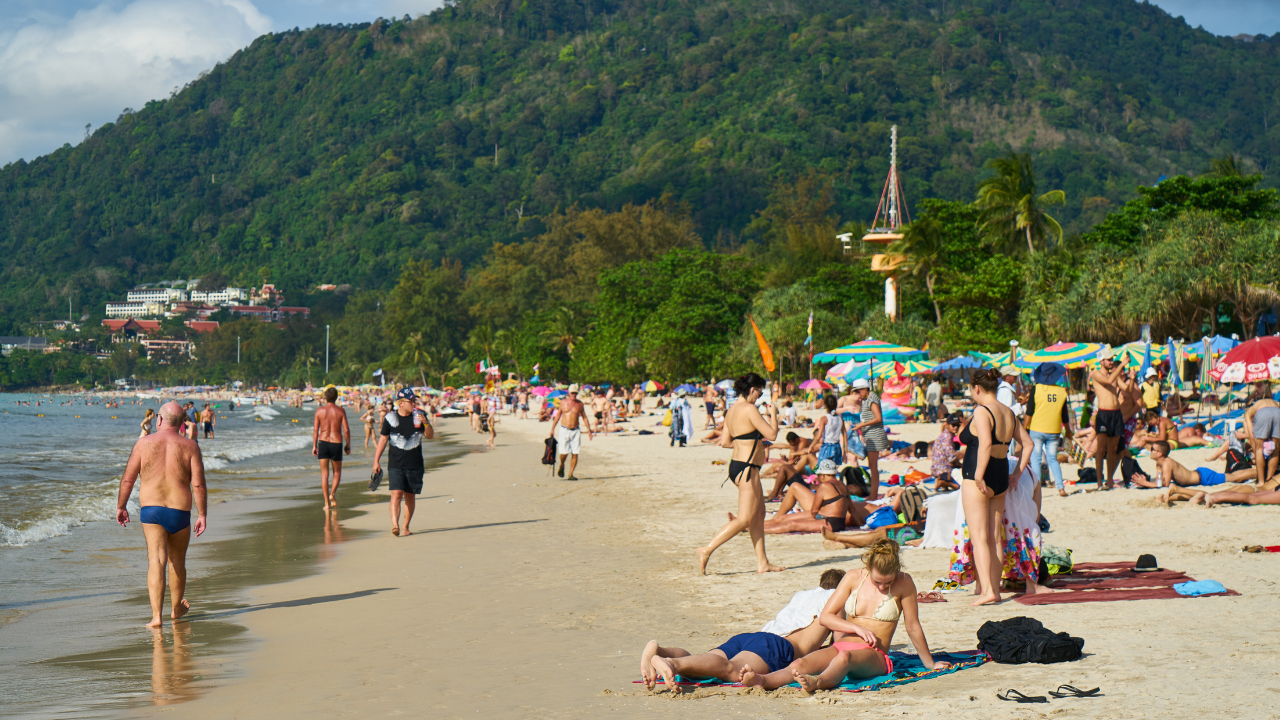
Thailand’s beaches are famous for turquoise water, limestone cliffs, longtail boats, nightlife, and island-hopping routes. Places such as Phuket, Koh Phi Phi, Maya Bay, Koh Samui, Krabi, and Pattaya attract millions of travelers. But tourism pressure has changed the character of many beach areas.

Maya Bay became one of the best-known examples of overcrowding after years of heavy visitor traffic damaged its marine ecosystem. Thai authorities closed the bay for restoration and later reopened it with stricter controls. Similar concerns affect coral reefs, waste management, boat traffic, and beach crowding in other popular areas.

The problem in Thailand’s beach destinations is often the mix of mass tourism, party tourism, and environmental stress. Some beaches that once felt quiet now have heavy boat traffic, packed viewpoints, loud beach clubs, and rising prices. Local communities benefit from tourism income, but they also deal with waste, water demand, and pressure on natural resources.

Visitors can help by choosing responsible boat operators, avoiding wildlife exploitation, respecting marine park rules, and visiting less crowded islands. Thailand still has many beautiful coastal areas, but the most famous beaches require more careful planning than before.

Best Season to Visit: November to February

Most Crowded Areas: Phuket, Koh Phi Phi, Maya Bay, Krabi, Koh Samui

Traveler Tip: Avoid peak holiday weeks and choose licensed eco-conscious tour operators.

Must-Know: Some beaches and marine areas may close temporarily for environmental recovery.

9. Vatican City
© shutterstock / Savvapanf Photojpg

9. Vatican City

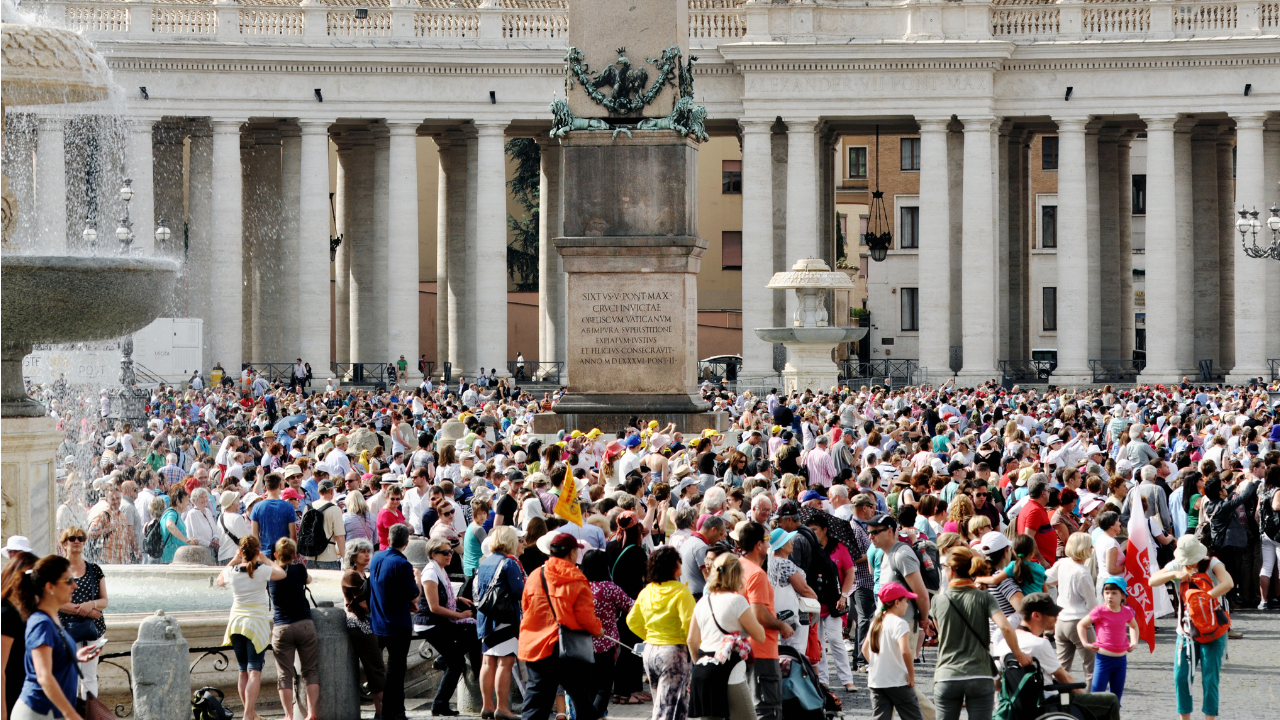
Vatican City is one of the smallest states in the world, but it receives enormous numbers of visitors because of St. Peter’s Basilica, the Vatican Museums, the Sistine Chapel, and its religious importance. For many travelers, it is one of the most meaningful places to visit in Europe. Yet the experience can be difficult during peak times.

The Vatican Museums are especially crowded. Visitors often move through long corridors in dense groups before reaching the Sistine Chapel, where silence and photography rules are frequently enforced. St. Peter’s Square can also become packed during religious events, papal audiences, and major holidays. Because Vatican City is surrounded by Rome, it faces pressure from both religious pilgrims and general tourists.

Locals and regular visitors often say the spiritual atmosphere can feel harder to appreciate when crowds are moving quickly through sacred and artistic spaces. The challenge is not only volume, but behavior. Dress codes, silence rules, and respectful conduct matter here more than in ordinary tourist attractions.

Travelers should book timed entry, arrive early, dress modestly, and avoid planning a rushed visit. Visiting in winter or outside major Catholic holidays can make the experience more manageable.

Best Season to Visit: November to February, outside Christmas and Easter periods

Most Crowded Areas: Vatican Museums, Sistine Chapel, St. Peter’s Basilica

Traveler Tip: Book the earliest available museum slot and allow several hours.

Must-Know: Modest dress is required for entry into sacred areas.

10. Bali, Indonesia
© shutterstock / radityajpg

10. Bali, Indonesia

Bali has become one of the world’s most recognizable island destinations, known for beaches, rice terraces, temples, wellness retreats, nightlife, and cultural performances. But its popularity has also changed daily life in many areas. Canggu, Seminyak, Ubud, Uluwatu, and parts of southern Bali now face heavy traffic, rising development, crowded beaches, and pressure on local infrastructure.

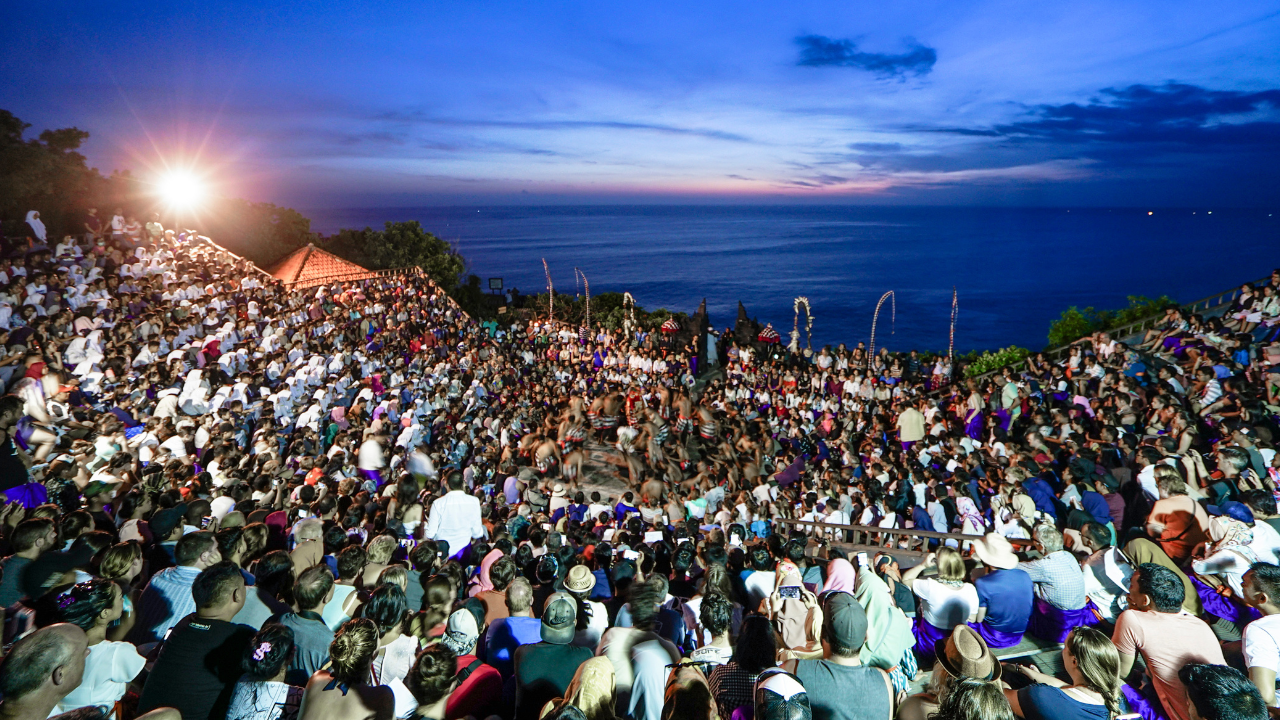
One of Bali’s most popular cultural experiences is the Kecak dance, also known as the Ramayana Monkey Chant. It is a Balinese Hindu performance based on the Ramayana story, with rhythmic chanting and dramatic movement. The Uluwatu Temple performance is especially famous, often drawing large crowds at sunset. Recent travel guides describe it as one of Bali’s most popular cultural shows, with many visitors attending daily, which can make the experience crowded and difficult to navigate.

Bali’s issue is that tourism is deeply tied to its economy, but too much tourism in the same places can put cultural life under pressure. Sacred temples become photo backdrops, traffic slows daily routines, and local customs are sometimes ignored by visitors. Environmental concerns, including waste and water use, have also become more visible.

Responsible travelers should treat temples and performances with respect, dress appropriately, avoid disruptive behavior, and explore beyond the busiest southern areas. Bali still offers meaningful cultural experiences, but it requires more awareness than a simple beach vacation.

Best Season to Visit: April to June or September to October

Most Crowded Areas: Canggu, Seminyak, Ubud, Uluwatu, popular temple sites

Traveler Tip: Arrive early for the Uluwatu Kecak show and follow temple dress rules.

Must-Know: Kecak is a cultural performance connected to Balinese tradition, not just a tourist show.


Comments (0)

Leave a Reply

No comments yet. Be the first to share your thoughts!