Travel Europe

10 food destinations in Italy that are worth visiting for culinary travelers

James Porter
4.3
April 29, 2026

Italy is one of the few countries where food is not just part of daily life, it defines identity, culture, and even regional pride. Every city tells a different culinary story, shaped by geography, history, and local ingredients. From rich pasta traditions in the north to bold street food in the south, traveling through Italy is essentially a journey through entirely different cuisines within one country. (Savored Journeys)

For food lovers, choosing where to go can be overwhelming because there is no single “best” destination. Instead, the real experience comes from understanding what each region does exceptionally well. The following destinations are carefully selected and restructured from top foodie guides, focusing on the most iconic, diverse, and high-interest places that consistently attract travelers searching for authentic Italian cuisine.
1. Bologna
© Dave Mani

1. Bologna

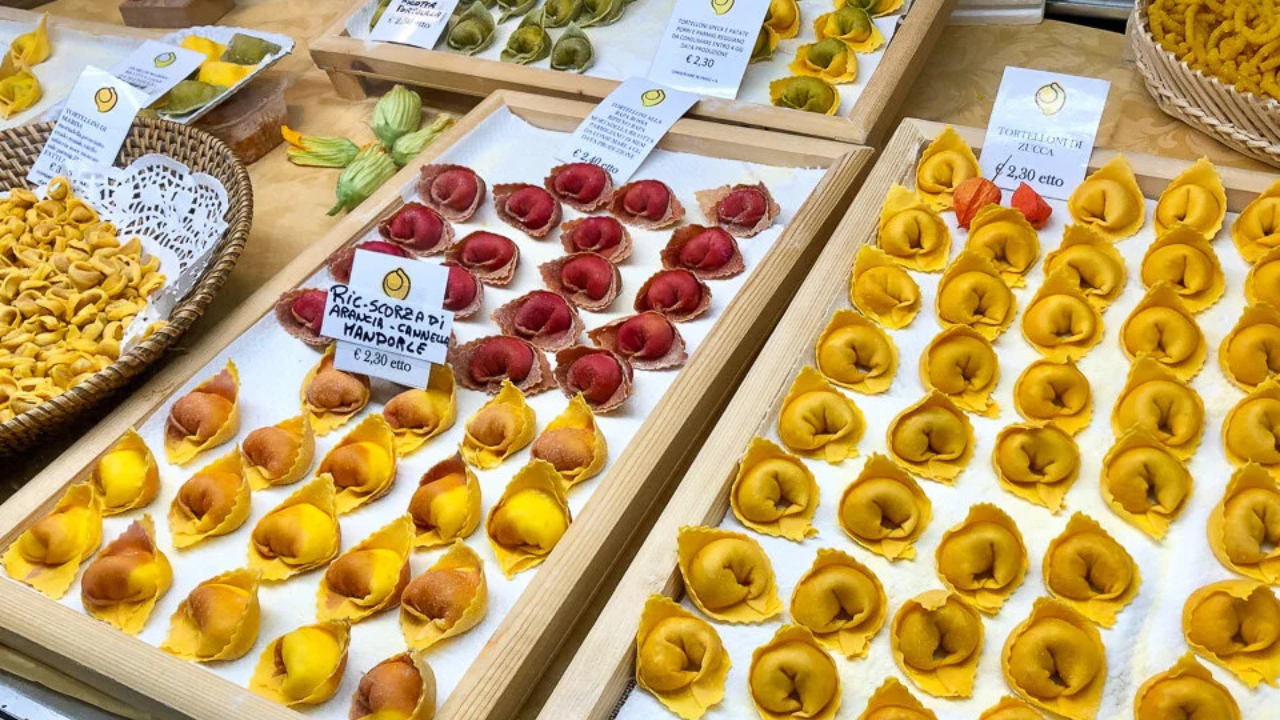
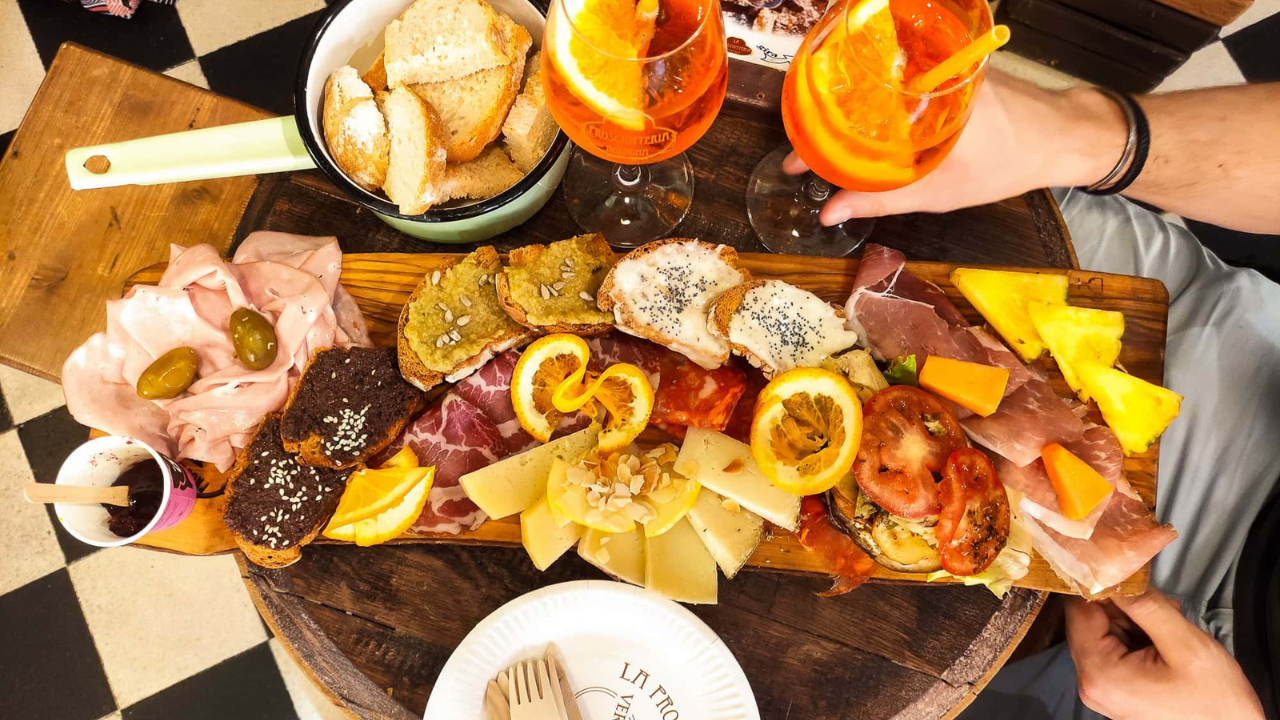
Bologna is often considered Italy’s true culinary capital, and for good reason. The city’s food culture revolves around rich, comforting dishes that rely heavily on meat, cheese, and handmade pasta. Tagliatelle al ragù, tortellini in broth, and mortadella all originate here, and they are prepared with a level of authenticity that is difficult to replicate elsewhere. (Chef Travel Guide)

Walking through Bologna feels like stepping into a living food market, where delis, bakeries, and trattorias are part of everyday life. The region of Emilia-Romagna surrounding the city produces some of Italy’s most prized ingredients, including Parmigiano Reggiano and balsamic vinegar. What makes Bologna stand out is not just the quality of the food, but the consistency. Almost every meal feels thoughtfully prepared, deeply traditional, and rooted in generations of culinary knowledge.

2. Naples
© Jason Collins

2. Naples

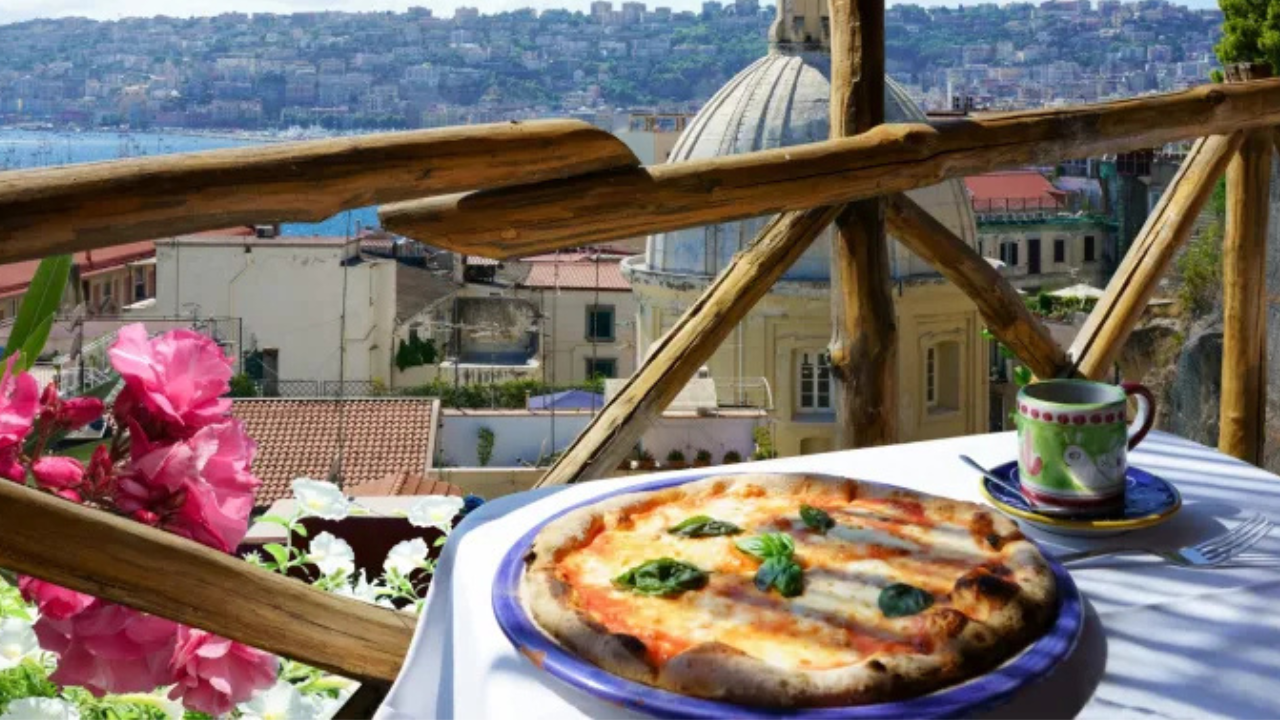
Naples is one of the most iconic food destinations in the world, primarily because it is the birthplace of pizza. Authentic Neapolitan pizza is simple yet precise, made with specific ingredients and cooked in wood-fired ovens according to strict standards. (Wikipedia)

Beyond pizza, Naples offers a wide range of dishes that reflect its history and coastal location. Seafood plays a major role, alongside pasta dishes like spaghetti alle vongole and local specialties such as parmigiana di melanzane. Street food culture is particularly strong here, with quick bites available on nearly every corner. The city’s food feels unfiltered and authentic, making it a favorite for travelers who want bold flavors and a more traditional dining atmosphere.

3. Rome
© Sierra In The City

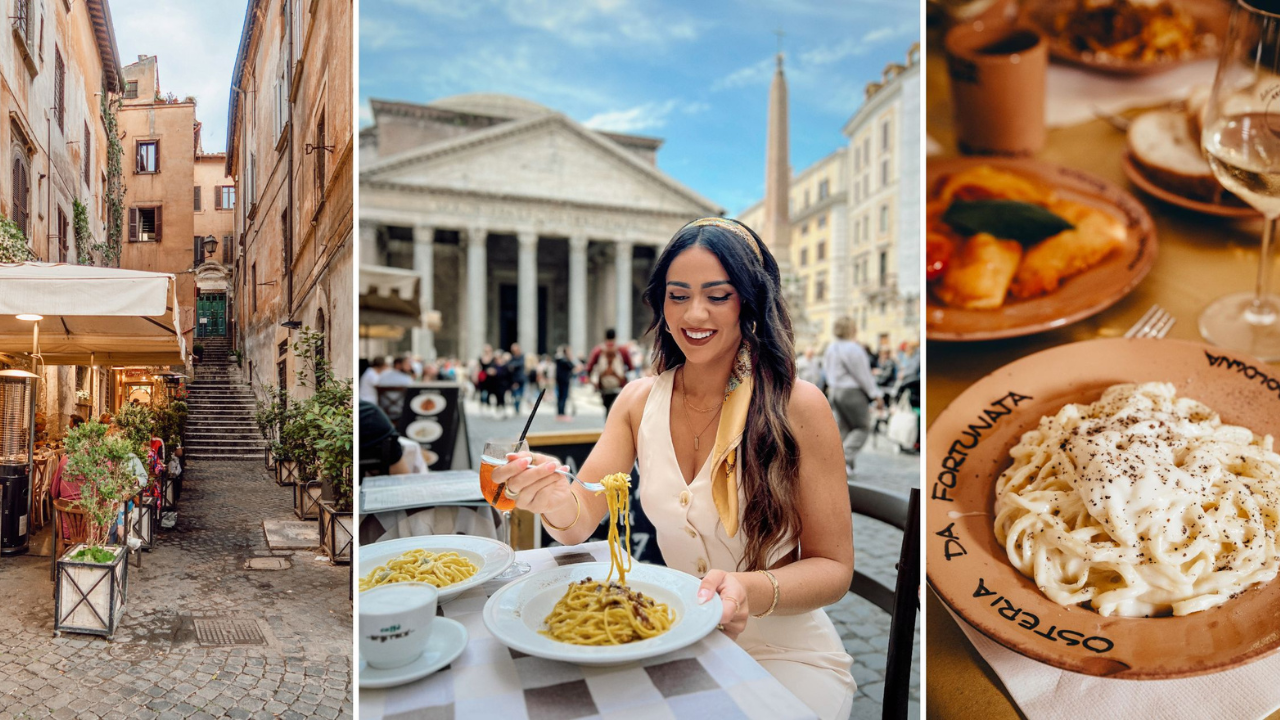
3. Rome

Rome delivers some of Italy’s most recognizable and beloved dishes, all built around simple ingredients and bold flavors. Classics like carbonara, cacio e pepe, and amatriciana are staples across the city, each showcasing how minimal ingredients can create deeply satisfying meals. (Savored Journeys)

Food in Rome is closely tied to everyday life, with local trattorias offering consistent quality rather than elaborate presentations. The city also has a strong street food culture, from pizza al taglio to fried artichokes. What makes Rome particularly appealing for foodies is its accessibility. You do not need a high-end restaurant to enjoy great food here. Some of the best meals are found in small, family-run places that focus entirely on tradition.

4. Florence
© Natalia

4. Florence

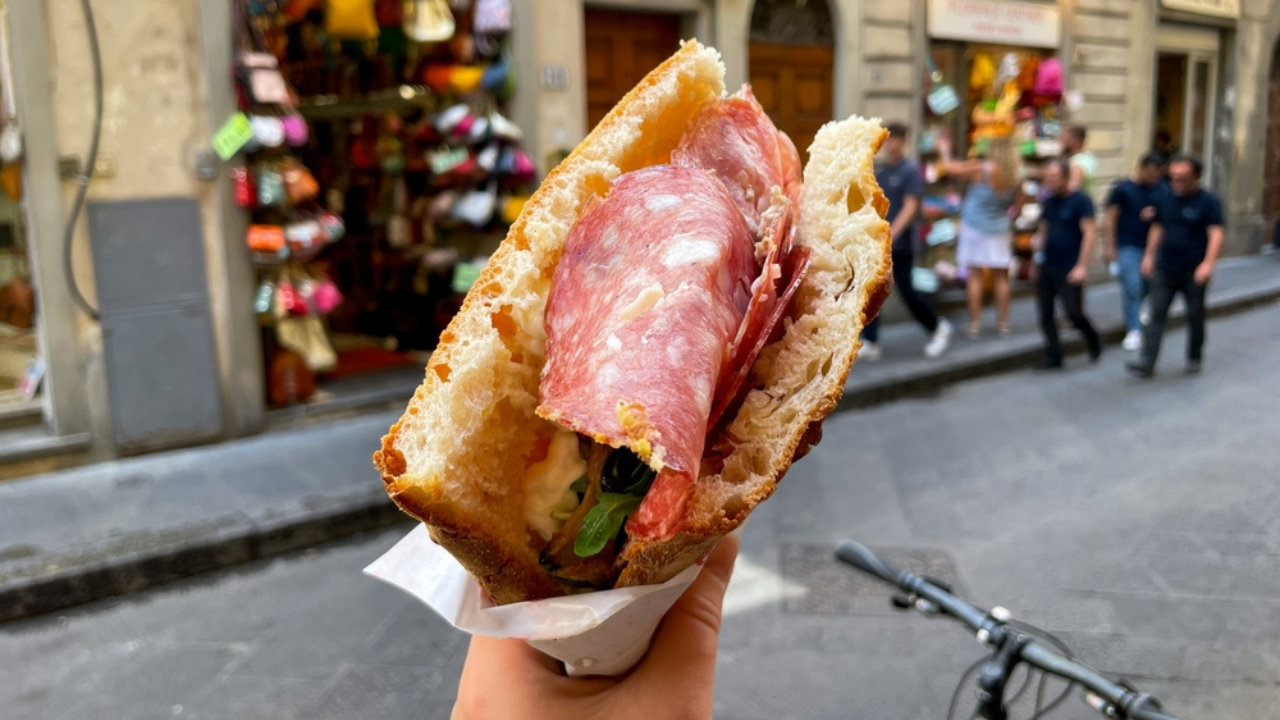
Florence represents the heart of Tuscan cuisine, where food is rustic, hearty, and deeply connected to the land. Dishes here rely on simple, high-quality ingredients such as olive oil, bread, and locally sourced meats. One of the most famous dishes is bistecca alla Fiorentina, a thick-cut steak that is cooked simply but with precision. (Chef Travel Guide)

The city also offers a variety of traditional soups like ribollita, along with wild game dishes such as boar ragù. Florence is ideal for travelers who appreciate slow, ingredient-driven cooking rather than complex recipes. The surrounding wine regions, including Chianti, add another layer to the experience, making it a complete destination for both food and wine enthusiasts.

5. Palermo (Sicily)
© Dave Mani

5. Palermo (Sicily)

Palermo is one of the most exciting food cities in Italy because of its diverse influences. Over centuries, the city absorbed culinary traditions from North Africa, Spain, and other Mediterranean regions, creating a food culture that feels very different from mainland Italy. (Eating Around Italy)

Street food dominates the experience here, with dishes like arancini, panelle, and cannoli widely available. Markets play a central role, offering fresh ingredients and ready-to-eat meals in a lively setting. The flavors in Palermo are bold and varied, often combining sweet and savory elements in ways that reflect its multicultural history. For foodies looking for something less predictable, Palermo offers one of the most unique culinary experiences in Italy.

6. Milan
© Dave Mani

6. Milan

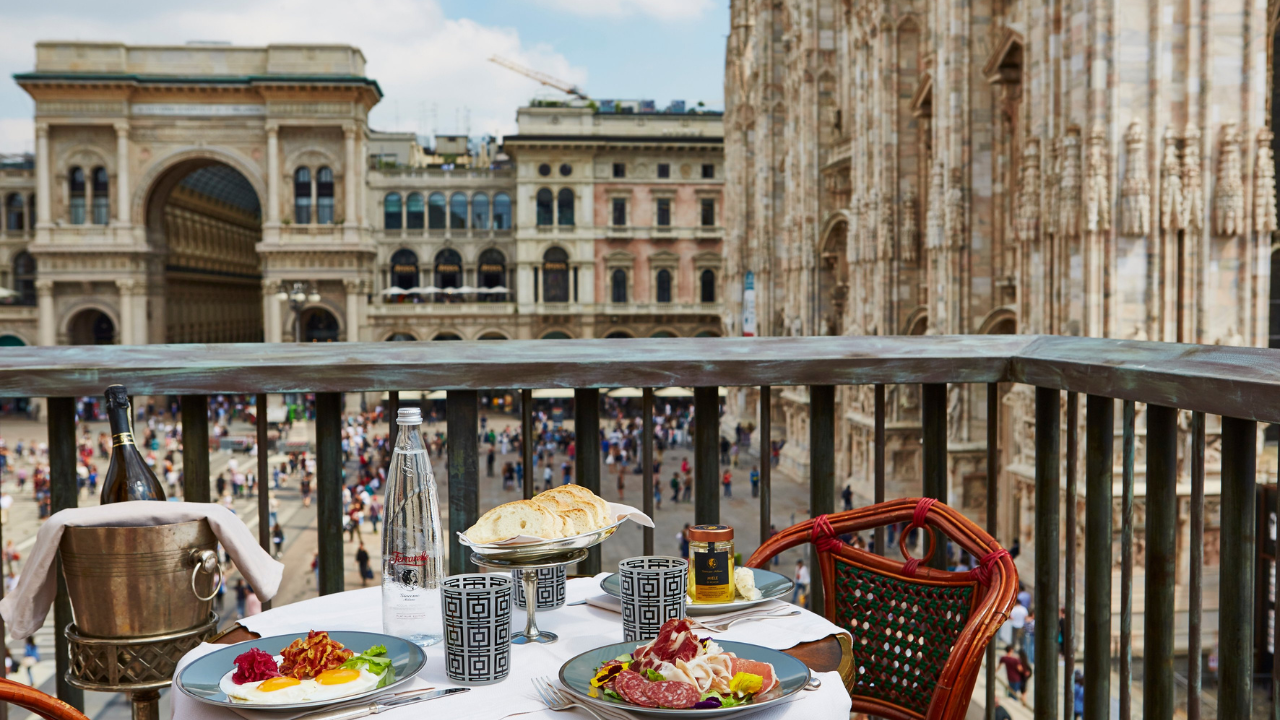
Milan stands out as a more modern and refined food destination compared to other Italian cities. While it still honors traditional dishes, it also embraces innovation and contemporary dining styles. Classic Milanese dishes include risotto alla Milanese, flavored with saffron, and cotoletta, a breaded veal cutlet. (Eating Around Italy)

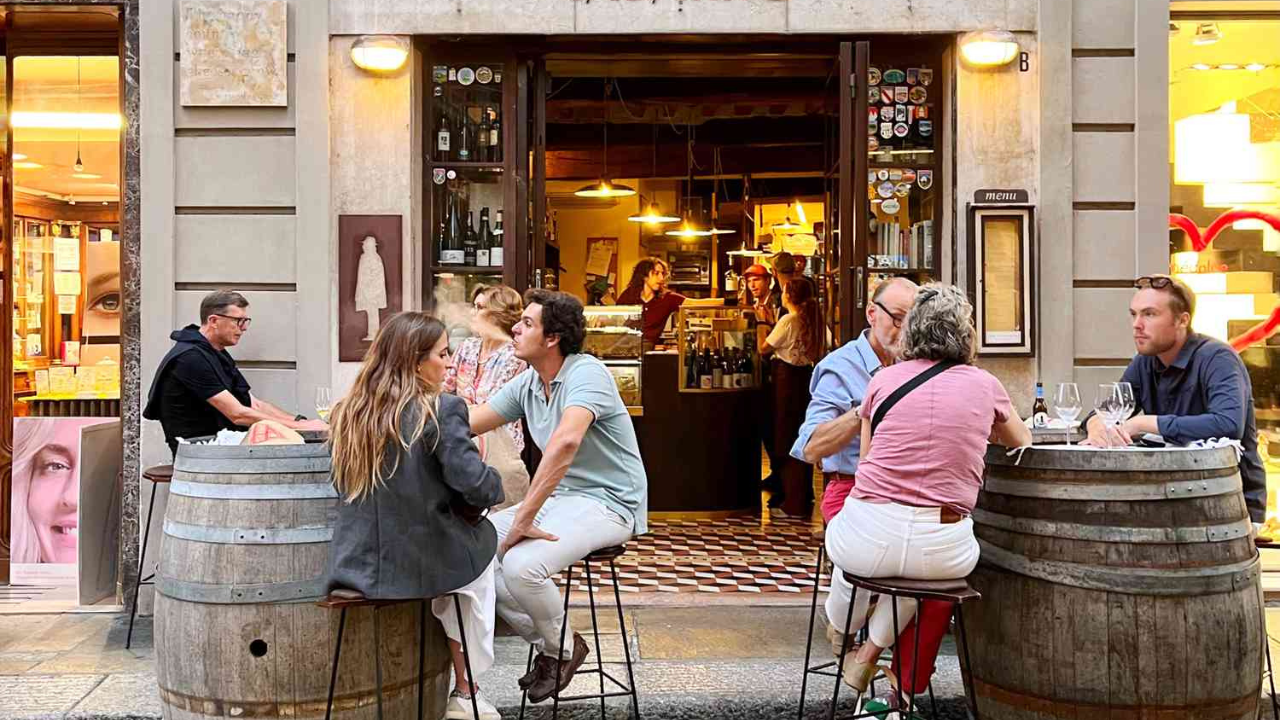
The city is also known for its aperitivo culture, where early evening drinks are paired with small plates or buffet-style snacks. This creates a social dining experience that feels distinct from traditional Italian meals. Milan is ideal for travelers who want a mix of classic cuisine and modern interpretations, along with access to some of Italy’s most creative restaurants.

7. Modena
© Pinterest

7. Modena

Modena is a must-visit destination for food lovers interested in high-quality, specialty ingredients. The city is famous for its traditional balsamic vinegar, which is aged for years and considered one of Italy’s most prized products. (Eating Around Italy)

Beyond vinegar, Modena offers a rich selection of pasta dishes, cured meats, and local wines like Lambrusco. The city also hosts some of Italy’s most renowned restaurants, including Michelin-starred establishments that push the boundaries of Italian cuisine. Despite its global reputation, Modena retains a strong local character, making it both a high-end and deeply traditional food destination.

8. Parma
© Dave Mani

8. Parma

Parma is synonymous with some of Italy’s most famous food exports, including Parmigiano Reggiano and prosciutto di Parma. The city’s cuisine is built around these ingredients, creating dishes that are rich yet balanced. (Eating Around Italy)

Food experiences in Parma often extend beyond restaurants, with opportunities to visit cheese factories and learn about traditional production methods. This adds an educational element to the culinary journey. The focus on quality over complexity makes Parma a standout destination for those who want to understand the foundations of Italian food rather than just taste it.

9. Venice
© Kenny Dunn

9. Venice

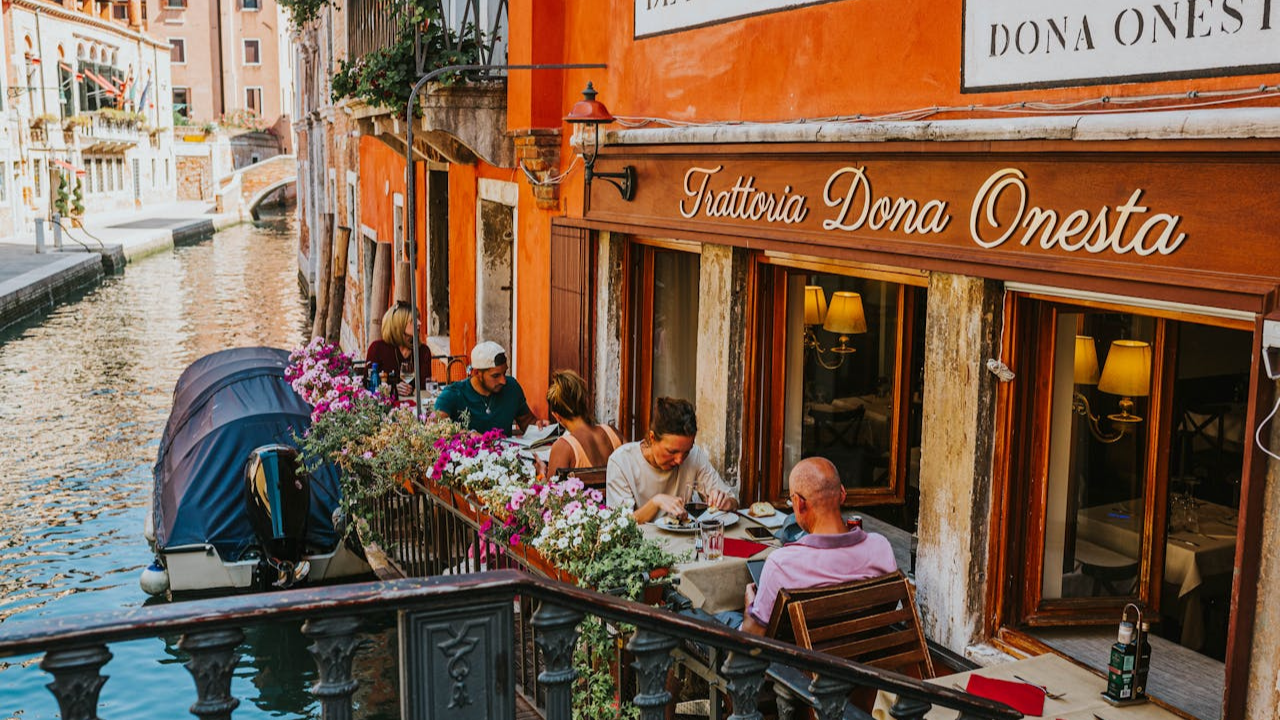
Venice offers a completely different food experience compared to other Italian cities, largely influenced by its lagoon setting. Seafood plays a central role, with dishes featuring freshly caught fish, shellfish, and rice-based recipes. (Marcoblog)

One of the most distinctive aspects of Venetian cuisine is cicchetti, small plates served in local wine bars. These allow visitors to sample a variety of flavors in one outing, making dining more social and interactive. The city’s food culture feels lighter and more varied, offering a contrast to the heavier dishes found in other regions.

10. Catania (Sicily)
© unsplash

10. Catania (Sicily)

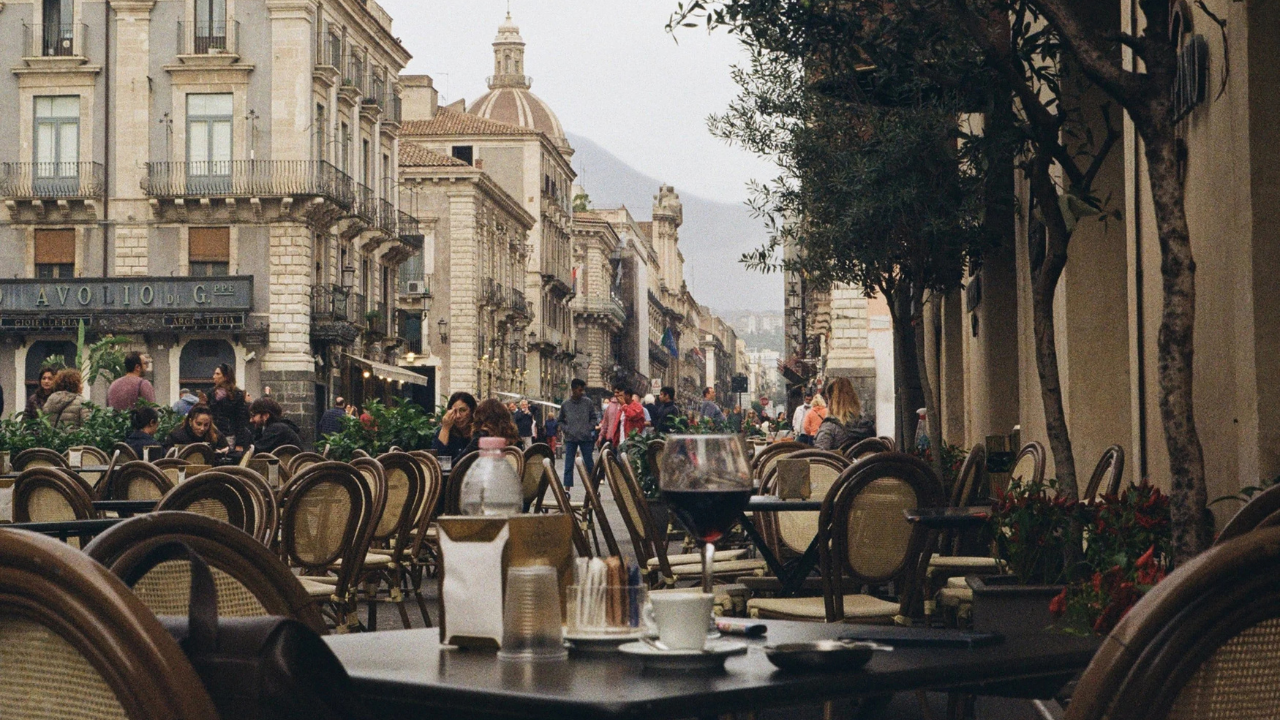
Catania is another standout destination in Sicily, known for its vibrant street food scene and strong local identity. Food here is deeply connected to daily life, with markets and street vendors offering a wide range of traditional dishes. (Wikipedia)

Signature foods include arancini, pasta alla norma, and a variety of fried snacks that reflect the city’s energetic atmosphere. The influence of Mount Etna and the surrounding landscape also shapes the ingredients used in local cuisine. Catania is ideal for travelers who want a raw, authentic food experience that feels less curated and more connected to everyday life.


Comments (0)

Leave a Reply

No comments yet. Be the first to share your thoughts!