Travel Destination

10 countries where tourists often pay inflated prices without knowing

Adam Collins
3.8
April 27, 2026

Travel costs can rise quickly, even when a trip seems well planned. Many tourists focus on flights and hotels, then lose money through small, repeated overcharges once they arrive. These extra costs often happen in places designed around convenience: restaurants beside famous landmarks, airport exchange counters, souvenir stalls, taxis outside stations, and booking sites that add fees near the final payment page.

Tourists usually overpay because they are tired, unfamiliar with local prices, or trying to avoid awkward conversations. In some destinations, bargaining is expected, but visitors accept the first price because they do not know the local custom. In others, the price is technically legal, but still much higher than what locals would pay for the same meal, ride, ticket, or item. The issue is not always a scam. Often, it is a tourist pricing system built around urgency and limited information.

Below are 10 common places where tourists overpay without realizing it, with practical tips to help travelers spend more wisely.

1. Restaurants Near Famous Landmarks
© shutterstock / PeopleImages

1. Restaurants Near Famous Landmarks

Restaurants close to major landmarks are among the most common places where tourists overpay. A café facing the Eiffel Tower, a trattoria beside a famous Italian piazza, or a restaurant steps from a cathedral often charges more because of location, not necessarily quality. Travelers pay for the view, convenience, and the feeling of being close to the attraction.

The problem is that many of these restaurants depend on one-time customers. Since most visitors will not return, there is less pressure to offer strong value. Menus may include inflated prices, service charges, table fees, or expensive bottled water. Some places also use large photo menus, aggressive hosts, or “tourist menus” that look convenient but offer average food at higher prices. Travel writers often warn that prices drop and quality improves just a short walk away from major tourist strips.

Why Tourists Overpay: They choose the closest option after sightseeing, often without comparing prices.

Common Extra Cost: Service charges, bread fees, table charges, or overpriced drinks.

Traveler Tip: Walk 10 to 15 minutes away from the main attraction before choosing a place to eat.

Must-Know: A menu in several languages is not always a problem, but pushy staff and huge photo menus are warning signs.

2. Airport Currency Exchange Counters
© shutterstock / TY Lim

2. Airport Currency Exchange Counters

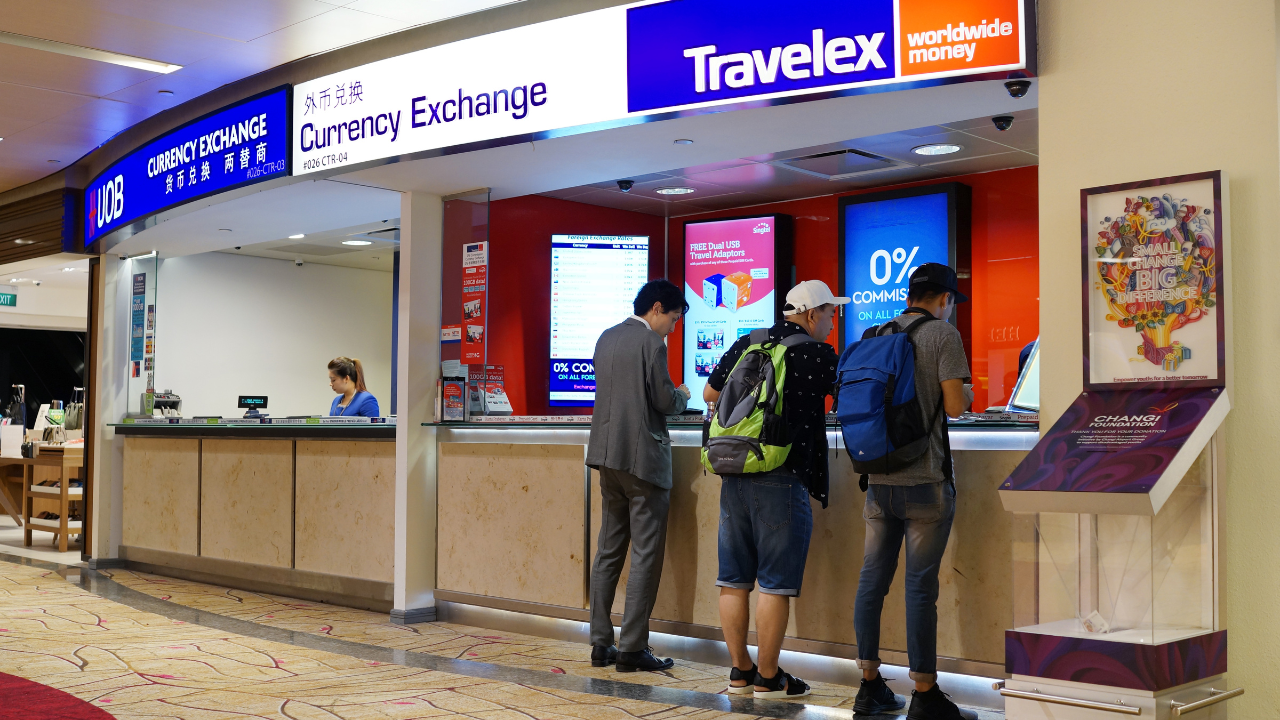
Airport currency exchange counters are convenient, but they are rarely the best value. Many travelers arrive tired and want local cash immediately, so they exchange money before checking the rate. That convenience often comes with poor exchange rates and extra service fees. Even when a counter says “no commission,” the cost may be hidden in the exchange rate itself.

Currency exchange is one of the most common areas where travelers overspend without noticing because the loss feels small at the moment. A slightly weaker rate can quietly cost more than expected, especially on larger exchanges. Recent travel advice also warns that conversion confusion is still a common way tourists lose money, particularly when vendors or exchange services use unfamiliar local currency values to make prices harder to judge.

Why Tourists Overpay: They prioritize quick cash over checking the actual rate.

Common Extra Cost: Poor exchange rates, hidden commission, or ATM conversion markups.

Traveler Tip: Use a bank ATM when possible and decline dynamic currency conversion if offered.

Must-Know: When a card machine asks whether to pay in your home currency or local currency, local currency is usually the better choice.

3. Taxis Outside Airports, Train Stations, and Cruise Ports
© shutterstock / 2p2play

3. Taxis Outside Airports, Train Stations, and Cruise Ports

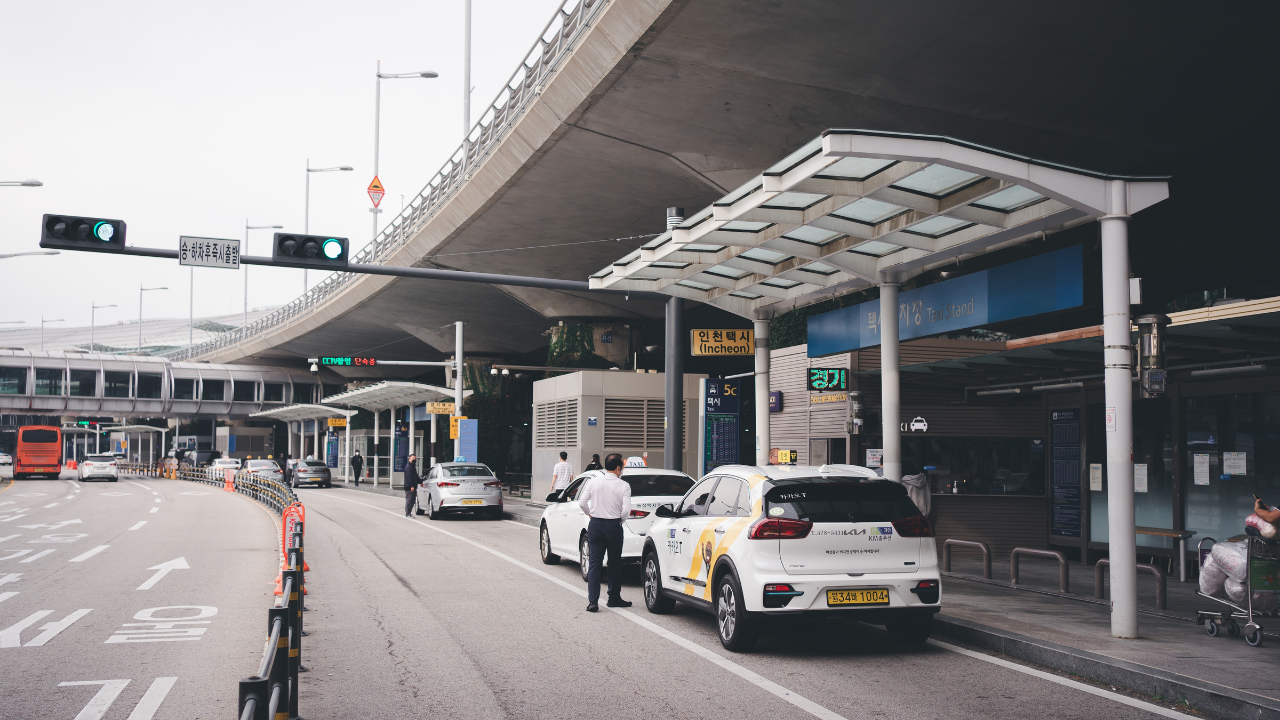
Transportation hubs are another major place where tourists overpay. Airports, train stations, ferry terminals, and cruise ports create a perfect situation for inflated fares. Visitors arrive with luggage, may not know the local transport system, and often want the fastest route to their hotel. Some taxi drivers take advantage of this by avoiding meters, taking longer routes, or quoting a flat rate much higher than normal.

This issue appears in many popular destinations. Travel scam reports often mention taxi overcharging in cities where visitors are unfamiliar with normal fares, especially when drivers claim meters are broken or push cash-only prices. The overpayment might not feel obvious until later, when the traveler learns that a train, official taxi desk, or rideshare would have cost far less.

Why Tourists Overpay: They accept the first ride offered because they are tired or unsure.

Common Extra Cost: Fake flat fares, luggage charges, airport surcharges, or longer routes.

Traveler Tip: Research the standard airport-to-city fare before landing.

Must-Know: Use official taxi stands, public transit apps, hotel-arranged transfers, or licensed rideshare services where available.

4. Souvenir Shops Beside Major Attractions
© shutterstock / Salvador Aznar

4. Souvenir Shops Beside Major Attractions

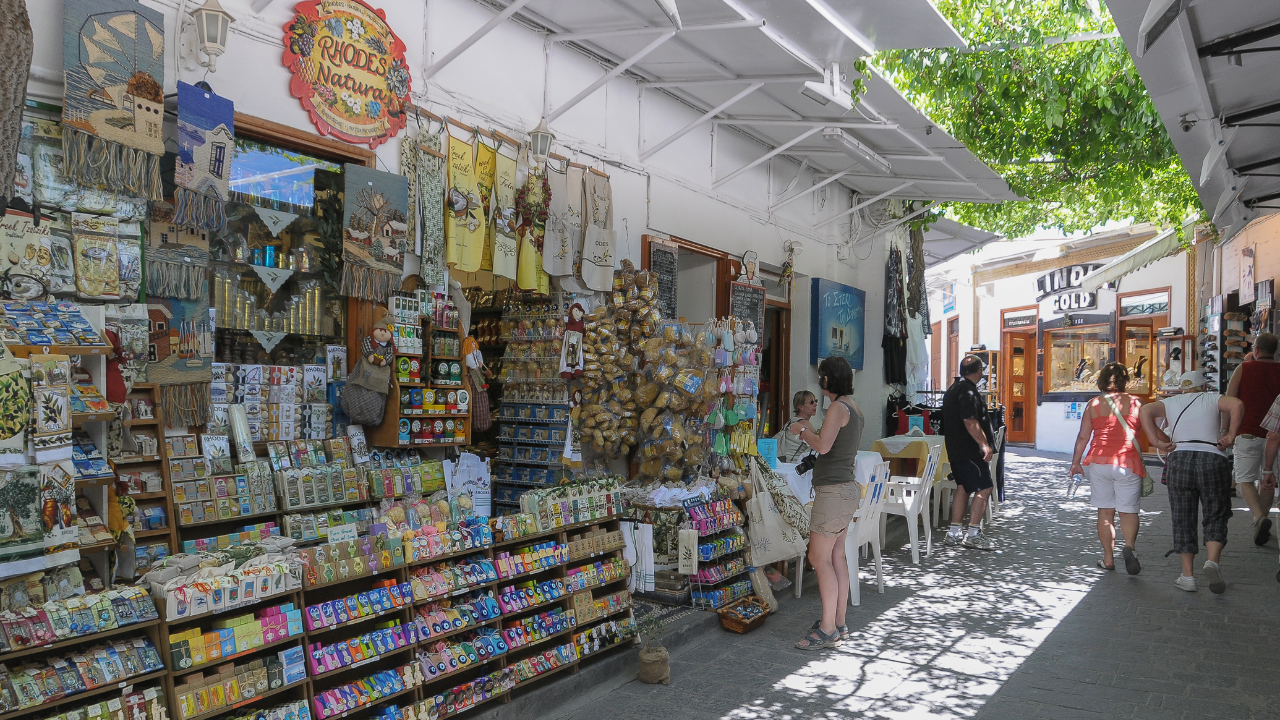
Souvenir shops close to major attractions often sell the same magnets, scarves, keychains, bags, and small gifts found elsewhere, but at much higher prices. Tourists buy these items because they are excited, short on time, or worried they will not find the same souvenir later. The markup can be significant, especially in busy areas where sellers know most buyers are making quick emotional purchases.

The provided reference article notes that tourists often overpay for souvenirs because each item feels inexpensive on its own, but repeated purchases add up over a trip. It also points out that quality can be lower near famous sites because shops rely on high visitor volume rather than repeat local customers.

Why Tourists Overpay: They assume the souvenir is unique to that exact location.

Common Extra Cost: Tourist markups, low-quality goods, and inflated “handmade” claims.

Traveler Tip: Compare prices in side streets, local markets, or neighborhood shops before buying.

Must-Know: In many places, bargaining may be expected, especially at open markets.

5. Guided Tours Sold on the Street
© shutterstock / CRS PHOTO

5. Guided Tours Sold on the Street

Street-sold tours can be useful, but they are also a place where visitors often pay too much. Around major landmarks, tourists may be approached by people offering “skip-the-line” access, private guides, walking tours, boat rides, or day trips. Some are legitimate, while others are overpriced, poorly organized, or not officially licensed.

Fake or unlicensed guides are a known problem in several major tourist areas. For example, reports about Taj Mahal tourism have warned visitors about unofficial guides, counterfeit tickets, and drivers rerouting tourists to commission-based shops. Similar patterns exist in other destinations, where tourists are offered a low starting price but later face extra charges for entry, transport, tips, or “required” stops.

Why Tourists Overpay: They believe they are getting official access or a special deal.

Common Extra Cost: Fake skip-the-line fees, forced shop stops, inflated guide rates, or unclear add-ons.

Traveler Tip: Book through official attraction websites, verified platforms, or licensed guide associations.

Must-Know: A guide should be able to clearly explain what is included, what is not included, and whether entry tickets are part of the price.

6. Tourist Markets Where Bargaining Is Expected
© shutterstock / Efired

6. Tourist Markets Where Bargaining Is Expected

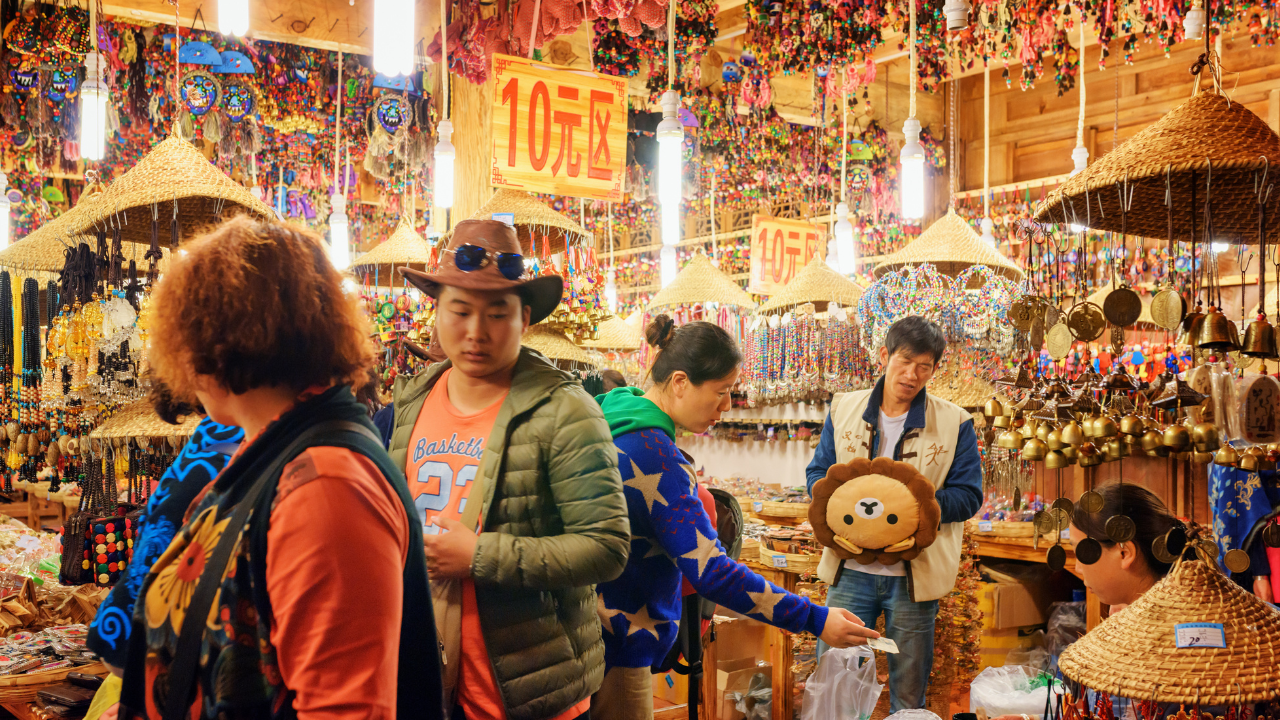
Markets can be one of the best travel experiences, but they can also be places where tourists overpay without realizing it. In many countries, bargaining is part of the buying process. The first price is often not the final price. Visitors who come from fixed-price cultures may feel uncomfortable negotiating, so they accept the opening price even when sellers expect a counteroffer.

This does not mean every seller is dishonest. In many markets, bargaining is normal and even social. The issue is that tourists often do not know the expected range. They may pay several times the local price for textiles, spices, jewelry, leather goods, artwork, or small souvenirs. The provided reference article highlights this exact issue, noting that tourists often accept the first price to avoid awkwardness.

Why Tourists Overpay: They do not realize negotiation is part of the culture.

Common Extra Cost: Inflated opening prices, “special tourist price,” or pressure buying.

Traveler Tip: Watch how locals shop, compare multiple stalls, and decide your maximum price before negotiating.

Must-Know: If you are not comfortable bargaining, shop at fixed-price stores or artisan cooperatives.

7. Beach Clubs, Viewpoint Cafés, and Sunset Spots
© shutterstock / Melinda Nagy

7. Beach Clubs, Viewpoint Cafés, and Sunset Spots

Scenic places often come with hidden premiums. Beach clubs, cliffside cafés, rooftop bars, and famous sunset viewpoints may charge tourists much more than expected for a basic seat, drink, umbrella, or photo opportunity. The price is not always obvious upfront, especially when visitors assume they are only paying for food or drinks.

In destinations like Santorini, Amalfi Coast towns, Bali, Ibiza, and popular beach areas across the Mediterranean, travelers can pay high prices for the setting rather than the product itself. Sometimes the bill includes minimum spends, service charges, chair rental, towel fees, or time limits. These costs can feel normal in the moment because the place looks special, but the final bill may be far higher than a similar experience a few streets away.

Why Tourists Overpay: They pay for the view without checking minimum spend or rental rules.

Common Extra Cost: Sunbed fees, umbrella rental, service charges, cover fees, or mandatory drink orders.

Traveler Tip: Ask about the full cost before sitting down or ordering.

Must-Know: Public beaches may be nearby, but private beach clubs often charge separately for chairs and shade.

8. Car Rentals and Scooter Rentals
© shutterstock / Salvador Aznar

8. Car Rentals and Scooter Rentals

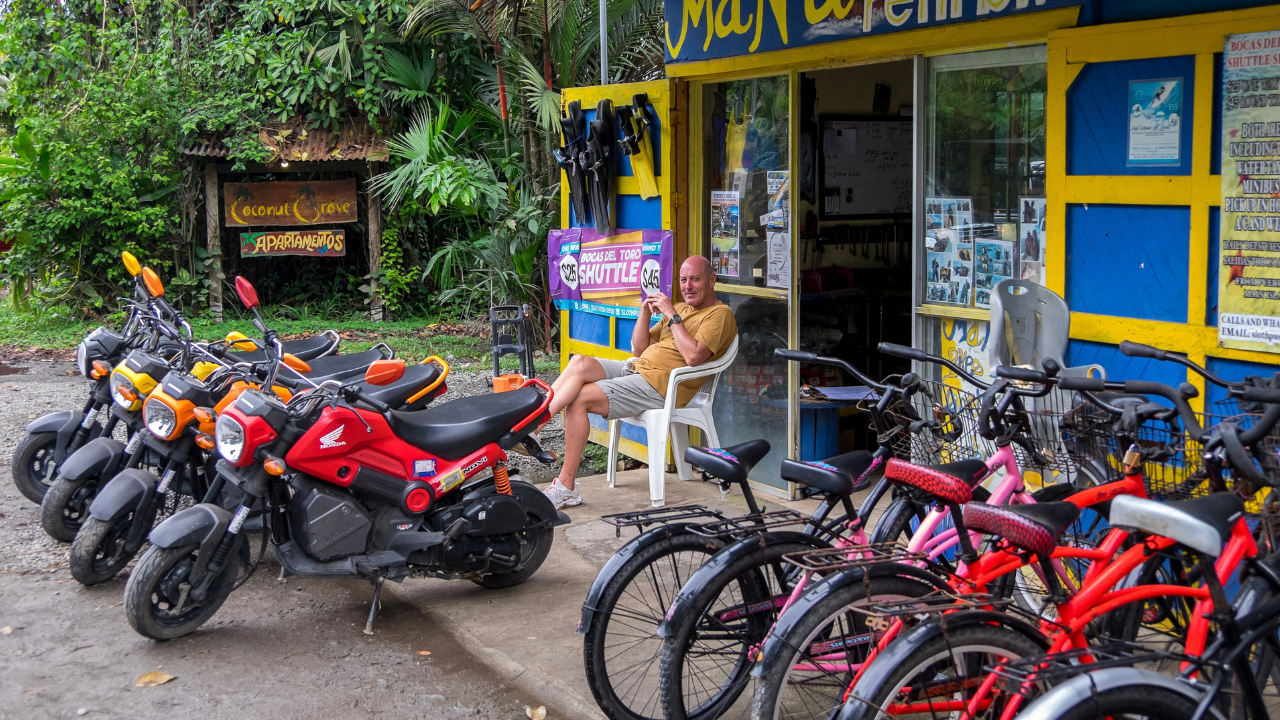
Vehicle rentals are another area where tourists often overpay after agreeing to a low advertised rate. The base price may look affordable, but the final cost can increase through insurance pressure, fuel rules, cleaning fees, late return charges, mileage limits, toll devices, or damage claims. In some places, scooter rentals can also become expensive if the renter is charged for scratches they did not document beforehand.

Recent travel scam coverage notes that rental companies may push unnecessary insurance or use confusing fee structures, making travelers pay more than expected. This is especially common when visitors are tired, in a hurry, or unfamiliar with local driving rules. Many tourists also forget to check whether their credit card already includes rental coverage.

Why Tourists Overpay: They focus on the daily rate and miss the add-on costs.

Common Extra Cost: Insurance upsells, fuel charges, toll fees, cleaning fees, or damage disputes.

Traveler Tip: Take clear photos and videos of the vehicle before leaving the rental office.

Must-Know: Always check license requirements, deposit rules, insurance coverage, and local traffic laws before renting.

9. “Free” Walking Tours and Tip-Based Experiences
© shutterstock / EvaL Miko

9. “Free” Walking Tours and Tip-Based Experiences

Free walking tours can be excellent, but they are not truly free. They usually operate on tips, which is fair when explained clearly. The problem is that some tourists join without understanding the expected tipping range, then feel pressured to give more than planned at the end. In some destinations, tip-based tours have become highly commercial, with guides strongly encouraging large payments.

Travel scam reporting has noted that some “free” tours can end with pressure for a large tip, especially in tourist-heavy cities where visitors may not know what is reasonable. This does not mean travelers should avoid free walking tours. Many are legitimate and informative. The key is to understand the payment model before joining.

Why Tourists Overpay: They mistake “free” for no-cost or feel social pressure at the end.

Common Extra Cost: Large expected tips, upsold paid tours, or commission-based restaurant stops.

Traveler Tip: Check reviews and typical tipping expectations before the tour begins.

Must-Know: A good guide should be transparent about how the tour works and whether tips are optional.

10. Online Booking Sites With Hidden Fees
© shutterstock / Summit Art Creations

10. Online Booking Sites With Hidden Fees

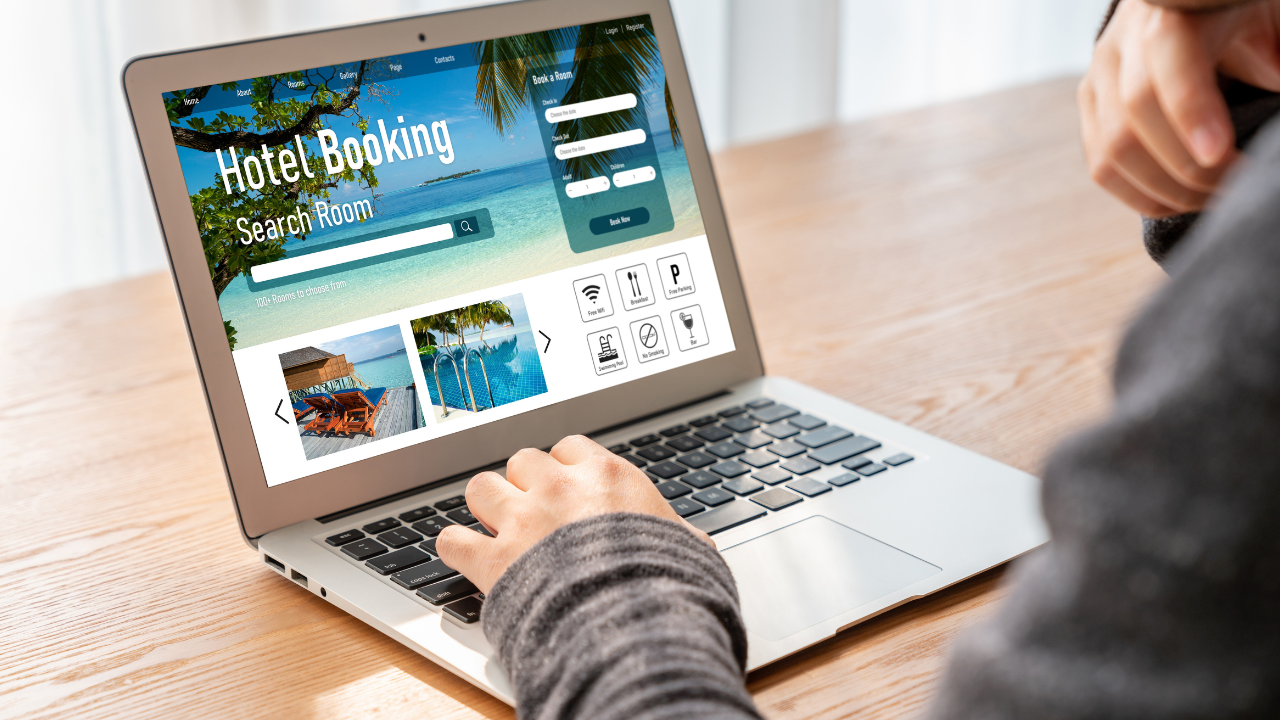
Tourists increasingly overpay before they even arrive. Online booking sites for hotels, vacation rentals, tours, visas, tickets, and transport may show one price at first, then add fees at checkout. These can include service fees, cleaning fees, resort fees, payment charges, seat selection costs, baggage fees, or local taxes. Because travelers are often deep into the booking process by then, they may accept the final price without comparing alternatives.

This has become more important as fake booking sites and travel-related online fraud have increased. Reports have warned travelers about fraudulent booking pages, fake visa websites, and online travel scams targeting visitors through convincing digital platforms. Even legitimate platforms can be expensive if travelers do not compare the final checkout price against direct booking options.

Why Tourists Overpay: They compare the first displayed price instead of the final total.

Common Extra Cost: Cleaning fees, service fees, resort fees, baggage charges, card fees, or fake processing fees.

Traveler Tip: Always compare the final checkout total, not the advertised starting price.

Must-Know: For visas, museum tickets, trains, and official attractions, use government or official provider websites whenever possible.


Comments (0)

Leave a Reply

No comments yet. Be the first to share your thoughts!