Travel Destination

10 cities where travelers are expected to follow local customs and etiquette

James Porter
4.2
April 28, 2026

Travel is not just about seeing famous places. In many popular cities, it is also about understanding how tourism affects daily life for residents. Crowded streets, rising housing costs, noise, disrespectful behavior around sacred or historic sites, and pressure on public transport have made local etiquette more important than ever.

Several major destinations have introduced stricter visitor rules, public behavior campaigns, tourist fees, limits on group sizes, and restrictions in sensitive neighborhoods. These changes do not mean travelers are unwelcome. They mean visitors are expected to act with more awareness, especially in places where tourism and local life share the same streets.

The cities below remain some of the best tourist attractions in the world, but they are also places where small choices matter. Dressing appropriately, keeping noise low, booking legal accommodation, respecting religious customs, avoiding intrusive photography, and understanding local frustrations can make a trip smoother and more responsible.
1. Kyoto, Japan
© shutterstock / A Hie

1. Kyoto, Japan

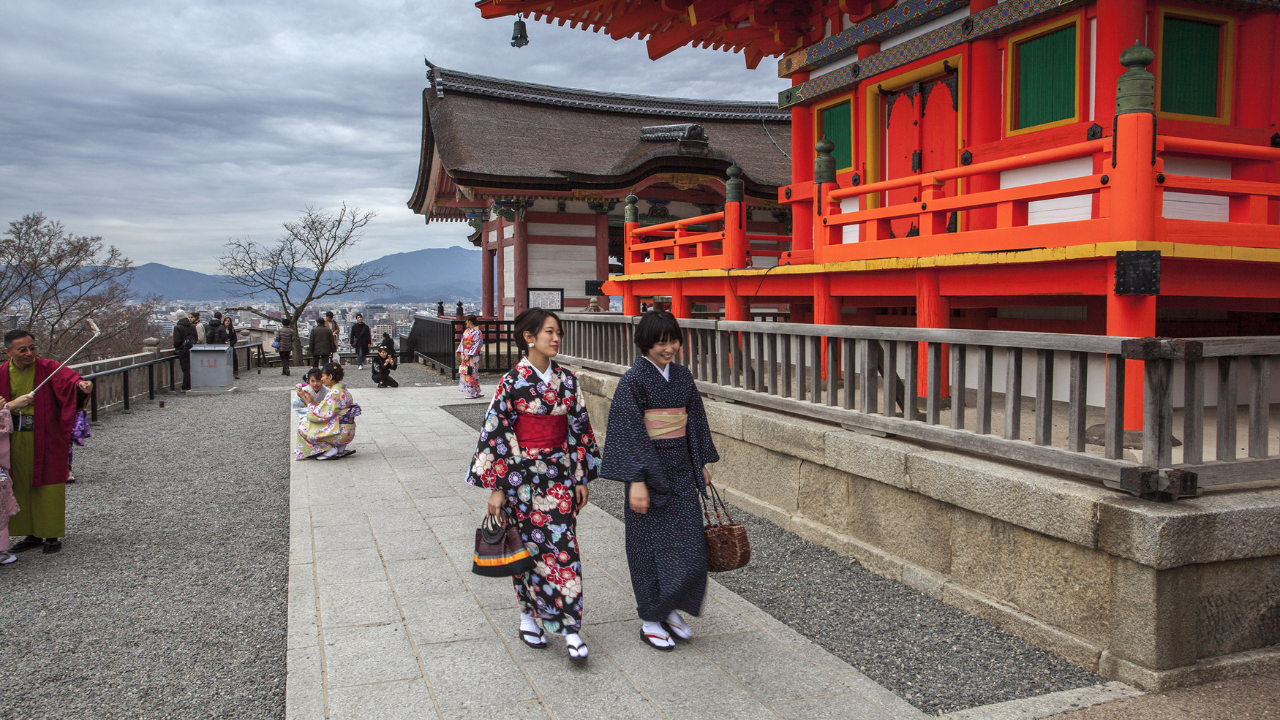
Kyoto is one of Japan’s most culturally important cities, known for temples, gardens, shrines, tea houses, and traditional districts such as Gion. It is also one of the cities where visitor etiquette has become especially important. Tourism pressure has led to restrictions in parts of Gion, where private alleyways have been closed to tourists after complaints about visitors trespassing, ignoring signs, and harassing geiko and maiko for photos.

The key issue in Kyoto is not simply crowding. It is behavior around spaces that still function as living cultural neighborhoods. Many streets in historic areas are not museum displays, and the people walking through them may be working, worshipping, commuting, or living there. Visitors should be careful around temples, shrines, narrow lanes, buses, and traditional entertainment districts.

Etiquette to Respect: Do not photograph geiko or maiko without permission.

Best Time to Visit: Early morning for temples and historic lanes.

Traveler Tip: Keep voices low on public transport and in temple areas.

Must-Know: Some private streets in Gion are off-limits to tourists.

2. Venice, Italy
© shutterstock / Gile68

2. Venice, Italy

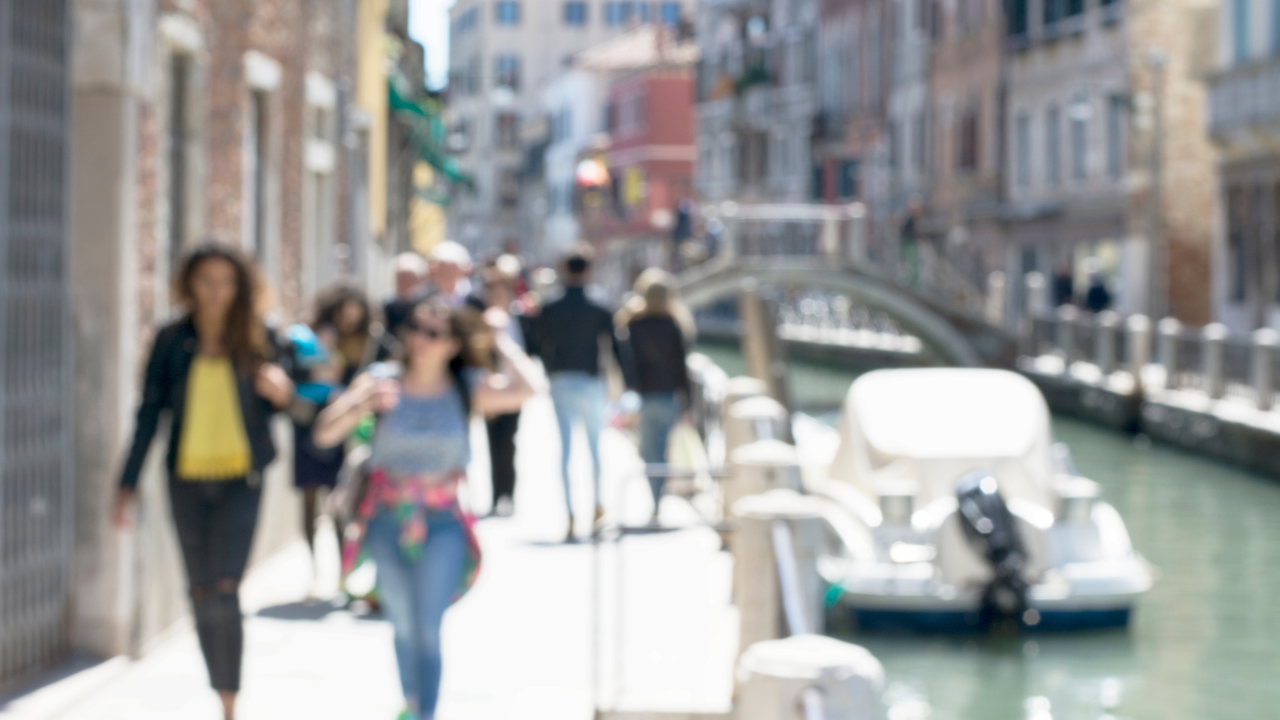
Venice is a fragile lagoon city where tourism and daily local life exist in a very small space. Its narrow bridges, canals, historic squares, and residential lanes are easily overwhelmed by large groups and day-trippers. Venice has introduced measures such as limits on tour groups and bans on loudspeakers to reduce pressure from mass tourism. The Associated Press reported that Venice planned to limit tourist groups to 25 people and ban loudspeakers to reduce disturbance in the historic city and nearby islands.

Respecting etiquette in Venice means moving through the city as if it is a lived-in place, not a theme park. Sitting on bridges, blocking narrow walkways, swimming in canals, making noise late at night, or treating residential areas like photo sets creates tension. Travelers should also be mindful of cruise crowds, day-trip pressure, and the need to support local businesses beyond the busiest landmarks.

Etiquette to Respect: Do not block bridges, alleys, boat stops, or shop entrances.

Best Time to Visit: Early morning or evening after day-trippers leave.

Traveler Tip: Stay overnight and explore quieter neighborhoods like Cannaregio.

Must-Know: Large tour groups and loudspeakers face restrictions.

3. Barcelona, Spain
© shutterstock / Carlovis

3. Barcelona, Spain

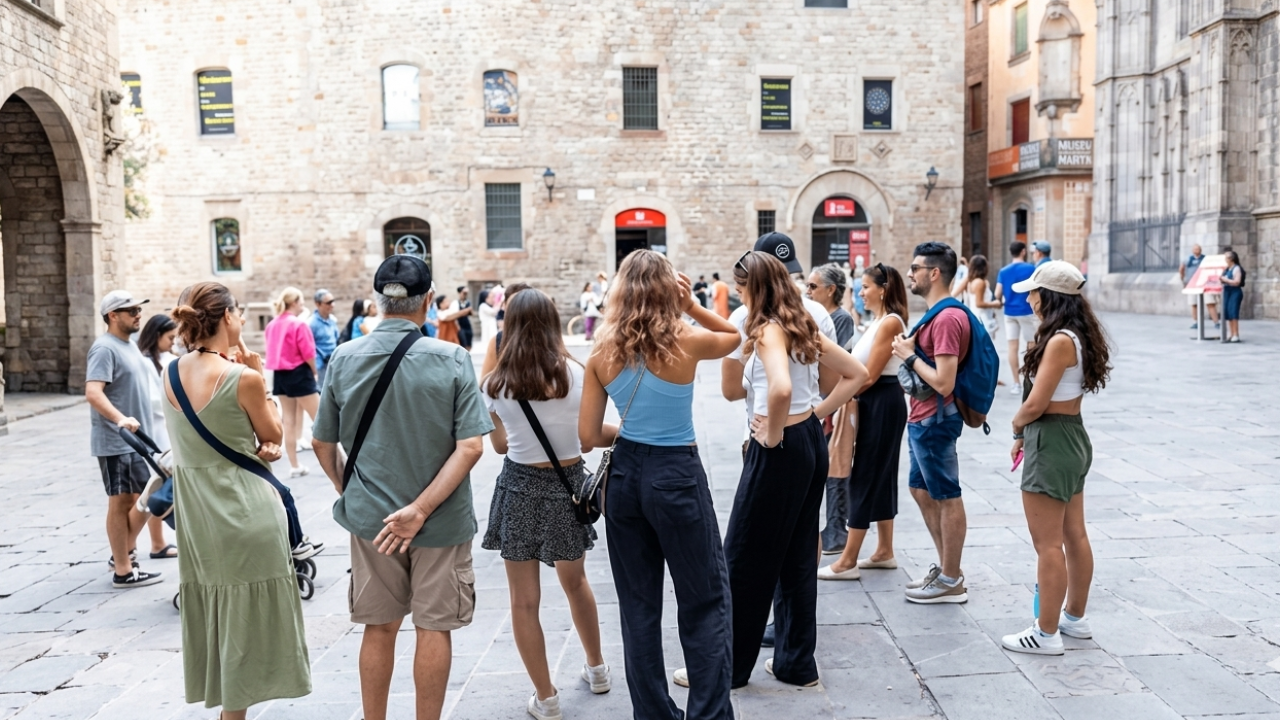
Barcelona has become one of Europe’s clearest examples of a city where tourism etiquette matters deeply. The city is loved for Gaudí architecture, beaches, food markets, nightlife, and neighborhood culture, but residents have pushed back against overcrowding, short-term rentals, and disruptive tourist behavior. Spain has also cracked down on unlicensed tourist rentals, and Barcelona plans to phase out its licensed short-term tourist apartments by 2028 as part of wider housing measures.

For visitors, etiquette in Barcelona goes beyond polite greetings. It includes choosing legal accommodation, respecting residential streets, avoiding loud behavior late at night, dressing properly away from beaches, and not treating local markets as crowded photo studios. Neighborhoods such as the Gothic Quarter, El Born, Barceloneta, and Gràcia are not just tourist zones. They are places where people live, work, shop, and raise families.

Etiquette to Respect: Avoid illegal rentals and be quiet in residential buildings.

Best Time to Visit: April to June or September to October.

Traveler Tip: Keep beachwear for the beach, not streets or restaurants.

Must-Know: Tourism frustration is often linked to housing pressure and noise.

4. Amsterdam, Netherlands
© Pixabay / Lucavolpe

4. Amsterdam, Netherlands

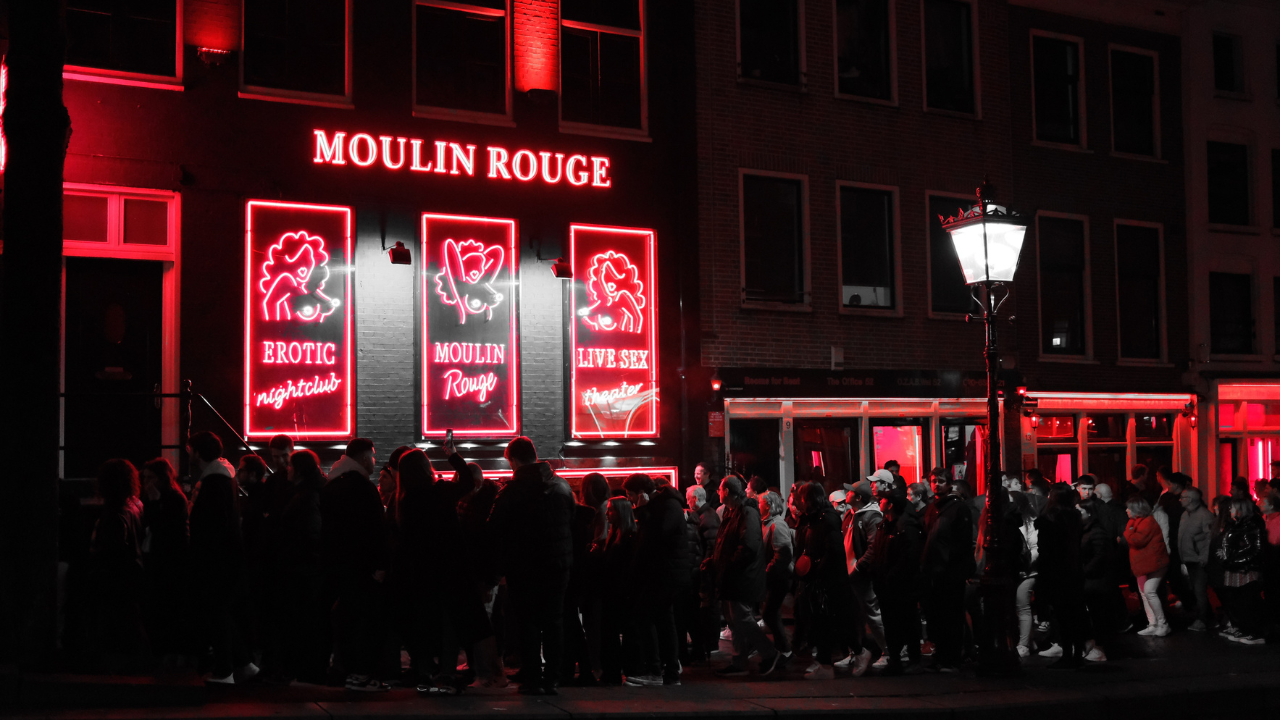
Amsterdam has spent years trying to rebalance tourism with local quality of life. The city is famous for canals, museums, cycling culture, and historic streets, but it has also struggled with party tourism, drug tourism, and disruptive groups in the center. Amsterdam’s “Stay Away” campaign was designed to discourage nuisance visitors, especially those looking for rowdy nightlife or behavior that disturbs residents.

The city’s etiquette expectations are clear: do not treat Amsterdam as a place without rules. Public drunkenness, shouting in residential streets, photographing sex workers, walking in bike lanes, and confusing cannabis tolerance with permission to behave badly all create problems. Respecting Amsterdam means understanding that its relaxed image does not remove basic social responsibility. The canal belt, Red Light District, Jordaan, and museum areas all require awareness of shared space.

Etiquette to Respect: Stay out of bike lanes and never photograph sex workers.

Best Time to Visit: March to May or September.

Traveler Tip: Explore neighborhoods beyond the Red Light District.

Must-Know: The city actively discourages nuisance and party-focused tourism.

5. Bali, Indonesia
© shutterstock / Agung Widiyanto

5. Bali, Indonesia

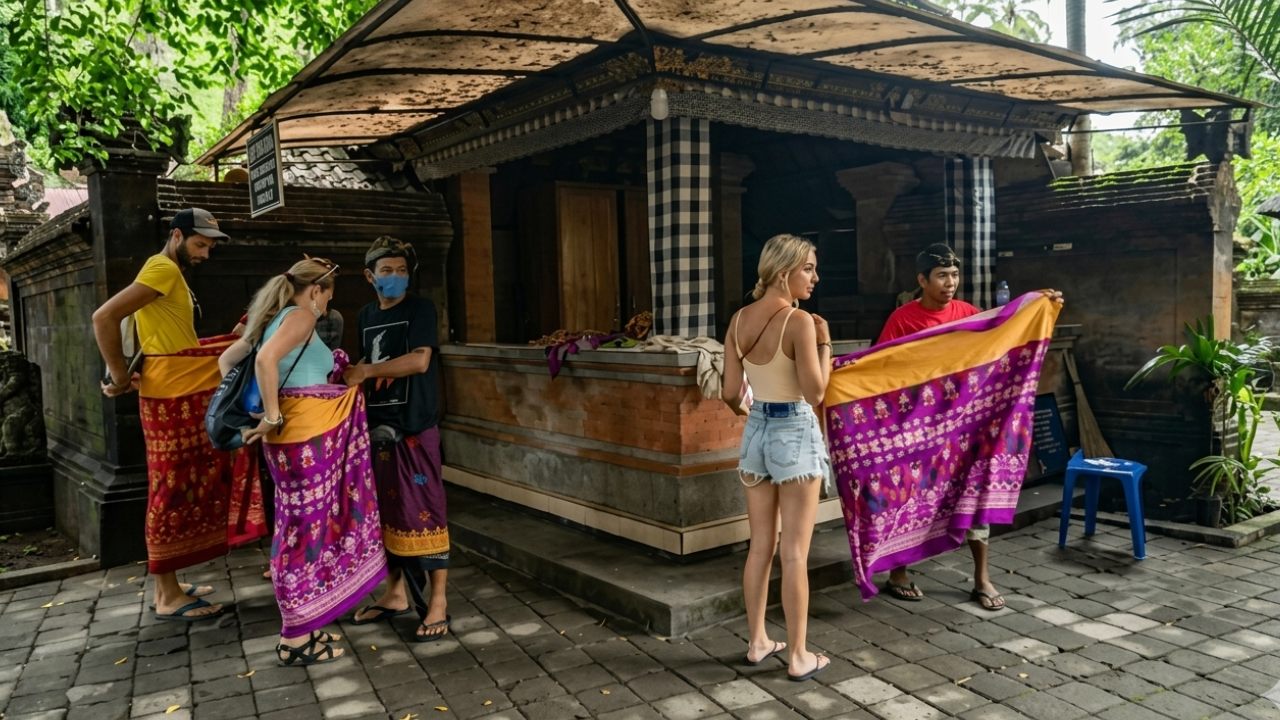
Bali is often marketed as a beach, wellness, and digital nomad destination, but it is also a deeply spiritual island with Hindu customs, sacred sites, and community rules. In 2025, Bali issued updated guidelines for foreign tourists covering behavior at temples, respect for sacred places, environmental conduct, traffic rules, and local customs. Reports on the circular noted restrictions such as not entering sacred temple areas except for worship under proper conditions, not climbing sacred trees, not acting disrespectfully at holy sites, and not littering or polluting the environment.

Etiquette in Bali is especially important because many tourist areas sit close to temples, ceremonies, family compounds, beaches, rice fields, and villages. Visitors should dress modestly at temples, avoid posing disrespectfully near religious symbols, follow traffic laws, pay required tourist levies, and avoid treating local culture as a backdrop for social media. Areas like Ubud, Canggu, Seminyak, Uluwatu, and Sanur all have different rhythms, but respect for local customs applies across the island.

Etiquette to Respect: Dress modestly and behave respectfully at temples.

Best Time to Visit: April to October.

Traveler Tip: Carry a sarong for temple visits and ceremonies.

Must-Know: Bali has formal tourist behavior guidelines.

6. Dubrovnik, Croatia
© shutterstock / Ivan Klindic

6. Dubrovnik, Croatia

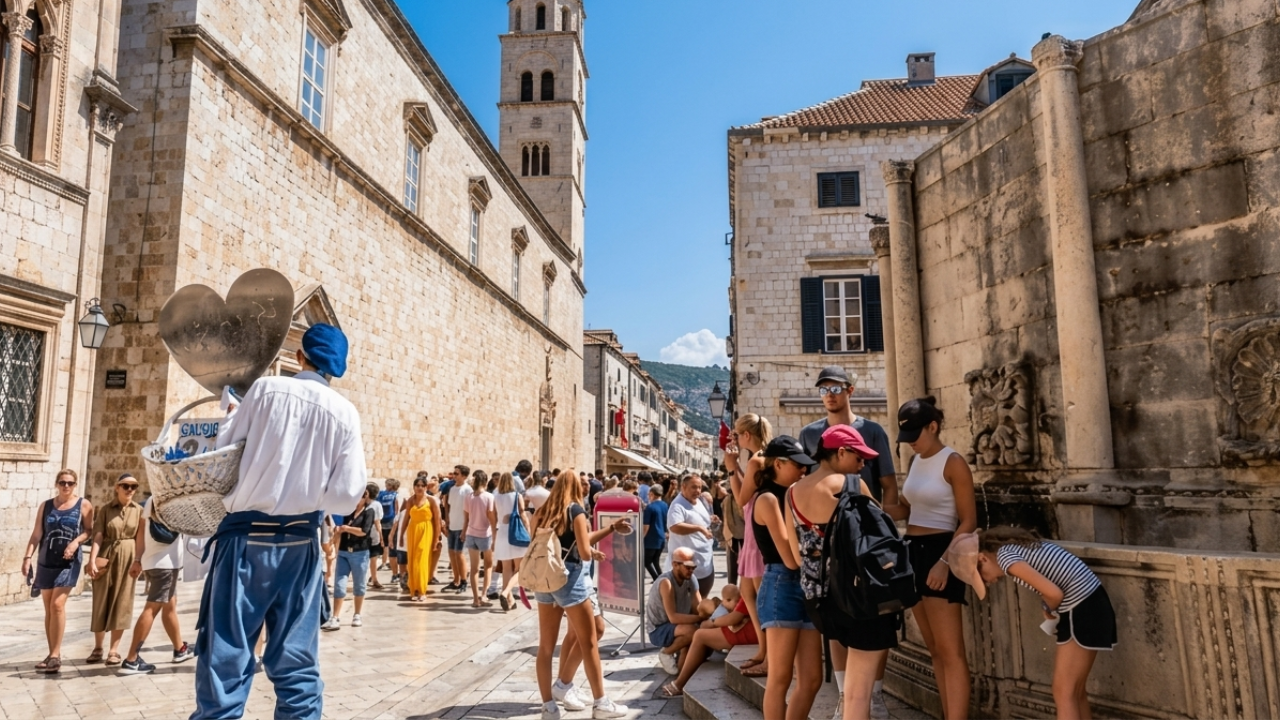
Dubrovnik’s Old Town is one of the most recognizable historic centers in Europe, but its beauty also makes it vulnerable to overcrowding. Cruise arrivals, summer crowds, narrow streets, city walls, and residential buildings all create pressure. Local etiquette matters because the Old Town is not only a heritage attraction. It is also a place where people live, work, and deal with constant visitor movement.

Travelers should be careful with noise, clothing, luggage, and photography. Walking shirtless or in swimwear away from beaches, dragging suitcases loudly through stone lanes late at night, blocking stairways for photos, or crowding residents’ doorways can feel disrespectful. Recent visitor etiquette guides for Dubrovnik continue to emphasize dress codes, noise awareness, and respect for the historic setting, especially inside the Old Town.

Etiquette to Respect: Cover up away from beaches and avoid loud late-night noise.

Best Time to Visit: May to June or September.

Traveler Tip: Visit the city walls early before cruise crowds arrive.

Must-Know: The Old Town is a living neighborhood, not only a tourist site.

7. Rome, Italy
© shutterstock / kavalenkau

7. Rome, Italy

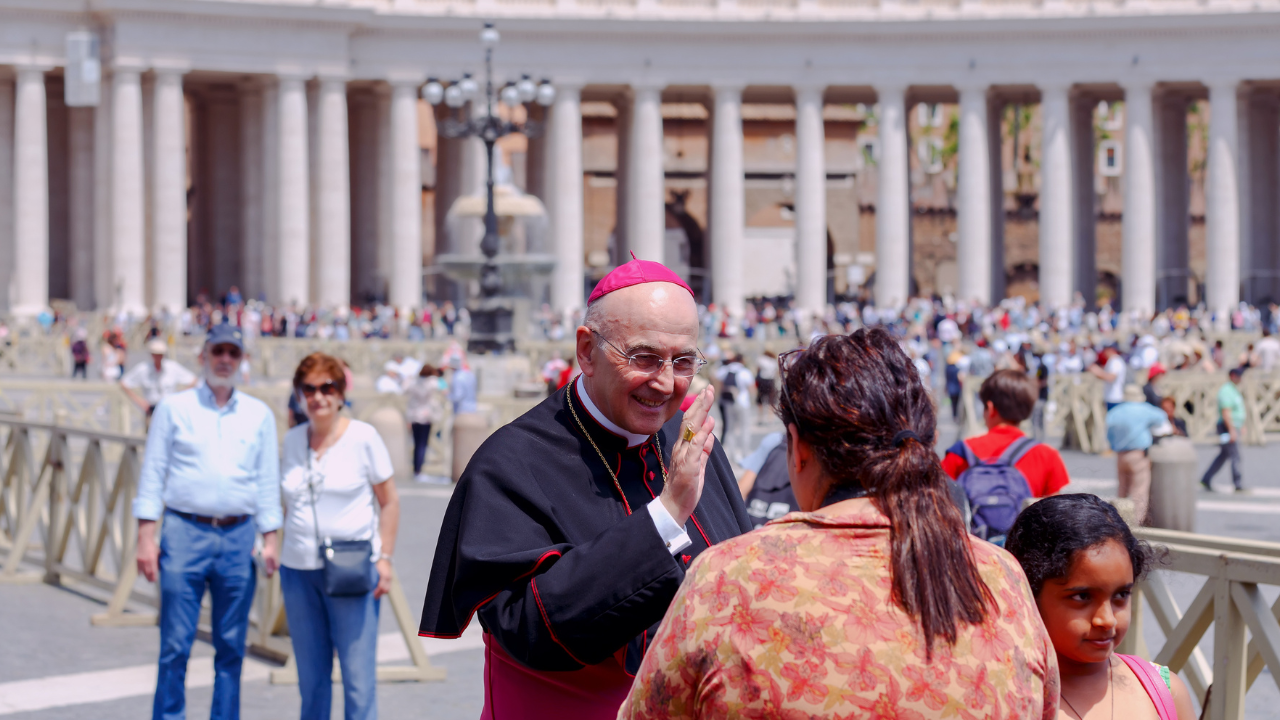
Rome receives millions of visitors drawn to the Colosseum, Vatican City, Trevi Fountain, Spanish Steps, and ancient streets. Because so many landmarks are also sacred, protected, or heavily used public spaces, etiquette is essential. Visitors should dress properly for churches, avoid touching monuments, never enter fountains, and understand that historic sites are not props for careless behavior.

Rome’s etiquette is also tied to daily rhythm. Dining culture, coffee habits, greetings, church dress codes, and public behavior all shape how visitors are received. Travel guidance for Rome regularly reminds visitors to dress appropriately at religious sites and to avoid disrespectful behavior around fountains and monuments. The city can feel busy and chaotic, but travelers who follow basic local customs usually have a smoother experience.

Etiquette to Respect: Cover shoulders and knees when entering churches.

Best Time to Visit: April to June or September to October.

Traveler Tip: Do not sit on protected monuments or enter fountains.

Must-Know: Major religious sites may deny entry for improper clothing.

8. Athens, Greece
© shutterstock / vivooo

8. Athens, Greece

Athens is facing renewed concerns about overtourism, housing pressure, and the transformation of historic neighborhoods into tourist zones. The city’s mayor recently warned that Athens cannot operate like “a giant hotel” and has called for measures to protect the historic center, especially areas such as Plaka beneath the Acropolis.

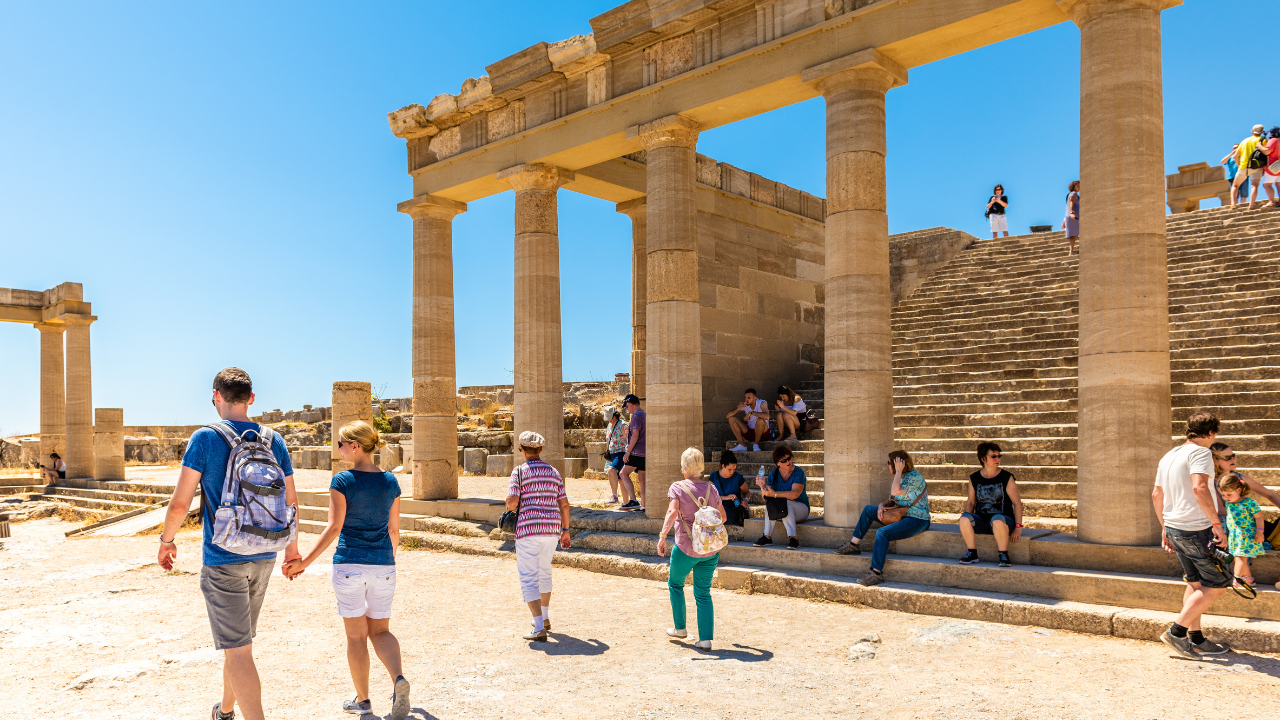
For visitors, etiquette in Athens means recognizing that ancient sites and residential neighborhoods require different kinds of respect. At the Acropolis and archaeological areas, travelers should follow marked paths, avoid climbing on ruins, and treat monuments as protected heritage rather than photo props. In neighborhoods such as Plaka, Psiri, Koukaki, and Exarchia, noise, short-term rentals, and crowding affect residents directly. Supporting local businesses, keeping noise low at night, and choosing accommodation carefully can reduce friction.

Etiquette to Respect: Do not climb on ruins or ignore barriers at ancient sites.

Best Time to Visit: March to May or September to November.

Traveler Tip: Visit the Acropolis early to avoid heat and crowding.

Must-Know: Overtourism is now a major local concern in central Athens.

9. Lisbon, Portugal
© shutterstock / Radu Bercan

9. Lisbon, Portugal

Lisbon has become one of Europe’s most popular city-break destinations, known for tiled streets, viewpoints, trams, seafood, nightlife, and historic neighborhoods. Its popularity has also brought pressure on housing, public transport, and local communities. While Lisbon is generally welcoming, etiquette is increasingly important in neighborhoods where tourism has reshaped daily life.

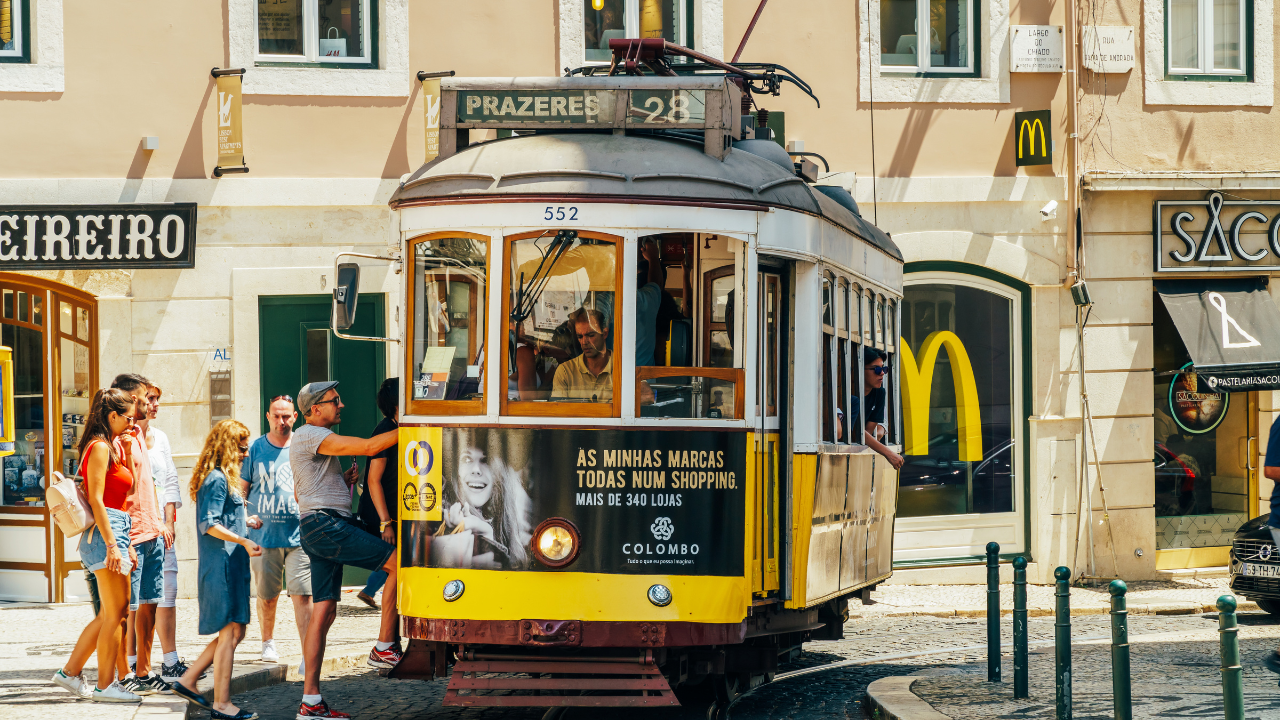
Visitors should be especially respectful in Alfama, Bairro Alto, Mouraria, Graça, and around tram routes. Blocking narrow lanes for photos, crowding tram stops, being loud late at night, or treating residential balconies and doorways as backdrops can frustrate locals. Lisbon’s famous Tram 28 is a real public transport route, not only a sightseeing ride, so travelers should make space for residents and avoid peak commuter times when possible.

Etiquette to Respect: Do not block narrow streets, tram doors, or residential entrances.

Best Time to Visit: March to June or September to October.

Traveler Tip: Walk or use less crowded routes instead of relying only on Tram 28.

Must-Know: Popular viewpoints and old districts are also residential spaces.

10. Bangkok, Thailand
© shutterstock / sarawuth wannasathit

10. Bangkok, Thailand

Bangkok is energetic, friendly, and busy, but it also has important etiquette expectations that visitors should take seriously. The city has royal sites, Buddhist temples, local markets, public transport systems, and neighborhoods where behavior matters. Dress codes are especially important at places such as the Grand Palace, Wat Pho, and Wat Arun, where modest clothing is expected. Shoes should be removed where required, and visitors should avoid touching Buddha images or behaving casually in sacred spaces.

Bangkok’s etiquette also includes street behavior. Bargaining should be polite, public anger is poorly received, and visitors should avoid blocking sidewalks, pointing feet at people or religious objects, and disrespecting monks. The city is comfortable for travelers, but it rewards cultural awareness. A calm tone, modest dress at temples, patience in traffic, and respect for local customs make interactions smoother.

Etiquette to Respect: Dress modestly at temples and remove shoes when required.

Best Time to Visit: November to February.

Traveler Tip: Carry a light scarf or cover-up for temple visits.

Must-Know: Public displays of anger can be seen as disrespectful.


Comments (0)

Leave a Reply

No comments yet. Be the first to share your thoughts!