Travel Destination

10 Must-Pack Cruise Items Every Traveler Needs Before Boarding

Adam Collins
4.5
April 16, 2026

Packing for a cruise is different from packing for a regular hotel stay because once the ship leaves port, replacing forgotten items can be expensive, inconvenient, or impossible. Cruise cabins are compact, outlets can be limited, and sea days often reveal small comfort gaps that do not seem obvious while packing at home. That is why experienced cruisers usually focus less on overpacking clothes and more on bringing a few practical items that improve comfort, organization, and flexibility throughout the trip. Cruise packing guides consistently highlight basics like luggage tags, medications, power solutions, and small cabin organizers as high-value items. (Cruise Critic)

I could not open the MSN page directly because the site blocked access in this environment, so I rebuilt this list using well-known cruise packing advice and selected the most useful items to create a cleaner, stronger version. The picks below are rearranged and fully rewritten, with a focus on what actually helps most on embarkation day, in your cabin, and during port stops. (Cruise Critic)
1. Cruise Document Organizer
© DAVEMANI

1. Cruise Document Organizer

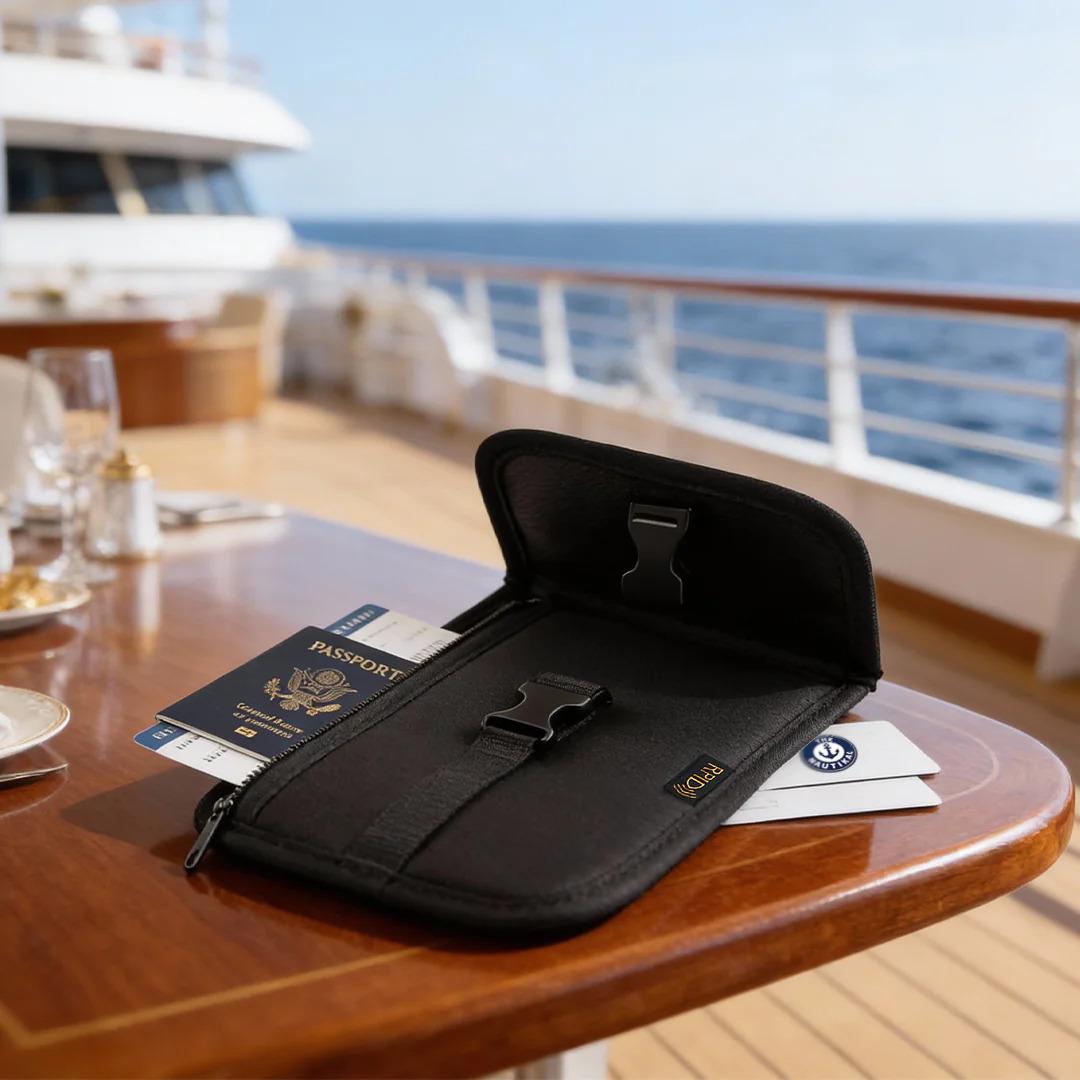
A simple document organizer is one of the smartest things you can pack because cruise travel involves more paperwork and IDs than many vacations. You may need quick access to your passport, boarding documents, travel insurance details, port confirmations, and payment cards, especially on embarkation day. Keeping everything in one waterproof folder or zip pouch reduces stress when lines are moving quickly and staff need to verify something fast. It also helps once you begin visiting ports, where you may want certain documents separate from the rest of your luggage. Cruise packing lists consistently rank travel documents among the most important items to keep accessible rather than packed away. (Cruise Critic)

Best Time to Use: Embarkation day and port days

Why It Matters: Keeps essential paperwork in one place

Traveler Tip: Add photocopies of IDs and emergency contacts

Must-Know: Keep it in your carry-on, not your checked suitcase

2. Cruise Luggage Tag Holders
© Dave Mani

2. Cruise Luggage Tag Holders

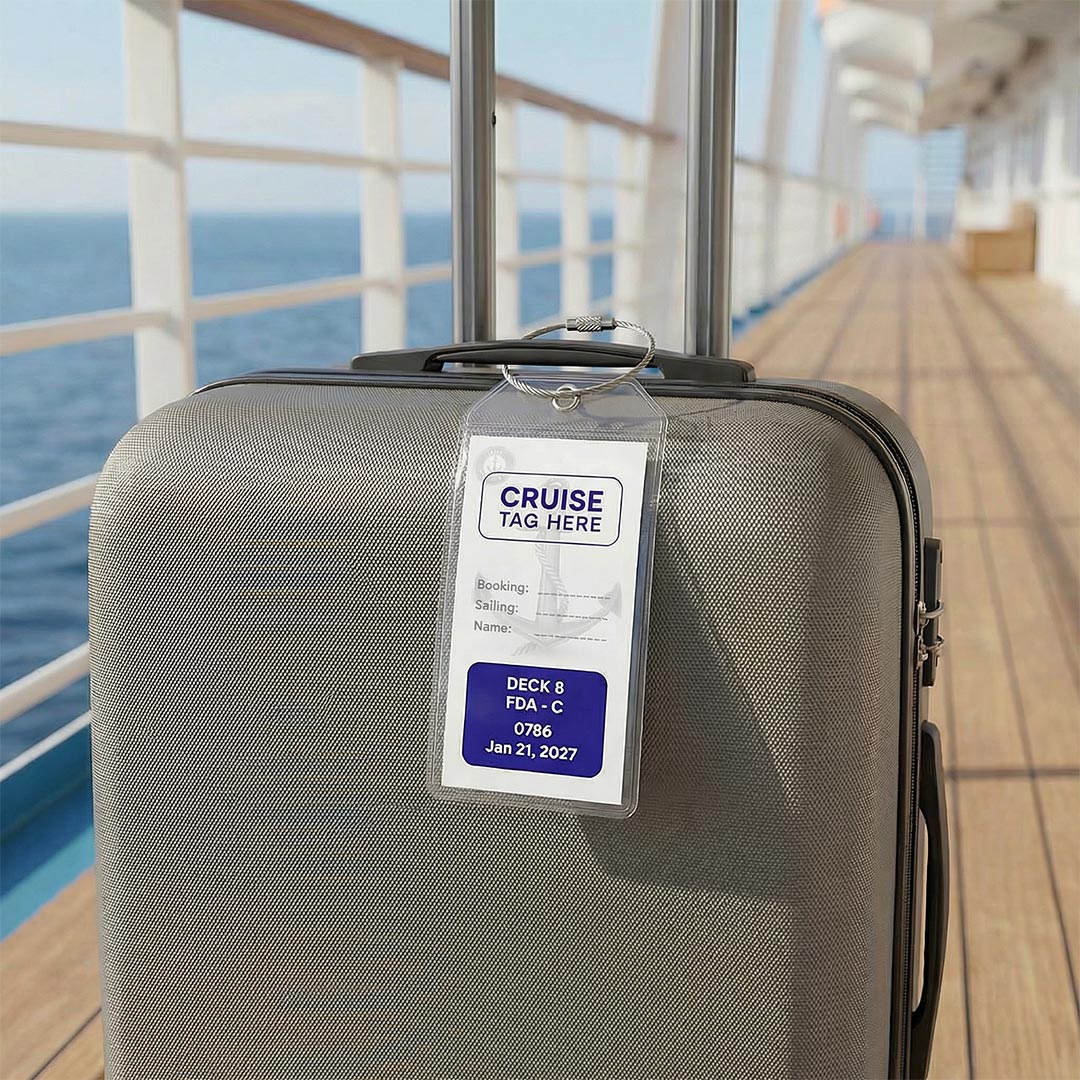
Printed cruise tags are essential for getting your checked bags delivered to the correct cabin, but paper tags alone can tear, smudge, or loosen during transit. That is why reusable tag holders are one of those small purchases that can prevent an annoying first-day problem. They protect the printed information better and make your luggage easier for port staff to identify. This matters most before boarding, when your main bags may be handled several times before reaching your stateroom. Among cruise-specific packing recommendations, luggage tag holders are often treated as one of the easiest ways to avoid unnecessary boarding-day hassle. (Cruise Critic)

Best Time to Use: Before arriving at the port

Why It Matters: Protects your cabin assignment tags

Traveler Tip: Attach them the night before departure

Must-Know: Bring an extra blank tag in case one gets damaged

3. Casual Day Dresses for Comfort and Flexibility
© patpat

3. Casual Day Dresses for Comfort and Flexibility

Lightweight day dresses are one of the easiest clothing choices for a cruise because they work across multiple situations. You can wear them to breakfast, while walking around the ship, or even during casual shore excursions. They are comfortable in warm weather, easy to pack, and do not require much styling. Compared to separate outfits, a simple dress reduces packing bulk and saves time when getting ready. For many travelers, having a few breathable, versatile dresses makes daily dressing much easier throughout the trip.

Best Time to Wear: Sea days and casual port visits

Why It Matters: Combines comfort and simplicity

Traveler Tip: Choose wrinkle-resistant fabrics

Must-Know: Layer with a light cover-up for cooler indoor areas

4. Medications and a Small First-Aid Kit
© shutterstock_New Africajpg

4. Medications and a Small First-Aid Kit

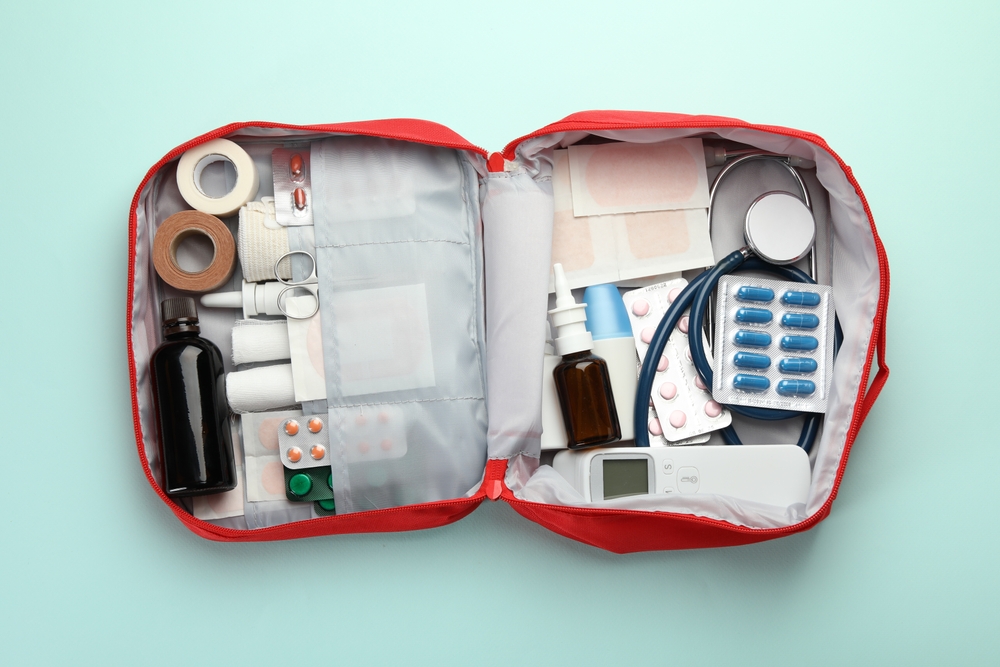
Even a short cruise becomes harder if you forget prescription medication, pain relievers, motion sickness remedies, bandages, or stomach relief tablets. Ships do have medical services, but treatment can be expensive, and onboard shops may carry only limited options at higher prices. A small personal kit helps you handle common problems like headaches, blisters, mild nausea, and sunburn discomfort without interrupting your trip. Cruise packing checklists consistently treat medicine as a carry-on essential, not something to put in checked luggage, since lost or delayed bags could leave you without important supplies. (Cruise Critic)

Best Time to Use: As needed, especially sea days and excursions

Why It Matters: Avoids expensive onboard replacements

Traveler Tip: Pack more than you think you will need

Must-Know: Always keep prescription medicine in original containers if possible

5. Reusable Water Bottle
© shutterstock_sergey kolesnikovjpg

5. Reusable Water Bottle

A refillable water bottle is one of the most practical things to bring because cruise days can be surprisingly dehydrating. Sun exposure, walking on port days, salty air, and long excursions all add up quickly. A reusable bottle makes it easier to stay hydrated without constantly buying bottled drinks in port or carrying disposable plastic around the ship. It also helps on embarkation day, when you may spend more time waiting than expected. Packing guides regularly include reusable bottles because they serve both convenience and cost-saving purposes across the entire trip. (Cruise Critic)

Best Time to Use: Excursions, pool deck time, and travel days

Why It Matters: Helps you stay hydrated affordably

Traveler Tip: Choose a lightweight bottle that fits easily in a day bag

Must-Know: Refill from cups or stations if direct bottle filling is restricted

6. Day Bag or Beach Tote
© shutterstock_New Africajpg

6. Day Bag or Beach Tote

A lightweight day bag becomes useful almost immediately on a cruise because you rarely want to carry your full luggage essentials every time you leave your cabin. On boarding day, it can hold passports, chargers, swimsuits, sunscreen, and medications while you wait for your checked bags to arrive. Later in the trip, it becomes your port-day bag for towels, water, sunglasses, and small purchases. Cruise packing articles often recommend a tote or compact day pack because it works in multiple settings without taking much suitcase space. (Florida Sun Adventures)

Best Time to Use: Embarkation day and shore excursions

Why It Matters: Keeps daily essentials easy to carry

Traveler Tip: Choose one that folds flat in your suitcase

Must-Know: A zippered bag is better for crowded port areas

7. Sunscreen and After-Sun Care
© bluelizardsunscreen

7. Sunscreen and After-Sun Care

Sunscreen seems obvious, but it is also one of the most commonly underpacked cruise items. Sun exposure on a ship is often more intense than travelers expect because of reflection from the water, time spent on open decks, and windy weather that hides how strong the sun really is. Bringing your own sunscreen is cheaper than buying it onboard, and pairing it with aloe or after-sun gel helps if you still get too much exposure. Cruise-focused packing lists routinely place sunscreen high on the essentials list because it is needed almost daily on warm-weather sailings. (Florida Sun Adventures)

Best Time to Use: Pool days, deck time, and shore visits

Why It Matters: Prevents painful sunburn and expensive onboard purchases

Traveler Tip: Reapply more often than you think, especially on sea days

Must-Know: Reef-safe formulas may be required in some destinations

8. Magnetic Hooks or Small Cabin Organizers
© Dave Mani

8. Magnetic Hooks or Small Cabin Organizers

Cruise cabins are usually compact, and storage space disappears quickly once multiple people unpack. Magnetic hooks work well because many cabin walls and ceilings are metal, which lets you hang hats, lanyards, swimsuits, lightweight bags, or jackets without cluttering chairs and counters. This is one of those cruise-specific tricks that frequent cruisers swear by because it improves cabin organization without taking up much suitcase room. Small hanging organizers or pouches can serve the same purpose, especially for toiletries or charging cables. Cabin-space solutions appear often in cruise packing lists because space efficiency matters far more onboard than in a typical hotel room. (Cruise Critic)

Best Time to Use: From the moment you unpack

Why It Matters: Adds storage in a small cabin

Traveler Tip: Use hooks for wet items that need to dry

Must-Know: Check weight limits before hanging heavier items

9. Portable Charger
© shutterstock_Lee Charliejpg

9. Portable Charger

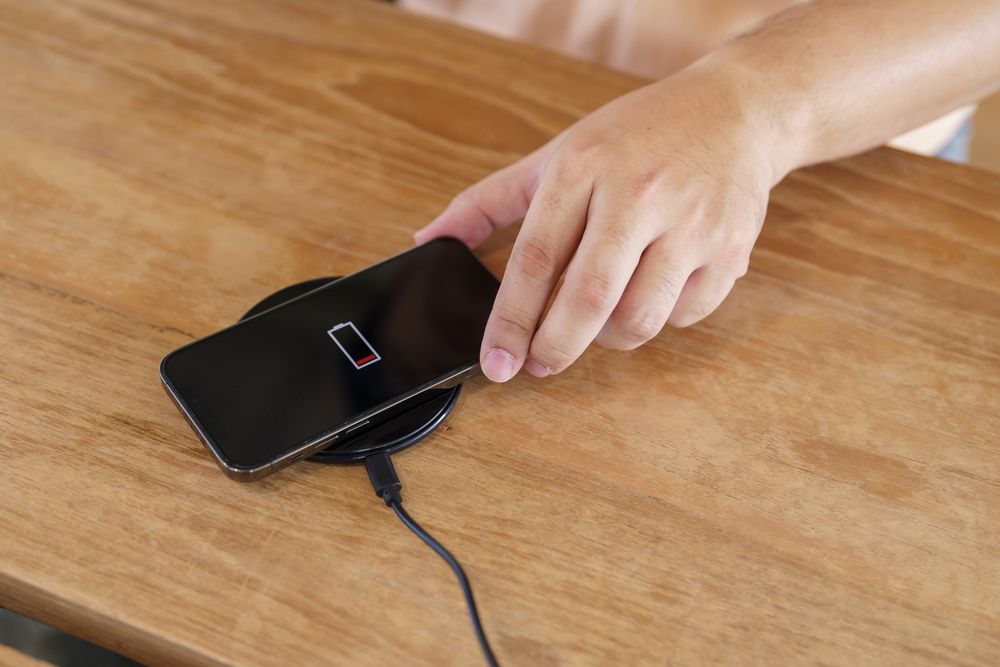
A portable charger is especially useful on travel days and port days, when you rely on your phone for boarding information, maps, photos, excursion details, and communication. Battery drain tends to happen faster than expected when using cameras, navigation, and mobile apps away from your cabin for long stretches. A power bank gives you backup without needing to search for an outlet during an excursion or in a crowded terminal. Cruise checklists frequently include power banks because they are one of the easiest ways to avoid a dead-phone problem at the worst possible moment. (Cruise Critic)

Best Time to Use: Port days and embarkation day

Why It Matters: Keeps phones working when outlets are unavailable

Traveler Tip: Charge it fully before leaving home

Must-Know: Pack it in carry-on luggage, not checked bags

10. Motion Sickness Protection
© cruise.blog

10. Motion Sickness Protection

Even travelers who do not usually get motion sickness sometimes feel it on a cruise, especially during rougher seas, smaller ships, or windy itineraries. Bringing your preferred remedy in advance, whether that is tablets, patches, wristbands, or ginger products, is one of the simplest ways to avoid spending the first sea day feeling unwell. It is much easier to prevent symptoms early than to treat them after they start. Cruise packing sources consistently include seasickness relief because it is one of the most cruise-specific essentials and one of the most regretted items to forget. (Cruise Critic)

Best Time to Use: Before sailing or at the first sign of discomfort

Why It Matters: Helps prevent seasickness from disrupting your trip

Traveler Tip: Test any medication before travel if you have never used it

Must-Know: Onboard options may be limited or overpriced


Comments (0)

Leave a Reply

No comments yet. Be the first to share your thoughts!