Travel Destination

10 Must-See Places in Iceland for First-Time Visitors

Leo Harper
4.2
April 10, 2026

Iceland is often described as the “Land of Fire and Ice,” a country where glaciers, volcanoes, waterfalls, and geothermal landscapes exist side by side. What makes Iceland truly unique is how accessible its natural wonders are. Within a relatively short drive, travelers can move from erupting geysers to black sand beaches or from peaceful lagoons to rugged mountain terrain.

For first-time visitors and returning travelers alike, Iceland offers a mix of iconic landmarks and lesser-known scenic areas. Many of these destinations are concentrated along well-known routes like the Golden Circle and the South Coast, making it possible to experience a wide variety of landscapes in a limited time. (Finding the Universe)

Below are 10 of the best places to visit in Iceland, carefully selected and fully restructured for depth, clarity, and strong travel appeal.
1. Blue Lagoon
© bluelagoon

1. Blue Lagoon

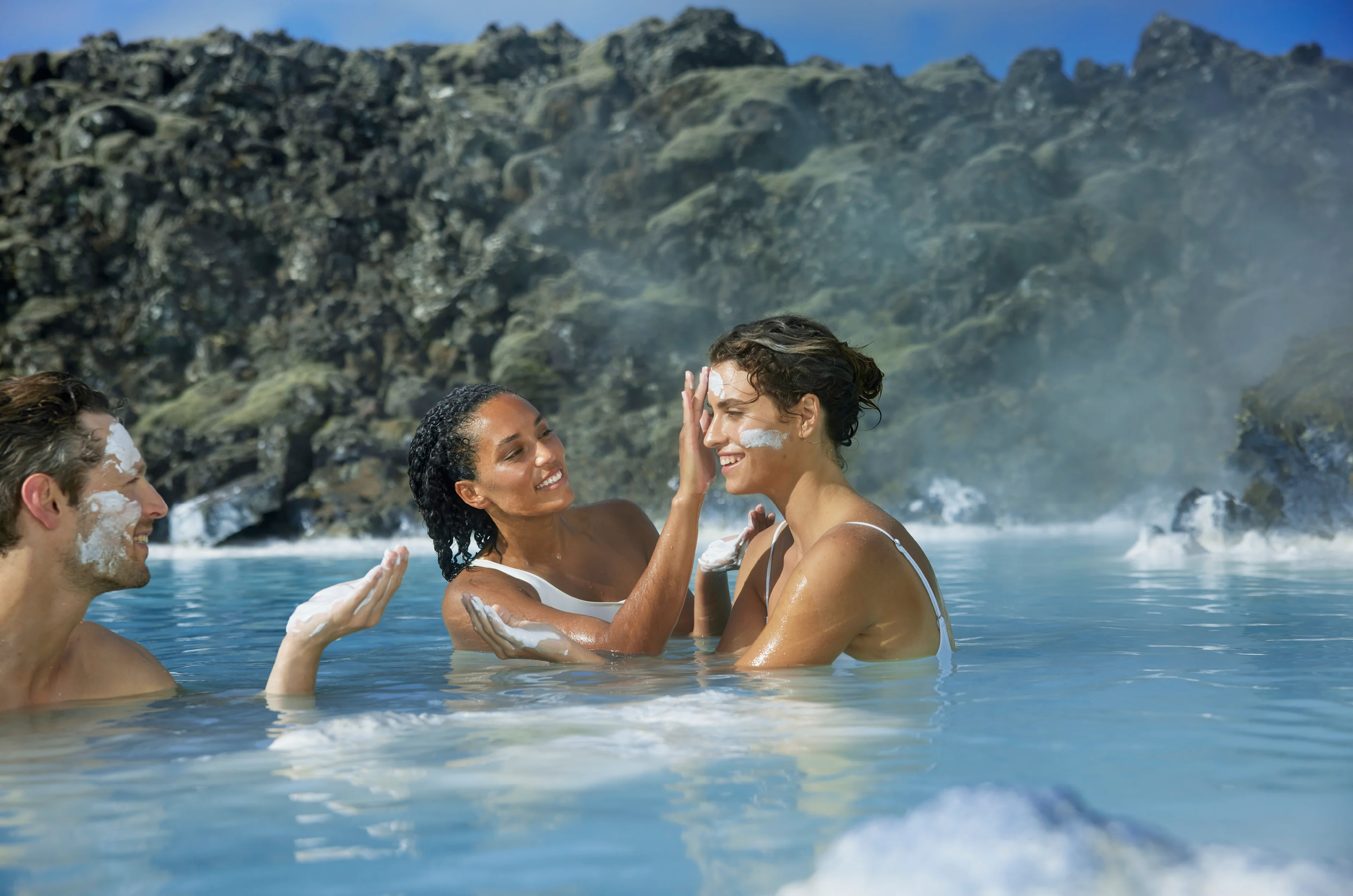
The Blue Lagoon is one of Iceland’s most iconic attractions, known for its warm, mineral-rich waters set against black lava fields. The milky blue water maintains a comfortable temperature year-round, creating a relaxing experience even in cold weather. It is not a natural lake but a geothermal spa formed by nearby energy production, yet it feels entirely unique. (The Times) Visitors come here to unwind, enjoy the scenery, and experience one of Iceland’s most recognizable landscapes. Despite its popularity, careful timing can make the visit feel peaceful and rewarding.

Best Season to Visit: Year-round

Ideal Visiting Hours: Early morning or late evening

Traveler Tip: Book tickets in advance

Must-Know: Limited entry slots per day

2. The Golden Circle
© Oana Badiu

2. The Golden Circle

The Golden Circle is Iceland’s most famous sightseeing route, and for good reason. It brings together three major natural landmarks in one accessible loop: Þingvellir National Park, the Geysir geothermal area, and Gullfoss waterfall. (Guide to Iceland) Travelers can witness tectonic plates shifting apart, watch geysers erupt every few minutes, and stand near one of the country’s most powerful waterfalls. The route is well-maintained and can be completed in a single day, making it perfect for first-time visitors. It offers a compact introduction to Iceland’s geology and natural forces, combining history, science, and scenery in one journey.

Best Season to Visit: Year-round

Ideal Visiting Hours: Early morning or late evening

Traveler Tip: Start early to avoid tour crowds

Must-Know: Parking fees apply at some stops

3. Reykjavík
© Getty Images

3. Reykjavík

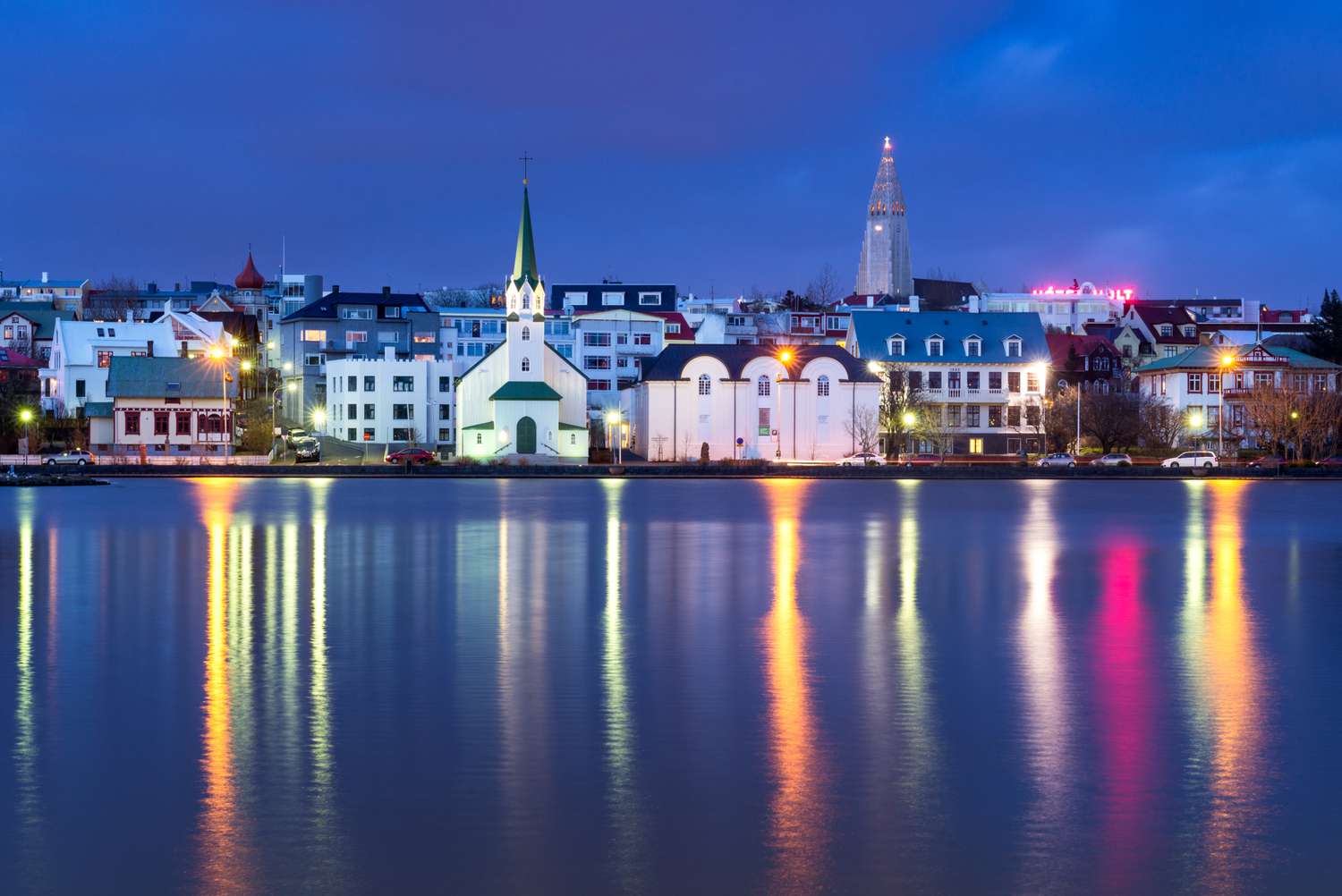
Reykjavík is not just Iceland’s capital, it is also the starting point for most journeys across the country. Despite being a small city, it offers a mix of modern design, Nordic culture, and easy access to nature. Travelers can explore colorful streets, local cafés, museums, and landmarks like Hallgrímskirkja, while still feeling connected to Iceland’s natural surroundings. The city serves as a practical base for day trips to nearby attractions such as the Golden Circle and Blue Lagoon. What makes Reykjavík stand out is its balance between urban comfort and outdoor access, making it ideal for easing into an Iceland trip.

Best Season to Visit: Year-round

Ideal Visiting Hours: Morning to evening

Traveler Tip: Use it as a base for nearby excursions

Must-Know: Compact and walkable city

4. South Coast (Seljalandsfoss & Skógafoss)
© skogafoss

4. South Coast (Seljalandsfoss & Skógafoss)

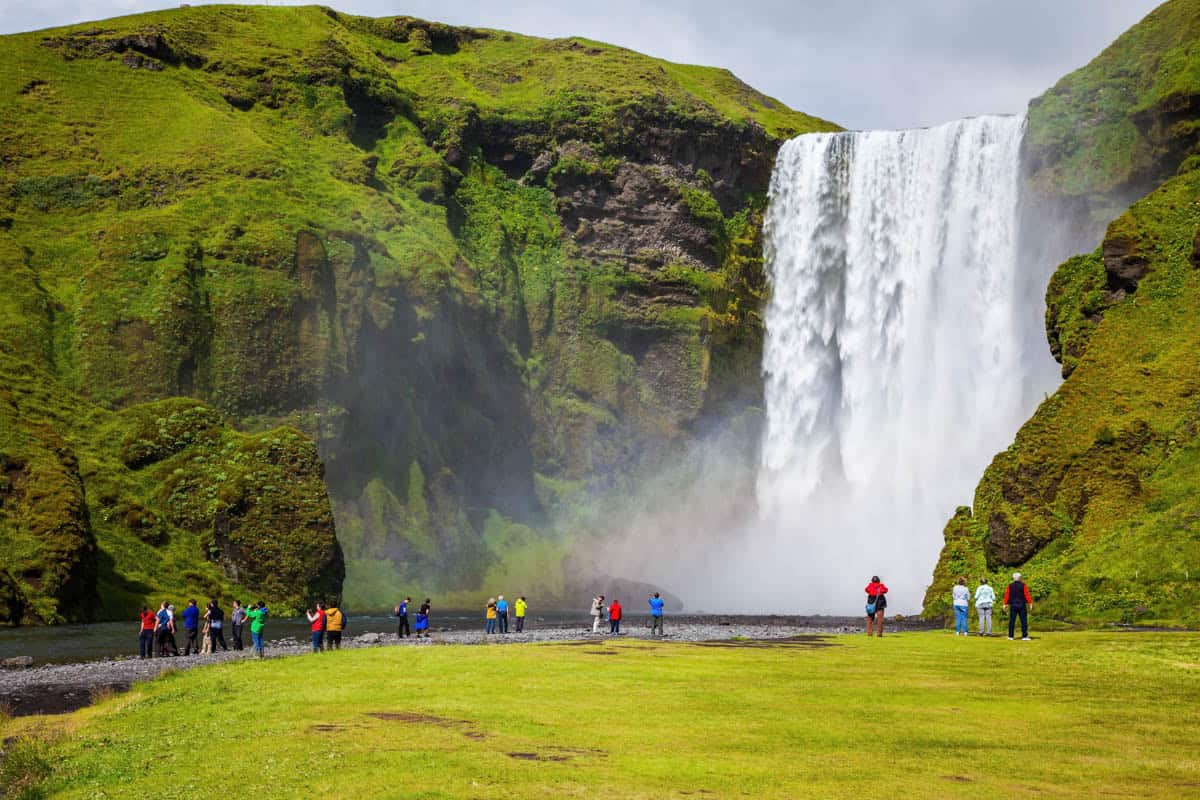
Iceland’s South Coast is one of the most scenic drives in the country, featuring waterfalls, cliffs, and dramatic landscapes. Seljalandsfoss stands out because visitors can walk behind the falling water, while Skógafoss offers a powerful cascade with frequent rainbows. This region showcases the raw beauty of Iceland, with constantly changing scenery along the route. The South Coast is often recommended as an extension of the Golden Circle, offering even more variety in landscapes within a short distance. (Rick Steves)

Best Season to Visit: May to September

Ideal Visiting Hours: Daytime

Traveler Tip: Wear waterproof clothing

Must-Know: Paths can be slippery

5. Jökulsárlón Glacier Lagoon
© Dave Mani

5. Jökulsárlón Glacier Lagoon

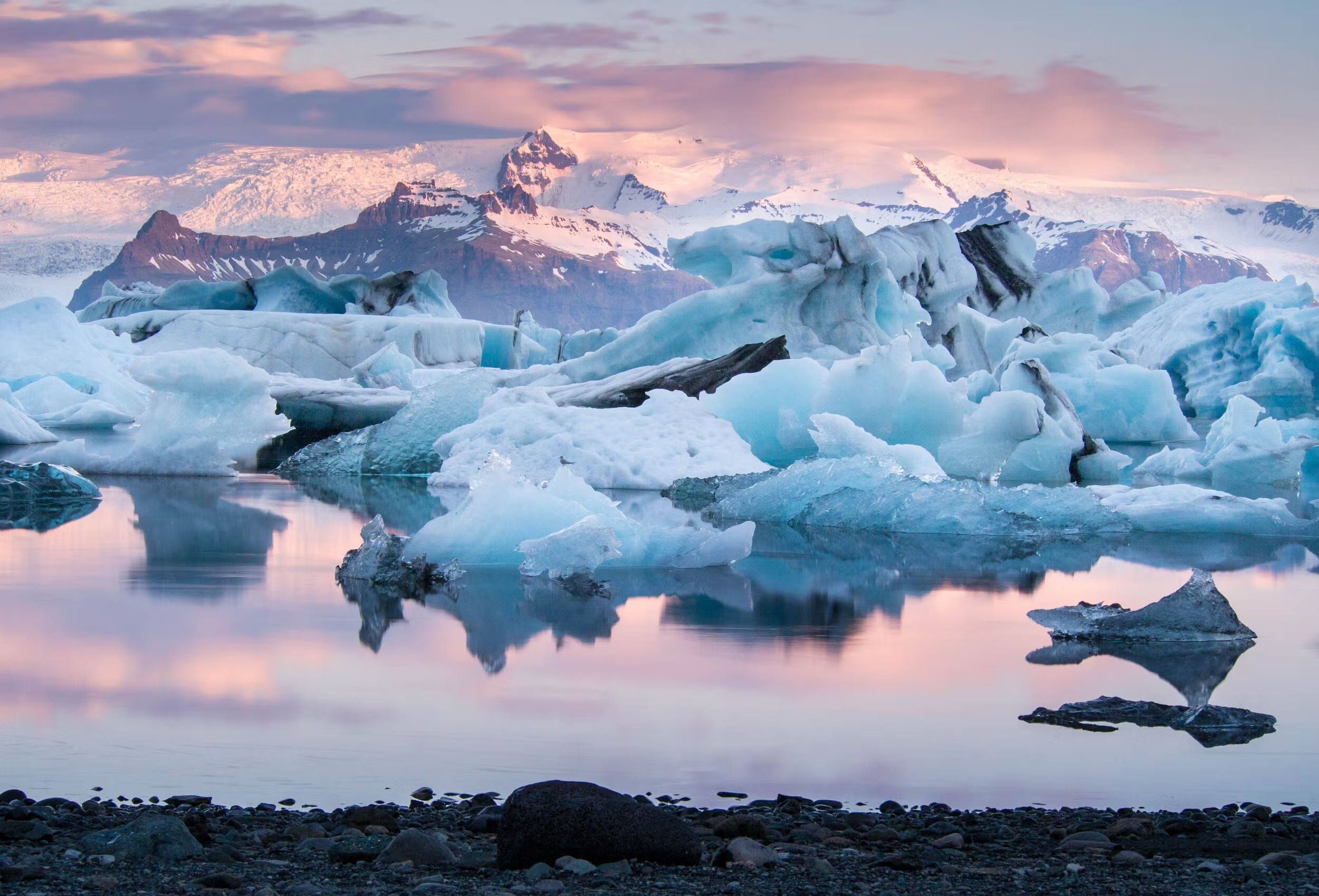
Jökulsárlón is one of Iceland’s most visually striking locations, where floating icebergs drift across a calm glacial lagoon. The contrast between blue ice and dark water creates a surreal landscape that feels almost unreal. Nearby, ice fragments wash up on the black sand beach, creating what is often called “Diamond Beach.” This destination highlights Iceland’s glacial environment and offers a quieter, more reflective experience compared to busier spots.

Best Season to Visit: May to October

Ideal Visiting Hours: Morning or sunset

Traveler Tip: Stay nearby to experience different light conditions

Must-Know: Weather can change quickly

6. Thingvellir National Park
© Thingvellir-scaled

6. Thingvellir National Park

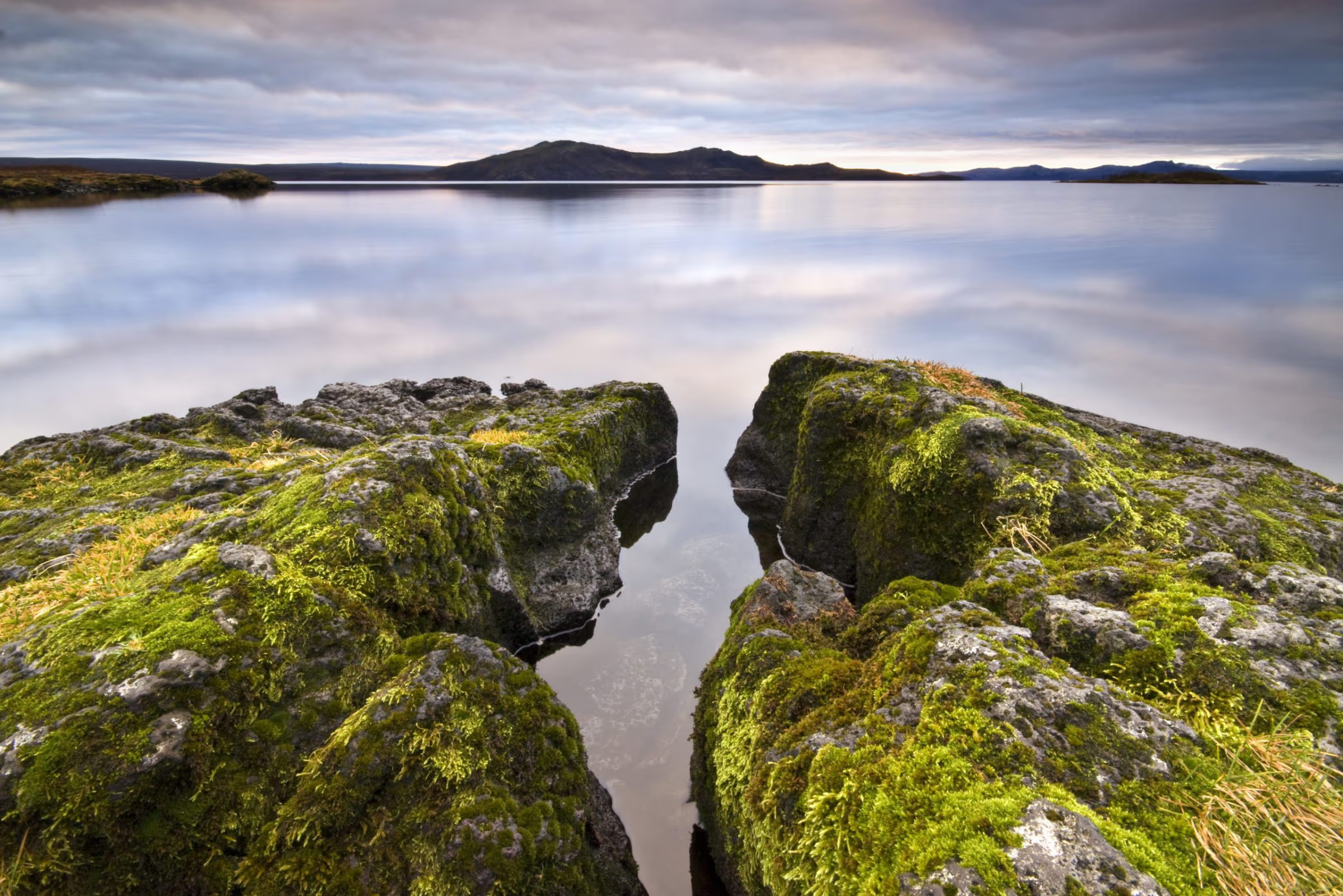
Þingvellir National Park is both historically and geographically significant. It is the site of Iceland’s first parliament and lies directly between the North American and Eurasian tectonic plates. (Iceland Travel Guide) Visitors can walk through dramatic rifts, explore hiking trails, and even snorkel in the Silfra fissure. The park offers a combination of natural beauty and cultural importance, making it more than just a scenic stop.

Best Season to Visit: Year-round

Ideal Visiting Hours: Morning

Traveler Tip: Allocate a few hours for exploration

Must-Know: UNESCO World Heritage Site

7. Geysir Geothermal Area
© Dave Mani

7. Geysir Geothermal Area

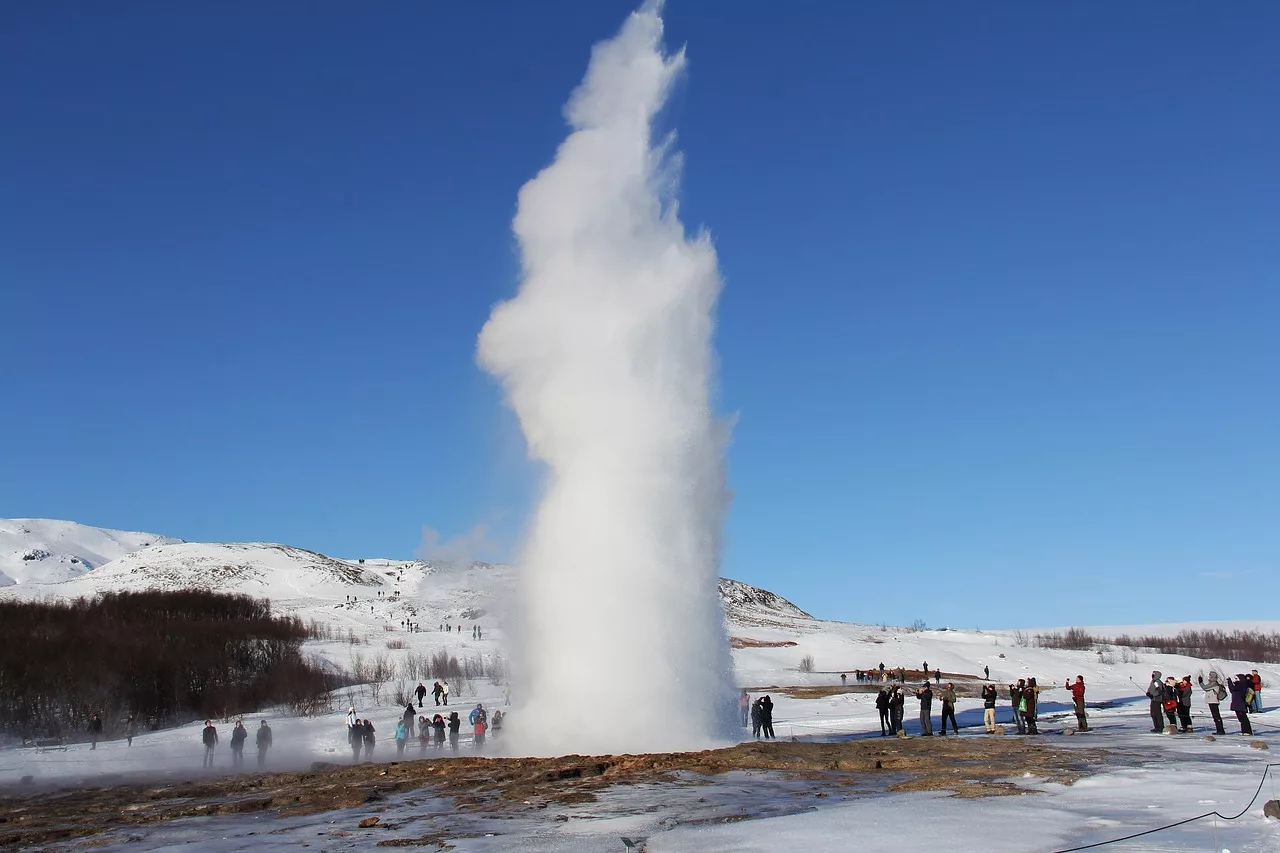
The Geysir geothermal area is home to Strokkur, a geyser that erupts every few minutes, sending hot water high into the air. This area showcases Iceland’s geothermal activity with bubbling pools, steam vents, and mineral-rich ground. It is one of the most active and accessible geothermal sites in the country. Visitors can observe natural forces in action, making it both educational and visually impressive.

Best Season to Visit: Year-round

Ideal Visiting Hours: Daytime

Traveler Tip: Stay ready for sudden eruptions

Must-Know: Strong sulfur smell in some areas

8. Gullfoss Waterfall
© Alamy

8. Gullfoss Waterfall

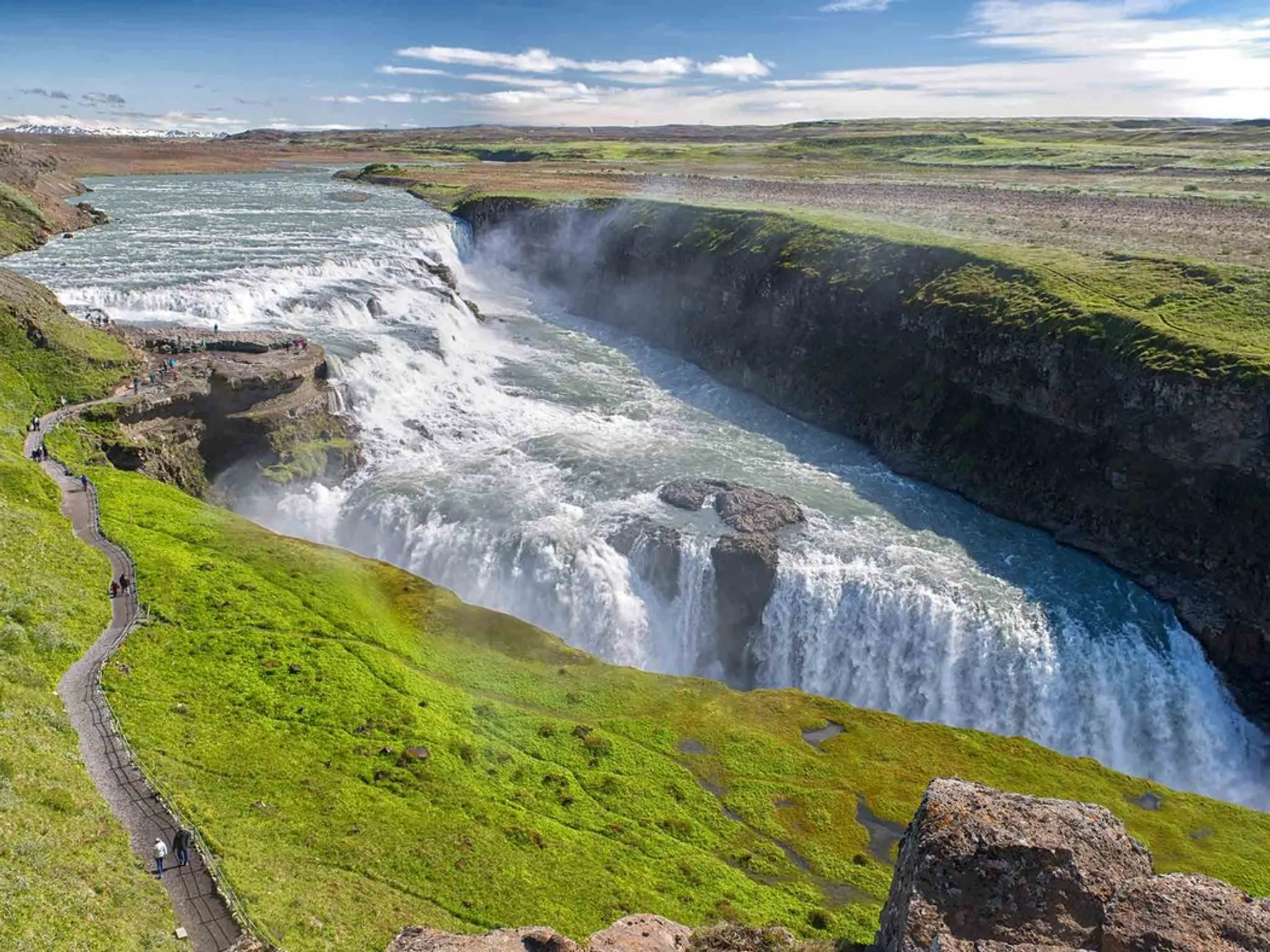
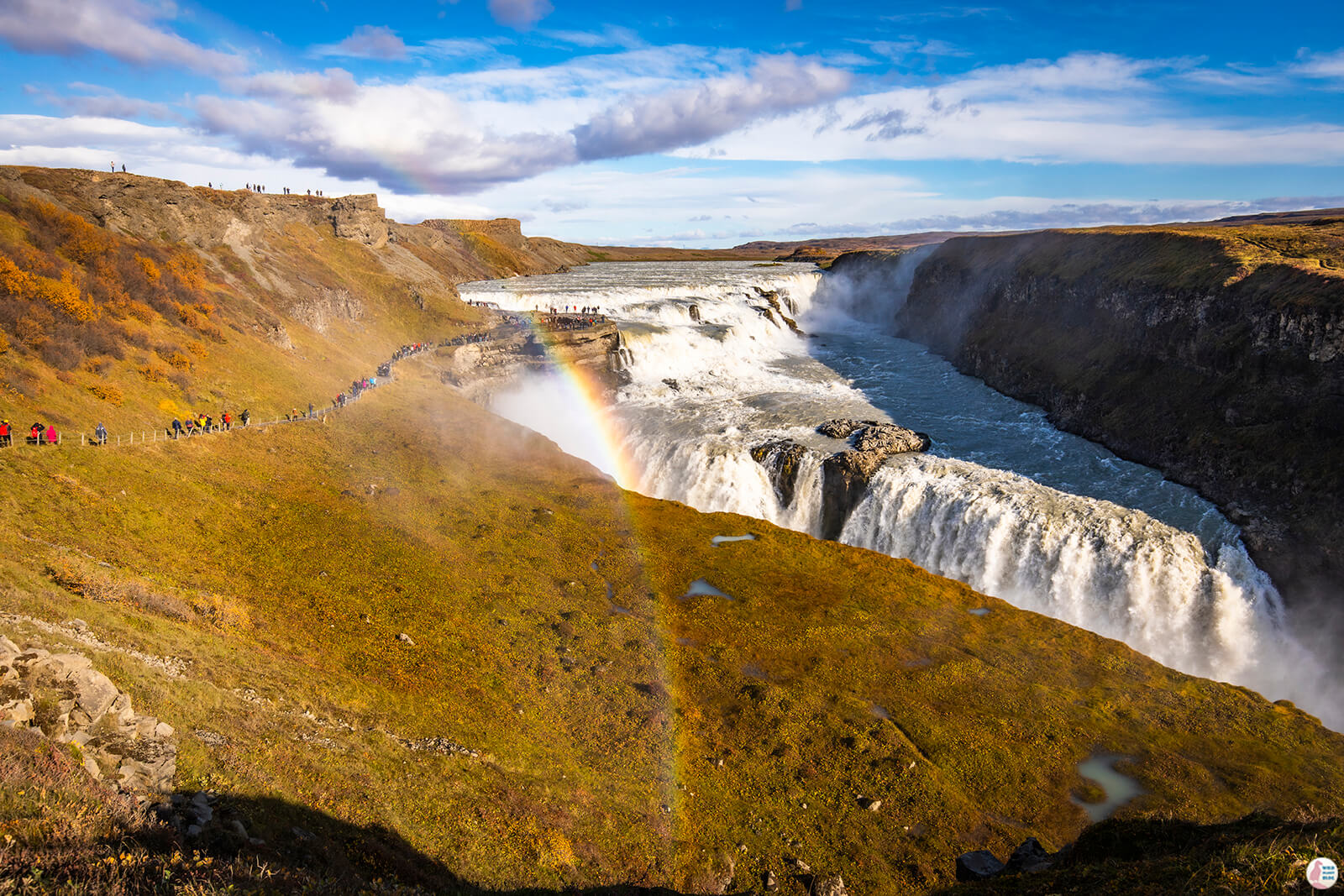
Gullfoss is one of Iceland’s most powerful waterfalls, known for its two-tiered cascade that plunges into a deep canyon. It is part of the Golden Circle and often considered one of the highlights of any Iceland trip. The sheer force of the water and the surrounding landscape create a dramatic viewing experience. During sunny days, rainbows often form in the mist, adding to the visual appeal.

Best Season to Visit: Year-round

Ideal Visiting Hours: Midday

Traveler Tip: Use designated viewpoints for safety

Must-Know: Can be icy in winter

9. Vík and Reynisfjara Black Sand Beach
© bustravel is

9. Vík and Reynisfjara Black Sand Beach

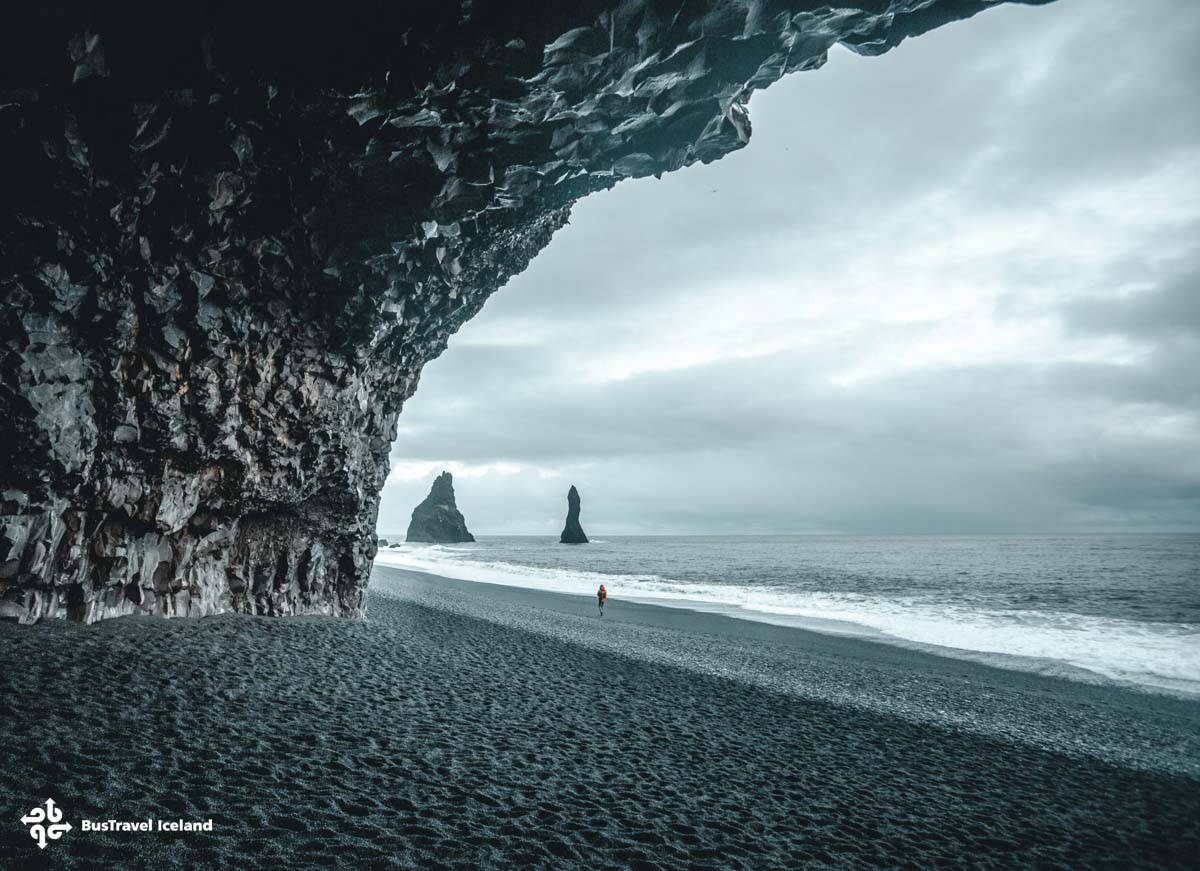
Vík is a small coastal village known for its proximity to Reynisfjara, Iceland’s famous black sand beach. The beach features basalt columns, crashing waves, and dramatic sea stacks rising from the ocean. It offers a completely different landscape compared to other parts of the country. The contrast between black sand and white waves creates a striking visual effect that draws photographers and travelers alike.

Best Season to Visit: May to September

Ideal Visiting Hours: Daytime

Traveler Tip: Keep distance from strong waves

Must-Know: Dangerous sneaker waves possible

10. Snæfellsnes Peninsula
© Dave Mani

10. Snæfellsnes Peninsula

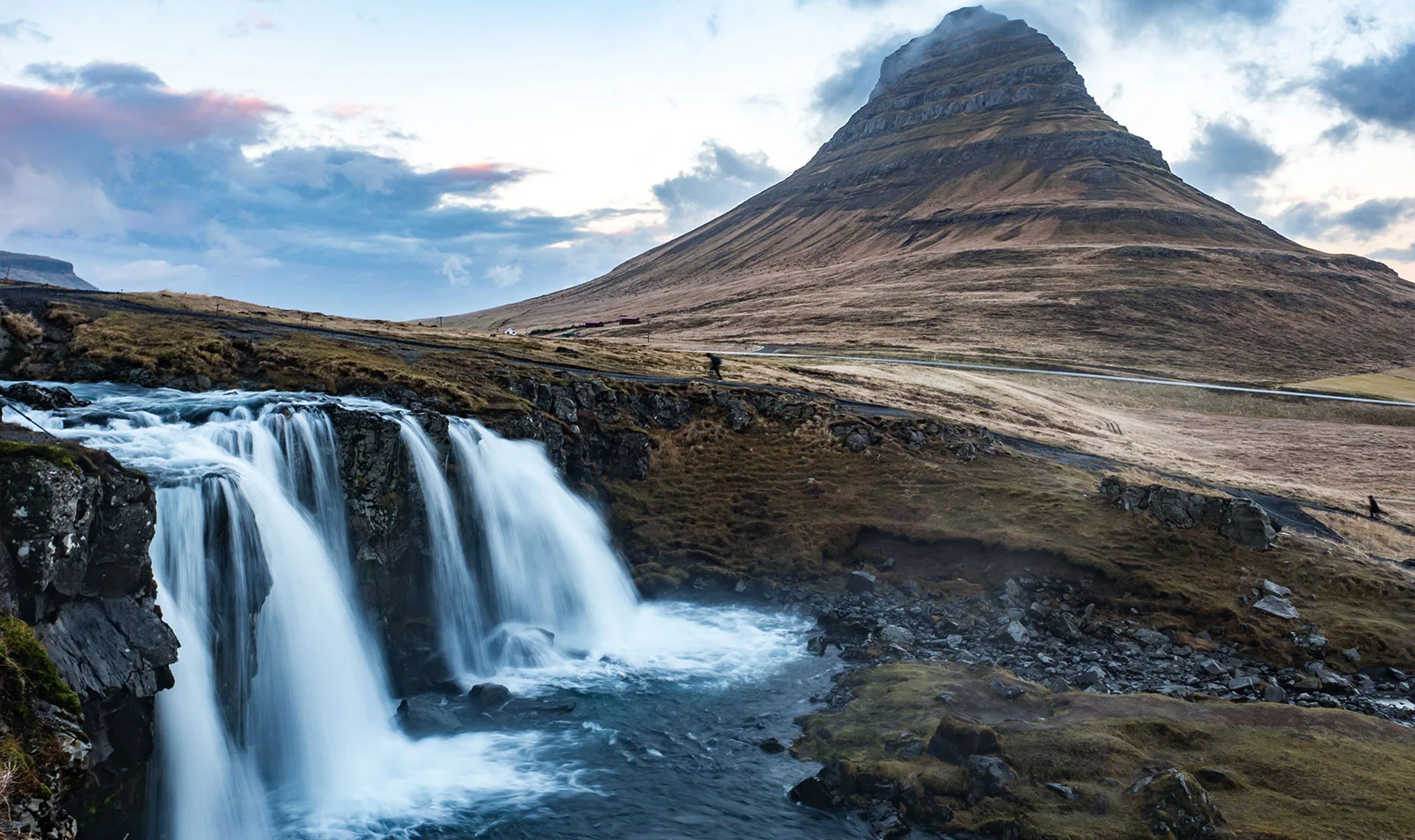
Often called “Iceland in miniature,” the Snæfellsnes Peninsula offers a wide range of landscapes in one region. From volcanic craters and lava fields to cliffs and fishing villages, it provides a condensed version of the country’s natural diversity. The Snæfellsjökull glacier sits at its center, adding to the dramatic scenery. It is less crowded than other major routes, making it ideal for travelers seeking quieter exploration.

Best Season to Visit: May to September

Ideal Visiting Hours: Daytime

Traveler Tip: Rent a car for flexibility

Must-Know: Roads can be narrow in some areas


Comments (0)

Leave a Reply

No comments yet. Be the first to share your thoughts!