Travel Destination

10 small cities around the world that are worth visiting and exploring

James Porter
4.3
April 24, 2026

Travelers often focus on major capitals when planning international trips, expecting iconic landmarks, busy streets, and well-known attractions. While these cities offer plenty to see, they can sometimes feel rushed, crowded, and detached from everyday local life. In contrast, smaller cities and towns provide a more grounded experience, where visitors can explore at a slower pace, interact more easily with locals, and discover details that are often overlooked in larger destinations.

Many small cities combine history, culture, scenery, and authenticity in ways that feel more personal and memorable. Walkable streets, independent businesses, and strong community identity create an environment where travel feels less transactional and more immersive.

This guide highlights ten small cities around the world that consistently offer richer travel experiences than major capitals. These destinations are not just alternatives, they are places where travelers often leave with stronger memories, deeper connections, and a better understanding of the region.
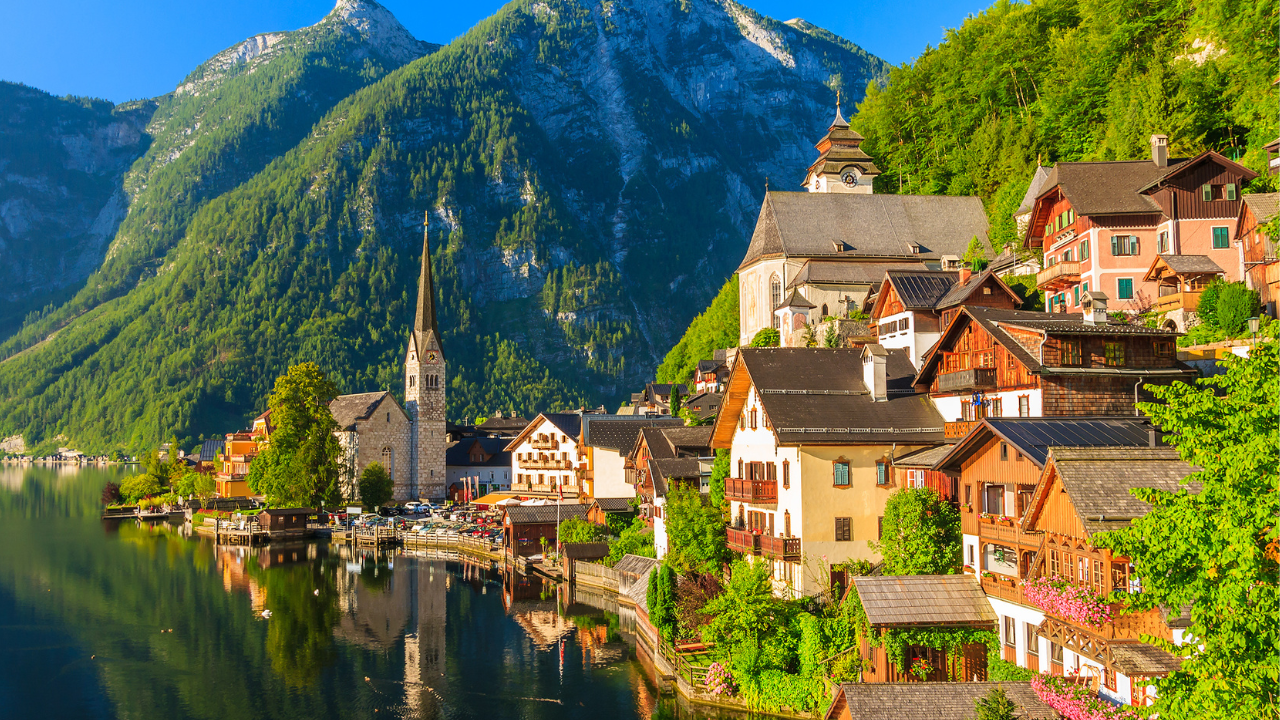
1. Hallstatt, Austria
© shutterstock / Pawel Kazmierczakjpg

1. Hallstatt, Austria

Hallstatt is a lakeside village surrounded by alpine mountains, often considered one of the most picturesque places in Europe. Its compact size allows visitors to explore everything on foot, from narrow streets to scenic viewpoints. Unlike Vienna, where attractions are spread across a large urban area, Hallstatt offers a focused experience where natural beauty and history blend seamlessly. The town is also known for its ancient salt mines, which provide insight into its long-standing cultural significance.

Best Season to Visit: April–June or September–October

Ideal Experience Time: Early morning or late evening for quiet exploration

Traveler Tip: Stay overnight to experience the town after day visitors leave

Must-Know: Popular viewpoints can get crowded during midday

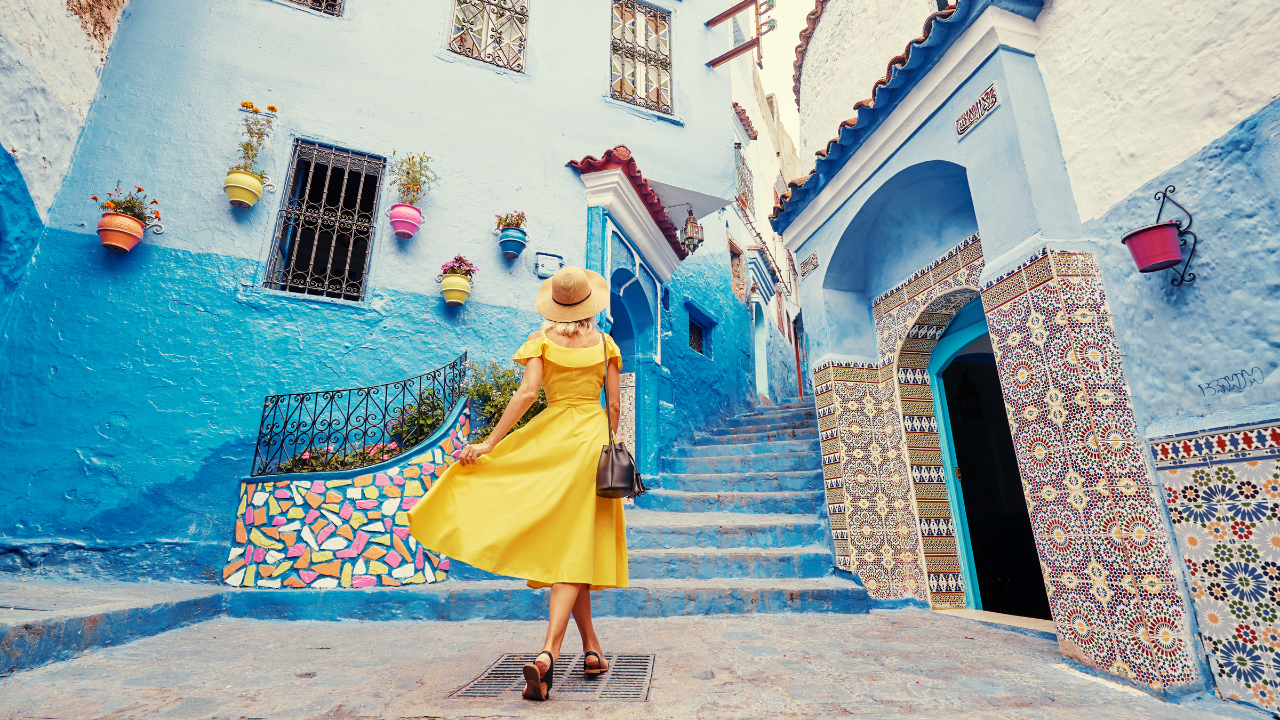
2. Chefchaouen, Morocco
© shutterstock / kudlajpg

2. Chefchaouen, Morocco

Chefchaouen stands out for its blue-painted buildings and relaxed mountain setting. Compared to bustling cities like Marrakech, it offers a calmer and more reflective atmosphere. Walking through its medina feels less chaotic, allowing visitors to appreciate architecture, local crafts, and daily life. The surrounding Rif Mountains also provide opportunities for hiking and nature exploration, adding variety to the experience.

Best Season to Visit: March–May or September–November

Ideal Experience Time: Morning for photography and quiet streets

Traveler Tip: Wear comfortable shoes for uneven paths

Must-Know: Cash is often preferred in small shops

3. Bruges, Belgium
© shutterstock / Sean Pavonejpg

3. Bruges, Belgium

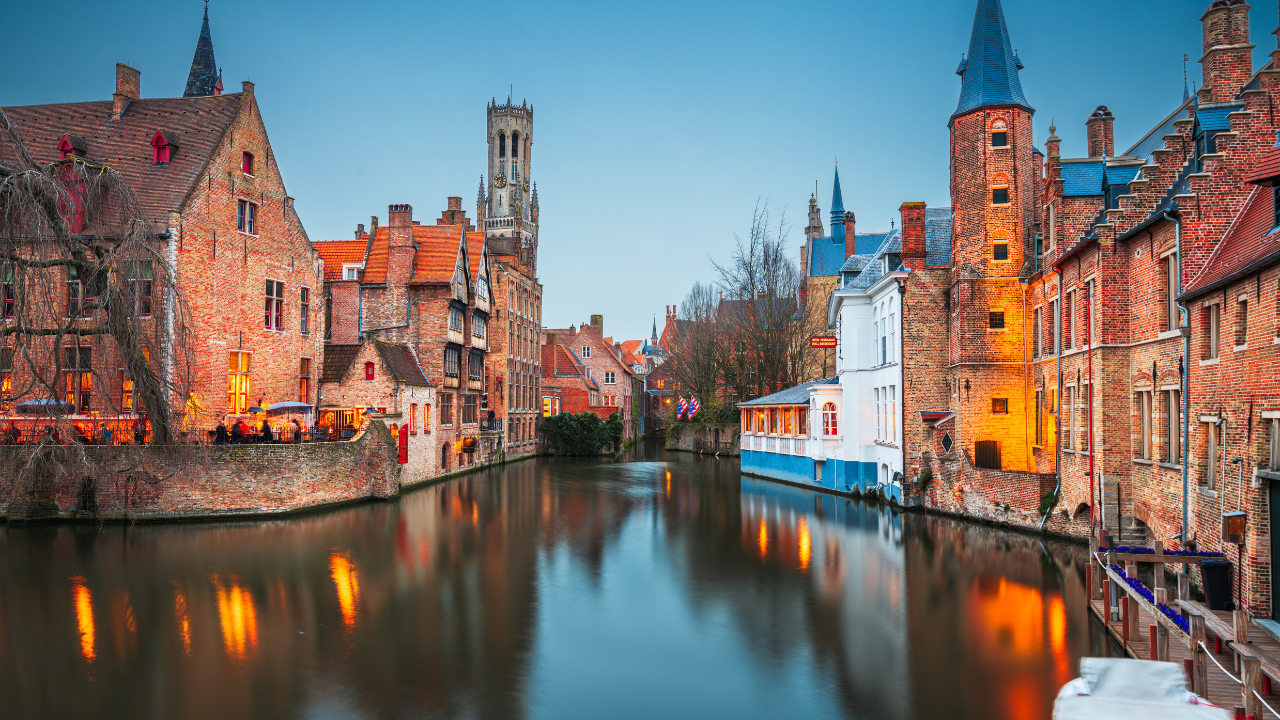
Bruges is a medieval city known for canals, cobblestone streets, and preserved architecture. While Brussels is the capital, Bruges offers a more immersive historical atmosphere. The entire city feels like a walkable museum, where visitors can explore markets, churches, and quiet alleys without the intensity of a major urban center. Its compact size allows travelers to experience more in less time without feeling rushed.

Best Season to Visit: April–June or September

Ideal Experience Time: Early morning or evening canal walks

Traveler Tip: Rent a bike to explore surrounding countryside

Must-Know: Day-trip crowds peak in the afternoon

4. Kyoto (Smaller Districts), Japan
© shutterstock / Summit Art Creationsjpg

4. Kyoto (Smaller Districts), Japan

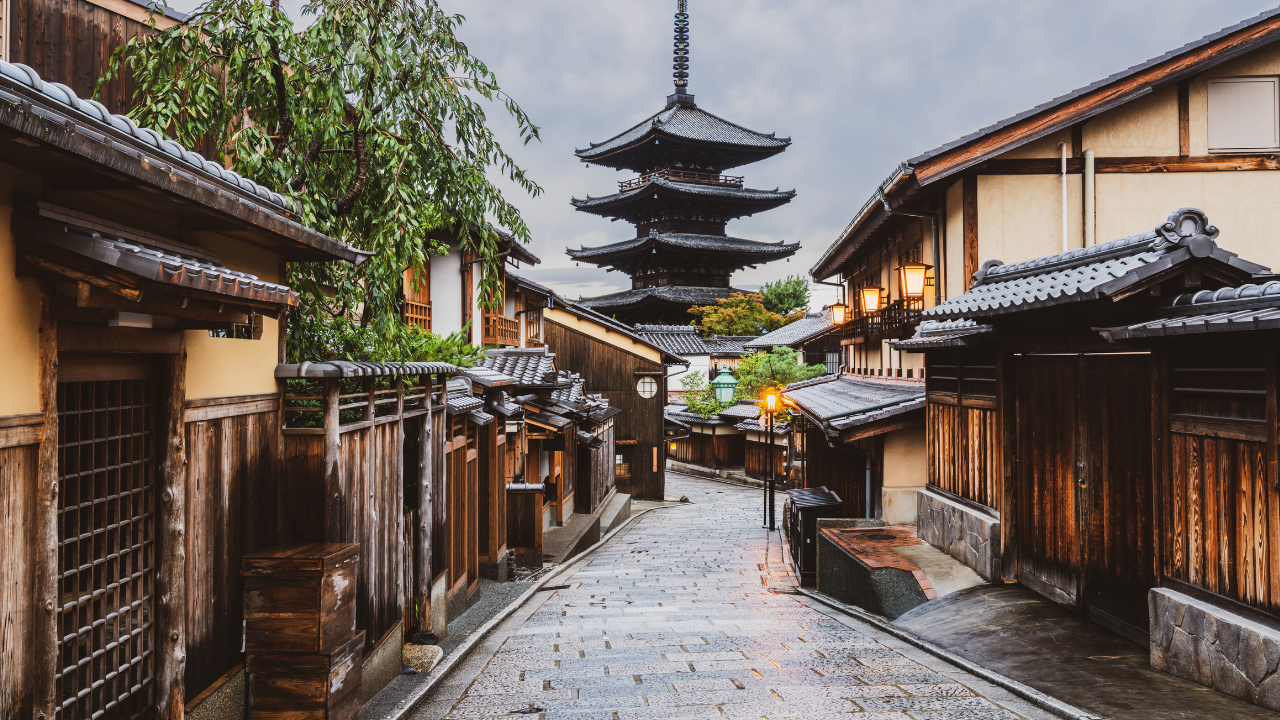
While Kyoto itself is a major city, its smaller districts like Arashiyama and Gion provide intimate cultural experiences that feel far removed from Tokyo’s scale. These areas preserve traditional architecture, temples, and cultural practices. Visitors can walk through bamboo groves, attend tea ceremonies, and observe local customs in a quieter setting.

Best Season to Visit: March–May or October–November

Ideal Experience Time: Early morning for temples and gardens

Traveler Tip: Visit less-known temples to avoid crowds

Must-Know: Respect local etiquette, especially in traditional districts

5. Colmar, France
© shutterstock / Khun Tajpg

5. Colmar, France

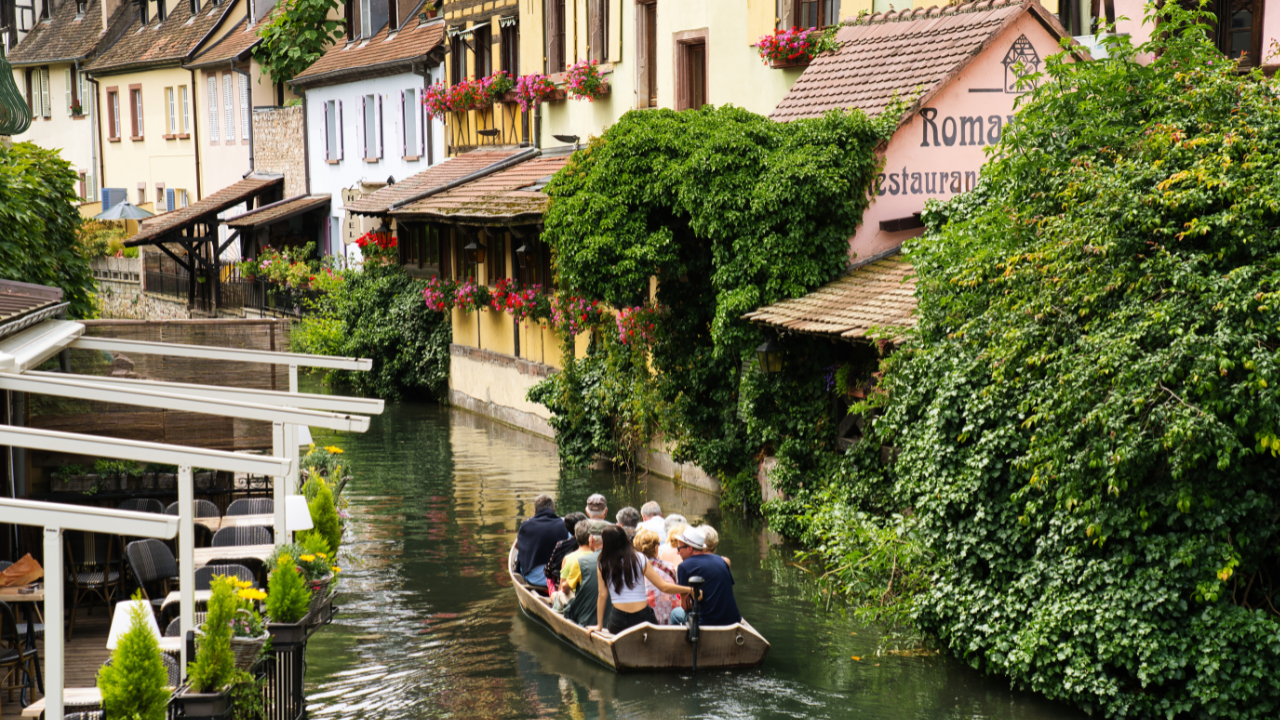
Colmar is known for its colorful half-timbered houses and canals, often compared to a storybook setting. Unlike Paris, where large crowds dominate major attractions, Colmar offers a slower pace and a more personal connection to local culture. Its location in the Alsace region also makes it a hub for wine tasting and regional cuisine.

Best Season to Visit: May–June or December (for Christmas markets)

Ideal Experience Time: Late afternoon for photography

Traveler Tip: Explore nearby vineyards for a complete experience

Must-Know: Many shops close during midday

6. Queenstown, New Zealand
© shutterstock /Alexandreejpg

6. Queenstown, New Zealand

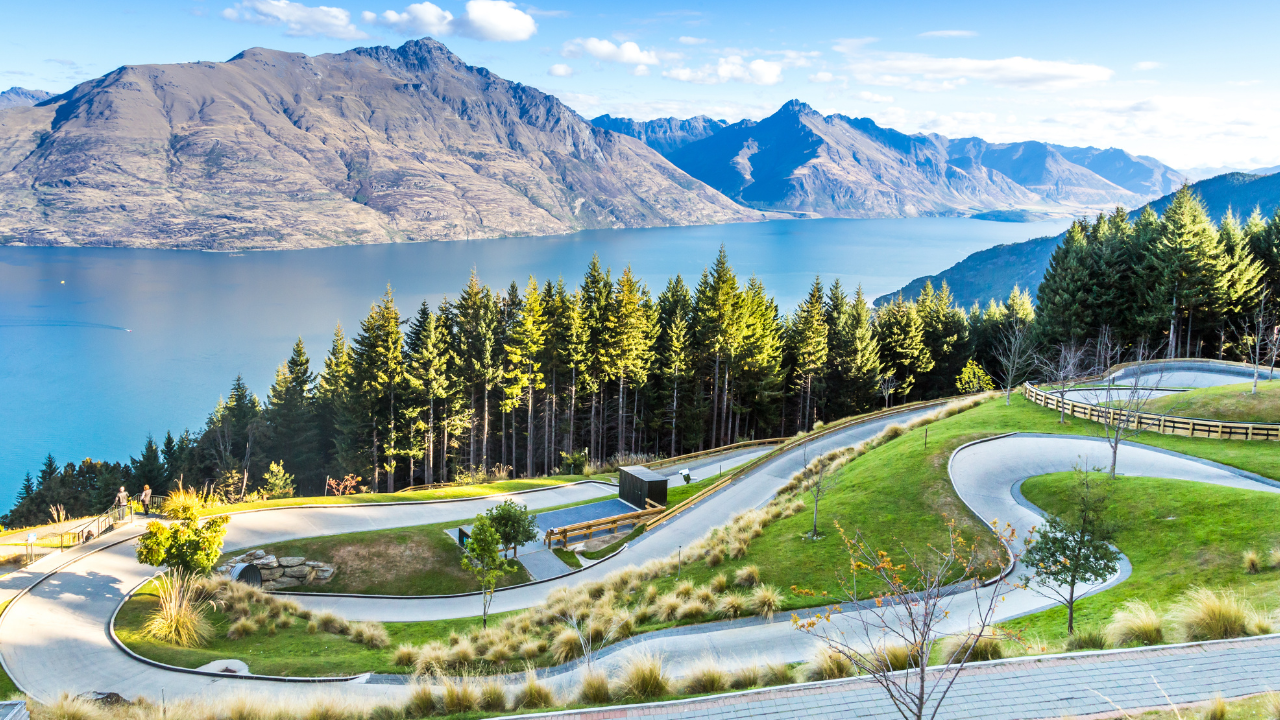
Queenstown is a small city known for its dramatic landscapes and outdoor activities. While Wellington is the capital, Queenstown offers a more immersive experience for travelers seeking adventure. Surrounded by mountains and lakes, it serves as a base for hiking, skiing, and water sports. The town itself remains compact and easy to navigate.

Best Season to Visit: December–February for summer, June–August for winter sports

Ideal Experience Time: Early morning for outdoor activities

Traveler Tip: Book adventure activities in advance

Must-Know: Weather conditions can change quickly

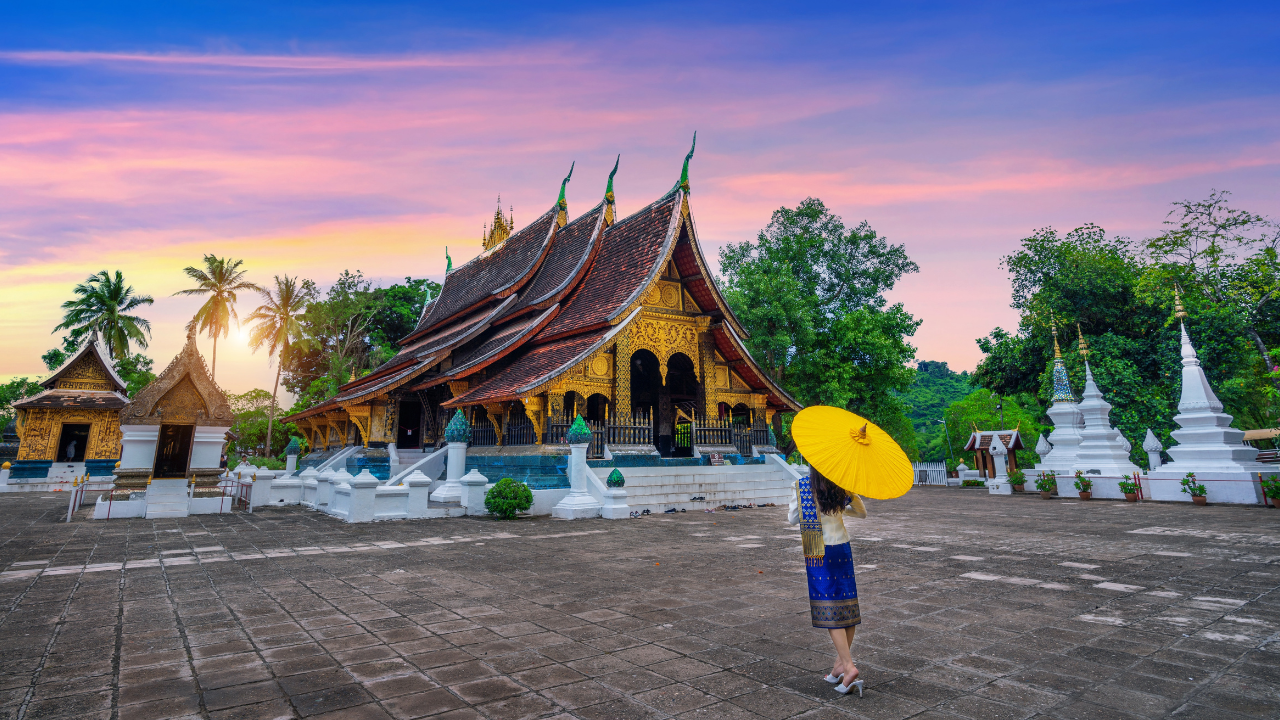
7. Luang Prabang, Laos
© shutterstock / Guitar photographerjpg

7. Luang Prabang, Laos

Luang Prabang blends French colonial architecture with Buddhist temples, creating a unique cultural environment. Compared to larger Southeast Asian capitals, it offers a quieter and more reflective travel experience. Visitors can witness traditional ceremonies, explore local markets, and visit nearby waterfalls.

Best Season to Visit: November–March

Ideal Experience Time: Early morning for alms-giving ceremony

Traveler Tip: Dress modestly when visiting temples

Must-Know: Respect local customs during religious events

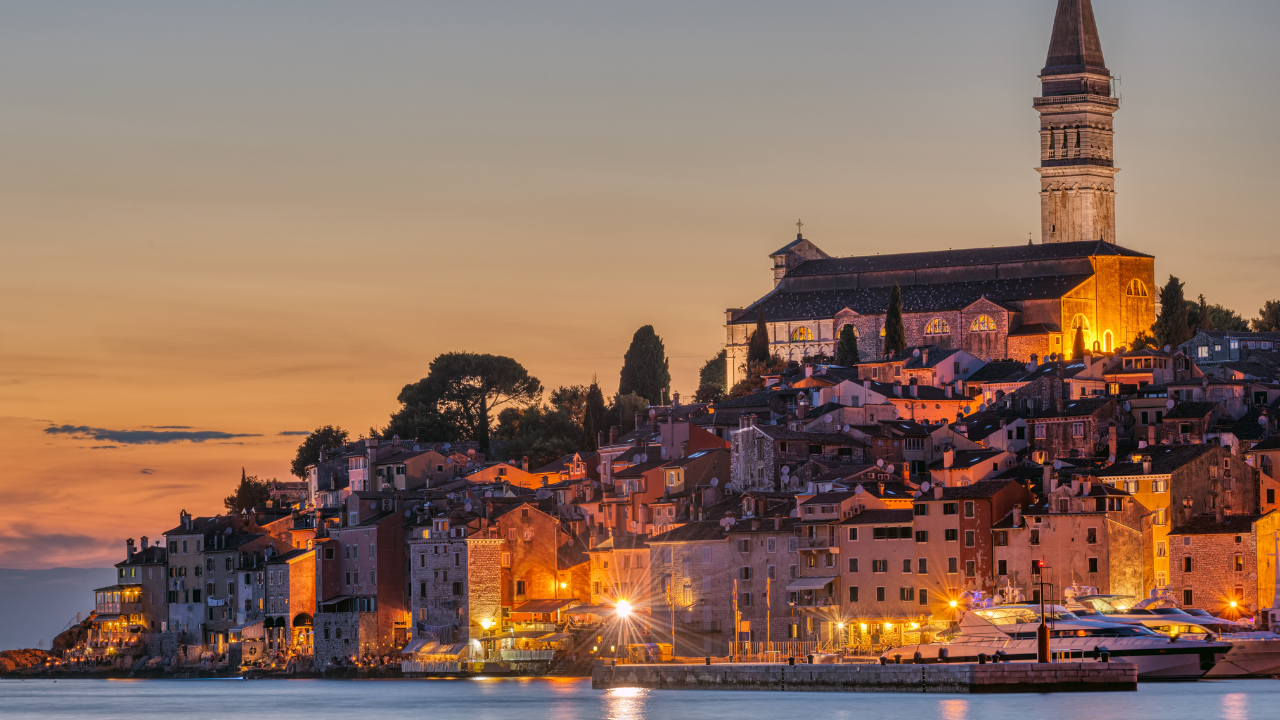
8. Rovinj, Croatia
© shutterstock / elxeneizejpg

8. Rovinj, Croatia

Rovinj is a coastal town known for its colorful buildings and narrow streets. Unlike Zagreb, Rovinj offers a more relaxed atmosphere centered around the Adriatic Sea. Visitors can explore the old town, enjoy local seafood, and take boat trips to nearby islands. The town’s compact layout makes it easy to explore without planning extensive itineraries.

Best Season to Visit: May–June or September

Ideal Experience Time: Sunset along the harbor

Traveler Tip: Wander without a fixed plan to discover hidden spots

Must-Know: Summer months can still get busy

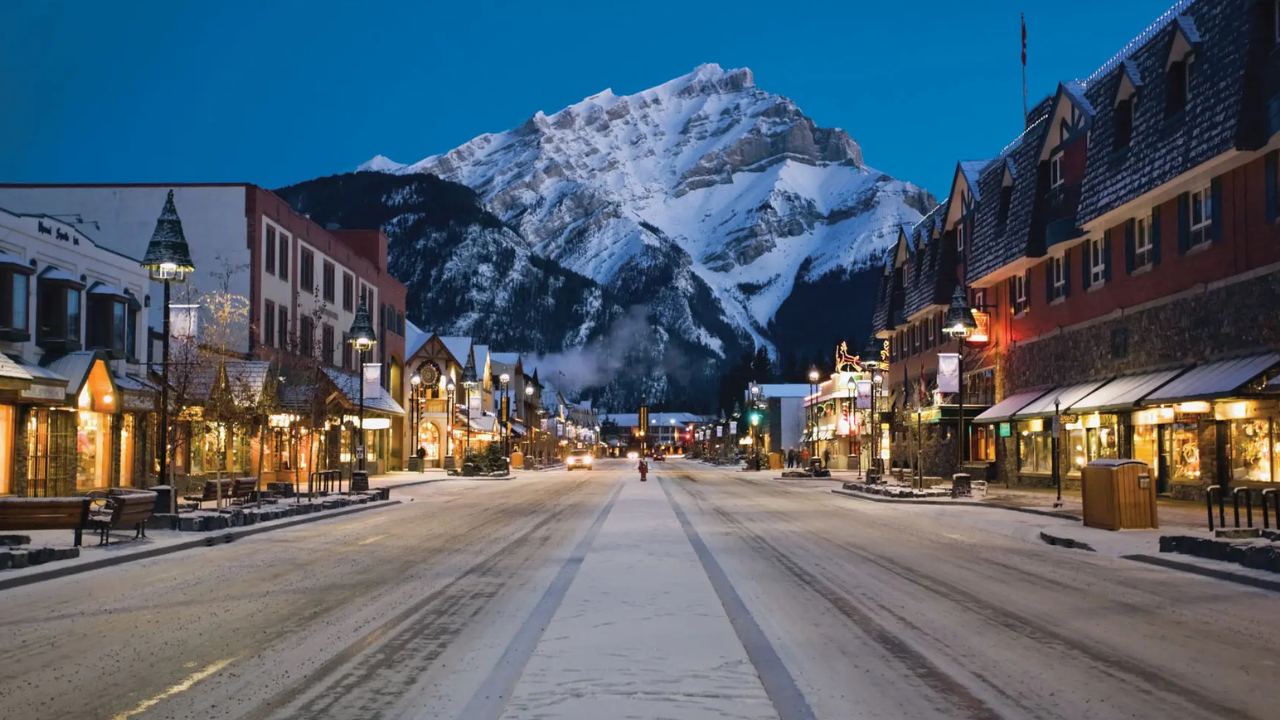
9. Banff, Canada
© Skimag / Lake Louise Tourism

9. Banff, Canada

Banff is a small town located within a national park, surrounded by mountains, lakes, and forests. Compared to Ottawa, it offers a nature-focused experience that feels more immersive. Visitors can hike, kayak, or simply enjoy the scenery. The town itself is small but well-equipped for travelers.

Best Season to Visit: June–September or December–March

Ideal Experience Time: Early morning for wildlife viewing

Traveler Tip: Arrive early for popular trails

Must-Know: Park entry fees apply

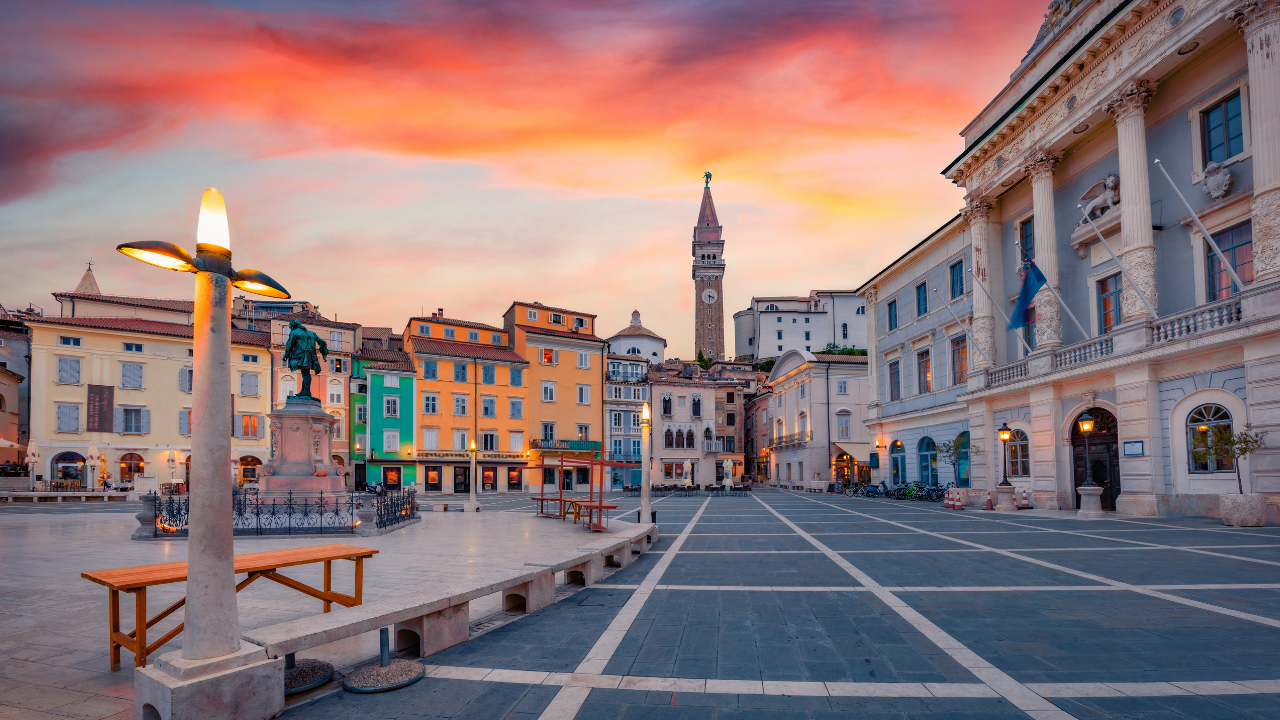
10. Piran, Slovenia
© shutterstock / Andrew Mayovskyyjpg

10. Piran, Slovenia

Piran is a coastal town with Venetian-style architecture and a relaxed atmosphere. It offers a quieter alternative to larger European cities while still providing cultural and scenic experiences. The town’s central square, narrow streets, and sea views create a setting that feels both historic and accessible. Spring weather and fewer crowds make it especially appealing.

Best Season to Visit: April–June

Ideal Experience Time: Evening walks along the promenade

Traveler Tip: Climb the town walls for panoramic views

Must-Know: Limited sandy beaches, mostly stone or concrete areas


Comments (0)

Leave a Reply

No comments yet. Be the first to share your thoughts!